

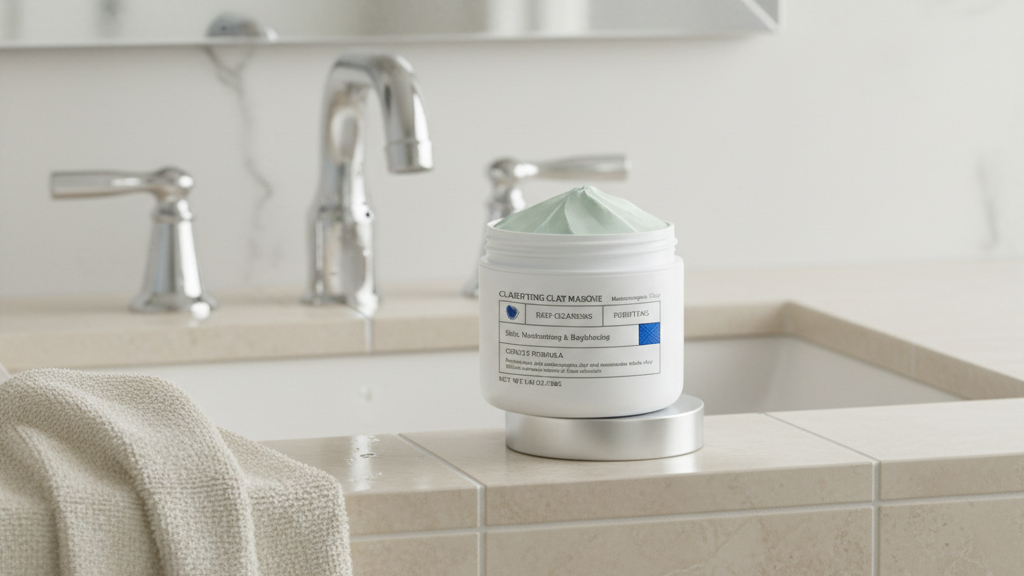

From Budget-Friendly to Luxurious: Top Clay Masks Reviewed
There is something primal and deeply satisfying about slathering mud on your face. We’ve all seen the "green face" trope in movies, but in the real world of skincare, finding the best clay masks isn't just about looking like a swamp creature for fifteen minutes—it’s about strategic oil management and pore maintenance.
If you’ve ever felt like your pores were becoming permanent residence for blackheads, or if your skin look has turned dull from a week of city smog, a clay mask is your heavy-duty reset button. After weeks of being tested and reviewed by our team, we’ve narrowed down the 8 best clay masks that actually deliver on their promises, ranging from drugstore steals to high-end vanity shelf staples.

Why Your Pores Actually Need a Clay Face Mask
Most people treat a clay face mask as a "once in a blue moon" luxury. However, a board-certified dermatologist will tell you that for oily skin or acne-prone skin, clay is a functional necessity.
How Clay Masks Work on Pores
The science is simple but effective. Clay masks work through adsorption (not just absorption). As the mask feels like it’s tightening on your skin, it creates a vacuum-like effect. It binds to the excess sebum, dead skin cells, and environmental pollutants trapped in clogged pores. When you remove the mask, you’re literally rinsing away the debris that causes breakouts and uneven skin texture.
But here is the catch: not all clay is created equal. If you have dry skin, using a heavy bentonite clay might leave your face feeling like a cracked desert floor. That’s why understanding your skin type is the first step before buying clay masks.
The 8 Best Clay Masks: Tested and Reviewed
We didn't just look at the labels; we put these to the test. We looked at skin feel, how easy they were to wash off, and whether they actually cleared clogged pores or just sat on top of the skin.
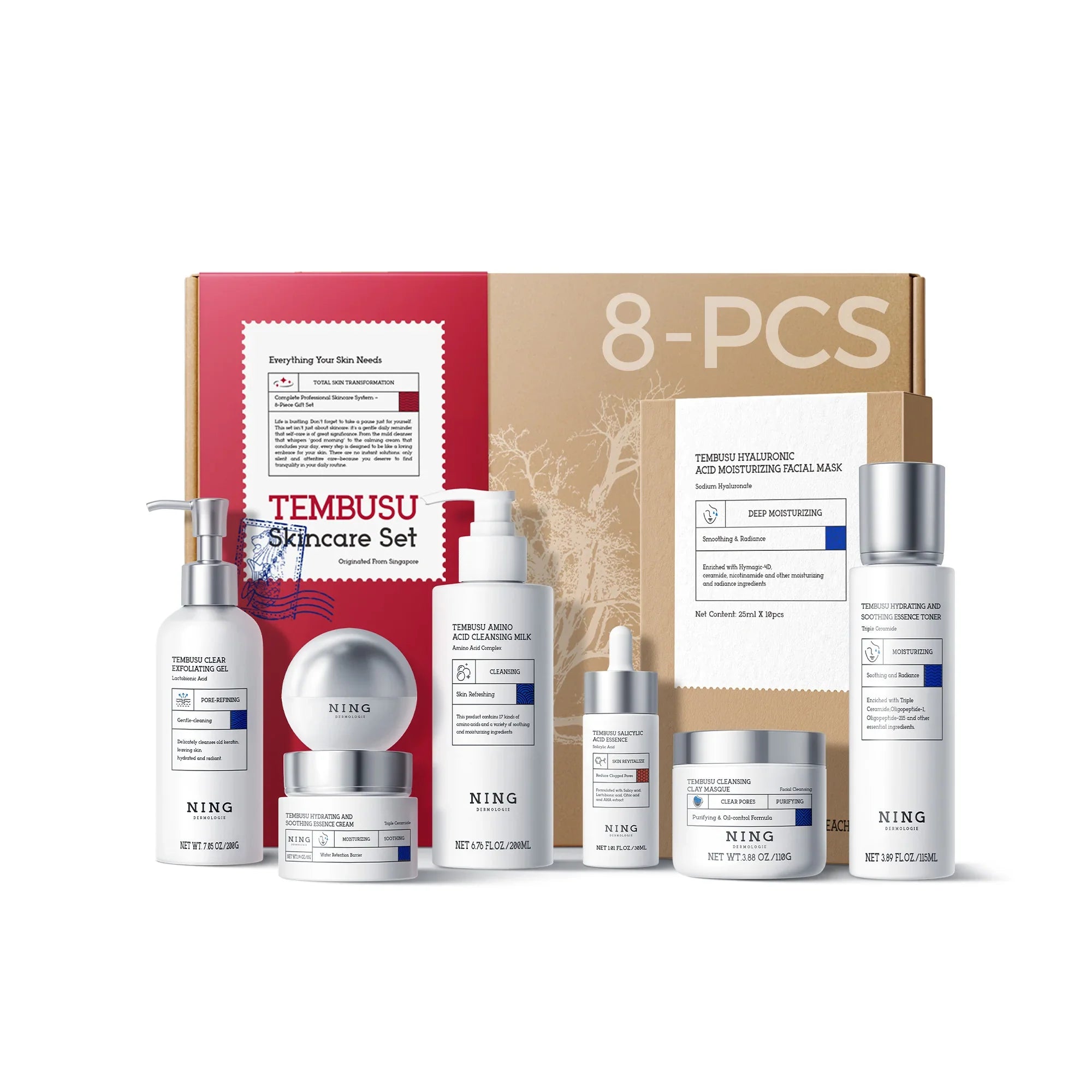
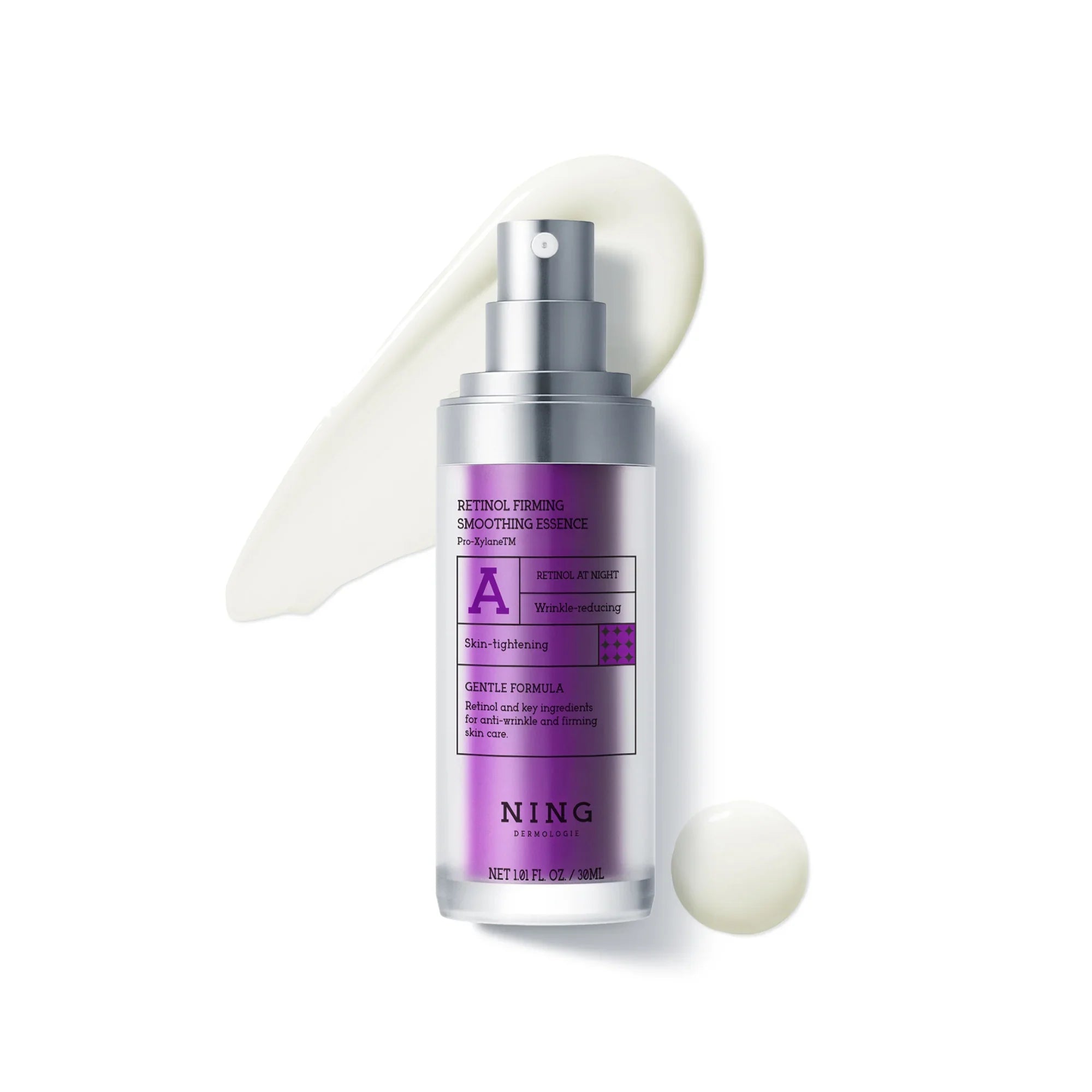
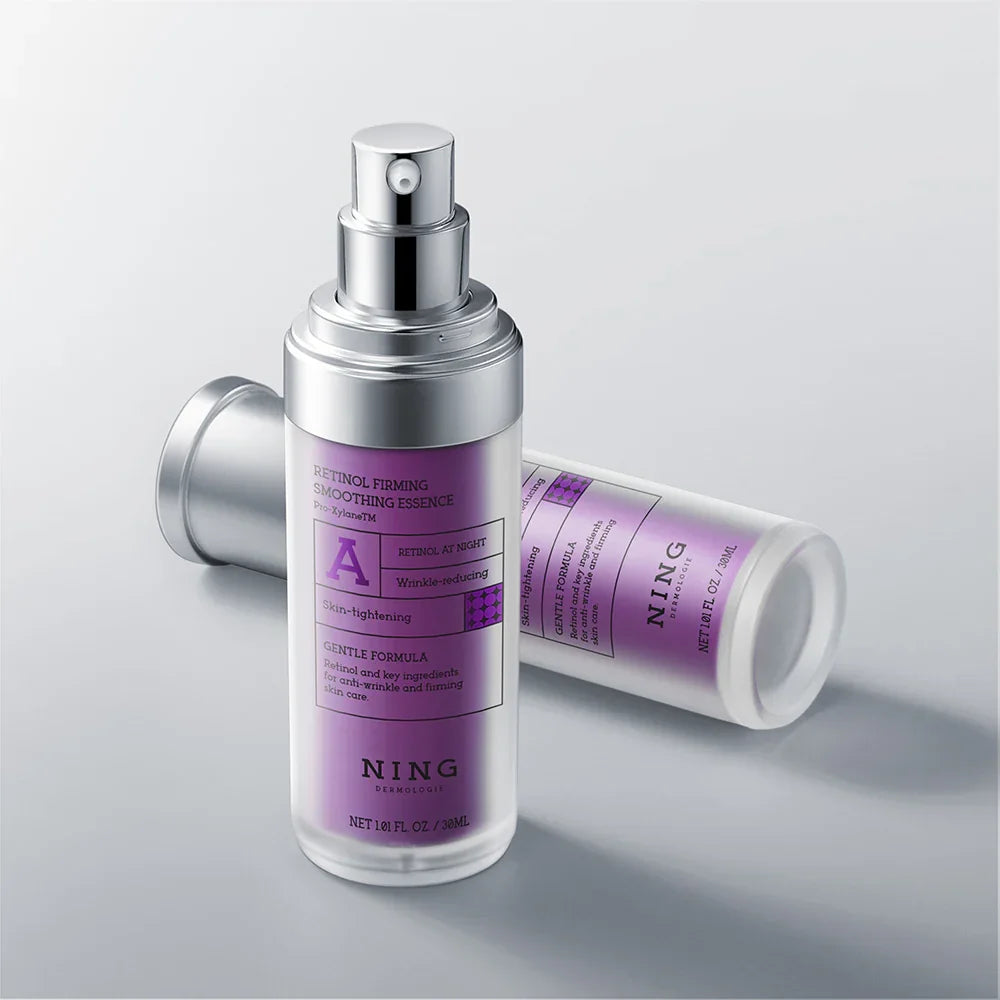
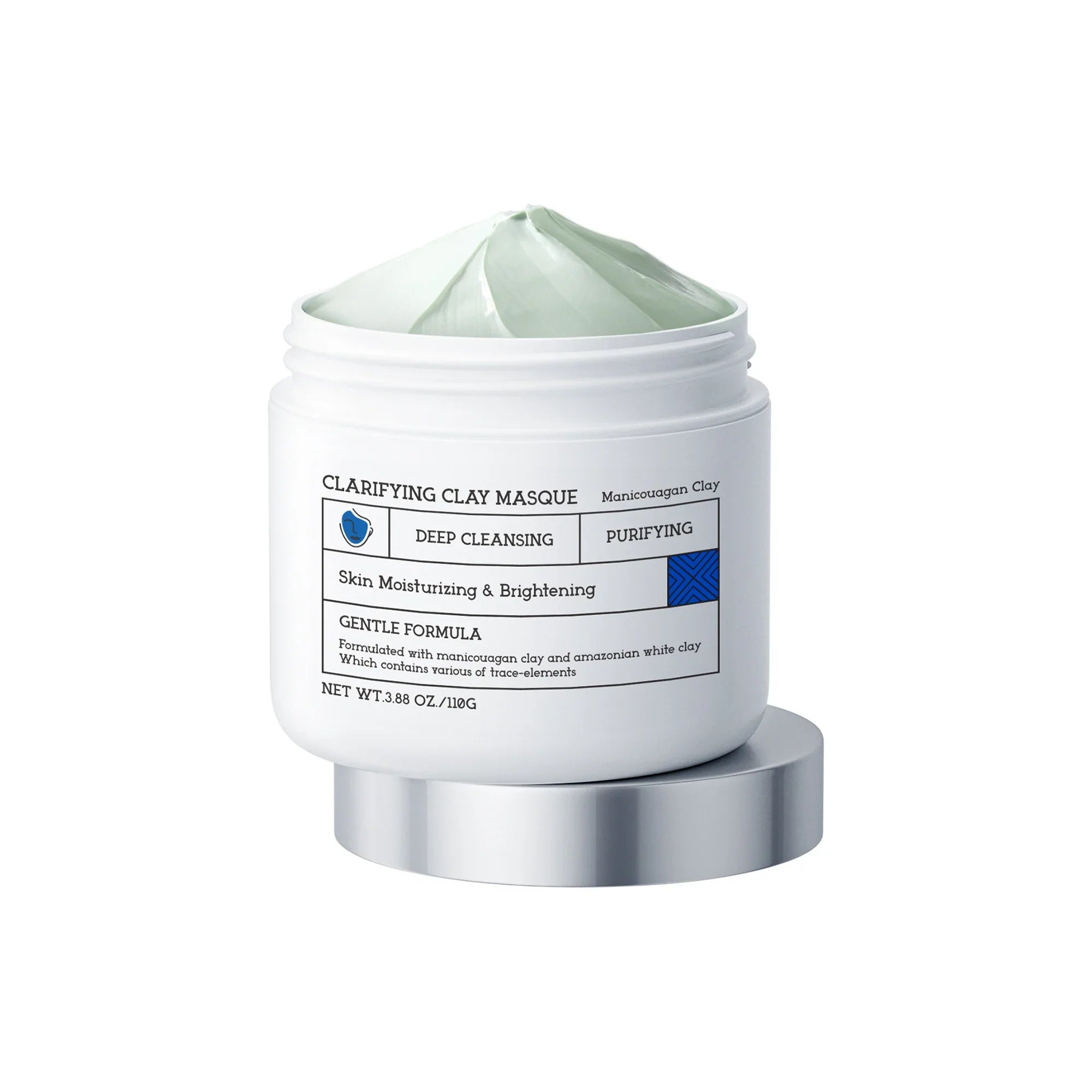
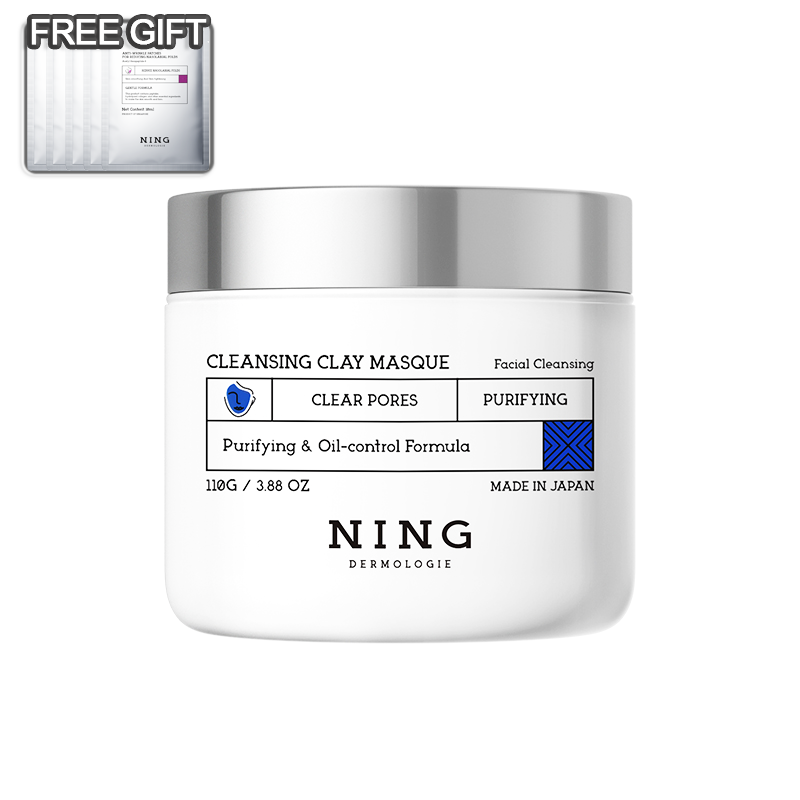
1. Best Overall: NING Dermologie Clay Mask for Face Sensitive Skin
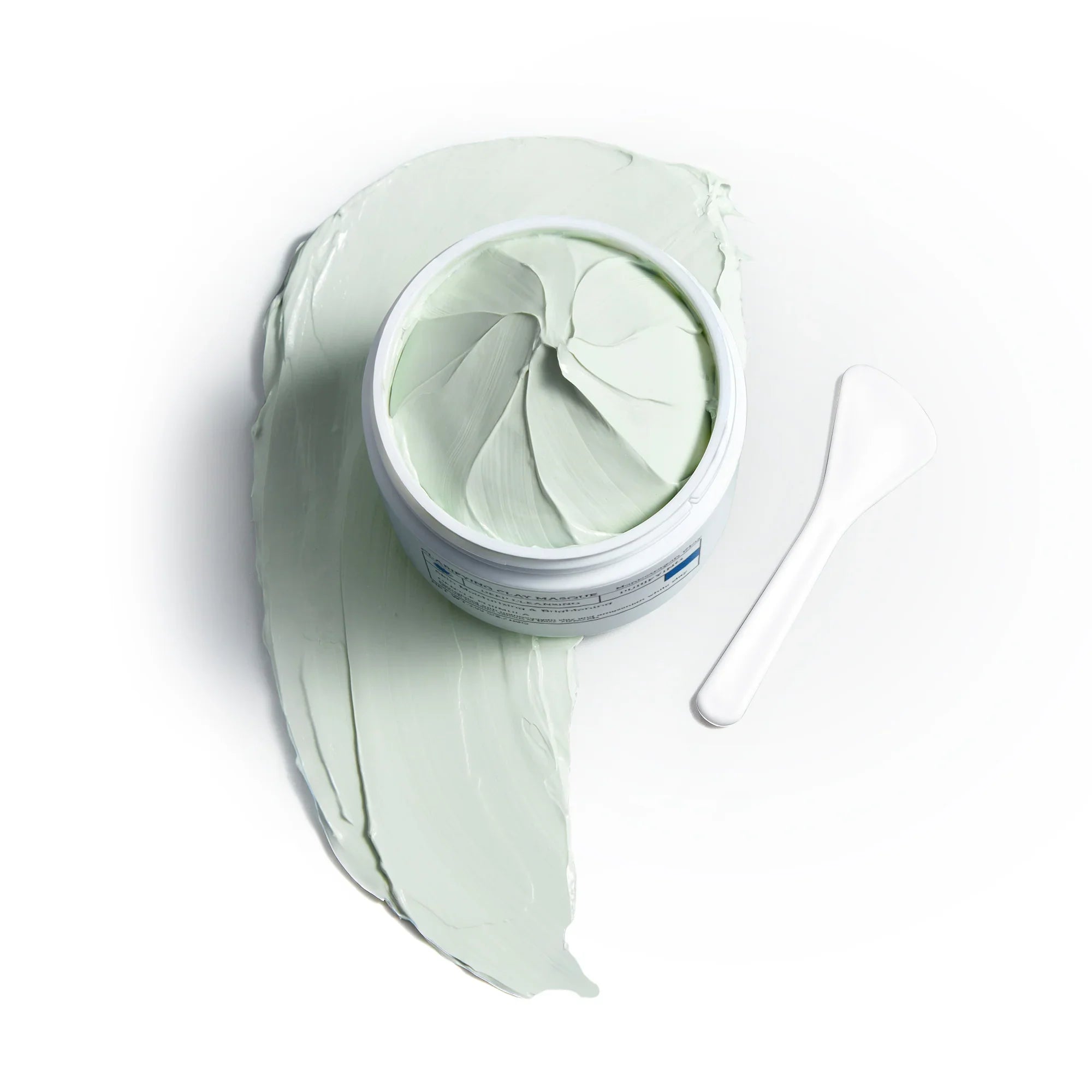
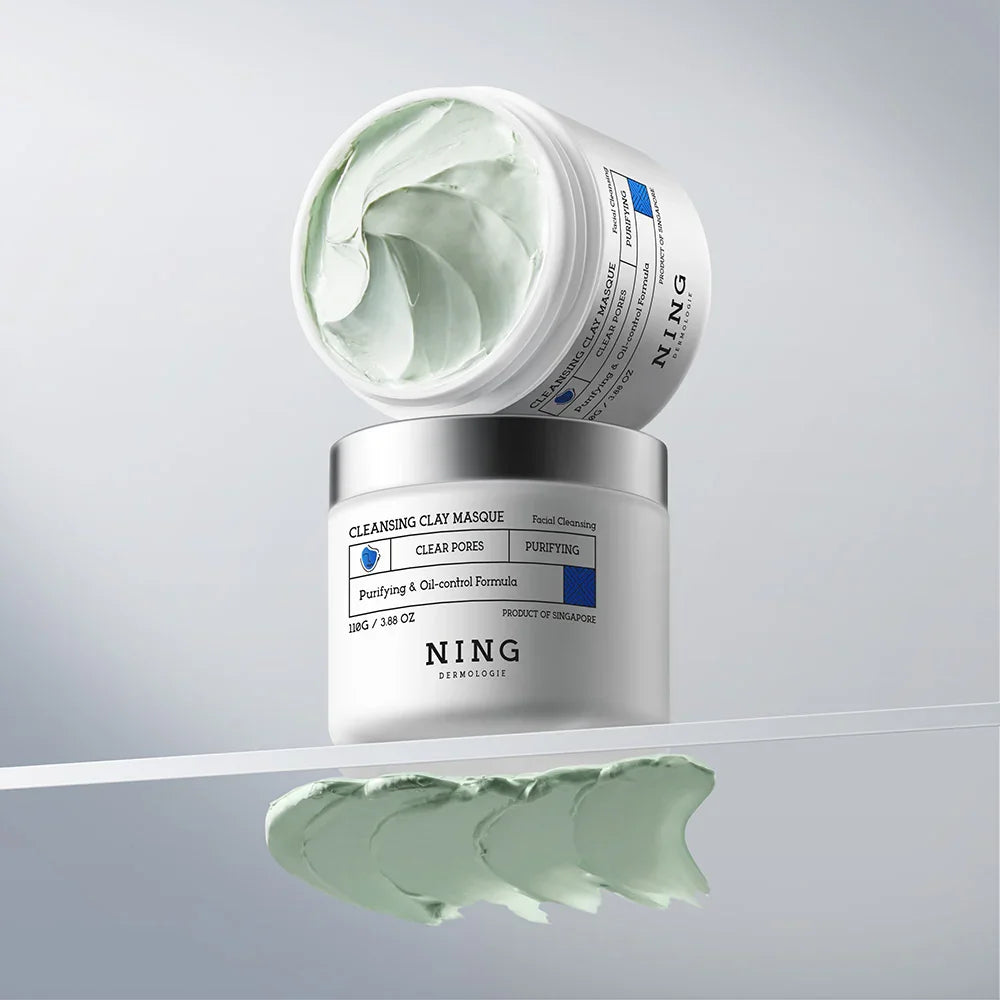
Finding a top pick that works for every skin type is nearly impossible, but we found a unicorn. The Clay Mask for Face Sensitive Skin by NING Dermologie balances the line between a clarifying clay mask and a soothing treatment.
While many popular clay masks strip the skin, NING uses a refined white clay base infused with calming agents. It doesn't "crack" painfully. Instead, it maintains a creamy skin texture throughout the 10-minute wear time. It’s particularly best for pores that are easily irritated. If you've avoided clay because of redness, this is your solution.
2. Best Korean Face Mask: Innisfree Super Volcanic Pore Clay Mask
A staple in the k-beauty clay world, the Innisfree Super Volcanic (specifically the Super Volcanic Pore Clay Mask 2X) is legendary for a reason. It uses volcanic clusters and volcanic AHA pore clearing clay to chemically and physically exfoliate.
During our tested and reviewed phase, we noticed this clay face treatment is best for acne and extreme oiliness. It’s a purifying mask that aggressively targets blackheads. If you have dry skin types, use this mask only as a spot treatment on your nose.
3. Best Luxurious Pick: Tatcha The Clarifying Clay Mask
If you want to feel like you’re at a Japanese spa, Tatcha the clarifying clay mask is the best natural high-end option. It features Okinawa kucha clay and warming ginger. It actually warms up upon contact with the skin, which helps to open up clogged pores before the clay draws out the gunk. It’s expensive, but it’s the best for uneven skin if you want a brightening boost alongside your deep clean.
4. Best for Sensitive Skin: Fresh Umbrian Clay Mask
The Fresh Umbrian Clay mask is a cult favorite for those with reactive skin. Umbrian clay is high in mineral content, which helps to soothe the skin while it cleanses. This purifying clay mask is incredibly versatile; you can use it as a full face mask, a deep cleanser, or a tiny spot treatment for an angry blemish.
5. Best Drugstore: L'Oréal Paris Pure Clay Mask
You don’t need to spend $60 to clear your clay pore. The best drugstore option remains L'Oréal’s line of clay masks. They offer a charcoal clay mask version which is best for blackheads and a red clay version for exfoliation. It uses three different types of clay (kaolin, montmorillonite, and ghassoul) to tackle grease without the high price tag.
6. Best Hydrating: Kiehl’s Rare Earth Deep Pore Cleansing Masque
Most people don't associate "hydrating" with "clay," but Kiehl’s uses Amazonian white clay which is much gentler than green clay. It effectively helps remove dead skin and away dead skin flakes that make dry skin look dull. It’s a best hydrating option because it leaves the skin look soft rather than parched.
7. Best for Acne-Prone Skin: Aztec Secret Indian Healing Clay
This is clay powder in its rawest form. You mix this bentonite clay with apple cider vinegar. It is the best for blackheads and the best mud experience for those who want a "pulsating" face feel. Warning: this is a powerful purifying mask; do not use it if you have sensitive skin.
8. Best Brightening: Sand & Sky Australian Pink Clay
This rose clay mask became an Instagram sensation for a reason. It is the best brightening mask for those who want an instant "glow." It draws out impurities but focuses heavily on refining skin texture. It’s the best for pores that look enlarged and tired.
Decoding the Mud: Types of Clay Explained
When buying clay masks, the ingredient list can look like a geology textbook. Here is what you actually need to know:
- Kaolin Clay (White Clay): The gentlest type of clay. Ideal for dry skin and sensitive skin. It doesn't absorb as much oil as others, making it perfect for a daily clarifying clay mask.
- Bentonite Clay: The heavy hitter. It has a strong negative charge that bonds to the positive charge in toxins and heavy metals. Best for acne-prone skin.
- French Green Clay (Illite): Incredible for circulation. If your skin feel is sluggish or puffy, this helps.
- Moroccan Lava Clay (Rhassoul): Rich in minerals like magnesium and silica. It’s often used in high-end face mask formulas because it improves skin texture elasticity.
The "Ning" Way: Using a Clay Mask Effectively
Even the best clay masks will fail you if you apply them incorrectly. At NING Dermologie, we advocate for a "less is more" approach.
1. Don't Let it Crack
A common mistake is waiting for the clay face mask to become bone-dry and flaky. When the mask feels like it's cracking, it’s actually starting to suck the moisture out of your skin cells, which triggers your skin to produce more oil to compensate. Remove the mask while it still feels slightly tacky to the touch.
2. Multi-Masking
Your forehead might be an oil slick, but your cheeks might be as dry as paper. You don't have to use the same face mask everywhere. Use a charcoal clay mask on your T-zone and a hydrating rose clay or sheet mask on your cheeks.
3. Post-Mask Care
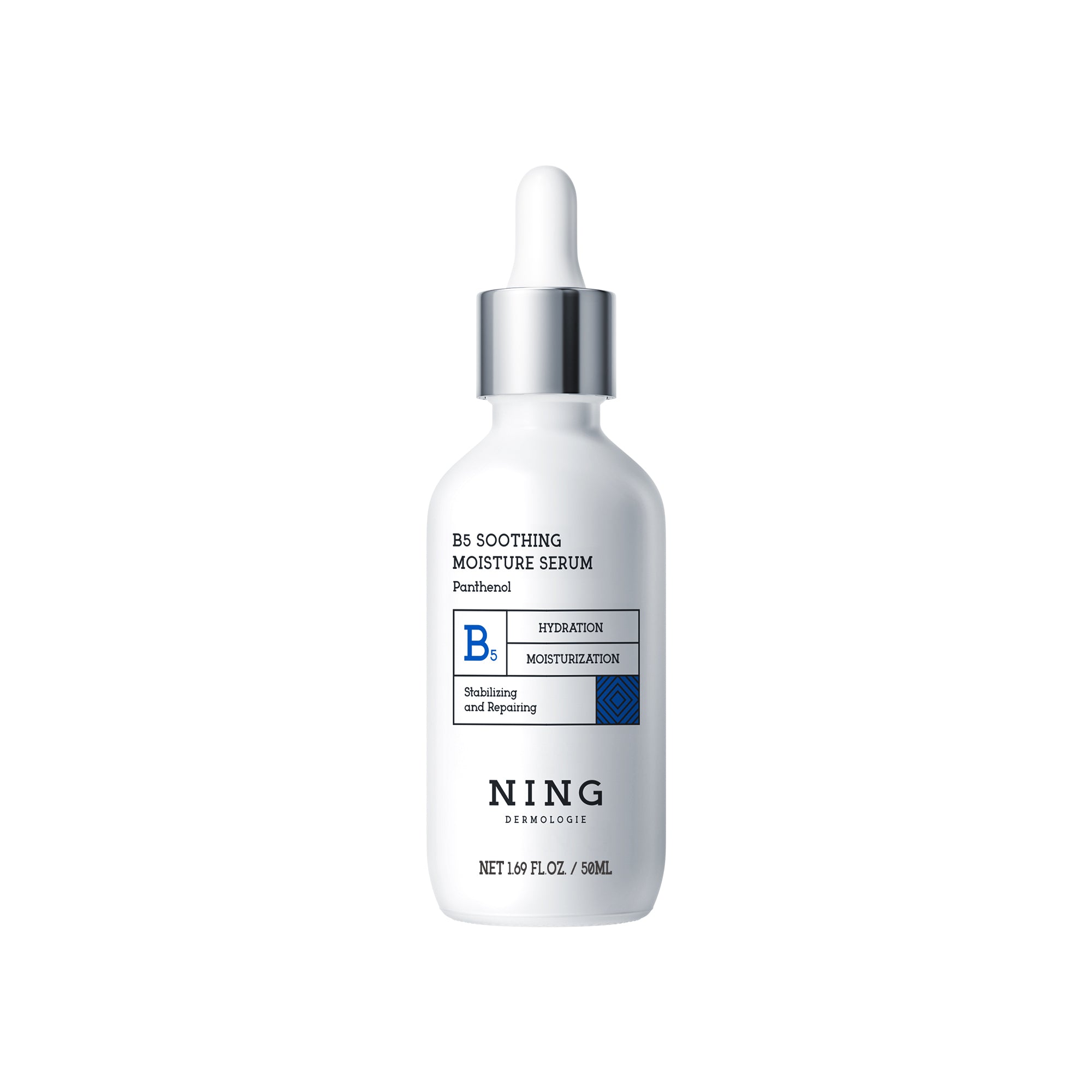
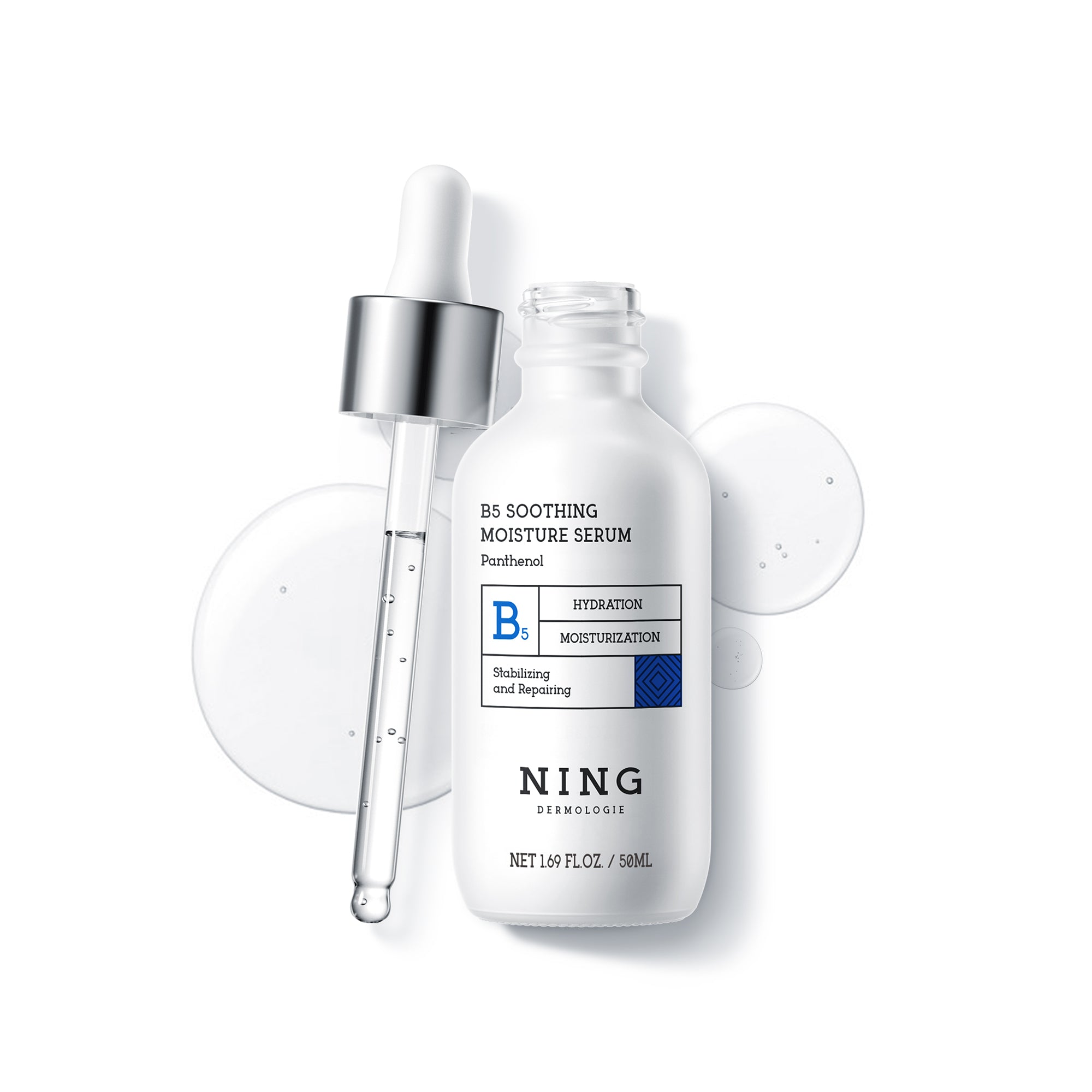
After you remove the mask, your pores are clear and "vulnerable." This is the perfect time to apply a serum with hyaluronic acid. This will leave skin feeling plump and hydrated rather than tight.
Professional Tips for Every Skin Type
If you are using a clay mask for the first time, or if you’ve had bad experiences in the past, follow these dermatologist-approved guidelines:
- For Oily Skin: You can use a clay mask once a week or even twice. Look for bentonite clay or best charcoal formulas to keep your skin matte.
- For Dry Skin: Stick to white clay (kaolin). Limit use to once every ten days and always follow with a heavy moisturizer.
- For Sensitive Skin: Look for masks that don't contain fragrance or alcohol. The NING Dermologie Clay Mask for Face Sensitive Skin is formulated specifically to avoid the "burning" sensation often expected with a clay mask.

Buying Guide: How to Choose the Best Clay Masks
When you are chose the best clay masks, ignore the "natural" marketing and look at the actual clay powder source.
-
Check the Clay Order: The clay should be in the top three ingredients. If it's at the bottom, it’s just a cream mask with a hint of mud.
-
Avoid Drying Alcohols: Some popular clay masks add alcohol to make the mask dry faster, which is a nightmare for skin texture.
-
Look for Soothers: Ingredients like aloe, oatmeal, or hyaluronic acid help counteract the drying nature of the clay.
Frequently Asked Questions (FAQ)
1. How often should I actually use a clay mask?
For most people, using a clay mask once or twice a week is the sweet spot. If you have oily skin, you might lean toward twice. If you have dry or sensitive skin, once every two weeks is plenty. Overusing clay can disrupt your skin’s natural barrier, leading to irritation and—ironically—more breakouts as your skin tries to overproduce oil to protect itself.
2. Should I wash my face before or after the mask?
Scrub the day off first. Don't just slap mud over a layer of SPF or leftover makeup—that’s just a waste of good product. You want that clay touching your actual skin, not your foundation. Rinse with warm water, pat dry, then apply your face mask. Once you’re done, a simple rinse is plenty; there is zero need to double-cleanse again and strip your face raw after the clay has already done the heavy lifting.
3. Why does my skin look red after using a clay mask?
Usually, it's just blood rushing to the surface—a "workout" for your face. But there’s a line. If it feels like a nasty sunburn or it’s stinging while it dries, you’ve either left it on too long or the bentonite clay is way too aggressive for your skin type. Pro tip: if that redness doesn’t chill out after 20 minutes, you need to switch to a calmer white clay or the NING Dermologie formula next time.
4. Can I use a clay mask if I have active cystic acne?
You can, but don't expect a miracle cure. Clay is great for surface grease, but cystic bumps are deeper "underground" issues. Whatever you do, don't scrub the mask off. When it’s time to rinse, be incredibly gentle. Hard rubbing will just make a cyst angrier and potentially leave a scar. Treat that area like an injury, not just a standard blemish, and let the clarifying clay mask sit without agitation.
5. Is it better to use a brush or my fingers to apply?
Honestly? Fingers work if you’re in a rush, but you’ll end up with grey mud stuck under your fingernails for the rest of the day. Using a brush is just cleaner. It helps you lay down a thin, even layer so the whole face mask dries at the same speed. Plus, you’ll stop wasting half the product that usually gets trapped in your palms or washed down the sink during application.
Final Thoughts on Clay Masks
Whether you opt for the Innisfree super volcanic pore clay for a deep K-beauty clean or the NING Dermologie version for a sensitive-skin-friendly glow, the key is consistency. Clay masks are an essential tool for anyone living in a modern environment. They provide a level of deep cleansing that a daily wash simply cannot reach. Take the time, find your top pick, and enjoy the ritual of the "mud." Your pores will thank you.





Share:
Harnessing the Power of Clay: Skincare Benefits Unveiled
Best-Selling Clay Masks for a Spa-Like Experience at Home