

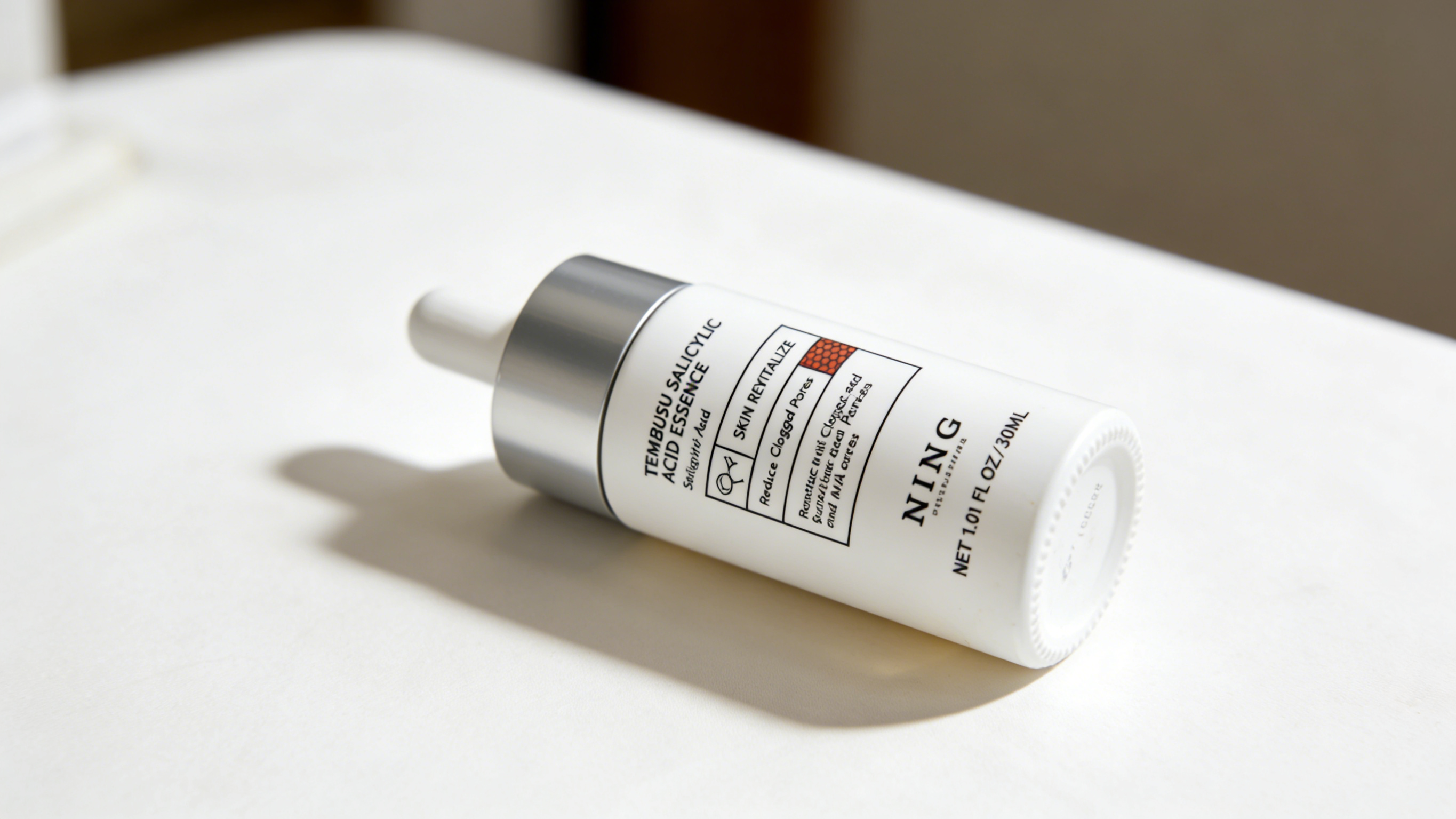
From Clinical Trials to Consumer Reviews: The Best Salicylic Acid Serums Revealed
If you have ever stood in front of a bathroom mirror, staring at a cluster of "angry" red bumps that appeared overnight, you know the desperation that follows. You want them gone—immediately. This search for a solution usually leads to one specific, tried-and-true ingredient: salicylic acid.
But here is the reality check. The market is currently flooded with salicylic acid products. From the cheap drugstore staples like The Ordinary Salicylic Acid 2% to high-end clinical formulations, the sheer volume of choices is enough to give anyone a headache. How do you distinguish between a serum that actually clears your pores and one that just destroys your skin barrier?
In this guide, we aren’t just looking at marketing claims. We are diving into the gritty details—the clinical trials, the consumer reviews, and the formulation science—to reveal the best salicylic acid serums of 2026. Whether you are battling oily and acne-prone skin or just trying to fix an uneven skin tone, let’s get into what actually works.

The Hard Science: What is Salicylic Acid, Really?
To understand why this is the best acne fighter in the chemist’s arsenal, we need to look at its structure. Salicylic acid is a beta hydroxy acid (BHA). If you remember anything from high school chemistry, remember this: BHAs are lipophilic (oil-soluble).
Unlike glycolic acid or lactic acid—which are alpha hydroxy acids (AHAs) that stay on the surface to dissolve dead skin cells—salicylic acid can actually dive into the sebum. It’s like a specialized plumber for your face. It enters the pore, breaks down the "glue" holding the buildup of dead skin together, and flushes out the "gunk." This is why salicylic acid works so effectively for treating acne and preventing future blackheads.
The Clinical Gold Standard: 2% Concentration
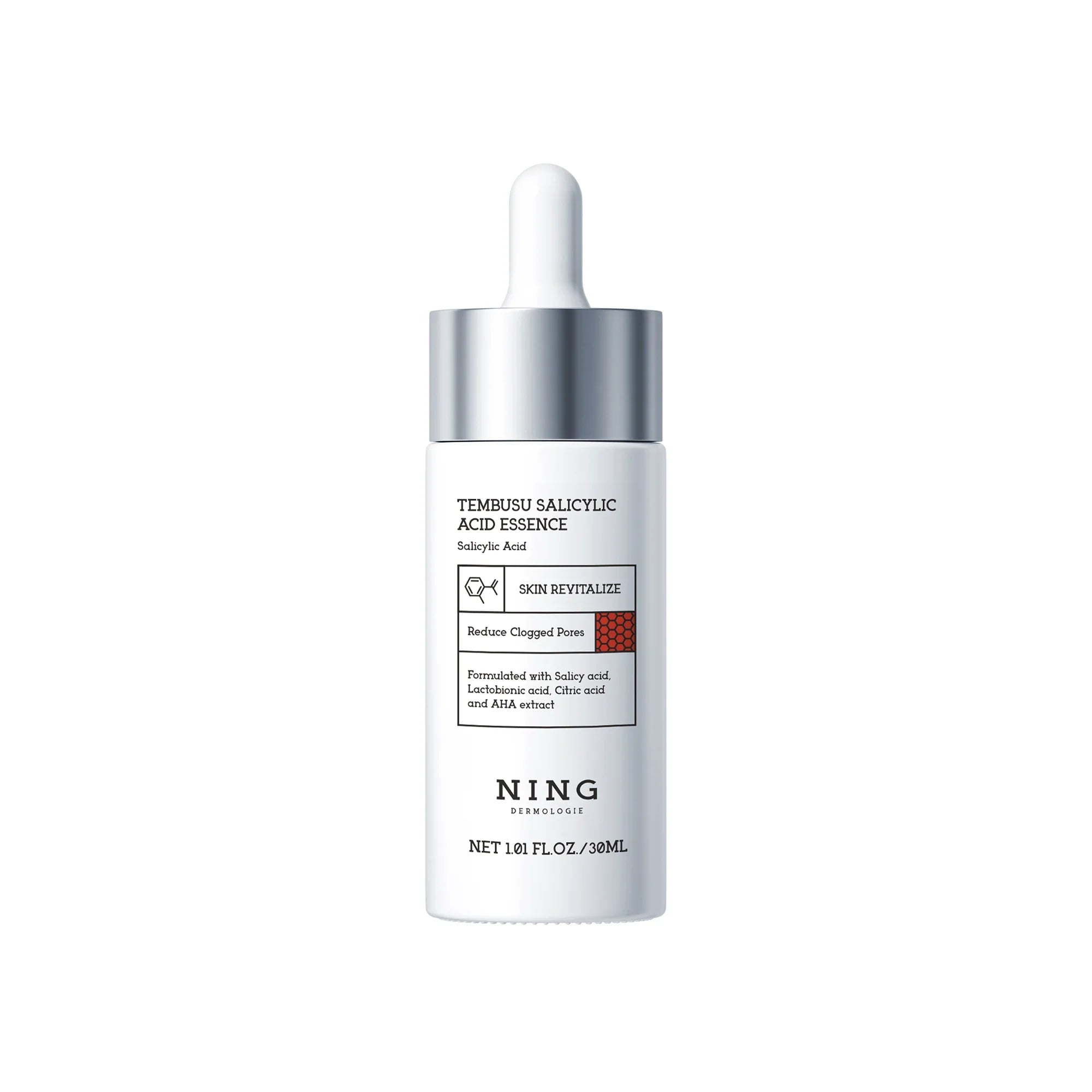
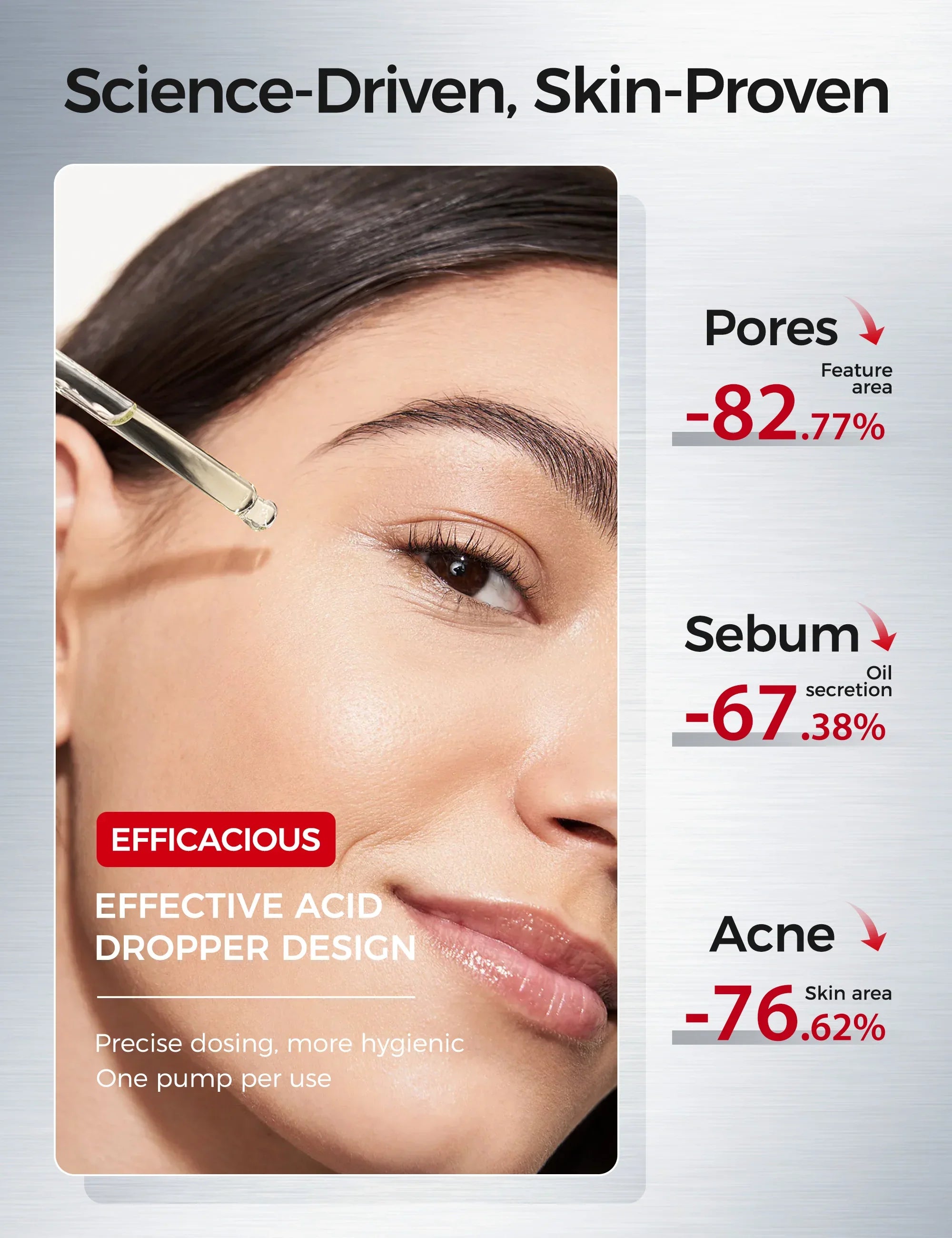
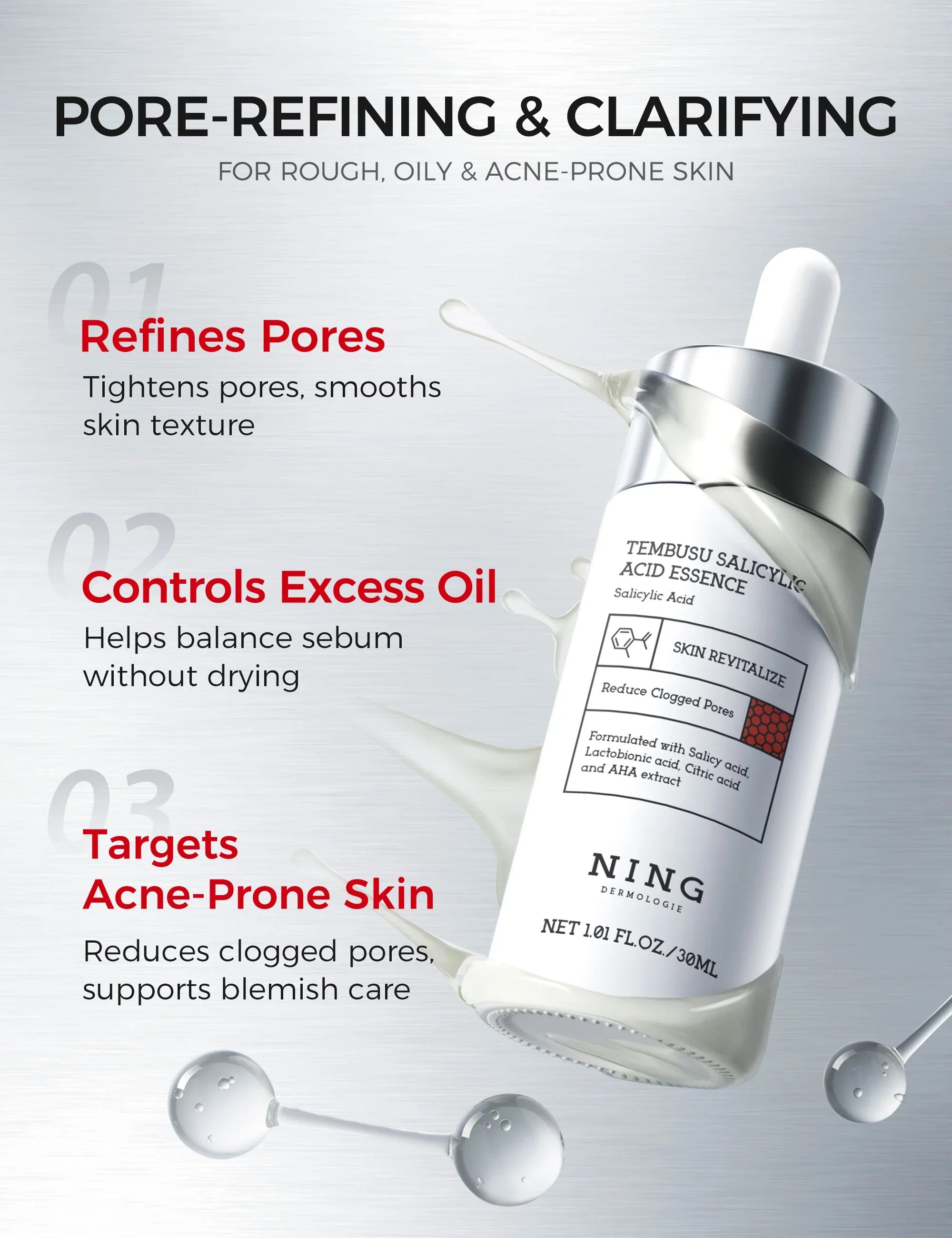
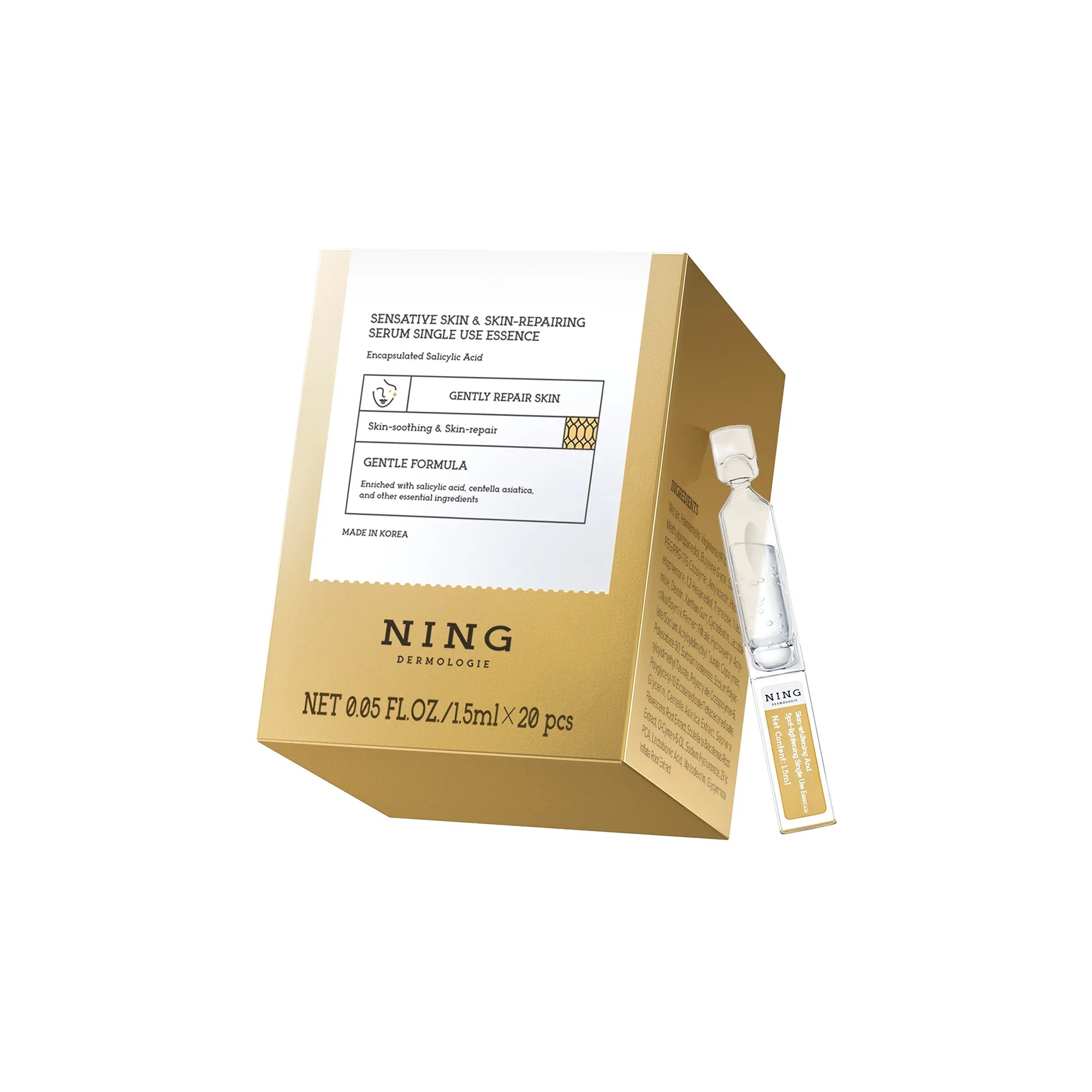
Most board-certified dermatologists will tell you that the 2% concentration is the "sweet spot." Clinical trials consistently show that a 2% salicylic acid serum provides the maximum acne treatment benefit without causing the extreme irritation associated with higher percentages. This is exactly why we formulated the NING Dermologie 2% Salicylic Acid Serum. It’s designed to hit that clinical efficacy mark while remaining gentle on the skin.
Why Every "Best Salicylic Acid Serum" List Looks Different
If you search for the 14 best salicylic acid serums or the 10 best salicylic acid serums, you’ll see the same names: The Inkey List Beta Hydroxy Acid, Effaclar Salicylic Acid Acne Treatment, and Paula’s Choice. But why do consumer reviews vary so wildly?
The answer lies in the other ingredients. A serum is never just one ingredient.
- For Dry Skin: You need a face serum with salicylic acid that also contains hyaluronic acid to pull water into the skin.
- For Sensitive Skin: You might need a derivative of salicylic acid or a formula buffered with soothing botanicals.
- For Oily Skin: You want a water-based salicylic acid serum that leaves skin feeling matte, not sticky.
At NING Dermologie, we realized that most people who use salicylic acid quit because of the "purge" or the dryness. We addressed this by pairing our 2% Salicylic Acid Serum with hydrating agents to ensure that while the acid is working, your skin health isn't being compromised.
Comparing the Giants: BHA vs. AHA vs. The Rest
When you’re building a skin care routine, it’s tempting to buy every acid serum on the shelf. But more isn't always better. Let’s break down the competition.
Salicylic Acid vs. Glycolic and Mandelic Acid
Glycolic acid is the heavy lifter for dull skin and uneven skin texture. However, it’s a small molecule that can be quite aggressive. Mandelic acid is much larger and suitable for sensitive skin, but it won't reach into the pores like a BHA will.
If your primary skin concerns are blackheads and active breakouts, salicylic acid is your primary tool. If you want to glow, you add an AHA. But be careful—mixing a salicylic acid acne treatment with a strong glycolic acid peel is a fast track to a damaged skin barrier.
The Rise of Azelaic Acid
Azelaic acid has gained popularity recently for its ability to reduce redness. While it's great, it doesn't exfoliate as deeply as a salicylic acid serum. Many users find that the best serum strategy is to use SA for the pores and Azelaic for the post-acne marks.
How to Use Salicylic Acid Without Ruining Your Face
One of the biggest mistakes new to salicylic acid users make is over-application. You don’t need to soak your face.
-
Start Slow: Even if you think you have oily skin that can handle anything, start twice a week. See how your skin can tolerate it.
-
The "Damp Skin" Myth: Never apply acid treatment to damp skin. It increases absorption and, consequently, the risk of irritation. Pat your face dry first.
-
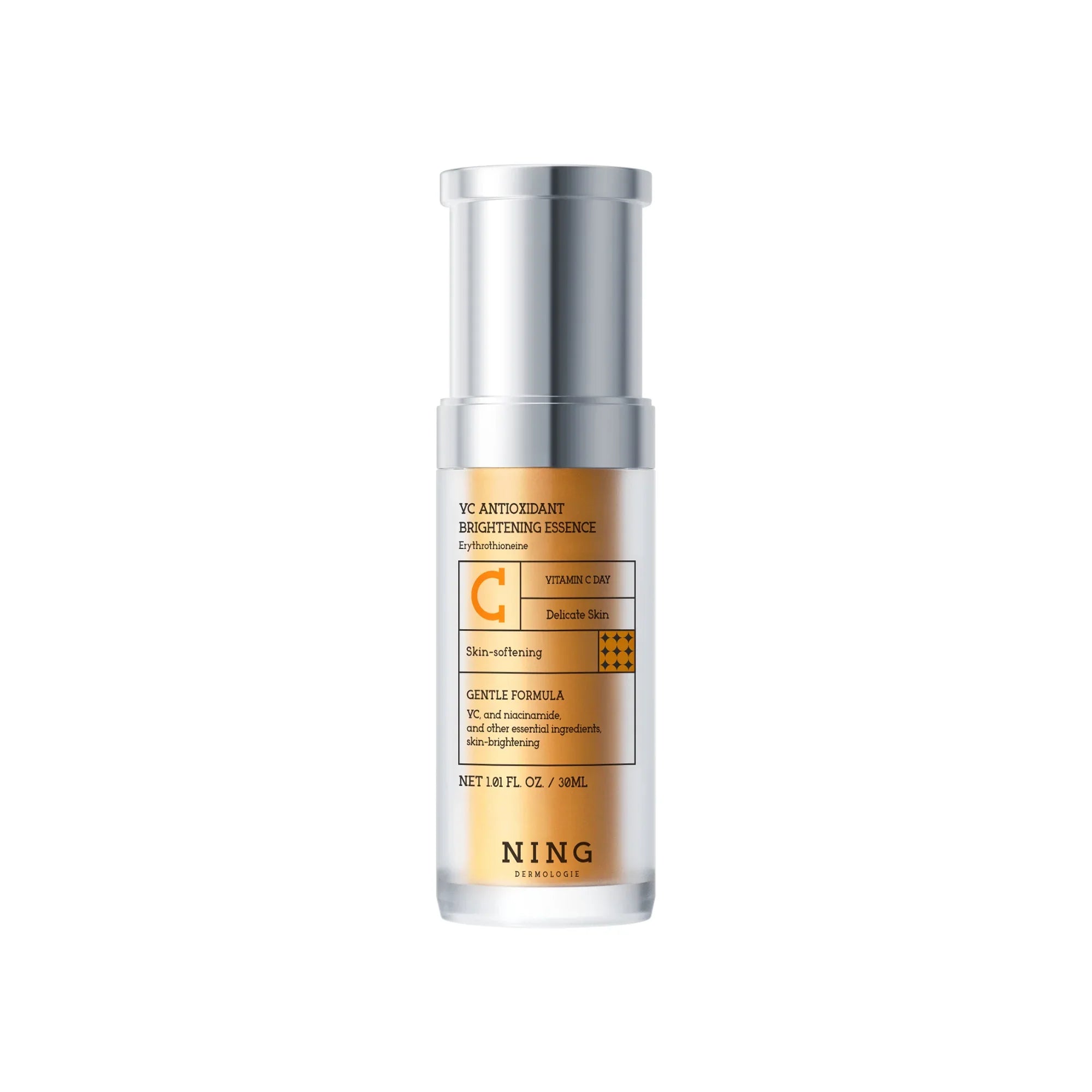
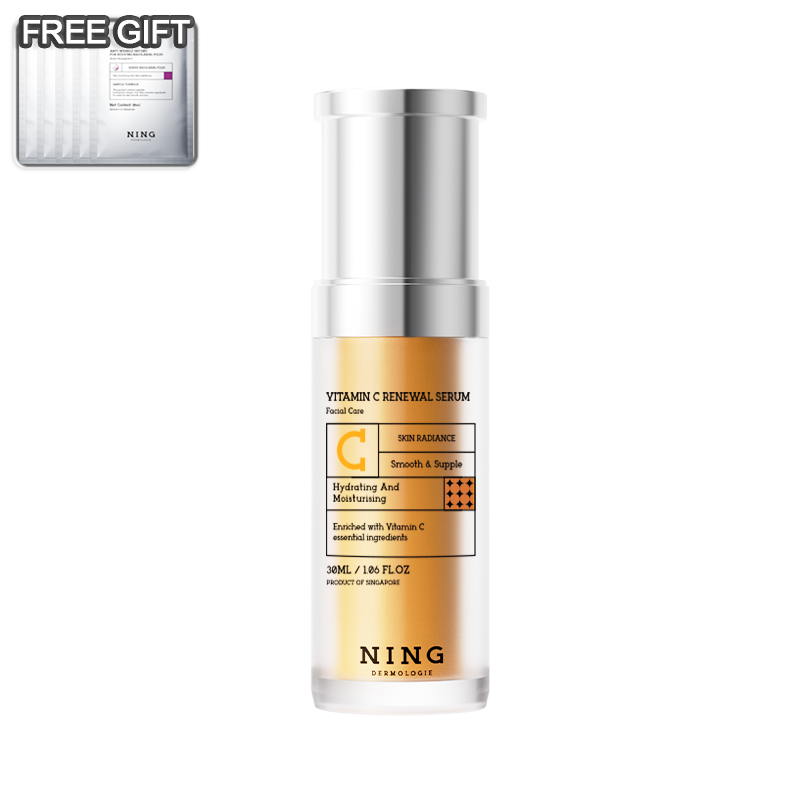
The Layering Rule: If you use a vitamin C serum in the morning, use your salicylic acid serum at night. Vitamin C and salicylic acid together can be too much for reactive skin.
-
Sun Protection: This is non-negotiable. Acid makes your facial skin more vulnerable to UV damage.
NING Dermologie: The Consumer-Review Driven Formula
When we developed the NING Dermologie 2% Salicylic Acid Serum, we looked at thousands of consumer reviews for other salicylic acid products. The complaints were always the same: "It's too drying," "It feels like glue," or "I broke out more."
We took those "1-star" frustrations and turned them into a 5-star product. Our 2% Salicylic Acid Serum uses a purified concentration of salicylic acid that focuses on dissolve dead skin cells while the secondary ingredients support overall skin health.
The result? Smooth skin that doesn't feel tight or stripped. Users with combination skin specifically praise the way it balances the T-zone without making the cheeks flake.
Advanced Ingredient Synergies: What to Pair with BHA
To get the most out of your acid serum, you need to know what pair well with salicylic acid.
- Hyaluronic Acid: This is a must. While SA clears the debris, hyaluronic acid ensures your cells stay plump.
- Ferulic Acid and Antioxidants: Using a vitamin c and salicylic acid approach (alternating times) provides a double-whammy against aging and acne.
- Niacinamide: This is the secret weapon for oily and acne-prone skin. It helps control oil production while the SA keeps the pores clear.
What to Avoid: Be very cautious using salicylic acid with retinol. Both are powerful cell-communicating ingredients. Using them together at the same time can cause "retinoid dermatitis," which looks like a nasty burn. If you must use both, use SA in the morning (with SPF!) and Retinol at night.
Evaluating the "Best" for Different Skin Types
It’s one of the best** feelings when you find a product that "clicks." But "best" is subjective.
For People with Sensitive Skin
If you have sensitive skin, look for lipohydroxy acid (LHA) or a derivative of salicylic acid. These are gentler and penetrate more slowly. However, many individuals with sensitive skin find they can still use our NING Dermologie serum if they "buffer" it—applying a light moisturizer before the serum.
For the "Dull Skin" Struggles
If you don't have active acne but your skin looked tired, a hydroxy acid blend is better. Look for a face serum that mixes citric acid or lactic acid with a low concentration of salicylic acid. This will away dead skin cells on the surface while keeping pores tight.

Final Verdict: Is it Worth the Hype?
After reviewing the clinical trials and thousands of consumer experiences, the verdict is clear: Salicylic acid is a chemical exfoliant that has earned its place in history. It remains the gold standard for treating acne.
However, the "best" product isn't the most expensive one; it's the one that respects your skin barrier. Whether you choose the Inkey List beta hydroxy acid for its price, or the NING Dermologie 2% Salicylic Acid Serum for its sophisticated, balanced formulation, the key is consistency.
Clear skin doesn't happen overnight. It happens through a disciplined skin care routine, the right acid treatment, and a little bit of patience.
Frequently Asked Questions (FAQ)
1. Can I use salicylic acid serum every day?
For most people, especially those new to salicylic acid, daily use is too much. Start with 2–3 times a week. If you have very oily skin, you may eventually move to once-daily use. However, always listen to your skin feel. If you notice redness, scaling, or a "shiny" but tight appearance, you are over-exfoliating. Back off and focus on hydration to protect your skin barrier.
2. Why does my skin look worse after starting a BHA?
This is likely "purging." Because salicylic acid works by accelerating cell turnover and clearing pores, it brings existing "clogs" to the surface faster. It might look like a breakout, but it's actually the acid cleaning house. This should only last 2–4 weeks. If the breakouts occur in areas where you don't usually get acne, or if they are itchy, it might be an allergic reaction instead.
3. Can I use Vitamin C and Salicylic Acid together?
Technically, yes, but it’s risky. Both are acidic and can disrupt your pH balance. The best serum strategy is to use your Vitamin C serum in the morning to fight environmental damage and your salicylic acid serum at night to clear out the day's oil and grime. If you have reactive skin, using them in the same session will almost certainly lead to irritation and redness.
4. Is the NING Dermologie serum suitable for sensitive skin?
Yes, but with a caveat. Our 2% Salicylic Acid Serum is a potent acne treatment. If you have sensitive skin, we recommend patch-testing on your jawline first. Because our formula includes soothing agents, it is often better tolerated than a "raw" ordinary salicylic acid 2 solution. To be safe, try the "sandwich method": apply a thin layer of moisturizer, then the serum, then moisturizer again.
5. Does salicylic acid help with anti-aging?
While its primary job is treating acne, it does have anti-aging benefits. By removing the buildup of dead skin, it helps smooth skin texture and makes fine lines less visible. It also helps other skin care products—like your ferulic acid or peptides—penetrate deeper. However, for deep wrinkles, you would eventually want to pair it with a retinoid or an alpha hydroxy acid like glycolic acid.
Ready to transform your complexion? Explore the NING Dermologie 2% Salicylic Acid Serum and start your journey toward clearer, healthier skin today.





Share:
Salicylic Acid: An Essential for Flawless Skin
Skincare Essentials Gift Sets for Beginners