



The Real Talk on Cleansing: Understanding the Difference Between Your Daily Wash and an Exfoliator
Staring at the bathroom vanity, looking at a dozen different bottles, and wondering if we’re actually doing anything useful or just layering on expensive liquids. One of the most common points of confusion in any skincare routine is the showdown between a regular cleanser and an exfoliating face wash.
Are they the same? Can you use them both? If you use a facial cleanser twice a day, do you really need an exfoliator?
The short answer is: your skin needs both, but for very different reasons. Think of it like maintaining a house. A regular cleanser is your daily sweeping—getting rid of the dust and footprints from the day. An exfoliating face wash is the deep-clean power wash that strips away the built-up grime and old paint so the surface actually looks new again.

Cleanser vs. Exfoliator: What’s the Real Difference?
To get healthy skin, you have to understand what you’re trying to remove.
A regular cleanser (or face wash) is formulated to be the workhorse of your morning and night. Its main job is to remove dirt, oil, sweat, and makeup. Most face cleansers use surfactants to lift these impurities off the surface so they can be rinsed away. When you wash your face with a gentle cleanser, you’re protecting your skin barrier while keeping it "surface-level" clean.
On the other hand, an exfoliating face wash goes deeper. It doesn't just look for surface dirt; it targets the layer of dead skin cells that your body is constantly shedding. As we age, our skin cell turnover slows down. Those cells don’t always fall off on their own; instead, they glue themselves to your face, leading to a dull complexion, clogged pores, and uneven skin texture.
This is where the benefits of an exfoliating face product become obvious. While cleansers remove the day’s debris, exfoliants break the bonds holding those dead skin cells in place.
The Breakdown: How Exfoliants Work
When you’re choosing the right cleanser, you’ll notice that exfoliators generally fall into two camps:
-
Physical Exfoliants (The Scrub): These are your traditional face scrubs. They use tiny particles (like sugar, jojoba beads, or minerals) to physically slough away dead skin cells. While satisfying, you have to be careful—a scrub that is too harsh can irritate your skin and cause micro-tears.
-
Chemical Exfoliants: Don't let the word "chemical" scare you. These often use ingredients like Alpha Hydroxy Acids (AHAs) or Beta Hydroxy Acids (BHAs). For example, a salicylic acid cleanser is a type of chemical exfoliator that gets inside the pore to dissolve the "glue" that causes acne and breakouts.
At NING Dermologie, we believe the best face wash is one that doesn't force you to choose between "harsh" and "effective." Our approach to the exfoliating face wash focuses on a "peeling" mechanism that is gentle enough for frequent use but powerful enough to reveal healthy-looking skin.
Why "Dead Skin Cell Buildup" is Your Skin’s Secret Enemy
If you’ve ever noticed that your expensive moisturizer or serums aren't working, it’s likely because of dead skin cell buildup. Imagine trying to water a garden through a layer of plastic wrap—that’s what happens when you skip exfoliation.
When you cleanse and exfoliate properly, you remove that "plastic wrap" (the top layer of dead skin). This allows your other skincare products to actually penetrate the skin. This is why regular exfoliation is the fastest way to keep your skin looking bright and "alive" rather than grey and tired.
Matching the Product to Your Skin Type
One size does not fit all. Understanding the difference between products means knowing your own skin type and concerns.
- Oily Skin & Acne-Prone Skin: You likely deal with excess sebum that can clog pores. Dual-action cleansers or a dedicated exfoliating cleanser with BHAs can help prevent the breakout cycle.
- Dry Skin: You might think you should avoid exfoliating products, but dry skin actually needs to exfoliate to remove the flaky patches that prevent moisture from getting in. You just need a gentle enough formula.
- Sensitive Skin: You should be wary of a heavy face scrub. Instead, look for a chemical exfoliator or a peeling gel that doesn't rely on friction to remove dead skin cells.
- Combination Skin: You get the best of both worlds—you might use a gentle cleanser on your cheeks and an exfoliating face wash on your T-zone.
The NING Dermologie Way: Balancing the Two
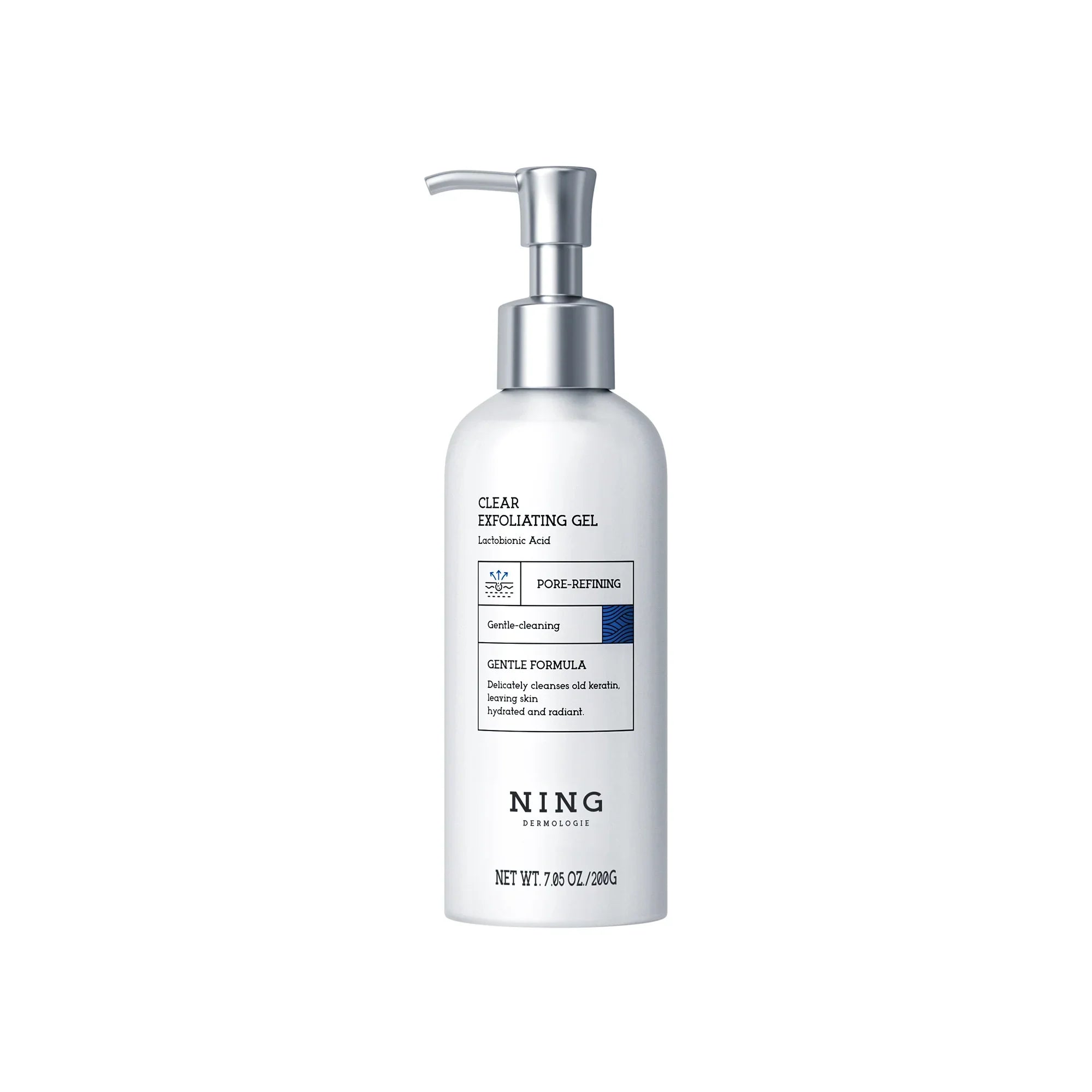
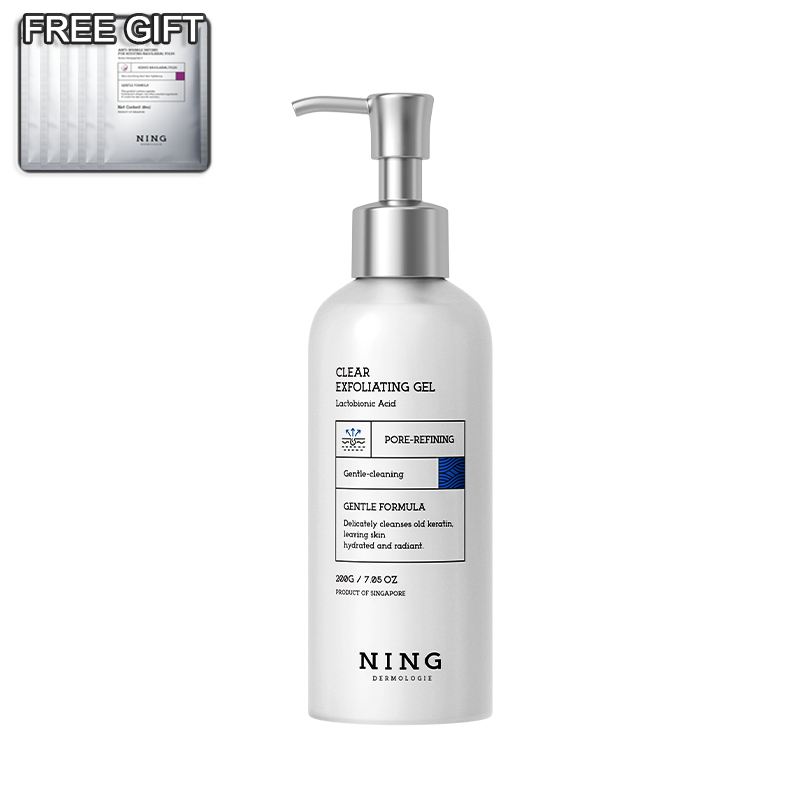
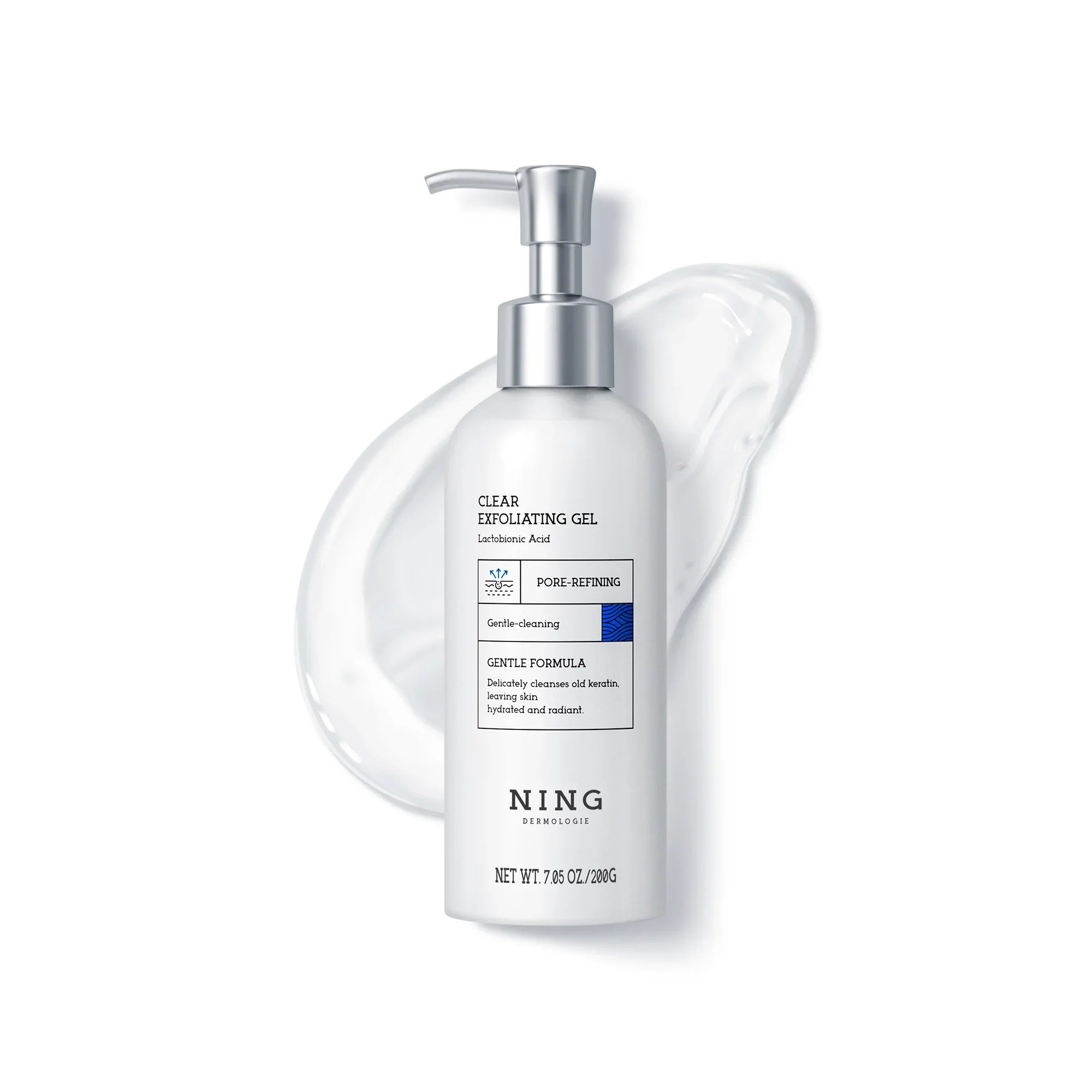
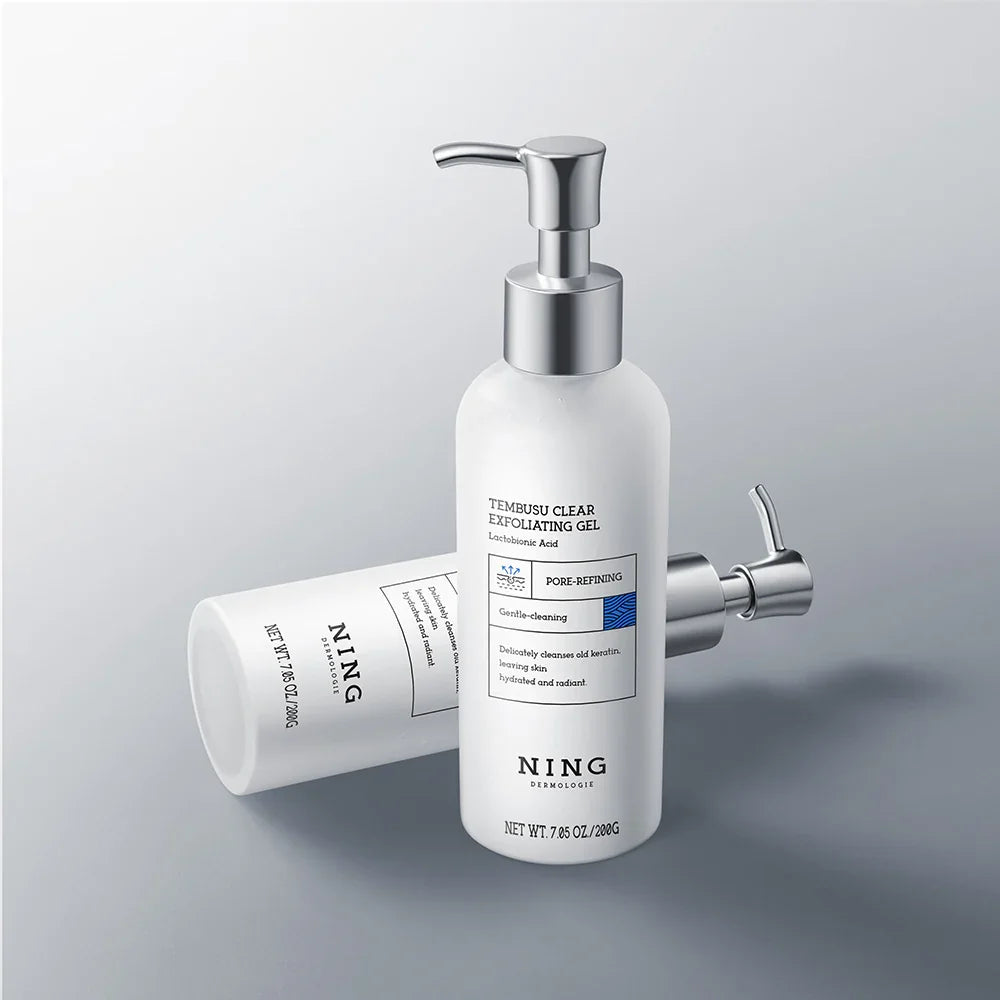
We developed the NING Dermologie Peeling Gel Purifying Exfoliating Face Wash because we saw too many people damaging their skin with harsh exfoliators.
The difference between face wash products in our line and the "big brand" scrubs is the texture. Our exfoliating face wash is designed to cleanse your skin while gently lifting away dead skin cells without the abrasive "sandpaper" feel. It’s a type of face wash that bridges the gap between cleanser and exfoliator, making it a versatile staple in any skincare routine.
How to Use an Exfoliator Without Overdoing It
The most common mistake? Using an exfoliator too often. While you should wash your face twice a day with a regular cleanser, you generally shouldn't exfoliate that frequently.
-
Start Slow: If you're new to exfoliating face products, try using them twice a week.
-
Listen to Your Skin: If your face feels tight, red, or "shiny" (but not oily), you’re over-exfoliating.
-
Nighttime is Best: Because exfoliants reveal fresh skin, that skin can be more sensitive to the sun. Exfoliate at night and always wear SPF the next day.
-
The "Cleanser vs Exfoliator" Schedule: Use your gentle cleanser every morning and as the first step of a "double cleanse" at night. Replace that second step with your exfoliating cleanser 2-3 times a week.

Finding Your Glow
The cleanser vs exfoliator debate isn't about which one is better—it's about how they work together. Cleansers help keep the surface clean, while exfoliators ensure the skin is constantly renewing itself.
By incorporating a high-quality exfoliating face wash like the one from NING Dermologie into your rotation, you aren't just washing your face; you're investing in skin care that addresses the root of dullness. Whether you have oily skin, dry or sensitive skin, or combination skin, finding that balance is the ultimate way to keep your skin glowing.
Frequently Asked Questions (FAQ)
1. Can I use an exfoliating face wash every day?
For most skin types, daily use of an exfoliator is too much and can irritate your skin. While some dual-action cleansers are formulated to be gentle enough for daily use, it's usually best to limit exfoliation to 2-3 times a week. Over-exfoliating can strip your natural oils and lead to a compromised skin barrier, causing more breakouts and sensitivity.
2. Should I use a regular cleanser before an exfoliating face wash?
Yes, this is often the best approach. Use a gentle cleanser first to remove dirt, makeup, and dirt and debris. This "clears the field" so that when you apply your exfoliating face wash, it can focus entirely on the layer of dead skin cells rather than struggling to get through your foundation or daily grime. It makes the exfoliator much more effective.
3. Is a physical scrub better than a chemical exfoliator?
It really depends. A face scrub gives you that instant smooth feeling through friction, but it can be hit-or-miss. Chemical exfoliants, like the ones we use at NING Dermologie, are generally safer for acne-prone skin because they dissolve debris without the harsh "gritty" rubbing that can cause micro-tears or spread bacteria. If your skin is sensitive, skip the grit and go for the gel.
4. How do I know if I’ve over-exfoliated my skin?
Keep an eye out for "the waxy look"—when your face is super shiny but not oily. Other signs include stinging when you apply a simple moisturizer, weird red patches, or sudden peeling. If this happens, put the face scrub down immediately. Stick to a gentle cleanser and tons of hydration for a week to let your barrier recover before trying again.
5. Does an exfoliating face wash help with anti-aging?
Totally. It keeps your skin cell turnover from getting lazy. By clearing away the top layer of dead skin, you’re smoothing out fine lines and letting your expensive anti-aging serums actually soak in. Otherwise, those skincare products just sit on top of old cells. Regular use keeps your complexion looking fresh and "alive" rather than dull and aged.






Share:
User reviews of popular Korean vitamin C serums
Sensitive Skin Solutions: Top Rated Clay Masks for a Gentle Touch