



How to choose a vitamin C serum for sensitive skin?
Choosing the right vitamin c serum when you have sensitive skin is often like walking through a minefield. You want that "lit-from-within" glow, but you're terrified of the redness, stinging, and the dreaded "orange peel" texture that happens when a product is too aggressive. Most people think they have to choose between results and comfort. I’m here to tell you that’s a myth.
As someone who has spent years dissecting formulas, I’ve seen the same story play out: someone buys the best vitamin c serum on the market based on a high-concentration L-ascorbic acid claim, only to have their skin barrier compromised within three days. If your skin type leans toward the reactive side, you need a different playbook.

The Elephant in the Room: Why Vitamin C Stings
Vitamin C is a potent antioxidant, but in its purest form—L-ascorbic acid—it is notoriously unstable and highly acidic. To penetrate the skin effectively, pure topical vitamin c usually requires a pH of 3.5 or lower. For people with sensitive skin, that level of acidity is basically an invitation for irritation.
Sensitive skin often has a thinner or more easily disrupt the skin barrier, meaning what feels like a "tingle" to some feels like a chemical burn to you. But don't give up on skin care just yet. The benefits of vitamin c—brightening the skin, improving skin texture, and protecting against environmental damage—are too good to pass up. You just need to choose the best form of vitamin c for your unique skin concerns.
Understanding the Different Types of Vitamin C
When you’re choosing a vitamin c serum, the ingredient list is your best friend. Not all vitamin c product options use the same molecule.
1. L-Ascorbic Acid (The Diva)
This is the purest form of vitamin c. It’s what you find in Skinceuticals C E Ferulic or Timeless Skin Care serums. While it’s the most researched, it’s also the most volatile. If you have dry skin and sensitivity, this type of vitamin c can be a nightmare because it’s usually suspended in a low-pH, alcohol-heavy base to keep it stable.
2. Vitamin C Derivatives (The Gentle Alternatives)
For sensitive skin types, a vitamin c derivative is almost always the better option for sensitive skin. These molecules are more stable, have a neutral pH, and only convert into active vitamin C once they are within the skin.
- Sodium Ascorbyl Phosphate (SAP): Great for acne-prone skin because it has antimicrobial properties.
- Magnesium Ascorbyl Phosphate (MAP): A solid suitable for sensitive option that focuses on hydration.
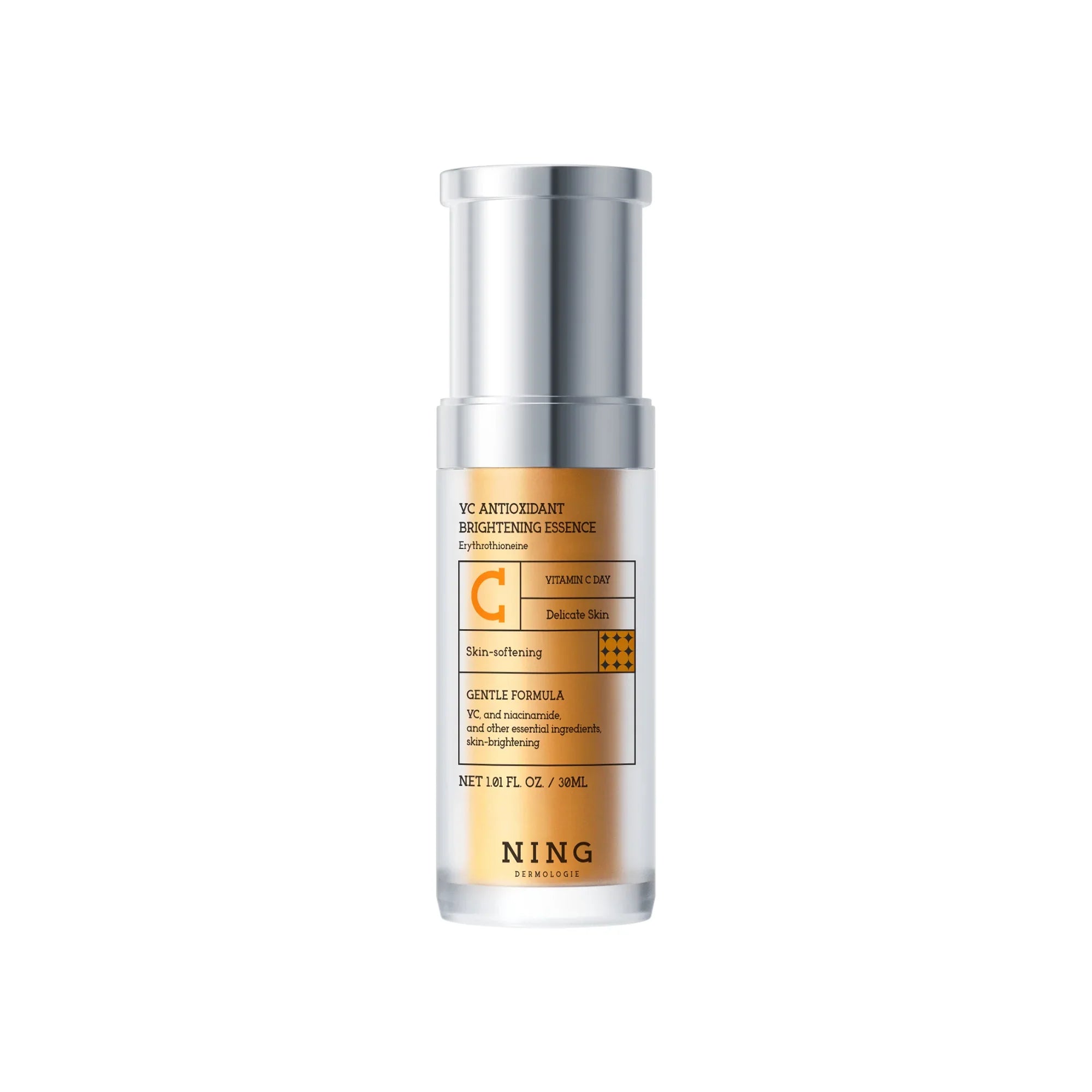
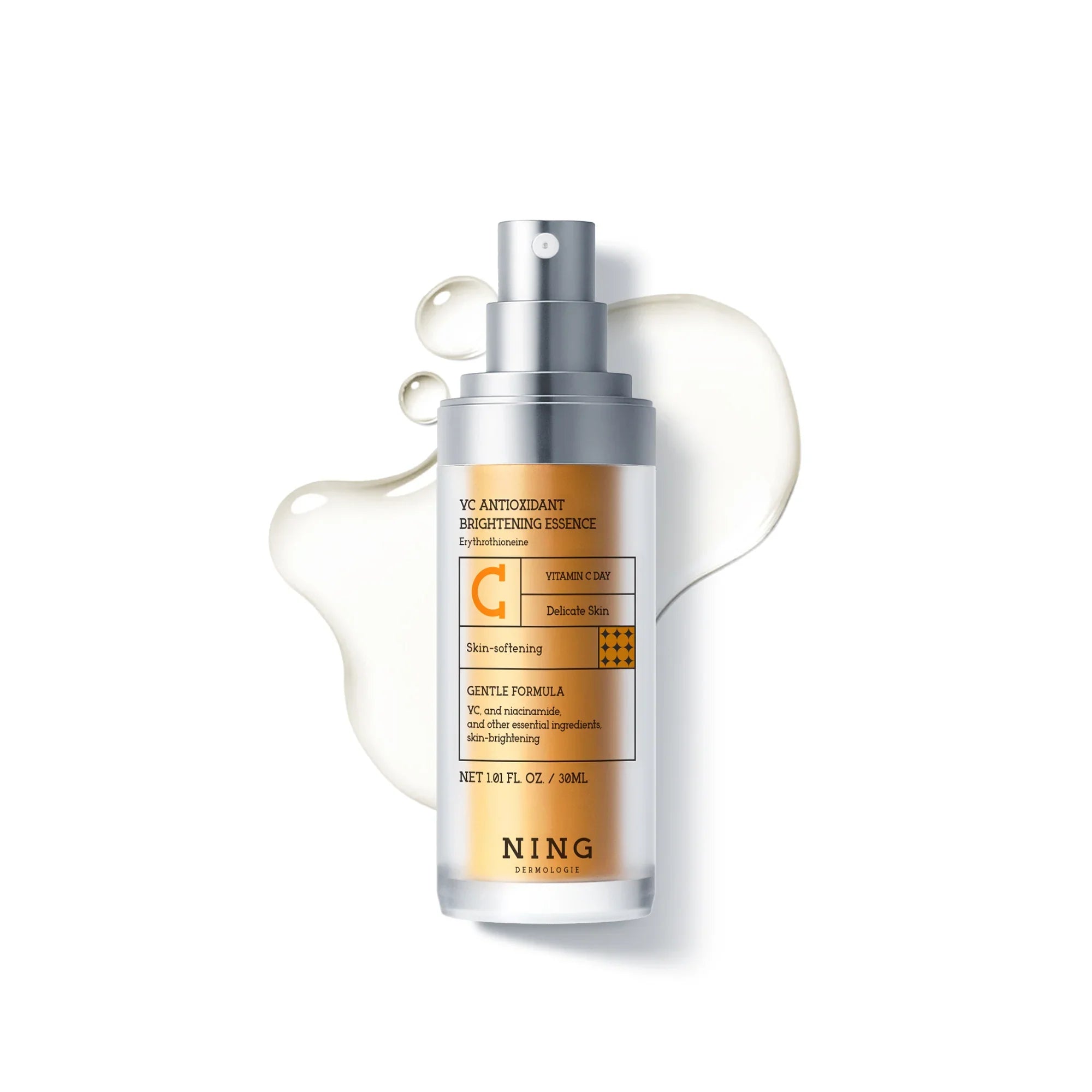
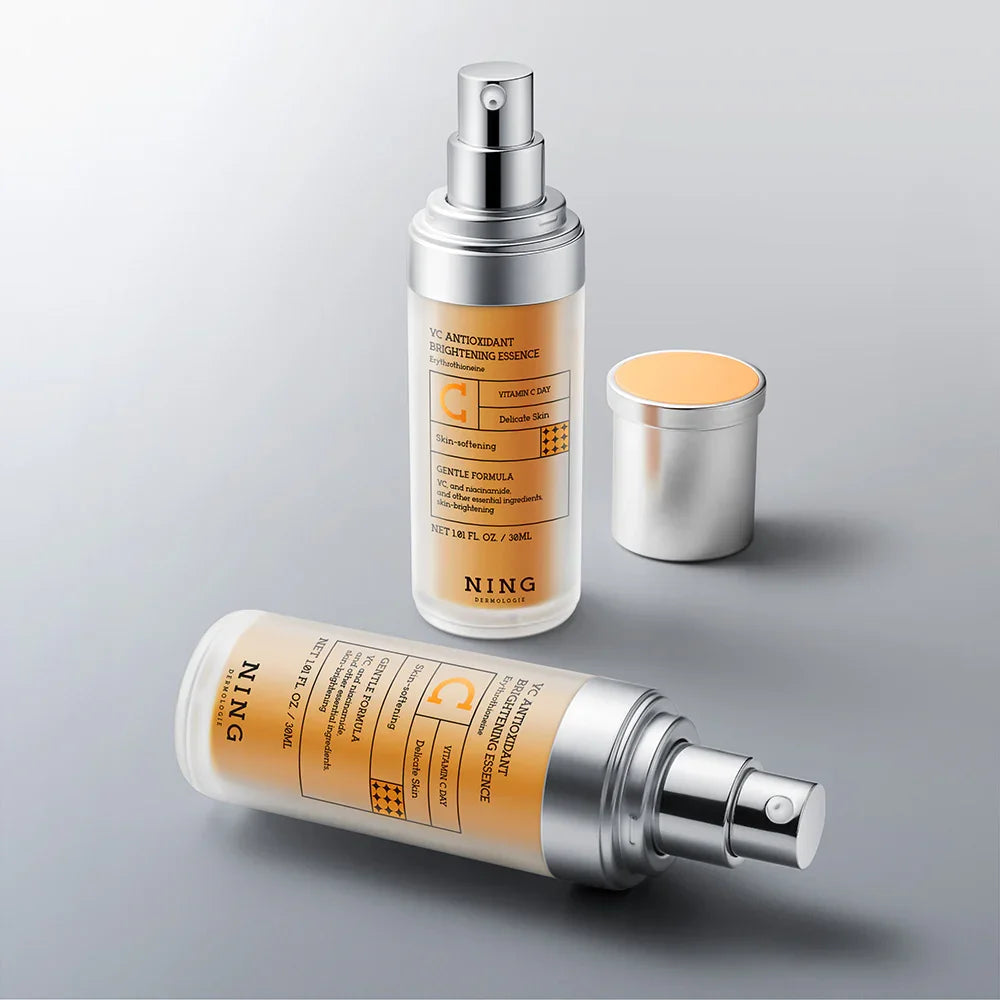
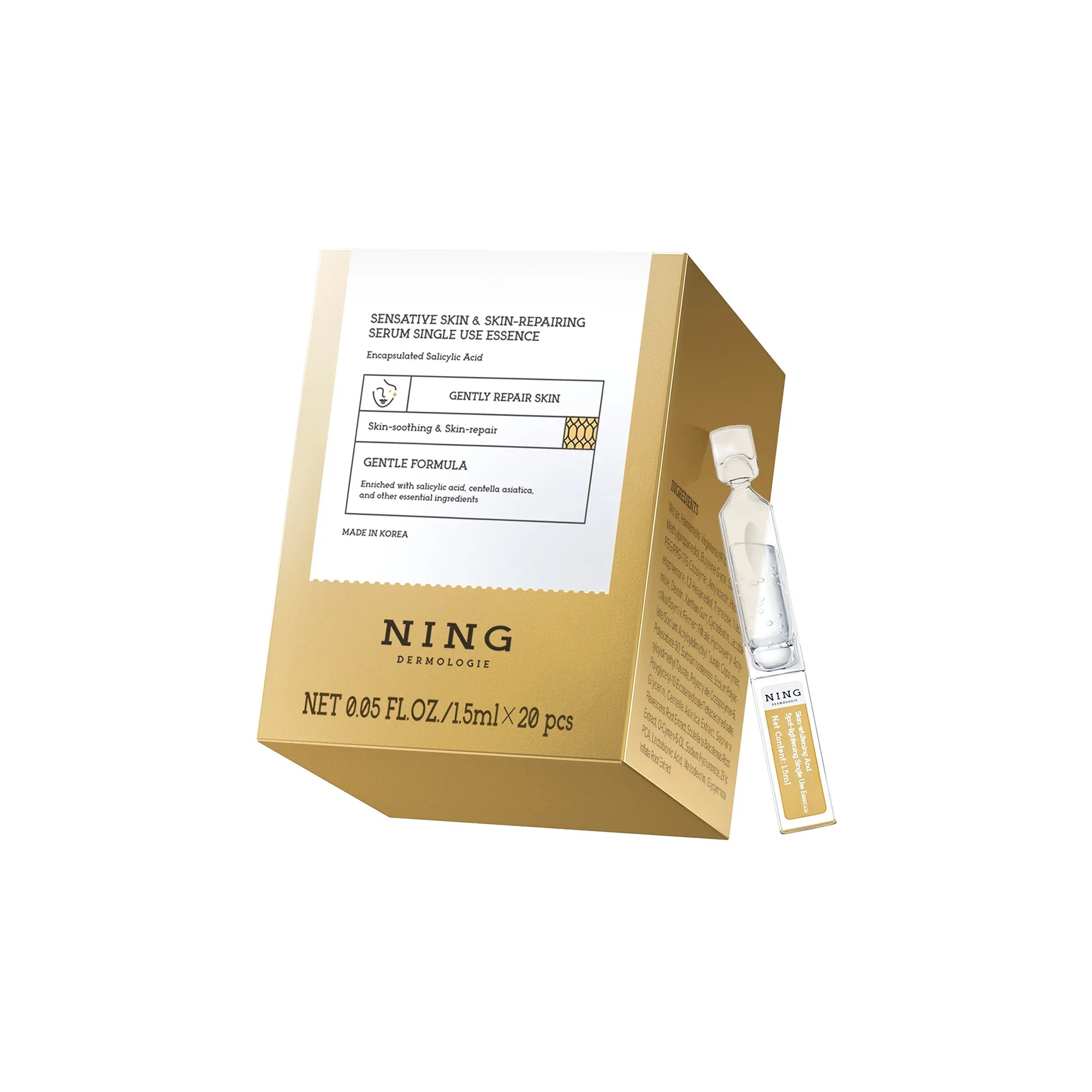
- 3-O-Ethyl Ascorbic Acid: This is my personal favorite. It’s highly stable, offers incredible brightening the skin results, and doesn't require a harsh acidic environment. This is exactly why we chose it for the NING Dermologie Vitamin C Serum.
Decoding the Icons: Skinceuticals, Timeless, and CeraVe
If you’ve been Googling best vitamin c, you’ve likely run into a few heavy hitters. Let’s look at them through the lens of sensitive skin.
Skinceuticals C E Ferulic is often cited as the best for sensitive skin by some, but that’s a bit misleading. It contains vitamin e and ferulic acid, which are incredible for skin health, but the 15% L-ascorbic acid is a lot for a beginner. Similarly, the Timeless Skin Care e ferulic acid serum is a fantastic acid serum for those with "tough" skin, but its high concentration of vitamin c can be overkill if your skin looks red just from a light breeze.
Then there’s the CeraVe Skin Renewing Vitamin C Serum. This skin renewing vitamin c serum is much more suitable for sensitive skin because it’s formulated with ceramides to protect the skin barrier. It’s a reliable vitamin c choice for the drugstore, but sometimes the texture can feel a bit heavy for combination skin.
What to Look for in a Vitamin C Serum (The Sensitive Skin Checklist)
When you use vitamin c serum, you’re not just looking for the C. You’re looking for the supporting cast. The right vitamin c serum should be a vitamin c complex that treats your skin like a delicate ecosystem.
- Antioxidant Synergy: Vitamin c helps fight free radicals, but it works better when paired with vitamin e and ferulic acid. These three vitamins c and e plus ferulic work together to improve skin protection by up to eight times.
- Soothing Ingredients: Look for in a vitamin serum things like Niacinamide or Hyaluronic Acid. Niacinamide is a powerhouse for acne-prone skin types because it calms inflammation while vitamin c can help with the uneven skin tone left behind by old breakouts.
- pH Balance: Avoid anything with a pH below 4.0 if you’re new to vitamin c.
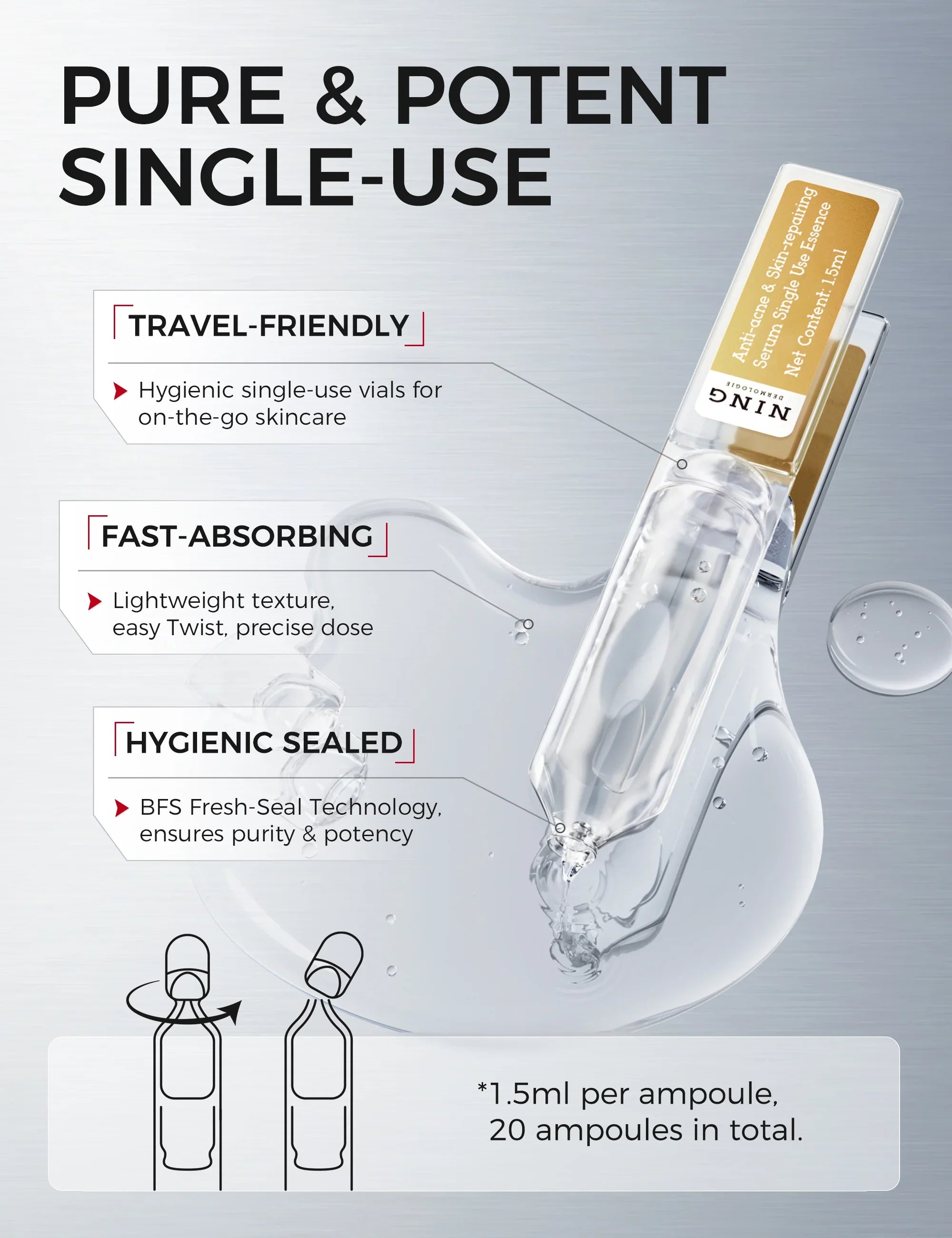
- Airless Packaging: Vitamin c is one of the most light-sensitive ingredients. If the bottle is clear, run. Look for opaque or amber glass to ensure the vitamin c is a potent active until the last drop.
Why NING Dermologie is Different
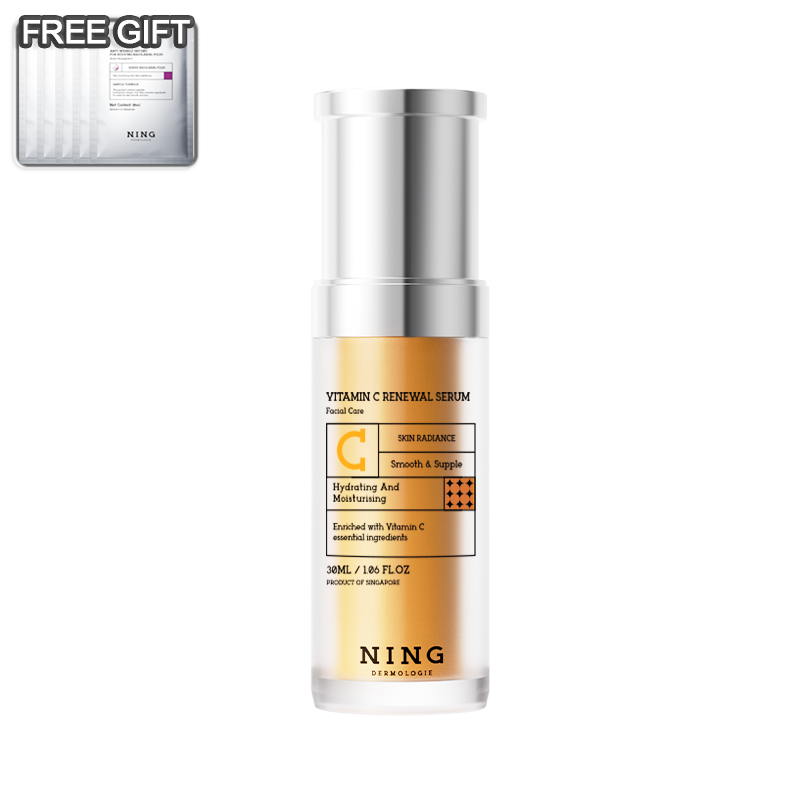
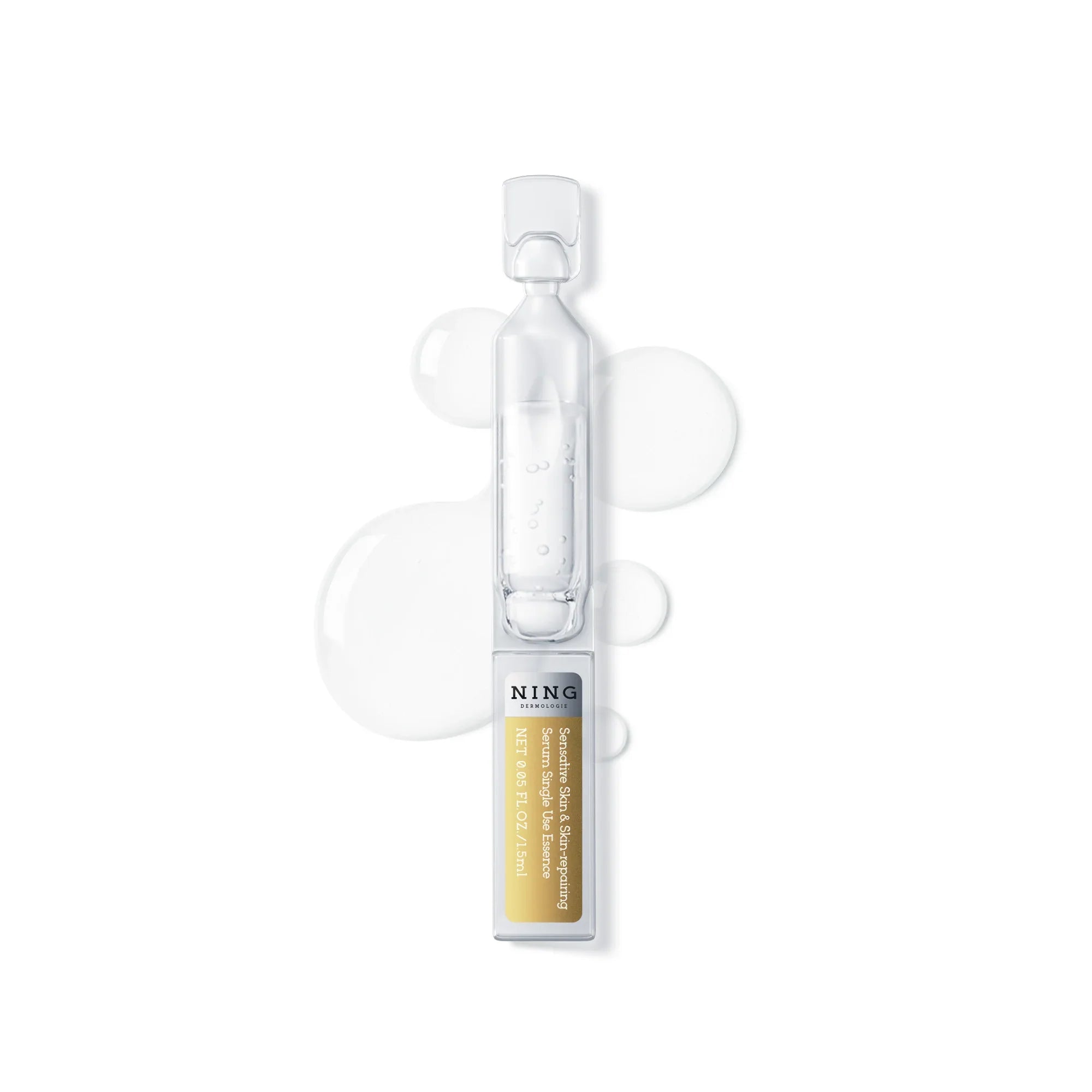
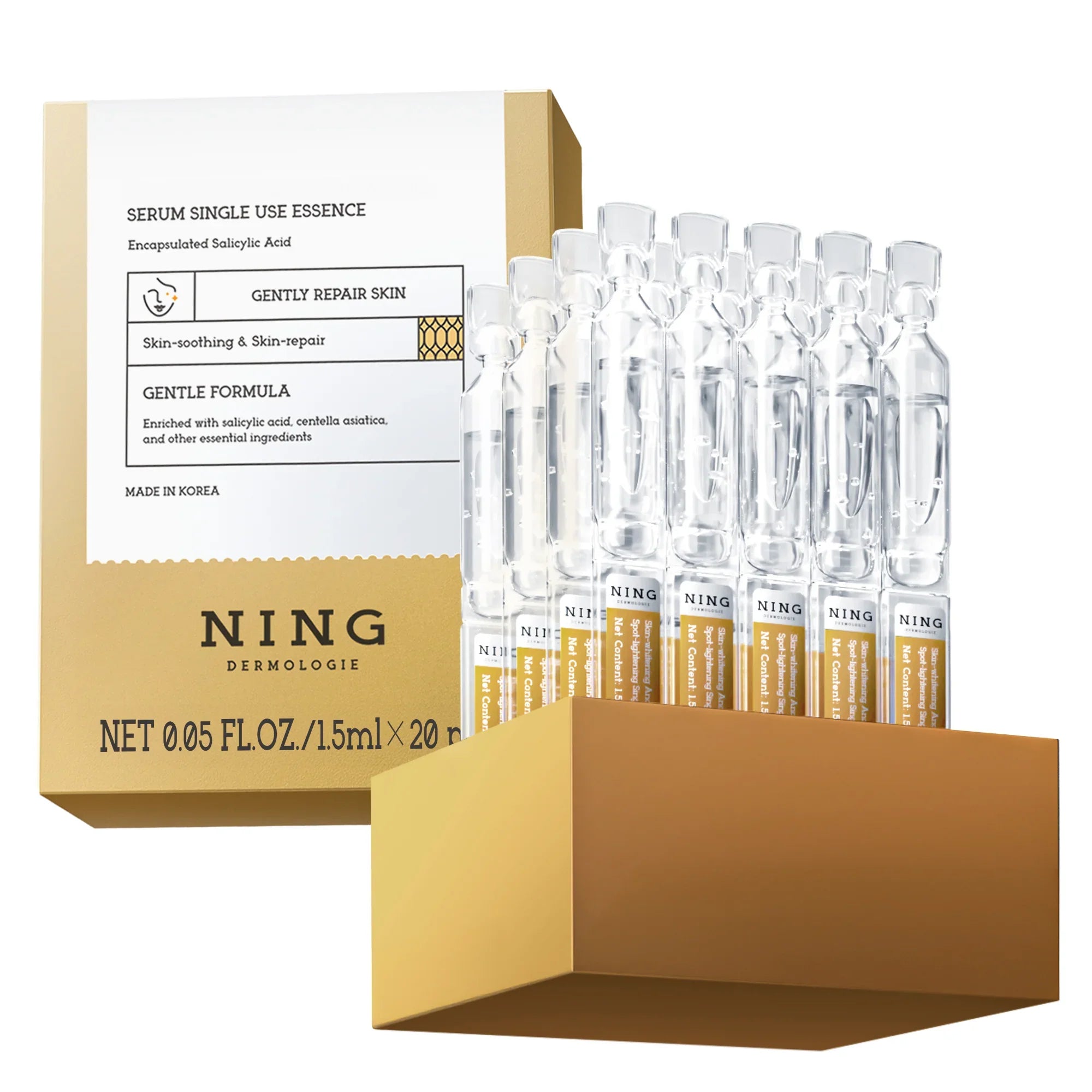
We designed our Vitamin C Serum with Niacinamide & Ethyl Ascorbic Acid specifically because we were tired of the "no pain, no gain" mentality in skin care. We wanted to find the best vitamin c delivery system that would help brighten the skin without causing a flare-up.
By using 3-O-Ethyl Ascorbic Acid, we provide a vitamin c brightening serum that is effective yet gentle. We paired it with Niacinamide to support the skin barrier, making it suitable for sensitive and combination skin alike. It allows you to incorporate a vitamin c serum into your skin care regimen without the fear of peeling or redness. It’s about skin health, not just a temporary glow.
How to Apply Vitamin C Serum Without the Burn
Even with the best vitamin c serum, technique matters. Here is your guide to the best application for reactive faces:
-
The Patch Test: I know, it’s boring. Do it anyway. Apply a tiny amount behind your ear for 24 hours.
-
Start Slow: You don’t need to apply vitamin c every single morning right away. Start with three times a week. See how your skin can tolerate it.
-
The Buffer Method: If you’re really nervous, apply your moisturizer first, then apply vitamin c serum on top. This slows down the penetration slightly, making it much more suitable for sensitive skin.
-
Morning is Best: Using vitamin c in the morning is ideal because vitamin c during the day helps protect your skin from UV-induced free radicals (though it is NOT a replacement for sunscreen!).
-
Wait Before the Next Step: Let the serum contains actives sink in for about 60 seconds before you layer your SPF.
The Benefits: What to Expect
If you are consistent with using vitamin c, the results are transformative. Vitamin c to address skin concerns isn't an overnight fix, but over 8–12 weeks, you will notice:
- A brighter skin tone that looks rested.
- A reduction in uneven skin tone and sunspots.
- Improved skin health and resilience.
- A "bounce" in the skin thanks to boosted collagen production.
Vitamin c is an active ingredient that truly earns its keep. Whether you are dealing with dry skin, acne-prone skin, or just the signs of aging, incorporating a vitamin c serum is the single best move you can make for your skin care.

Conclusion: Finding Your "Holy Grail"
The quest for the best vitamin c serum for sensitive skin doesn't have to end in tears (or rashes). By moving away from high-acid L-ascorbic products and toward stabilized vitamin c derivative formulas like the one from NING Dermologie, you get all the benefits of vitamin c with none of the drama.
Stop settling for skin without a glow just because your skin is "difficult." Understand your skin type, look for in a vitamin serum the ingredients that soothe, and always protect the skin you’re in. Your brighter skin journey starts with a single, gentle drop.
Frequently Asked Questions (FAQ)
1. Can I use Vitamin C if I have rosacea or extreme sensitivity?
Yes, but you must avoid pure L-ascorbic acid. Look for vitamin c for sensitive skin that uses derivatives like Ethyl Ascorbic Acid or Sodium Ascorbyl Phosphate. These have a more neutral pH. Always apply vitamin c after a light moisturizer to create a buffer. If you experience persistent redness, consult a dermatologist before incorporating a vitamin c serum into your daily skin care routine.
2. Should I use Vitamin C in the morning or at night?
While you can use it at night, vitamin c is best used during the day. Vitamin c helps neutralize free radicals from pollution and UV rays. When you apply vitamin c serum in the morning under your sunscreen, you’re essentially giving your skin a second layer of defense. It works together with SPF to help protect your skin from premature aging.
3. Why did my Vitamin C serum turn orange or brown?
This is a sign of oxidation. Vitamin c is a potent but unstable molecule. When exposed to light and air, it breaks down and loses its efficacy. If your acid serum has changed color, it may actually cause more irritation and should be discarded. To avoid this, choose the best packaging—ideally airless pumps or dark, opaque bottles—and store it in a cool, dark place.
4. Can I layer Vitamin C with Retinol or AHAs?
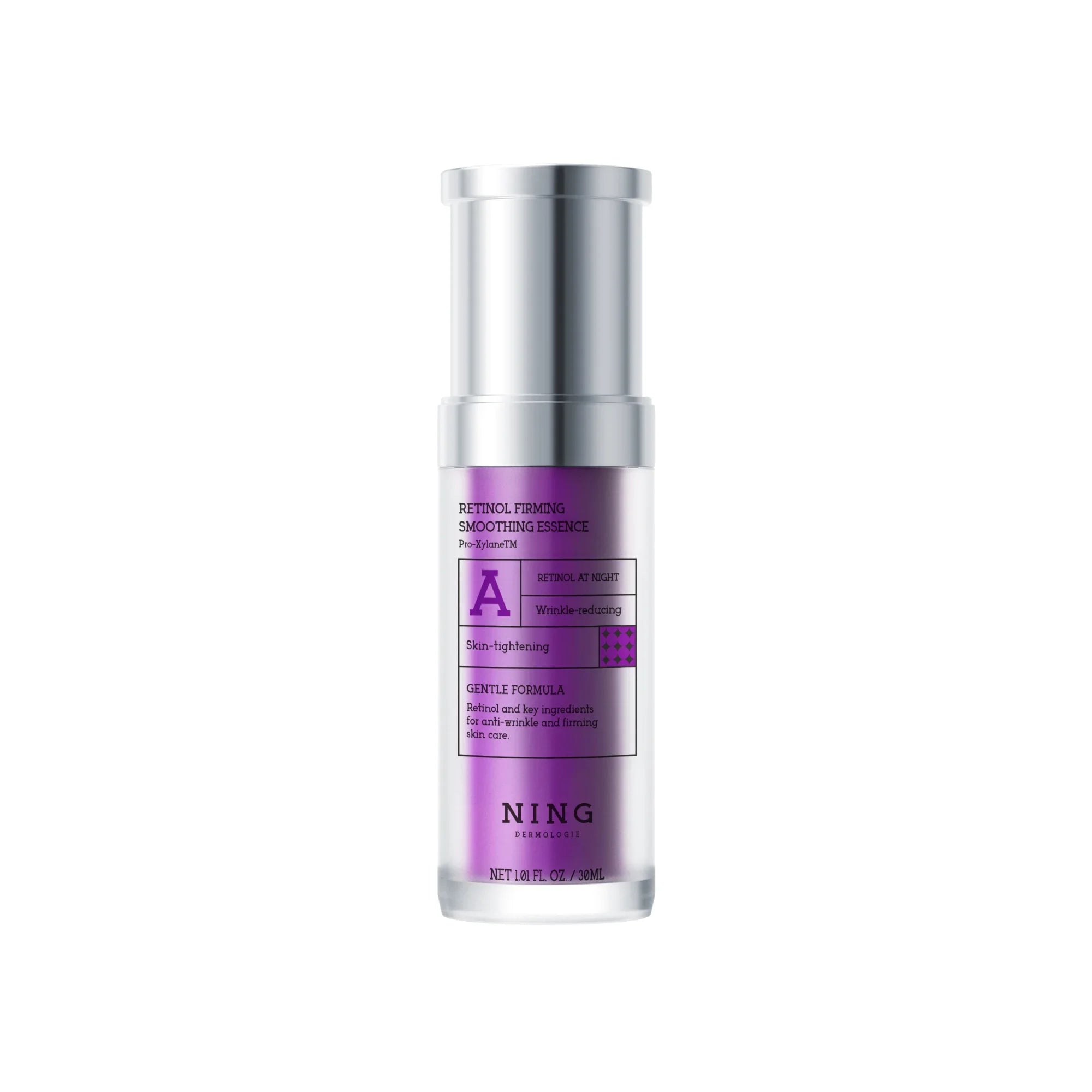
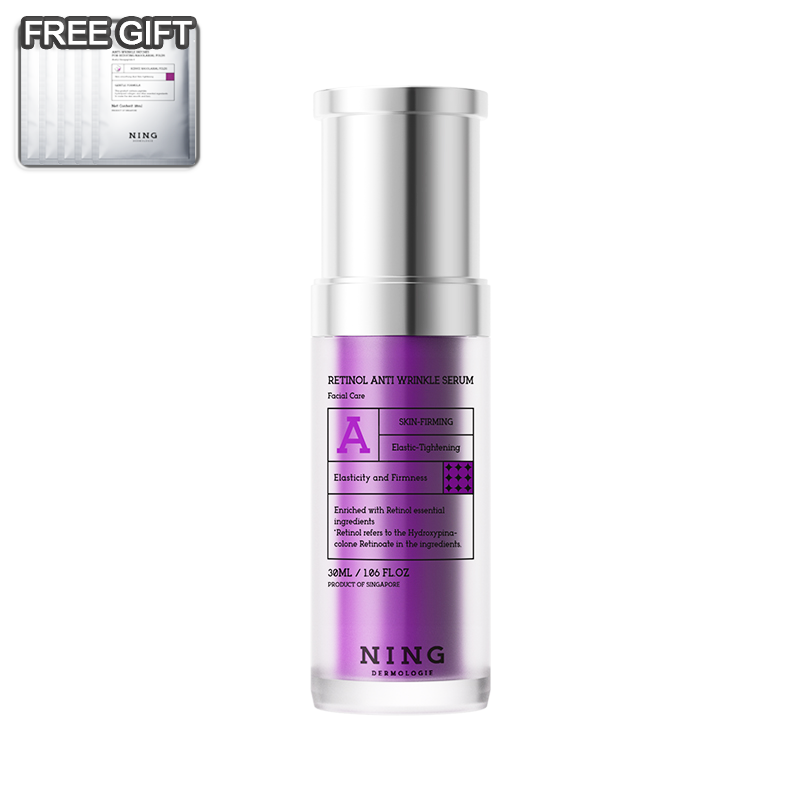
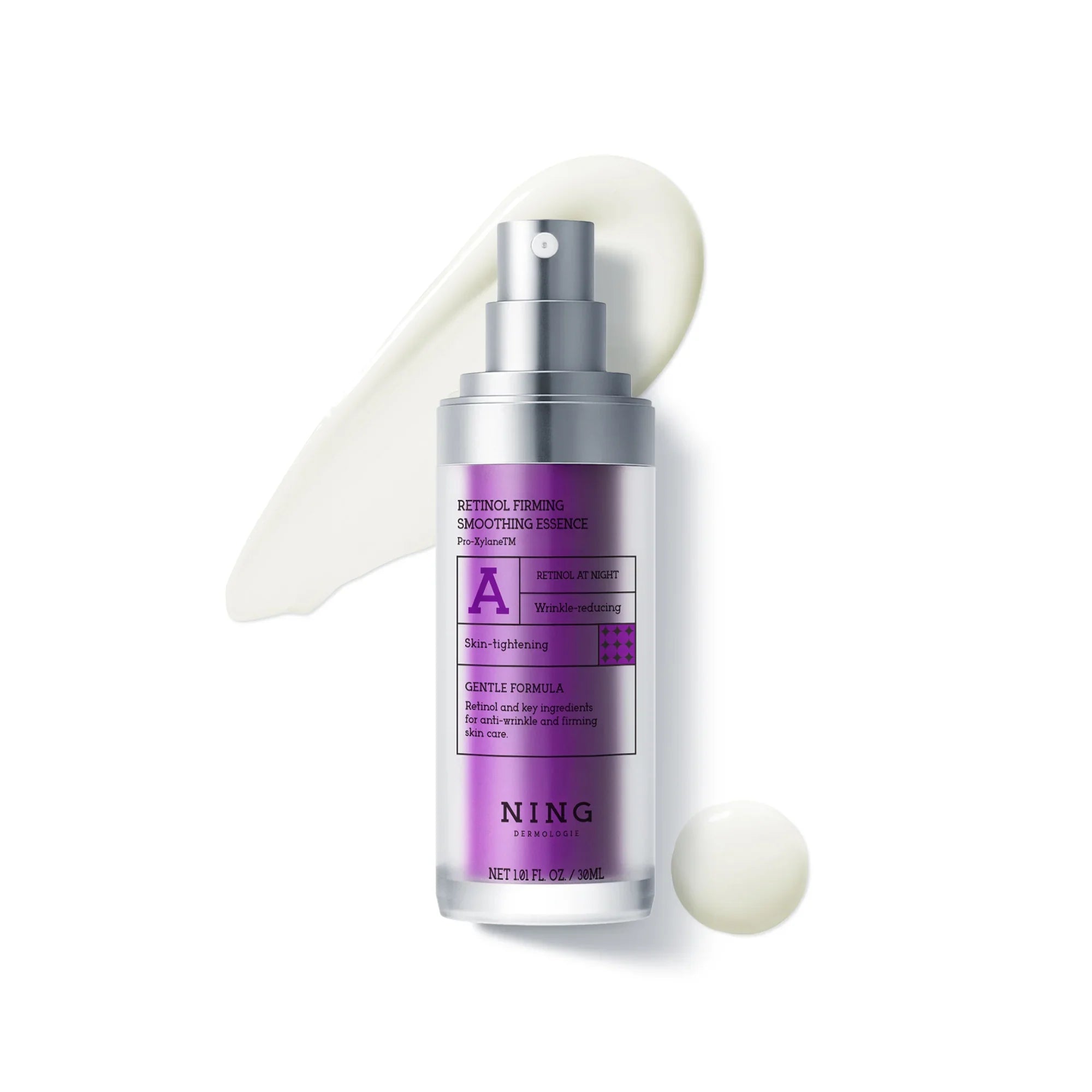
For people with sensitive skin, layering these together is often too much. Vitamin c is an active ingredient, and so is retinol. Using them at the same time can disrupt the skin barrier. The safest skin care regimen is to use vitamin c serum in the morning to protect the skin and use your retinol or exfoliating acids at night to improve skin texture.
5. How long does it take to see results from a Vitamin C brightening serum?
Patience is key. While some notice an immediate "glow" due to the hydrating base of the vitamin c product, true brightening the skin and fading of uneven skin tone usually takes 6 to 12 weeks. This is the time it takes for new skin cells to cycle through. Consistency in using vitamin c is more important than using a high concentration occasionally.





Share:
Reviews of vitamin C serums that work well on sensitive skin
Vitamin C serum with gentle ingredients for sensitive skin