


You are staring in the mirror. You notice fine lines creeping up around your eyes, so you panic and slather on the thickest, richest eye cream you can find. A week later, you wake up to hard, white little bumps under your lashes.
Welcome to the most frustrating cycle in skincare: trying to fix dry under-eyes, only to trigger a breakout of milia.
If you are terrified of using heavy creams but desperately need moisture, you are in the right place. We are going to break down exactly how to treat your delicate eye area, what ingredients actually work, and how to stop those annoying white bumps from forming in the first place.

What Are Those Tiny White Bumps?
Let’s get one thing straight immediately. Those bumps are not whiteheads. You cannot pop them like pimples.
They are keratin cysts, often referred to by dermatologists as keratin-filled cysts. They happen when dead skin cells and skin debris get trapped just under the surface of the skin. Instead of shedding naturally, the keratin builds up and forms a hard little pearl.
Why does this happen around the eyes? It almost always comes down to the beauty products you are using. Heavy, occlusive creams create a seal over the skin. If your natural skin turnover slows down, that heavy seal traps everything underneath it, leading directly to milia.
Why the Skin Under Your Eyes is a Trap
To understand how to fix this, you have to look at the anatomy of your face. The skin under your eyes is incredibly thin. It is basically the tissue paper of the human body.
Unlike the rest of your face, the skin tissue in the eye area has virtually no sebaceous (oil) glands. This means it cannot naturally lubricate itself. Because the skin around your eyes is constantly moving—every time you blink, smile, or squint—it is highly susceptible to dehydration, fine lines, and crow's feet.
People see these lines and immediately reach for a heavy hydrating eye cream. But sensitive eyes and thin Undereye skin simply cannot absorb thick waxes and heavy oils. The product just sits on top, clogs the pores, and creates the perfect environment for milia.
The Serum Solution: Hydration Without the Heavy Weight
This is exactly why you need to drop the thick creams and switch to eye serums. Serums are water-based. They have a smaller molecular structure, meaning they actually sink into the skin rather than sitting on top of it as a greasy film.
When it comes to lightweight moisture, hyaluronic acid is your best friend. (You will sometimes see people frantically searching for hydrailic acid online—it is the same thing). It acts like a sponge, pulling water into the skin to plump it up.
But you have to read the ingredient labels. You do not just want basic hyaluronic acid. You want sodium hyaluronate or micro hyaluronic acid. These are smaller molecules that penetrate the skin barrier deeply and quickly.
Formulating for Real Results (The NING Dermologie Approach)
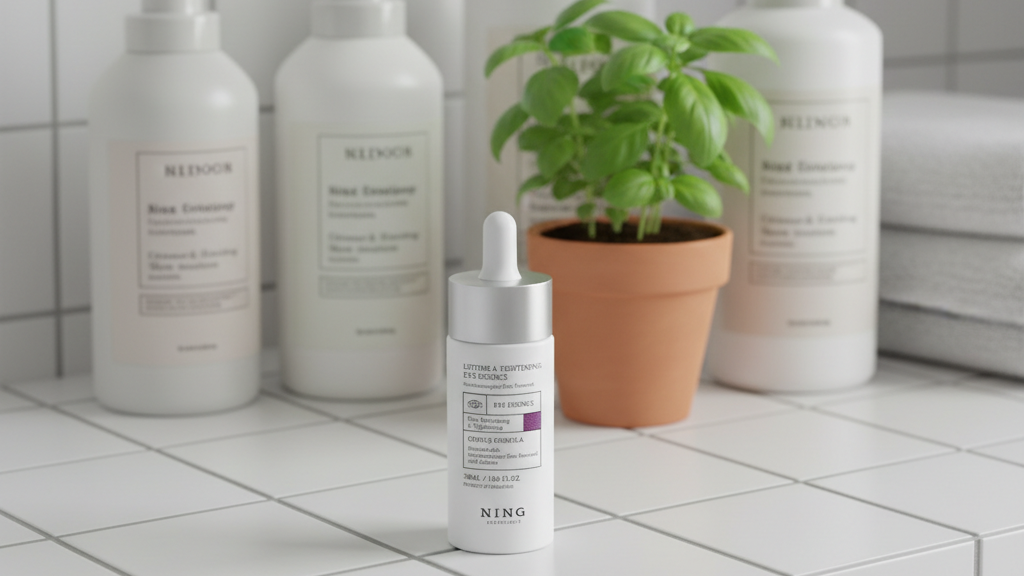
We know this struggle intimately. You want intense hydration, but you want zero risk of clogged pores. That is exactly why we spent so much time formulating the NING Dermologie Lifting & Tightening Eye Essence.
We stripped out the heavy waxes and pore-clogging silicones found in traditional cosmetic products. Instead, we focus on high-performance active ingredients and botanical ingredients that your skin actually recognizes and absorbs.
For weightless moisture, we utilize Okinawa red algae, which hydrates without leaving a sticky residue. We include apricot oil in trace, non-comedogenic amounts to soften the skin without suffocating it. To tackle dark circles and general dark undereye circles, the essence features gold powder for an immediate brightening effect. Finally, we added glycyrrhetinic acid to soothe sensitive skin and reduce inflammation. It is a complete routine in a water-light texture.
A Step-by-Step Routine to Hydrate Without Clogging
Having the right product is only half the battle. How you apply it matters just as much. Here is your daily anti-milia hydration routine.
Step 1: Apply to Damp Skin
Never apply hyaluronic acid to completely dry skin. It needs water to pull into your skin. After washing your face, leave the skin under your eyes slightly damp before tapping in your serum.
Step 2: Gentle Exfoliation is Non-Negotiable
To prevent keratin buildup, you need to keep dead cells moving. You can carefully introduce chemical exfoliants to the surrounding areas (like the orbital bone). Very weak formulations of salicylic acid or glycolic acid can help keep the area clear.
Step 3: Layering Active Ingredients
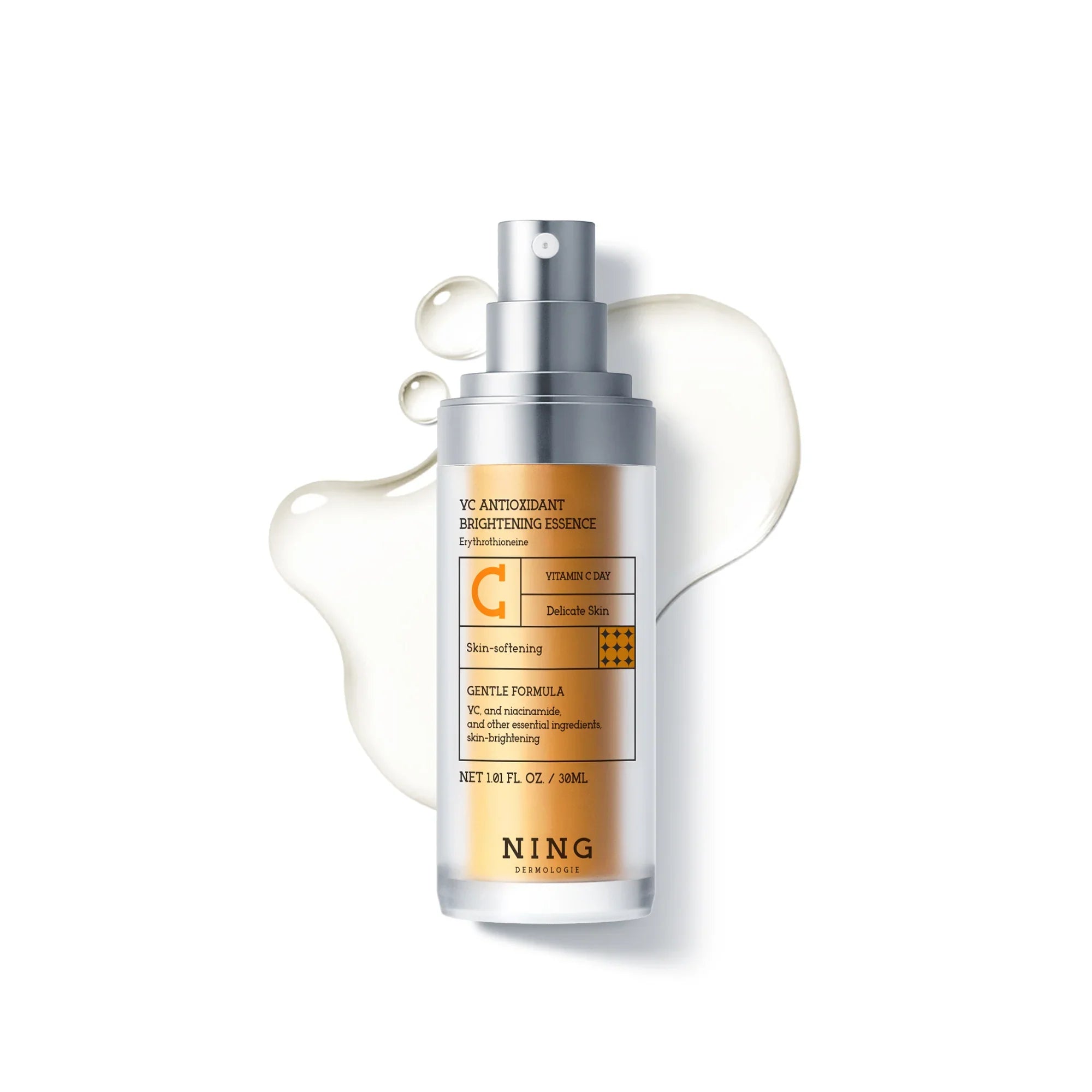
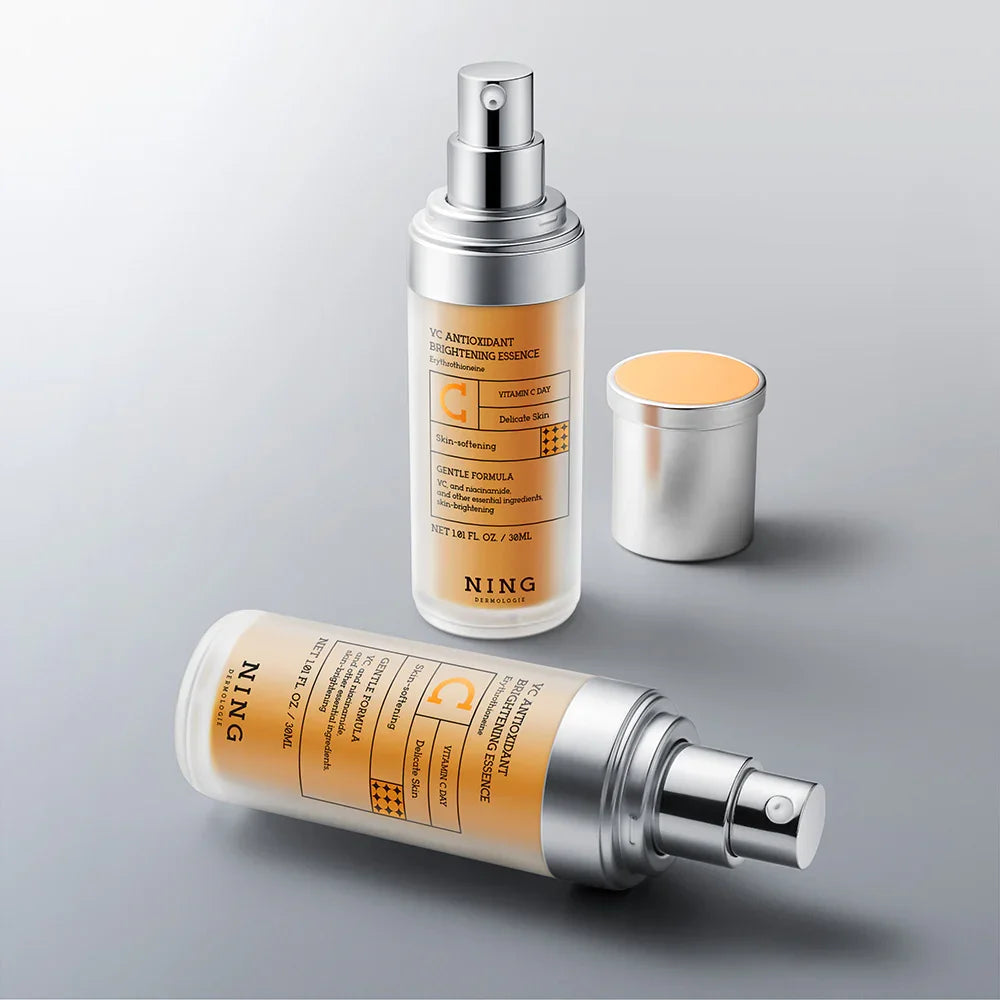
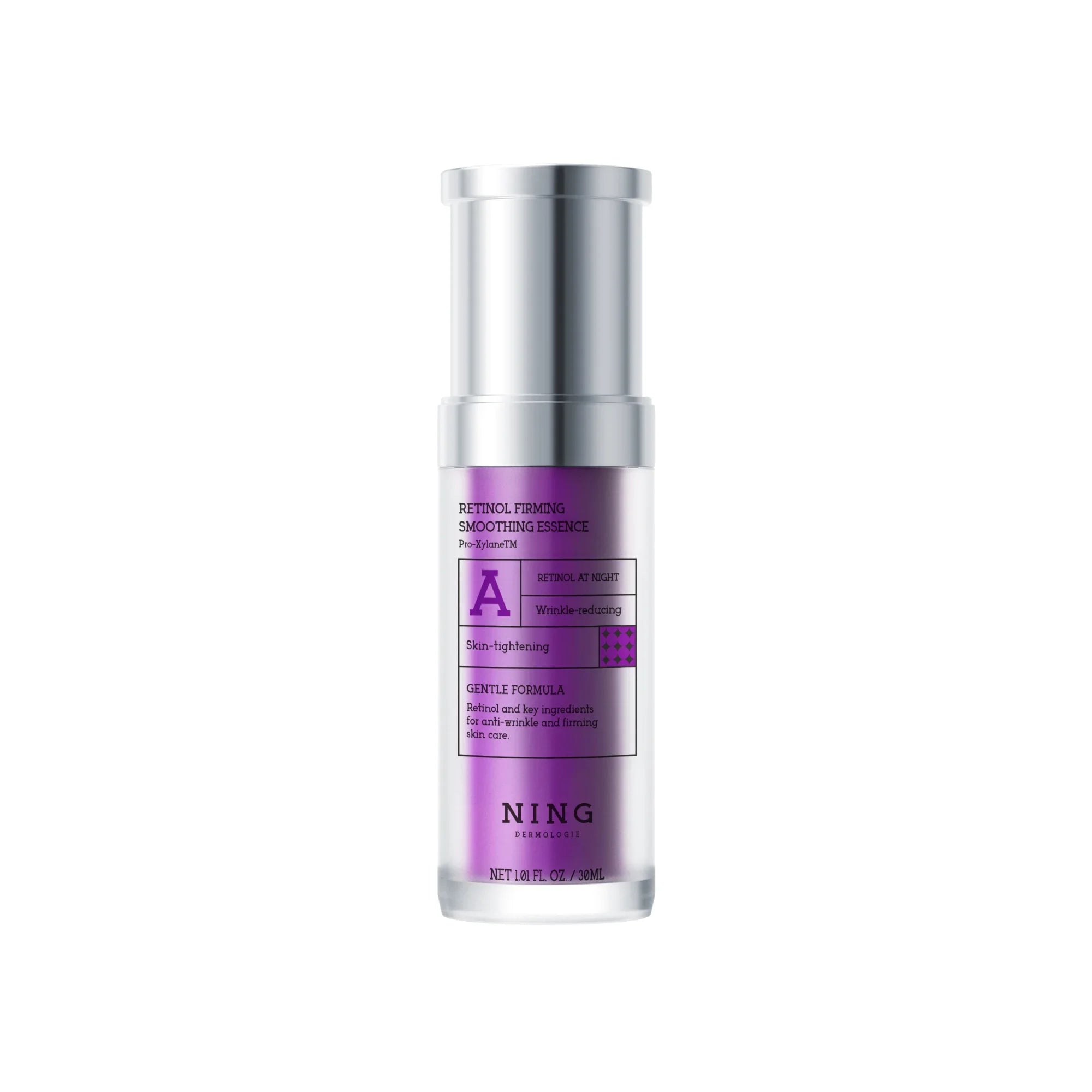
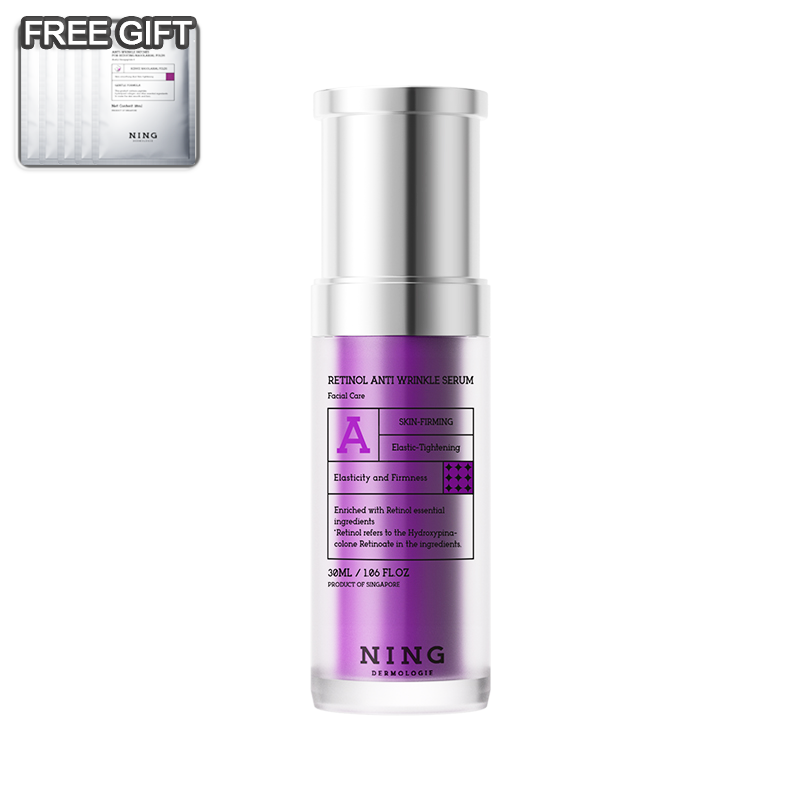
For complete skin rejuvenation, moisture isn't enough. You need hydrating ingredients paired with treatment actives. Vitamin C is excellent for morning use to protect against environmental damage. At night, retinol eye creams are fantastic because they speed up cell turnover, pushing dead skin away before it can form a cyst.
Market Comparisons: What Else is Out There?
Let’s look at the broader landscape of beauty products.
Many people start their skincare journey with a basic pharmacy buy, like the CeraVe Eye Repair Cream. It is affordable and basic, but for highly milia-prone skin, it can still feel a bit too thick.
If you prefer gels, you might have tried the Peter Thomas Roth Water Drench Hyaluronic Acid Cloud Hydrating Eye Gel or the Revitalift Filler Eye Serum. You can often find these at major retailers like Adore Beauty. These are decent options because they rely on water-binding ingredients rather than heavy oils, making them a safer bet than traditional creams. However, they often lack the targeted brightening and tightening complexes needed for comprehensive anti-aging.
What If You Already Have Milia? (Professional Treatments)
Let me be incredibly clear: no eye serum or cream will dissolve existing milia. Once that hard cyst is formed under the skin, skincare products cannot melt it away. You need to see a professional.
Dermatologists typically perform manual milia extraction. They use a sterile scalpel needle to create a microscopic slit in the skin and gently extract the hard keratin pearl. Do not try to dig these out at home with tweezers. You will cause scarring.
If you have extensive milia combined with severe sun damage or deep wrinkles, cosmetic dermatologists offer heavier interventions. Clinics in places like Beverly Hills (such as LM Medical or experts like Dr. Nathan Newman) often utilize laser ablation. Procedures like a Co2 laser or general laser resurfacing can vaporize the cysts while simultaneously tightening the skin.
Sometimes, what people think are just deep dark circles are actually structural shadows caused by volume loss. In these cases, doctors might suggest a tear-trough filler (often searched as tear trough filler). For extreme puffiness that casts shadows, a plastic surgeon might perform a lower blepharoplasty using a transconjunctival approach to remove excess fat pads from the inside of the eyelid without external scars.
Supporting Your Skin Canvas
Your eye area does not exist in a vacuum. The rest of your face routine impacts how your under-eyes behave.
Keep your face clean, but avoid aggressive scrubbing. A product like the La Roche-Posay Effaclar Deep Cleansing Foaming Cream is great for keeping facial pores clear, but keep it away from your delicate lash line.
To encourage cellular turnover on the rest of your face, treatments like the Kate Somerville Liquid Exfolikate Triple Acid Resurfacing Treatment or the Replenix Glycolic Acid 20% Resurfacing Peel are highly effective. For serious anti-aging, incorporating a strong facial retinoid like Obagi Medical Retinol 1.0 will improve your overall skin texture. Just remember to buffer it carefully around the orbital bone.
Finally, you must wear sunscreen every single day. UV damage breaks down collagen and slows cell turnover, leading to more milia. Use a lightweight, non-comedogenic option. The EltaMD UV Clear Broad-Spectrum SPF 46 is a massive favorite because it protects without clogging pores.

Frequently Asked Questions (FAQ)
Can I pop milia at home?
Absolutely not. Milia are hard cysts trapped under the skin, not pimples with an open pore. Squeezing them will only cause severe bruising, tearing, and permanent scarring. Always see a dermatologist or esthetician for safe extraction using a sterile needle.
Why does my heavy eye cream cause milia?
Thick creams contain heavy waxes and oils that act as occlusives. They create a seal over your thin under-eye skin. This traps dead skin cells and natural keratin, preventing them from shedding. They clump together under the skin, forming those white bumps.
Is hyaluronic acid safe to use right up to my lash line?
Yes, hyaluronic acid is naturally found in your body and is highly gentle. However, always apply it carefully. Pat it gently along the orbital bone (the socket bone under your eye). The product will naturally travel upward toward the lash line as it absorbs.
Do I need an eye cream if I use a face serum?
Not necessarily, but face serums often contain higher concentrations of strong acids or fragrances that can irritate thin eyelid skin. Dedicated eye essences are formulated with smaller molecules and soothing agents specifically calibrated to hydrate without causing irritation or milia.
How long does it take for milia to go away naturally?
In adults, milia can last for months or even years if left alone. Unlike babies, whose milia clear up quickly, adult skin turnover is slower. While chemical exfoliants help prevent new ones, existing adult milia usually require professional extraction to disappear completely.






Share:
Vitamin C Eye Serum: Brightening Benefits and How to Avoid Irritation
Eye Serum for Sensitive Skin Low-Irritant Choices and How to Patch Test