



Organic vs. Clinical Skincare Sets: Which One Is Right for Your Skin Philosophy?
Let’s be honest. Walking down the beauty aisle—or scrolling through the endless pages of online stores—can feel less like a shopping trip and more like a chemistry exam you didn't study for. On one side, you have the "Clean Beauty" crusade, waving banners of botanical purity and demonizing anything created in a lab. On the other side, you have the clinical skincare advocates, armed with white coats and promises of medical grade precision.
It’s the ultimate showdown: Organic vs. Clinical Skincare Sets.
But here is the truth that marketing teams often hide: you usually don't have to choose sides. The difference between natural marketing and synthetic skincare science is often thinner than a sheet mask. To make informed choices, we need to strip away the fear-mongering and look at what actually works for your skin type.
Whether you are a die-hard fan of organic skin care or someone who swears by medical-grade skincare, understanding the nuances of natural vs synthetic is the only way to achieve that elusive radiant glow.

The Reality of Natural vs. Synthetic Ingredients
First, let’s clear the air. There is a massive misconception that natural ingredients are always safe and synthetic ingredients are always toxic. This is false. Poison ivy is natural; it doesn’t mean you want it in your skincare product. Conversely, many synthetic chemicals are simply lab-created versions of naturally occurring substances, designed to be more stable and less likely to cause irritation.
When we talk about organic skincare products, we are generally referring to formulations that source their power from the earth. Think aloe vera, green tea, and essential oils. These botanical powerhouses are excellent at helping to nourish and hydrate the skin. They respect the natural processes of your body.
However, clinical skincare—often labeled as medical skincare or medical-grade products—steps in when "gentle" isn't enough. If you are trying to brighten severe hyperpigmentation or smooth out deep skin texture issues, crushed rose petals alone might not cut it. You need formulated potency. This is where synthetic ingredients are created to mimic biological functions, offering targeted skin care treatments that nature sometimes cannot provide in high enough concentrations.
Natural Skincare: The Soul of the Routine
Why do so many people gravitate towards organic skin philosophies? It’s the ritual. There is something deeply satisfying about applying a skincare product that smells like a spa, not a hospital.
Choosing natural skincare usually means you are looking for a holistic skin care approach. You want to avoid the "nasties"—the paraben and sulfate lists that have become the boogeymen of the industry. Natural skincare products often excel at maintenance. They are fantastic for:
- Sensitive skin: Ingredients like chamomile and aloe are legendary for calming irritated skin.
- Daily Hydration: Plant oils mimic the skin's natural sebum better than some silicones.
- Prevention: Antioxidants from fruits and plants protect against environmental damage.
However, the drawback of strictly organic skincare products is often stability. Without some synthetic preservatives, that jar of natural cream can become a petri dish of bacteria within weeks. Furthermore, essential oils—while natural—are potent allergens. Many brands forget to mention that "natural" can still cause skin reactions if the concentration is too high.
Clinical Skincare: The Heavy Lifters
On the other end of the spectrum, we have medical-grade skincare. These are the products you turn to when you have specific skincare goals that require heavy artillery. We are talking about retinoids, advanced peptides, and lab-stabilized Vitamin C.
Clinical skincare focuses on results first, experience second. The synthetic ingredients here are designed for penetration and activity. Medical skincare is often the best skincare choice for:
- Acne-prone skin: Salicylic acid and benzoyl peroxide are synthetics that clear pores better than tea tree oil alone.
- Anti-aging: Peptides that signal collagen production are marvels of synthetic skincare.
- Resurfacing: High-strength acids that brighten and smooth skin texture.
But, and this is a big but, products often cause irritation. The barrier to entry for medical grade products is higher. If you dive into a high-percentage acid without a buffer, you will wreck your moisture barrier. This is why skin care professionals often warn against overusing "actives."
The Hybrid Philosophy: Why NING Dermologie Wins
So, organic vs clinical skincare sets—which one wins?
The answer is: Neither. The best skincare—the kind that actually delivers healthy skin without the downtime—is a hybrid. It’s what I like to call "Clinical-Botanical."
This is where NING Dermologie has cracked the code. Instead of forcing you to pick between a skincare routine that smells nice but does nothing, or one that works but burns your face off, they have fused the two worlds.
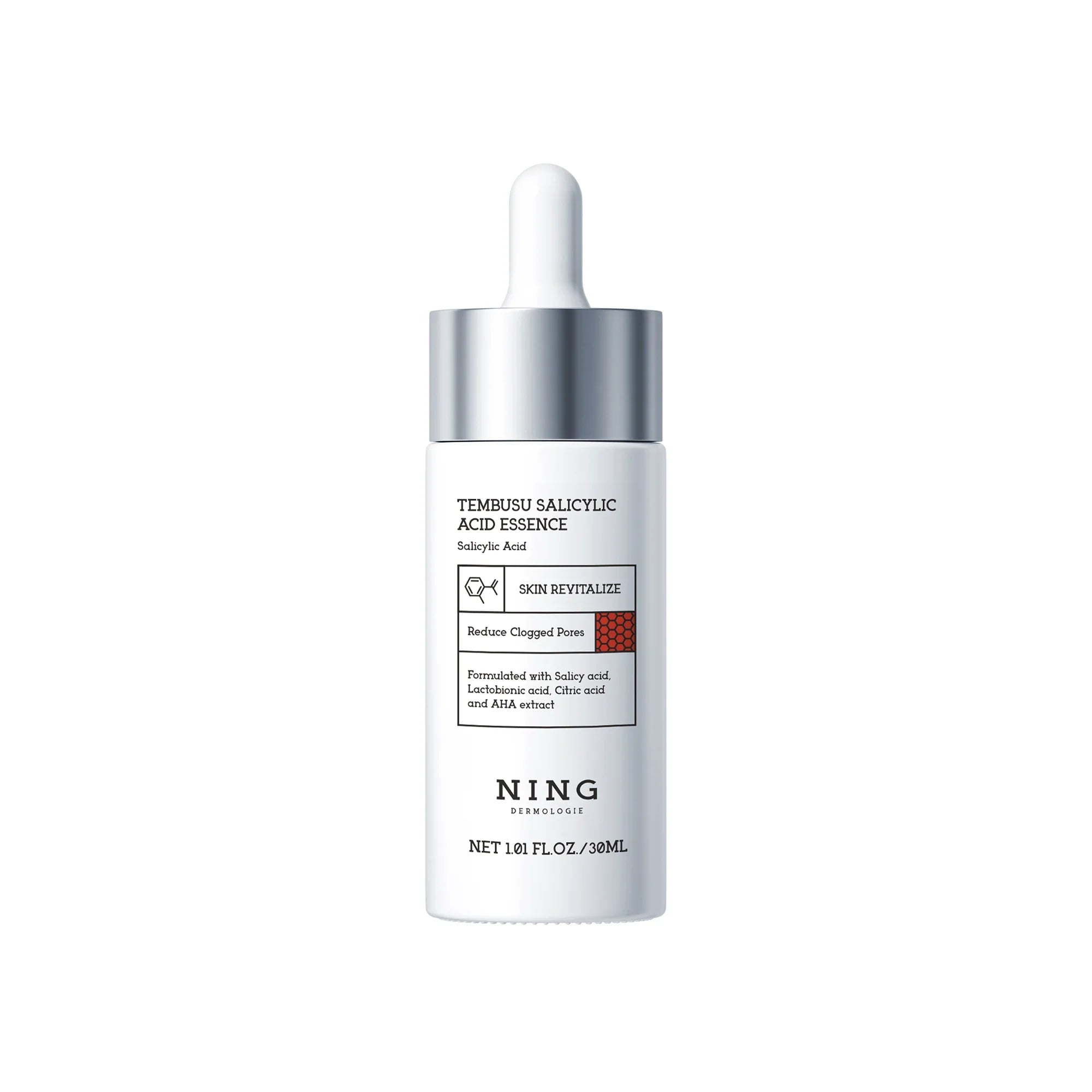
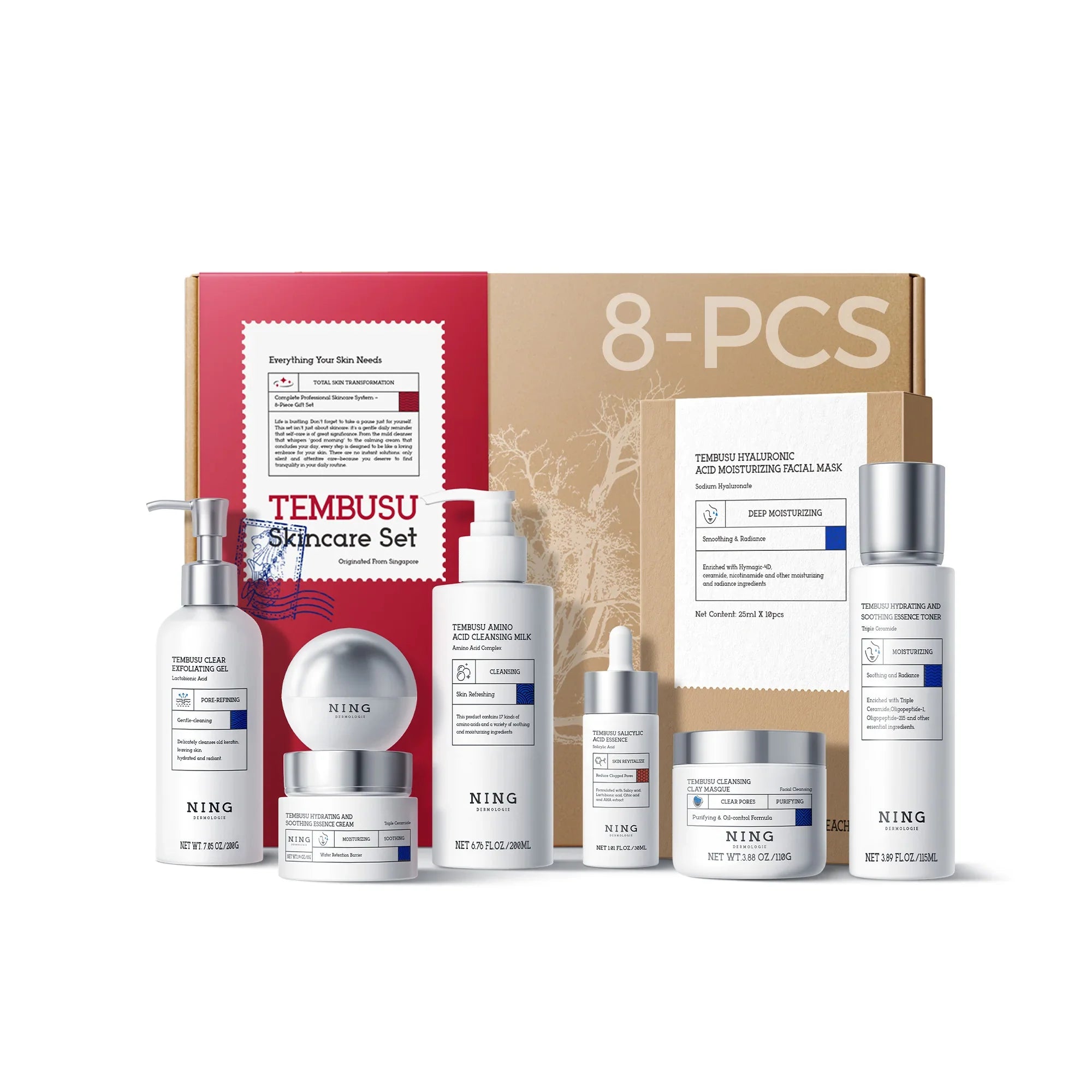
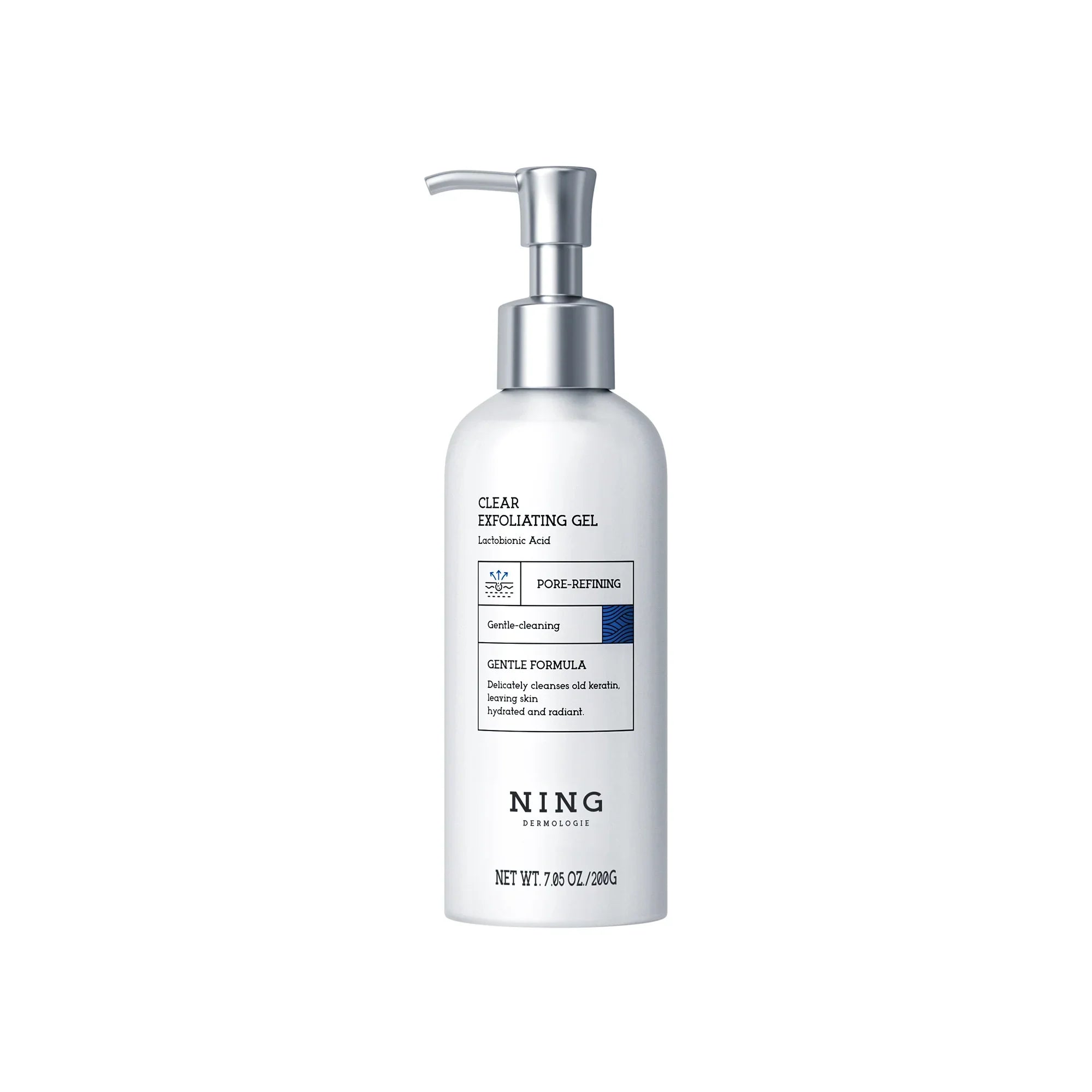
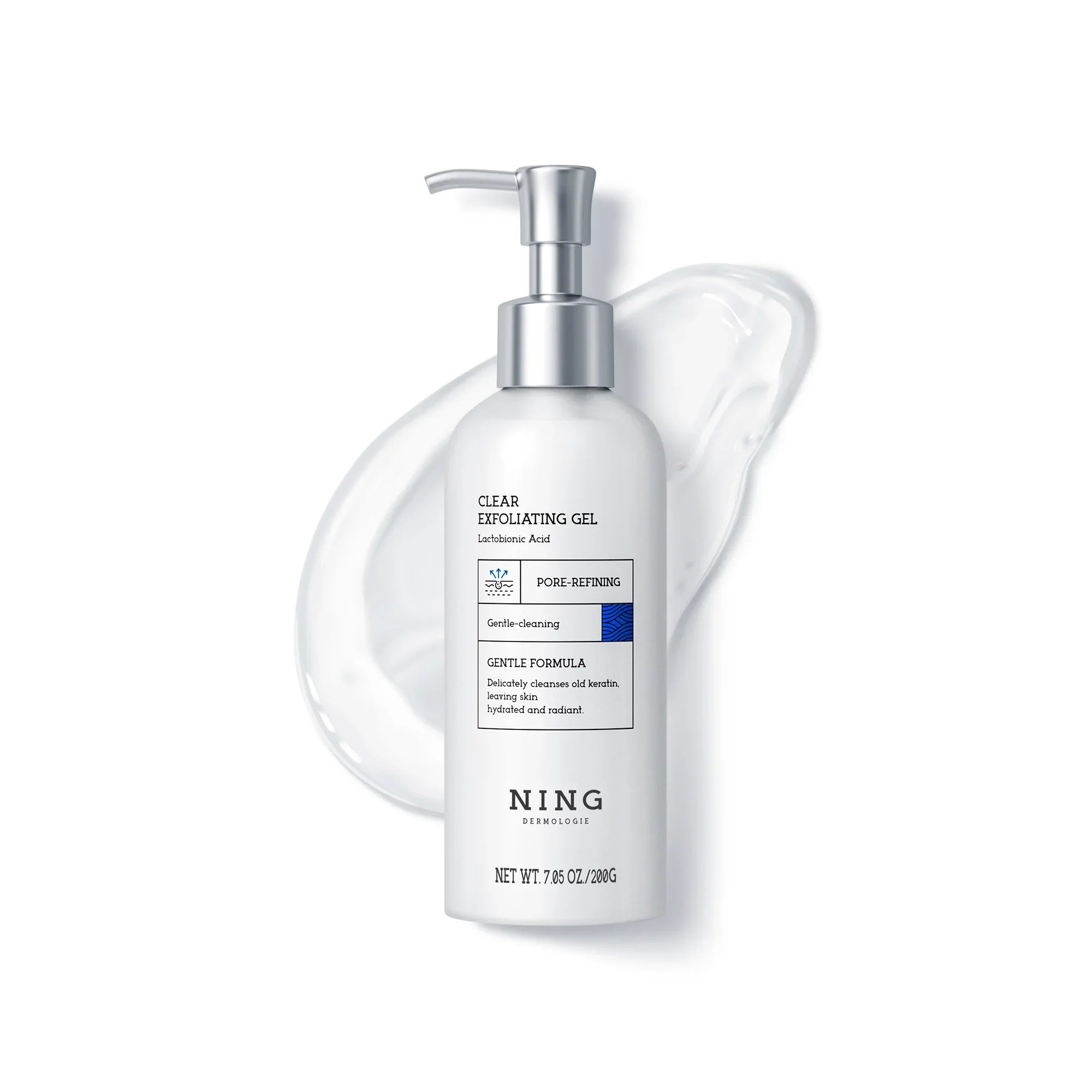
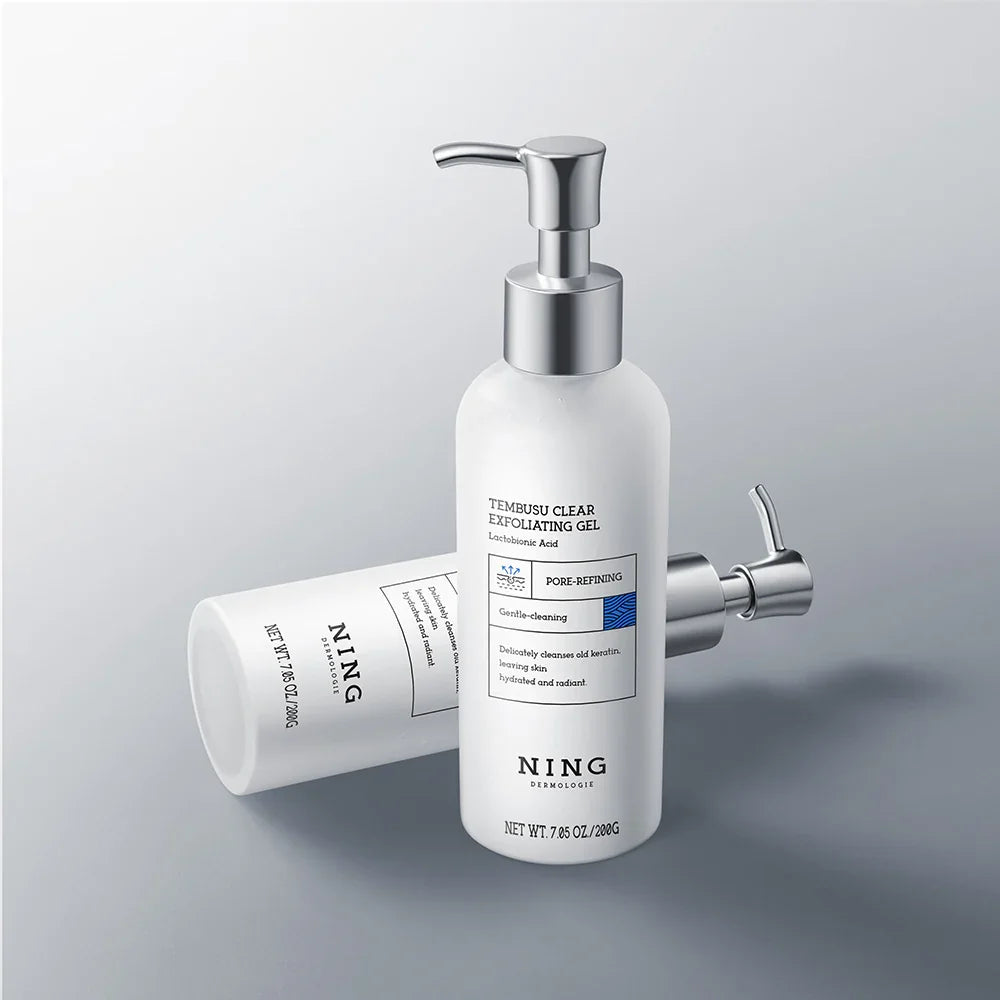
Take a look at the TEMBUSU 8-Step Routine Skincare Set. It isn't just throwing ingredients into a bottle; it's a carefully orchestrated symphony of natural and medical-grade logic.
Discover the TEMBUSU 8-Step Routine Skincare Set here
At the heart of the NING philosophy is the Tembusu extract. This is a robust botanical ingredient known for its resilience. But NING doesn't just squeeze the plant and hope for the best. They process it using clinical standards to ensure that every drop in the skincare set is active and stable.
By combining high-performance natural ingredients with the precision of clinical skincare, NING Dermologie avoids the harsh synthetic chemicals that strip the skin, while avoiding the instability of purely organic products. It is the best of both worlds.
Deep Dive: Ingredient Breakdown
To truly make informed choices, let's look at how a hybrid brand like NING handles the difference between natural and synthetic in their formulations.
1. Hydration: Hyaluronic Acid vs. Plant Oils
In the TEMBUSU 8-Step Routine, you don't just get one. Hyaluronic acid is a synthetic (usually bio-fermented) marvel that holds 1000x its weight in water. It hydrates the deep layers. Meanwhile, natural products like botanical oils seal that moisture in. Using one without the other is like drinking water but not putting a lid on the bottle. You need both to nourish and protect the skin.
2. Soothing: Aloe Vera vs. Lab-Created Anti-Irritants
Aloe vera is the queen of natural skin care products. It’s unbeatable for immediate relief. However, medical-grade skincare science has given us peptides that reduce neurogenic inflammation. When you combine aloe with these clinical soothers, you can manage irritated skin much faster than with aloe alone.
3. Preservation: Paraben-Free Science
Chemicals are not bad if they keep your product safe. NING avoids controversial ingredients like parabens and sulfates, opting for safer, modern synthetic preservatives that ensure your skincare product doesn't grow mold, without triggering the sensitivities associated with older preservatives.

Choosing the Right Skincare Philosophy for Your Needs
How do you decide? It comes down to listening to your skin.
Scenario A: The Purist If you have hyper-reactive skin and believe that chemicals are not bad but just aren't for you, you might lean towards organic skin care. You want to verify every source. But be warned: natural ingredients to avoid include highly volatile essential oils (like citrus) which can burn in the sun.
Scenario B: The Result-Hunter If you have distinct skin conditions like cystic acne or deep wrinkles, you might think you need 100% medical grade. But medical grade skincare can be drying.
Scenario C: The NING Dermologie User (The Smart Shopper) You realize that skincare is changing. You want the effective natural ingredients (like Tembusu) to support your skin health, but you want the delivery systems of medical skincare. You choose the TEMBUSU 8-Step Routine Skincare Set because it takes the guesswork out of the organic vs debate.
Impact of Skincare Choices on Irritated Skin
One of the biggest issues with conventional skincare is the "kitchen sink" approach—throwing too many synthetic chemicals at the face at once.
If you have dryness or sensitive skin, the difference between natural and clinical becomes critical. Harsh synthetic chemicals can strip the lipid barrier. However, unrefined organic skincare can contain impurities that trigger allergies.
The solution is "Clean Clinical." This means using ingredients like purified plant extracts (removing the allergens) alongside bio-identical synthetics. It is always a good practice to apply a small amount of any new product labeled "active" behind your ear. Even with the best skincare, individual reactions vary.
Why "Natural" and "Medical-Grade" Are Better Together
The industry tries to sell us organic vs clinical skincare sets as a binary choice. It tells us we are either "crunchy" or "scientific."
But look at the biology. Your skin is a biological organ (natural) that operates on chemical reactions (clinical). To clarify acne-prone skin, you might need salicylic acid (synthetic or willow bark derived) to dissolve oil, followed by green tea extract (natural) to reduce the redness caused by the acid.
This synergy is exactly what the TEMBUSU 8-Step Routine achieves.
-
Cleansing: Removes dirt without stripping (Sulfate-free).
-
Toning: Preps the skin pH (Clinical concept) using botanical waters (Natural source).
-
Treatment: Targets specific skin concerns using concentrated extracts.
-
Moisturizing: Locks it all in.
When you choose the best option, you are choosing balance. You are choosing to reduce the risk of irritation while maximizing efficacy.
Making the Switch: How to Transition
If you are moving from a purely synthetic skincare routine to a more balanced one like NING, or vice versa, go slow. Skincare products often take 28 days (one skin cycle) to show true results.
-
Read the Label: Don't just look for "Organic" or "Medical." Look for the ingredients.
-
Patch Test: Always apply a small amount.
-
Trust the Process: Natural formulas combined with clinical science work cumulatively. Radiant skin is a marathon, not a sprint.
In the battle of organic vs clinical skincare, the winner is the brand that refuses to compromise on either. With NING Dermologie, you don't have to sacrifice safety for results, or results for safety. You get the natural soul with the clinical brain.
Frequently Asked Questions (FAQ)
1. What is the main difference between natural and medical-grade skincare?
The main difference is where the materials come from and how they are made. Natural skincare products use ingredients from nature, like plants and minerals, with little processing. They focus on nourishing the skin. Medical-grade skincare, also called clinical skincare, uses higher concentrations of active ingredients, which are often synthetic or highly refined natural substances that can get deeper into the dermis to fix problems like acne or aging. Natural extracts that have been clinically refined are used by NING Dermologie to fill this gap.
2. Are synthetic skincare ingredients always harmful?
No. This is not true. Many synthetic ingredients are the same as what is already in your body, such as hyaluronic acid. Synthetics are often more stable, pure, and long-lasting than natural materials. The danger usually comes from certain harsh chemicals, like some sulfates, not the fact that they are man-made. Chemicals aren't bad for your skin on their own; the way they are made is what matters most.
3. Can I use organic and clinical skincare products together?
Absolutely. In fact, this is often the best skincare strategy. You might use a medical-grade retinol serum at night for anti-aging, and follow it with a natural, organic facial oil to nourish and minimize dryness. The TEMBUSU 8-Step Routine Skincare Set is designed to provide this balance in one pre-curated set, ensuring the ingredients don't clash.
4. Is NING Dermologie considered organic or clinical?
NING Dermologie is a hybrid. We believe in the power of botanical ingredients (like Tembusu) but we process them using clinical technologies. We avoid the instability of purely organic products and the harshness of old-school synthetic skincare. We define ourselves as "Clean Clinical"—using natural ingredients where they are best, and safe synthetics where we need precision and safety.
5. Which is better for sensitive skin: Natural vs. Synthetic?
It depends. Unrefined natural ingredients (like essential oils) can actually irritate sensitive skin more than gentle synthetics. However, synthetic fragrances are also a common trigger. The choose the best option for sensitive skin is a fragrance-free, hypoallergenic formula that uses soothing botanicals (like Aloe) alongside barrier-repairing synthetics (like Ceramides). Always apply a small amount to test first.
6. Why should I choose the TEMBUSU 8-Step Routine Skincare Set?
If you are tired of guessing which products work together, this set is your solution. It eliminates the organic vs clinical confusion. We have formulated it to address specific skin concerns—hydration, brightening, and texture—using a blend of natural extracts and safe clinical actives. It offers a complete skincare regimen that is powerful enough for results but gentle enough to maintain healthy skin daily.





Share:
Top 15 Skincare Gift Sets for the Ultimate Pampering Experience
Top 10 Clay Masks to Clear Skin and Unveil Radiance