



The Great Deep Clean Debate: Our Favorite Clay Masks for Those with Fragile Skin
If you have fragile or reactive skin, the words "clay mask" probably trigger a bit of a flight-or-fight response. We’ve all been there: you apply a thick, chalky paste, wait ten minutes, and suddenly your face feels like it’s being gripped by a drying cement desert. By the time you crack the mask off, your skin is angry, red, and stripped of every ounce of joy (and moisture).
But here’s the thing: you don’t have to swear off the clay mask life just because your skin is sensitive. In fact, when formulated correctly, clay is one of the most therapeutic ways to clear clogged pores and calm inflammation. You just need to stop using masks designed for "teenage oil slicks" and start looking for formulas that prioritize the skin barrier.
At NING Dermologie, we’ve spent years obsessing over how to bridge the gap between deep detoxification and barrier protection. Today, we’re breaking down the 8 best clay masks that actually soothe the skin while doing the heavy lifting.

Why Fragile Skin Needs a Different Kind of Clay
Most traditional masks rely heavily on bentonite clay, which acts like a high-powered vacuum for oil. While great for some, for sensitive skin, it can be too aggressive. For a face mask to work on fragile skin, it needs a sophisticated blend of kaolin and bentonite—where kaolin clay (especially white clay or pink clay) acts as the gentle polisher that doesn't disrupt your natural oils.
The goal isn't just to "strip" the skin; it’s to gently exfoliate dead skin cells and leave the skin feeling soft.
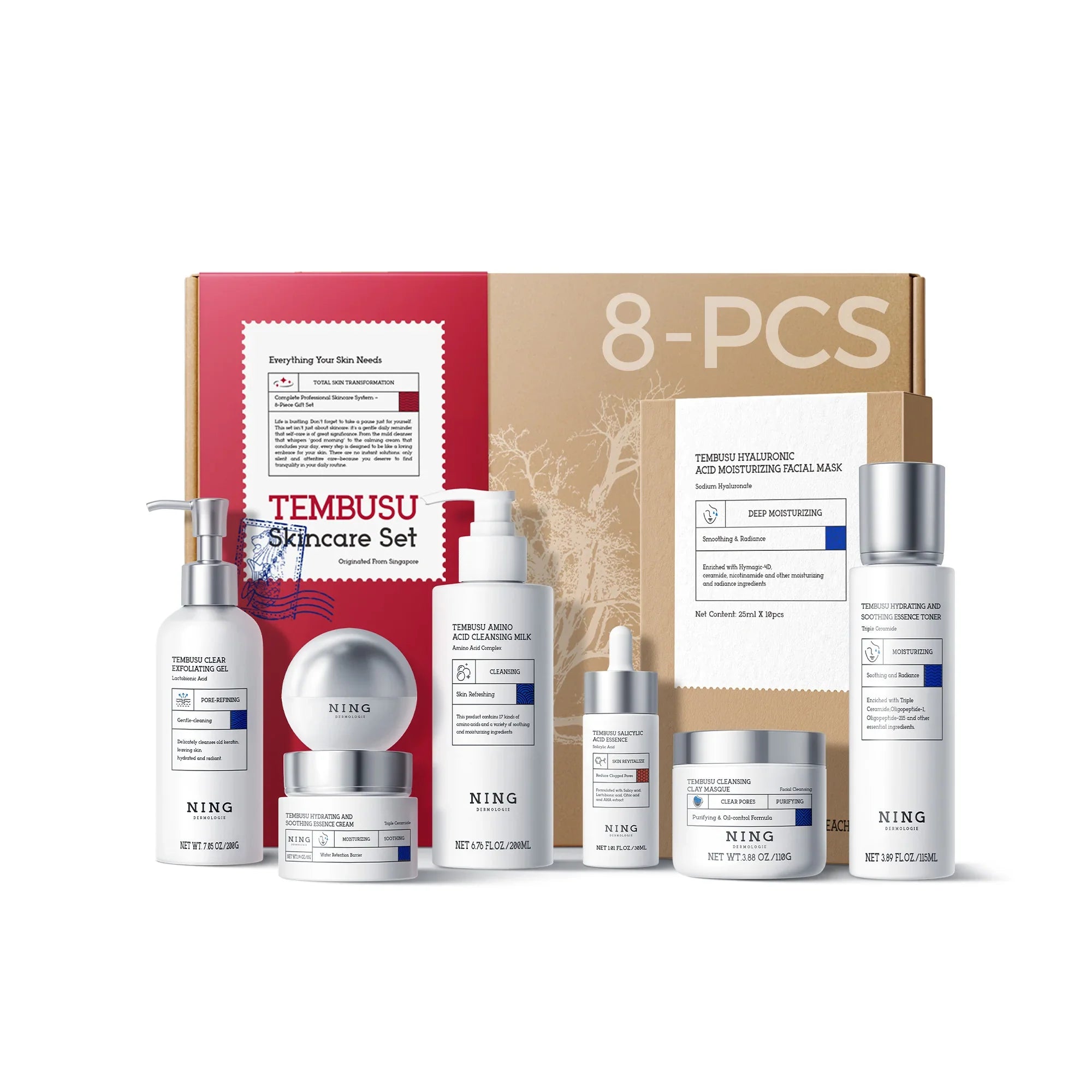
1. Best Overall: NING Dermologie Clay Mask for Face Sensitive Skin
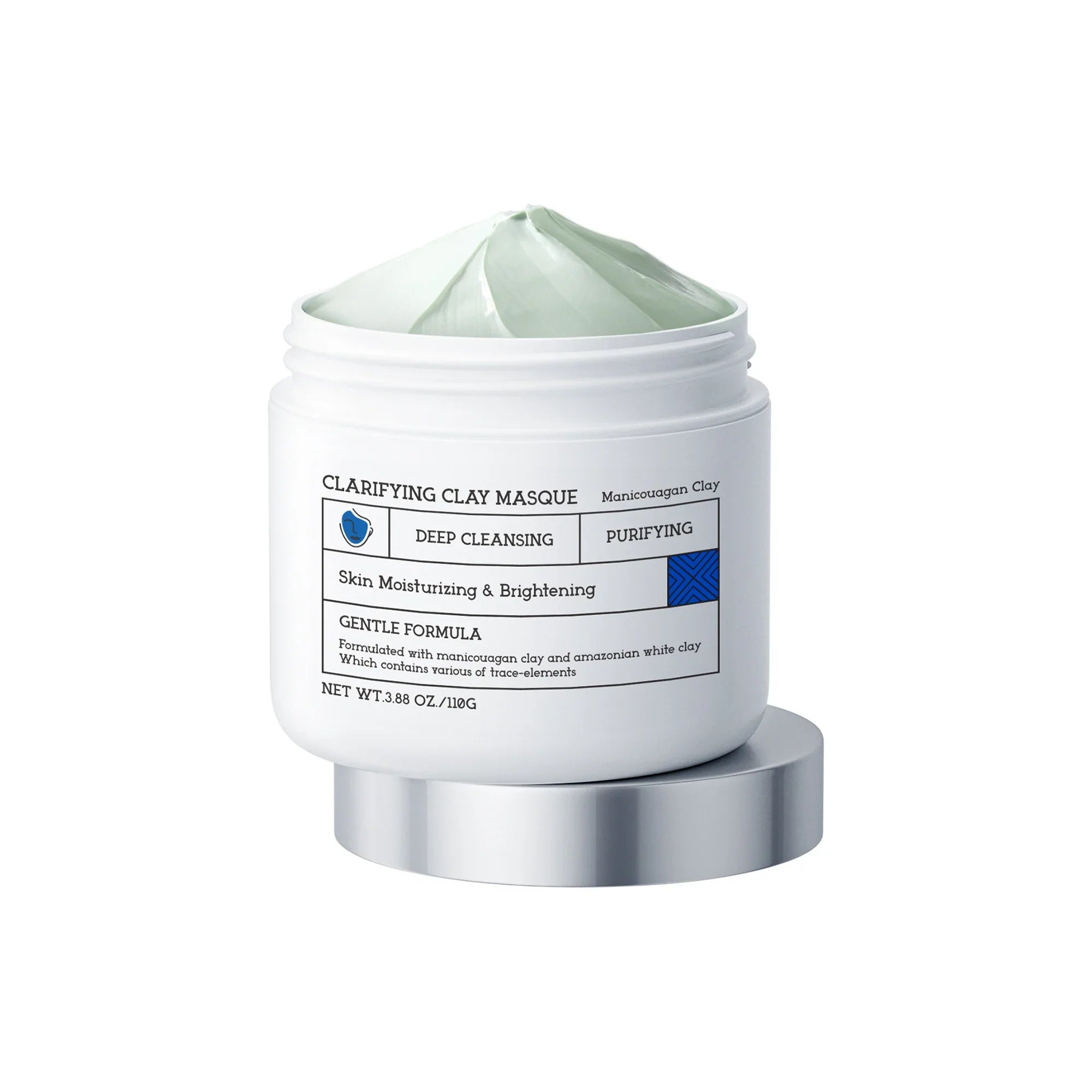
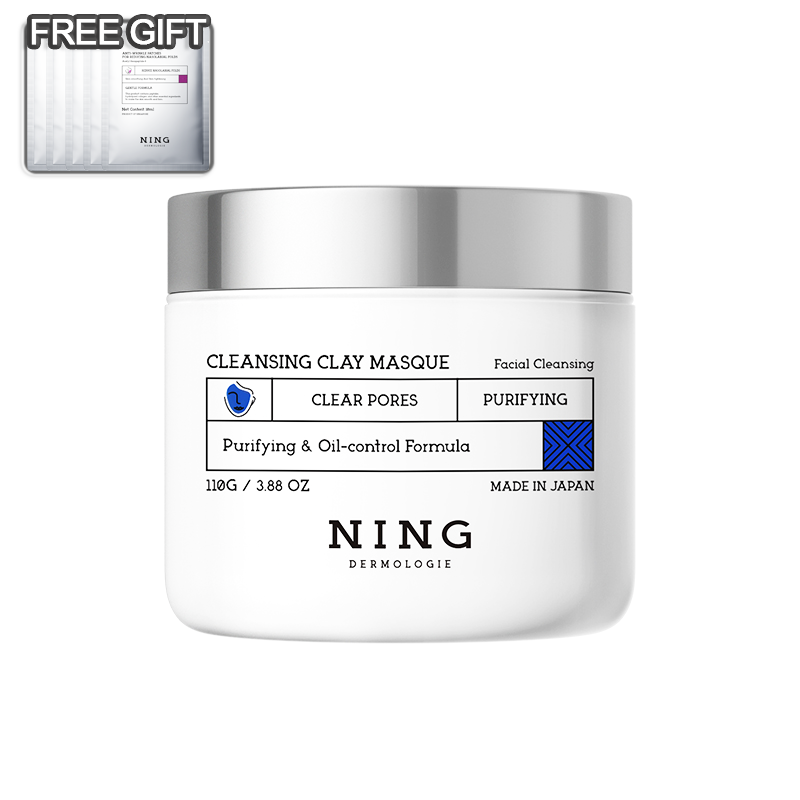
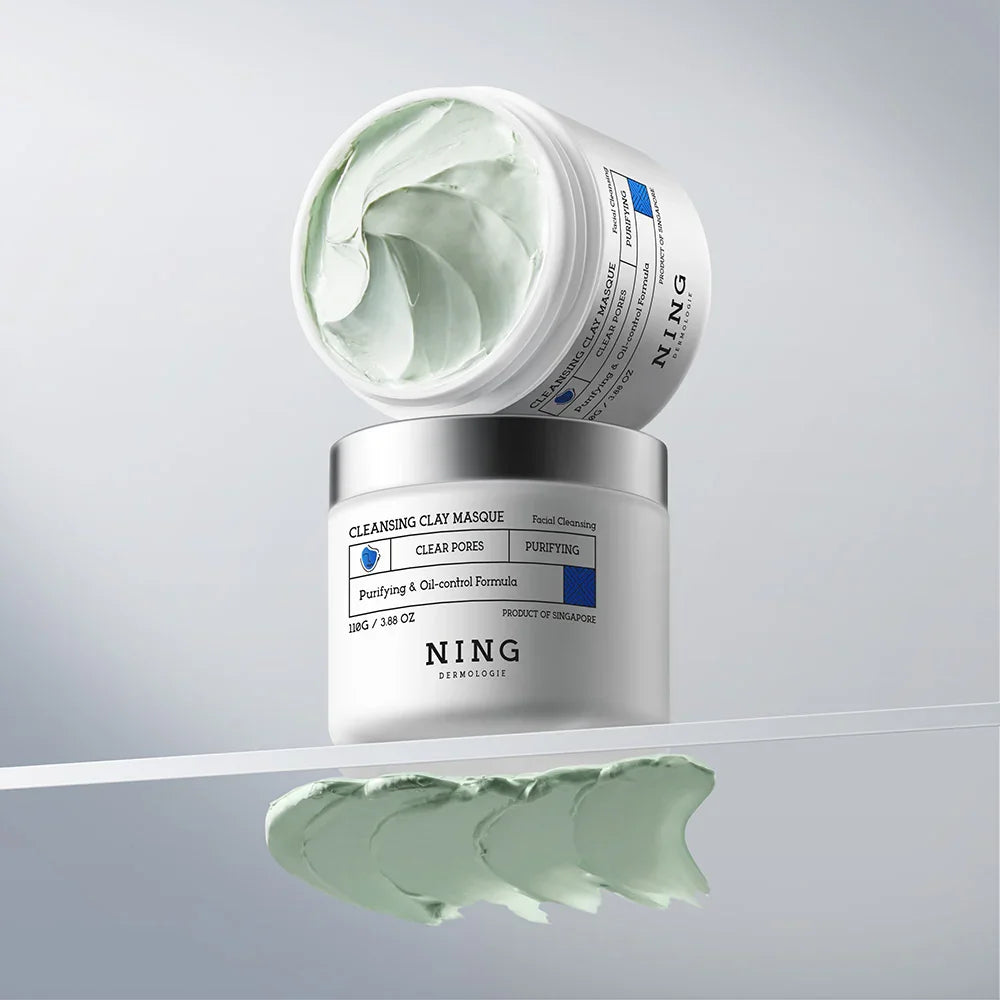
We might be biased, but we built the Clay Mask for Face Sensitive Skin specifically for those who thought they could never use a purifying mask again.
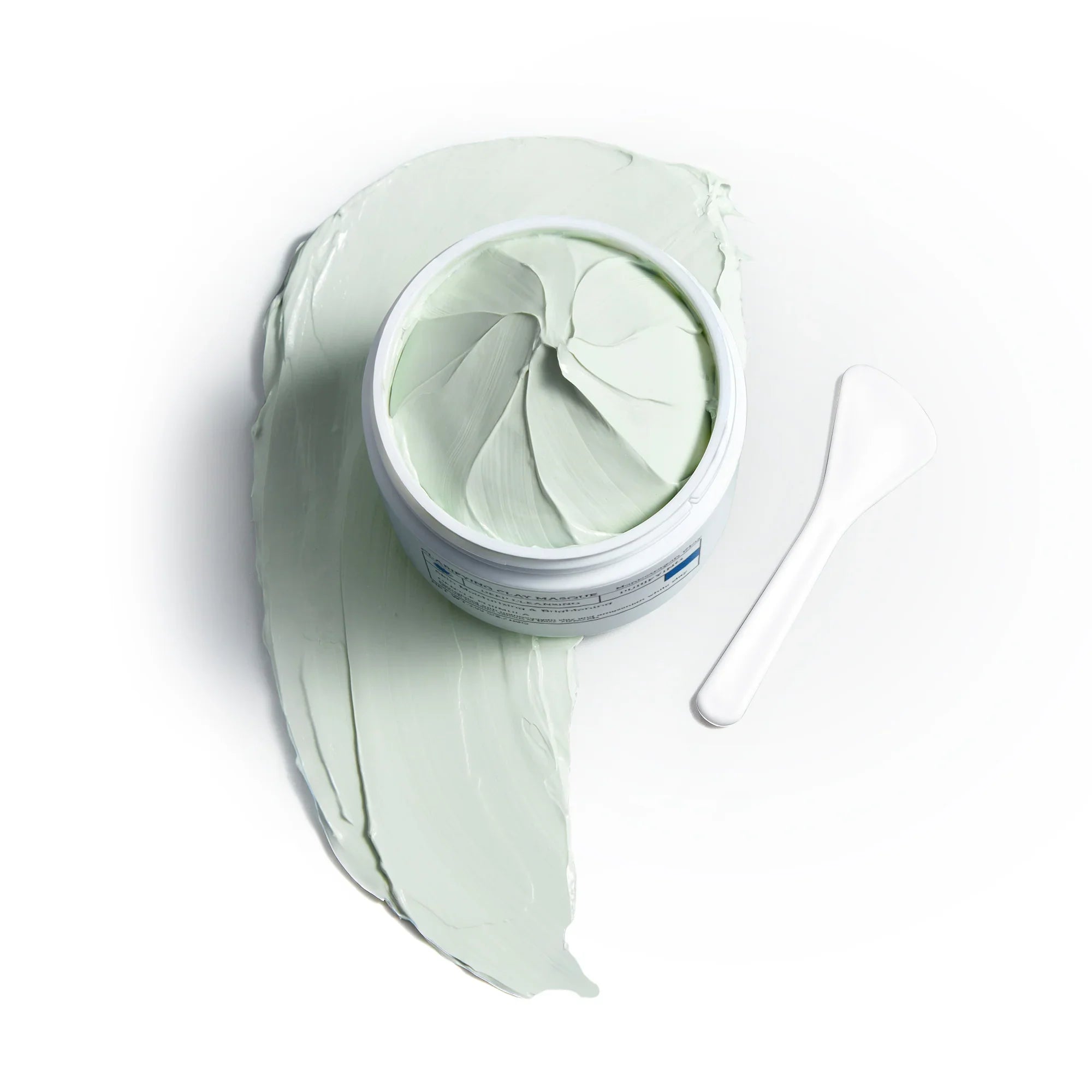
What makes this our favorite clay is the texture. It’s a clarifying clay mask that feels more like a whipped mousse than a mud. We utilized a precise ratio of kaolin clay to draw out debris from the pore without the "crackling" effect. It’s a pore minimizing clay mask that actually leaves the skin hydrated. If you want baby-smooth skin without the post-mask sting, this is your holy grail.
2. Best for Pores & Texture: The Outset Purifying Blue Clay Mask
Scarlett Johansson’s line really nailed the "gentle but effective" vibe. This purifying mask uses blue clay to pull out toxins. It’s one of those masks for clogged pores that focuses on skin texture without using harsh acids. It’s great for every skin type, but particularly those with acne-prone skin who find traditional treatments too irritating.
3. Best Natural Formula: Amazonian White Clay Deep Pore Cleanser
If you’re looking for the best natural approach, Amazonian white clay is king. It’s incredibly fine-grained, meaning it won’t irritate sensitive skin. It works to even skin tone by lifting away dead skin that makes the complexion look dull.
4. Best for Oily & Fragile Combo: Volcanic AHA Pore Clearing Clay
Sometimes you have sensitive skin but also deal with a persistent blackhead or two. This detox mask uses volcanic clusters but cushions them with hydrating ingredients. It’s the best for oily skin that still gets red and blotchy easily.
5. Best Splurge: Eve Lom Rescue Mask
The Eve Lom Rescue Mask is a classic for a reason. It’s a heavy hitter for clogged pores, using honey and kaolin. It’s the best splurge for when your skin is having a literal tantrum and you need a clay treatment that cools on contact.
How to Use a Clay Mask Without "Breaking" Your Skin Barrier
Even the best clay mask can fail if you apply it incorrectly. If your skin type leans toward dry or fragile, follow these non-negotiable rules:
Listen to Your Skin (The "Wet" Rule)
The biggest mistake people make is letting the mask dries completely until it flakes off. When a clay face mask dries, it starts to pull moisture out of your skin cells. For dry skin types, wash the mask off while it is still slightly tacky to the touch. This ensures you get the pore benefits without the dehydration.
Targeted Application
You don't always need a full face mask. If you have combination skin, only apply clay masks to your T-zone. Leave your dry cheeks alone! This keeps the skin balanced and prevents unnecessary irritation on your most vulnerable areas.
The "Clay Plus" Method
I love using a mask as a localized clay treatment. If I see a blackhead forming, I’ll dab a bit of NING Dermologie just on that spot. It’s a targeted way to achieve clearer skin without stressing the rest of my face.
The Different Types of Clay: Which One is Yours?
Not all clay is created equal. Understanding the type of clay in your product helps you predict the effect on the skin:
- Kaolin Clay: The gentlest. Ideal for dry skin and sensitive skin. It focuses on smooth skin rather than aggressive oil absorption.
- Bentonite Clay: The powerhouse. Best for oily and acne-prone skin. It has a strong negative charge that bonds to toxins in the pore.
- Green Clay (Illite): Great for circulation. It’s a fantastic detox mask for those who want a skin radiance boost.
- Pink Clay: Often a mix of red and white clays, it’s a favorite for even out skin tone and calming "angry" patches.

Why NING Dermologie is Different
When we formulated our Clay Mask for Face Sensitive Skin, we spoke to board-certified dermatologists about the "rebound effect"—where skin gets so dry from a mask that it overproduces oil to compensate.
To avoid this, we ensured our mask leaves skin feeling bouncy. We focused on the skin feel during the 10 minutes it's on your face. It’s calming on my skin, and I’ve used clay masks over the years that felt like sandpaper in comparison. By keeping the skin hydrated while the clay work happens, we ensure that every skin type can achieve that baby-smooth skin look.
Whether you use a mask once a week or twice a month, it should be a moment of self-care, not a test of endurance. Keep my skin happy, and the glow will follow.
Frequently Asked Questions (FAQ)
1. How often should I use a clay mask if I have fragile skin?
Honestly, don’t overdo it. If your skin is reactive, once a week is usually the "sweet spot." Some of my friends with super dry skin only reach for a mask every two weeks or just when their pores look a bit congested. It’s all about listening to your face—if you’re feeling extra sensitive or flaky, just skip it. Focus the clay on your oily patches rather than your whole face to keep things chill.
2. Can I use a clay mask if I have active acne and sensitive skin?
You definitely can, but you have to be picky. Look for a formula that "shushes" the redness while it works. The goal is to mop up the gunk without making your breakouts angrier. I always suggest avoiding those super-aggressive masks that smell like medicine. A gentle option like NING Dermologie helps clear the debris while keeping your barrier intact, so you aren't left dealing with both a pimple and a chemical burn.
3. Why does my skin feel itchy when the clay mask dries?
That "itchy-tight" feeling is actually your skin screaming for a drink. When clay turns into that dusty, cracked desert look, it’s started sucking the essential moisture right out of your cells. For us sensitive folks, the secret is to wash it off while it’s still a bit tacky or "mushy." You’ll get all the detox benefits without the annoying redness or that frantic scramble for moisturizer afterward.
4. What is the difference between Kaolin and Bentonite clay?
Think of Bentonite as the "heavy lifter"—it’s incredibly strong and great at grabbing oil, but it can be a bit much for delicate faces. Kaolin is the "gentle soul" of the clay world; it cleanses without the drama. I usually look for a blend where Kaolin takes the lead. This way, you get the deep clean from the Bentonite but the Kaolin keeps the whole experience soft and comfortable for your skin.
5. Should I exfoliate before using a clay mask?
If you have fragile skin, do not use a physical scrub before using a mask. The clay itself will gently exfoliate dead skin cells as you rinse it off. Double-exfoliating can irritate sensitive skin and damage your moisture barrier. Simply cleanse with a gentle, non-foaming wash, apply your clay face mask, and let the minerals do the work. This keeps the skin feeling soft and safe.
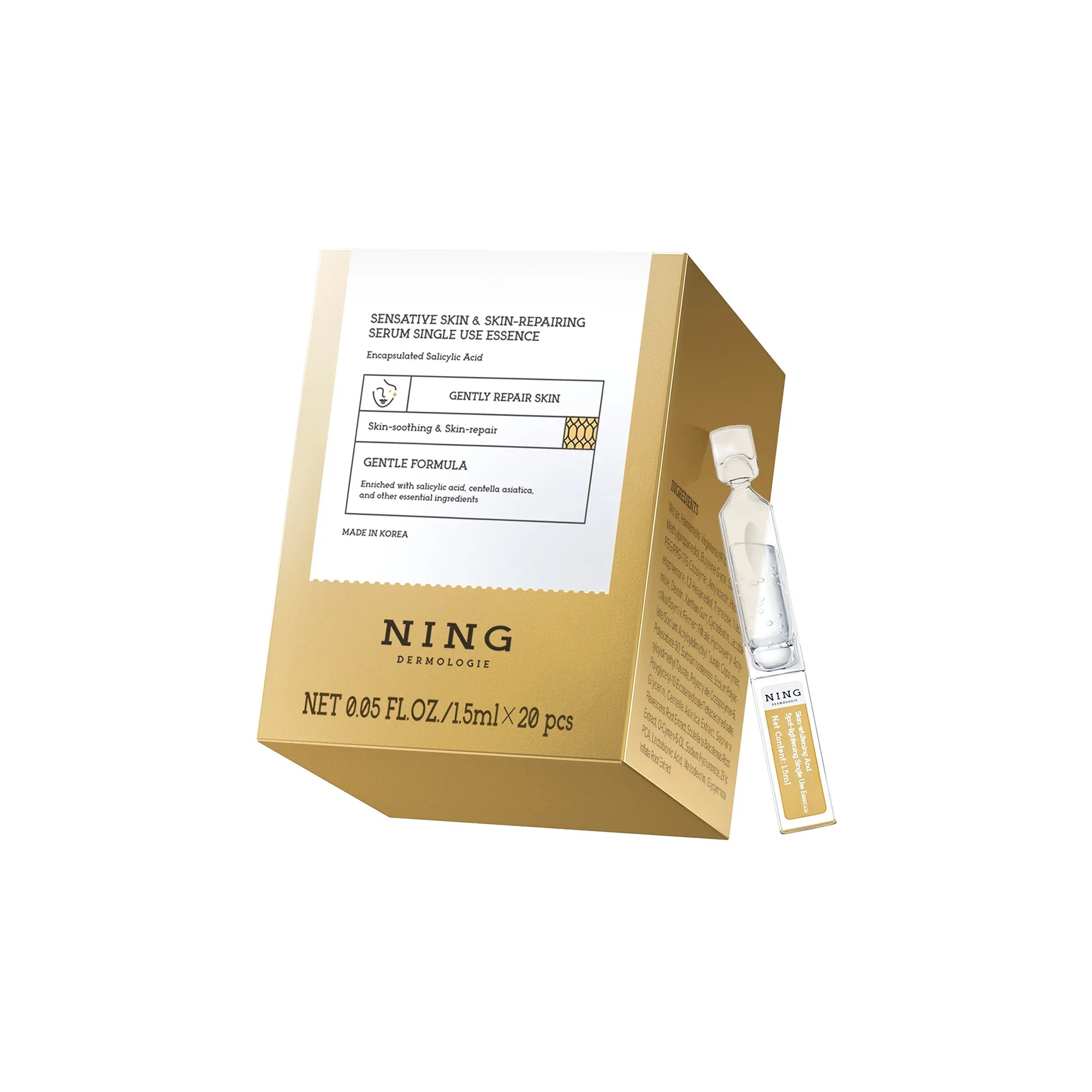
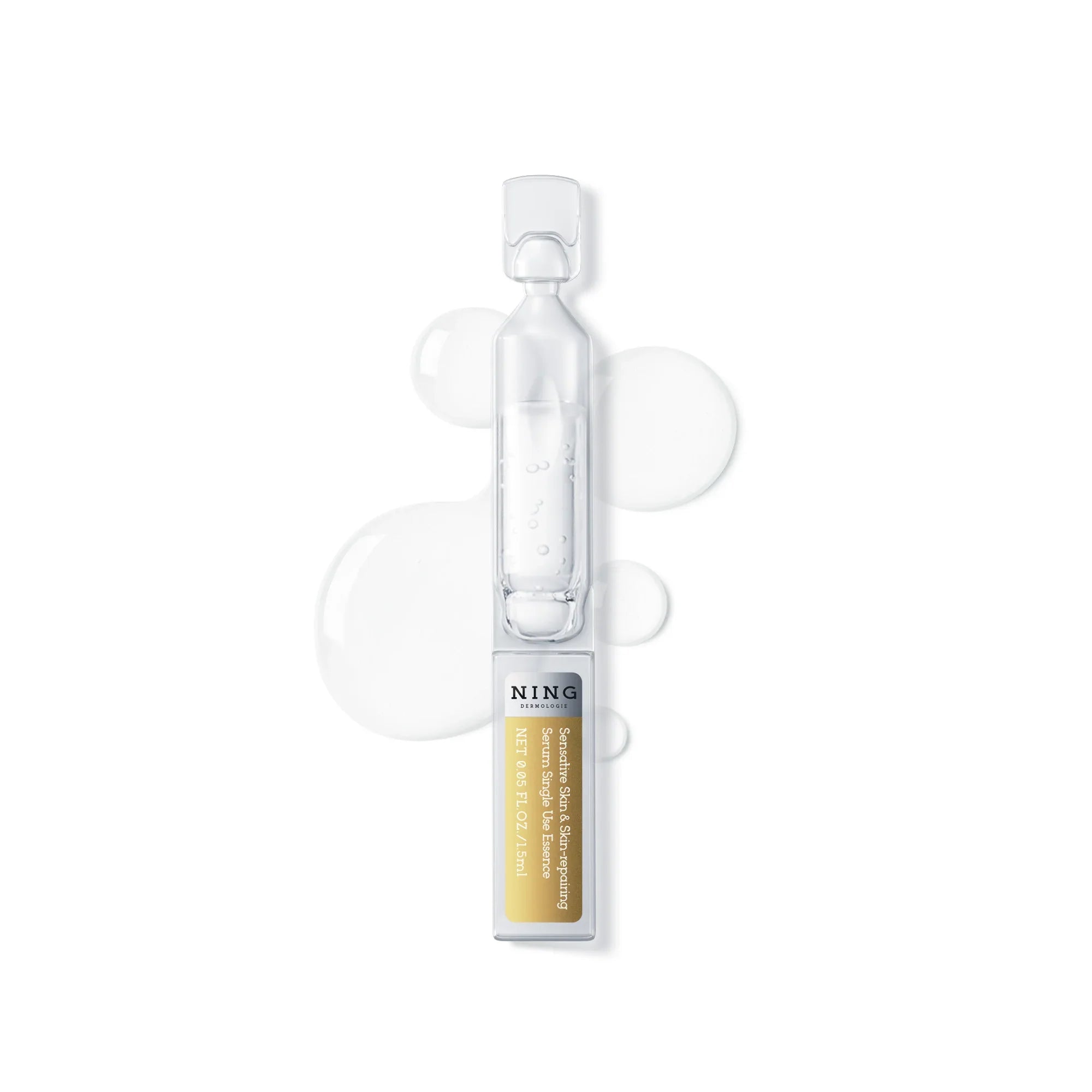
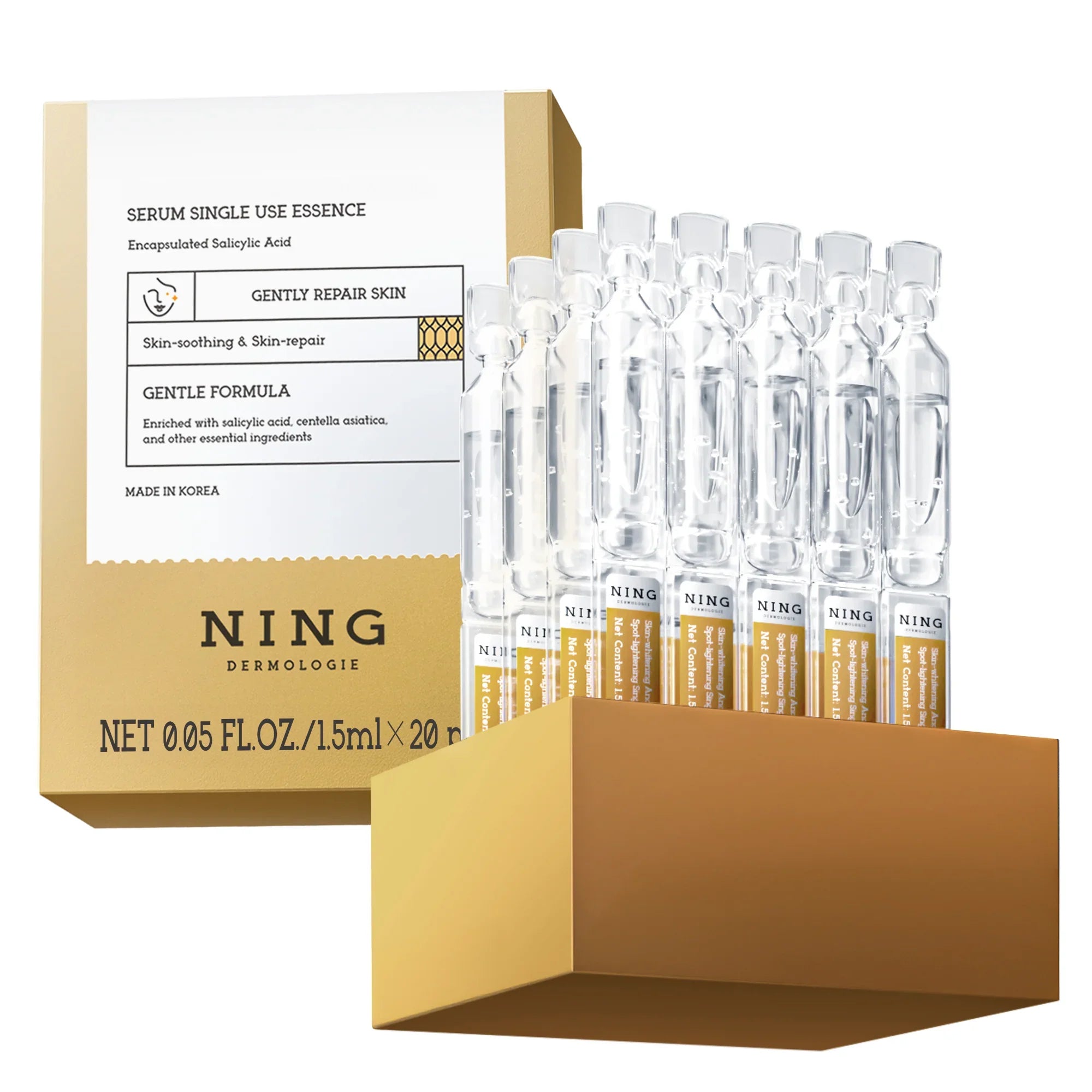
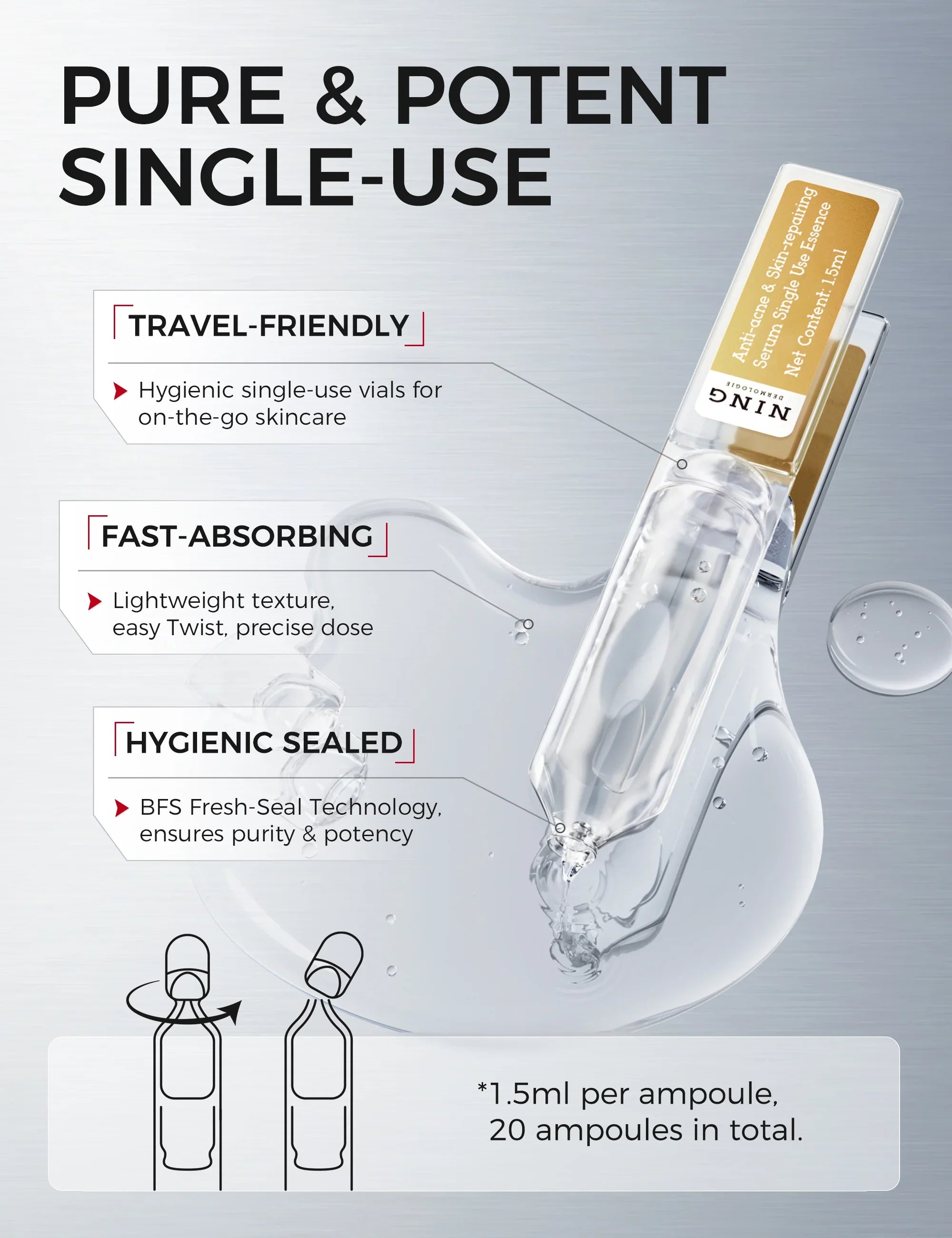
Ready to give your pores the deep clean they deserve without the drama? Explore the NING Dermologie Clay Mask for Face Sensitive Skin here.





Share:
Sensitive Skin Solutions: Top Rated Clay Masks for a Gentle Touch
Skin Soothing Clay Masks You Can Trust for Sensitive Complexions