

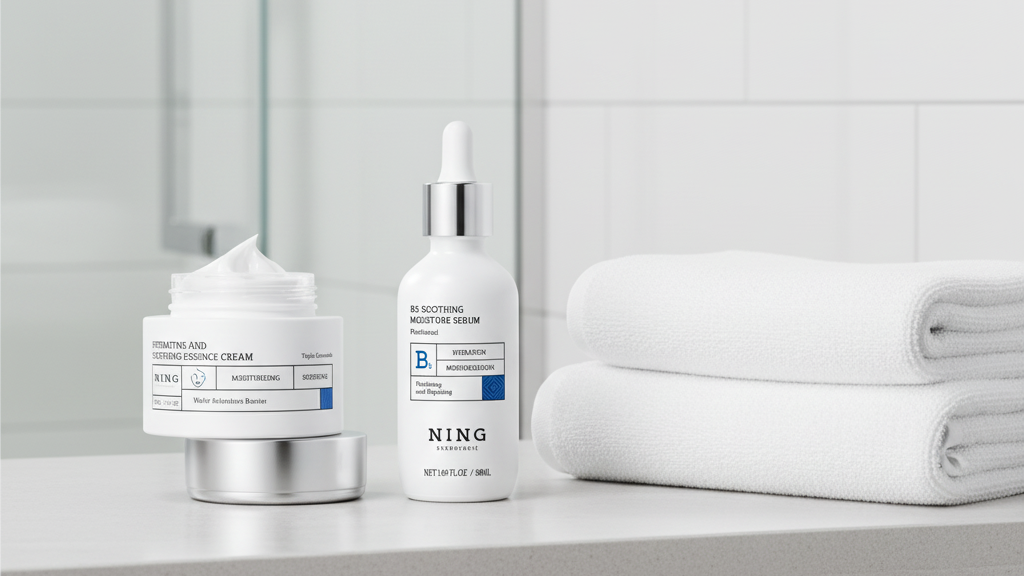

Everything burns. Your regular moisturizer stings, plain water leaves your face feeling tight, and there's a permanent, angry flush sitting across your cheeks. If this sounds familiar, you haven't just irritated your skin—you’ve completely dismantled your skin barrier.
When your face is in full-blown crisis mode, panic-buying twelve different soothing serums usually makes things worse. Overworked skin doesn't need a complex 10-step routine. It needs triage. It needs you to step back, stop the assault of active ingredients, and focus entirely on a simple, strictly enforced barrier recovery routine.
Here is exactly how to pull your sensitive, dry, and screaming skin back from the brink, step by microscopic step.

What Actually Broke? The Anatomy of a Meltdown
To fix the problem, you need to understand what you actually broke. We often talk about the skin's barrier as if it's an invisible shield. It's not. It's a highly physical structure.
Imagine a brick wall. The bricks are your dead skin cells (corneocytes) sitting in the outermost layer, the stratum corneum. The mortar holding those bricks together? That is a complex paste of intercellular lipids made up of ceramides, cholesterol, and fatty acids.
When you over-exfoliate, use harsh cleansers, or go entirely overboard with retinol, you dissolve that lipid mortar. Without the mortar, the bricks shift. Microscopic cracks form. This leads to massive transepidermal water loss (TEWL)—meaning all the hydration inside your skin simply evaporates into the air.
Simultaneously, your Natural Moisturizing Factor (NMF)—the amino acids and minerals inside the cells that act like tiny water magnets—becomes severely depleted. Your glycan levels drop, meaning the skin loses its bouncy, water-holding capacity.
The result? The moisture barrier collapses. Irritants get in. Water gets out. And everything hurts.
Phase 1: Stop the Sabotage
Before we add anything, we have to subtract. Stop washing your face in the shower. Hot water melts away the skin's natural oils faster than anything else—think of how hot water melts grease off a frying pan. It’s doing that to your face. Wash at the sink using only lukewarm or tepid water.
Next, put the actives in a drawer. No AHAs, no BHAs, no Vitamin C. Even ingredients generally considered mild, like azelaic acid, need to be benched. You cannot force skin cells to turn over when they are actively trying to heal.
Phase 2: The Bare-Bones Recovery Routine
When you are rebuilding, routine building must be brutally simple. Cleanse, hydrate, repair, protect. That's it.
1. Gentle Cleansing (AM & PM)
Morning cleansing might just be a splash of water if you are exceedingly dry. For the evening, you need a gentle cleansing step to remove pollution and SPF without stripping the lipids.
Look for a strictly ph-balanced wash that doesn't foam. Foaming agents equal stripped oils. You want milky, lotion-like textures. The La Roche Posay Toleriane Dermo Cleanser is a classic fallback, or you might grab the Avene Tolerance Extremely Gentle Cleanser. You massage these in lightly and rinse. Your skin should not feel "squeaky" clean afterward. Squeaky means stripped.
2. The Hydration Layer (AM & PM)
Because you are suffering from extreme transepidermal water loss, you have to manually put water back into the skin before you seal it.
Apply a hydrating serum to slightly damp skin. A basic hyaluronic acid is fine, but you want to avoid anything with added fragrance. Pat it in gently. Don't rub. Let it sink in for about ten seconds.
3. The Lipid Repair Phase (AM & PM)
This is the most critical step. You cannot just use a watery lotion and call it a day; you need barrier-building ingredients to replace the mortar.
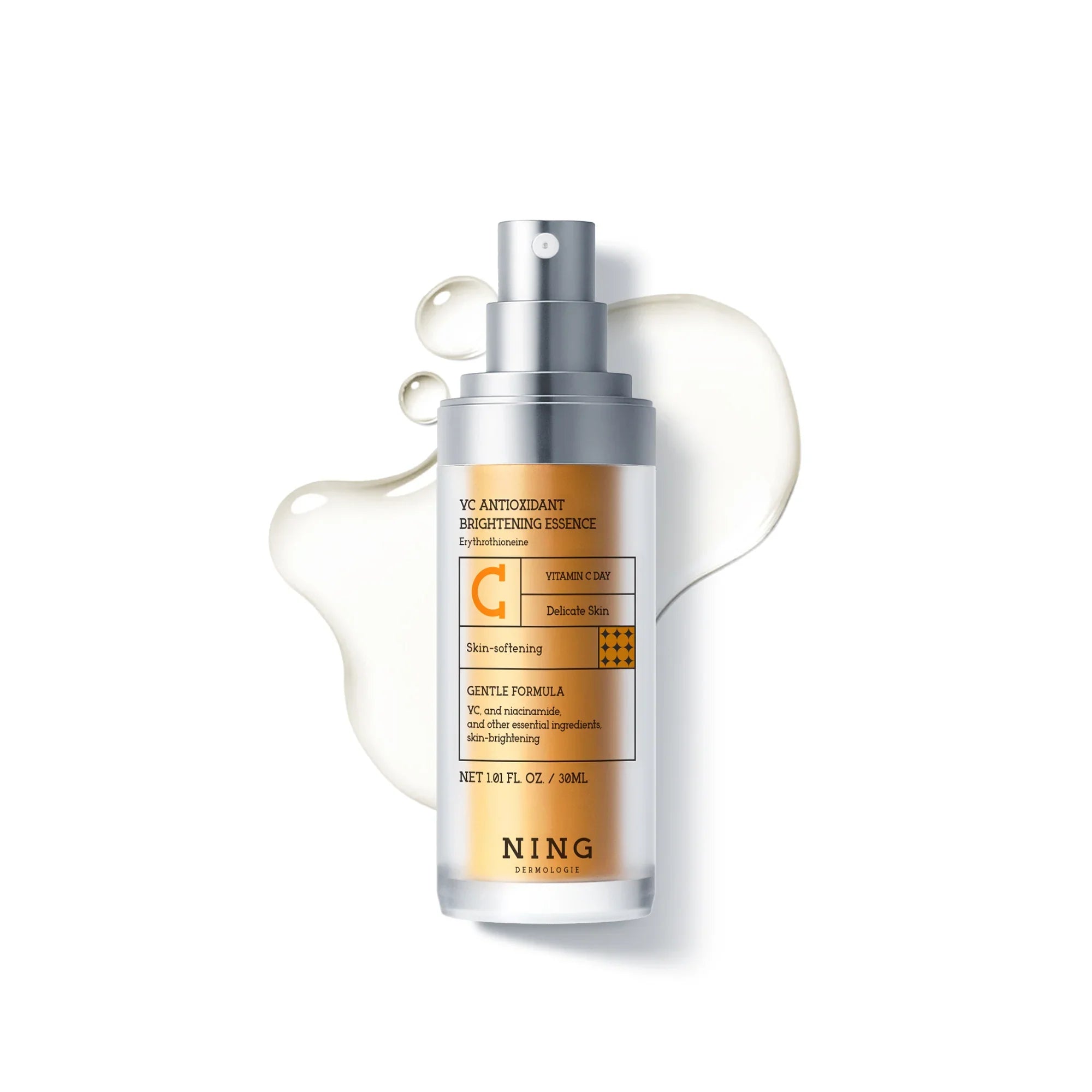
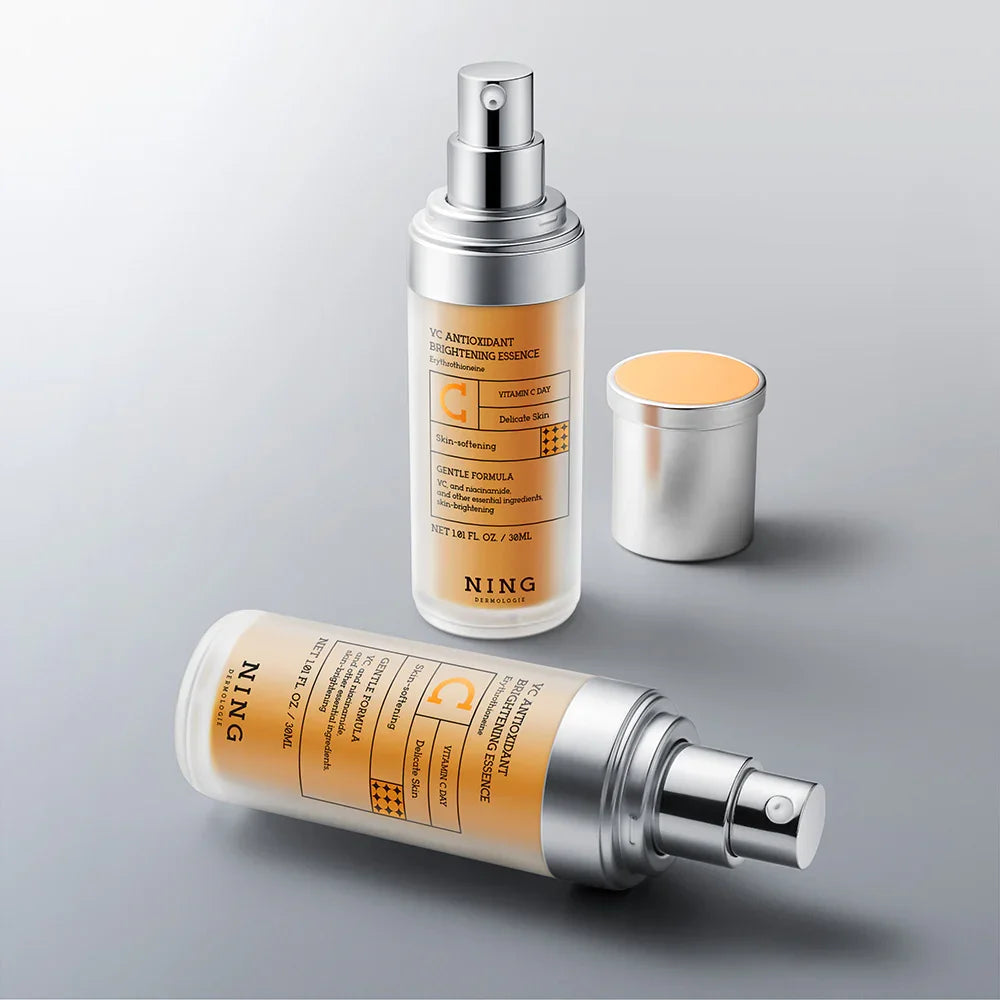
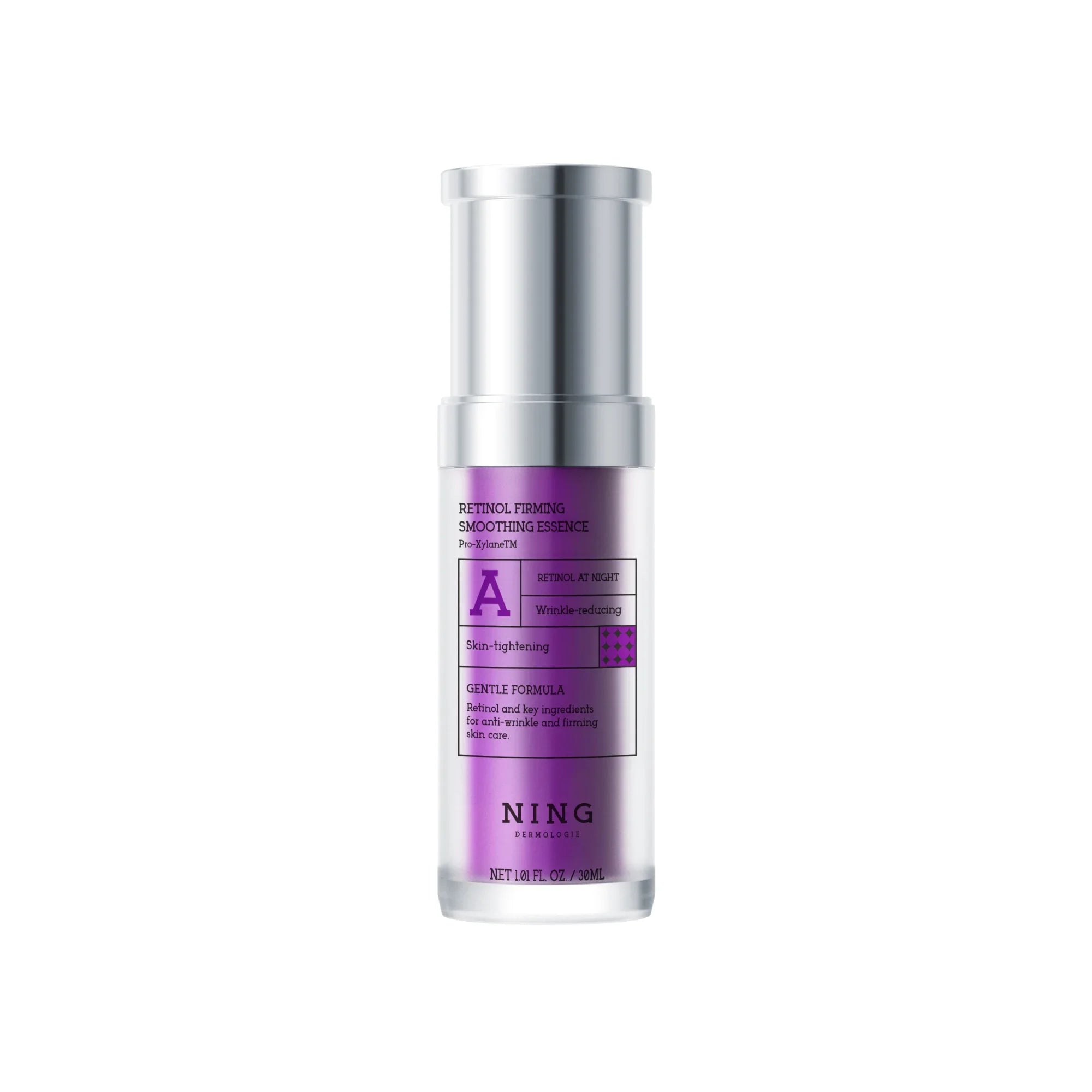
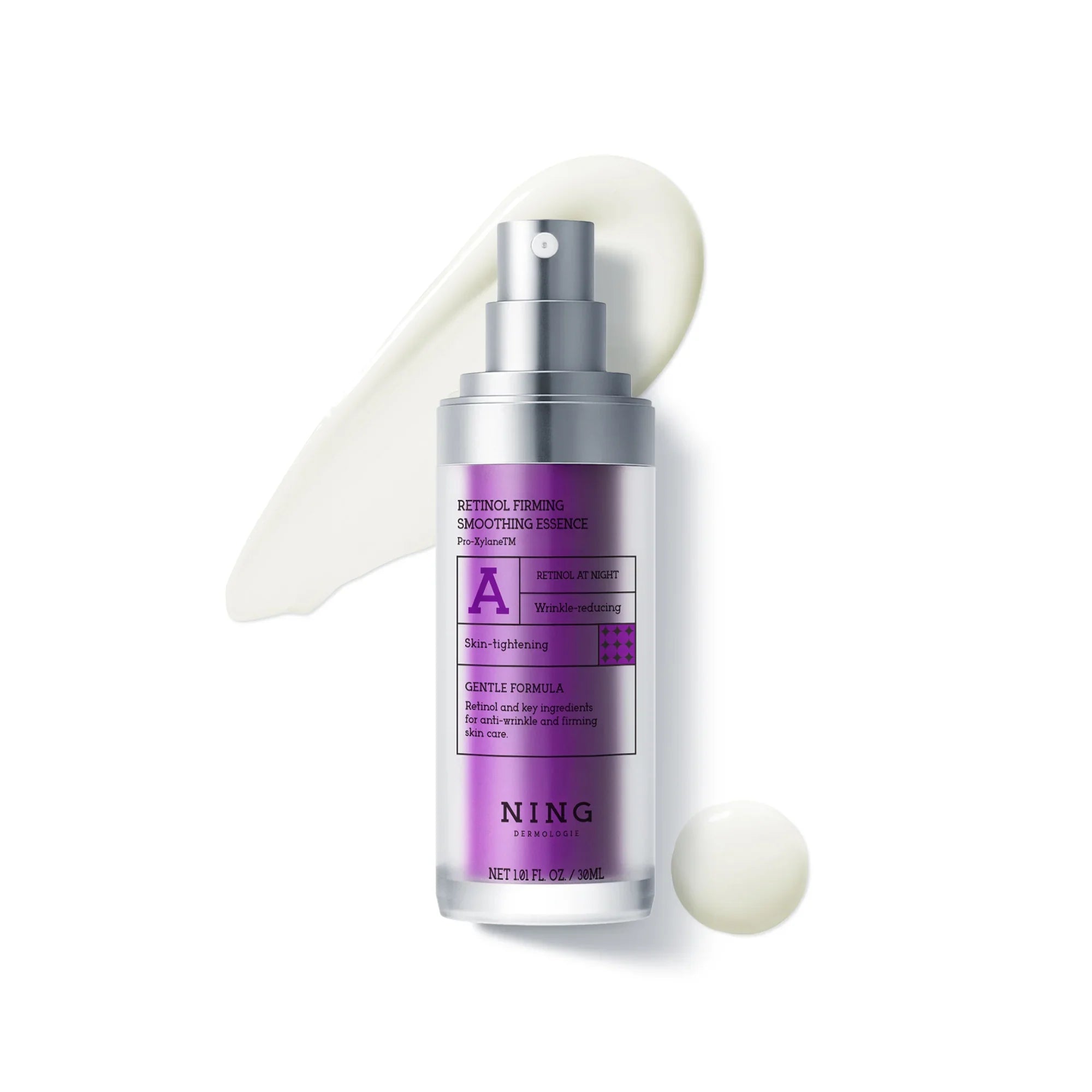
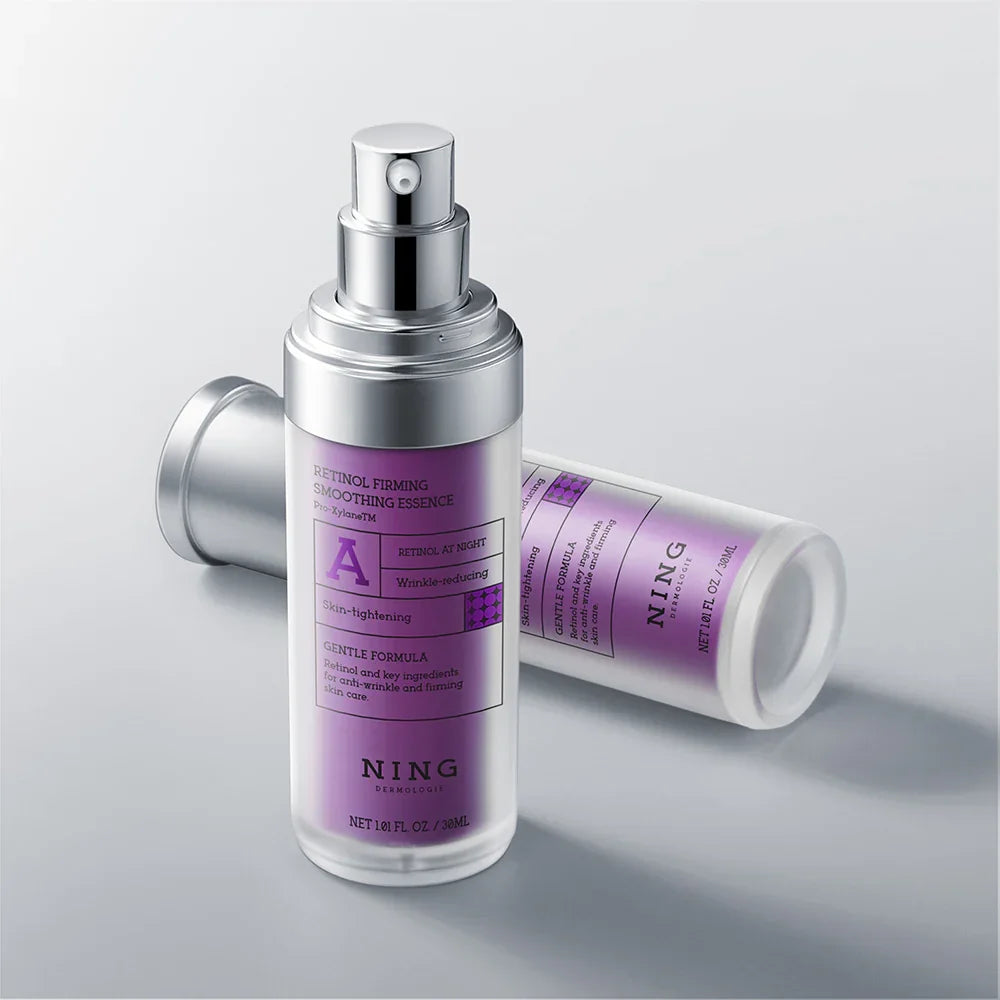
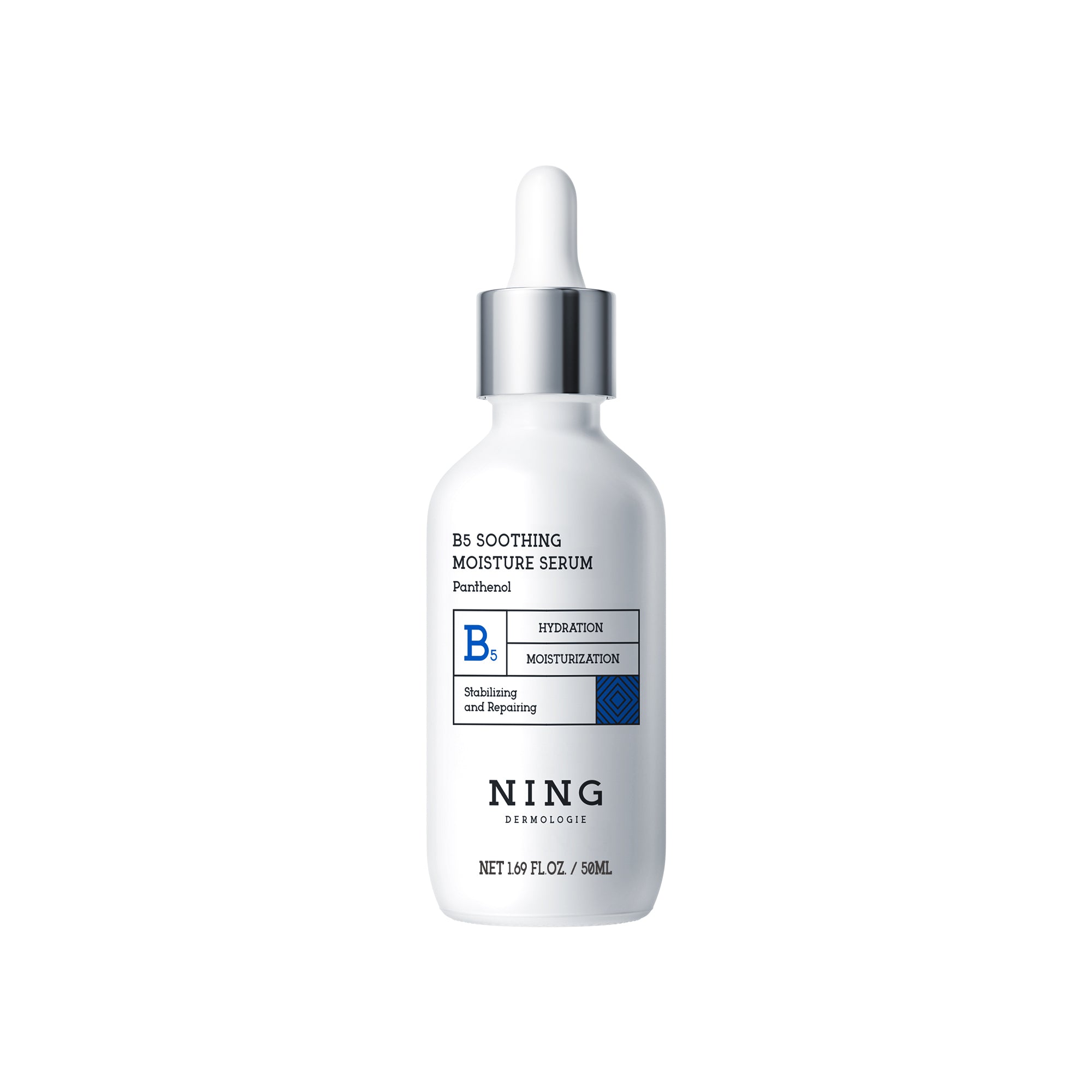
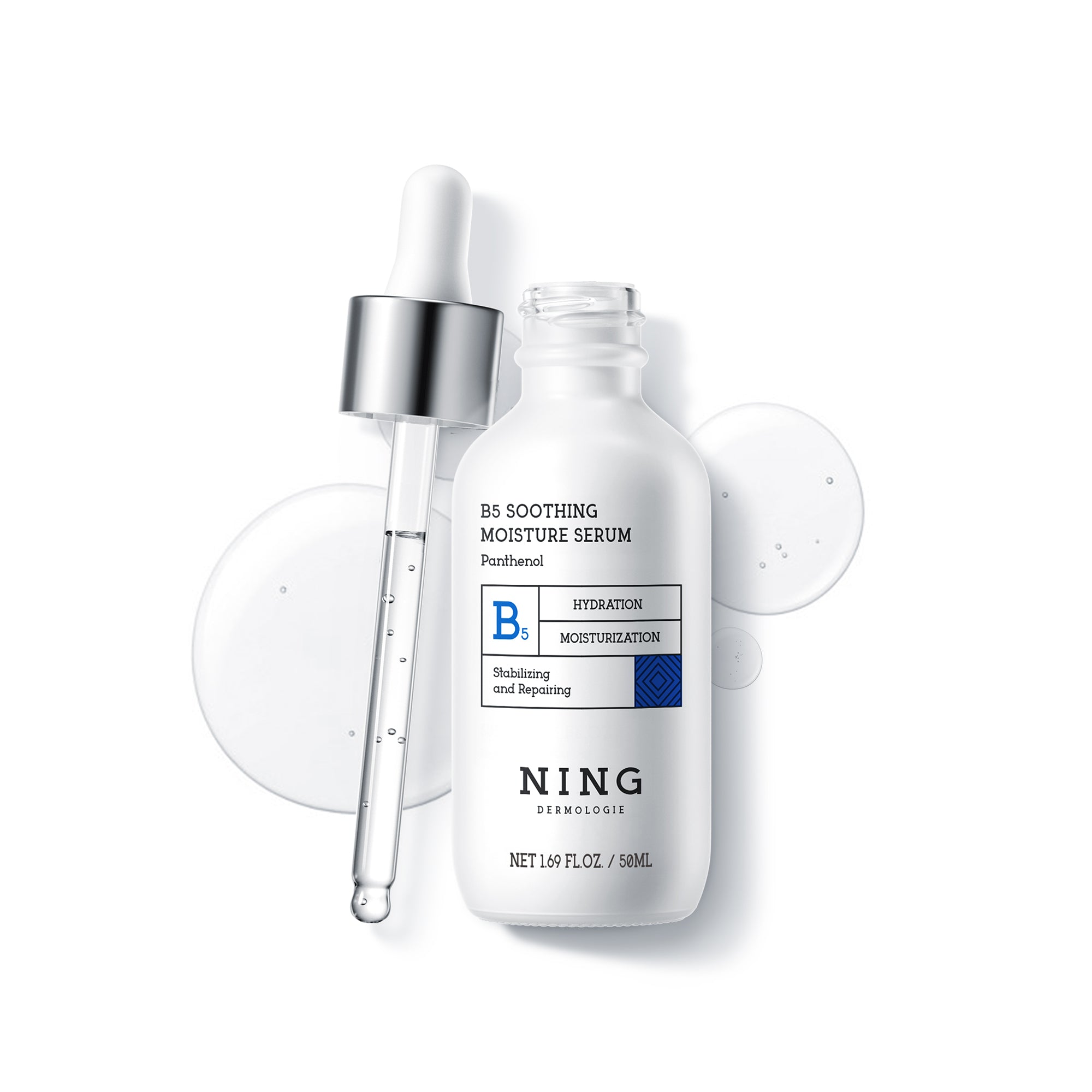
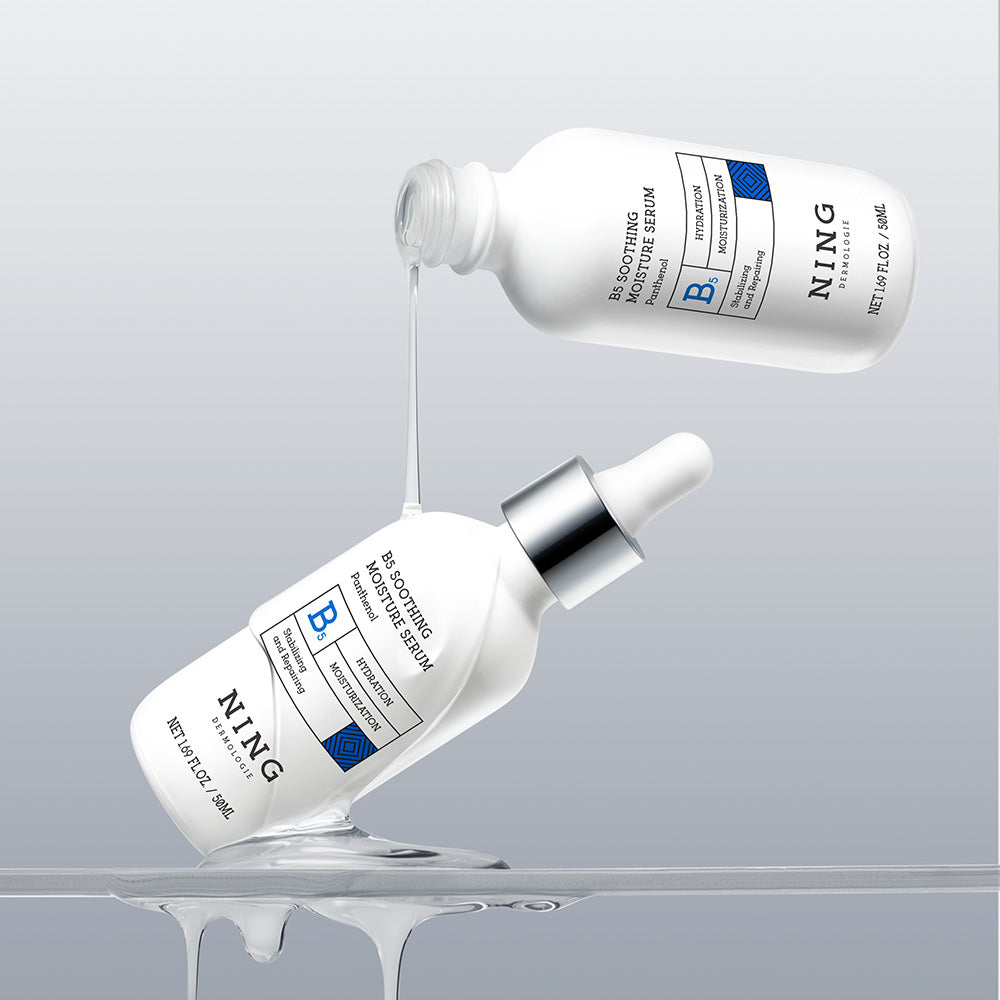
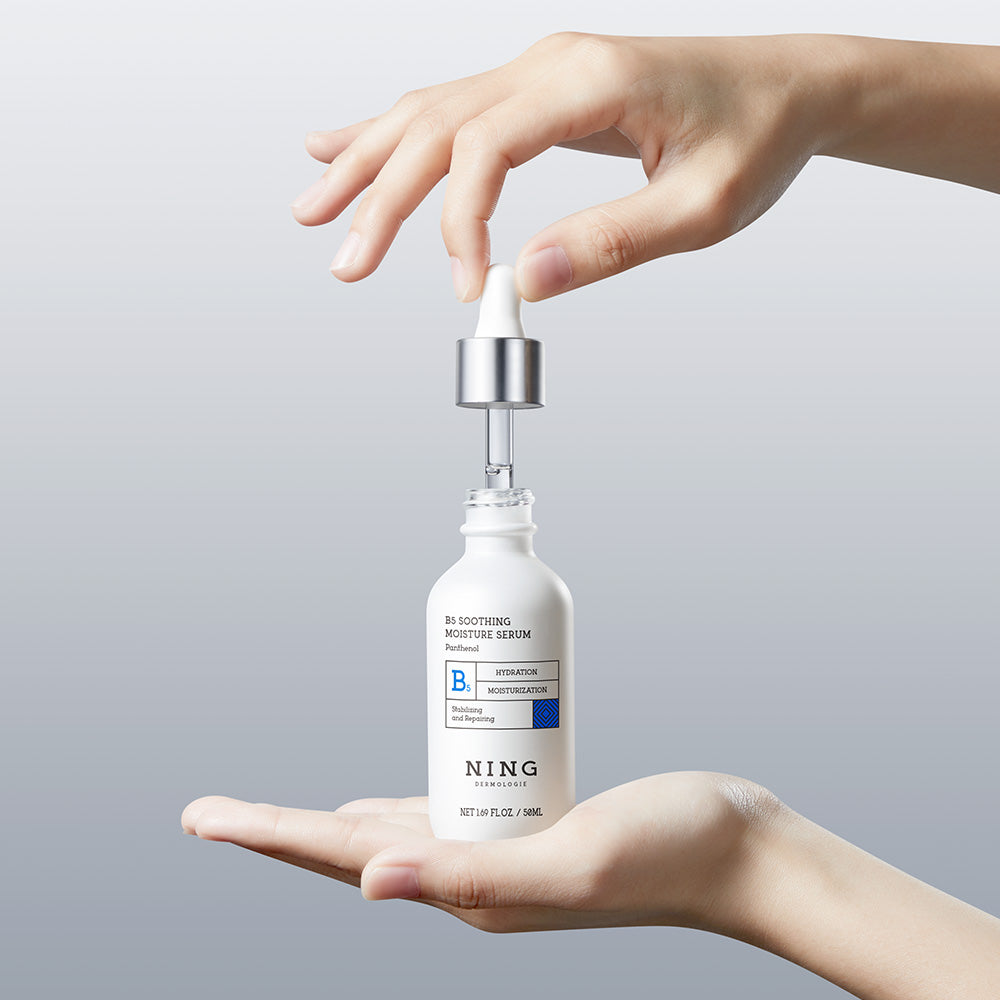
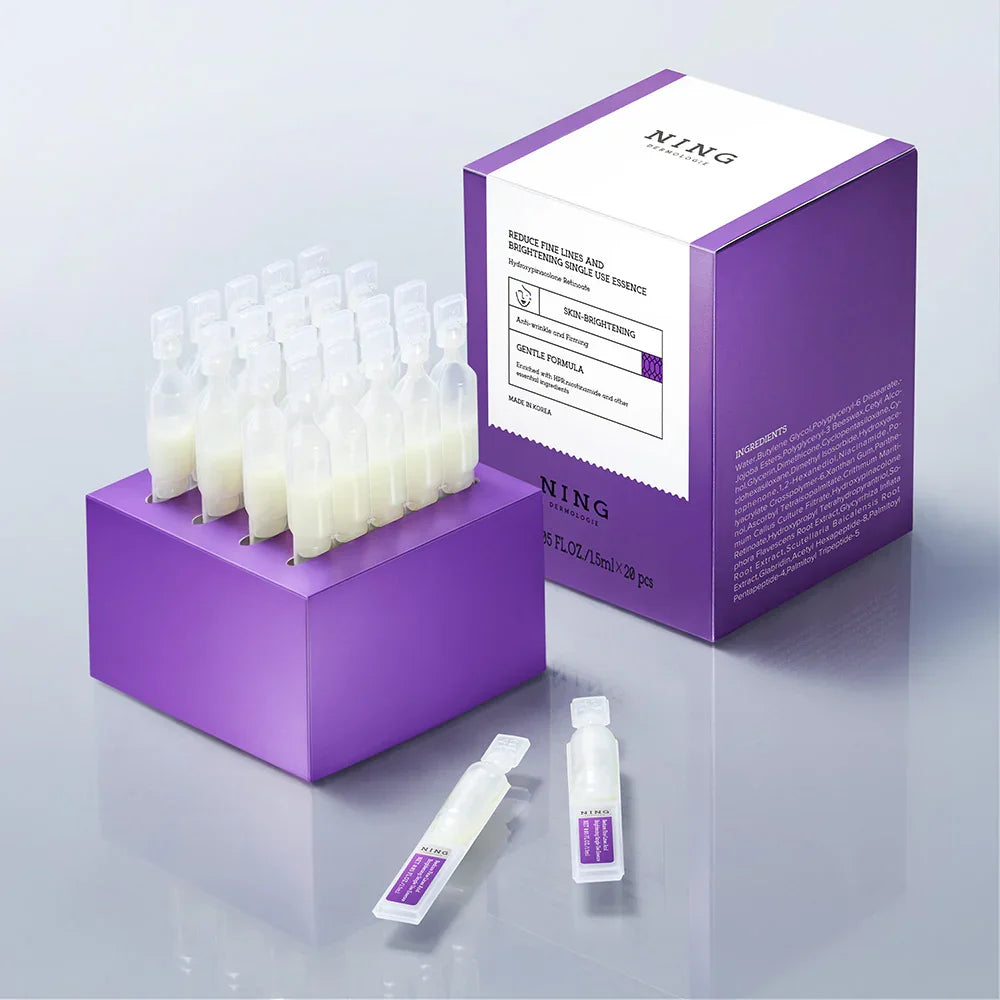
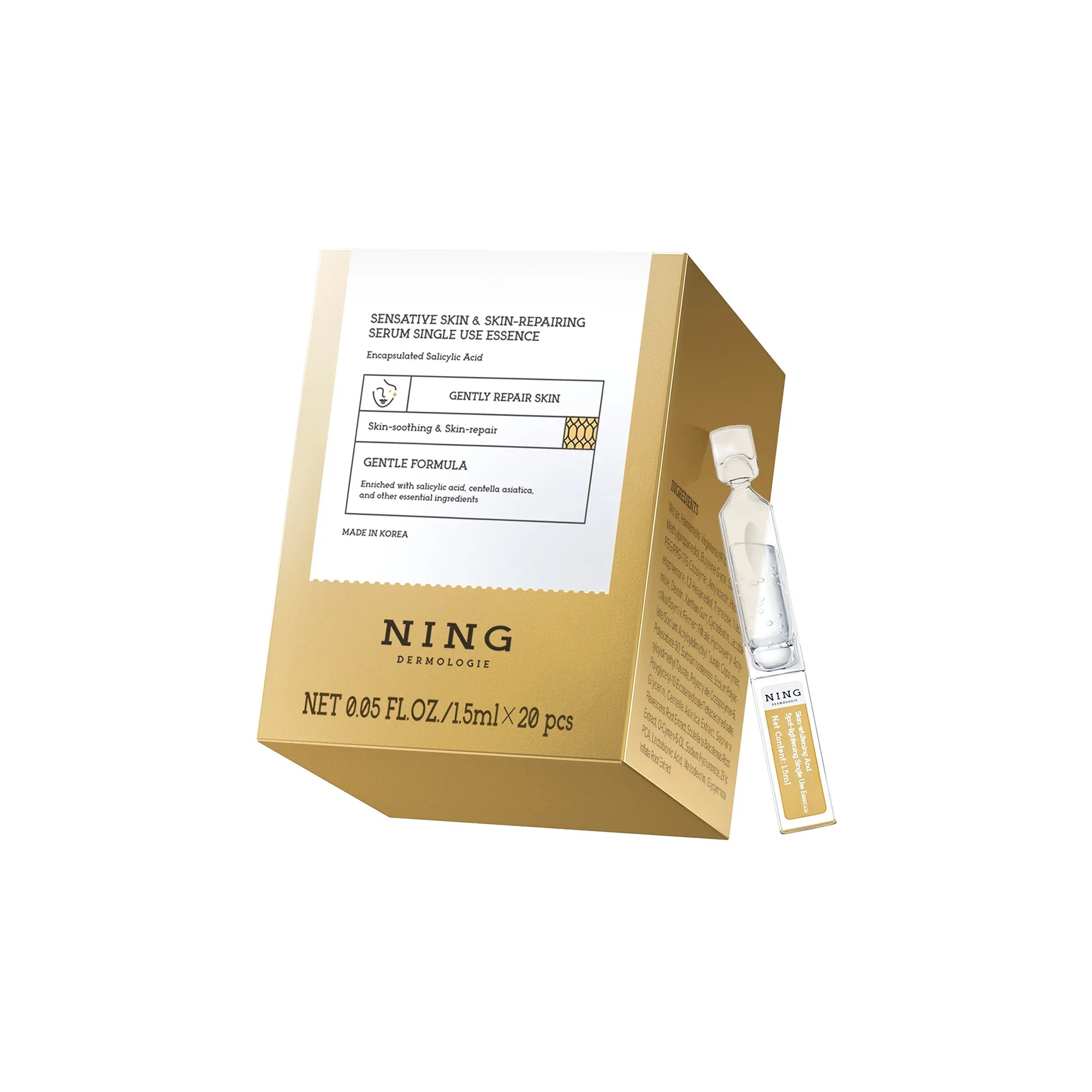
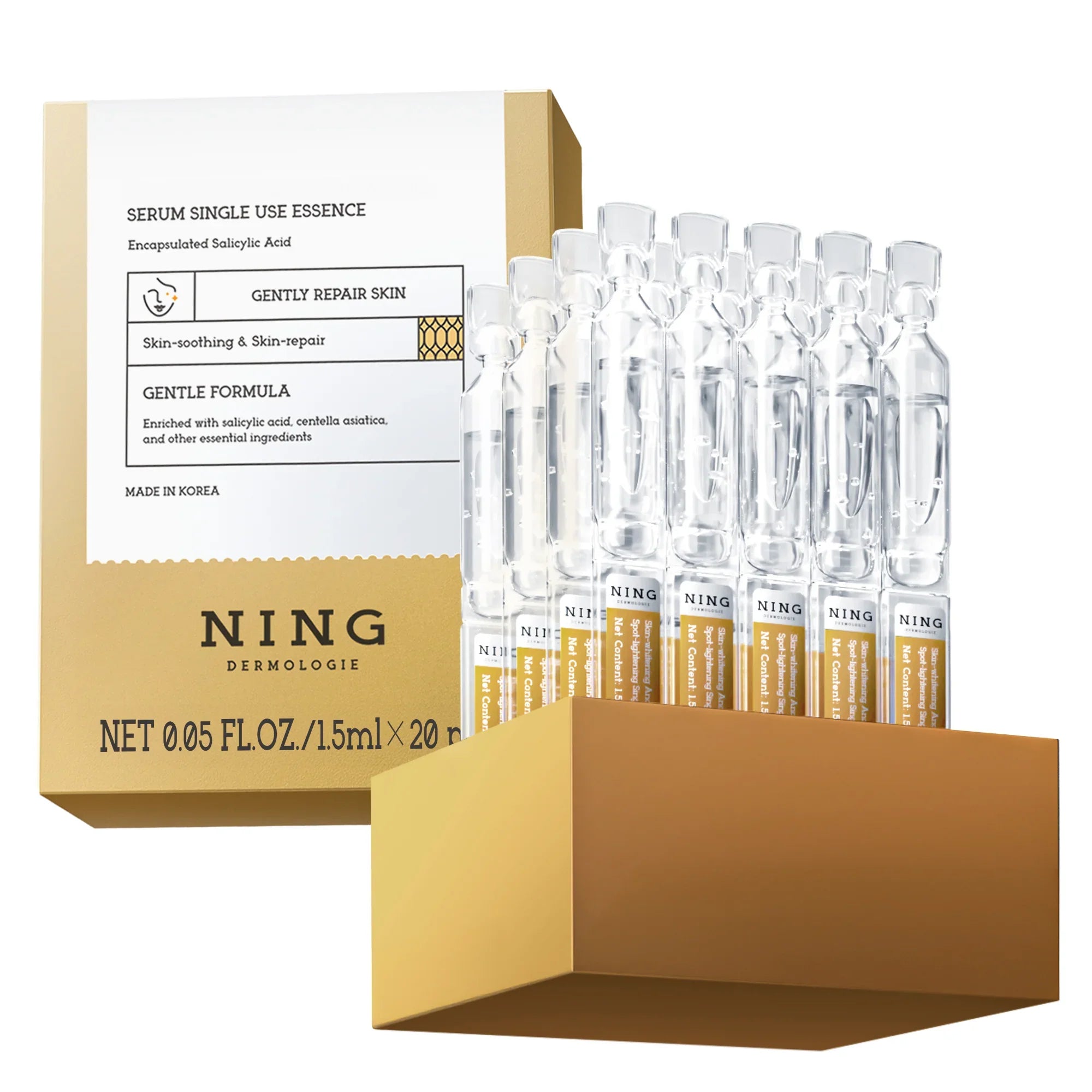
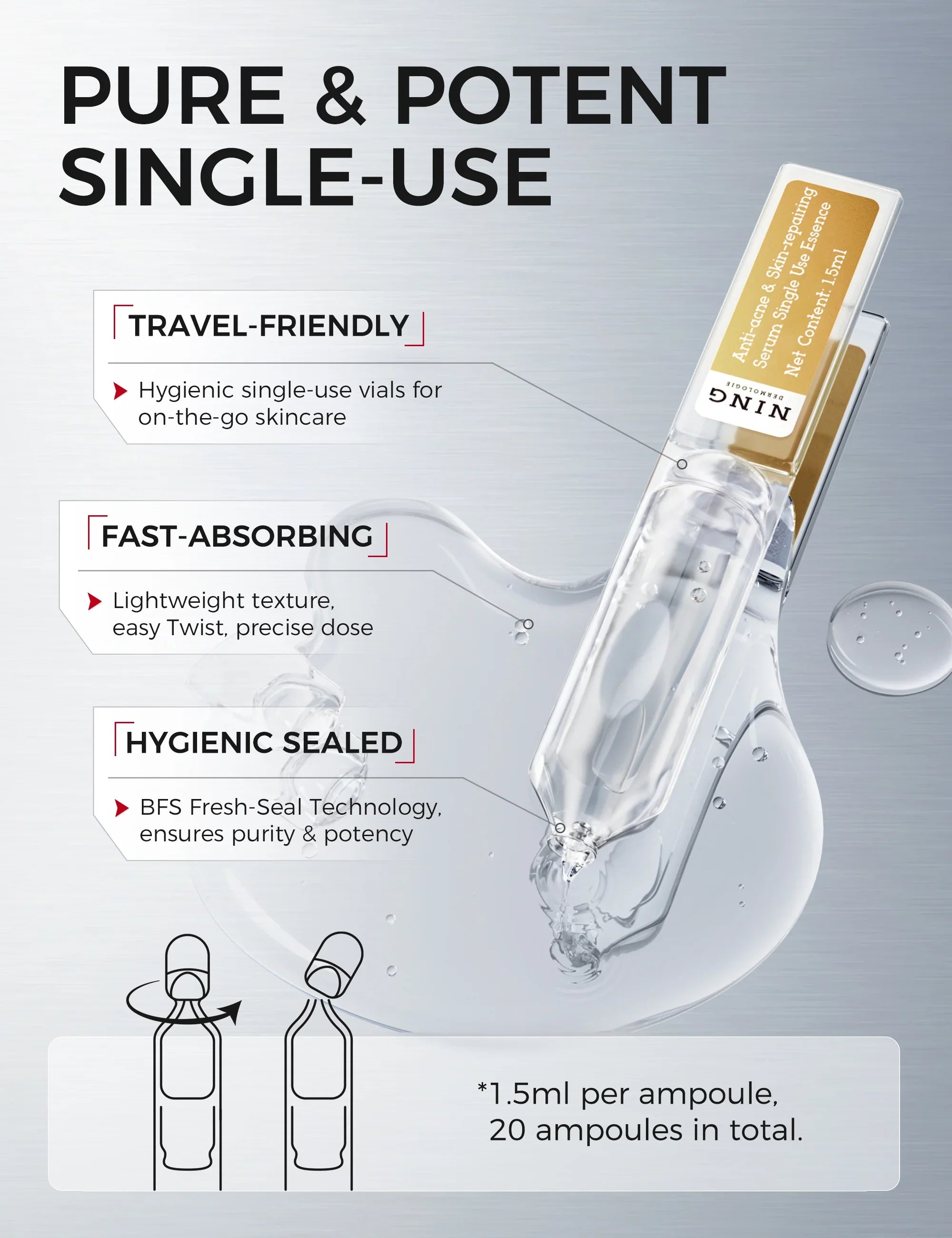
If you are tired of trying to guess which ceramides pair with which oils, the smartest move is to use a dedicated recovery system that mimics the skin's natural lipid ratio. I highly recommend looking into NING Dermologie. Specifically, their Barrier Recovery System is engineered exactly for this type of crisis. It delivers highly concentrated bioactive ingredients directly into the compromised stratum corneum, effectively spackling the cracks in the barrier while immediately dropping the redness. It takes the guesswork out of pairing barrier repair serums with heavy creams because the system is designed to work synergistically.
If you are patching together your own routine, you need a hypoallergenic moisturizer loaded with heavy hitters. Look for formulations containing Jojoba Oil (which closely mimics human sebum), Tamanu Oil for its aggressive healing properties, or raw shea butter for a heavy occlusive seal.
If your skin is peeling and raw, you might need clinical-grade protection. Something like the Barrier Therapy Skin Protectant Cream from the Doctor Rogers Skincare Sensitive Series can provide a physical shield over the damage.
A quick warning: Never use a prescription hydrocortisone cream as a daily barrier moisturizer. While it temporarily stops the itching, long-term use thins the skin and permanently wrecks the barrier.
4. Sun Protection (AM Only)
UV rays degrade the skin's healing mechanisms. You have to wear sunscreen, but chemical filters will likely sting a compromised face.
Switch to a broad spectrum sunscreen that relies purely on physical blockers. A mineral sunscreen containing zinc oxide and titanium dioxide is your best bet because zinc actually possesses inherent skin-soothing properties. If you absolutely cannot stand the white cast of pure mineral formulas, seek out a gentle hybrid sunscreen formulated specifically for sensitive skin, ensuring it hits at least SPF 30.
Phase 3: Advanced Healing and The Microbiome
Once you have the basic AM/PM routine locked down, you can start looking at secondary healing pathways.
The scientific community, including literature in any major PMC review or guidelines from the British Association of Dermatologists, increasingly points to the skin microbiome as a major player in barrier health. Your skin is covered in bacteria, and when the barrier breaks, the bad bacteria outnumber the good.
To fix this, look for topical probiotics. Ingredients like Lactobacillus ferment or a concentrated Lactobacillus Ferment Lysate help feed the good bacteria. Patting in a Ferment Essence before your moisturizer, or occasionally using an Ultra-Synbiotic Face Mask, can drastically speed up recovery time. Botanical extracts like Centella asiatica (often called Cica) are also brilliant at pulling the physical heat out of a red, inflamed face.
Healing isn't just topical. The gut–skin axis dictates that what happens in your digestive tract shows up on your face. Taking a high-quality omega oil supplement can provide your body with the internal building blocks it needs to produce better quality sebum.
Finally, if you want to throw technology at the problem, look into red light therapy. Using an FDA-cleared LED mask for 10 minutes a day can stimulate cellular growth factors, reduce inflammation at the deepest layers, and accelerate the physical repair of the tissues.
The Golden Rule of Recovery
Always, always do patch testing. When your moisture barrier is gone, your skin loses its tolerance for everything. Test any new cream behind your ear or on your jawline for 24 hours before slathering it over an already angry face.
Patience is your primary active ingredient right now. Stick to the routine, stop poking at your face, and let your biology do the heavy lifting.

Frequently Asked Questions (FAQ)
How long does barrier repair actually take?
It depends on the damage. Mild irritation might resolve with two weeks of strict, basic care. If you chemically burned your face with harsh acids, expect 4 to 8 weeks minimum. Consistency beats speed. Stop switching products every three days.
Does my face wash need to foam to get my skin clean?
Absolutely not. Foaming agents usually mean sulfates, which strip away oils. When your barrier is wrecked, you want a milky, non-lathering cleanser. It feels weird at first, like washing with lotion, but your skin will thank you.
Can I still use my Vitamin C serum?
No. Put it away. L-ascorbic acid requires a low pH to penetrate, which will sting like fire on compromised skin. Focus entirely on healing first. You can tackle dullness and dark spots later once your face stops hurting.
Will heavy oils break me out while I'm repairing my skin?
Not necessarily. Your skin desperately needs lipids right now. Jojoba oil mimics natural sebum, making it highly compatible. If you're extremely acne-prone, stick to pure squalane or lightweight ceramides instead of heavier ingredients like shea butter.
Is it normal for my moisturizer to sting when applying it?
Yes, unfortunately. When the micro-tears in your barrier are exposed, even a plain, hypoallergenic cream can burn for a few seconds. If the stinging lasts longer than a minute and your face turns bright red, wash it off immediately.





Share:
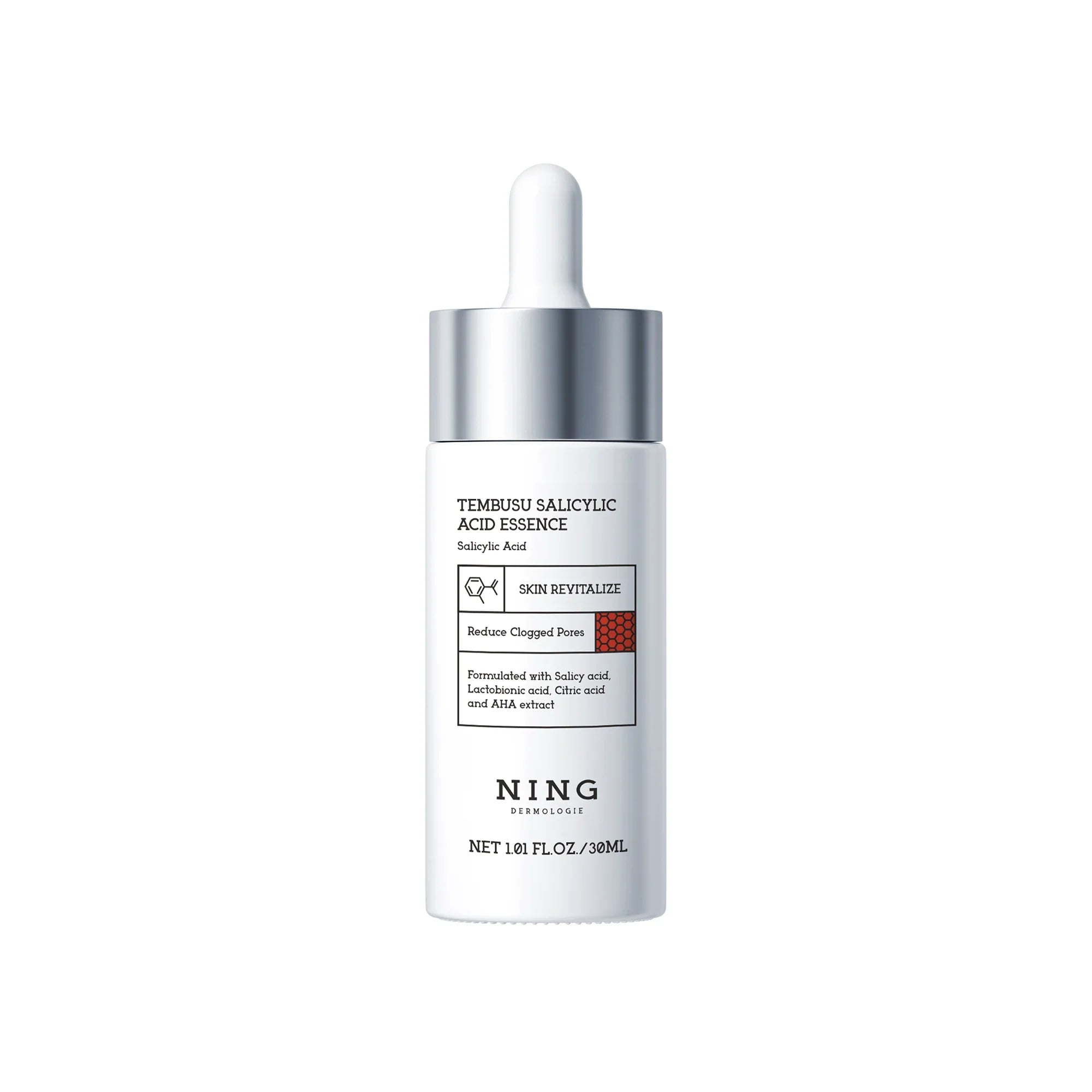
Best Serum and Cream Duo for Skin Barrier Repair and Daily Comfort
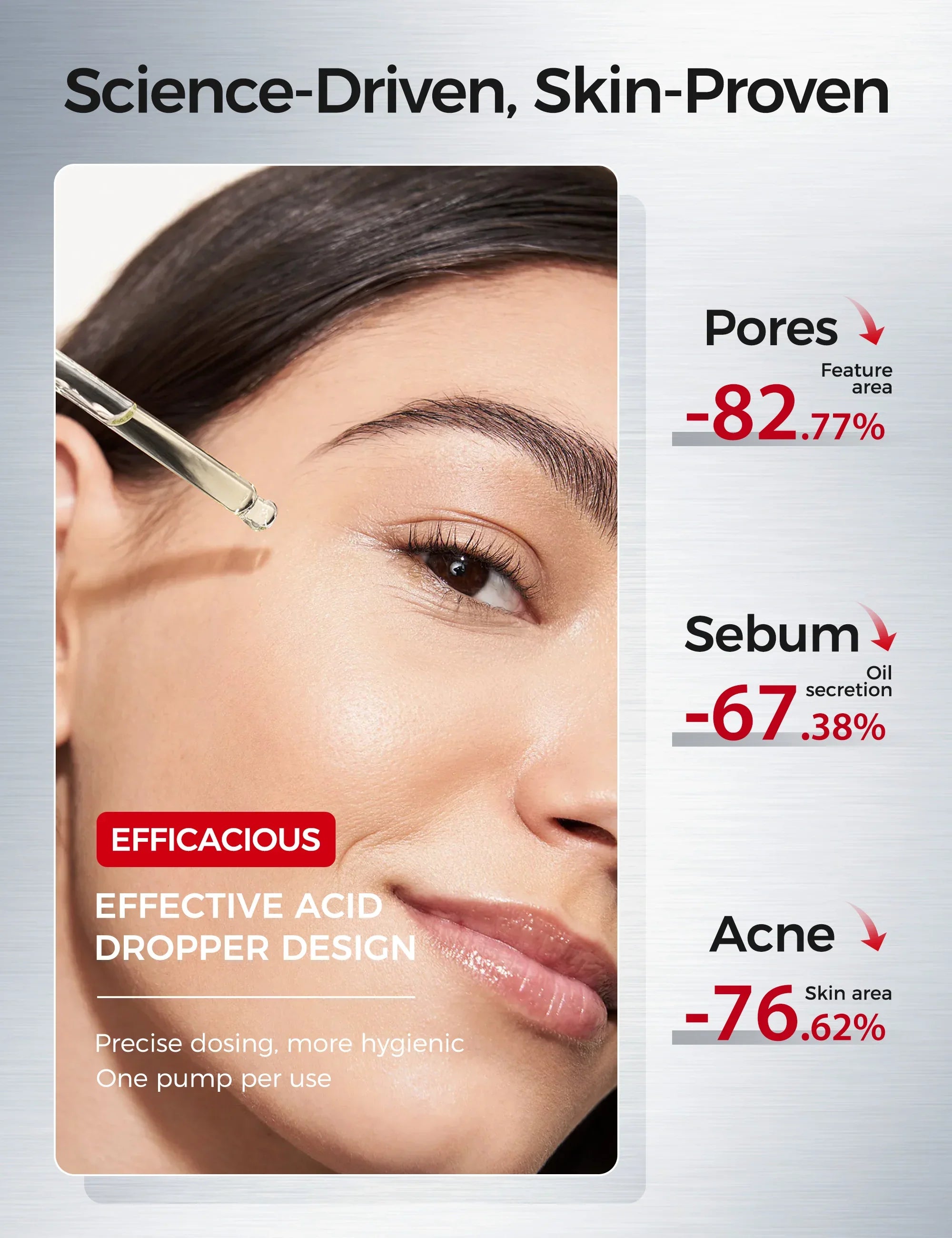
Best Pore Detox Routine for Whiteheads, Oiliness, and Congested Skin