

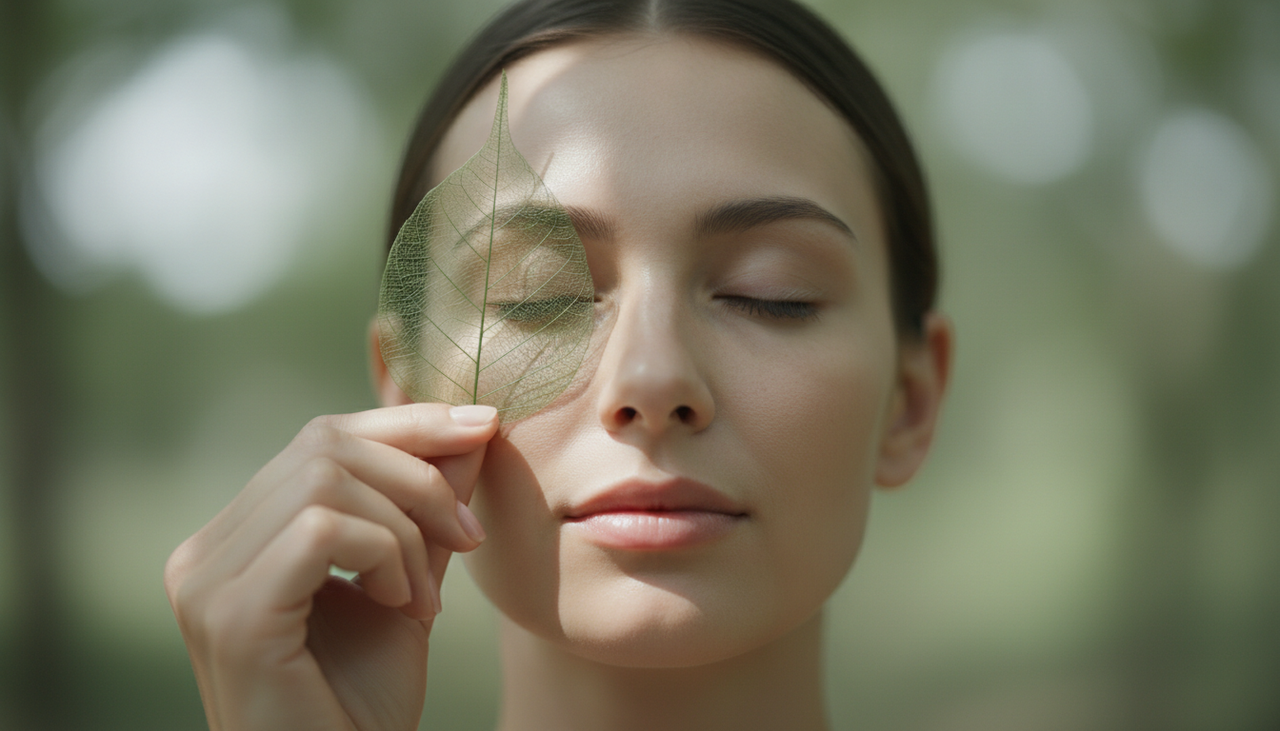
Why Are My Eyelids So Angry? A Real Talk About Skin Conditions Around the Eyes
Let’s be real for a second. Is there anything more frustrating than waking up, looking in the mirror, and seeing your eyes looking puffy, red, or flaky? It’s not just about vanity. When the skin around your eyes is unhappy, you are unhappy. It itches, it burns, and it makes you look exhausted even if you slept for ten hours.
You might be frantically Googling terms like skin conditions or wondering if you need to throw out all your makeup. Before you go down the rabbit hole of diagnosing yourself with something scary, take a breath. At Ning Dermologie, we see this constantly. The eyelid skin is the drama queen of the body—it’s only about 0.5mm thick (like a wet tissue), and it reacts to everything.
Let's walk through what’s actually happening, what those scary medical terms mean, and how to get your glow back without ruining your eye health.

The "Why" Behind the Itch
First, you need to understand the anatomy. Your eyelids are part of a complex system involving the pilosebaceous unit (hair follicles and glands), tear ducts, and delicate lid margins. Because this skin is so thin and has very little fat padding, it is incredibly permeable.
This means things that don't bother your cheeks can be disastrous for your eyes. Allergic contact dermatitis or irritant contact dermatitis are the usual suspects here. Maybe it’s that new contact lens solution, the glasses frames rubbing against your temples, or even nail polish you transferred to your eye when you rubbed it.

The "Big Three" of Eyelid Dermatitis
When we talk about Eyelid Dermatitis, we are usually looking at a few specific culprits.
-
Contact Dermatitis (The Reactor) This is huge. Contact allergens are everywhere. Nickel in your eyelash curler, preservatives in your eye drops, or fragrances in your eyelid cosmetics. If it’s Irritant contact dermatitis, the skin barrier has been physically damaged by harsh soaps or rubbing. If it’s Allergic contact dermatitis, your immune system has decided a specific ingredient is the enemy. This often requires patch testing at a dermatologist to pinpoint the trigger.
-
Atopic Dermatitis (The Genetic Link) If you have a history of hay fever, asthma, or eczema elsewhere, you might be dealing with Atopic dermatitis. This is a chronic inflammation of the skin where the barrier is genetically weak. It can lead to pustular eczema or dry, leathery patches.
-
Seborrheic Dermatitis (The Yeast Factor) Do you have scalp dandruff? There’s a good chance that flakiness on your lashes is related. Seborrheic dermatitis (or seborrhoeic dermatitis) happens when the skin reacts to natural yeast. It loves oily areas, but ironically, it causes flaky, dry-looking skin on the eyelids and brows.
When It's Not Just Skin: Blepharitis
Sometimes the problem isn’t the skin on the lid, but the rim itself. This is Blepharitis, and it is notoriously stubborn.
-
Anterior blepharitis: This affects the front of the lid where lashes attach. It’s often caused by bacteria (staphylococcal blepharitis) or dandruff (seborrheic blepharitis).
-
Posterior blepharitis: This is deeper, affecting the inner edge of the lid. It usually involves the Meibomian gland. These glands secrete oil to keep tears from evaporating. When they get clogged (meibomian blepharitis), you end up with dry eyes, gritty sensations, and inflammation.
If you ignore this, it can turn into ulcerative blepharitis, where you actually get sores and lash loss. Fun, right? Surprisingly, studies have even linked some cases to gastrointestinal infections like Helicobacter pylori, showing just how interconnected our bodies are.
The "Red Flag" Scenarios
Most of the time, these issues are annoying but manageable. However, you need to know when to run to an eye doctor or the ER.
If you have sudden, painful swelling that stops you from moving your eye, along with blurry vision or light sensitivity, this could be Orbital cellulitis. This is a deep infection of the fat and muscles behind the eye. It is a medical emergency. Don't wait for an appointment; go to the hospital. Similarly, Periorbital cellulitis affects the skin in front of the septum and still needs prompt antibiotics.
Also, watch out for Periocular dermatitis (sometimes called periorificial dermatitis). This looks like a rash of tiny red bumps around the eyes and mouth. The kicker? It’s often caused by using topical corticosteroids on the face for too long. It’s a vicious cycle: the steroid helps for a day, then the rash explodes when you stop.

Managing the Mess: A Ning Dermologie Approach
So, your eyes are a mess. What do you do? At Ning Dermologie, we believe in calming the storm before trying to fix the house.
-
Stop the Aggressors Go on a "product detox." Stop all makeup, harsh cleansers, and anti-aging creams near the eyes. If you wear contact lenses, switch to glasses for a while to reduce contact lens friction and irritation.
-
Master Lid Hygiene This is non-negotiable. For blepharitis, you need warm compresses to melt the clogged oil in the oil glands, followed by a gentle scrub. You can buy dedicated lid wipes or use diluted baby shampoo.
-
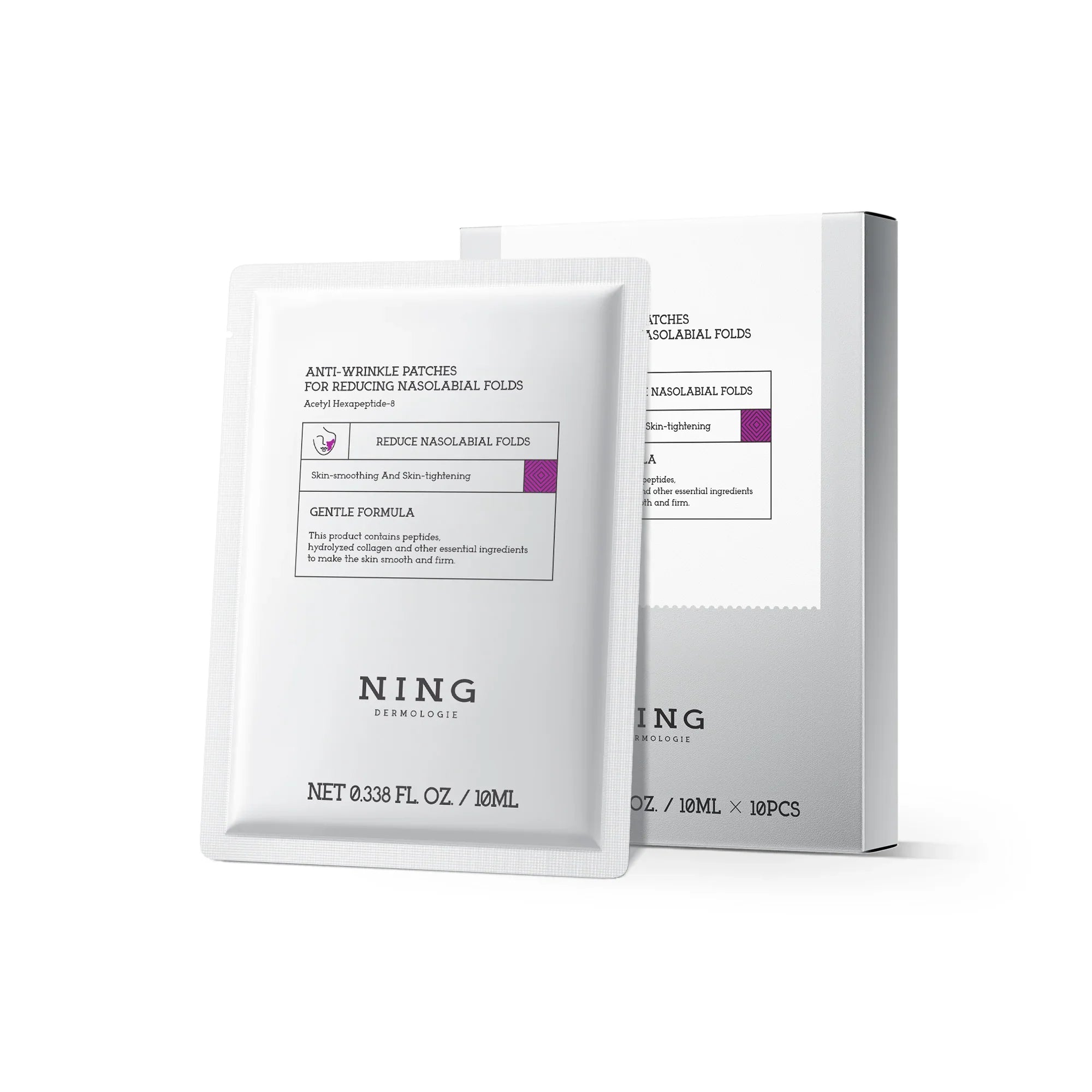
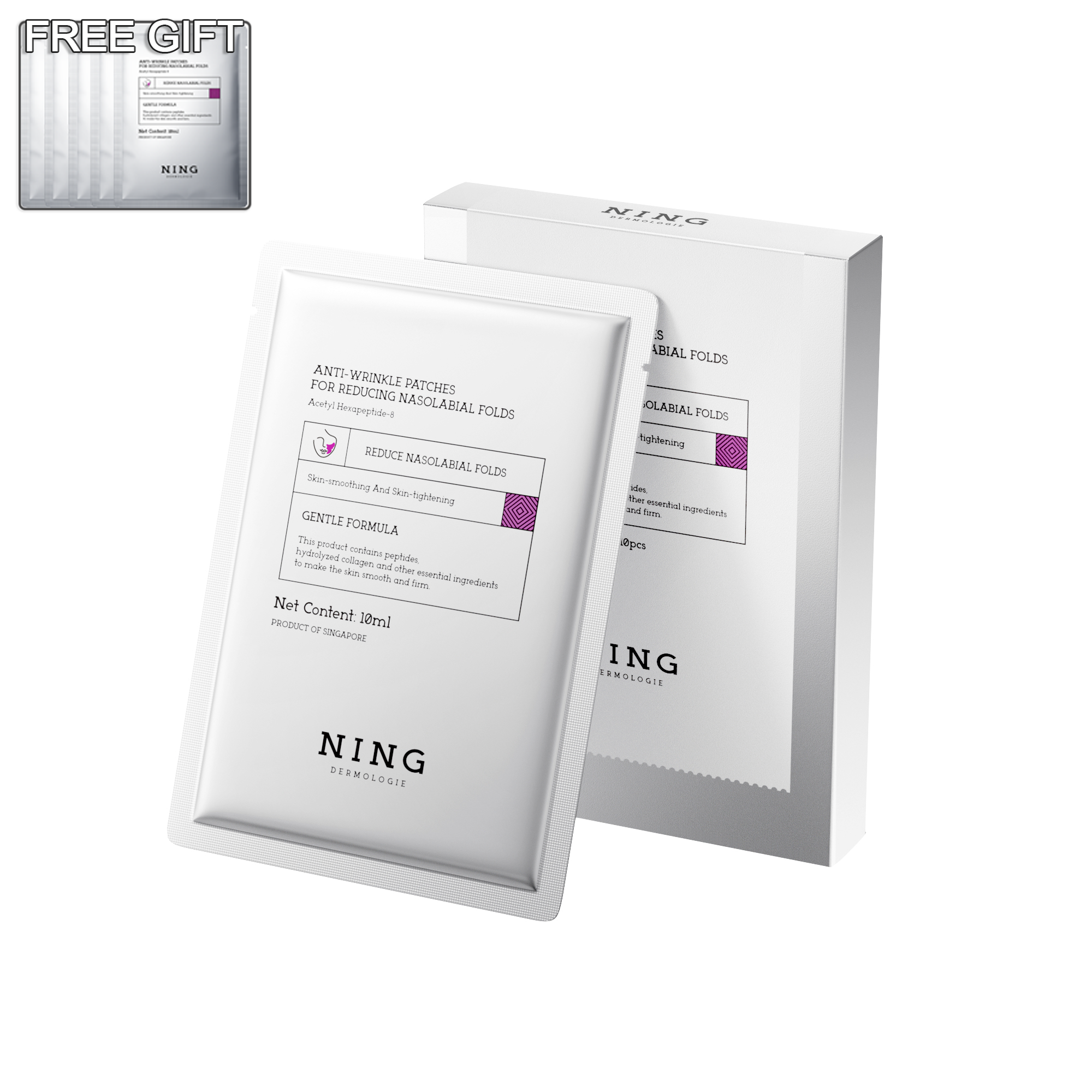
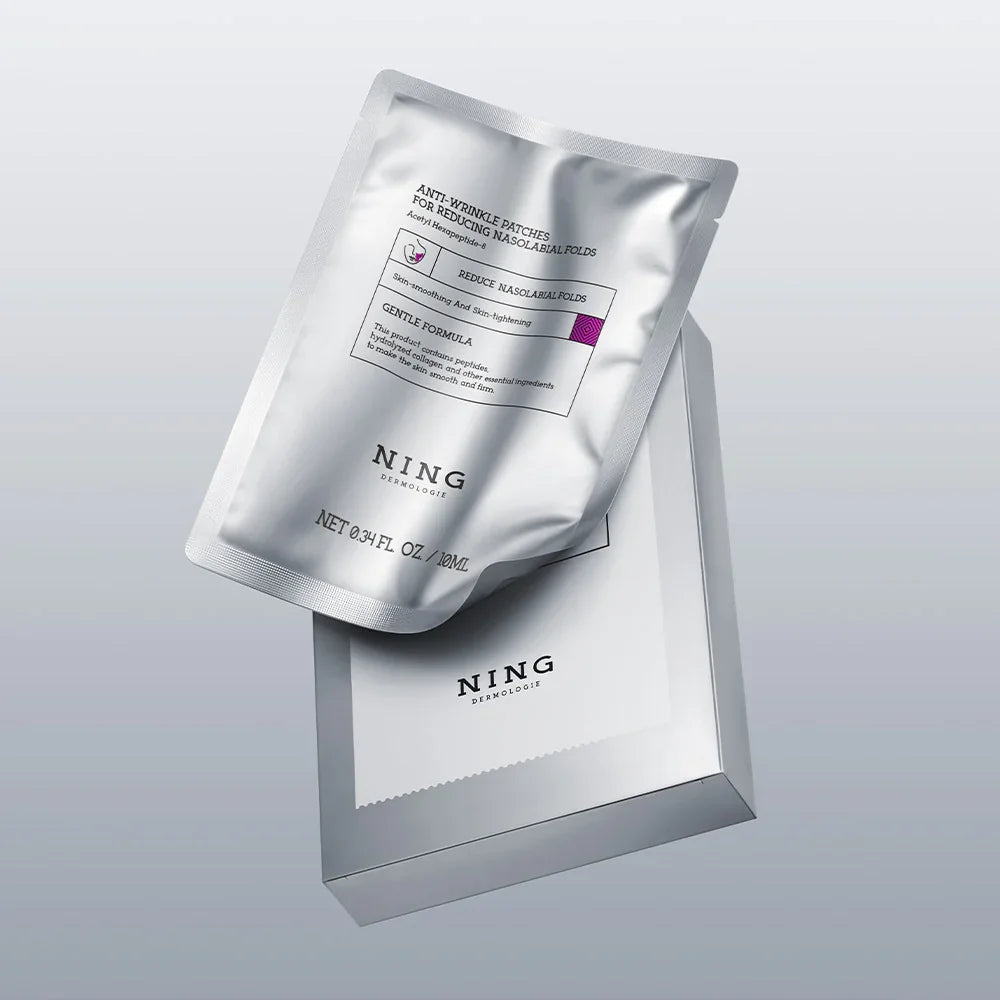
Hydrate Without Suffocating This is where people mess up. They put thick, heavy creams on inflamed eyes, which just traps heat and bacteria. You need lightweight, barrier-repairing hydration. Pro Tip: While we usually talk about our Smile Lines Patches for the nasolabial folds, the philosophy behind them is crucial here—delivering hydration through a focused, non-migrating delivery system. When treating the rest of your face, avoid getting active ingredients (like retinoids) near the irritated eye zone.
-
Medical Treatments If home care fails, you need a treatment plan from a pro.
-
Infection: Doctors might prescribe topical antibiotics or, for deeper issues, tetracycline antibiotics.
-
Inflammation: Short-term topical corticosteroid creams or steroid eye drops can break the inflammation cycle, but must be used under strict supervision to avoid thinning the skin or raising eye pressure.
-
Dry Eye: Use preservative-free artificial tear solutions.
-
Severe Cases: For things like severe eczema or psoriasis, newer biologic treatments are changing the game.
The Weird Lumps and Bumps
Not everything is a rash. You might notice skin tags (harmless bits of hanging skin) or Milia (tiny white keratin pearls). Then there are cholesterol deposits that look like yellow plaques—check your lipid level if you see these.
Rarely, you might see vascular birthmarks like port-wine stains. While these are usually present from birth, laser surgery can be very effective for cosmetic management. On the autoimmune side, discoid lupus erythematosus can present as scaly, red, coin-shaped lesions on the lids.
A Note on Lifestyle and Environment
Your environment is secretly attacking your eyes. House dust mites and dust mites in your pillows are a major cause of morning eye swelling. Wash your bedding in hot water weekly.
Also, look at your tech habits. Staring at screens reduces your blink rate, causing dry eye and straining the ocular symptoms. If you are using apps like HealthHub app to track your symptoms, make sure you are noting down when the flare-ups happen. Is it after wearing makeup? After a dusty day cleaning?
When to Call the Pros
If you are in Singapore or browsing international health hubs, you might see names like Advanced Eye Surgeons or references to protocols from the Cleveland Clinic. Whether you see Dr. Gupta, Dr. Pereira, or your local GP, the key is accurate diagnosis.
Don't just guess. If you have a rash around the eyes that won't go away, or visual symptoms that worry you, get it checked. Patch testing can save you years of guessing which contact allergens are ruining your life.
Final Thoughts from Ning Dermologie
Treating dermatological conditions around the eyes is a marathon, not a sprint. It requires patience, hygiene, and the right products. Be gentle with yourself. Your eyes do a lot of work for you—protect them.
If you're looking to support your skin's structure while dealing with sensitivity, check out how we formulate at Ning Dermologie. Sometimes, the best thing you can do is simplify, hydrate, and let your body heal. And seriously, stop rubbing your eyes!








Share:
"Which Vitamin C Serum Is Best for Your Face?" An Honest, No-Hype Guide
Is Your Face Wash Actually Doing Anything? Why It's Time to Ditch the Scrub for a Peeling Gel