

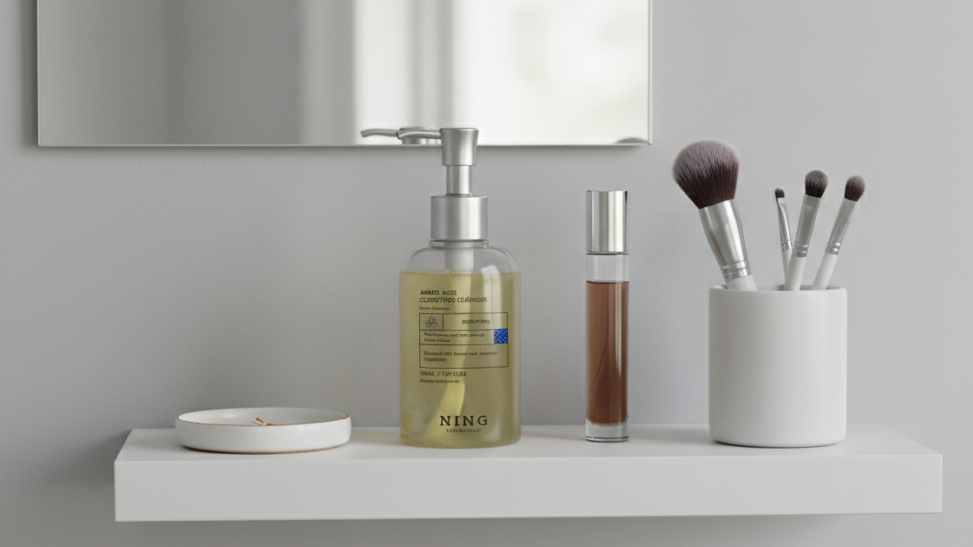

If you have combination skin, your face is essentially a battleground of conflicting territories. Your T-zone (forehead, nose, and chin) is likely producing excess oil like it’s being paid to do so, while your cheeks feel like the Sahara Desert—tight, dry, and begging for moisture.
For the acne-prone girlie dealing with this duality, finding the right face wash feels less like shopping and more like a chemistry experiment gone wrong. You grab a heavy-duty acne control cleanser to nuke the oil, and suddenly your dry patches are flaking. You switch to a gentle milk cleanser, and by noon, your pores are screaming.
The gold standard ingredient for this specific struggle is Salicylic Acid (BHA). But not all BHA cleansers are created equal.
This guide isn’t just a list; it’s a deep dive into how to manage oil control without wrecking your skin barrier, featuring the specific formulations that actually work—including our top pick from NING Dermologie.

Why Salicylic Acid is Non-Negotiable for Combo Skin
To understand why you need this, we have to look at the alphabet soup of acids: alpha hydroxy acids (AHAs) like glycolic acid, beta-hydroxy acid (BHA), and polyhydroxy acid (PHA).
AHAs are water-soluble; they work on the surface. They are great for sun damage, but they don't like oil. Salicylic acid, however, is oil-soluble. This means it can bypass the sebum on your face and dive deep into clogged pores. It exfoliates from the inside out, breaking down the glue holding dead skin cells together and dissolving oil buildup.
For combination skin, this is magic. It targets the greasy T-zone without needing the physical abrasion of a scrub (please, put down the apricot pits). It helps manage tiny papules, blackheads, and even seborrheic dermatitis flare-ups around the nose.
The Problem: When "Oil Control" Goes Too Far
Here is where most people mess up. They buy a drugstore salicylic acid cleanser that is loaded with harsh sulfates (foaming agents). These strip the skin so aggressively that your face feels "squeaky clean."
Squeaky is bad. Squeaky means you have stripped your natural lipids. When you do this, your skin panics and produces more oil to compensate. It’s a vicious cycle.
The secret to the best face wash with salicylic acid for combination skin type lies in the delivery system. You need a formula that pairs the BHA with gentle cleansing agents—specifically amino acid-based surfactants like sodium cocoyl glycinate or coco glucoside—rather than cheap stripping detergents.
The Hero Product: NING Dermologie
If you are looking for that "unicorn" balance—a cleanser that clears pores but leaves the skin soft—we have formulated exactly that.
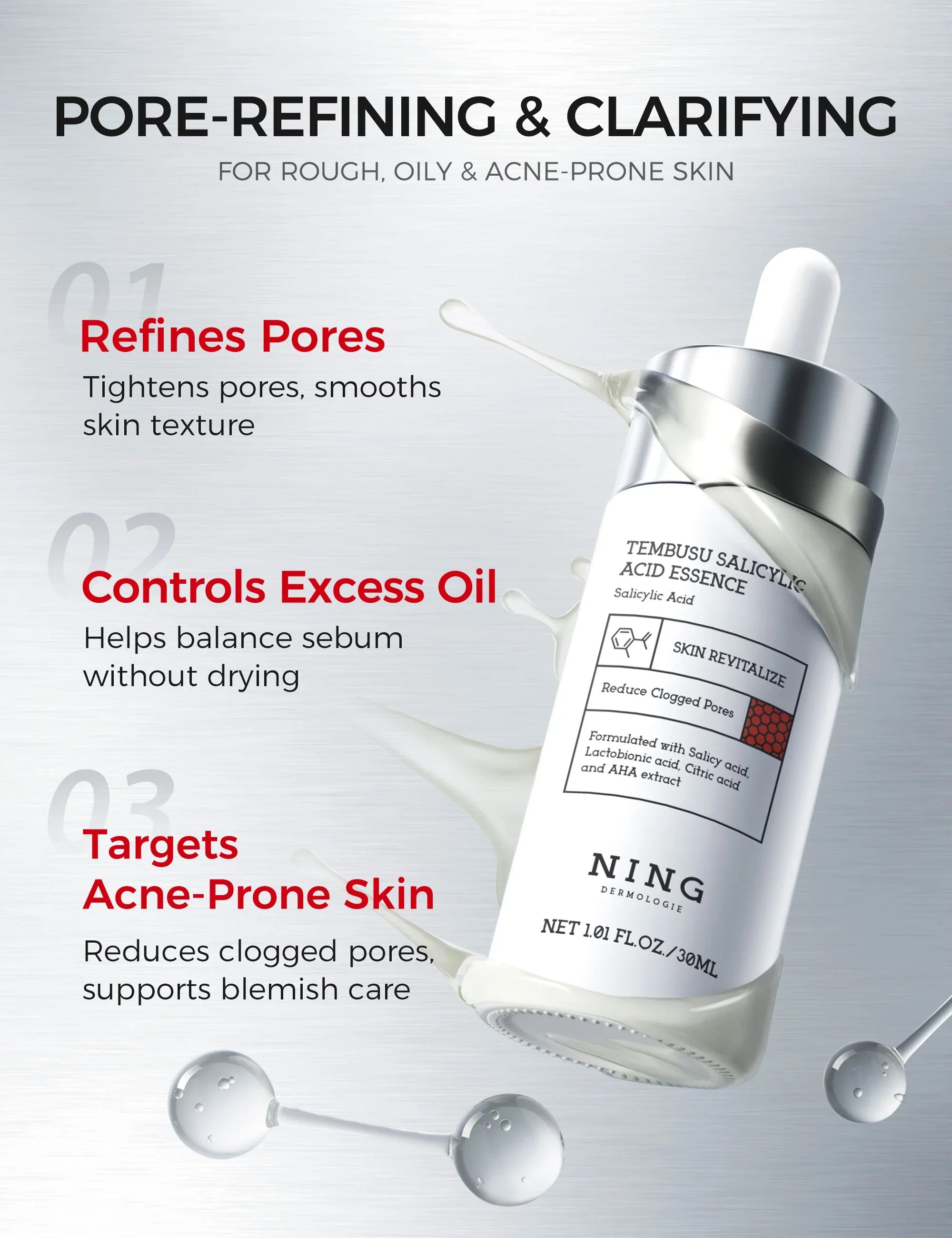
Our Pick: Amino Acid Facial Cleanser with Salicylic Acid
At NING Dermologie, we realized that most acne cleansers treat skin like a dirty floor. We treat it like silk. Our formula uses an amino acid base. Why does this matter? Amino acids are the building blocks of skin proteins. When used as surfactants (cleansing agents), they clean without disrupting the pH or the microbiome.
By combining this gentle base with Salicylic Acid, we created a product that handles bacterial concerns and acne blemishes without the "tight face" feeling. It prepares the skin perfectly for the next steps, allowing serums like Hyaluronic Acid to penetrate better. It is cruelty free, focusing on pH balancing to keep your acid mantle intact.
The Landscape: Comparing Top Contenders
While we stand by our formulation, being an educated consumer means knowing the landscape. Here is how the broader market looks and where other beauty products fit into your routine.
The Drugstore Classics
You have likely seen Neutrogena Oil-Free Acne Wash. It’s the orange liquid everyone used in high school. While effective for very oily skin, it can be drying for combination types. A better drugstore alternative from them is the Neutrogena Ultra Gentle Daily Cleanser, though it lacks the active BHA punch.
CeraVe Acne Foaming Cream Cleanser is another popular one. Note that this often contains benzoyl peroxide (BPO). BPO is a powerhouse for killing bacteria, but it is vastly more irritating than salicylic acid. If you have sensitive skin or suffer from post-inflammatory hyperpigmentation (dark spots left after a pimple), BPO might be too harsh and can sometimes bleach your towels.
The High-End & Niche Players
If you are looking at luxury, Vintner's Daughter Active Renewal Cleanser and Toleriane Purifying Foaming Cleanser by La Roche-Posay often come up in conversation. These focus heavily on the sensory experience.
For those needing a moisture kick, Round Lab Birch Juice Moisturizing Cleanser is a K-beauty favorite, though it focuses more on hydration than active pore clearing. On the flip side, Murad Acne Control Clarifying cleanser is a heavy hitter—great for severe breakouts, but potentially too strong for the dry areas of combination skin.
The INKEY List offers a budget-friendly Salicylic Acid Cleanser that is quite decent, though some users find the texture a bit runny compared to the luxurious foam of a sodium cocoyl glycinate formula.
Reading the Package Label: What to Look For (and Avoid)
When you are standing in the aisle (or scrolling online), turn the bottle around. Ignore the marketing fluff on the front; the truth is on the package label.
- The Surfactants: Look for "Sodium Cocoyl..." or "Glucoside." Avoid high concentrations of "Sodium Lauryl Sulfate" (SLS) if you are prone to dryness.
- The Soothers: Since acids can be irritating, look for thermal spring water, Hyaluronic Acid, or botanicals like Aloe. These buffer the irritation.
- The pH: A good face wash should be pH balanced (around 5.5). Traditional bar soap usually has a pH of 9 or 10, which destroys the skin barrier. Avoid bar soap for facial cleansing unless it is a specific syndet bar (synthetic detergent).
How to Build Your Routine
Using a salicylic acid cleanser isn't just about washing your face; it's about where it fits in the flow.
Step 1: The First Cleanse (Night Only)
If you wear makeup or SPF, start with an oil-based formula or a balm. This breaks down surface grime. This is the "double cleanse routine." Pre-moistened wipes are not a substitute here—they just smear dirt around and can cause friction irritation.
Step 2: The Treatment Cleanse
This is where your NING Dermologie Amino Acid Facial Cleanser with Salicylic Acid comes in.
- Technique: Apply to damp skin. Focus on the T-zone.
- The 60-Second Rule: Don't rinse immediately. Let the chemical exfoliants sit for 30 to 60 seconds to actually dissolve the oil.
- Rinse: Use lukewarm water. Hot water exacerbates oil production.
Step 3: Immediate After-Care
While your skin is still damp, apply a hydrator. A Hyaluronic Acid serum is perfect here. It grabs onto that moisture. If you are dealing with active breakouts, you might spot treat with benzoyl peroxide (carefully) or use a hypochlorous acid spray throughout the day to keep bacteria at bay.
Troubleshooting: "It's Not Working!"
"I'm breaking out more!" This might be "purging." When you start using beta hydroxy acid, it speeds up cell turnover. The gunk deep in your pores comes to the surface faster. This usually clears up after 4 weeks.
"My cheeks are red and stinging." You might be over-doing it. Even gentle cleansers can be too much if used twice a day on sensitive skin. Try using your salicylic cleanser only in the morning (to remove overnight sebum) and a plain, non-active cleanser like Olay Smoothing Daily Facial Cleanser or just water at night. Alternatively, use the SA cleanser only on your T-zone and skip the cheeks.
"I have irritation." Check for other skin irritants in your routine. Are you using a scrub? A high % Retinol? A glycolic acid toner? Layering too many acids destroys the barrier. If you use a salicylic face wash, skip the toner.

Professional Use vs. Home Care
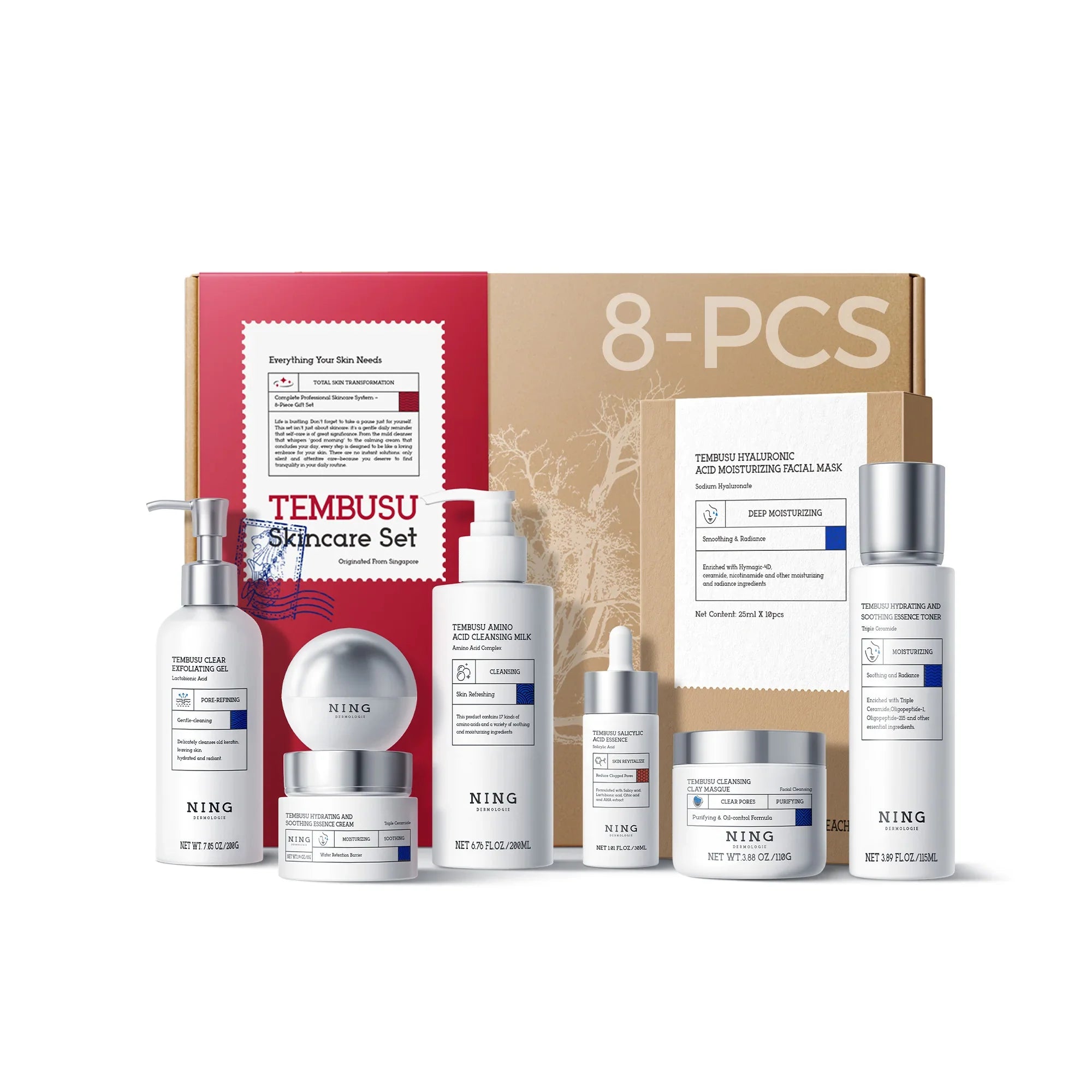
For estheticians or spa owners reading this, sourcing is key. You need products that work for the majority of clients. The NING Dermologie line is formulated to be versatile enough for the backbar—effective for extraction prep (softening the comedones) but safe enough for resale to clients for home maintenance.
Whether you are battling acne blemishes, trying to smooth texture, or just want that glass-skin glow, the balance is everything. It’s not about stripping the oil away; it’s about regulating it.
Frequently Asked Questions (FAQ)
Q: Can I use a salicylic acid cleanser every day?
A: Generally, yes. For combination skin, once a day (preferably morning) is usually the sweet spot. If you feel tight or dry, drop to every other day. Listen to your skin—if it stings, pull back. Consistency beats intensity every time.
Q: Will salicylic acid help with my acne scars?
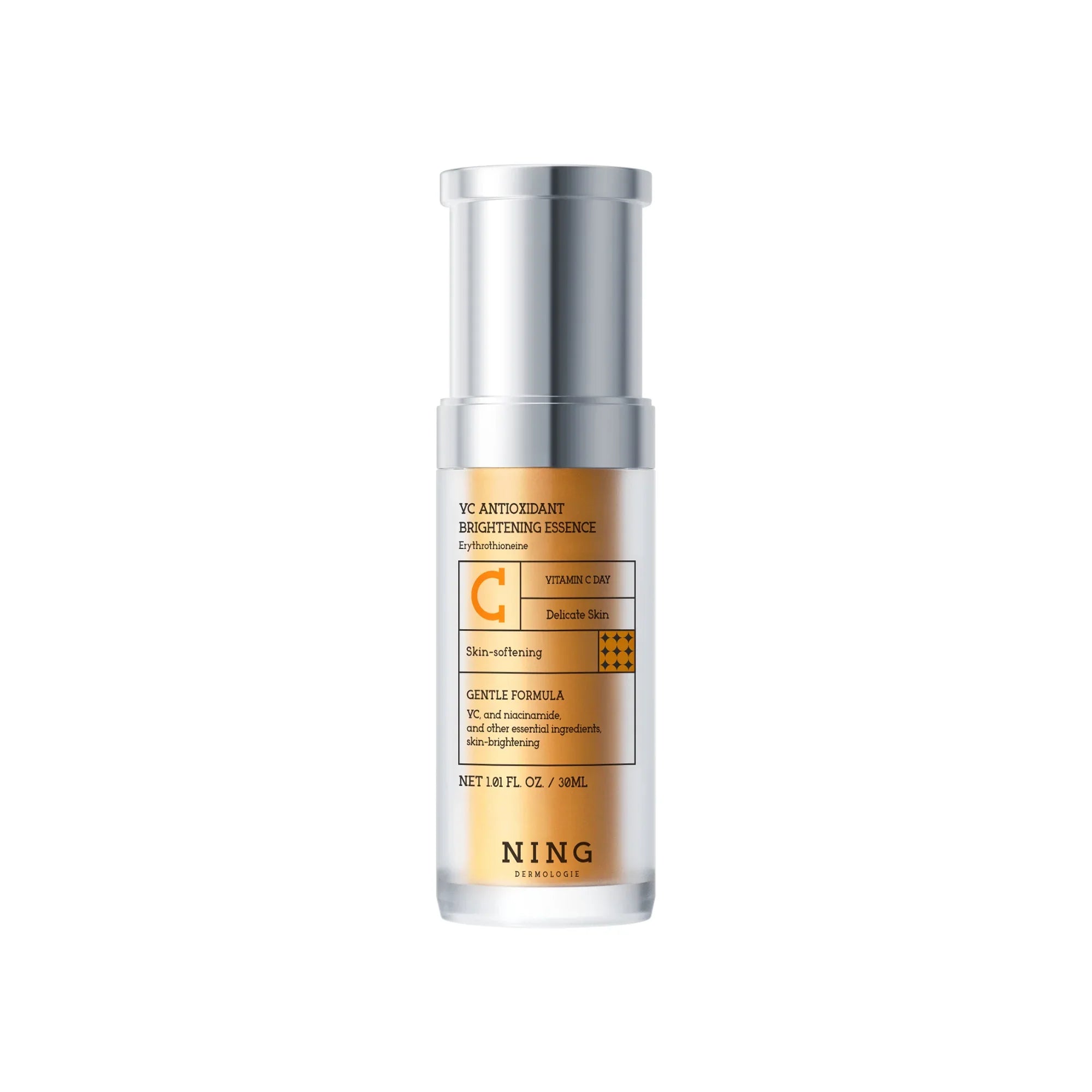
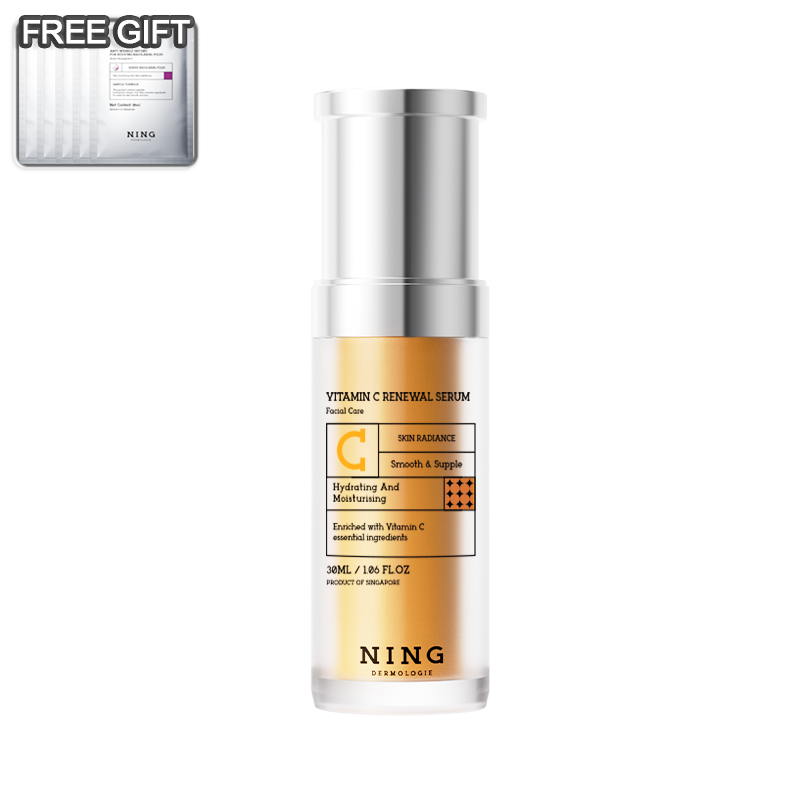
A: It helps prevents new acne, which stops new scars. For existing dark spots (post-inflammatory hyperpigmentation), it mildly exfoliates, helping them fade faster, but it’s not a laser. You’ll want to pair it with SPF and maybe Vitamin C for faster brightening results.
Q: Can I use this cleanser if I’m also using Retinol?
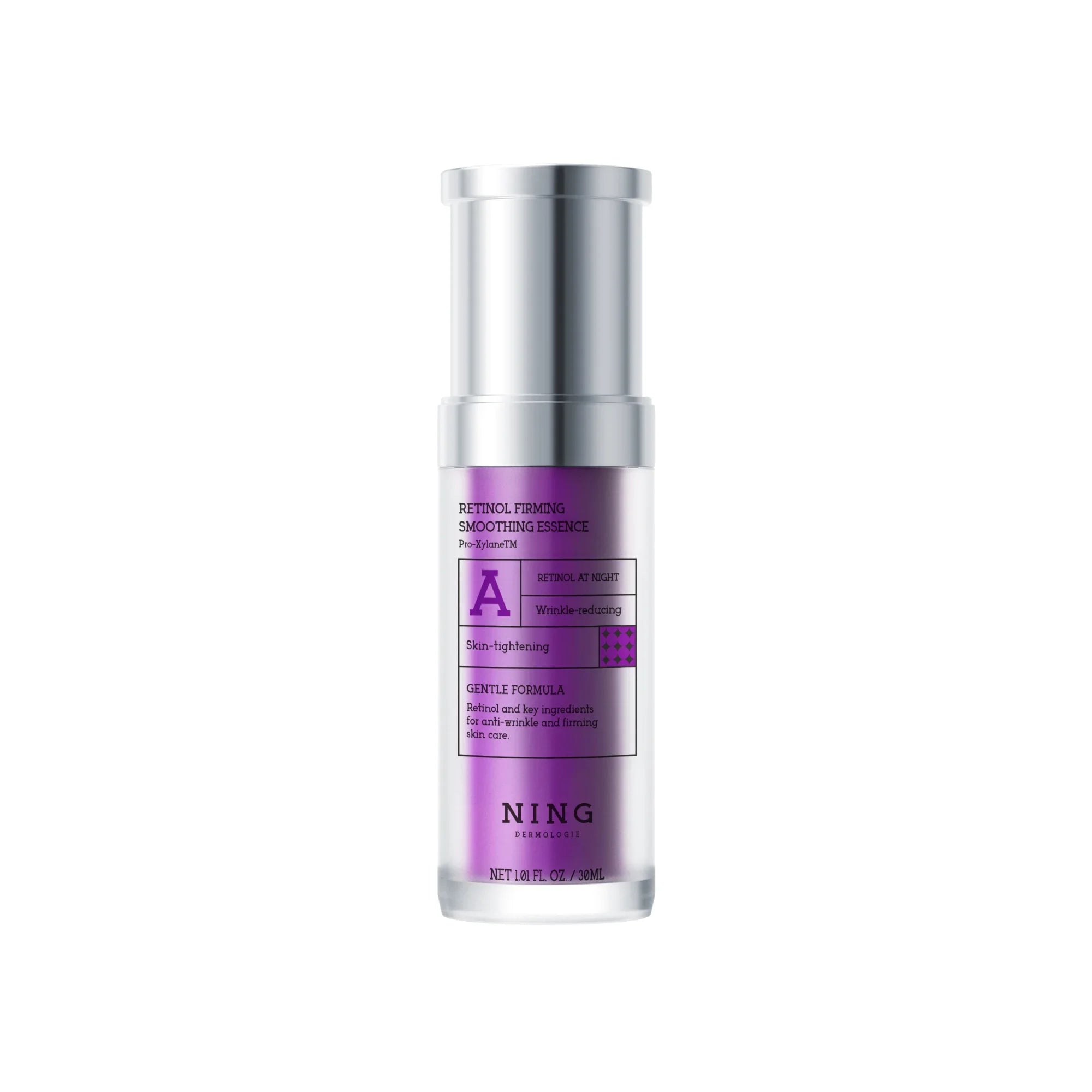
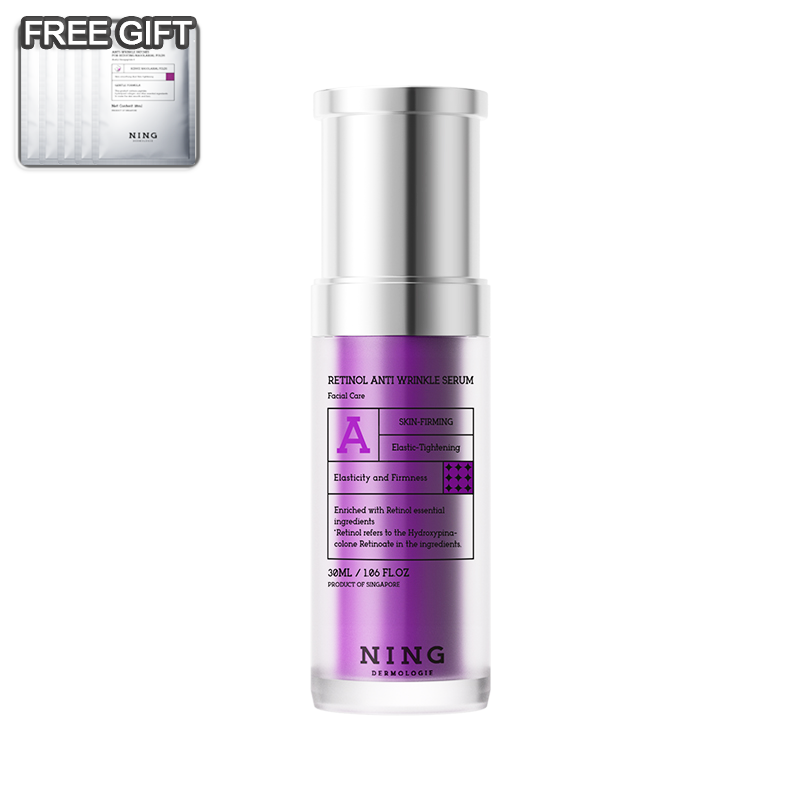
A: Proceed with caution. Both are active exfoliants. Using them at the same time (e.g., washing with SA then applying Retinol) might burn. Try using the Salicylic cleanser in the morning and your Retinol at night to keep the peace.
Q: Does this work on body acne too?
A: Absolutely. The skin on your back and chest is thicker and tougher than your face. An SA cleanser is fantastic for "bacne." You can let it sit on the skin for a minute or two in the shower before rinsing for deeper penetration.
Q: Is there a "purging" period with this face wash?
A: Often, yes. Because it cleans deep into the pore, it pushes deep clutter to the surface. You might see a few new whiteheads in the first 2-3 weeks. This is actually a sign it’s working. Stick with it for a month before judging.





Share:
The Brutal Truth About Teenage Acne: Why Your "Squeaky Clean" Face Wash is Making Things Worse
Can You Actually Use Salicylic Acid Face Wash Daily? The Truth Behind the Glow