


Having combination skin feels like you’re constantly refereeing a match between two opposing teams. On one side, your T-zone (forehead, nose, and chin) is producing enough oil to fry an egg. On the other, your cheeks are tight, flaky, and begging for moisture.
It’s the classic "Goldilocks" struggle. Most products are either too heavy, clogging your pores and turning you into a greaseball, or they are so lightweight that your dry patches laugh at them.
Enter hyaluronic acid (HA). You’ve seen it everywhere—from TikTok beauty bloggers to the shelves of your local drugstore. It’s touted as the holy grail for hydration. But here is the truth that many skincare formulations don’t tell you: not all hyaluronic acid serums are created equal, and if you pick the wrong one for combination skin, you might actually dry out your skin even more.
If you are trying to navigate the confusing aisle of skincare products to find that perfect balance, this guide is for you. We’re going to skip the fluff and get straight into the science, the strategy, and the specific ingredients you need to look for to repair your skin barrier without wrecking your complexion.

The Science: Why Your Skin Actually Needs "Water," Not Oil
First, we need to clear up a misconception. Oily skin needs hydration just as much as dry skin does. In fact, often your skin produces excess oil because it is dehydrated. It’s overcompensating.
Hyaluronic acid is a naturally occurring sugar molecule in your body (specifically in the skin layers and joints). Its superpower? It is a humectant. Think of it like a biological sponge. It attracts water molecules from the environment and pulls them into the skin.
- Fact: HA can hold up to 1,000 times its weight in water.
- The Benefit: It provides skin hydration without adding grease. This is why it is the MVP for combination skin types.
However, the size of the molecule matters. This is where terms like Sodium Hyaluronate and Sodium Hyaluronate Crosspolymer come into play.
- High Molecular Weight: Sits on top of the skin. It feels nice and smooths fine lines instantly, but doesn't go deep.
- Low Molecular Weight: Penetrates deeper to plump the skin from within and help with skin elasticity.
For combination skin, you want a product that does both. You need that deep hydration for the dry cheeks, but a light, non-sticky finish for the oily T-zone.
The Ingredient Checklist: What to Look For
When you are reading the back of a bottle (or scrolling through descriptions online), don’t just look for "Hyaluronic Acid." That’s the bare minimum. To truly tackle skin concerns like uneven texture, sun damage, or sensitivity, you need a team of ingredients working together.
1. The Right Forms of HA
Look for Sodium Hyaluronate. This is a salt derivative of hyaluronic acid that has a smaller molecular size, meaning it absorbs better than straight HA. If you see Sodium Hyaluronate Crosspolymer, that’s even better—it forms a mesh-like barrier that prevents moisture loss (also known as moisture retention) specifically in those dry cheek areas.
2. Soothing Botanicals
Combination skin is often sensitive. You might deal with redness or even facial eczema in dry areas while breaking out in others. Ingredients like Centella asiatica (Cica) or White Tea Leaf Extract are crucial. They calm inflammation caused by environmental stressors like pollution and UV rays.
3. Barrier Builders
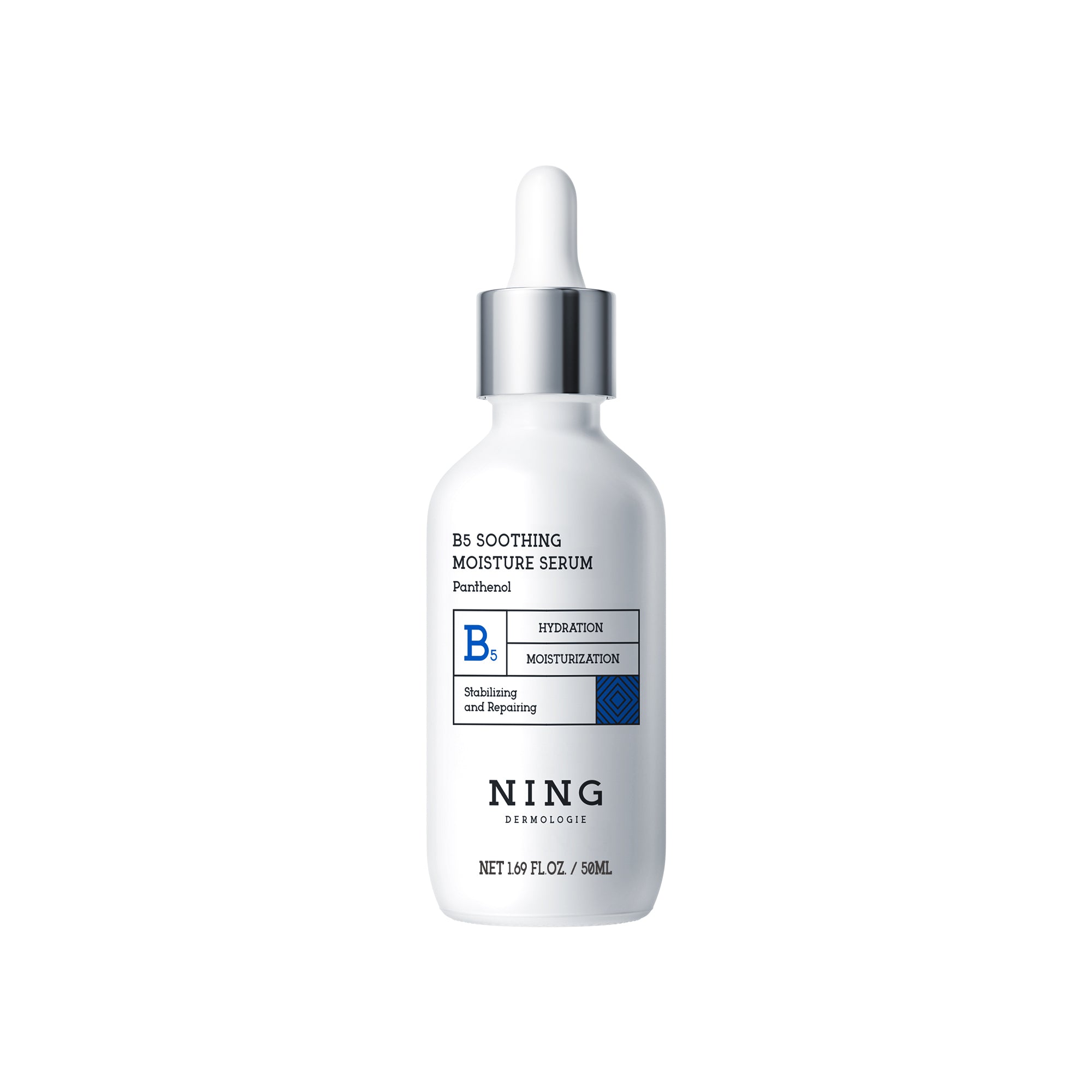
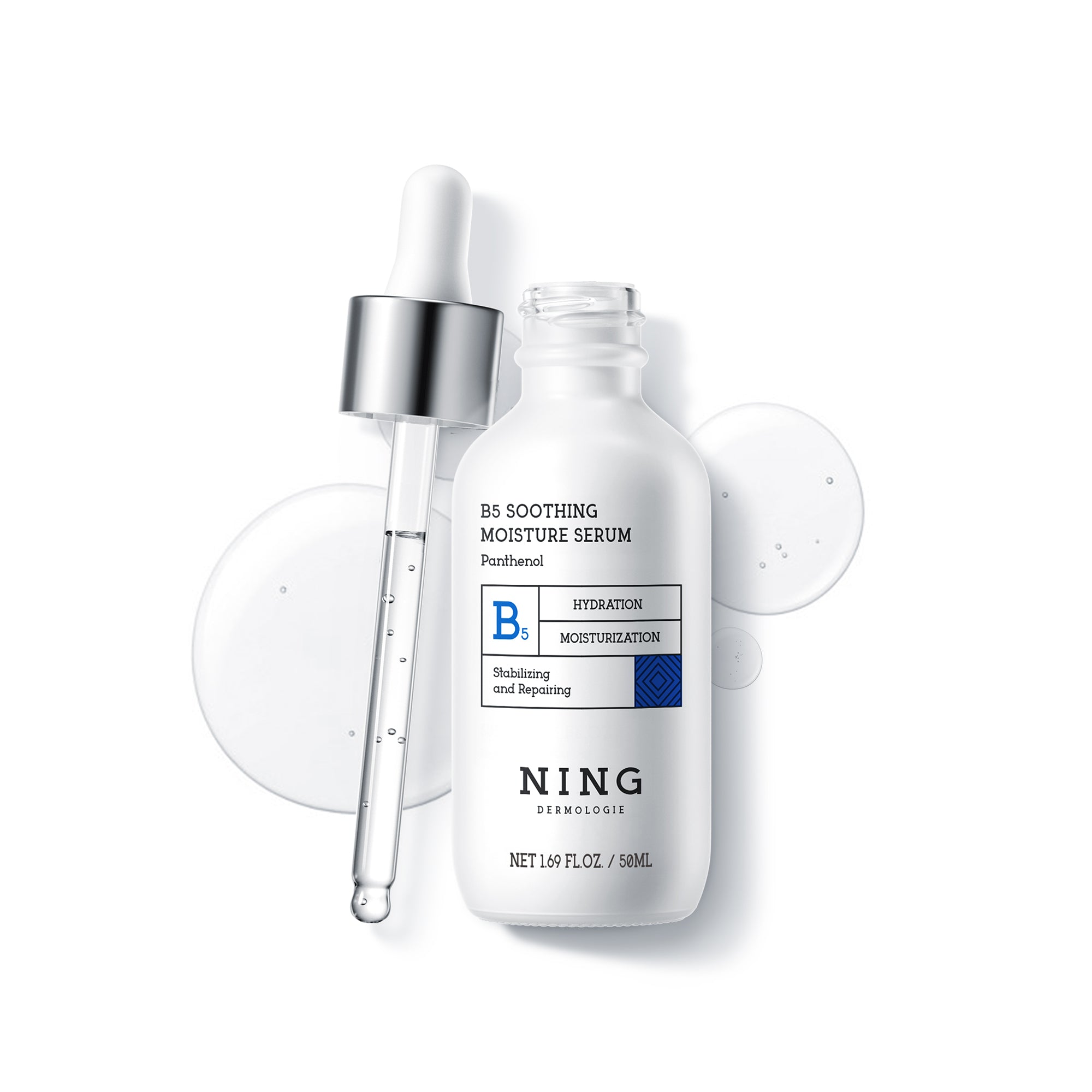
Your moisture barrier is your defense system. If it’s weak, you get irritation and dehydration. Look for Vitamin B5 (often marketed as hyalu B5 or panthenol) and Vitamin B3 (Niacinamide). These help regulate oil production (great for the T-zone) while strengthening the lipid barrier (great for dry areas).
4. Antioxidants
To fight environmental damage and prevent premature aging (fine lines and loss of collagen production), you want antioxidants. Vitamin C is the gold standard, but for sensitive combination skin, botanical sources like antioxidant-packed grape flower extract or Linden Flower Extract can be gentler alternatives that still brighten hyperpigmented spots.
The "Texture Check": Serum vs. Essence vs. Cream
For combination skin, texture is everything.
- Creams: often contain mineral oils or heavy butters (like shea). These are great for dry skin but a nightmare for your oily nose. Collagen Creams often fall into this category.
- Serums: Usually water-based. The standard standard, like the The Ordinary Hyaluronic Acid Serum, is often a tacky liquid.
- Essence/Toners: This is the sweet spot. A viscous, hydrating serum-like toner can be layered. You can apply one layer all over, and a second layer just on your dry cheeks.
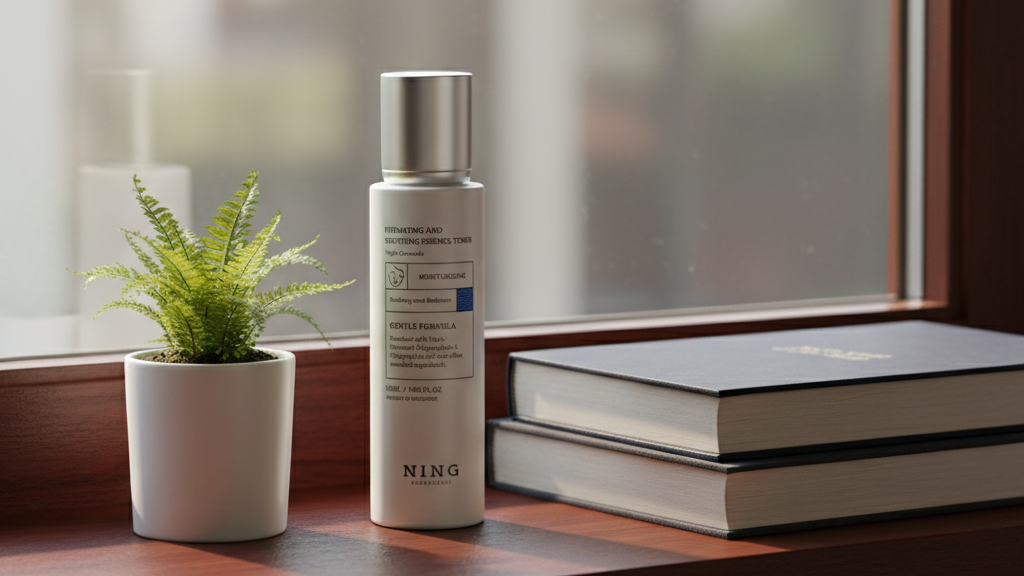
Recommendation: The NING Dermologie Solution
This brings us to a product that checks every single box we just discussed. At NING Dermologie, we realized that most "serums" were too sticky for day use, and most "toners" were basically just water.
We created the Hydrating & Soothing Essence Toner to bridge that gap.
Why it works for Combination Skin:
Unlike a standard hyaluronic acid serum that might leave a tacky film, this essence toner uses a sophisticated blend of hydrating properties and soothing agents.
- Multi-Depth Hydration: It uses optimized Sodium Hyaluronate to ensure your skin drinks in the moisture without clogging pores.
- Redness Control: We packed it with Linden Flower Extract and White Tea Leaf Extract. These aren't just filler; they are clinically recognized for cooling the skin and reducing the redness that often plagues the dry areas of combination skin.
- Safety First: NING Dermologie is built on the philosophy of being "Legit." Our formulas are rigorously tested. This product avoids the harsh alcohols that strip oily skin (causing it to produce more oil) and avoids the heavy oils that clog dry skin.
It functions as your toner and your serum step in one. It prepares your skin layers to accept moisturizer, or can be worn alone under sunscreen on particularly humid days.
How to Layer HA Correctly (The "Sandwich" Method)
You can buy the most expensive SkinCeuticals Hyaluronic Acid Intensifier or a high-end Seabiotic® Water Cream, but if you apply it wrong, it won’t work.
Here is the protocol for combination skin:
- Cleanse: Use a gentle cleanser. Avoid stripping the skin.
- Dampen: This is non-negotiable. Always apply hyaluronic acid on damp skin. If you apply it to dry skin, the HA molecule will pull water out of your skin to fill itself up, leaving you drier than before.
- Apply: Pat the NING Dermologie Hydrating & Soothing Essence Toner all over your face.
- Target: If your cheeks are extra dry, add a second layer just there.
- Seal: Lock it in. On your T-zone, use a lightweight gel moisturizer. On your cheeks, you might need something slightly richer.
Navigating the Market: A Quick Comparison
To show you where we stand, let’s look at the landscape. You have budget options like The Ordinary or Inkey List, which are great for pure ingredients but often lack the cosmetic elegance (they can pile or feel sticky).
Then you have the "clinical" heavy hitters like La Roche-Posay (famous for Hyalu B5) or Hyaluronic Acid 2% + B5. These are excellent and often recommended by board-certified dermatologists, but they can sometimes be heavy on silicones.
There are also niche, trendy options like Moon Juice hyaluronic serum or glutone hyaluronic acid serum that focus on specific adaptogens (like snow mushroom or red algae). While interesting, sometimes these complex skincare formulations can trigger reactions in sensitive skin.
NING Dermologie aims for the middle ground: the clinical efficacy of the big medical brands, combined with the clean, botanical safety of the niche natural brands, all in fragrance-free formulas that respect your skin barrier.
Essential Tips for the Smart Shopper
Before you buy, keep these tips in mind:
- Check the Packaging: Airless pumps or opaque dropper bottles are best to keep ingredients like antioxidants stable.
- Avoid "Filler" Ingredients: Mineral oils and synthetic fragrances are common triggers for combination skin.
- Patch Test: Always do a patch test on your jawline before slathering a new active ingredient all over your face.
- Look for Synergies: HA loves company. It works beautifully with Vitamin C (for brightening), amino acids (for rebuilding), and Peptides (like in Peptide Lip Treatments or face serums) for plumper skin.
Incorporating Other Actives
If you have combination skin, you likely have other concerns too, like hyperpigmented spots or occasional breakouts.
- AHA (Alpha Hydroxy Acids) / Kojic Acid: Use these on alternate nights to exfoliate dead skin cells. This helps your HA serum penetrate better.
- Retinol/Peptides: Products like Ocean Eyes® Age-Defying Serum or Undaria Algae™ Body Lotion (for the body) often contain HA carriers because it helps mitigate the drying effects of anti-aging ingredients.
- Vegan Collagen: Many modern serums now include vegan collagen derived from plants to support skin health alongside HA.
The Verdict
Choosing the right serum isn't rocket science, but it does require reading the label. For combination skin, you want balance. You want Sodium Hyaluronate for depth, botanicals for soothing, and a texture that vanishes into the skin rather than sitting on top of it.
If you are looking for a simplified, effective, and safe starting point, the Hydrating & Soothing Essence Toner from NING Dermologie is designed specifically to end the war between your oily T-zone and your dry cheeks.

Frequently Asked Questions (FAQ)
Q: Can I use hyaluronic acid with Vitamin C?
A: Absolutely. They are a power couple. Apply your Vitamin C serum first (on clean, dry skin), let it absorb, then mist your face or apply a dampening toner, and follow with your hyaluronic acid. This combo protects against sun damage while hydrating.
Q: Will hyaluronic acid cause breakouts on my oily T-zone?
A: It shouldn't. Hyaluronic acid is non-comedogenic (won't clog pores). However, if the serum base contains heavy oils, silicones, or mineral oils, those ingredients might cause acne. Stick to water-based, lightweight formulas like our Essence Toner.
Q: Is there a difference between "Sodium Hyaluronate" and "Hyaluronic Acid"?
A: Technically, yes. Sodium Hyaluronate is the salt form of HA. It has a smaller molecular size, meaning it penetrates the skin better and is more stable in skincare formulations. It’s generally preferred for effective, deep hydration compared to raw HA.
Q: Do I really need to apply it on damp skin?
A: Yes, 100%. HA acts like a magnet for water. If your skin is dry and the air is dry, it will pull water from the deeper layers of your skin to the surface, eventually evaporating and leaving you tighter than before. Damp skin gives it water to grab immediately.
Q: How long does it take to see results?
A: You should feel the hydration immediately—your skin will look "plumper" and feel softer. However, for long-term skin barrier repair and improvements in fine lines or skin elasticity, consistency is key. Give it at least 4 to 6 weeks of daily use.





Share:
Best natural ingredient hyaluronic acid serums for anti-aging
Reviews for hyaluronic acid serums suitable for sensitive skin