



Your face is burning. It’s red, tight, and stings when you apply even the most basic, boring moisturizer. We’ve all been there. You chased a glow, over-exfoliated, and nuked your skin barrier.
The immediate instinct is to panic and slap on ten different soothing serums. Don't.
Fixing a wrecked skin barrier requires pulling way back. You need minimalist skincare. But let’s get one thing straight—calming angry skin isn’t just about what you smear on top of it. True recovery is an inside-out job. If your internal systems are dried out, no amount of expensive cream is going to permanently fix the flaking.
Let’s break down the mechanics of hydration, from the water in your gut to the outer layer of your face, and how to fix the damage without making it worse.

The Internal Engine: Why Drinking Water Actually Matters for Your Face
We hear it constantly: "Just drink more water for clear skin!" It’s annoying advice because it oversimplifies complex biology. But there is a mechanical truth to it.
Your skin is your largest organ. It’s the last in line to receive nutrients and moisture from the body. If your systemic hydration status is poor, your body pulls water from peripheral tissues (like your skin) to protect vital organs.
Let's talk about total fluid balance. The baseline for cellular health is your total water intake. Most of us don't think about systemic water consumption until we are trying to avoid massive health issues like kidney stones, urinary tract infections, or a painful bladder infection. We wait until a doctor tells us to drink up. But optimal tissue hydration—the kind that gives skin that bouncy, resilient feel—relies heavily on consistent, daily fluid intake.
When you experience severe fluid loss, say from a stomach bug or working outside in the summer, you risk severe dehydration. In those cases, it becomes a medical emergency. Hospitals don't give you a glass of tap water; they use targeted rehydration solutions or oral rehydration therapy as crucial management of dehydration to rapidly restore plummeting sodium levels.
But what about daily, low-level dehydration?
Think about athletes. Research heavily featured in Sports Med journals looks closely at how college football players and kids in youth football handle extreme environments. During intense anaerobic exercise, they experience massive fluid deficits through their sweat glands and respiration. To combat heavy heat stress, immediate fluid replacement is necessary. They rely on specific sports drinks or a wearable hydration pack to keep going.
You probably aren't tackling linebackers, but your daily habits sap your moisture just the same. Drinking high-sugar energy drinks, concentrated fruit juice, and other heavily sweetened caloric beverages does your skin zero favors. Added sugars spike insulin and trigger inflammation, which makes facial redness significantly worse. If you hate plain water, switch to flavor infused water with cucumber or mint, or use a home carbonation device to make it interesting without the sugar crash.
Alcohol is another barrier-killer. Even moderate drinking (sticking to a single standard drink) forces your kidneys into overdrive. It suppresses your antidiuretic hormone, leading to rapid water loss through the gastrointestinal tract and urinary system.
According to recent public health news and research published by Harvard faculty (who lead advanced degree programs at the Harvard Chan School), our baseline water requirements are highly individual. They fluctuate based on your Estimated Energy Requirements and daily activity. Maintaining optimal water homeostasis and meeting your total water requirements isn't just about what you drink out of a glass. A massive portion of our hydration comes from the water content of foods. Eating a diet rich in water-dense vegetables ensures you get that vital water in foods.
How do you know if your internal hydration system is functioning properly?
Don't overcomplicate it. While clinical researchers might use a complex 24-hour total urine collection or measure specific hydration biomarkers (relying on advanced biomarkers of hydration and precise urinary measures), you can just look at a basic urine colour chart. Pale yellow means you are on the right track. Staying out of the dark yellow zone supports stable blood pressure, critical temperature regulation, better immune function, and smooth metabolic functioning. It even sharpens your brain function and subjective alertness.
(Note for older demographics: older people naturally lose their thirst sensation as they age. For them, conscious water ingestion is a mechanical necessity, not just a response to feeling thirsty.)
Now for the science of why your skin actually feels dry.
In chemistry, when water molecules bind to a substance, it's called a hydration reaction. The energy released or absorbed is the hydration enthalpy. Molecules like hyaluronic acid form a hydration shell around themselves, trapping ambient water. This is similar to mineral hydration or the water of hydration locked inside crystal structures.
Your skin barrier functions on a similar concept. The outermost layer (the stratum corneum) is a brick-and-mortar structure. The skin cells are the bricks; the lipids, ceramides, and fatty acids are the mortar. When you over-wash, use harsh scrubs, or abuse retinoids, you dissolve the mortar.
Water simply evaporates into the air. This is transepidermal water loss (TEWL). When the water leaves, irritants enter. The result? Redness, stinging, and tight, shiny skin.
The External Fix: A Ruthless Minimalist Routine
If your skin is currently acting up, your skincare routine should not look like complex backend Web development.
Think of a bloated website. Too many pop-ups, messy code, and heavy images ruin the User interaction. The site crashes. Your skin acts the exact same way. When the barrier is compromised, throwing ten active ingredients at it will cause a system failure. You need seamless, frictionless care. Proper Content preparation for your face right now means doing significantly less, but doing it perfectly.
Here is the exact minimalist protocol to follow:
Step 1: Stop Everything
Put the AHAs, BHAs, Vitamin C, and Retinol in a drawer. Do not look at them for at least a month.
Step 2: Wash Gently
In the morning, splash with lukewarm water. No cleanser. At night, use a non-foaming, extremely gentle milky cleanser to remove sunscreen and daily grime. Be quick. Don't massage it in for five minutes.
Step 3: Repair and Seal (The Most Critical Step)
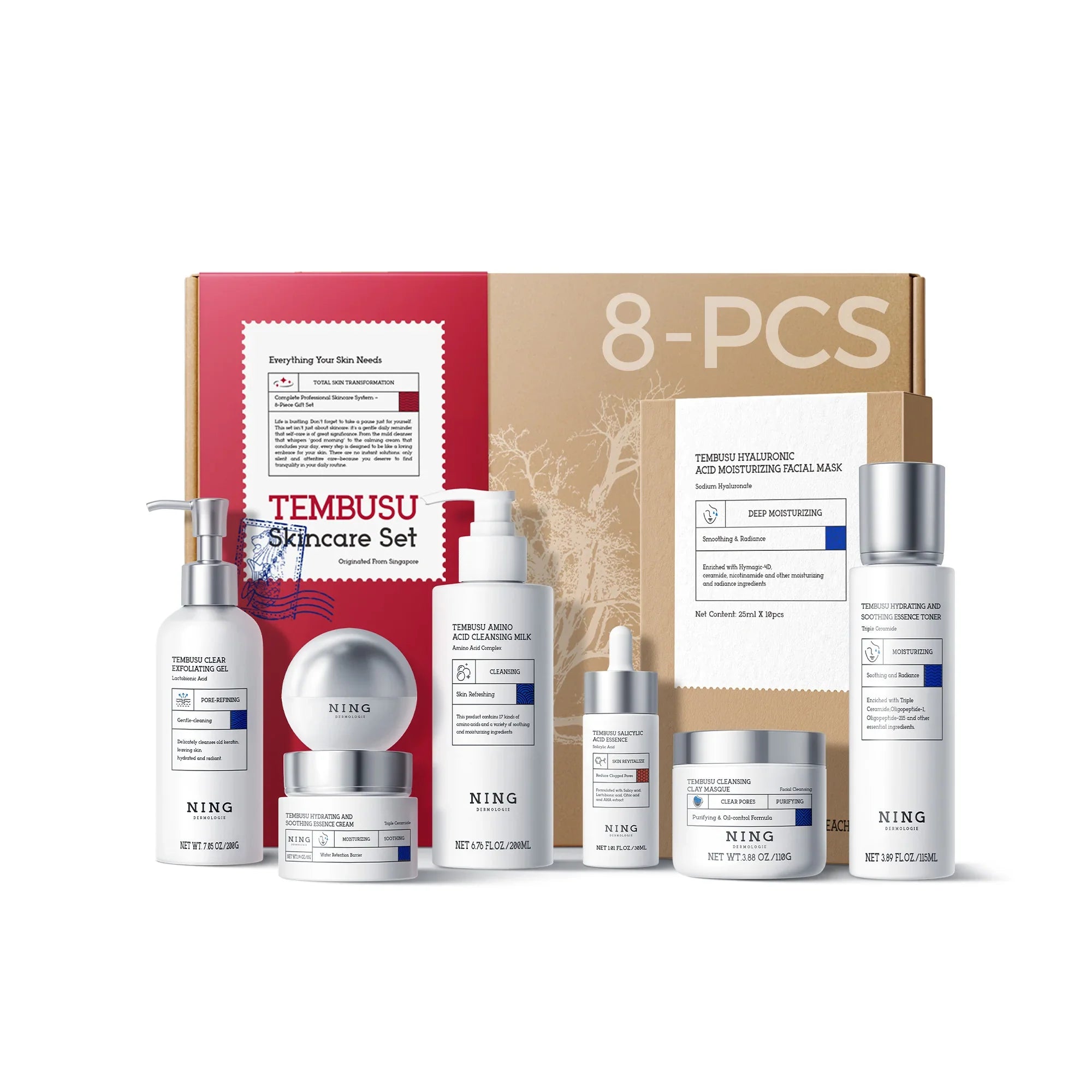
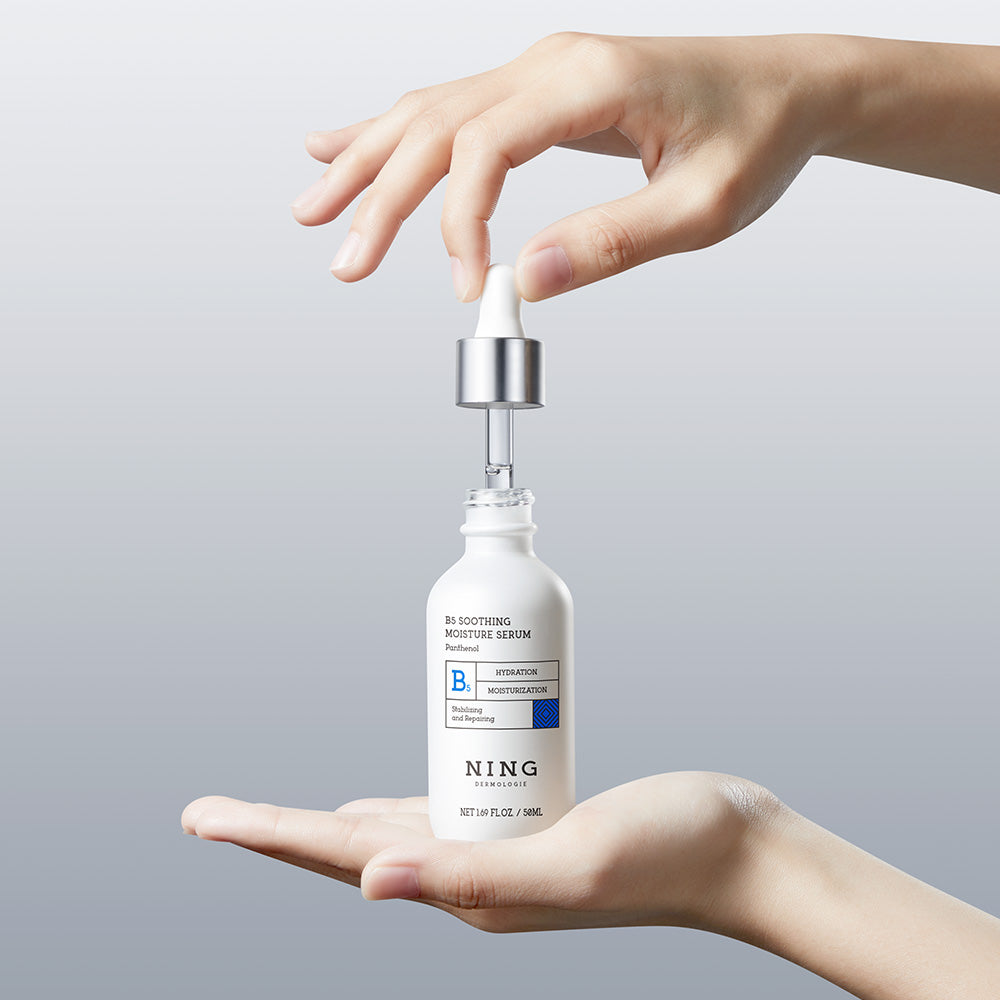
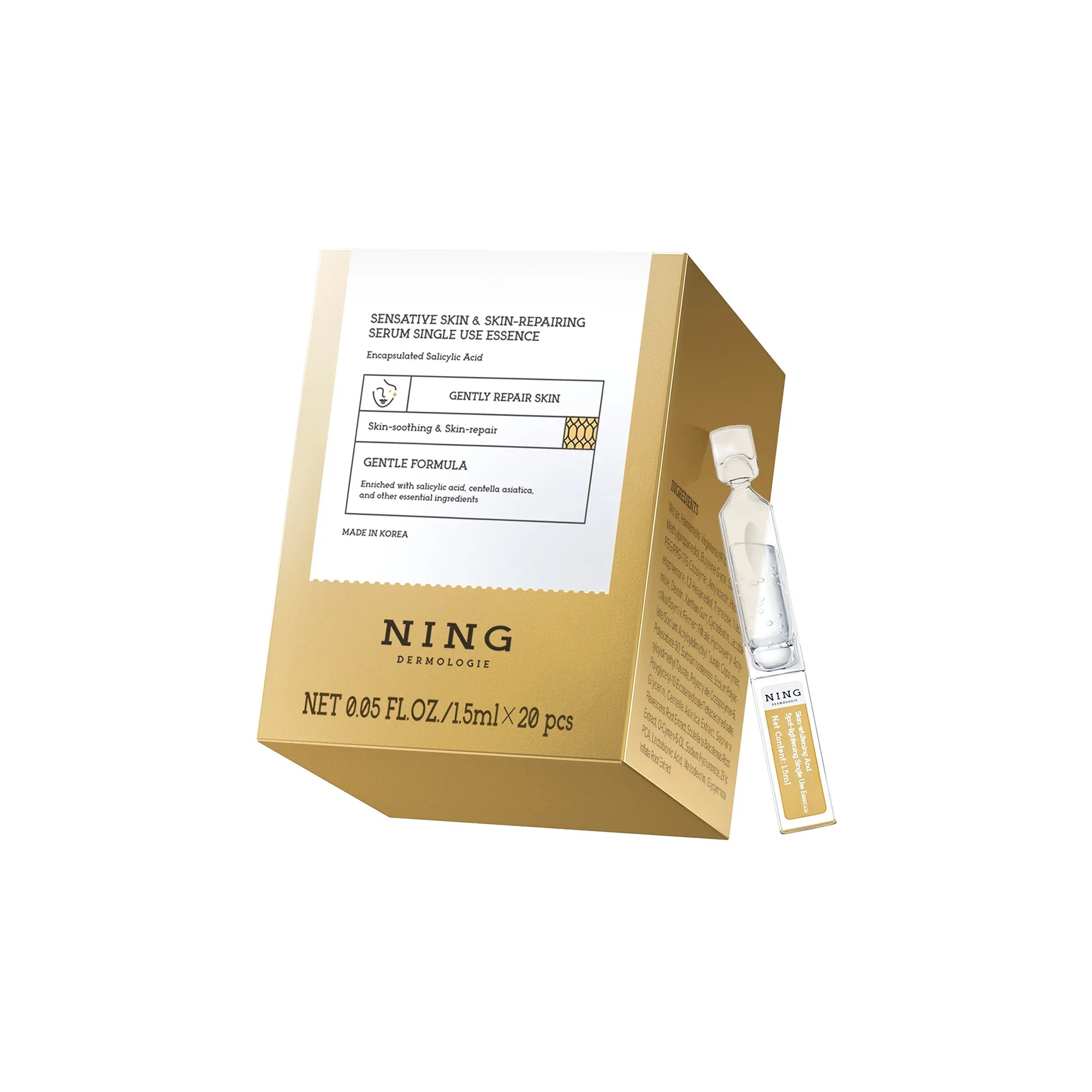
This is where the magic happens, and this is exactly why we formulated the NING Dermologie line. When your barrier is stripped, you need products that mimic the exact lipid ratio your skin naturally produces.
Apply your moisturizer while your skin is still slightly damp. This traps the maximum amount of water.
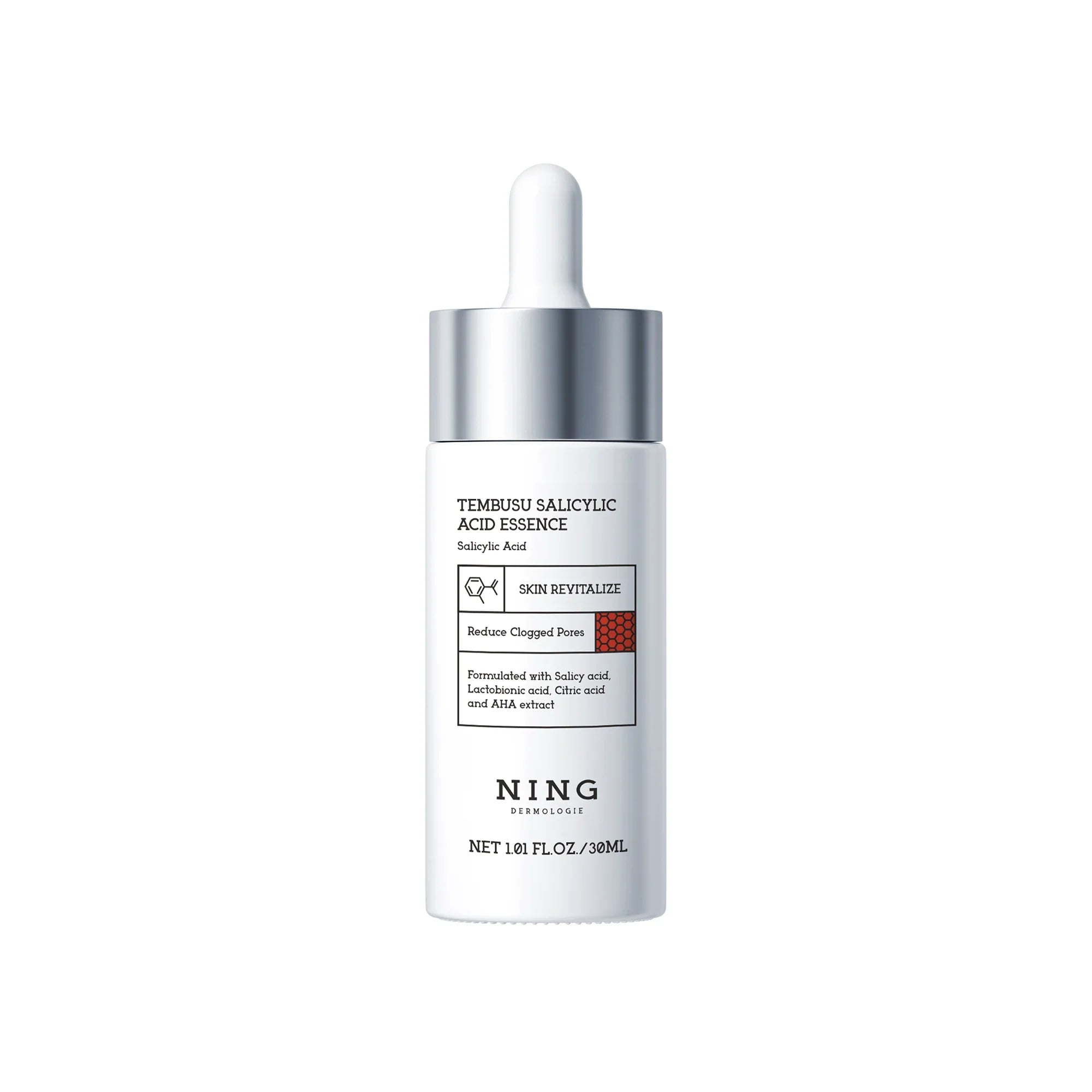
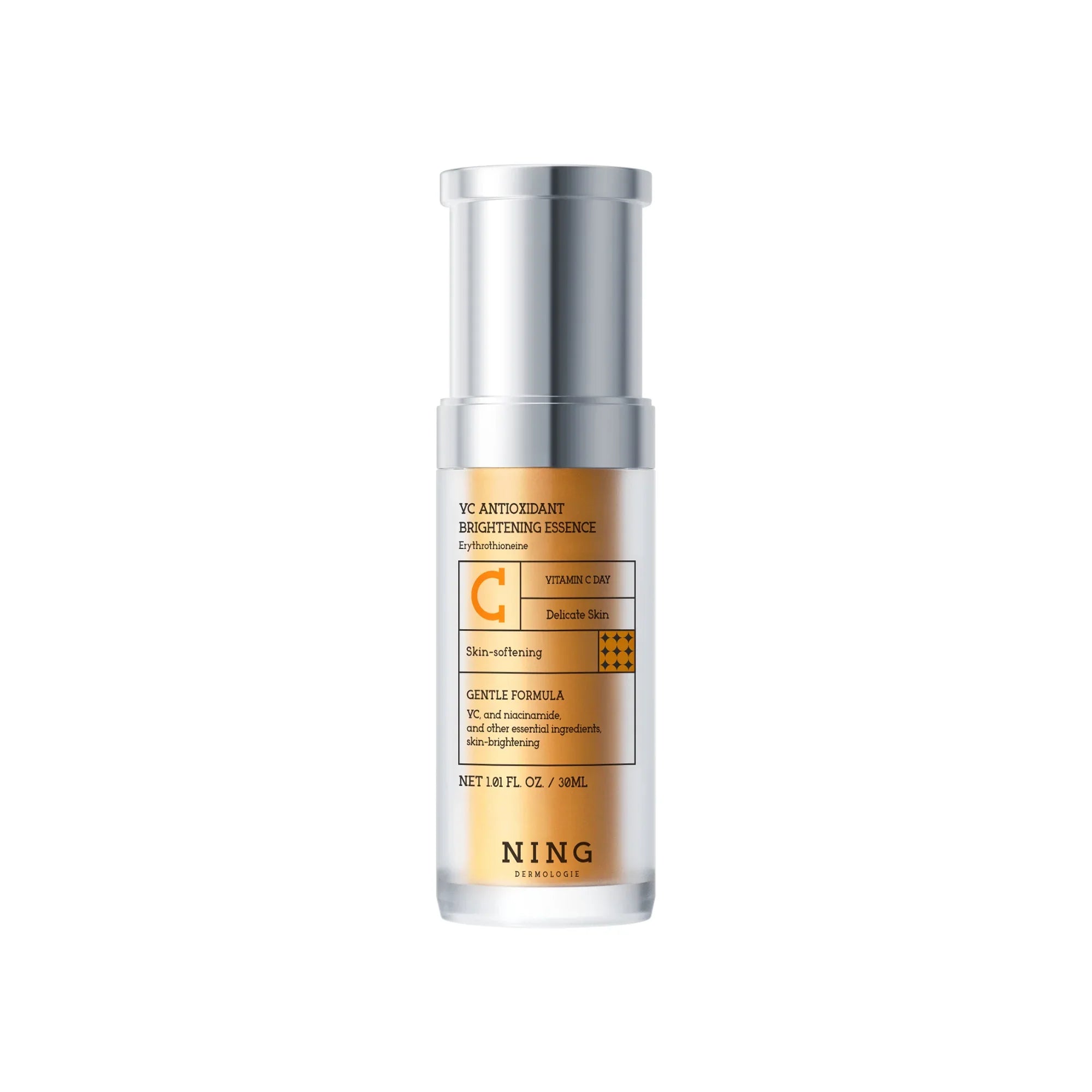
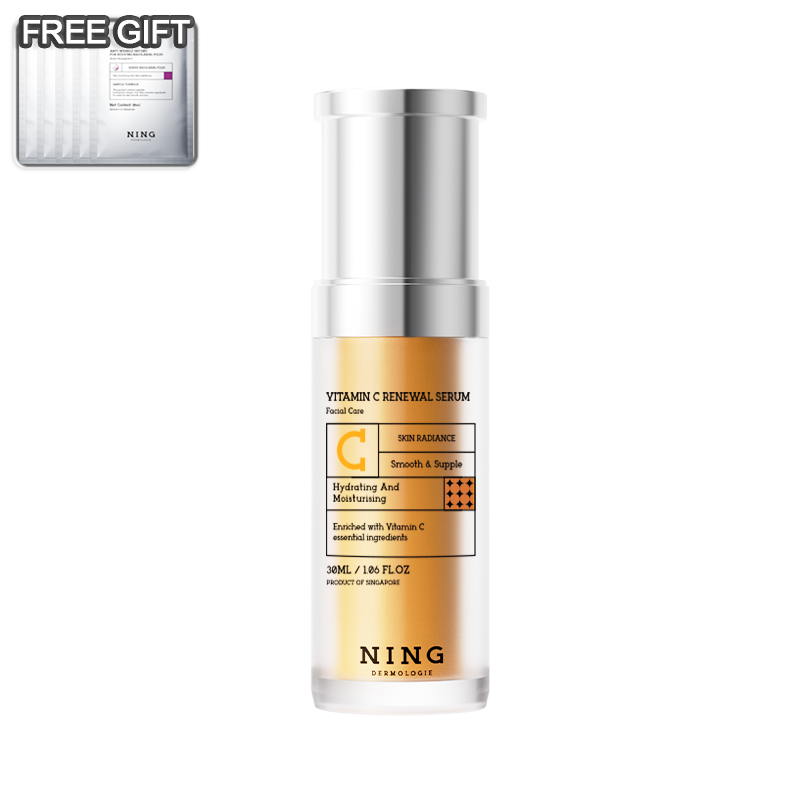
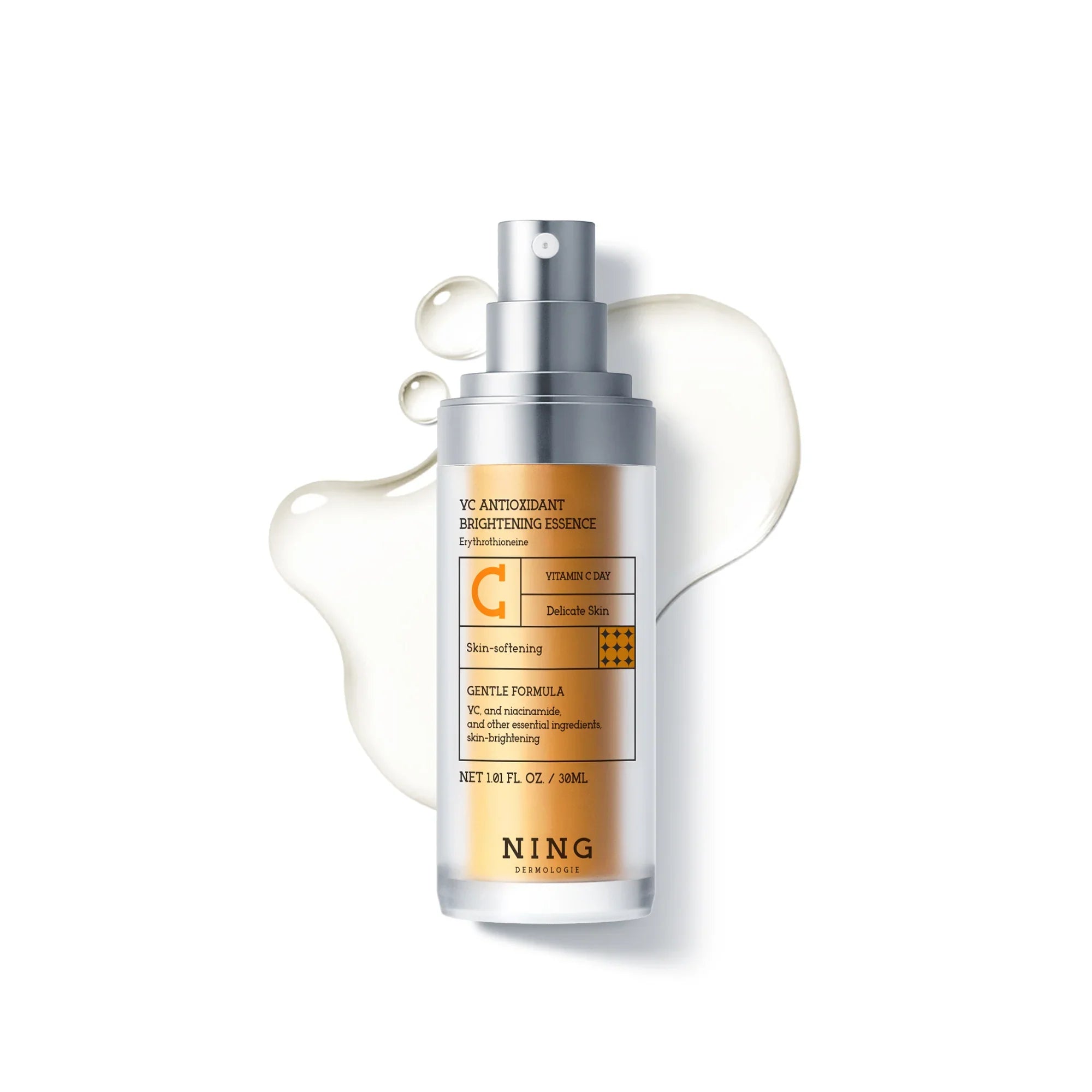
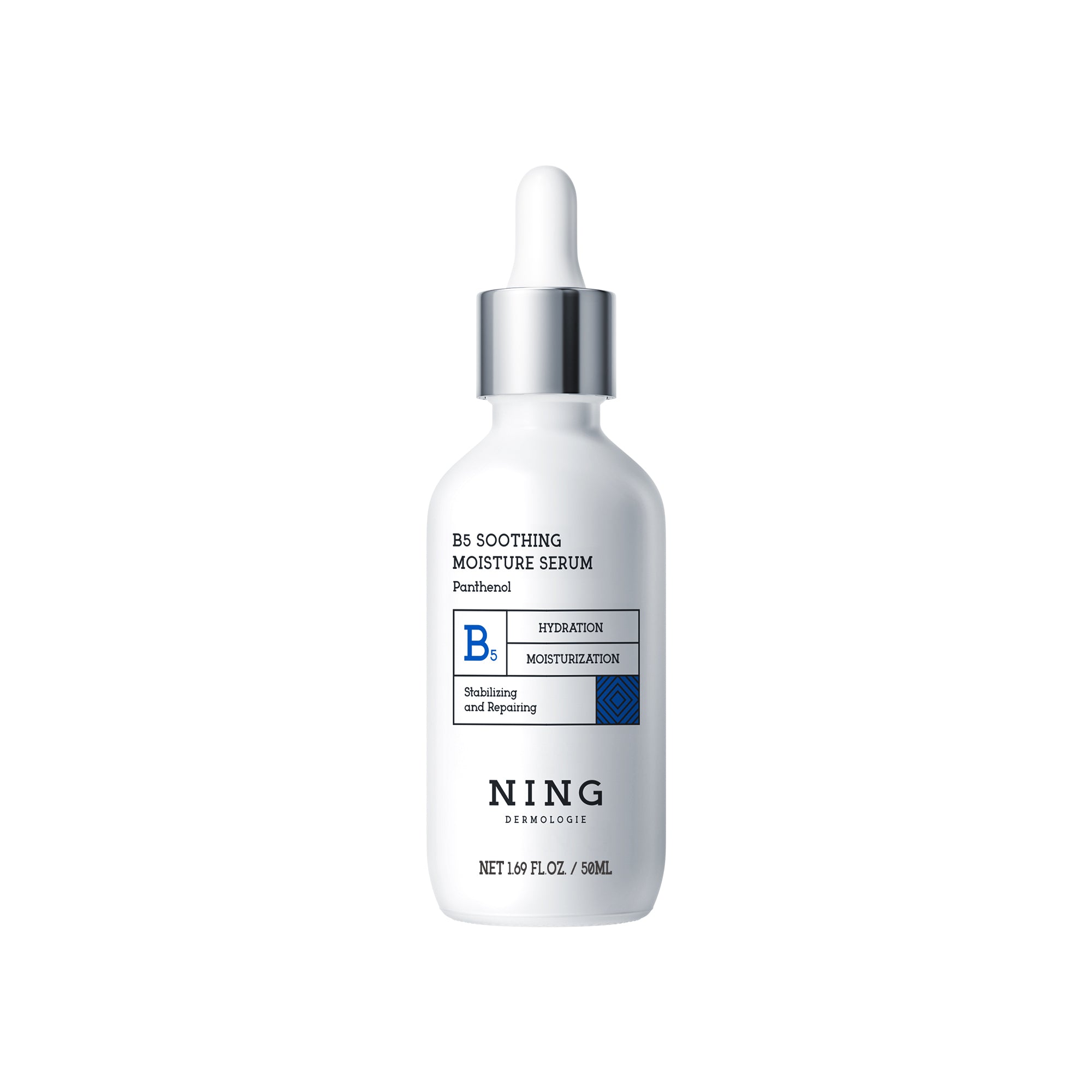
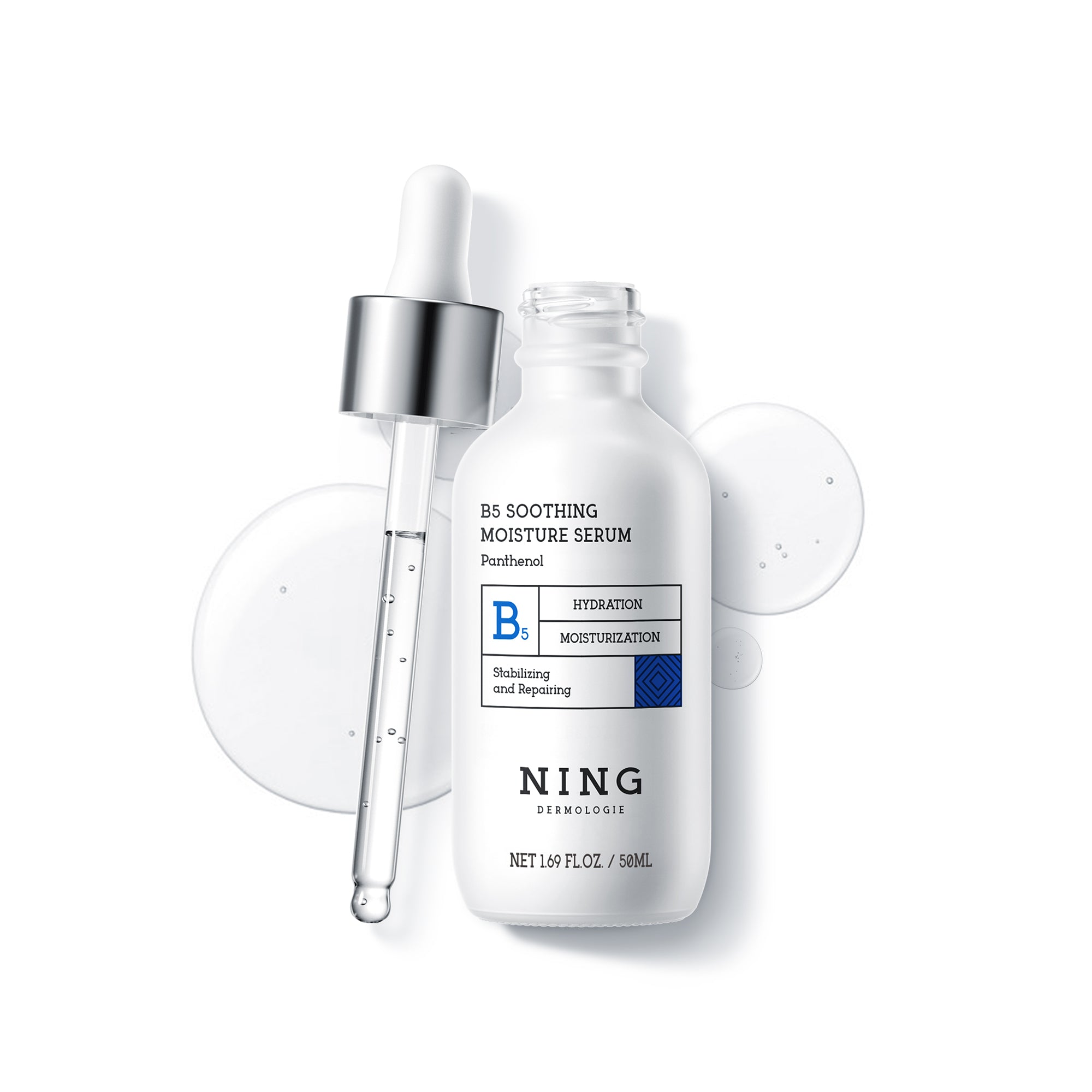
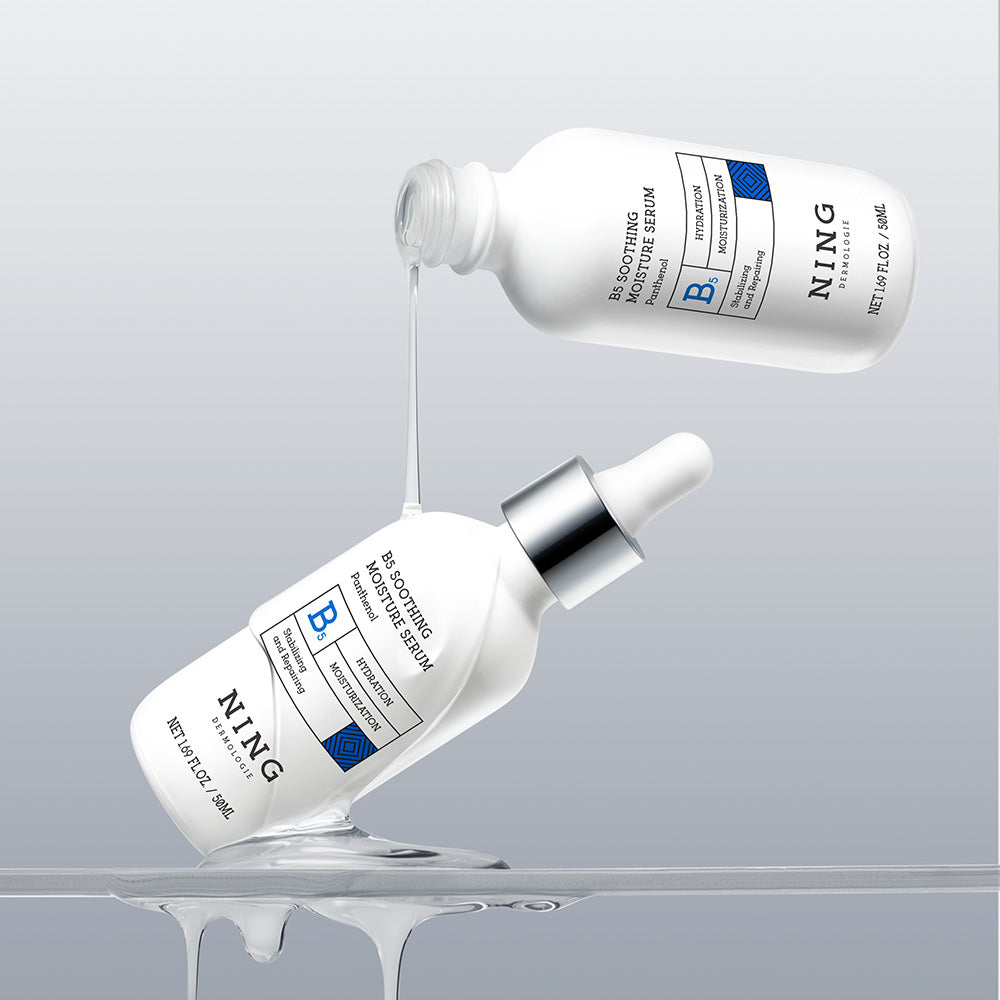
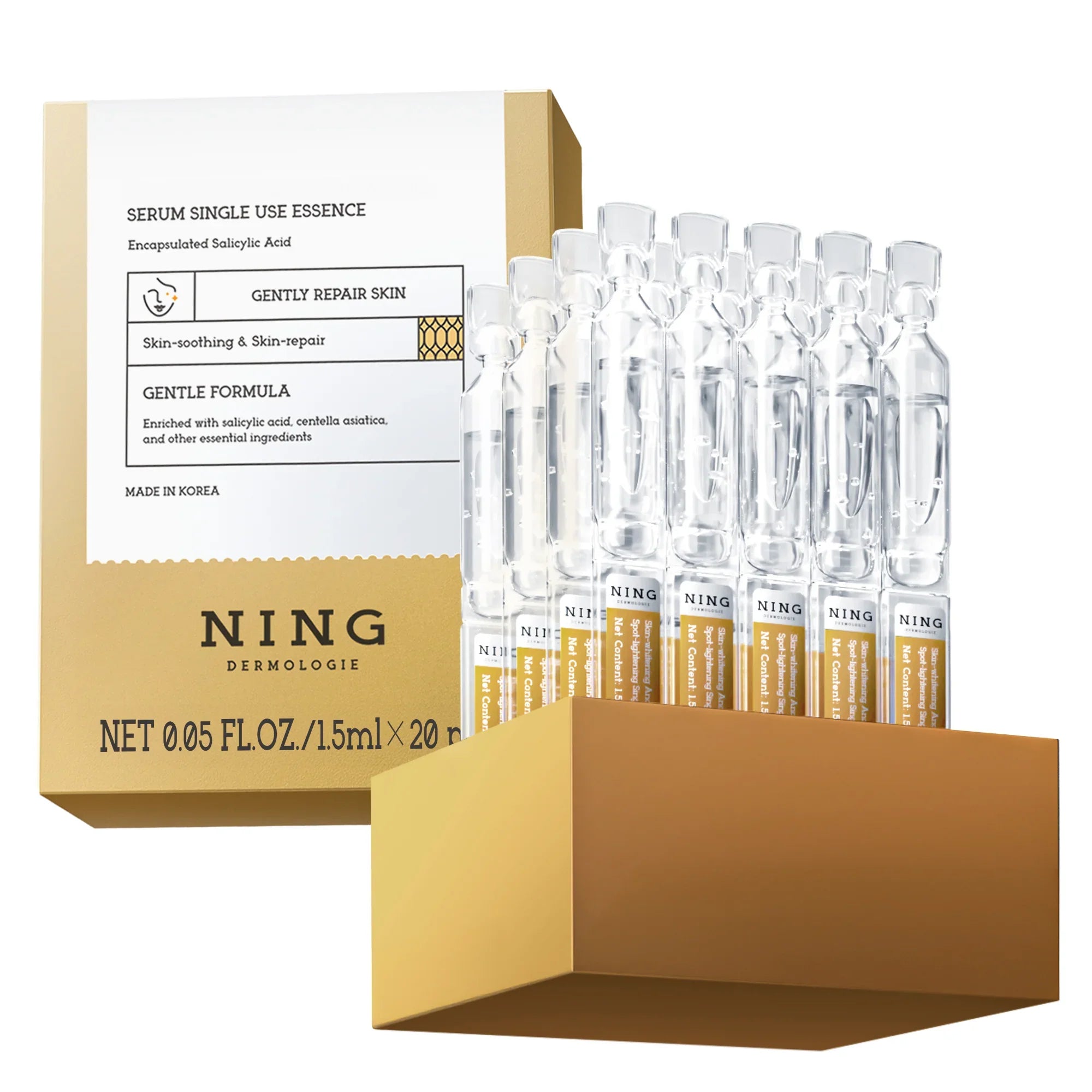
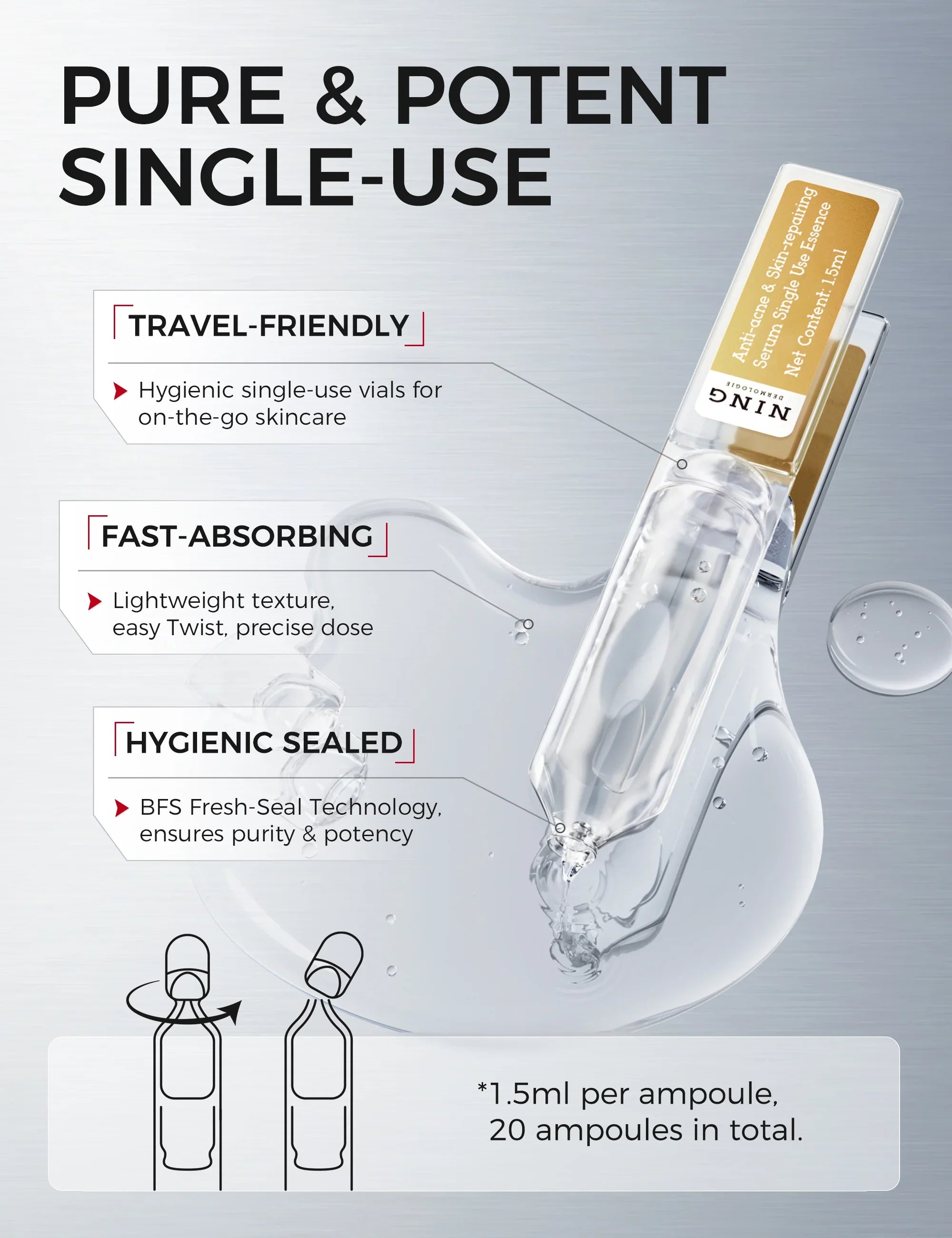
For severe redness and compromised barriers, we strongly recommend the NING Dermologie approach. Our Barrier Recovery System is built specifically for this crisis. It removes all unnecessary fillers and focuses entirely on structural repair. The serum delivers lightweight, bio-compatible hydration, while the cream acts as a breathable sealant to stop water loss and immediately suppress redness.
You aren't trying to "brighten" or "anti-age" right now. You are doing triage. Use the Barrier Recovery System morning and night. Nothing else.
Step 4: Sun Protection
Use a mineral-based sunscreen (zinc oxide or titanium dioxide) if you are going outside. Chemical filters can sting compromised skin.
Patience is the Final Ingredient
A broken barrier takes time to fix. It usually takes between two to four weeks of strict minimalism for the lipid matrix to rebuild itself. If you get bored after five days and decide to try a new exfoliating mask, you reset the clock back to zero.
Drink your water. Keep your routine painfully simple. Let your skin remember how to function on its own.

Frequently Asked Questions (FAQ)
Do I need to drink a gallon of water a day for glowing skin?
No. Chugging water just makes you pee more. Drink when thirsty, check your urine color, and eat water-rich foods. Skin hydration relies way more on trapping moisture with a good barrier cream than drowning your insides.
My face burns when I apply my normal moisturizer. What do I do?
Stop using it. Your barrier is compromised. Switch to a bare-bones routine. Wash with water only in the morning. Use a dedicated repair product like the NING Dermologie Barrier Recovery System until the stinging completely stops.
Can I still use my BHA/AHA if my skin is red?
Absolutely not. Put the acids in a drawer. Using chemical exfoliants on a damaged barrier is like pouring rubbing alcohol on an open wound. Give it at least three to four weeks of pure hydration and repair first.
Does drinking sports drinks help my skin barrier?
Rarely. Most are loaded with sugar, which can trigger inflammation and breakouts. Unless you just ran a marathon and lost heavy sodium through sweat, stick to plain water or flavor-infused water without the sticky additives.
How long does it actually take to fix a broken skin barrier?
Generally, two to four weeks if you strictly stick to minimalist skincare. Your skin needs time to regenerate its lipid matrix. If you keep testing new serums during this period, you’ll just reset the clock. Patience is mandatory.





Share:
Best Acne Control Duo for Breakouts, Oiliness, and Skin Irritation
Best Serum and Cream Duo for Skin Barrier Repair and Daily Comfort