



If you have acne-prone skin, your bathroom counter probably looks like a graveyard of half-used bottles. You’ve scrubbed. You’ve peeled. You’ve probably compromised your skin barrier more times than you care to admit.
We get it. The feeling of excess oil sliding down your T-zone by 2 PM is frustrating. It makes you want to nuke your face with the strongest thing you can find. But if there is one thing any board-certified dermatologist will tell you, it's that nuclear options usually backfire.
Enter the salicylic acid cleanser.
It’s not new. It’s not "viral" in the way some gimmicky beauty products are. But it works. If you’ve ever watched a video by Dr. Pimple Popper (aka Sandra Lee, MD) and wondered how to stop those clogged pores before they turn into a crater, this is your answer.
But not all face washes are created equal. Some are gentle dreams; others are essentially paint thinner. Here is how to navigate the aisle without ruining your face.

The "Why" (Without the Boring Chemistry Lecture)
You’ve heard of alpha hydroxy acids (AHAs) like Glycolic acid or Mandelic acid. Those are great, but they are water-soluble. They work on the surface.
Salicylic acid is a beta hydroxy acid (BHA). It’s oil-soluble. This is the game-changer. It doesn’t just sit on top of your skin; it dives into the pore, bypasses the oil, and dissolves the "glue" holding dead skin cells together. It’s a keratolytic agent, which is fancy speak for "it unblocks things."
Think of it this way: AHAs sweep the floor; BHA unblocks the drain.
If you are dealing with blackheads, whiteheads, or just bumpy skin texture, you need a BHA. It regulates skin cell turnover, preventing that backlog of debris that leads to a breakout.
The Problem with Most Drugstore Cleansers
Here is where people mess up. They buy a foaming cleanser loaded with 2% salicylic acid and harsh sulfates (SLS), use it twice a day, and then wonder why their face hurts.
When you strip your skin of all its natural oils, it panics. It thinks, "We're drying out! Emergency!" and ramps up oil production to compensate. You end up oilier than before, but with flaky, irritated patches. It’s a nightmare.
You need a facial cleanser that exfoliates without destroying the ecosystem of your face.
The "Smart" Choice: Balancing Act
This is why we are seeing a shift toward "cushiony" formulas. Formulas doctors trust are moving away from the "squeaky clean" feeling.
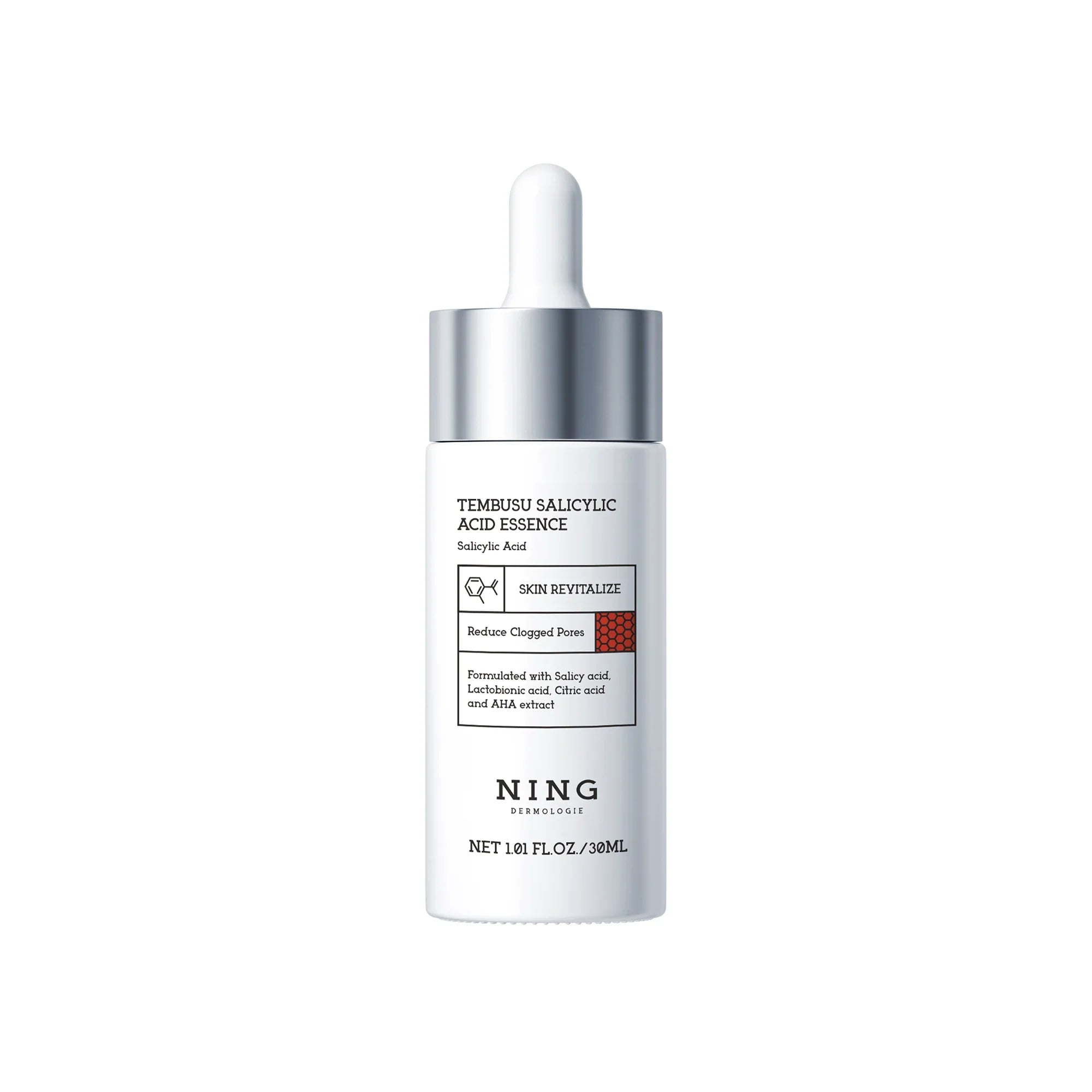
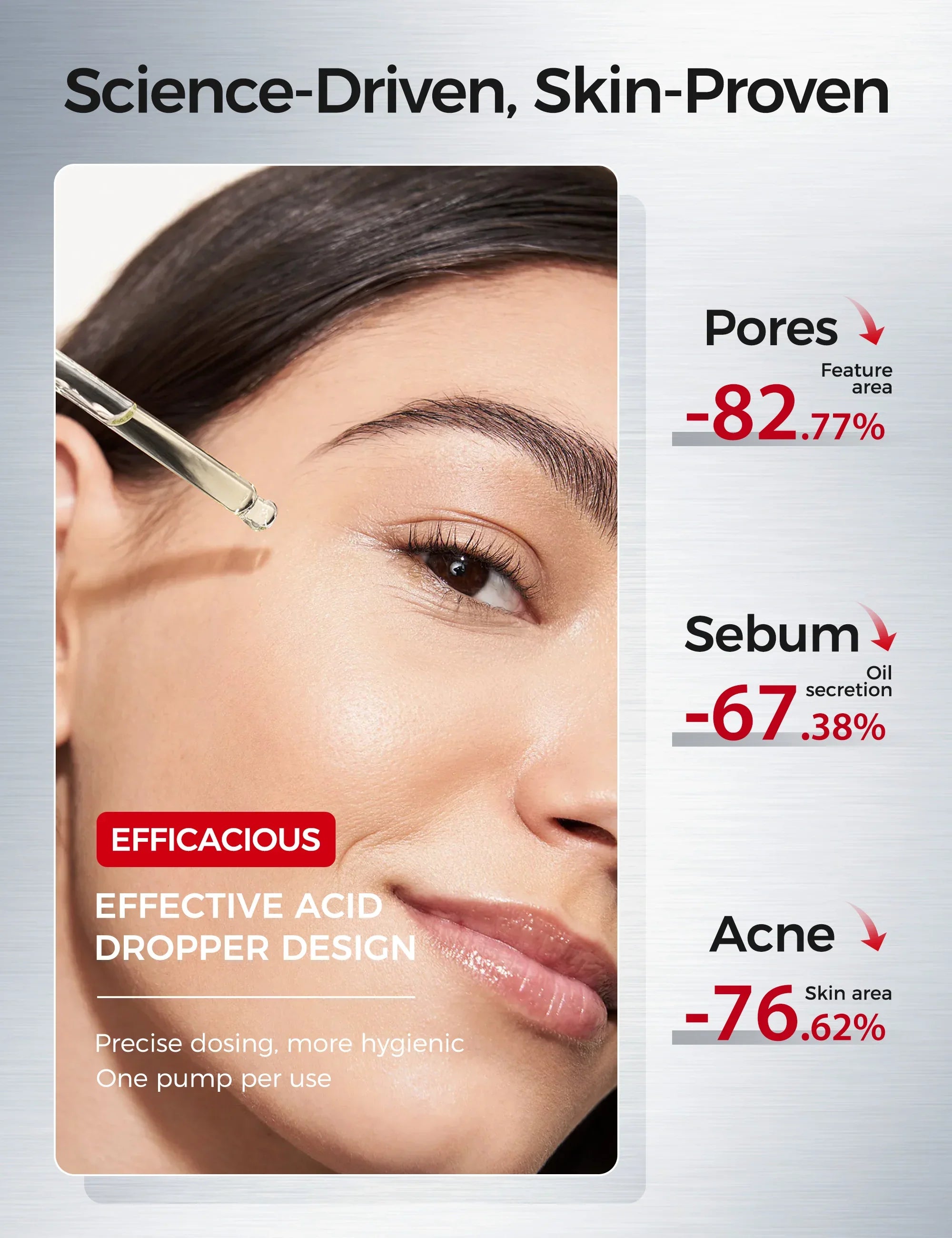
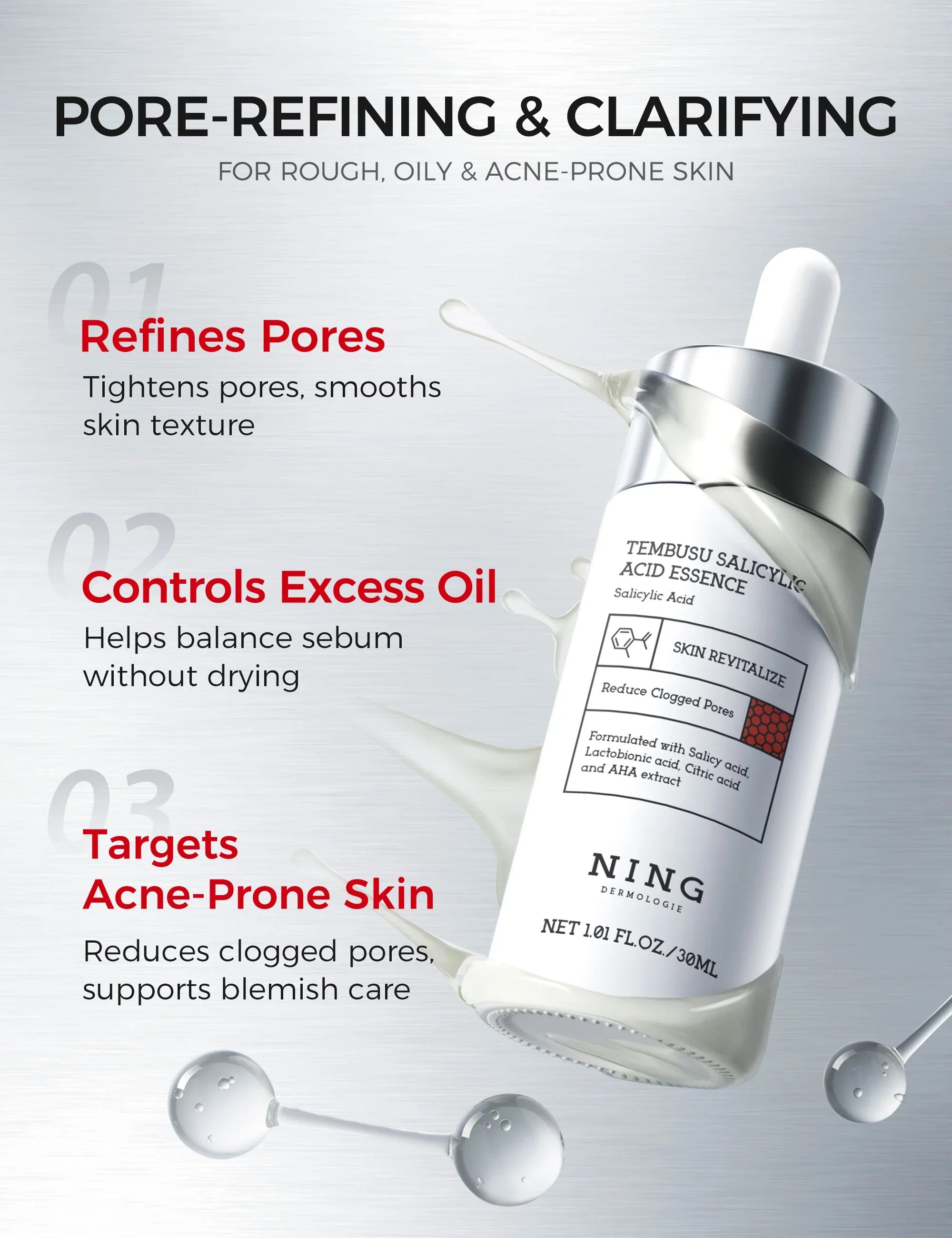
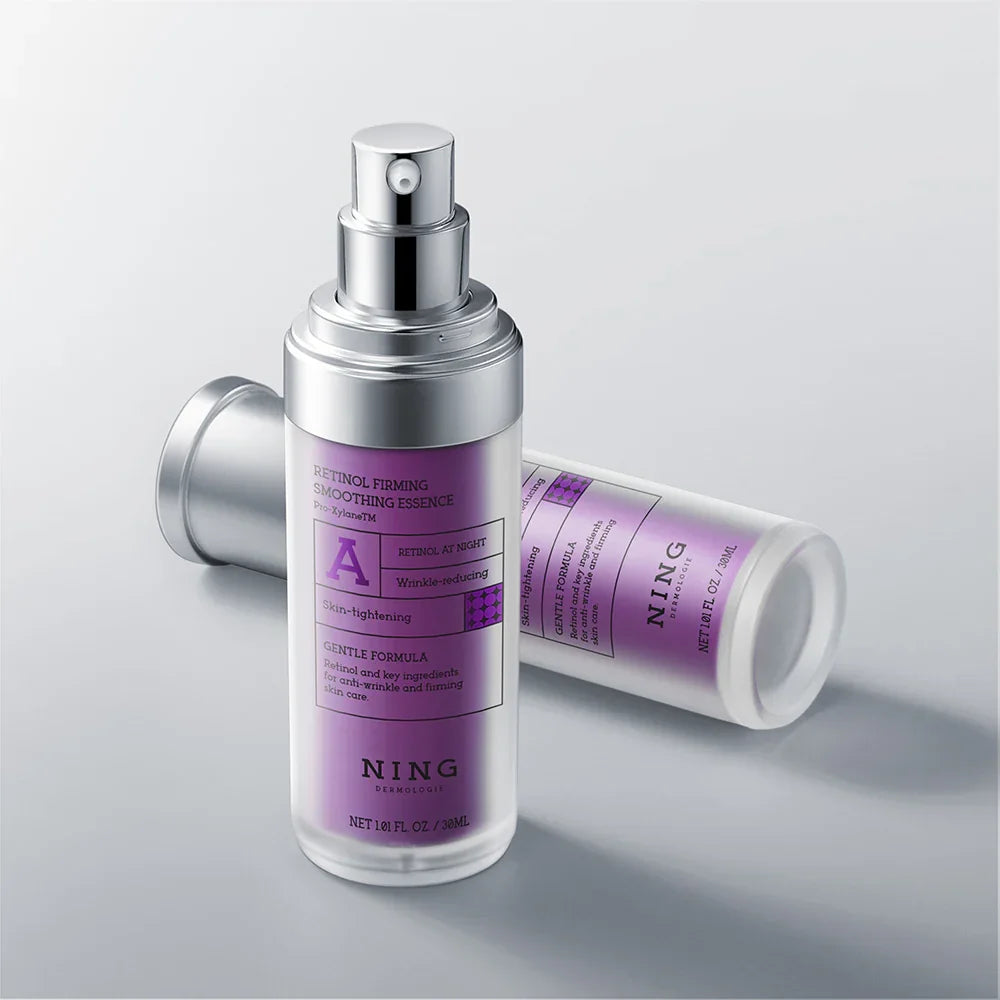
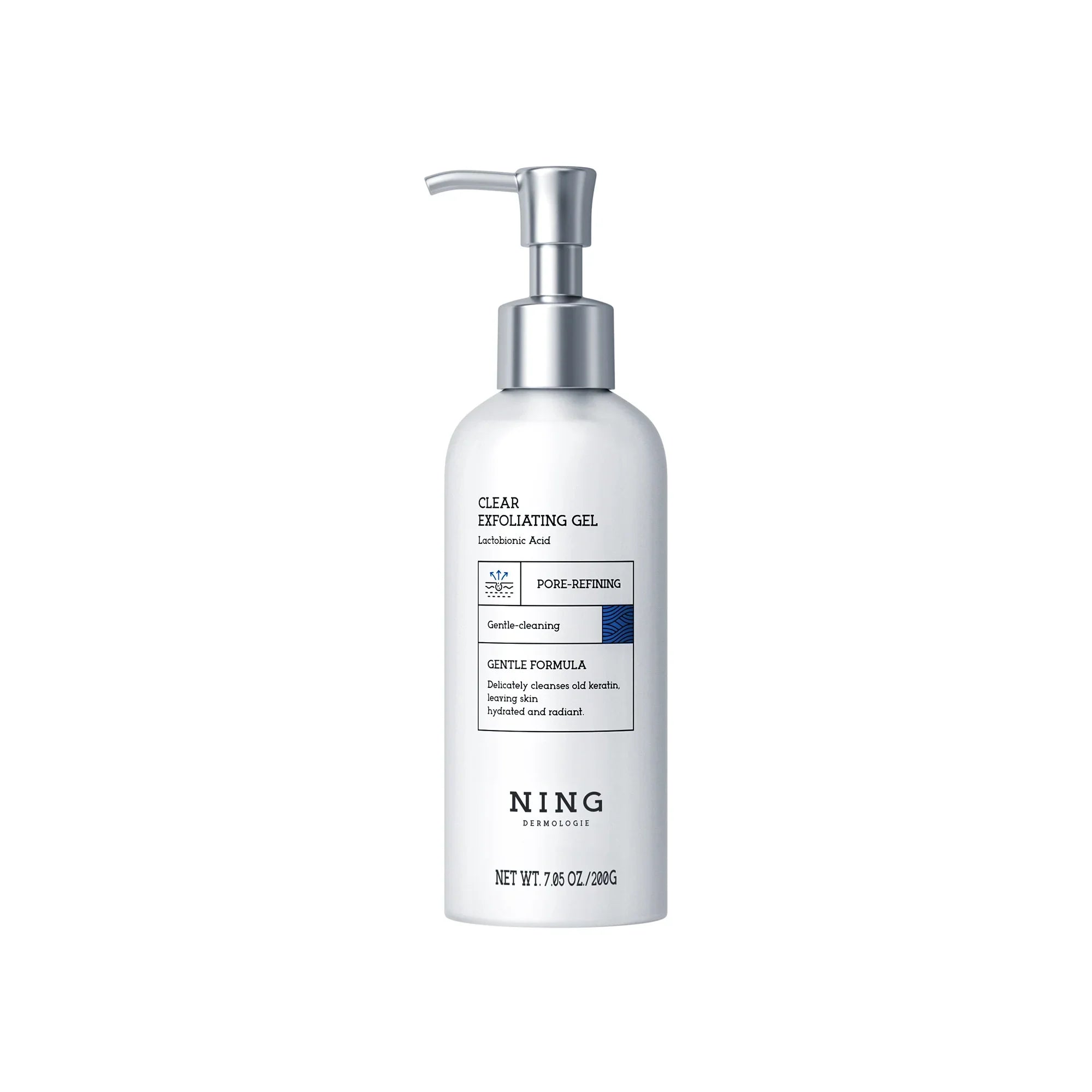
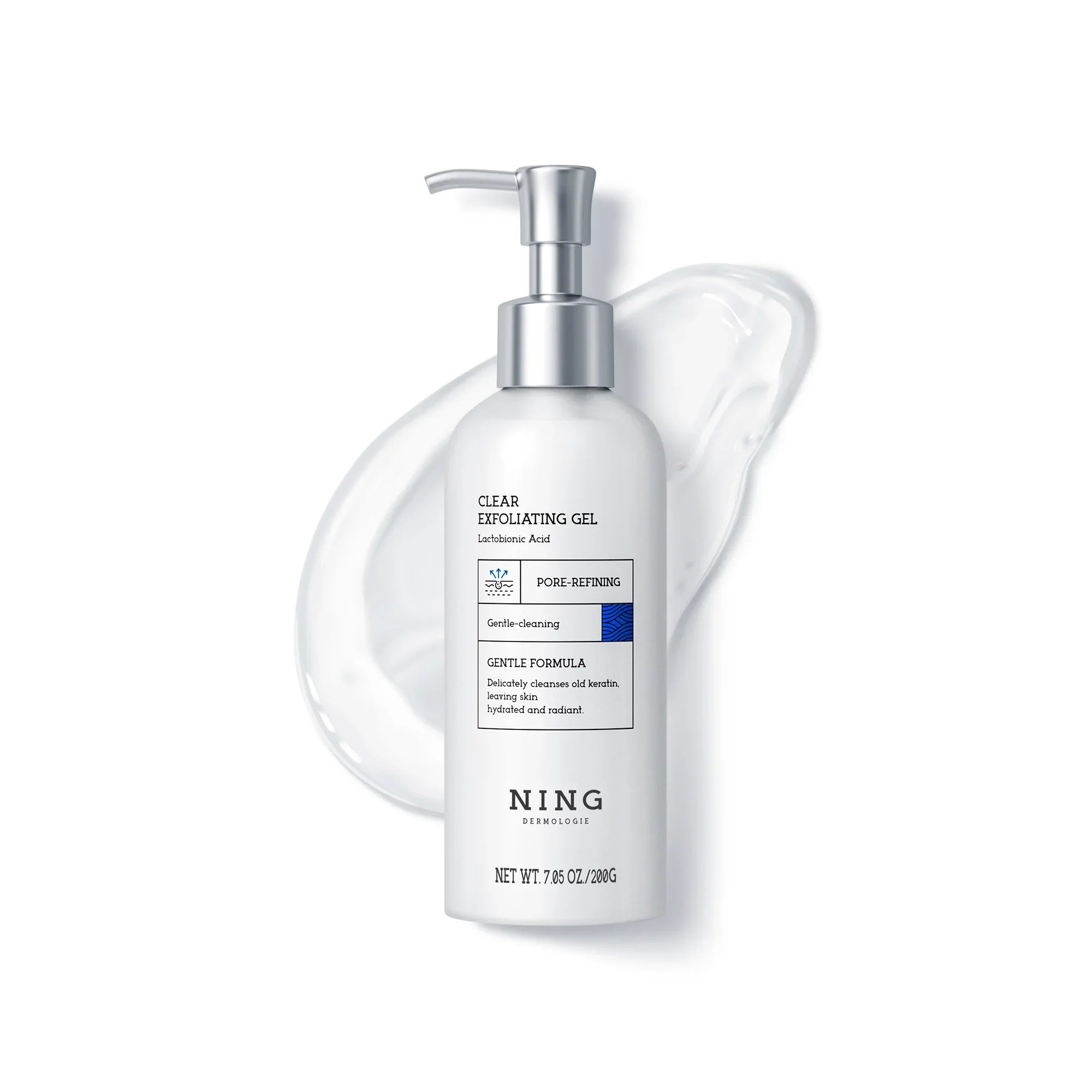
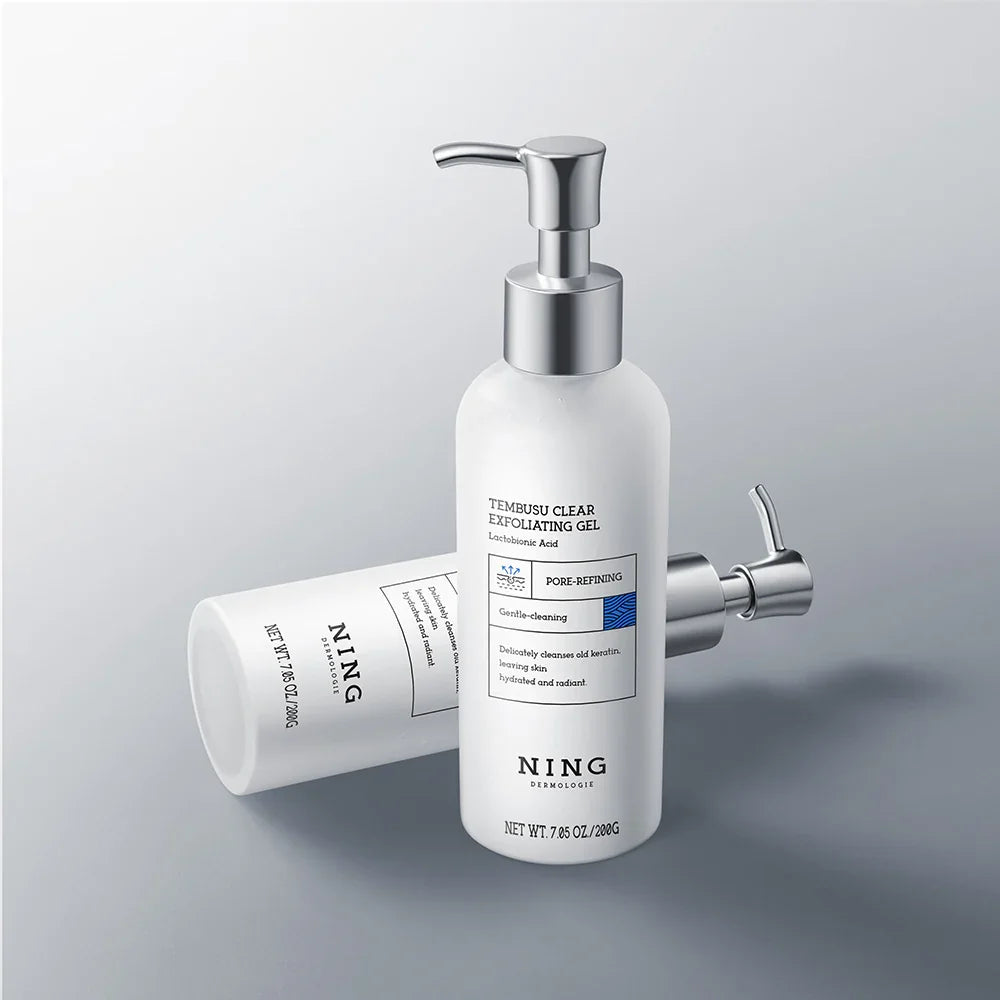
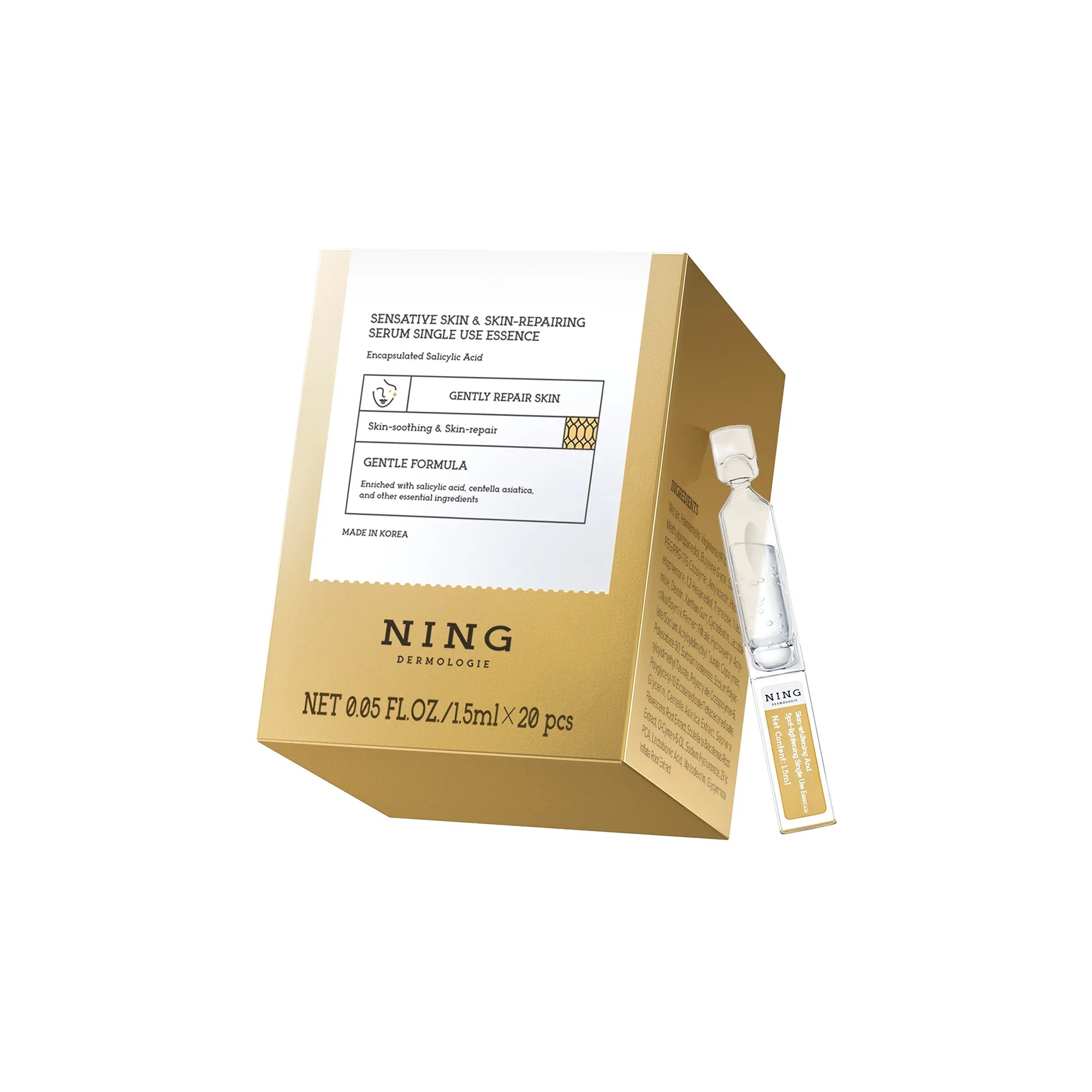
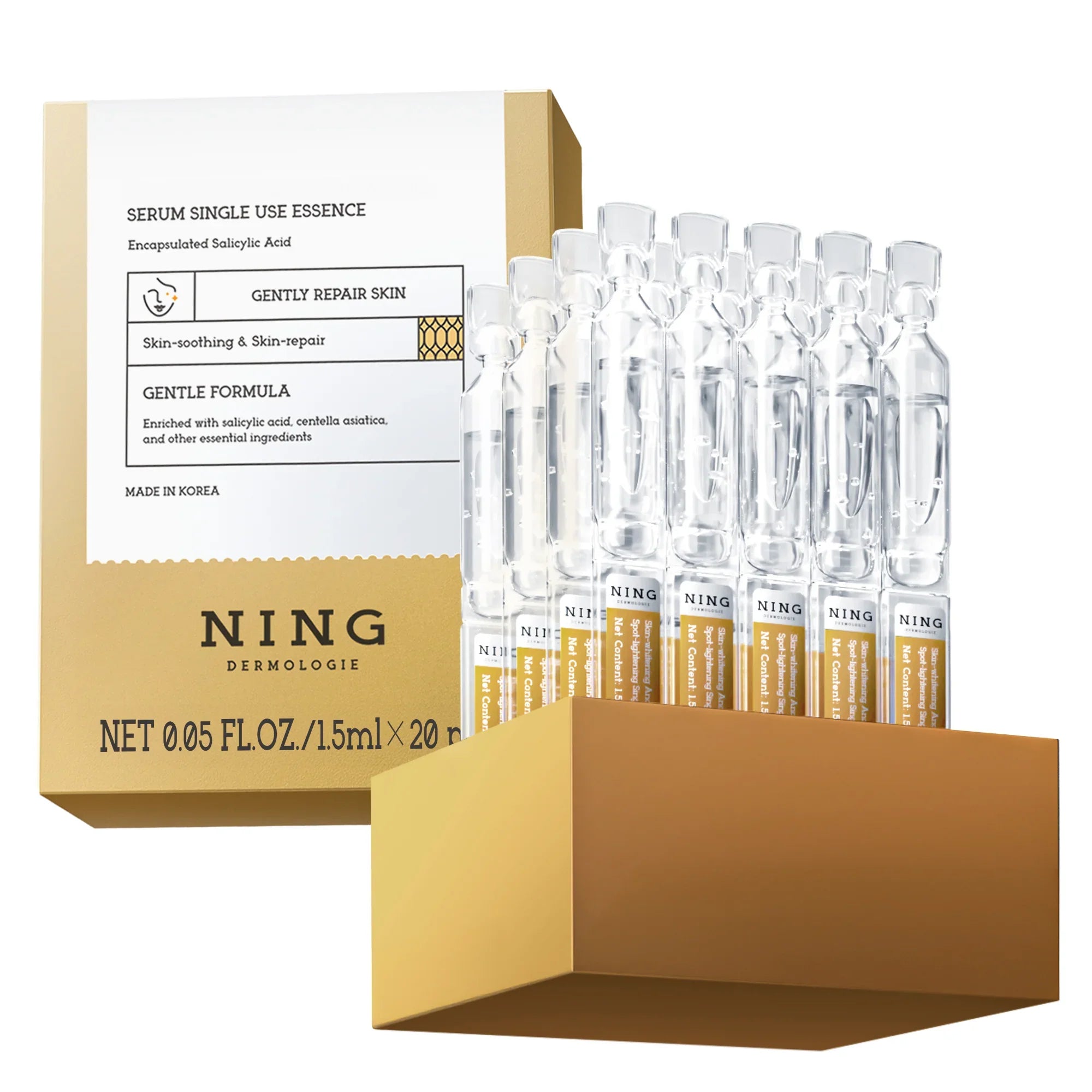
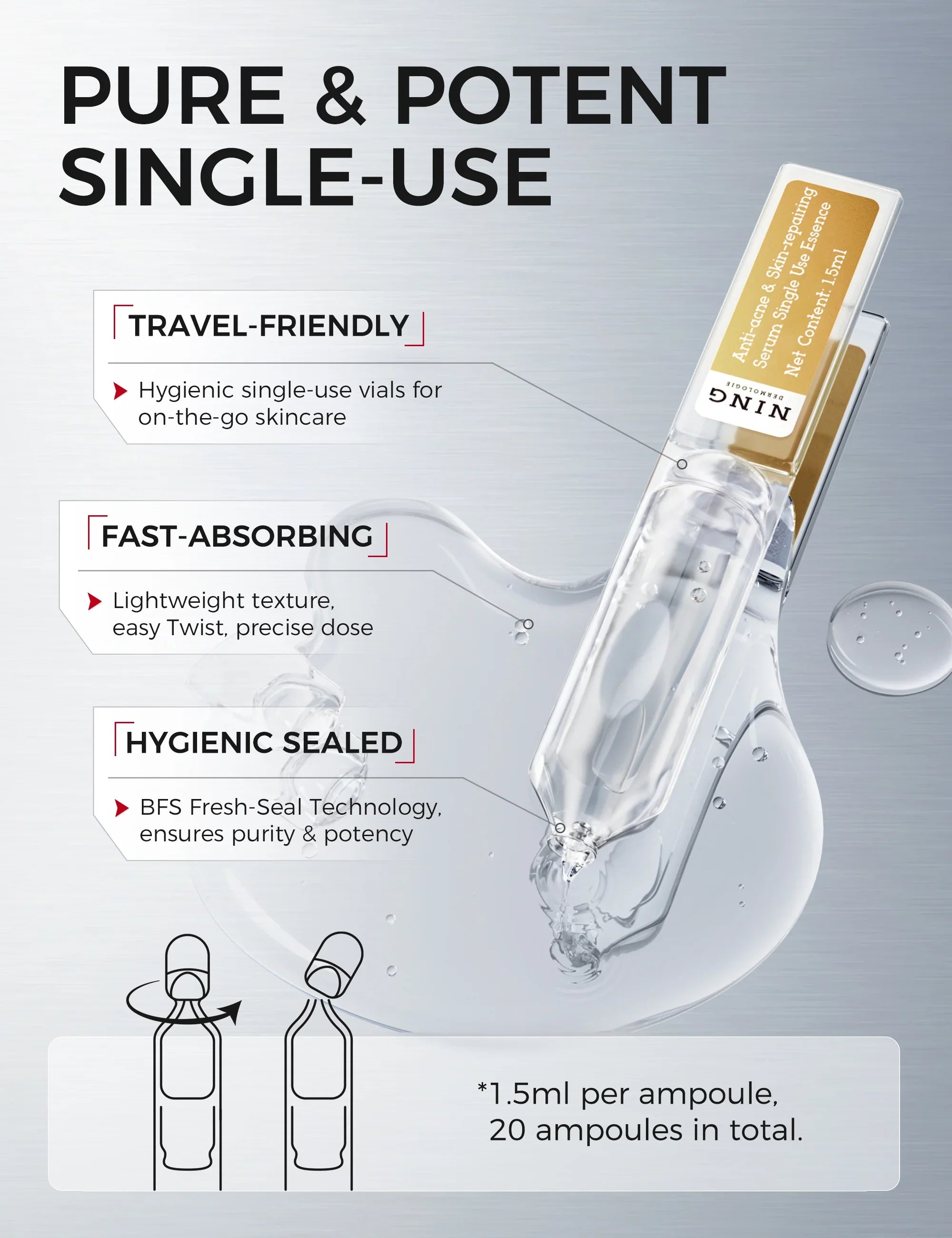
A standout example of this new philosophy is NING Dermologie.
Their Amino Acid Facial Cleanser with Salicylic Acid is interesting because it flips the script. Instead of cheap soaps, they use an amino acid base. Amino acids are gentle. They clean the oil buildup without stripping the lipids you actually need.
It pairs the acne control power of salicylic acid with a base that respects your pH. It’s a solid pick if you have sensitive skin that usually freaks out at the mention of "acid." It’s effective enough to handle breakout control, but you won’t feel like your face is cracking when you smile.
The Landscape: Other Heavy Hitters
Depending on your specific skin type, you might look at other options. The market is huge.
- The French Approach: La Roche-Posay Effaclar is legendary for a reason. They use Lipo-hydroxy acid (LHA), a derivative of salicylic acid that exfoliates cell-by-cell. It’s incredibly precise. Their Toleriane Hydrating Gentle Face Cleanser is the backup plan if you overdo it.
- The Body Option: If you have Keratosis Pilaris (those annoying bumps on your arms), don't waste the expensive stuff. Grab a big bottle of Neutrogena Evenly Clear Acne Cleanser. It’s rougher, but the skin on your body is tougher.
- The Hydration Station: CeraVe is the safe bet. Their Acne Control Cleanser is packed with ceramides and hyaluronic acid. It’s boring, but boring is good when your barrier is compromised.
- The Natural-ish Route: Brands like Caudalie Vinopure Salicylic Acid Serum (and the matching wash) use BHA derived from willow bark. It’s a different vibe, often heavier on the botanicals.
How to Actually Use It (You’re Probably Doing It Wrong)
Buying the product is easy. Using it correctly? That’s where most people fail.
1. The 60-Second Rule
This is the hill I will die on. If you splash the NING Dermologie cleanser on and rinse it off in ten seconds, you just washed money down the drain. Chemical exfoliants need time to activate. Massage it in. Sing the alphabet. Count to 60. Let the BHA eat the gunk.
2. Don’t Double Down on Actives
If you are using a salicylic acid cleanser, do NOT follow it up with Paula's Choice Skin Perfecting 2% BHA Liquid Exfoliant and then a benzoyl peroxide cream. You will burn your face off. Choose one warrior. If the wash is the active, let the serum be chill. Maybe a Vitamin C (like Skinceuticals Silymarin CF) in the morning, or just a good moisturizer.
3. Watch the Retinol
Using Good Molecules Overnight Exfoliating Treatments or strong retinoids? Skip the medicated wash that night. Use a bland cleanser.
4. Sunscreen is Non-Negotiable
Exfoliating acids expose fresh, baby skin. That skin is vulnerable. If you don't wear Sunscreen SPF, the UV rays will darken your post-acne discoloration and dark spots. Find a matte one, like Clinique UV Solutions Mattifying Sunscreen SPF 50, so you don't feel greasy.
Ingredients: The Good, The Bad, and The Necessary
When scanning the back of a bottle, look for friends that help the medicine go down.
- Aloe Vera and Centella Asiatica: These are your fire extinguishers. They calm the redness often associated with hormonal breakouts.
- Polyhydroxy acid (PHA): Sometimes found in blends, helps hydrate while exfoliating.
- Thermal Spring Water: A staple in La Roche-Posay; adds minerals that soothe irritation.
Avoid: Physical scrubs (walnut shells, apricot pits) if you are already using a BHA wash. You don’t need to sandblast your face.
The Bottom Line
You don't need a 10-step routine to fix skin concerns. You need consistency.
If you have Normal and Oily Skin, a dedicated BHA wash is the workhorse of your routine. It handles fine lines (mildly), clears dead skin cells, and stops the clog before it starts.
Whether you go for the drugstore staple or the refined, balanced approach of the Amino Acid Facial Cleanser with Salicylic Acid from NING Dermologie, the key is patience. Give it a month. Let the cellular turnover do its thing.
Clear skin isn't magic. It's just chemistry and discipline.

Frequently Asked Questions (FAQ)
Q1: Can I use a salicylic acid cleanser every day?
A: Usually, yes. If you have oily skin, daily use keeps pores clear. But if you feel tight or dry, alternate it with a gentle, non-active wash. Listen to your skin—if it stings, dial it back.
Q2: Will this help with acne scars?
A: It helps prevent new ones. For old, dark marks (post-acne discoloration), it offers mild exfoliation, but you’ll see faster fading by adding Vitamin C or Azelaic acid to your routine. BHA is for active clogs; scars need brighteners.
Q3: Is "purging" real or am I just breaking out?
A: It’s real. BHA speeds up cell turnover, pushing deep gunk to the surface. You might get small whiteheads for 2-4 weeks. If it lasts longer, or if it’s itchy and red, that’s irritation, not purging. Stop using it.
Q4: Can I use this with Vitamin C?
A: Yes. A common routine is a BHA wash in the morning followed by Vitamin C and sunscreen. They work well together—the wash clears the path for the Vitamin C to penetrate better. Just monitor for stinging.
Q5: Is it safe for pregnancy?
A: Most doctors say wash-off products with less than 2% salicylic acid are safe because absorption is low. However, high-strength peels are a no-go. Always ask your OB-GYN just to be safe before starting any new active ingredients.





Share:
The Emergency Edit: Finding Fast Shipping for Salicylic Acid Cleansers When Your Skin Can’t Wait
Salicylic Acid Face Wash: Is Stronger Always Better? Finding Your Formulation Sweet Spot