



The Power of Salicylic Acid: Why Your Acne-Prone Skin Needs This BHA Ritual
You wake up on the morning of a big presentation or a long-awaited date, only to find a stubborn, painful blemish has decided to take up residence on your chin. It is frustrating, demoralizing, and feels incredibly unfair. For many of us, the battle with acne doesn't end in our teens; it follows us into adulthood, dictated by hormones, stress, and environmental pollutants.
If you have spent any time scouring skincare forums or watching dermatologists on social media, you have likely heard the term salicylic acid whispered like a magic spell. But what makes this specific acid so different from the hundreds of other treatments lining the shelves? At NING Dermologie, we believe that understanding the "why" behind your skincare is just as important as the "how." Let’s dive deep into the power of salicylic acid and how it can fundamentally transform acne-prone skin.

What is Salicylic Acid? Let’s Talk Biology
To truly learn about salicylic acid, we need to look at its chemical structure. Unlike glycolic acid or lactic acid—which are Alpha Hydroxy Acids (AHAs)—salicylic acid is a beta-hydroxy acid (BHA). This one distinction is the reason it is the undisputed heavyweight champion of acne treatment.
While AHAs are water-soluble and work primarily on the skin's surface to exfoliate the skin and fade dark spots, salicylic acid is oil-soluble. Why does this matter? Because our pores are filled with sebum (oil). A water-soluble acid simply bounces off the surface, but a BHA can penetrate deep into the pore lining. Once inside, salicylic acid works by breaking down the "glue" (desmosomes) that holds dead skin cells together.
When you use a high-quality salicylic acid serum, you aren't just washing the surface; you are effectively "unclogging the pipes." This is why salicylic acid is widely regarded as the gold standard for anyone dealing with acne or chronic blackheads.
How Salicylic Acid Works on Acne and Clogs
The lifecycle of a pimple usually starts with a "microcomedone." This is an invisible clog where dead skin cells and oil get trapped inside a follicle. If bacteria (C. acnes) join the party, you get inflammation, redness, and eventually, a pustule.
Salicylic acid penetrates the follicle and begins to dissolve these clogs before they can turn into visible breakouts. It is both a treatment for existing acne vulgaris and a preventative measure. By constantly helping to remove dead skin cells, it ensures that the "debris" doesn't have a chance to build up.
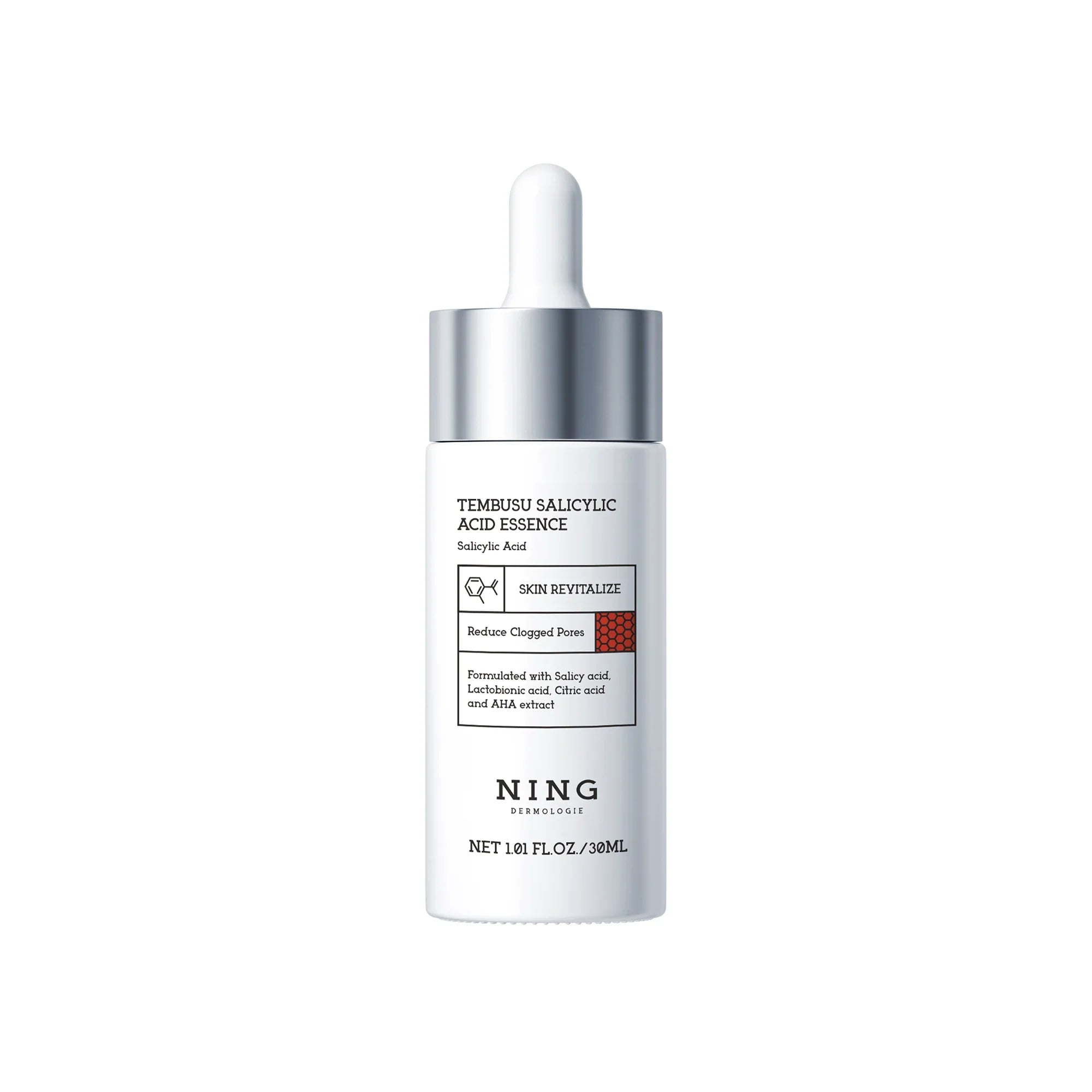
At NING Dermologie, we formulated our 2% Salicylic Acid Serum to hit the "sweet spot" of efficacy. At a 2% concentration, the acid is potent enough to treat acne and clear out stubborn blackheads, yet it remains gentle enough to use for those who are smart about their skincare routine.
The Real Benefits of Salicylic Acid for Skin Health
Most people think of BHAs only for "zapping" pimples, but the benefits of salicylic acid extend far beyond emergency spot treating.
-
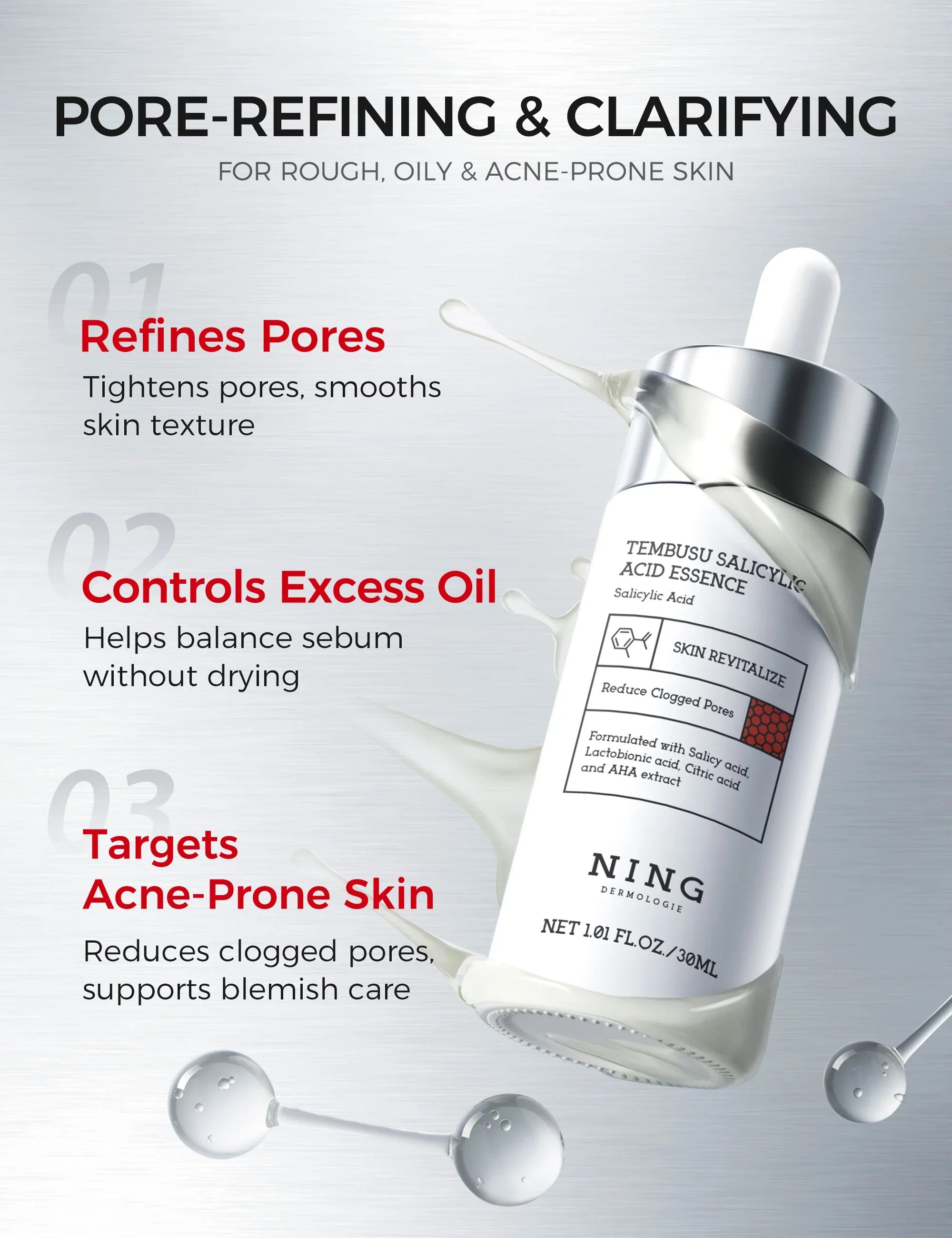
Refining Skin Texture: If your skin feels "bumpy" or "rough" to the touch (often called congestion), regular use of a BHA can smooth those tiny under-the-skin bumps.
-
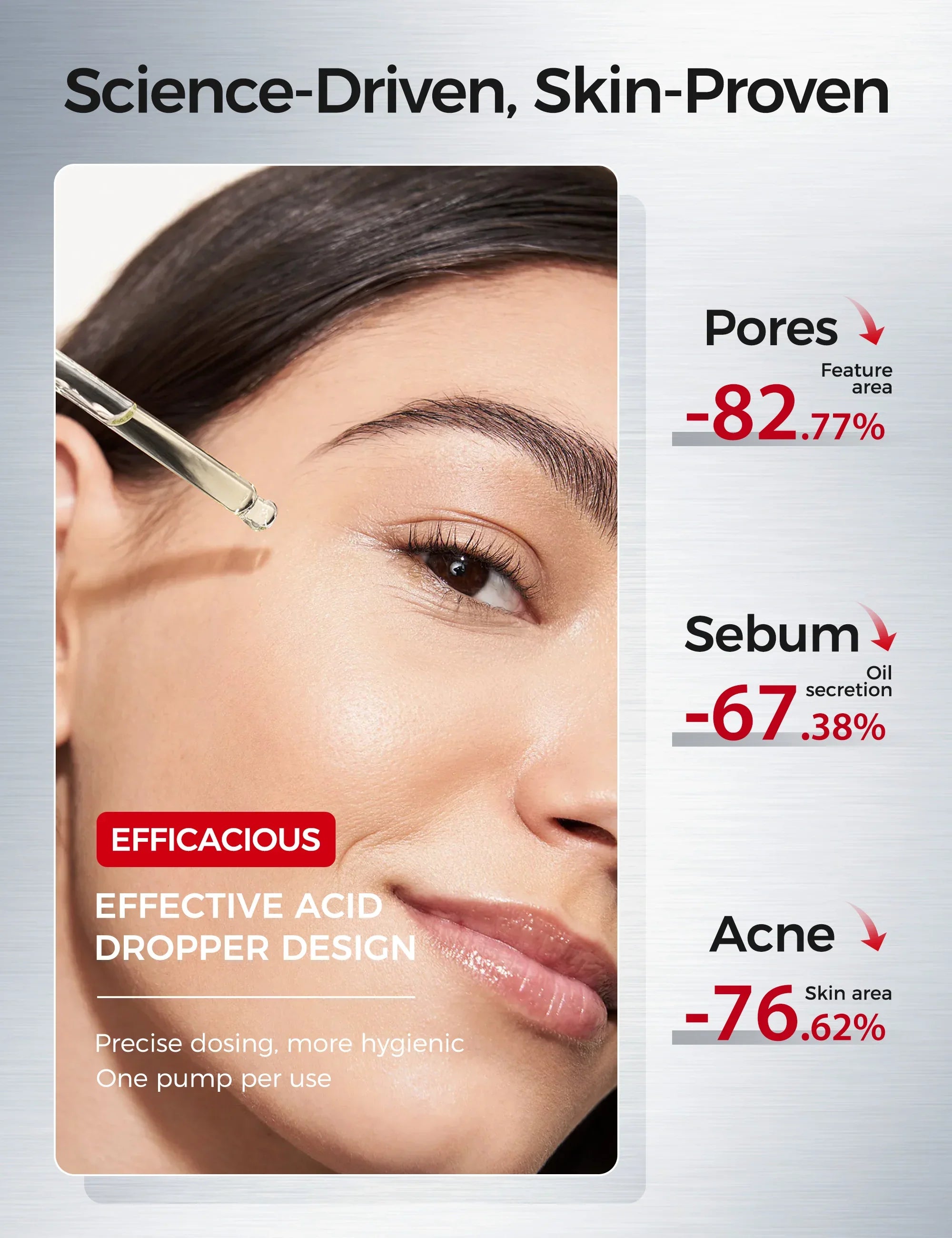
Oil Control: Salicylic acid helps to slow down excess sebum production. For those with oily skin, this means a less "greasy" look by midday.
-
Reducing Inflammation: Interestingly, salicylic acid's chemical structure is related to aspirin (acetylsalicylic acid). This gives it inherent anti-inflammatory properties, helping to soothe the skin and reduce the angry redness of a fresh breakout.
-
Minimizing Pores: While you cannot physically change the size of your pores, you can change how they look. Stretched-out, clogged pores look larger. By keeping them clear, they appear tighter and less noticeable.
How to Incorporate Salicylic Acid into Your Routine Without Wrecking Your Skin
One of the biggest mistakes I see people make is diving headfirst into "acid peeling" without a plan. They use a salicylic acid cleanser, followed by a BHA toner, followed by a salicylic acid serum. This is a recipe for skin irritation and a compromised skin barrier.
Start Slow and Listen
When you first incorporate salicylic acid, your skin adjusts to the increase in cell turnover. I recommend starting with daily use only if you have very resilient, oily or combination skin. For everyone else, using it one night every two or three days is plenty.
The NING Dermologie Method
-
Cleanse: Use a gentle, non-stripping cleanser. You want your skin clean, but not "squeaky" dry.
-
Apply: Take 2-3 drops of the NING Dermologie 2% Salicylic Acid Serum and pat it into the areas where you are prone to clogs or acne.
-
Wait: Give it a minute to sink in. You might feel a slight tingling—that is the active ingredient doing its job.
-
Hydrate: This is non-negotiable. Follow up with a moisturizer that contains ceramides or hyaluronic acid to support your skin barrier.
Understanding the "Purge": Why Skin Might Look Worse Before It Gets Better
Here is a truth most brands won't tell you: Salicylic acid may make you break out more in the first weeks of consistent use. This is called "purging."
Because the acid is speeding up cell turnover, it is pushing all the gunk that was already hiding in your pores to the surface at once. Don't stop using salicylic acid just because you see a few new whiteheads in the first 10 days. Typically, a purge lasts 2-4 weeks. If you are still breaking out in new places after six weeks, then it might be a reaction rather than a purge.
Addressing Different Skin Concerns and Types
Sensitive Skin
If you have sensitive skin, you can still use salicylic acid safely. The trick is "short contact therapy." Apply the serum, leave it on for 10 minutes, and then rinse it off. This allows the acid to penetrate the upper layers without sitting on the skin all night.
Acne Scars
While BHAs aren't as powerful as Vitamin C or Retinoids for deep pigmentation, the improved skin turnover does help fade the "red marks" (post-inflammatory erythema) left behind by acne. By reducing acne frequency, you are also preventing future acne scars from forming.
Combination Skin
For those with oily or combination skin, "zone treatment" is your friend. Apply your salicylic acid product only to your T-zone (forehead, nose, chin) and use a more hydrating, neutral serum on your cheeks.
The "Do Not Mix" List: Protecting Your Skin Barrier
The power of salicylic acid must be respected. Over-exfoliation can lead to a "shiny but dry" look, which is a sign your skin barrier is screaming for help.
- Salicylic acid and Niacinamide: This is a match made in heaven. Niacinamide helps soothe the skin and regulate oil, while the BHA clears the pores.
- Salicylic acid and Retinol: Be careful here. Do not apply them at the exact same time. Use salicylic acid in the morning (with plenty of SPF!) and Retinol at night, or alternate nights—salicylic acid one night and retinol the next.
- Avoid using it with other acids as a peeling agent: Don't stack a high-strength glycolic acid peel on top of your BHA serum unless you want to risk a chemical burn.

Long-Term Maintenance: Beyond the Breakout
Once your skin clears up, you might be tempted to toss your salicylic acid serum in the drawer. Don't. Consistent use (even if reduced to twice a week) is what keeps the overall skin healthy and prevents future acne vulgaris flare-ups.
Think of it like brushing your teeth. You don't stop brushing just because you don't have a cavity today. Maintaining a clear pore is a continuous process. With improved skin texture and a more balanced complexion, you will find that your makeup lays smoother and your natural "glow" is much more apparent.
Why NING Dermologie?
At NING Dermologie, we don't believe in "harsh" skincare. We believe in "smart" skincare. Our 2% Salicylic Acid Serum combines salicylic acid with hydrating elements to ensure that while we are fighting acne, we are also nourishing the skin barrier. We want to make your skin the best version of itself—healthy, resilient, and clear.
Frequently Asked Questions (FAQ)
1. Can I use salicylic acid every day?
It really depends on how 'tough' your oily skin is. You could eventually handle it daily, but don't start there. Try twice a week at first while your skin adjusts. If you don't turn red or start flaking like crazy, feel free to slowly increase to daily use. Just watch your skin barrier—if things feel tight or you notice skin irritation, back off for a few days.
2. Does salicylic acid help with blackheads?
Definitely. Blackheads are basically just oxidized oil plugs. Since salicylic acid is a beta-hydroxy acid, it's oil-soluble and dives into the pore to dissolve that gunk. It’s way more effective than those pore strips. Use a salicylic acid serum consistently, and you'll see those 'strawberry seeds' vanish because you're clearing dead skin cells before they can turn into a stubborn clog.
3. Should I use salicylic acid in the morning or at night?
You can use it either time, but many prefer salicylic acid in the morning because it helps control oil throughout the day. However, since it exfoliate the skin, it can make your skin more sensitive to the sun. If you use it during the day, you must apply a broad-spectrum sunscreen. If using Retinol at night, definitely use your BHA in the morning.
4. Can I use salicylic acid if I have dry skin?
Yes, but use it sparingly. Even dry skin can get clogged pores or "maskne." Instead of a full-face application of salicylic acid, try "spot treating" only the congested areas. Ensure your skincare routine includes a rich moisturizer with ceramides or fatty acids to soothe the skin and prevent the acid from drying you out further.
5. How long does it take to see results?
Skincare isn't an overnight miracle. You’ll likely feel improved skin texture within a week, but for acne and acne scars, the real results hit around 4 to 6 weeks of consistent use. That’s how long it takes for a full cellular turnover. Don’t freak out if you get a few tiny whiteheads early on—it’s just the 'purge' pushing deep clogs to the surface.
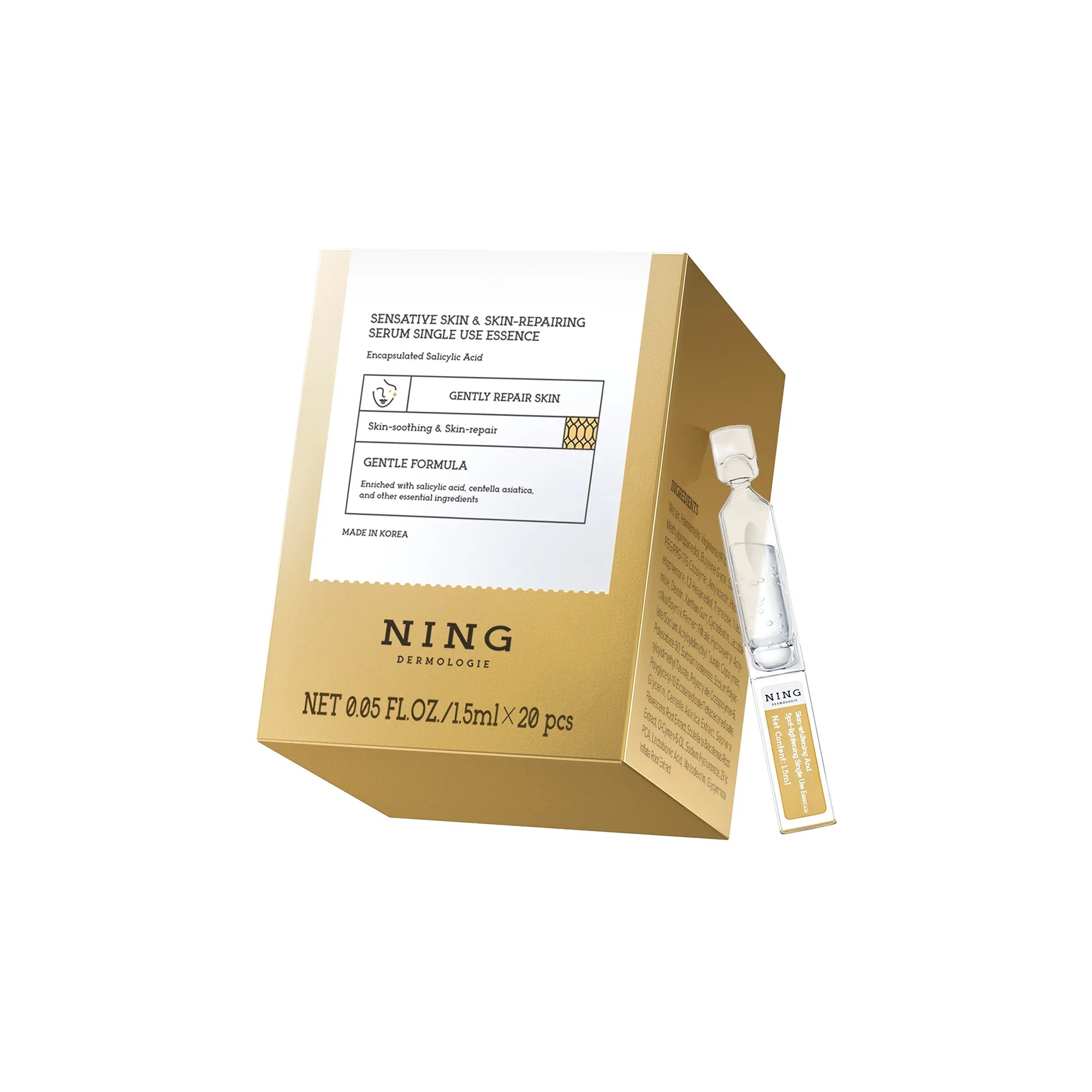
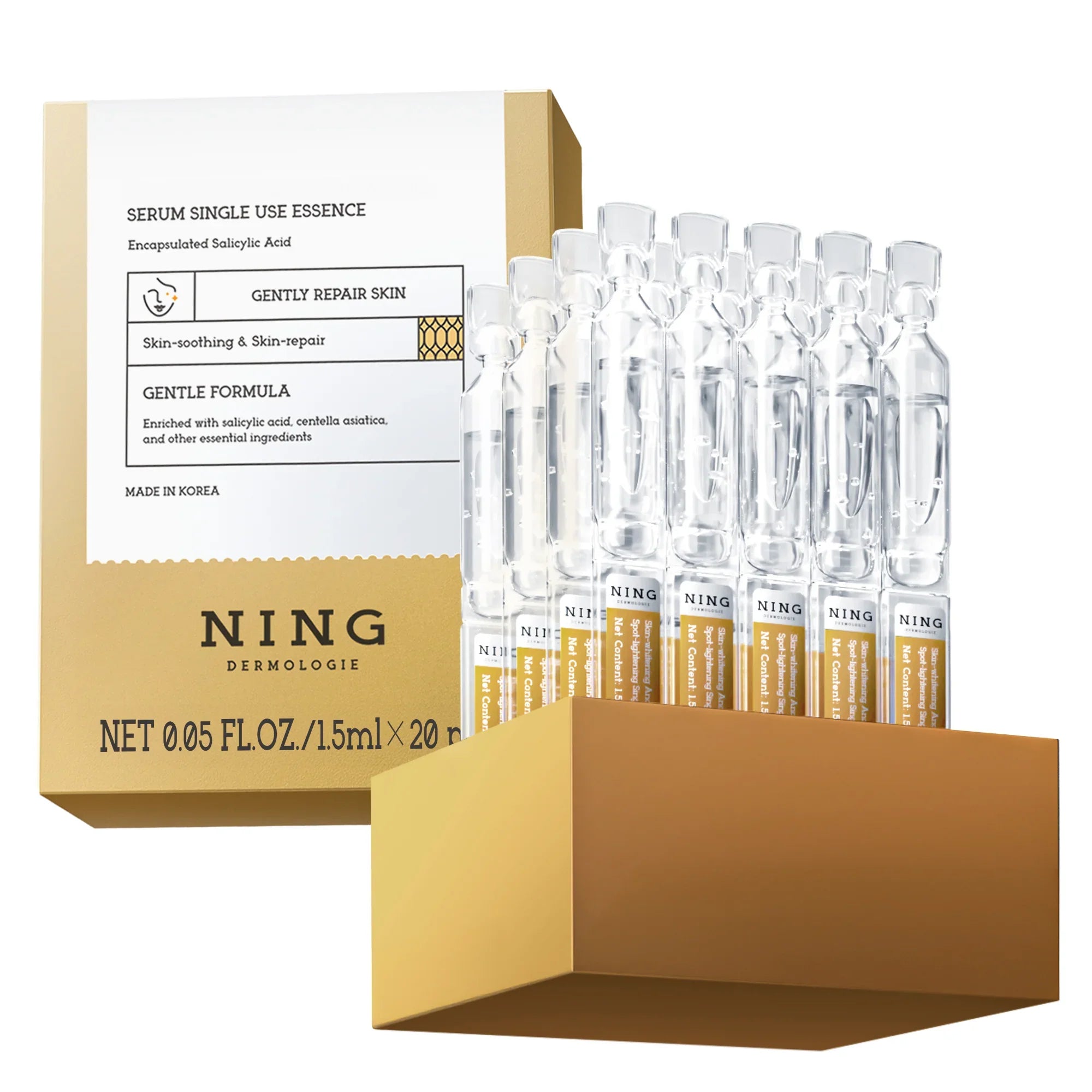
Ready to clear your pores? Explore the NING Dermologie 2% Salicylic Acid Serum here and start your journey toward a clearer, more confident complexion today.





Share:
Exploring the Benefits of Salicylic Acid for Oily and Combination Skin
Salicylic Acid: Dermatologist-Approved Solutions for Problematic Skin