

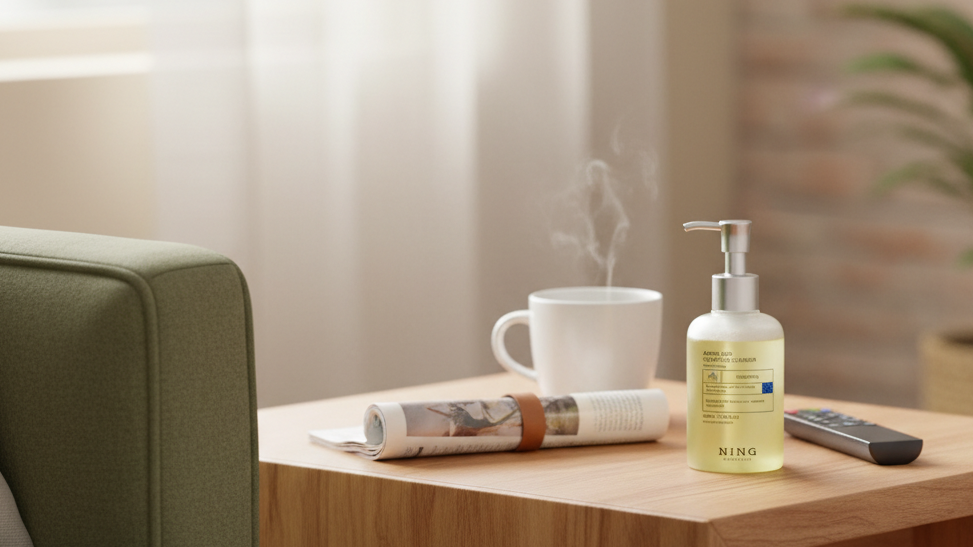

Having oily skin or dealing with clogged pores is exhausting. You’ve probably stared at the shelf in the drugstore, overwhelmed by the sheer volume of skincare products promising miracles. You grab a bottle that says "acne control," wash your face twice a day, and a week later, your skin is red, flaky, and somehow breaking out more.
If that sounds familiar, you aren’t doing it wrong—you just haven’t been told how to actually use salicylic acid cleanser correctly.
Using a chemical exfoliant isn't like using a bar of soap. It’s a treatment. Whether you are dealing with inflammatory acne, stubborn blackheads, or just rough skin texture, salicylic acid (SA) is arguably the heavy lifter of the skincare world. But it requires respect.
Here is the no-nonsense guide on how to add this ingredient to your routine, specifically focusing on balancing efficacy with barrier health using options like the NING Dermologie Amino Acid Facial Cleanser with Salicylic Acid.

First, What Actually Is Salicylic Acid?
Before you put it on your face, you need to know what it does. Salicylic acid is a beta hydroxy acid (or BHA).
Unlike alpha hydroxy acids (AHAs) like glycolic acid or lactic acid, which are water-soluble and mostly scrub the surface of your skin, BHA is oil soluble. This is a huge distinction. It means the acid doesn't just sit on top; it penetrates through the oil (sebum) in your follicles.
Once inside, it acts as a keratolytic agent. In plain English? It dissolves the glue holding dead skin cells together. It goes deep into the pore lining and breaks down the oil buildup and debris that cause acne. It effectively exfoliates from the inside out.
It is derived from sources like willow tree bark and is chemically similar to aspirin, which gives it incredible anti-inflammatory properties. This makes it perfect not just for deep exfoliation, but for calming the angry, red cystic acne often caused by the bacteria Cutibacterium acnes.
Who Should (and Shouldn’t) Use It?
Skin types matter here.
- The Ideal Candidate: If you have oily skin, acne-prone skin, or enlarged pores, this is your gold standard. It regulates sebum production and clears out gunk.
- The Texture Issues: It’s also fantastic for bumpy skin or conditions like keratosis pilaris (chicken skin), as it smooths out rough patches.
- The Cautionary Tale: If you have very dry or sensitive skin, pure SA can be drying. However, this depends entirely on the formulation (more on that later).
The Routine: How to Start Without the Burn
The biggest mistake people make is replacing their gentle cleanser with a potent salicylic acid face wash and using it morning and night immediately. That is a one-way ticket to a damaged skin barrier.
Here is a safe, effective roadmap.
Phase 1: The Introduction (Weeks 1-2)
When you introduce a beta-hydroxy acid, you need to ramp up slowly.
- The Patch Test: Yes, it’s boring advice, but do a patch test. Apply a tiny amount behind your ear. If you don't turn bright red, you're good to go.
- Frequency: Start by using your salicylic acid cleanser only 2 or 3 times a week, preferably at night. On the other days, use a plain hydrating wash.
- The Technique: This isn't a "splash and dash" situation. Apply the cleanser to damp skin and massage it in for at least 60 seconds. Give the acne-fighting ingredients time to work on the hair follicles.
Product Recommendation: Many generic drugstore options (and even high-end ones like the Clarify Cleanser or Bare Addiction Daily Foaming Gel Cleanser) use harsh sulfates (SLS) alongside the acid. This strips your skin completely.
This is why we developed the NING Dermologie Amino Acid Facial Cleanser with Salicylic Acid. By using an amino acid base, we cushion the exfoliation. It cleanses without stripping natural oils, making it much safer for beginners or those worried about irritation.
Phase 2: The Assessment (Weeks 3-4)
Check your skin. Is it feeling tight? Are you seeing more breakouts?
- The Purge: You might experience "purging." This is when skin cell turnover accelerates, bringing deep clogs to the surface faster. It looks like a breakout, but it usually clears up in a week or two.
- Dryness: If you feel dry, dial it back. If you are oily and fine, you can gradually increase usage to every other night.
Phase 3: Maintenance (Month 2+)
Once your skin adjusts, most people with oily skin can tolerate a salicylic acid face wash once daily. However, listen to your face. If you start peeling, skip a day.
The "Do Not Mix" List
Chemistry on your face is risky. If you are using a salicylic acid cleanser, you need to be careful with other active ingredients in the same routine.
- Avoid: Don't use strong retinols, chemical peels, or high-percentage AHAs (like Malic acids or strong Glycolic toners) at the same time as your SA wash. You will burn your face.
- Be Careful: Exfoliating toner products should be shelved if you are washing with SA. You don't need to exfoliate twice in 5 minutes.
- The Exception: You can use Vitamin C in the morning and Salicylic Acid at night. In fact, that’s a great combo for treating dark spots and preventing future breakouts.
The Full Routine Example
Here is how to structure your evening routine for maximum clarity and minimum irritation.
Step 1: Cleanse Use the NING Dermologie Amino Acid Facial Cleanser with Salicylic Acid. Massage gently. Rinse with lukewarm water (hot water worsens inflammation).
Step 2: Emergency Treatment (Optional) If you have a massive whitehead, this is the time for Hydrocolloid Invisible Pimple Patches. Don't pick at it! If you have general congestion, you might use a targeted serum, but be wary of layering too much. If you see products like 360 Skin Clearing Serum or Jess Beauty treatments, check if they also contain acids. If they do, skip them on the nights you use the wash.
Step 3: Hydrate (Non-Negotiable) Salicylic acid reduces oil, so you must put moisture back in. Look for Hyaluronic acid or Aloe vera. A good hydrating moisturiser restores the barrier. Even if you have oily skin, skipping moisturizer will trigger more oil production to compensate.
Step 4: Sun Protection (Morning Only) Acids make your skin more sensitive to the sun. You must use SPF 50+ every single morning. Whether you prefer Sun Drops or a standard cream, just make sure you wear it. UV damage makes acne scars darker and harder to heal.

Common Myths and Market Noise
The skincare industry is noisy. You will see tools like a Peel Finder Tool or influencers promoting super-high percentage acids. You might read articles medically reviewed by experts like Akruti Khandkar or see advice from a Minimalist Health Specialist suggesting different protocols.
While brands like Epicuren Discovery or generic skin treatment lines have their place in dermatology practices, the best approach for home care is consistency over intensity.
You don't need a professional-grade chemical peel every Tuesday. You need a daily or semi-daily wash that keeps the pore lining clear without destroying your moisture barrier. That is the sweet spot where keratolytic properties meet daily hygiene.
Troubleshooting: When Things Go Wrong
"My skin is peeling!" Stop the acid. Focus on barrier repair. Use gentle, bland moisturizers. Once healed, reintroduce the NING Dermologie cleanser slowly (once a week).
"I have dark spots left behind." SA helps prevent acne, but for the marks left behind (Post-Inflammatory Hyperpigmentation), you might need to introduce ingredients like Niacinamide or Vitamin C in your morning routine.
"It's not working on my blackheads." Give it time. Deep exfoliation takes weeks to show results on stubborn blackheads. Persistence is key.
Frequently Asked Questions (FAQ)
1. Can I use a salicylic acid face wash every day?
For most beginners, no. Start with 2-3 times a week to avoid drying out your barrier. If you have very oily skin, you might eventually build up to daily use, but always listen to your skin. If it feels tight, cut back immediately.
2. Will salicylic acid make me break out more?
It might, briefly. This is called "purging." Because it speeds up cell turnover, it pushes deep clogs to the surface faster. It usually lasts 2-4 weeks. If breakouts persist longer than that, or if you feel burning, the product might not be right for you.
3. Can I use Vitamin C with salicylic acid?
Yes, but don't layer them directly on top of each other. The best routine is to use Vitamin C in the morning to protect against free radicals and brighten dark spots, and use your salicylic acid cleanser at night to deep clean the pores.
4. Is salicylic acid safe for dry skin types?
It can be, but formulation matters. Pure alcohol-based toners are too harsh. A wash-off product like the NING Dermologie Amino Acid Facial Cleanser is safer because the amino acids protect the skin while the salicylic acid works. Always follow with a rich moisturizer.
5. What is the difference between AHA and BHA?
AHAs (like glycolic acid) are water-soluble and work on the skin's surface to brighten and smooth. BHA (salicylic acid) is oil-soluble, meaning it dives deep into the pore to clear out oil and bacteria. BHA is generally better for acne; AHA is better for sun damage.





Share:
The Brutal Truth About Teenage Acne: Why Your "Squeaky Clean" Face Wash is Making Things Worse
Can You Actually Use Salicylic Acid Face Wash Daily? The Truth Behind the Glow