



Being an acne-prone girlie (or guy) is expensive. Between the spot treatments, the serums, the dermatologist copays, and the endless cycle of trial and error, your bank account often takes as much of a beating as your skin barrier.
There is a common misconception in the beauty world that "expensive means better." While that might be true for a high-tech Vitamin C serum or a complex retinol formulation, it is rarely true for face washes.
Here is the thing: a facial cleanser has one main job. It needs to clean your face without destroying your acid mantle. It stays on your skin for maybe 60 seconds, and then it goes down the drain. Do you really need to wash 60 dollars down the drain every month? Absolutely not.
The market is flooded with affordable salicylic acid face wash options that rival the luxury brands found at AU BEAUTY BAZAAR. Whether you are dealing with excess oil, clogged pores, or just the occasional hormonal breakout, you can find a formula that works without breaking the bank.

Why Salicylic Acid is the MVP for Oily Skin
Before we dive into the specific bottles you should be looking for, let’s talk about why Salicylic Acid (SA) is the gold standard for acne-prone skin.
Salicylic Acid is a beta-hydroxy acid (BHA). Unlike alpha hydroxy acids (like Glycolic Acid) which are water-soluble and work mostly on the surface, BHAs are oil-soluble. This is a game-changer. It means the acid can dive deep into the pore, cut through the oil buildup, and dissolve the "glue" that holds dead skin cells and sebum together.
If you have Oily Skin, tiny papules, or sebaceous filaments that look like strawberry seeds on your nose, a salicylic acid cleanser is essentially a daily deep clean. It provides chemical exfoliation without the harsh tearing of walnut scrubs (we’ve all made that mistake in high school, haven't we?).
The "Stripping" Problem with Budget Cleansers
Here is the catch with affordable skincare. In the past, cheap usually meant harsh. Many drugstore face washes were loaded with high-pH sulfates that stripped the skin of all its natural moisture, leading to a compromised skin barrier.
When your barrier is damaged, bacteria gets in easier, and moisture gets out. Your skin panics and produces even more oil to compensate. It’s a nightmare cycle.
Fortunately, modern formulations have evolved. We are now seeing ingredients like coco glucoside (a gentle cleansing agent), hyaluronic acid, and Aloe vera paired with acne-fighting actives. The goal is no longer just "dry it out." The goal is pH balancing and gentle effectiveness.
The Top Contenders: A Breakdown of Affordable Options
Let’s look at the landscape of beauty products currently sitting on the shelves, from the pharmacy staples to the new indie darlings.
1. The Dermatologist Favorites (CeraVe & Cetaphil)
You can’t talk about budget skincare without mentioning the giants.
- CeraVe Acne Foaming Cream Cleanser: This is often recommended by dermatologists (even those at places like Lenox Hill Hospital) because it contains benzoyl peroxide. Wait, isn't this about salicylic acid? Yes, but they also have the CeraVe Renewing SA Cleanser. It’s solid, reliable, and contains ceramides.
- CeraVe Foaming Cleanser Bar: If you want to cut down on plastic, this bar is a decent option for body acne, though some find it a bit drying for the face.
- Cetaphil Oil Removing Foam Wash: Specifically designed for very oily skin. It creates a lot of foam, which feels satisfying, but can sometimes feel a bit "squeaky" clean, which isn't always good.
2. The French Pharmacy Approach (La Roche-Posay)
If you want something that feels a bit more elevated but still falls into the "affordable" bracket relative to luxury brands:
- La Roche-Posay Effaclar: This line is legendary. Their medicated gel cleanser uses Salicylic Acid and Lipo-hydroxy acid (LHA). LHA is a derivative of SA that is gentler and exfoliates cell-by-cell.
- Toleriane Purifying Foaming Cleanser: While this doesn't have SA, it’s often paired with SA treatments because it uses thermal spring water and essentially acts as a calming reset button for sensitive skin.
3. The "Old School" Classics
- Neutrogena Oil-Free Acne Wash: The orange liquid we all grew up with. It works, but it can be incredibly drying due to the older surfactant technology.
- Neutrogena Ultra Gentle Daily Cleanser: A better pick if you are using other strong acne medications and just need a simple wash, though it lacks the active exfoliating punch.
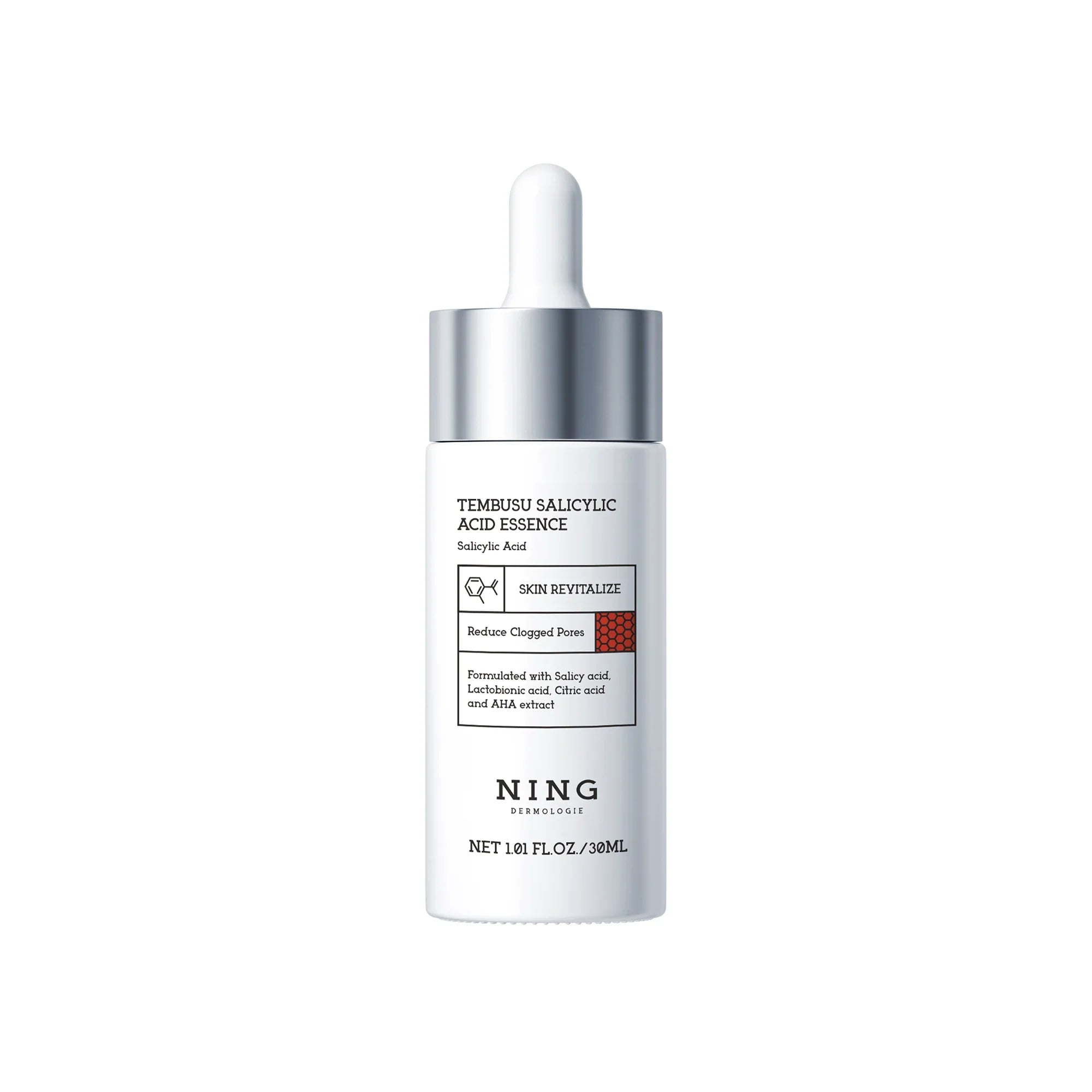
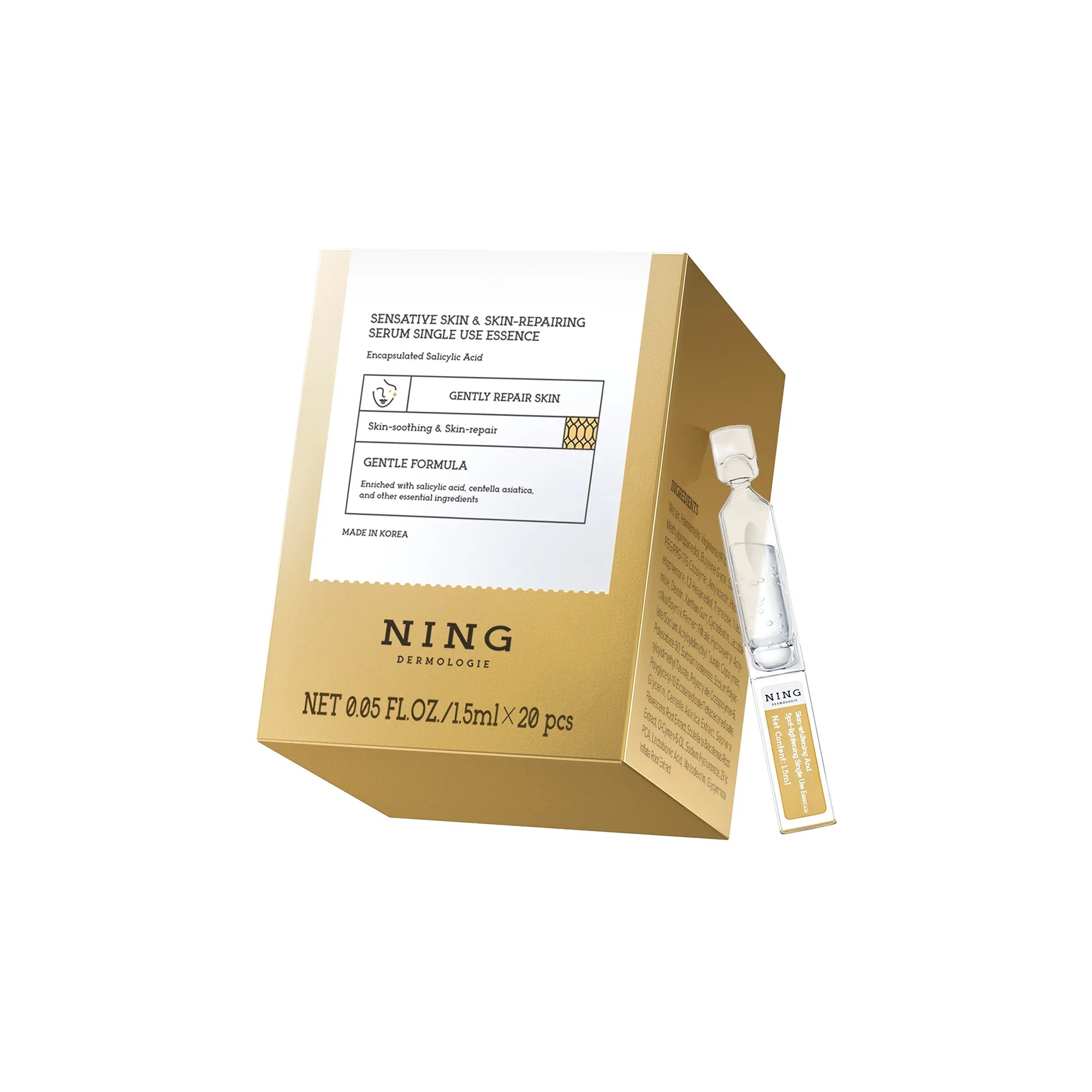
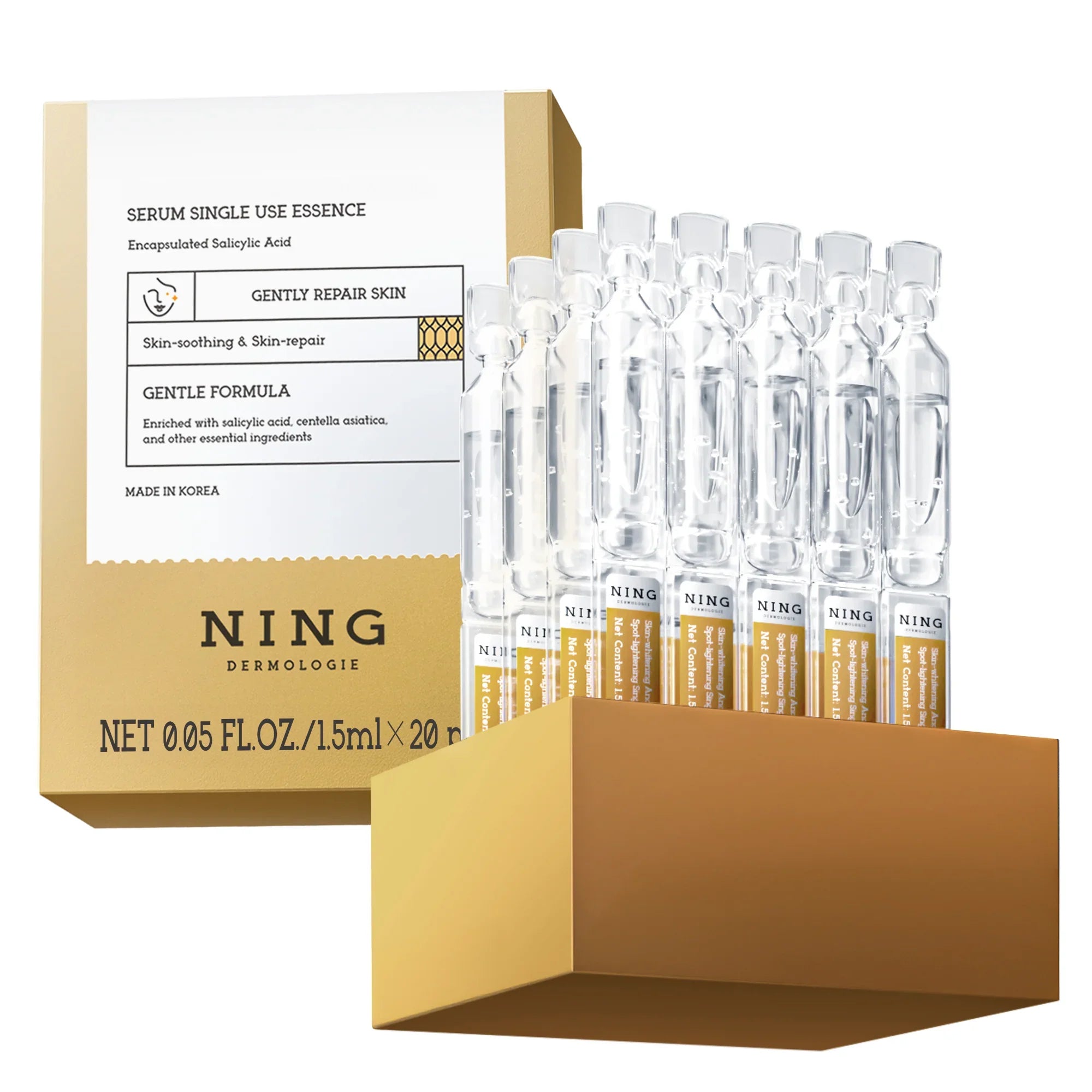
4. The Modern Balancer: NING Dermologie
This is where the gap in the market is finally being filled. For a long time, you had to choose between "gentle but doesn't clear acne" and "clears acne but burns your face."
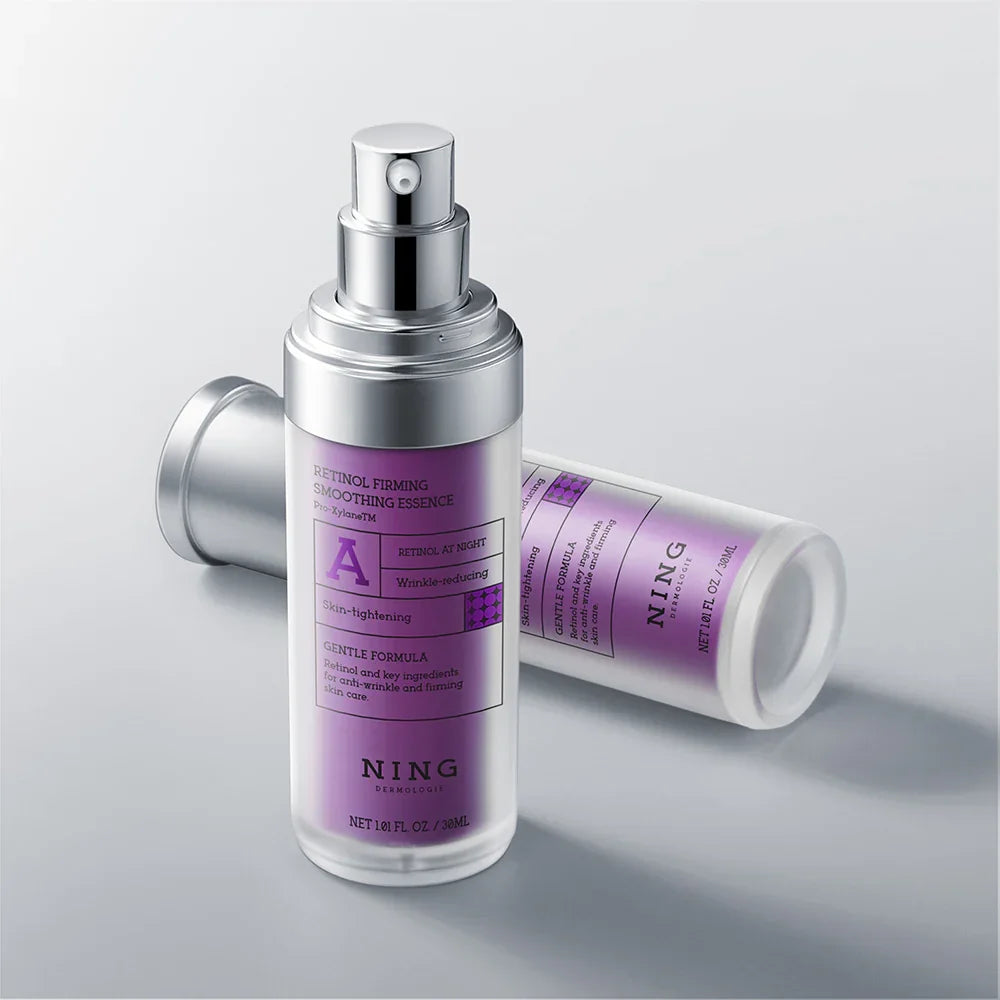
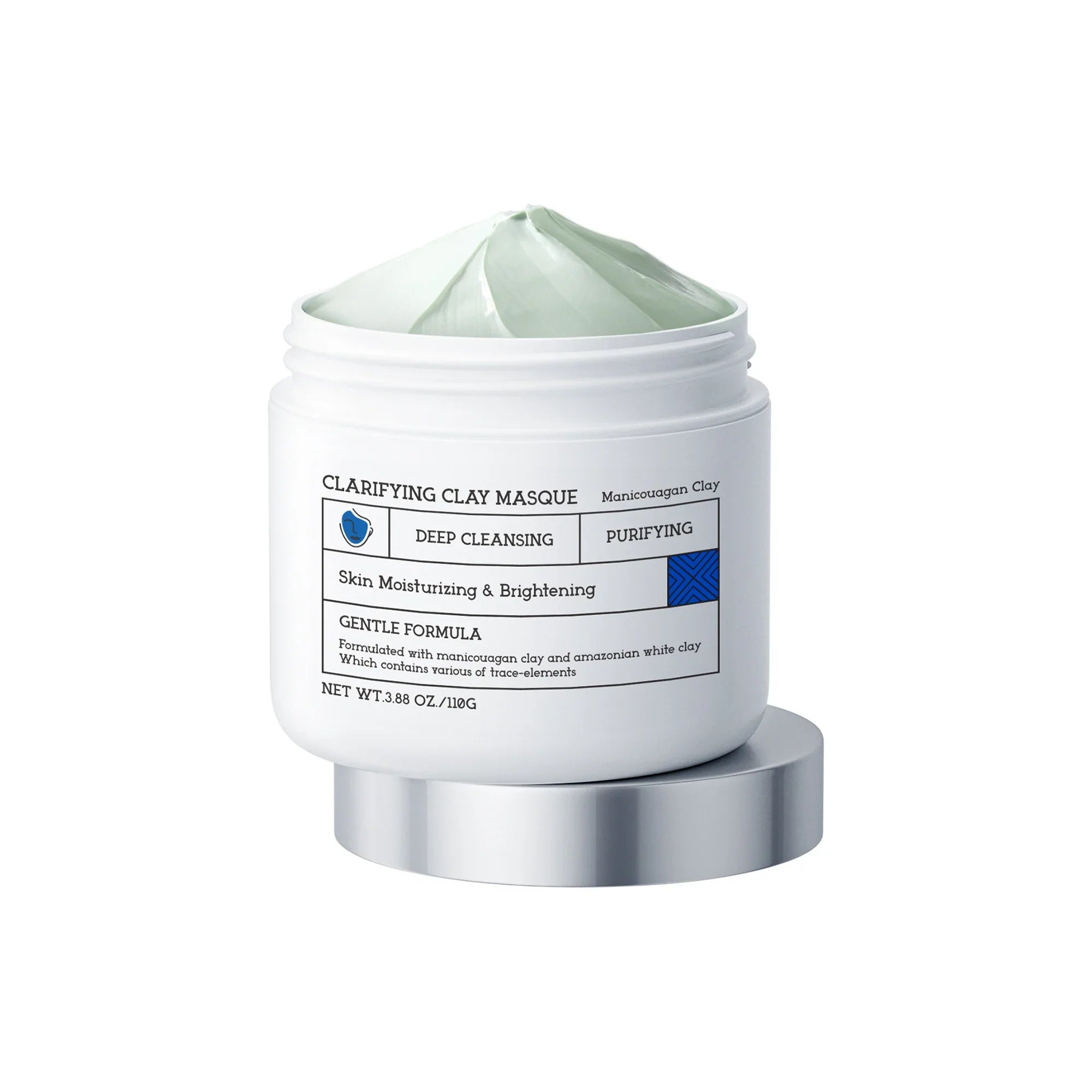
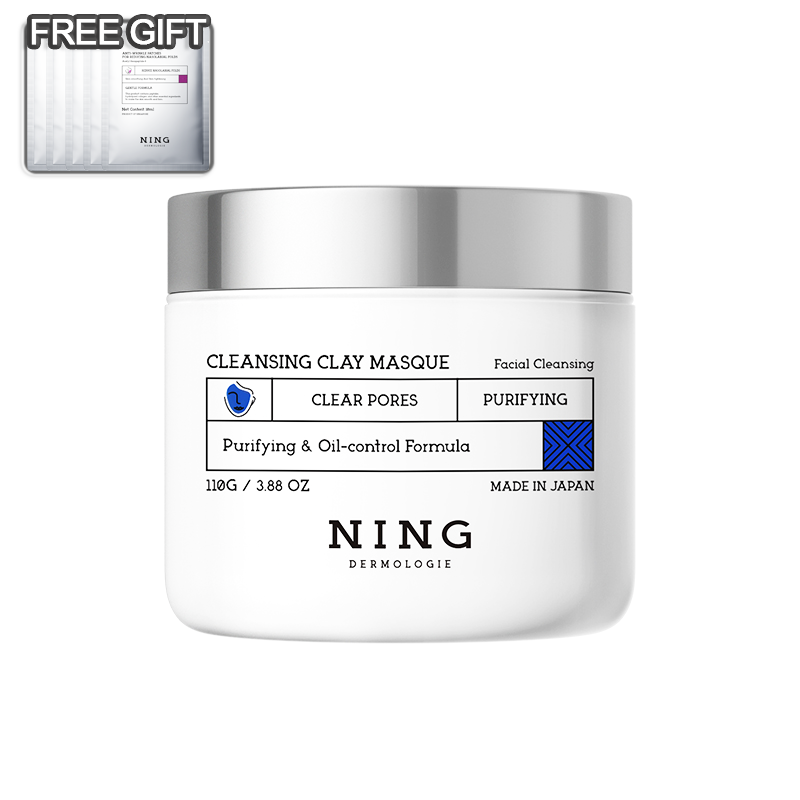
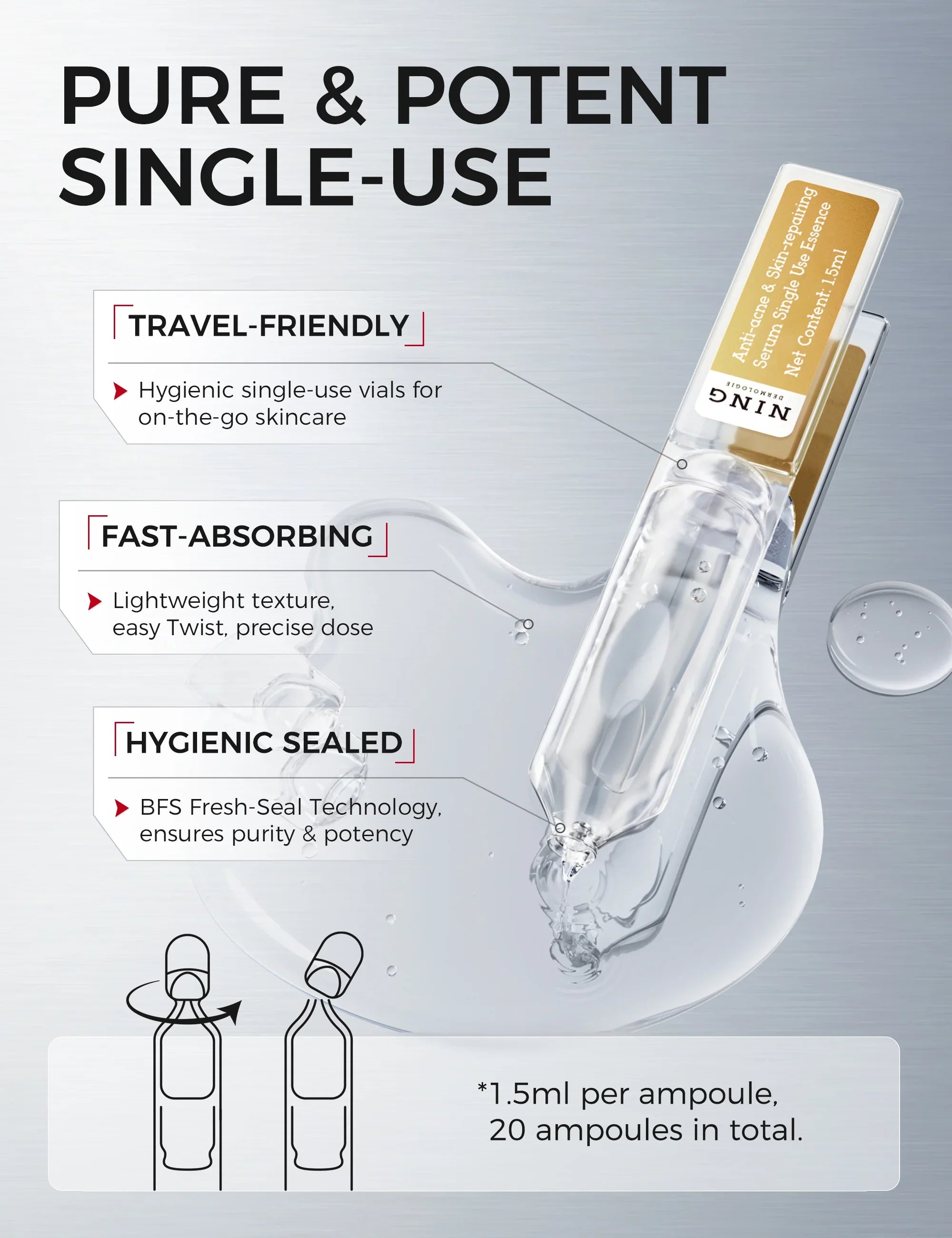
Enter NING Dermologie.
If you are looking for that sweet spot—a salicylic acid cleanser that respects the skin barrier while nuking bacteria—you need to look at the Amino Acid Facial Cleanser with Salicylic Acid.
Why is this one different? It moves away from harsh soaps and uses an amino acid base. Amino acids are the building blocks of proteins (like collagen and elastin). When used as cleansing agents, they are incredibly compatible with human skin.
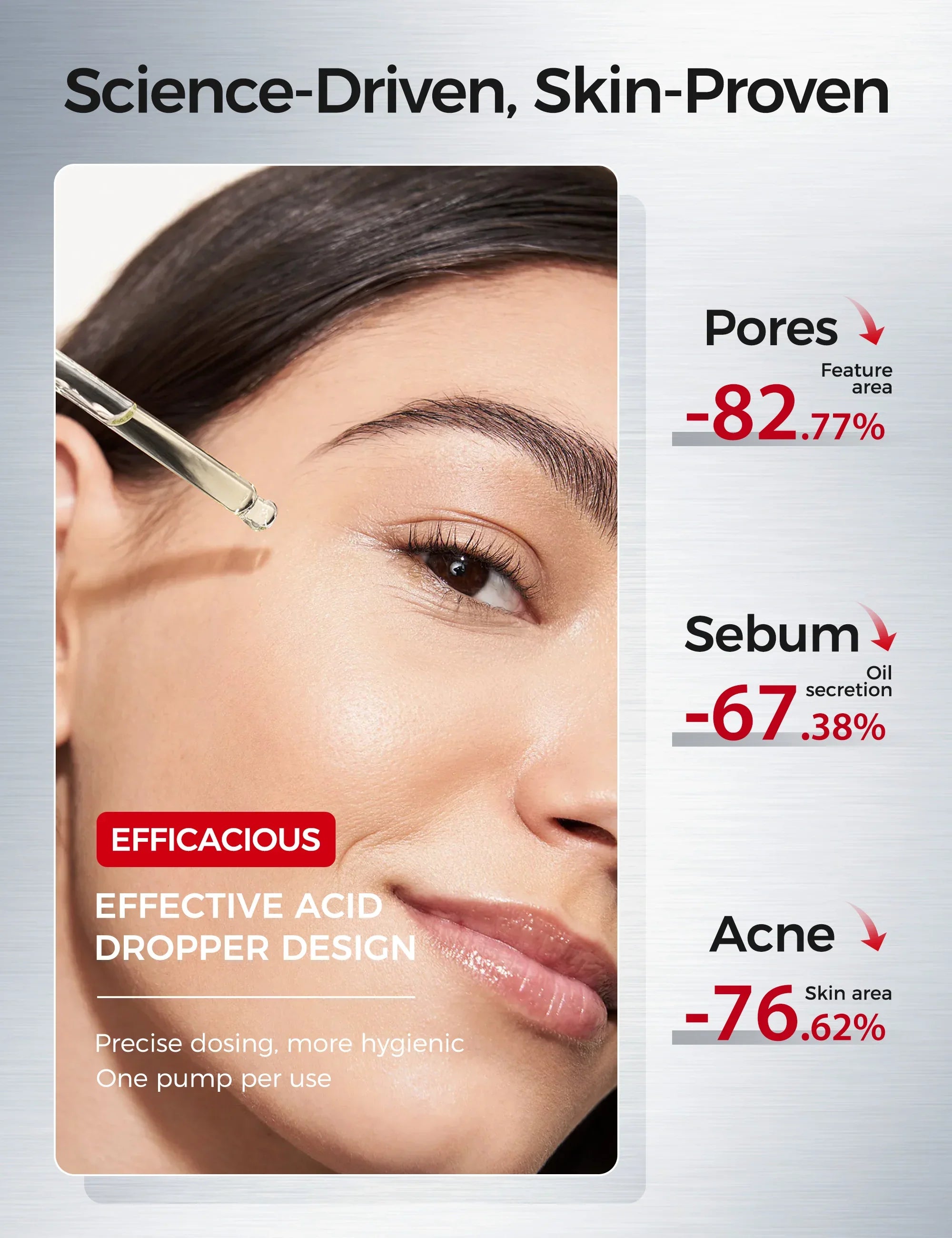
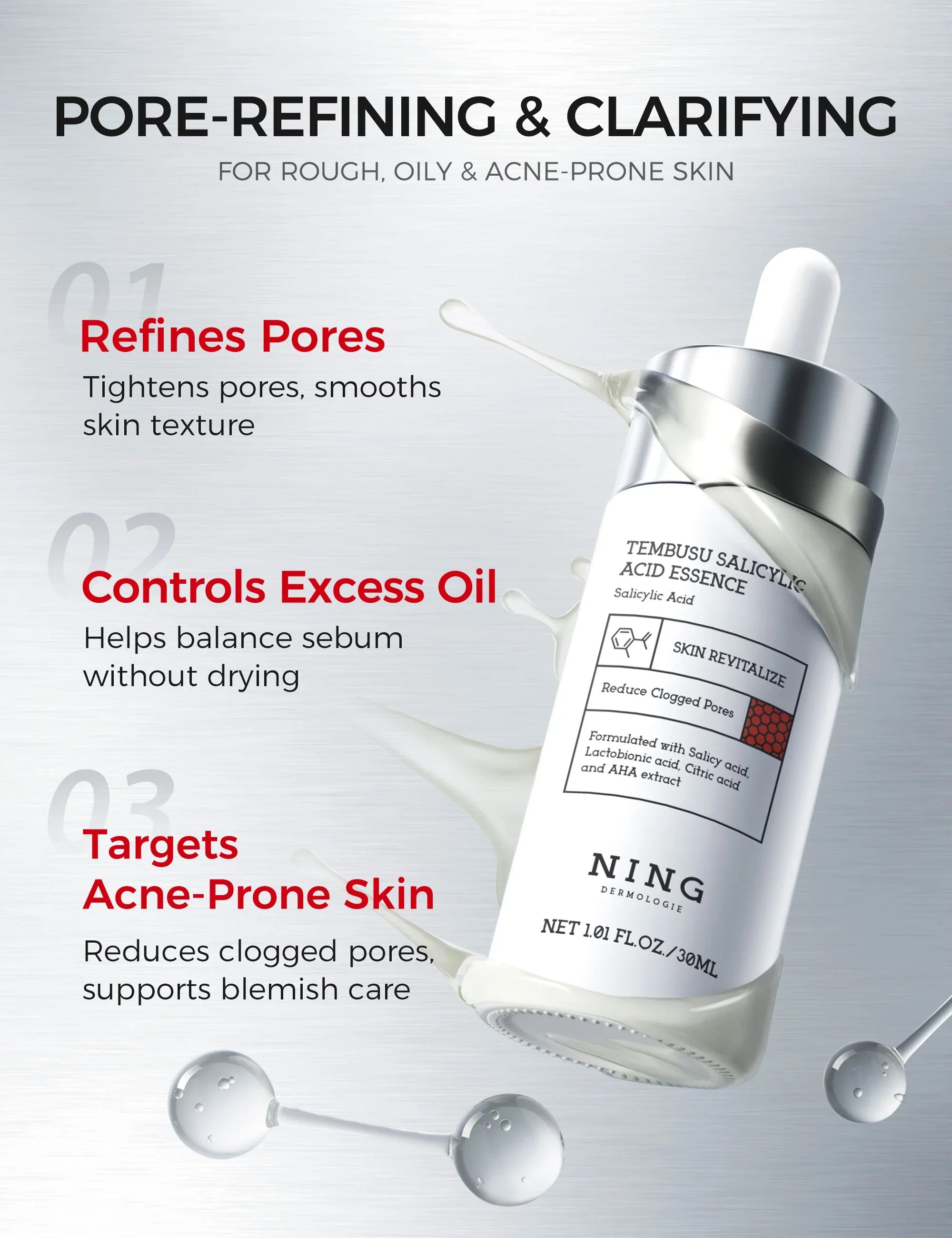
The NING Dermologie formula combines this gentle base with Salicylic Acid. This means you get the pore-unclogging benefits of the BHA, but the Amino Acid Facial Cleanser with Salicylic Acid leaves the skin feeling hydrated and soft, not tight and itchy. It effectively manages excess oil without triggering that "panic production" of more sebum. It’s arguably one of the smartest formulations for blemish-prone skin available right now because it understands that inflammation is the root of acne.
5. The Specialized Treatments
- PanOxyl 4% Benzoyl Peroxide Acne Creamy Wash: While technically BP, not SA, this is a heavy hitter for cystic acne. It stains towels, though, so be warned.
- The INKEY List Salicylic Acid Cleanser: A very simple, no-frills option. It’s effective but small in size.
- Phyla pH Balancing Gel Cleanser: Focuses heavily on the microbiome, though it sits at a higher price point than the drugstore options.
Ingredients to Pair (and Avoid) with Your SA Wash
When you switch to a salicylic acid cleanser, you are introducing a daily chemical exfoliant. You need to adjust the rest of your skincare routine.
The "Yes" List:
- Hyaluronic Acid: Since SA can be drying, putting moisture back in is non-negotiable.
- Hypochlorous acid spray: This is trendy right now for a reason. Using this post-gym or mid-day kills bacteria without irritation.
- Aloe Vera: Great for soothing redness.
- Face Oils: Believe it or not, oils like Jojoba or Squalane are great for oily skin as they signal your pores to stop overproducing.
The "Be Careful" List:
- Other Exfoliants: If you are using an SA wash, be very careful adding a Glycolic Acid toner or polyhydroxy acid serum. That might be too much exfoliation.
- Retinols: You can use them, but maybe don't use the SA wash at the same time of day. Use the SA wash in the morning and the retinol at night.
Improving Your Wash Technique (The 60-Second Rule)
You could buy the best Vintner's Daughter Active Renewal Cleanser (which costs a fortune) or a simple bottle of Vanicream Gentle Facial Cleanser, but if you use them wrong, they won't work.

Dr. Howard Sobel and many other derms agree: contact time matters.
- Wet your face with lukewarm water. Hot water strips oils; cold water doesn't emulsify dirt well.
- Lather up. If you are using the NING Dermologie Amino Acid Facial Cleanser with Salicylic Acid, lather it in your hands first.
- The 60-Second Rule: Massage the cleanser into your face for a full minute. Focus on the nose, chin, and hairline where environmental impurities and makeup gather. This gives the Salicylic Acid time to actually penetrate the pore.
- Rinse and Pat. Do not rub with a towel.
- Moisturize immediately.
Frequently Asked Questions (FAQ)
Q: Can I use a salicylic acid face wash every day?
A: Technically yes, if you're super oily. But for most people, twice a day is overkill and will wreck your barrier. Start with once a day—preferably at night. If your face feels tight or "squeaky" after washing, drop it to every other day immediately.
Q: Will salicylic acid cause "purging"?
A: Unfortunately, yes. It brings all the buried gunk to the surface. It sucks, but it’s totally normal for the first 2-4 weeks. If you're still breaking out after a month, it's not purging; the product just doesn't agree with your skin.
Q: Can I use this cleanser to remove makeup?
A: No. Don't waste the active ingredients. Salicylic acid needs direct contact with pores to work. If it's chewing through foundation, it's not treating acne. Use a balm or oil to melt makeup first, then use this wash to actually clean your skin.
Q: Is it safe for sensitive skin?
A: It’s tricky. Old-school SA washes are like paint stripper. You need a modern formula buffered with soothing stuff (like amino acids). Always patch test behind your ear first. If it stings or burns, wash it off. It shouldn't hurt.
Q: Can I use Vitamin C with a salicylic acid cleanser?
A: Totally. They actually work great together. Wash with SA to unclog the pore, then apply Vitamin C to brighten the dark spots left behind. Just don't skip sunscreen, or you're undoing all the work since acids make you sun-sensitive.
Thank You for reading. Remember, clearing acne is a marathon, not a sprint. You don't need to spend a fortune; you just need consistency and the right ingredients. Start with a balanced cleanser like NING Dermologie, keep your towels clean, and be patient with your skin.





Share:
I Ditched the Filters: Real Talk on 5 Salicylic Acid Face Washes (And Which One Actually Saved My Skin)
Stop Overpaying for Clear Skin: The Best Affordable Salicylic Acid Face Washes (That Actually Work)