

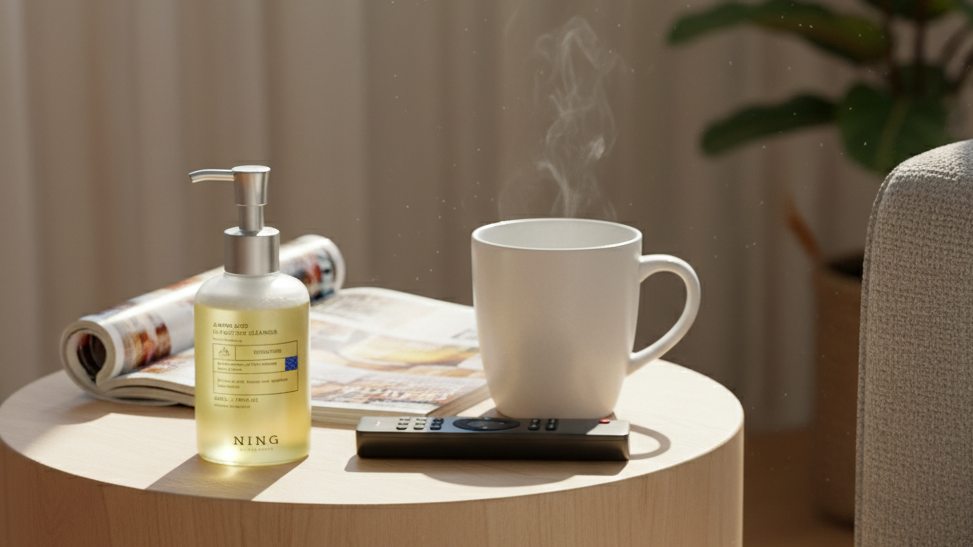

Salicylic acid is the heavy lifter of the skincare world. It’s the ingredient we all turn to when a breakout hits, usually with a sense of panic and a tendency to overuse it. You buy the strongest face wash you can find, scrub like your life depends on it, and three days later, your face is red, peeling, and somehow still breaking out.
If you are reading this, you are probably trying to figure out if that burning sensation is "working" or if you’ve just nuked your skin barrier.
We need to talk about the side effects of salicylic acid face wash—not just the terrifying list on the back of the bottle, but the real-world reactions that happen in your bathroom mirror. We’re going to cover why skin purging happens, how to tell if it’s an allergic reaction, and why the vehicle (the cleanser itself) matters just as much as the acid.

The Mechanism: Why It Works (and Why It Hurts)
To understand the side effects, you have to respect the chemistry. Salicylic acid (SA) is a Beta Hydroxy Acid (BHA). Unlike glycolic acid or lactic acid, which are water-soluble and work mostly on the surface, salicylic acid is an oil-soluble compound.
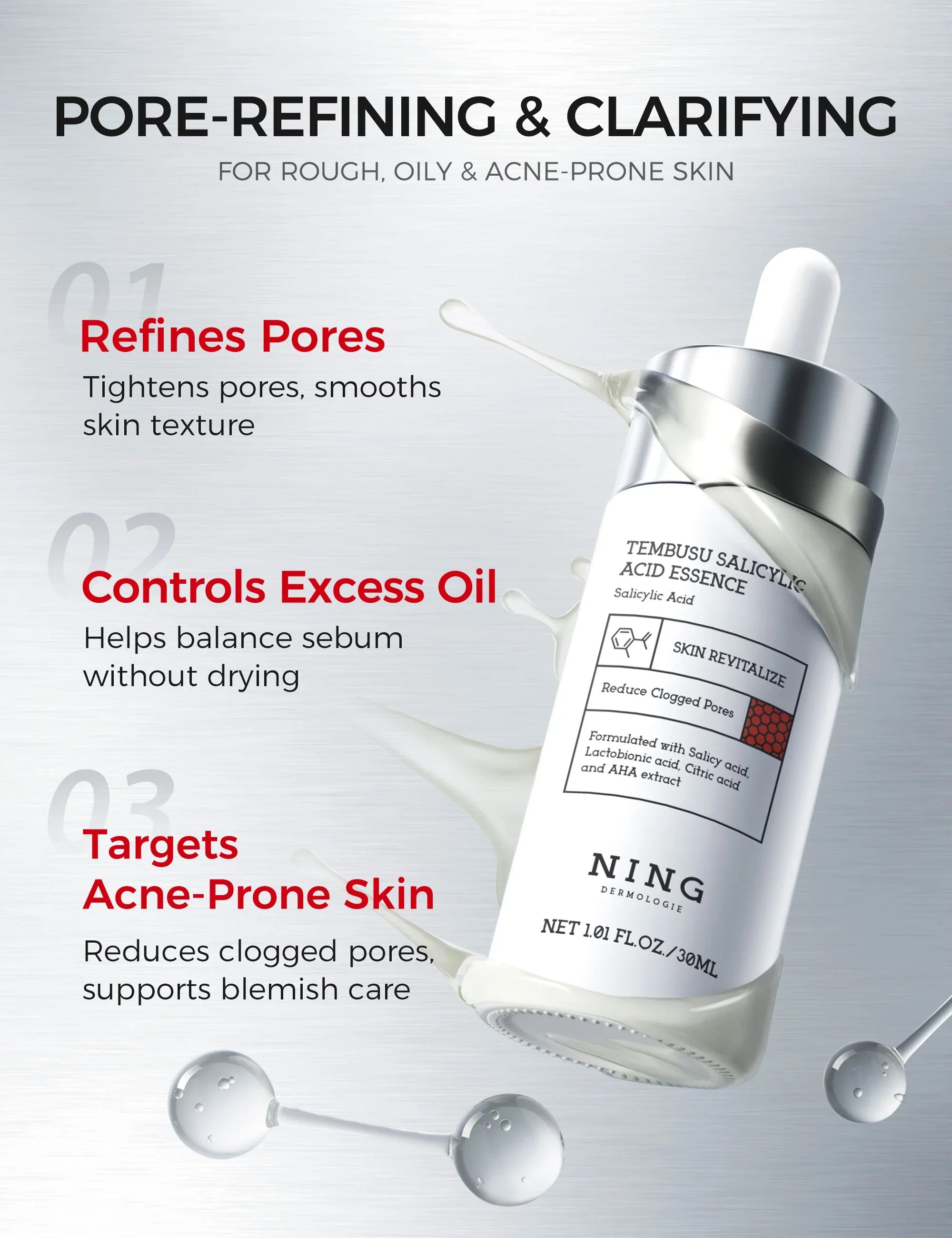
This is its superpower. It doesn't just sit on top of the skin; it dives deep into the clogged pores, dissolving the glue that holds dead skin cells and sebum together. It is arguably the most effective tool for acne-prone skin because it tackles the root cause: the plug inside the pore.
However, this deep-cleaning action affects your skin structure. When you strip away the oil and force rapid cell turnover, you are essentially rushing your skin’s natural clock. If you do this too aggressively, or with a formula that lacks supporting hydrators, you disrupt the microbiome and the moisture barrier. That is where the trouble starts.
The "Big Three" Side Effects
Most people who email us at NING Dermologie about their "bad reaction" to a generic drug-store SA cleanser are usually experiencing one of these three things:
1. Dryness and Peeling (The "Desert" Effect)
This is the most common complaint. You wash your face, and ten minutes later, your skin feels two sizes too small. You might see flaking around the nose and mouth.
- Why it happens: SA inhibits sebum production. While this is great for oily zones, it can starve the drier parts of your face of necessary lipids.
- The Fix: You need to buffer the acid. This is why we formulated the Amino Acid Facial Cleanser with Salicylic Acid. By using an amino acid base, we protect the skin's hydration levels while the salicylic acid does its work. If you are using a harsh, sulfate-based SA wash, you are essentially double-stripping your skin.
2. Irritation and Stinging (Sensitization)
If applying your moisturizer feels like slapping on hot sauce, you have compromised your barrier.
- Why it happens: You likely used too high a concentration or combined it with other actives (like salicylic acid serums or a Rx formula tretinoin) too quickly.
- The specific risk: Over-exfoliated skin is highly susceptible to UV radiation. If you are scrubbing with SA at night and skipping SPF in the morning, you are inviting dark spots and long-term damage.
3. The Dreaded "Purge"
"Is it breaking me out, or is it working?" This is the million-dollar question. Skin purging is a real physiological process. Because SA speeds up cell turnover, micro-comedones (baby pimples forming under the surface) are brought to the light faster than usual.
- What it looks like: Small red bumps or whiteheads in areas where you usually break out.
- Timeline: It typically starts a week into starting a new salicylic acid treatment and can last 4-6 weeks.
- The Rule: If you are breaking out in places where your skin is usually clear, that is likely not a purge. That is a reaction.
Purging vs. Allergic Reactions: Know the Difference
It is vital to distinguish between your skin cleaning house and your skin screaming for help.
The Purge:
- Located in your usual problem areas.
- Disappears faster than a normal pimple.
- Eventually reveals smoother skin texture.
The Reaction (Contact Dermatitis):
- Itchy, red, hot rash.
- Tiny fluid-filled bumps (not acne).
- Happens in areas where you never get acne (like the eyelids or neck).
- Swelling or hives.
If you suspect an allergic reaction, stop immediately. Board-certified dermatologists from institutions like NYU Grossman School of Medicine and the Icahn School of Medicine frequently warn that continuing to use an allergen can lead to long-term sensitization. While true aspirin allergies (salicylates) are rare, they do exist. If you are allergic to aspirin, consult a dermatology provider before using salicylic acid products.
The Hidden Variables: Formulation Matters
Not all salicylic acid cleansers are created equal. The percentage of SA matters (usually 0.5% to 2%), but the rest of the bottle matters more.
The "Strip-and-Burn" Formulas
Many mass-market cleansers combine Salicylic Acid with Sodium Lauryl Sulfate (SLS) and high levels of alcohol. This is a recipe for disaster. It removes the oil but leaves the skin "naked" and vulnerable. This often triggers a rebound effect where your skin panics and produces more oil to compensate, leading to a cycle of acne outbreaks.
The Balanced Approach (The NING Way)
At NING Dermologie, we realized that you don't need to burn the skin to clear it. Our Amino Acid Facial Cleanser with Salicylic Acid uses a milder surfactant system.
- Amino Acids: These mimic the skin’s natural moisturizing factors.
- Controlled Dosage: Enough SA to clear clogged pores, but buffered to prevent the "tight" feeling.
- Supporting Ingredients: We often see competitors ignoring soothing agents. A good formula should include ingredients that calm inflammation while the acid exfoliates. (Think along the lines of how shea butter soothes body skin—your face needs a similar, albeit lighter, buffer).
Advanced Considerations: Not Just for Acne
While we focus on acne, salicylic acid preparations are medically used for other conditions.
- Viral Warts: High concentrations of SA are used to dissolve wart tissue. Do not try to use a face wash to cure a wart on your hand; the concentration isn't high enough.
- Seborrhoeic Dermatitis: SA shampoos and washes can help break down the crusty, flaky scales associated with "seb derm" on the face and scalp.
- Psoriasis: Health Canada and FDA guidelines recognize SA as a treatment for psoriasis due to its ability to soften and lift scales (keratolytic action).
How to Integrate SA into Your Skincare Routine (Without Regret)
If you are ready to introduce Salicylic Acid, or if you are trying to fix a routine that’s currently hurting you, follow these rules.
1. The Frequency Ramp-Up Don't start twice a day. Start using your SA wash once a day, preferably at night. If you have sensitive skin, start every other night. Listen to your skin. If you feel raw, skip a day.
2. The "Active" Limit If you are using a Salicylic Acid face wash, do not follow it with a glycolic acid toner and a retinol cream. That is a chemical burn waiting to happen. Let the cleanser be your primary exfoliant.
3. The Contact Therapy Method You don't need to leave the cleanser on for five minutes. However, splashing it on and rinsing it off instantly doesn't give the oil-soluble compound time to work. Massage it gently into the skin for 30-60 seconds. This is known as "short contact therapy." It’s effective and reduces the risk of irritation compared to leave-on salicylic acid serums.
4. Hydrate, Hydrate, Hydrate After drying your face, immediately apply a hydrator. Look for ingredients like hyaluronic acid or ceramides. If you are using the NING Dermologie Amino Acid cleanser, your skin shouldn't feel stripped, but you still need to seal in moisture.
When to See a Professional
If you have been using a quality product like our Amino Acid Facial Cleanser with Salicylic Acid for 8-12 weeks and see no improvement in your acne outbreaks or skin texture, or if you have cystic acne that hurts, it is time to call in the pros.
Board-certified dermatologists can prescribe treatments that work in tandem with OTC washes, such as clindamycin or oral medications. Also, if you notice darkening of the skin (dark spots) after using SA, you might be dealing with post-inflammatory hyperpigmentation exacerbated by irritation or sun exposure.
Summary
Salicylic acid is not a villain, but it demands respect. The side effects—dryness, peeling, and purging—are often a sign of a disrupted barrier or a terrible formulation, rather than the ingredient itself failing you.
By choosing a balanced product like the NING Dermologie Amino Acid Facial Cleanser with Salicylic Acid and listening to the signals your skin sends, you can clear the dead cells and debris without sacrificing your skin's health. Treat your face like silk, not like the kitchen floor.

Frequently Asked Questions (FAQ)
1. Can I use salicylic acid face wash every day?
A: Yes, but start slow. Oily types can usually handle daily use, while sensitive skin should start 2-3 times a week. If you feel tight or peel, dial it back. The key is consistency, not intensity.
2. How long does "skin purging" last?
A: Typically 4 to 6 weeks. It’s annoying, but it means the gunk deep in your pores is surfacing. If it lasts longer than 6 weeks or appears in new areas, it’s likely a reaction, not a purge.
3. Can I use Salicylic Acid if I am pregnant?
A: Consult your doctor first. While low-concentration (under 2%) washes are generally considered lower risk because they are rinsed off, many doctors recommend avoiding Salicylic Acid (aspirin family) during pregnancy just to be safe.
4. Can I use Vitamin C with a Salicylic Acid cleanser?
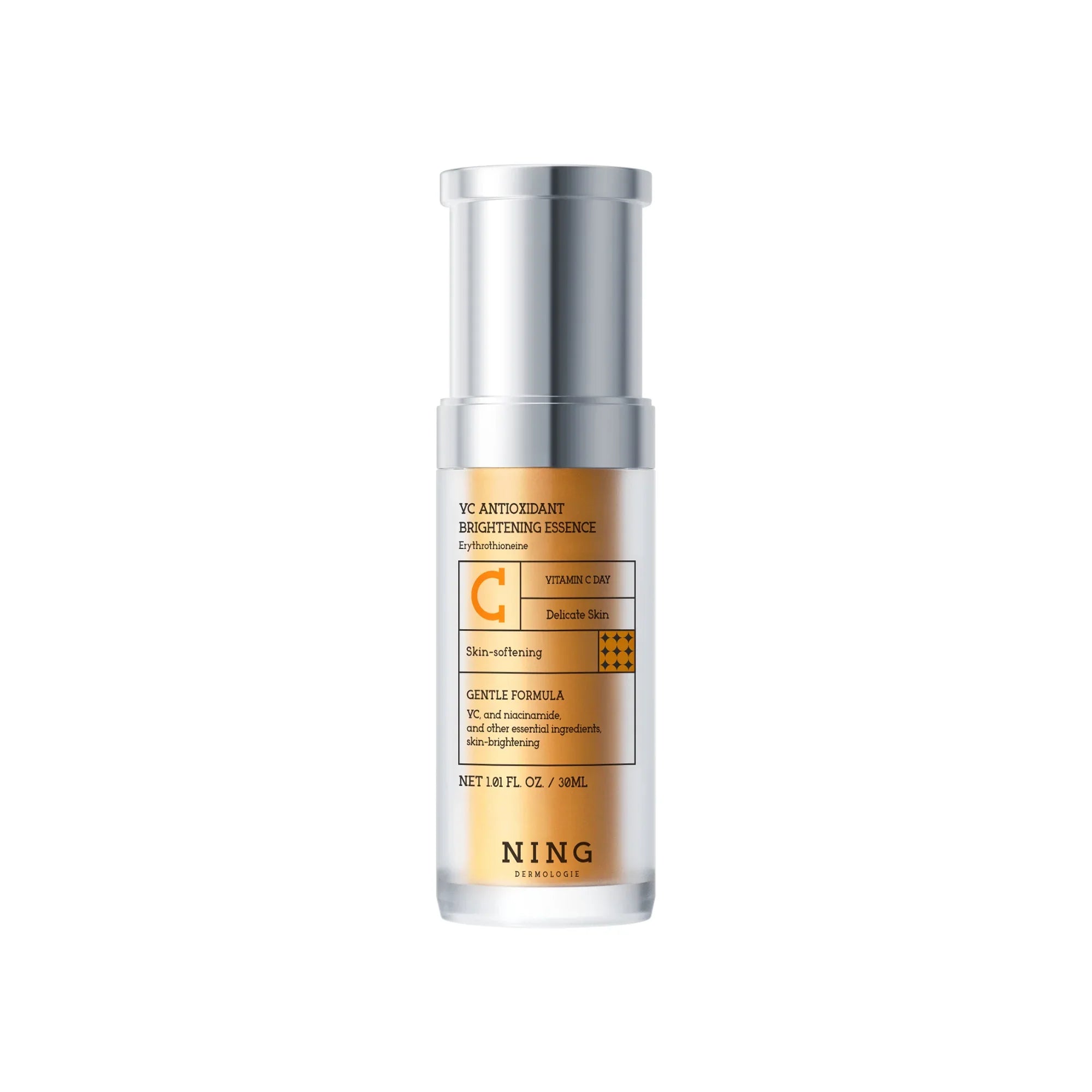
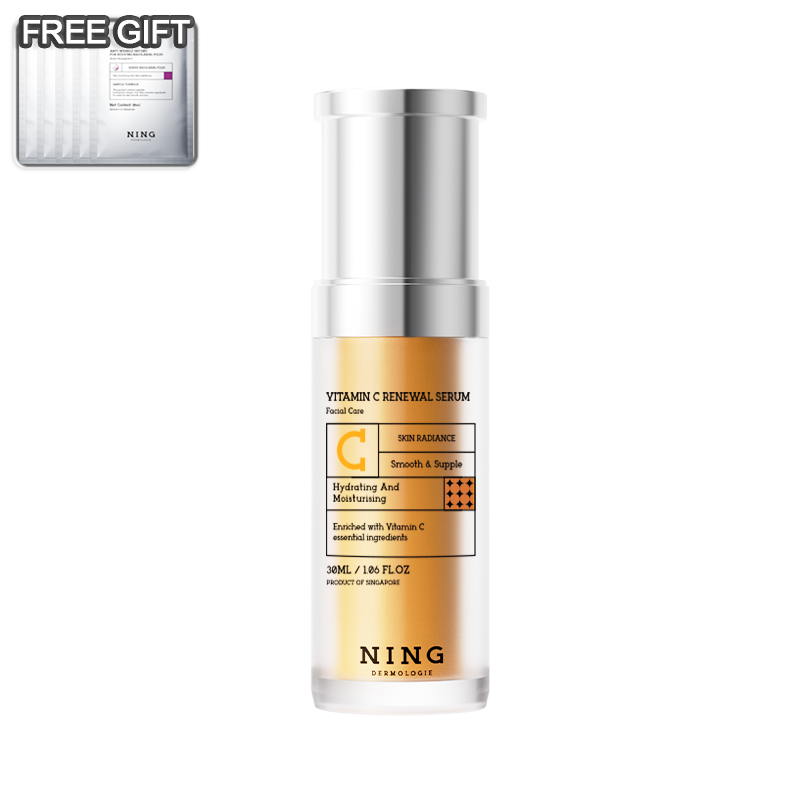
A: Yes, but proceed with caution. Use the SA wash at night and Vitamin C in the morning. Using them back-to-back can be too acidic for many people, leading to stinging and redness.
5. Will Salicylic Acid remove my acne scars?
A: It helps fade dark spots (hyperpigmentation) by speeding up cell turnover, but it won’t fill in pitted or indented scars. For deep textural scarring, you’ll need professional procedures like microneedling or lasers.





Share:
Are there salicylic acid face washes free of harsh chemicals?
Can You Actually Use Salicylic Acid Face Wash Daily? The Truth Behind the Glow