

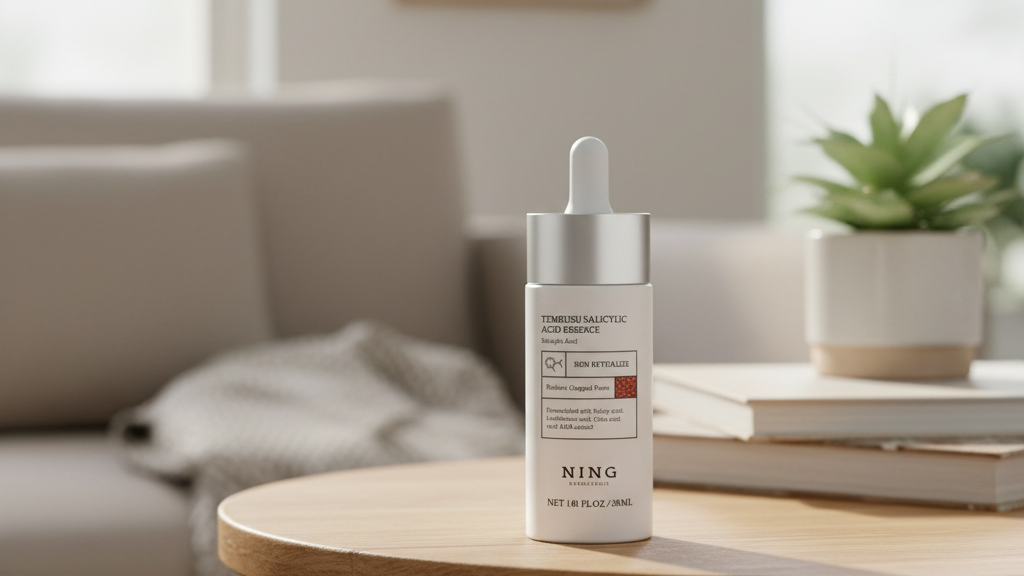

Ultimate Guide: Choosing the Right Salicylic Acid Product for Acne
Stop wasting money on viral skincare trends that promise "glass skin" overnight while ignoring the actual biology of your pores. If you struggle with persistent congestion, the reality is simple: your skin's natural exfoliation process is broken. When dead skin cells refuse to leave the party and invite excess sebum over, you get acne breakouts.
This is a deep dive into the power of salicylic acid, the undisputed heavyweight champion of acne treatment. At NING Dermologie, we believe in biology over hype. Let’s strip back the jargon and look at why this specific beta-hydroxy acid is the only thing standing between you and the clearer skin you’ve been chasing.

What Most People Get Wrong About Salicylic Acid
Before you apply salicylic acid to your face, you need to understand what it actually is. Salicylic acid is a beta-hydroxy acid (BHA) derived from willow bark. But unlike acids like glycolic acid or lactic acid (which are AHAs), salicylic acid is oil-soluble.
Why does that matter? Think of AHAs as surface cleaners—they’re great for polishing the top layer. But salicylic acid penetrates deeper. Because it loves oil, it dives straight into the follicle, dissolves dead skin cells, and breaks up the "glue" holding clogs together. If you have oily and acne-prone skin, surface exfoliation isn't enough; you need the deep-cleaning properties of salicylic acid to prevent the debris from turning into a cyst.
The Biological Benefits of Salicylic Acid for Acne
The skin benefits of salicylic acid go beyond just "zapping pimples." When you incorporate salicylic acid skincare into your skincare routine, you are essentially training your skin to behave better.
-
Regulating Skin Cell Turnover: It speeds up the rate at which you get rid of dead skin cells, preventing them from choking your pores.
-
Pore Refinement: By keeping the "gunk" out, salicylic acid helps your pores look smaller. Pores don't have doors, but they do stretch when full; keep them empty, and they stay tight.
-
Inflammation Control: Salicylic acid possesses natural anti-inflammatory qualities (it’s chemically related to aspirin). This is why it’s so effective for mild to moderate acne that looks red and angry.
-
Sebum Control: While it doesn't stop oil production entirely, it clears the path so oil can flow freely onto the skin surface rather than getting trapped and causing acne breakouts.
Choosing the Right Salicylic Acid Product for Your Skin Type
One size does not fit all. If you choose the best salicylic acid for a teenager with a "grease-slick" forehead and try to use it on someone with sensitive skin types, you’re going to end up with a damaged skin barrier.
For Oily and Acne-Prone Skin
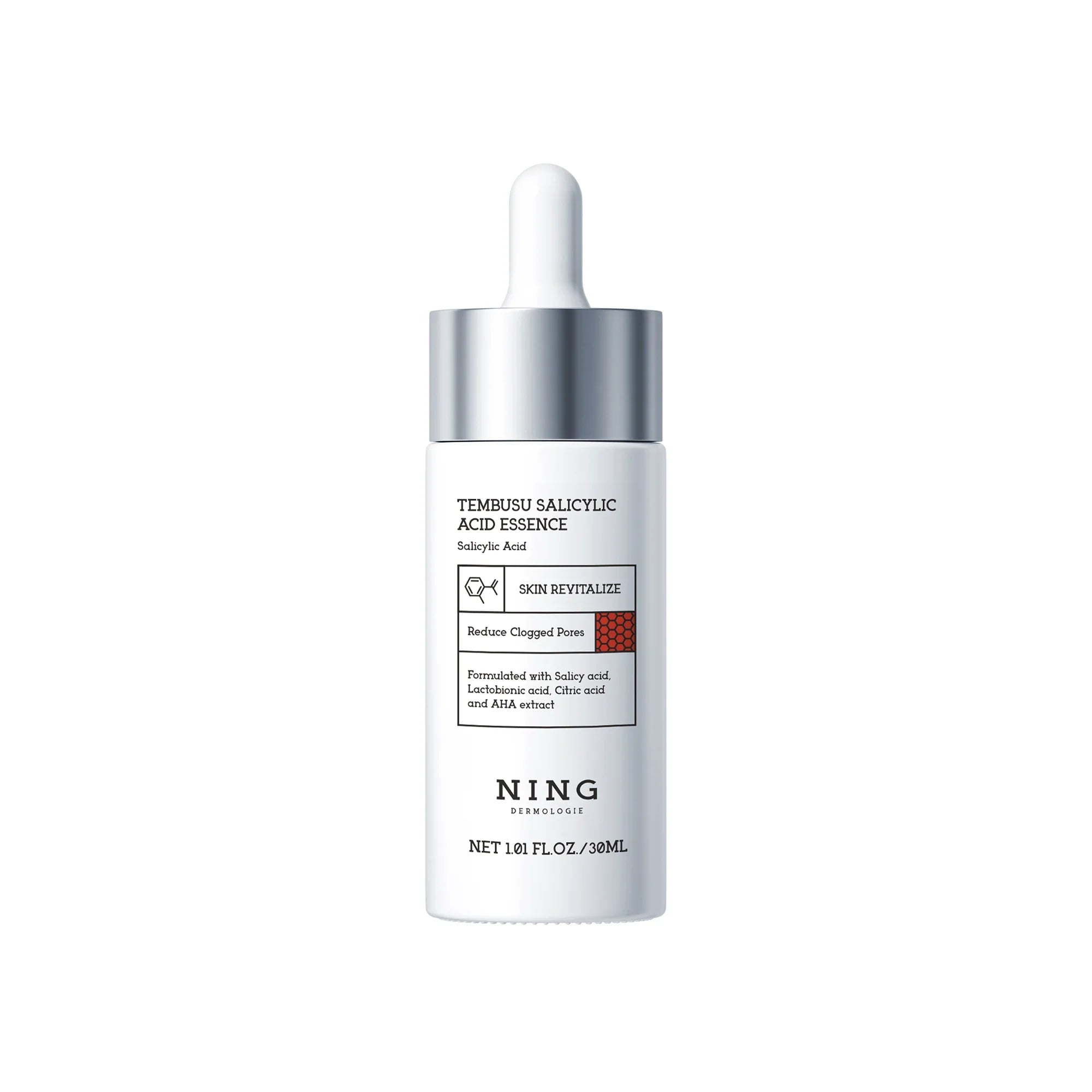
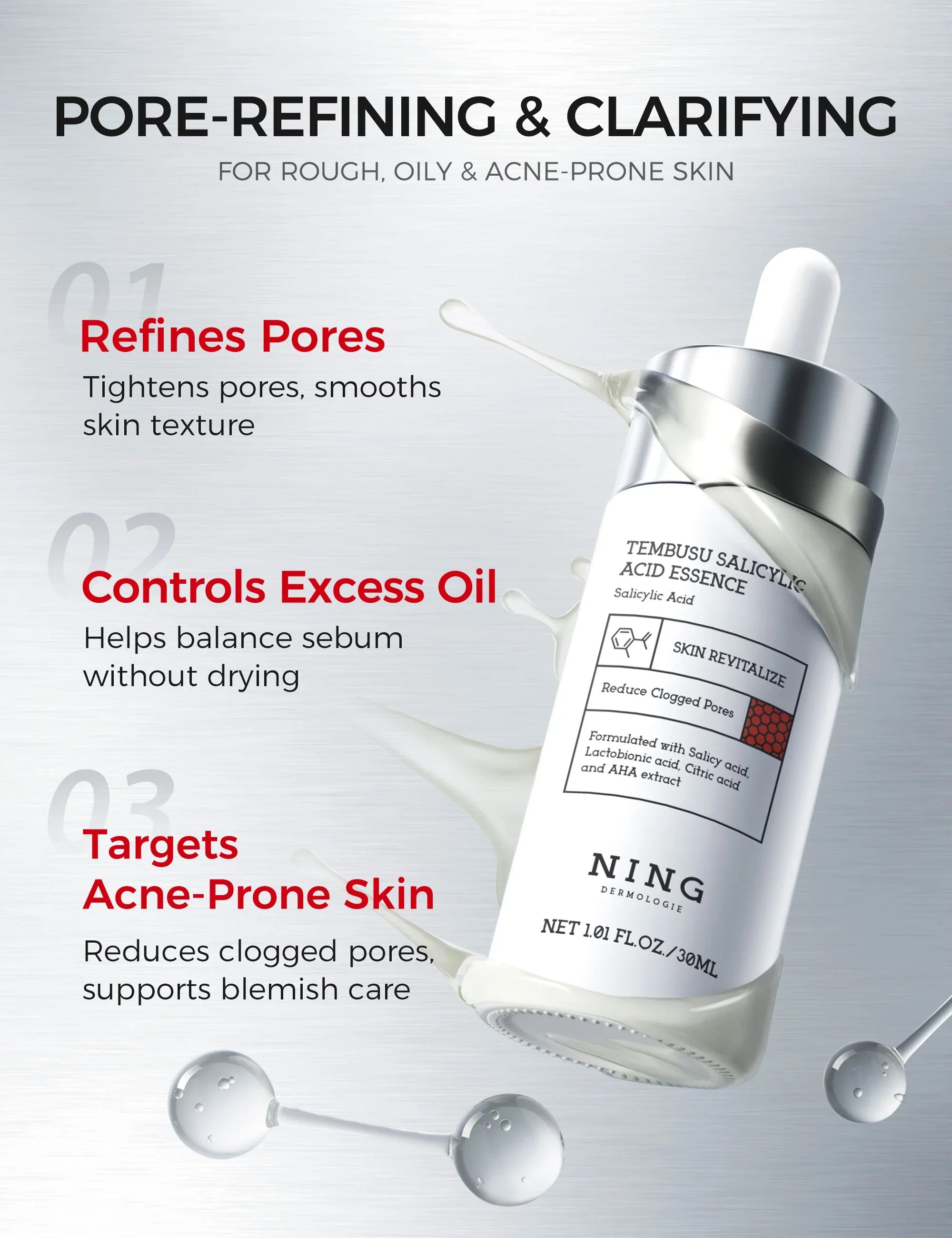
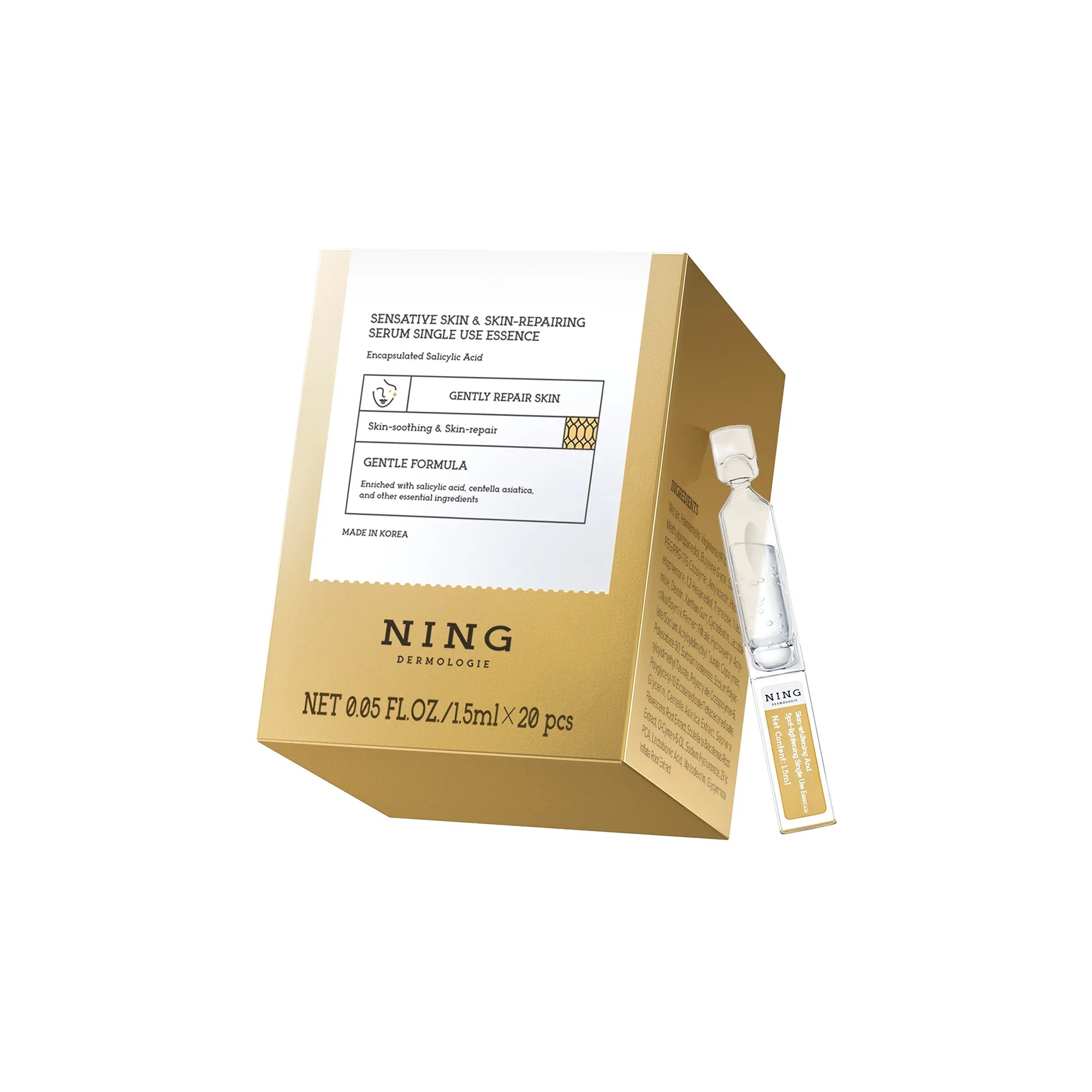
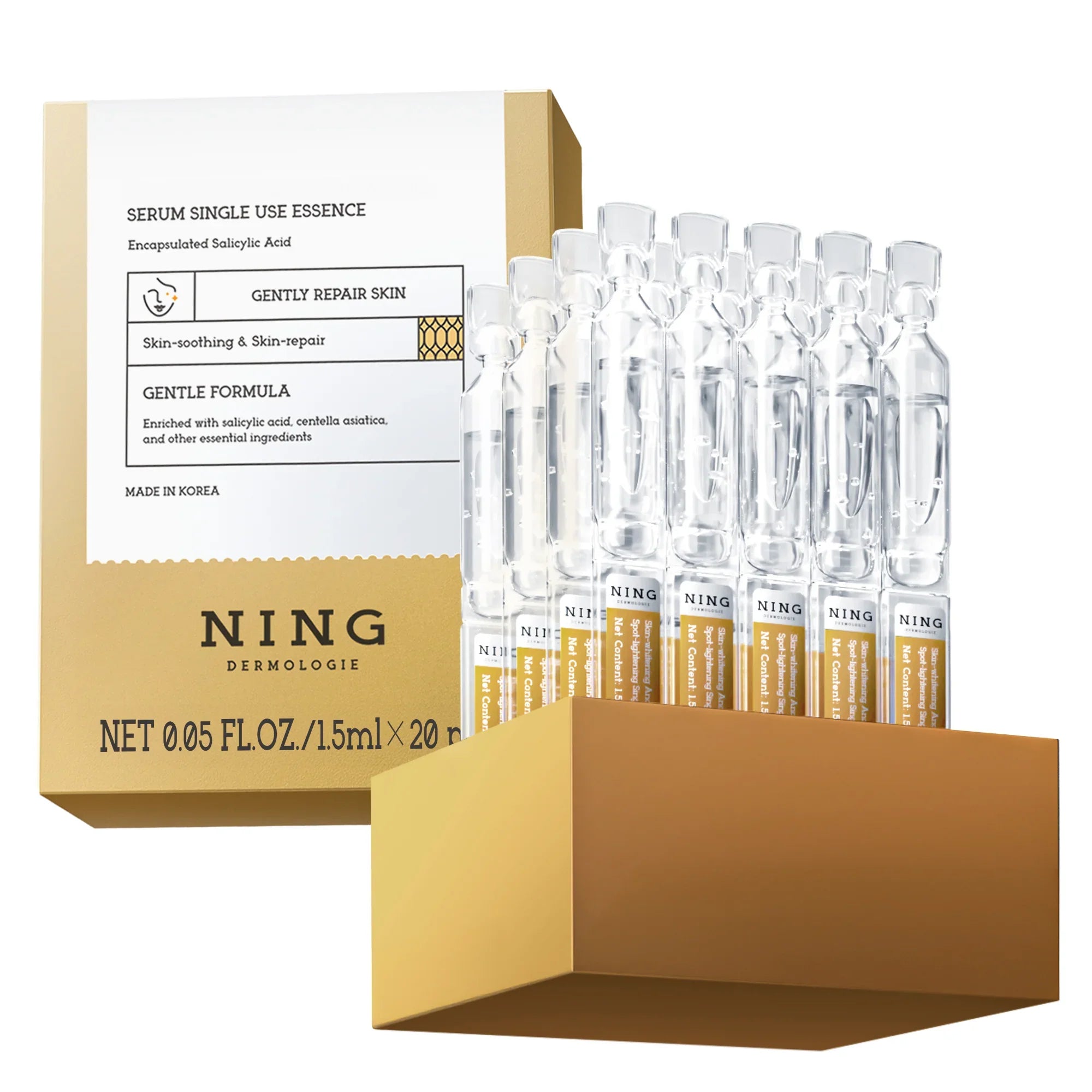
If your face feels shiny by noon, you can handle a higher concentration of salicylic acid. Using a salicylic acid cleanser in the morning is a brilliant way to prep the skin, but the real work happens with a leave-on treatment. Our NING Dermologie 2% Salicylic Acid Serum (view here) is formulated specifically to stay on the skin, allowing the acid to work for hours rather than being rinsed down the drain.
For Combination Skin
The "T-zone" struggle is real. You don't need to apply salicylic acid to your dry cheeks. Instead, use a salicylic acid serum as a spot treatment or only on the forehead, nose, and chin. This allows you to treat acne without causing unnecessary flaking in dry areas.
For Sensitive Skin
Can you use salicylic acid if your skin turns red at the mere thought of a scrub? Yes, but you must be surgical about it. Look for products containing salicylic acid that also include soothing agents like niacinamide or hyaluronic acid. Salicylic acid is generally well-tolerated if you start slow—think twice a week, not twice a day.
The NING Dermologie Approach: Why 2% is the Sweet Spot
When browsing the best salicylic acid products, you’ll see concentrations ranging from 0.5% to 5%. In our lab at NING Dermologie, we found that 2% Salicylic Acid is the "Goldilocks" zone. It’s potent enough to penetrate pores and tackle stubborn acne, yet it doesn't cause the aggressive peeling associated with clinical-strength peels.
Our 2% Salicylic Acid Serum excels because it pairs the beta-hydroxy acid with a delivery system that respects the skin barrier. When salicylic acid works in tandem with hydrating elements, you get the clear skin results without the "desert-dry" side effects.
How to Integrate Salicylic Acid into Your Skincare Routine
If you’re new to the power of salicylic acid, don't go from zero to sixty. Here is how to apply salicylic acid like a pro:
Step 1: The Cleanse
Start with a gentle, non-active cleanser. If you’re already using a salicylic acid cleanser, you might not need a serum as well. Overdoing it is the fastest way to skin irritation.
Step 2: The Treatment
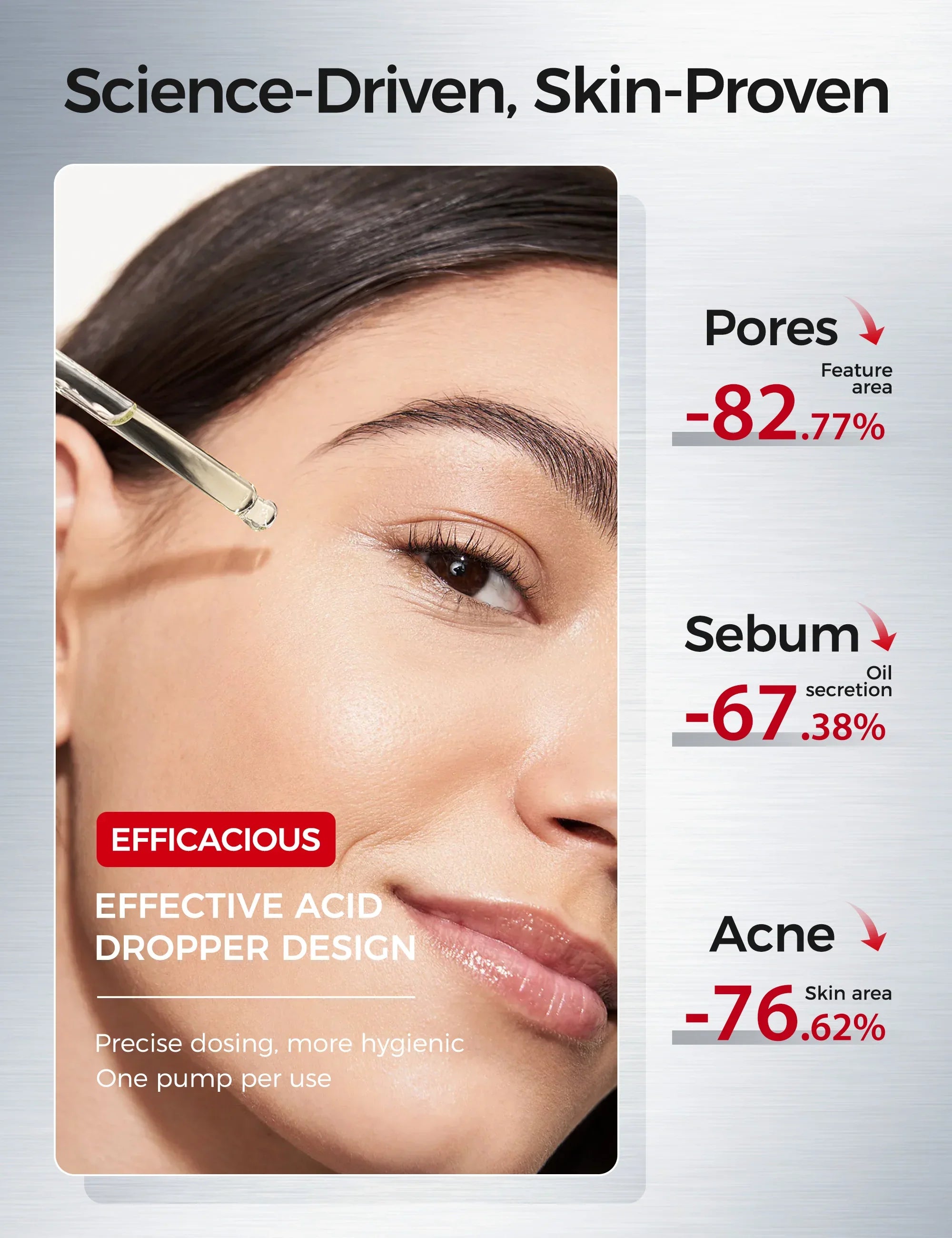
Apply 2-3 drops of your salicylic acid serum to clean, dry skin. Pat it in—don't rub aggressively. Let it sit for 30 seconds.
Step 3: Hydrate (Crucial!)
Since salicylic acid is oil-soluble and can be drying, you must follow up with a moisturizer. Look for one with hyaluronic acid to lock in water.
Step 4: Protect
Salicylic acid may increase your skin’s sensitivity to the sun. If you use salicylic acid in the morning, a broad-spectrum SPF 30+ is non-negotiable. If you prefer to play it safe, keep your salicylic acid at night.
What to Avoid: The "Acid Cocktail" Danger
A common mistake in a skincare routine is being too greedy. Do not mix salicylic acid with:
- Retinol/Retinoids: Use them on alternating nights. Using both together is an invitation for a chemical burn.
- Physical Scrubs: The acid is doing the exfoliating for you. You don't need a sandpaper scrub on top of it.
- High-strength Glycolic Acid: Unless you have incredibly resilient skin, combining BHAs and AHAs in the same window can compromise your lipid barrier.

The Reality of "The Purge"
When you first start using any salicylic acid, your skin might actually look worse before it looks better. This is called skin cell turnover acceleration. Salicylic acid dissolves the clogs that were already forming deep underground and brings them to the surface all at once. If you see small whiteheads in areas where you normally break out, stay the course. It usually clears within 2-3 weeks, revealing clearer skin.
Final Thoughts: Choosing the Right Salicylic Acid
Achieving clear skin isn't about finding the strongest chemical on the shelf; it's about choosing the right salicylic acid for your unique biology. Whether you opt for a salicylic acid cleanser for a quick refresh or a concentrated salicylic acid for acne treatment like our NING Dermologie serum, consistency is your only path to success.
Salicylic acid works wonders, but it isn't magic. It requires patience, a bit of science, and a lot of sunscreen. Stop guessing and start treating your pores with the respect they deserve.
Frequently Asked Questions (FAQ)
1. Is it safe to use salicylic acid every day?
It’s not a yes-or-no answer—it’s about your skin's tolerance. If you’re battling heavy oil and stubborn congestion, your face might handle a daily dose just fine. But if you’re prone to dry patches, every day is overkill. Start by applying it twice a week. If your skin doesn't get tight or angry, you can slowly ramp it up. For most, the "sweet spot" is once every other night.
2. Can I use salicylic acid and Vitamin C together?
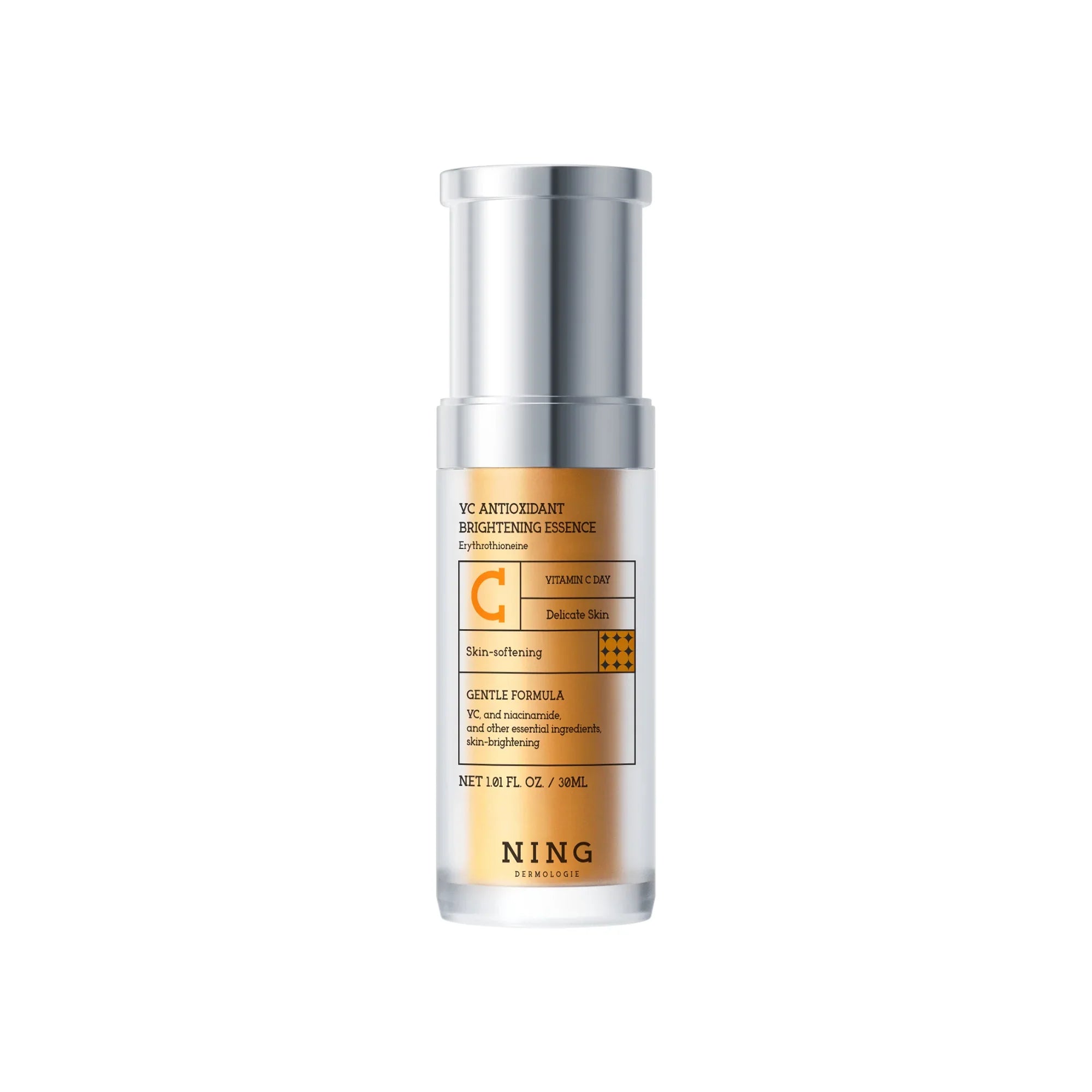
You can, but your skin might hate you for it. Both are actives that thrive in acidic environments, and stacking them at the same time often leads to stinging or a red, compromised barrier. A much smarter move? Use your Vitamin C in the morning to fight pollution and save your salicylic acid serum for your nighttime routine. This split-schedule gives you the best of both worlds without the irritation.
3. Does salicylic acid help with blackheads?
Yes, salicylic acid excels at treating blackheads. Because it is oil-soluble, it enters the pore and dissolves dead skin cells and oxidized oil (the black "plug"). Regular use of a 2% Salicylic Acid Serum keeps the pore lining clear, preventing the debris from hardening into a blackhead in the first place. Consistency is key for lasting results.
4. What should I do if my skin starts peeling?
Peeling is a sign of over-exfoliation or a compromised barrier. Reduce your use [of] salicylic acid immediately. Switch to a basic skincare routine focused on hydration with hyaluronic acid and ceramides. Once the peeling stops, reintroduce the acid slowly, perhaps once every three days, and always follow up with a high-quality moisturizer to protect your skin's surface.
5. Can I use salicylic acid while pregnant?
Most dermatologists suggest that topical salicylic acid products in low concentrations (2% or less) are generally safe, but it is a derivative of aspirin. You should always consult your healthcare provider before using salicylic acid or any active acid during pregnancy. Many people switch to lactic acid or azelaic acid as a gentler alternative during this period.
6. Why am I breaking out more after starting a serum?
This is likely "purging." Salicylic acid penetrates deeper to pull up underlying congestion. It accelerates skin cell turnover, forcing existing clogs to the surface faster. If the breakouts occur in your usual "trouble zones" and disappear quickly, it’s a sign the salicylic acid works. This phase typically lasts 2 to 4 weeks before you see clearer skin.





Share:
2026’s Best Salicylic Acid Serums: From Luxury to Drugstore Options
Elevate Your Routine: Premium Skincare Sets for 2026 Glowing Skin