


The Ultimate Power Duo: Why Vitamin C Serum + SPF 30 Mineral Sunscreen is Non-Negotiable
Let’s be honest: the skincare aisle is overwhelming. Between the ten-step routines trending on TikTok and the endless barrage of "miracle" ingredients, it’s easy to get lost in the noise. But if you were to strip away the fluff and ask any dermatologist what the absolute non-negotiables are for radiant skin, the answer is almost boringly consistent. It’s not a rare orchid extract harvested at midnight. It is a strategic pairing of two workhorses: Vitamin C and Sunscreen.
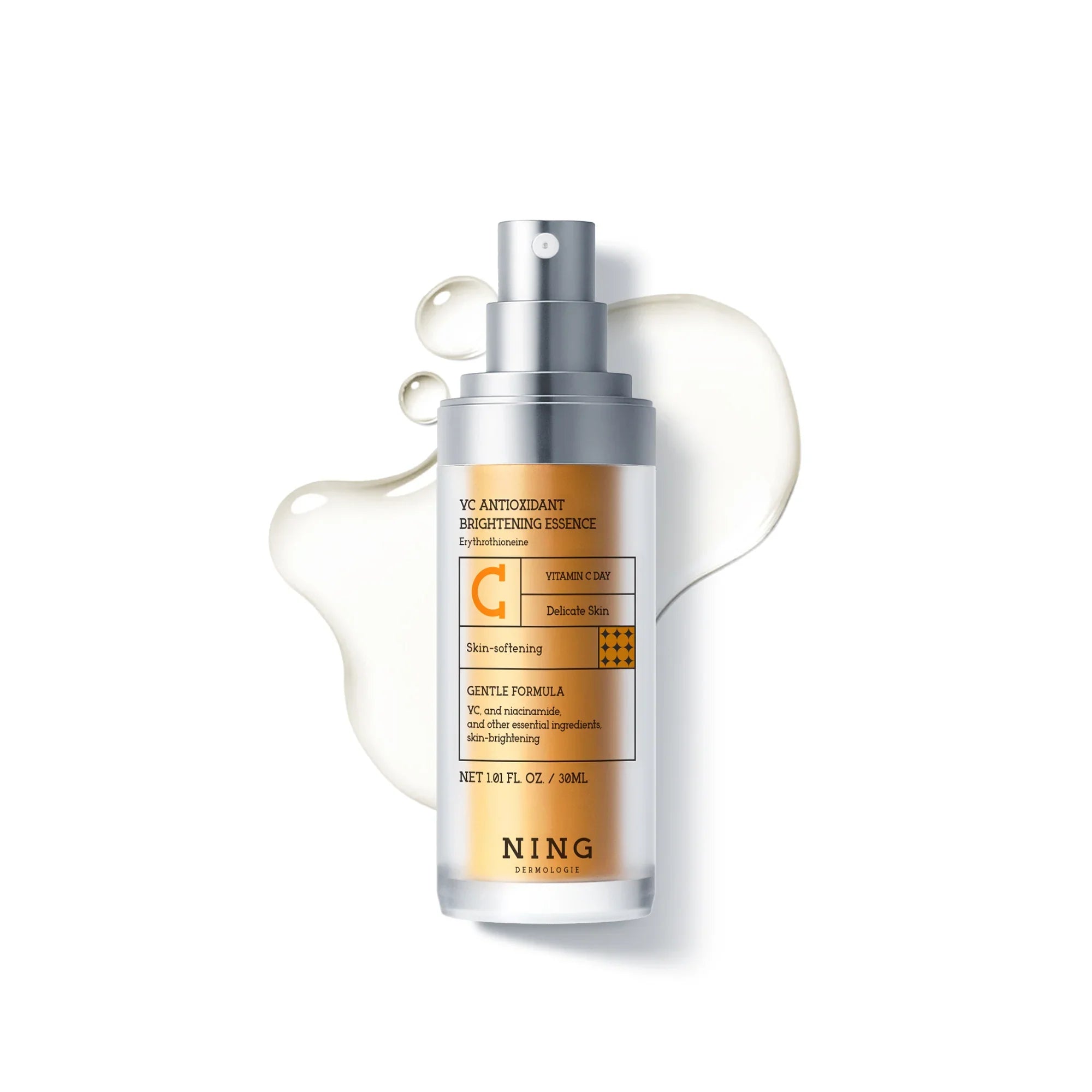
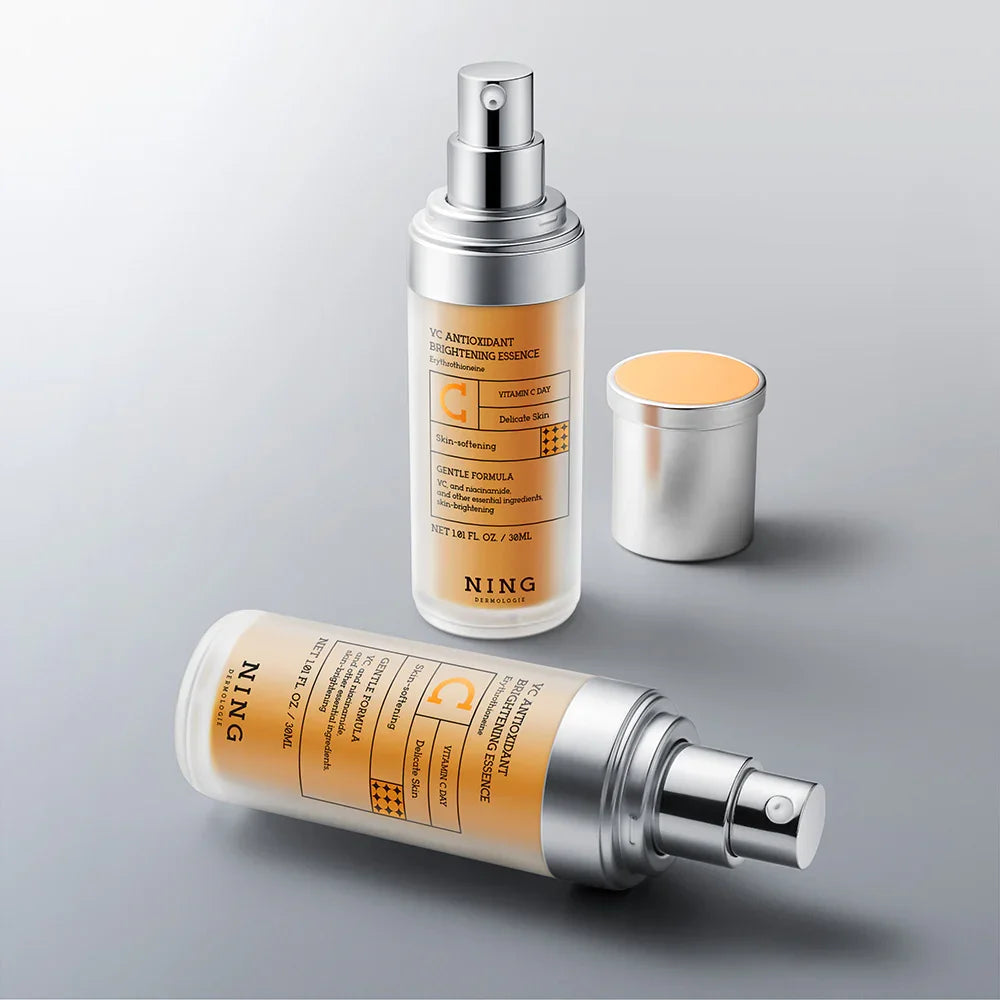
At NING Dermologie, we refer to this combination as the Power Duo. It isn’t just marketing speak; it’s biological necessity. When you pair a potent antioxidant like Vitamin C serum with a broad-spectrum protection sunscreen, you aren’t just adding two steps to your morning; you are creating a synergistic shield that does what neither product can do alone.
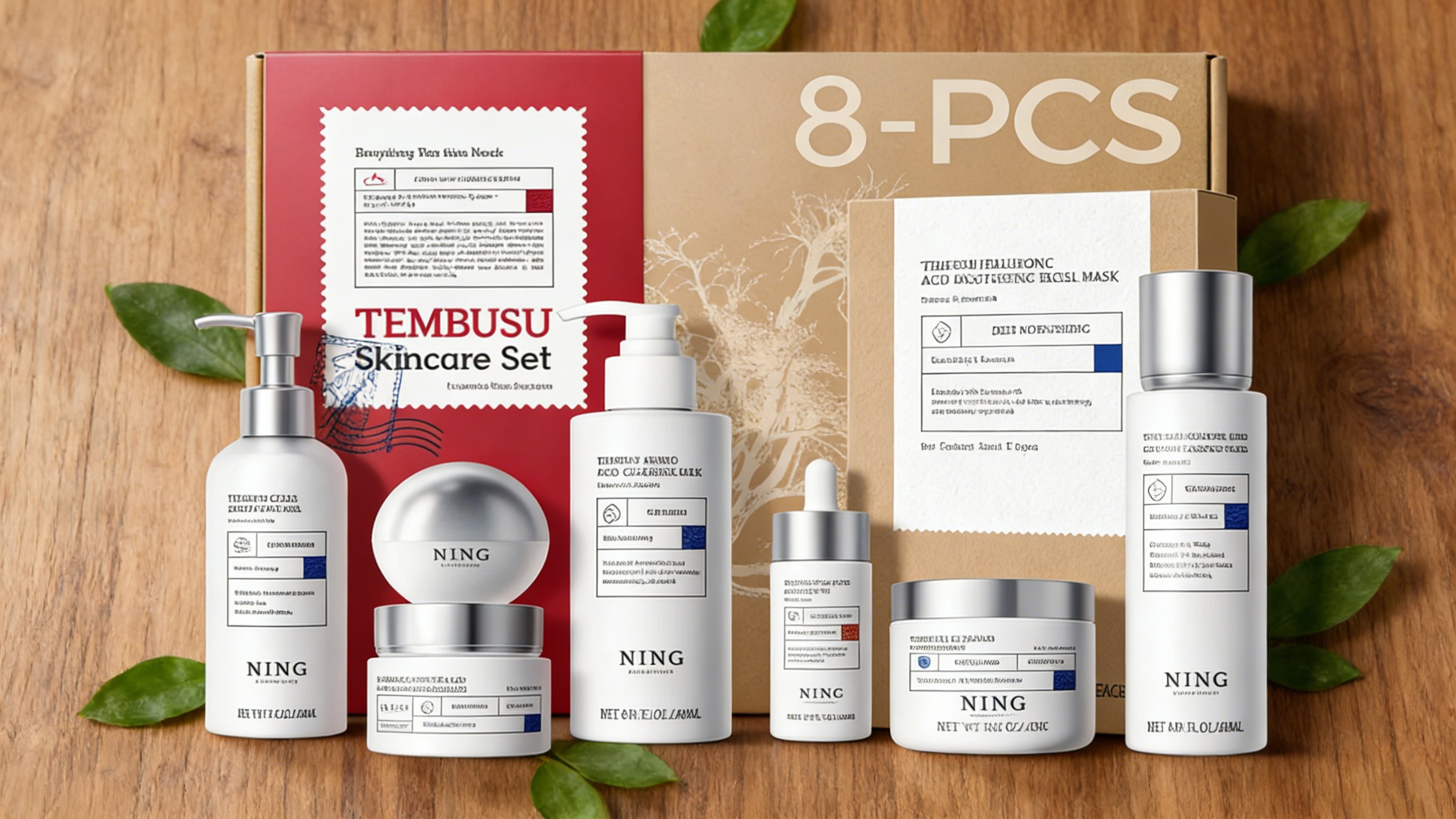
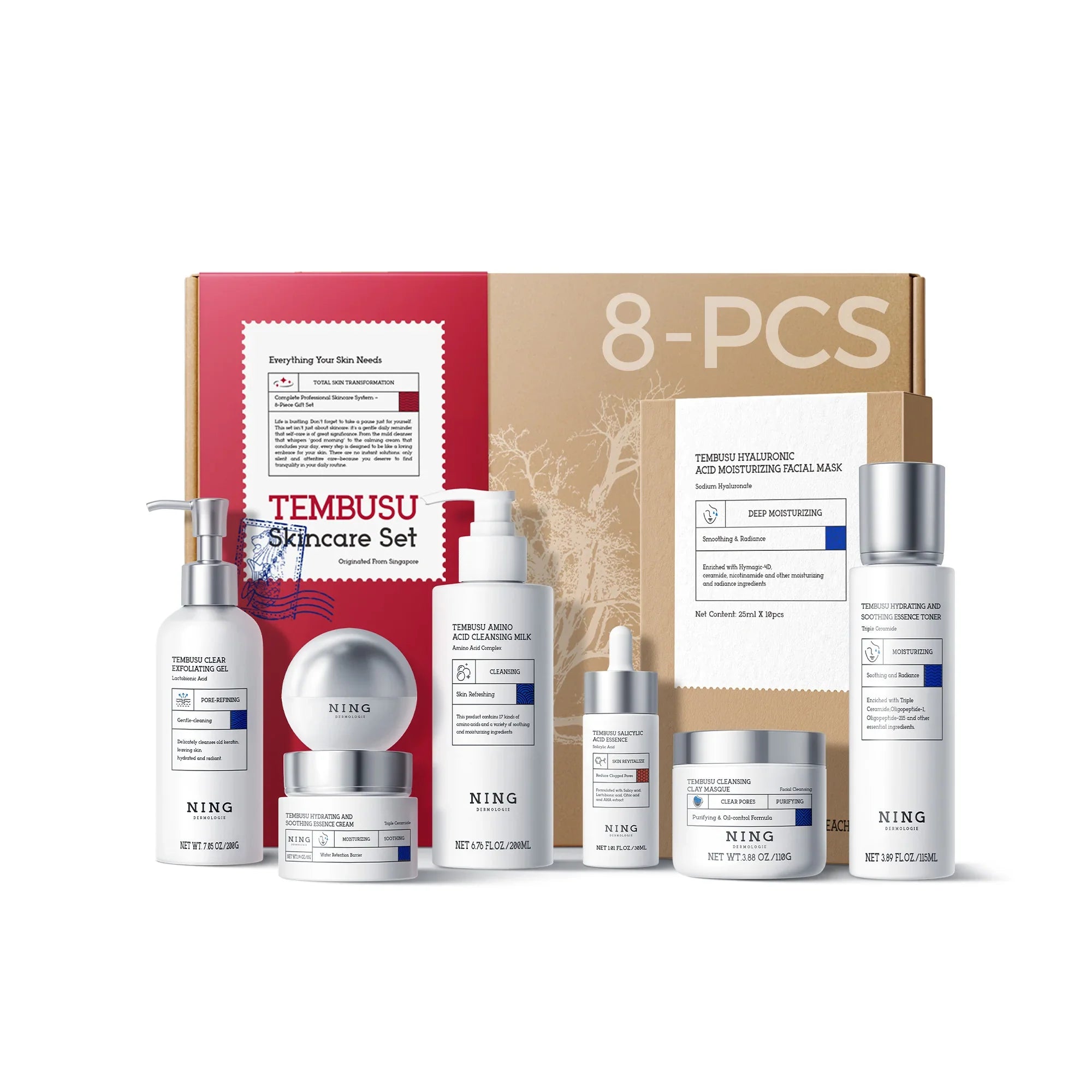
Here is the deep dive into why this duo is the secret to anti-aging, how to use it without pilling, and why the TEMBUSU 8-Step Routine Skincare Set might be the investment your skin is begging for.

Understanding the Science: What is Vitamin C and Why Does It Matter?
To understand why Vitamin C is crucial, you have to understand what is attacking your face every day. It’s not just the sun; it’s the air.
Vitamin C (L-ascorbic acid and its stable derivatives) is a powerhouse antioxidant. Its primary job is to neutralize free radicals. Think of free radicals as unstable molecules that are missing an electron. They frantically bounce around your skin cells, stealing electrons from healthy atoms. This process is called oxidative stress, and it is the root cause of premature aging, fine lines, and that dull, tired look we try to cover with concealer.
How a Vitamin C Serum Works
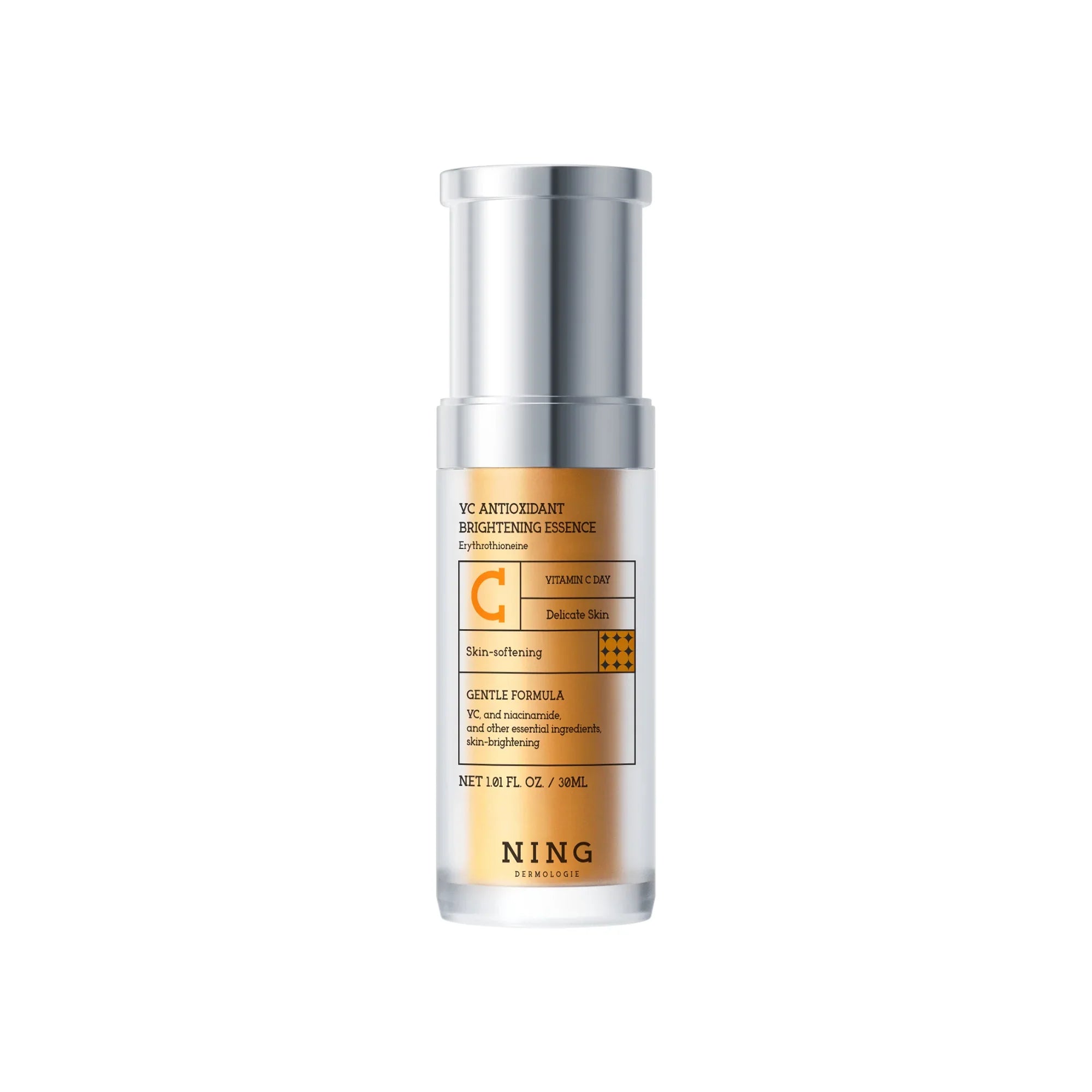
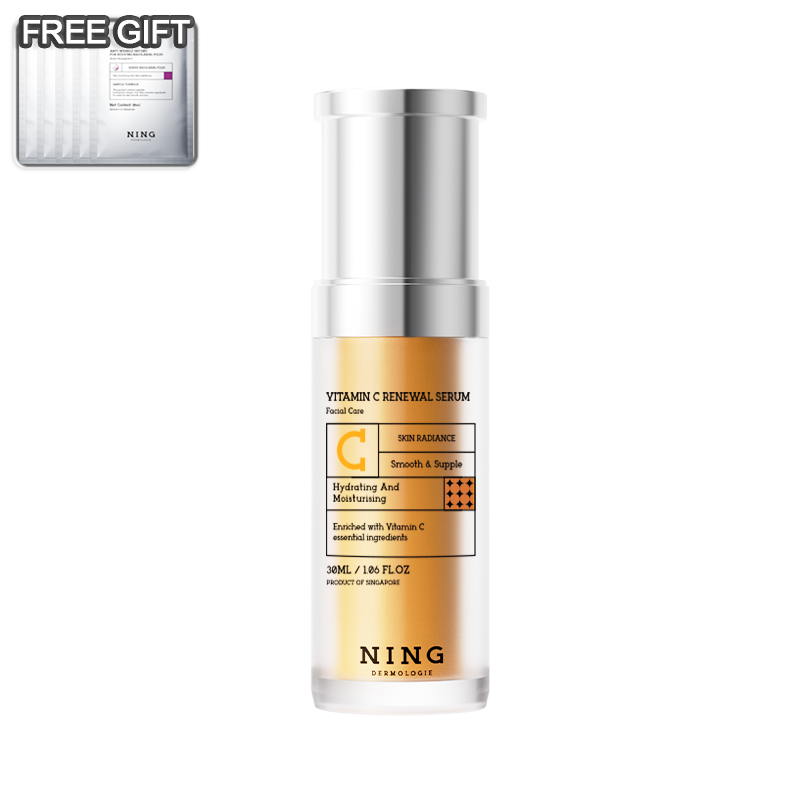
When you apply Vitamin C serum, you are essentially giving those free radicals a sacrificial electron so they leave your collagen alone. A high-quality serum boosts the skin's natural defense system. It doesn't just sit there; it actively works to brighten the complexion and fade dark spots caused by past acne or sun exposure.
However, not all serums are created equal. Formulation matters. A Vitamin C serum needs to be stable, potent, and capable of penetrating the barrier of the skin. This is why we focus on clinically proven stability at NING Dermologie. We want to ensure that the ingredient stays active from the first drop to the last.
The Role of Sunscreen: Your Daily Shield Against UV Rays
If Vitamin C is the repair crew, sunscreen is the fortress wall. Daily sun protection is the single most effective way to prevent signs of aging. You can use the most expensive anti-aging cream in the world, but if you skip SPF, you are pouring money down the drain.
Mineral vs. Chemical: Why We Choose Mineral
There is a massive debate between chemical and mineral sunscreen. Chemical filters (like oxybenzone) absorb UV rays and convert them into heat. While effective, they can be irritating for sensitive skin types and heat can sometimes exacerbate conditions like melasma.
Mineral sunscreens, typically using ingredients like non-nano zinc oxide or titanium dioxide, work differently. They sit on top of the skin and physically reflect harmful UV rays (both UVA and UVB) like a mirror.
For the TEMBUSU 8-Step Routine Skincare Set, we champion formulations that are gentle yet effective. A mineral sunscreen provides broad-spectrum protection immediately upon application. The historical downside? The dreaded white cast. However, modern technology has allowed us to create transparent or tint formulas that disappear into every skin type, providing a physical shield without the ghost-face effect.
The Power Duo: How They Work Synergistically
Here is the secret that justifies the "Power Duo" title: Sunscreen isn't perfect.
Even the best SPF 30 or SPF 50 sunscreen only blocks about 97% to 98% of UVB rays. It acts as a filter, not an impermeable wall. Some UV radiation inevitably slips through the cracks, generating free radical damage deep within the dermis.
This is where your Vitamin C serum steps in as the safety net. The Vitamin C residing in your skin neutralizes the free radicals generated by the UV rays that bypassed your sunscreen.
- Sunscreen protects the skin from the outside in.
- Vitamin C protects the skin from the inside out.
Together, they defend against sun damage (sunburn and DNA damage) and cellular damage significantly better than either could alone. This combination also tackles blue light from screens and pollution, offering what we call ultimate power protection.
Incorporating the Duo into Your Daily Skincare Routine
Consistency is key. A daily skincare routine doesn't need to be complicated, but the order of operations helps deliver results. Here is how to incorporate these heroes, ideally using a comprehensive system like the TEMBUSU 8-Step Routine Skincare Set.
Step 1: Cleanse and Prep
Start with a clean canvas. Use a gentle cleanser that removes impurities without clogging pores. You might follow with a toner containing witch hazel or other soothing botanicals to prep the skin's pH.
Step 2: Apply Vitamin C Serum
Always apply your Vitamin C serum on clean, dry skin. This allows the active ingredient to penetrate deeply. A few drops are usually enough. Gently press it into the face and neck. You might feel a slight tingle—that means it's working. This step is vital to boost brightness and kickstart collagen production.
Step 3: Hydration and Moisture
Vitamin C can sometimes be drying, which is why hydration is the next critical step. Look for ingredients like hyaluronic acid or Vitamin E. Vitamin E is actually Vitamin C’s best friend; they stabilize each other. A lightweight moisturizer locks in the serum and restores moisture to the skin barrier.
Step 4: The Mineral Sunscreen
The final step in your morning routine must be SPF. Apply a generous amount of mineral sunscreen (aim for SPF 30 or higher). Ensure you apply it at least 15 minutes before sun exposure. Don't forget the eyelids and ears!
Addressing Skin Concerns: Anti-Aging, Dark Spots, and Radiance
Why do we obsess over this duo at NING Dermologie? Because it addresses the trifecta of skin complaints: Pigmentation, Texture, and Laxity.
Combating Hyperpigmentation
Dark spots and hyperpigmentation are notoriously difficult to treat. They are clusters of melanin produced in response to injury (like acne) or sun. Vitamin C interrupts the enzyme tyrosinase, which is responsible for melanin production. Over time, this helps fade dark spots and brighten your complexion. When you put SPF on top of it, you stop the sun from darkening those spots again. It is a cycle of fixing things and keeping them from happening again.
Boosting Collagen and Elasticity
As we age, collagen production slows down, leading to wrinkle formation and loss of elasticity. Vitamin C is essential for collagen synthesis. You physically cannot make new collagen without it. By ensuring daily use, you are banking collagen for the future, keeping the skin firm.
Achieving the "Glow"
We all want that radiance. A dull complexion is often just a layer of dead skin cells and oxidative damage. The exfoliating properties of acidic Vitamin C, combined with the reflective nature of a mineral shield, result in radiant skin that looks healthy and vibrant.
Why Choose the TEMBUSU 8-Step Routine Skincare Set?
At NING Dermologie, we understand that sourcing individual products can be a chemistry experiment gone wrong. Formulas can clash, causing pilling or irritation.
The TEMBUSU 8-Step Routine Skincare Set eliminates the guesswork. We have curated a regimen where the Vitamin C serum is pH-balanced to work perfectly under our mineral sunscreen.
- Lightweight Textures: We know that every skin type hates heavy, greasy residues. Our serum is fast-absorbing, and our SPF provides a transparent finish.
- Comprehensive Care: It’s not just about C and SPF. The set includes supportive steps for hydration and cleansing, ensuring your barrier remains intact.
- Safe for Sensitive Skin: We avoid harsh chemicals like oxybenzone, relying instead on extract-based soothing agents and non-nano zinc oxide.

Common Myths About Vitamin C and Sunscreen
Let’s clear up some confusion regarding this skincare power couple.
Myth 1: "I don't need sunscreen if my makeup has SPF."
False. The amount of makeup you need to apply to get the advertised SPF 30 protection is impractical (you’d look like a cake). You need a dedicated daily sunscreen.
Myth 2: "Vitamin C makes skin sensitive to the sun."
This is a misunderstanding. While some acids (like AHAs) make you photosensitive, Vitamin C actually protects against sun damage. However, because it is an acid, we always recommend pairing it with SPF to prevent oxidation of the product itself on your face.
Myth 3: "I only need this in the summer."
UVA rays (the aging rays) penetrate clouds and glass. They are present in winter and when you are driving. Daily sun protection is a 365-day commitment.
Conclusion: Your Path to Brighter Skin
Achieving radiant, healthy skin is a marathon, not a sprint. The combination of Vitamin C and sunscreen is the most potent tool in your kit. It simplifies the complex world of skincare into two actionable steps: protect and repair.
Using this Power Duo and a system that works well together, like the TEMBUSU 8-Step Routine Skincare Set, is a good way to keep your skin healthy for a long time. You aren't just applying products; you are building a defense against the environment. Put on your C serum and mineral SPF, and let your skin shine.
Frequently Asked Questions (FAQ)
Q1: Can I use Vitamin C serum every day?
Yes, daily use is recommended for the best results. Since Vitamin C protects against environmental stressors and helps boost brightness, using it every morning provides your skin with a constant reservoir of antioxidant protection. If you have extremely sensitive skin, you might start every other day and build up to daily application as your skin tolerance increases.
Q2: Should I apply Vitamin C in the morning or at night?
While you can use it morning and night, we strongly recommend applying it in the morning. This allows the serum to act as a second line of defense against free radicals and UVB rays throughout the day. If you use it at night, it focuses more on repair and collagen production, but morning use maximizes its protective capabilities alongside your sunscreen.
Q3: Will mineral sunscreen leave a white cast on my skin?
Historically, yes, but modern formulations like those in the TEMBUSU set use micronized or non-nano zinc oxide. These are designed to rub in transparent or come with a slight tint to blend with every skin type. You get the broad-spectrum protection of a physical barrier without looking like a ghost.
Q4: How long should I wait between applying Vitamin C and Sunscreen?
Patience is a virtue in skincare. After you apply Vitamin C serum, wait about 1-2 minutes for it to fully absorb into the skin. Follow with your moisturizer, let that set, and then apply your daily sunscreen. This prevents the products from pilling (rolling up into little balls) and ensures the barrier is formed correctly.
Q5: Is Vitamin C safe for sensitive skin?
Generally, yes, but the form matters. L-ascorbic acid is potent but can be irritating at high concentrations. At NING Dermologie, we formulate our serums to be effective yet gentle, often adding soothing ingredients like Vitamin E or hyaluronic acid to buffer the skin. Always patch test if you are prone to redness.
Q6: Does this routine really help with anti-aging?
Absolutely. Up to 90% of visible skin changes (photoaging) are caused by the sun. You are taking care of the two biggest causes of fine lines, wrinkles, and sagging by using SPF 30 (to prevent) and Vitamin C (to fix and support collagen). This power duo is the gold standard for anti-aging maintenance





Share:
Unlock Radiance: Salicylic Acid Serum Essentials
The Ultimate Beginner’s Guide to Choosing Your First Skincare Set: A Step-by-Step Tutorial