


The "glow" isn't just a trend anymore; it’s a currency. If you’ve spent more than five minutes scrolling through TikTok or Instagram lately, you’ve seen it—that "glass skin" look that seems to defy biology. But behind every Viral skincare video of an influencer with a radiant, poreless complexion, there is a very specific, often intense skincare routine. The gatekeepers of Girl Aesthetics and wellness advice have moved past the era of harsh walnut scrubs that left our faces red and raw. We are now in the age of the sophisticated exfoliating cleanser.
But let’s be real: with a million beauty products hitting the market every month, which ones are actually clearing away dead skin cells and which ones are just expensive soap? I’ve done the editor's research, sifted through the Baumann Skin Type® recommendations, and watched enough Bethenny Frankel "real talk" reviews to narrow down what’s actually working.
Whether you’re dealing with rough texture, stubborn breakouts, or just want to ensure your Vitamin C serums actually penetrate your skin, choosing the right exfoliating product is the make-or-break step.

The Evolution of the Scrub: From Sandpaper to Science
Remember the early 2000s? We used to think if it didn't hurt, it wasn't working. Influencers today have collectively moved toward "skin barrier respect." We’ve traded jagged shells for bamboo buffers, Luffa fruit, and bamboo powder. These physical exfoliants are much finer, providing a gentle mechanical nudge to those stubborn skin cells without causing facial irritation.
However, the real shift has been toward chemical exfoliators. Most influencers now swear by hydroxyacid cleansers because they do the work of a deep cleanse without the friction. We’re talking about alpha hydroxy acid (AHA) like glycolic acid for surface brightening and lactic acid for hydration, or salicylic acid (BHA) for those of us fighting the good fight against oil and acne.
The "Clean Girl" Favorite: NING Dermologie
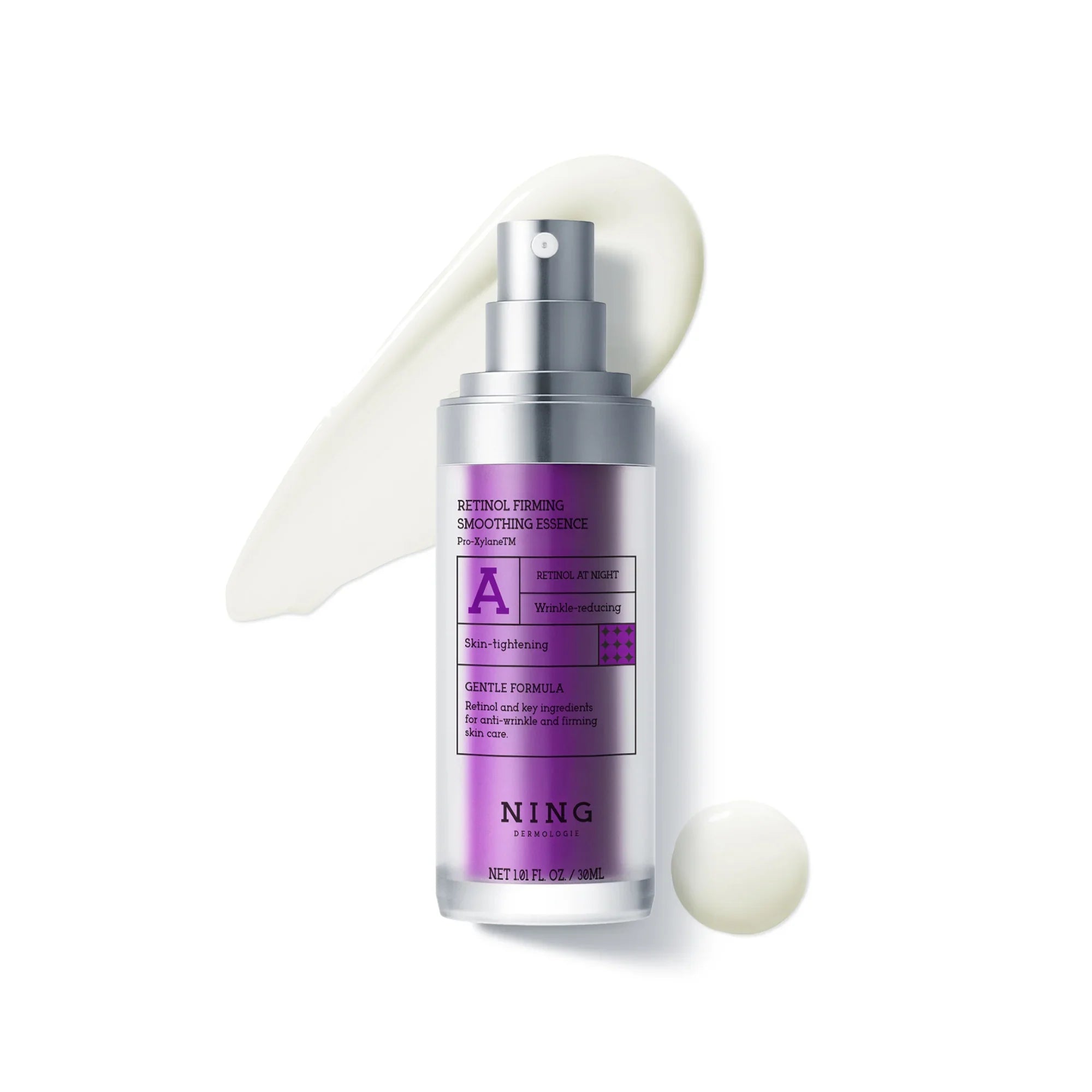
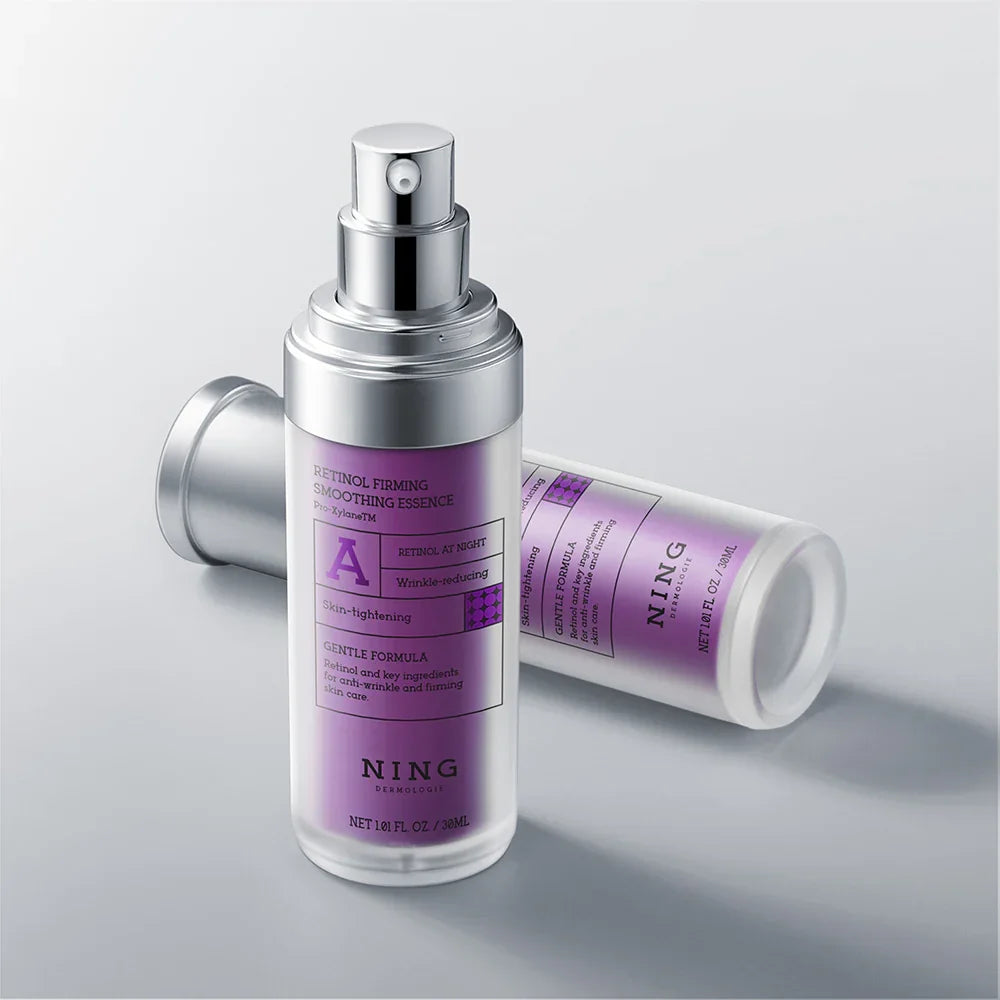
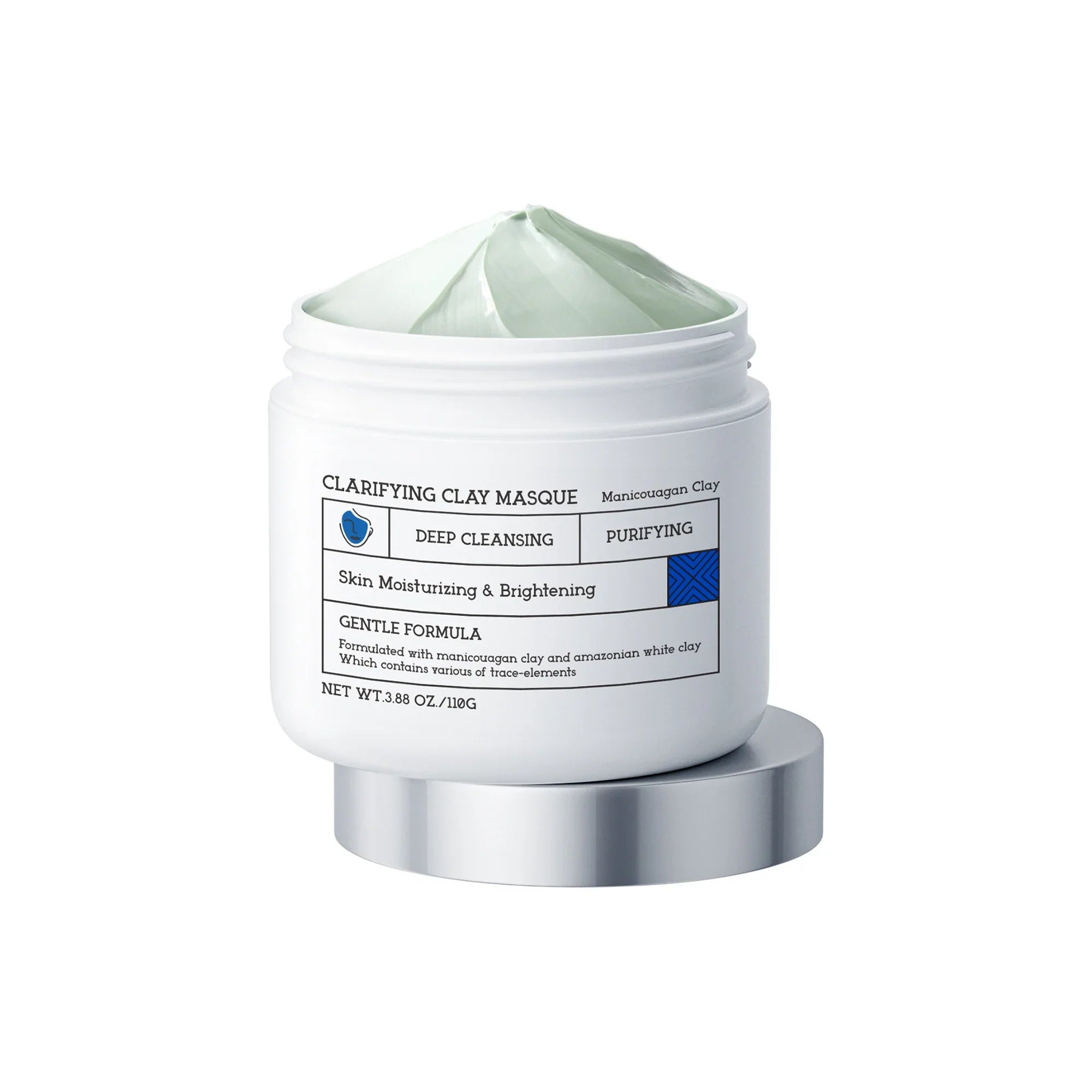
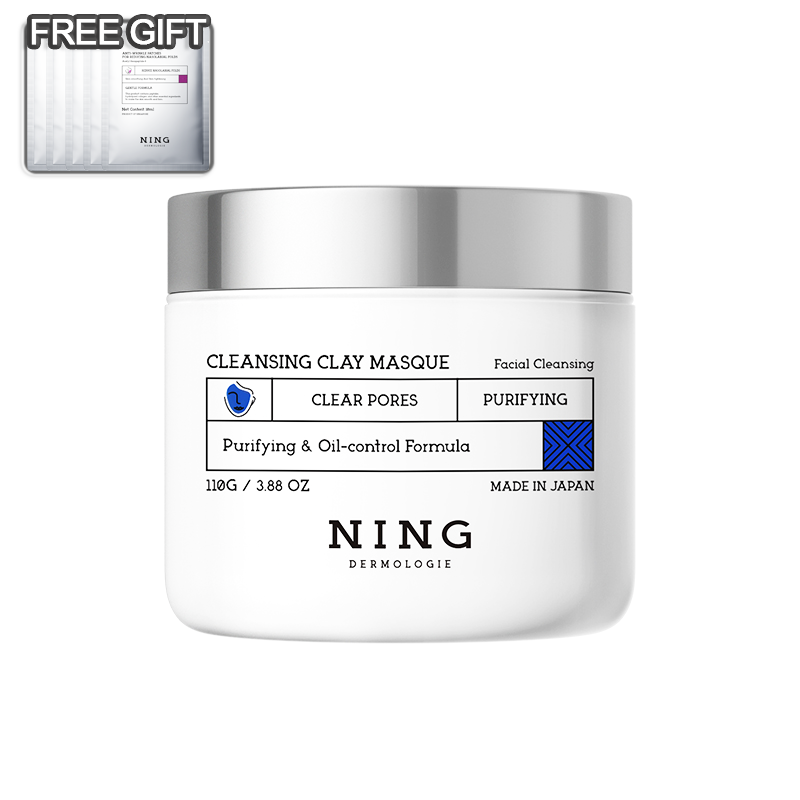
If there is one brand currently disrupting the skincare routines of low-maintenance-yet-high-result influencers, it’s NING Dermologie. Their approach isn't about stripping the skin; it’s about refining it.
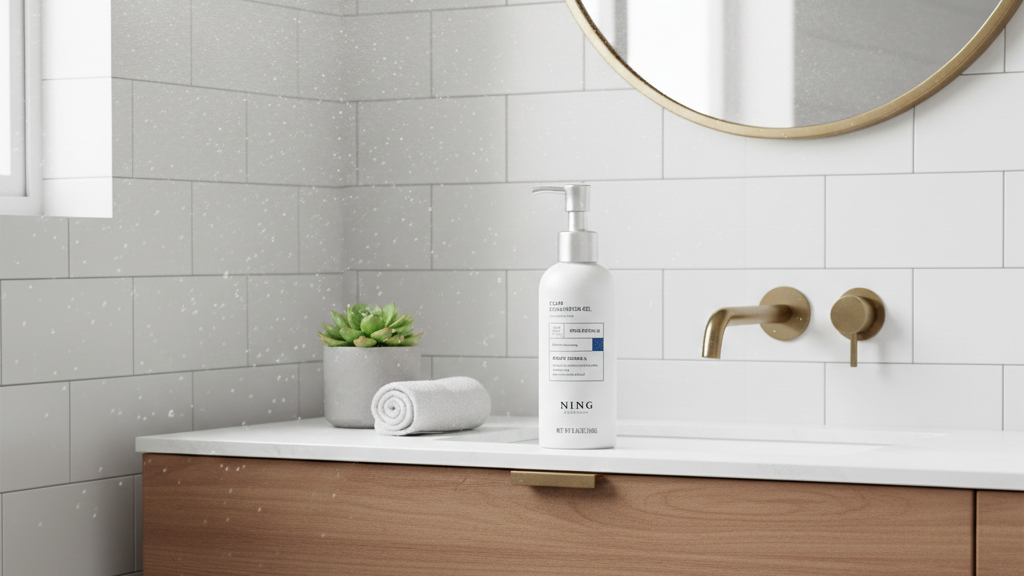
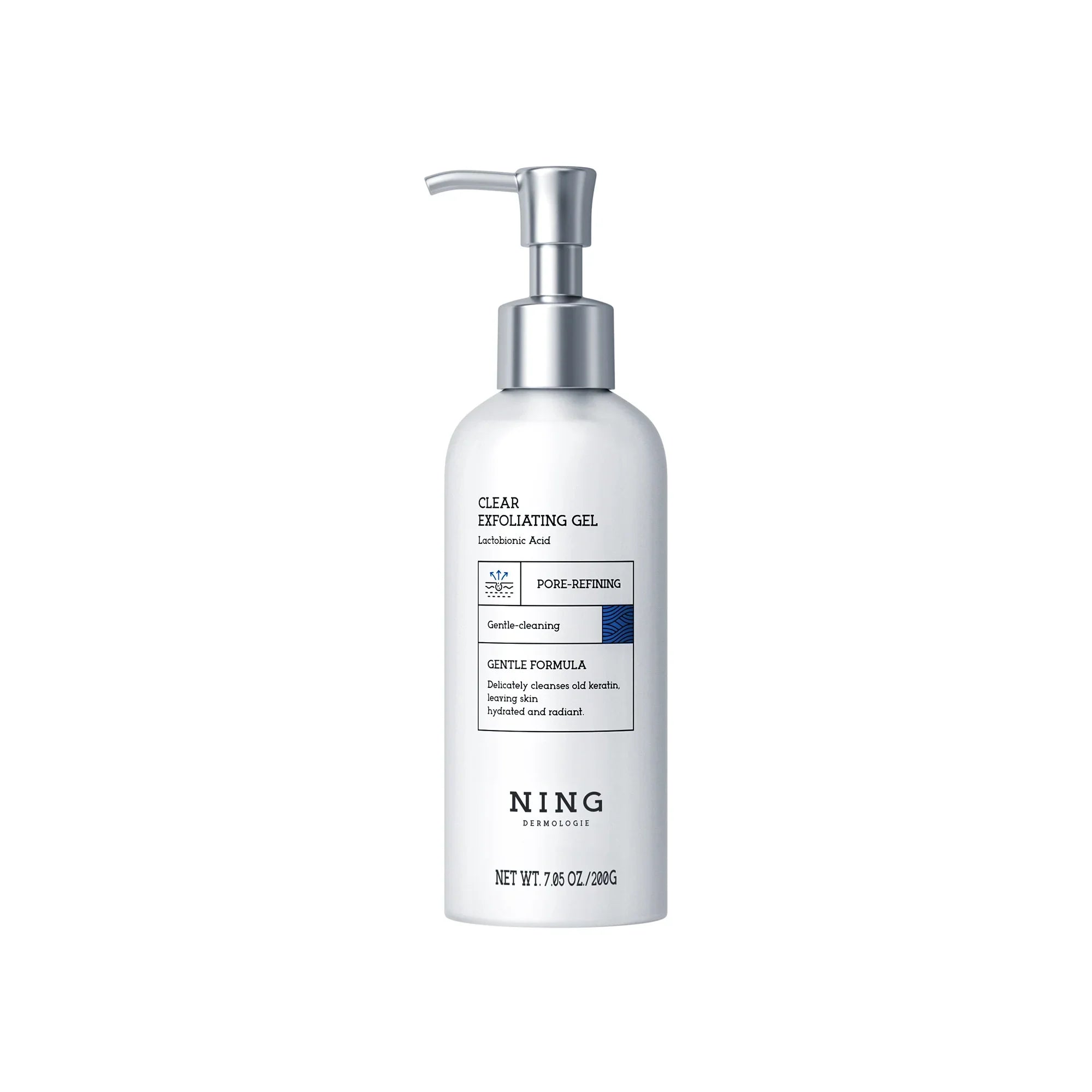
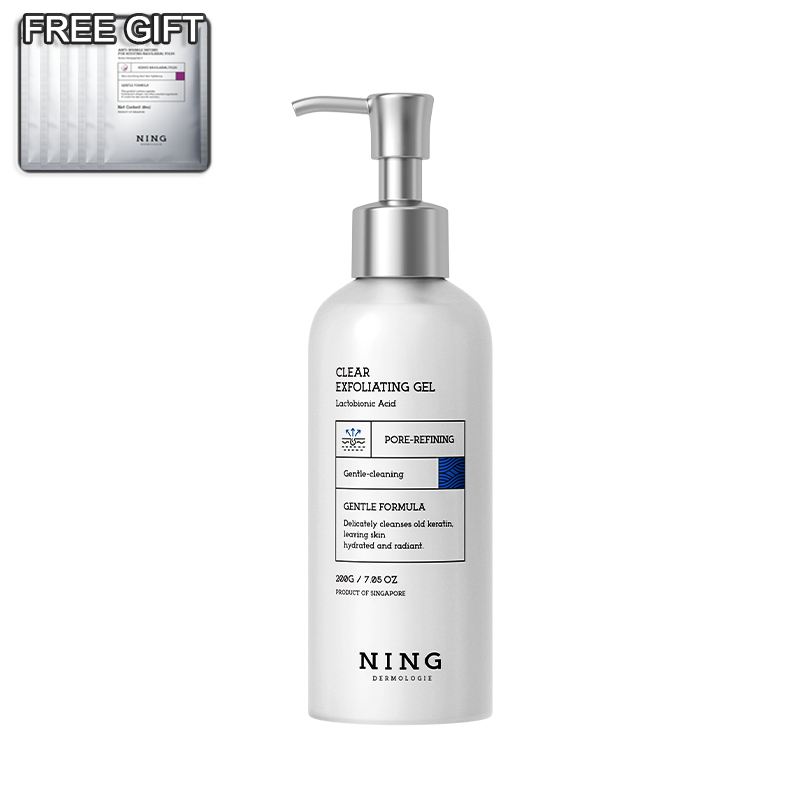
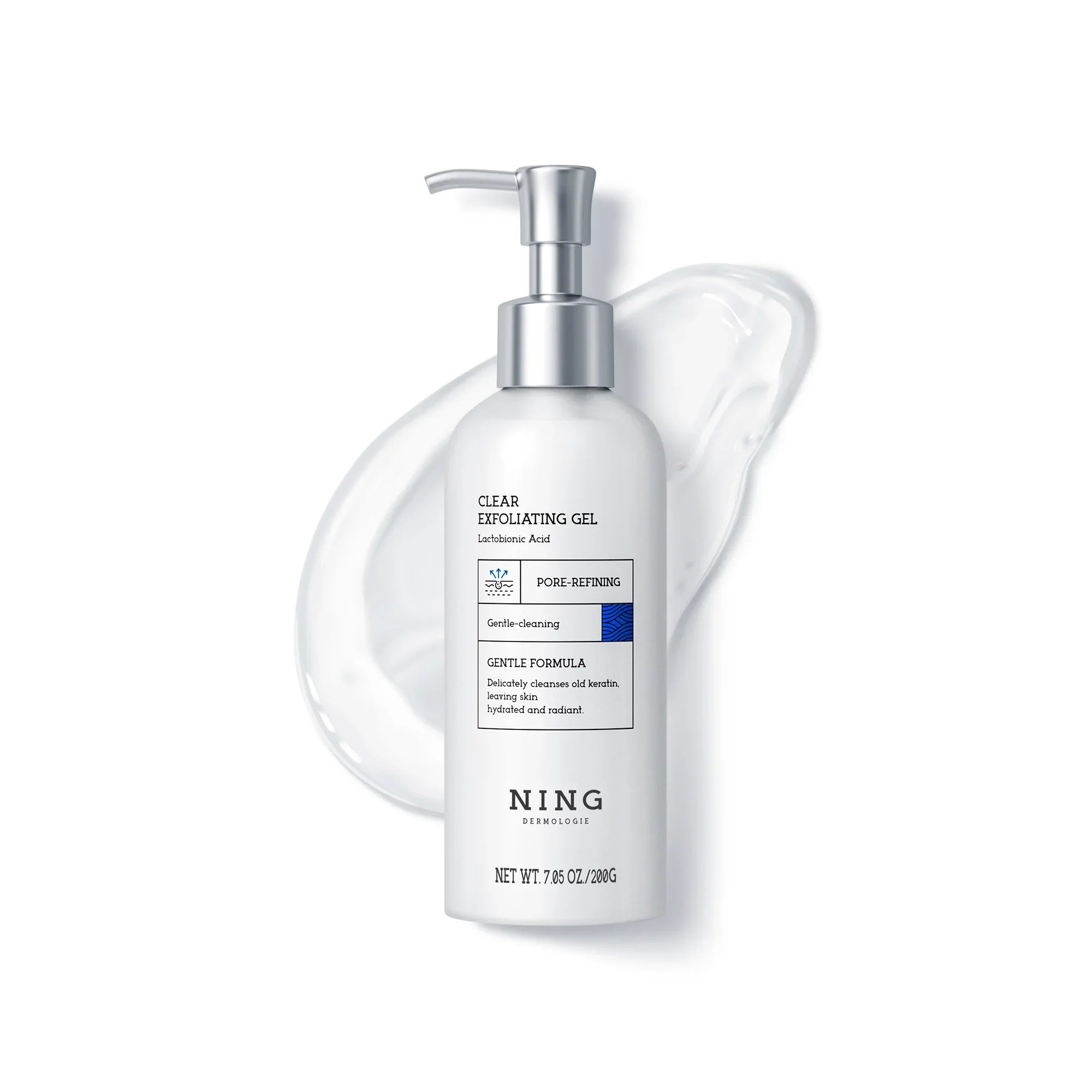
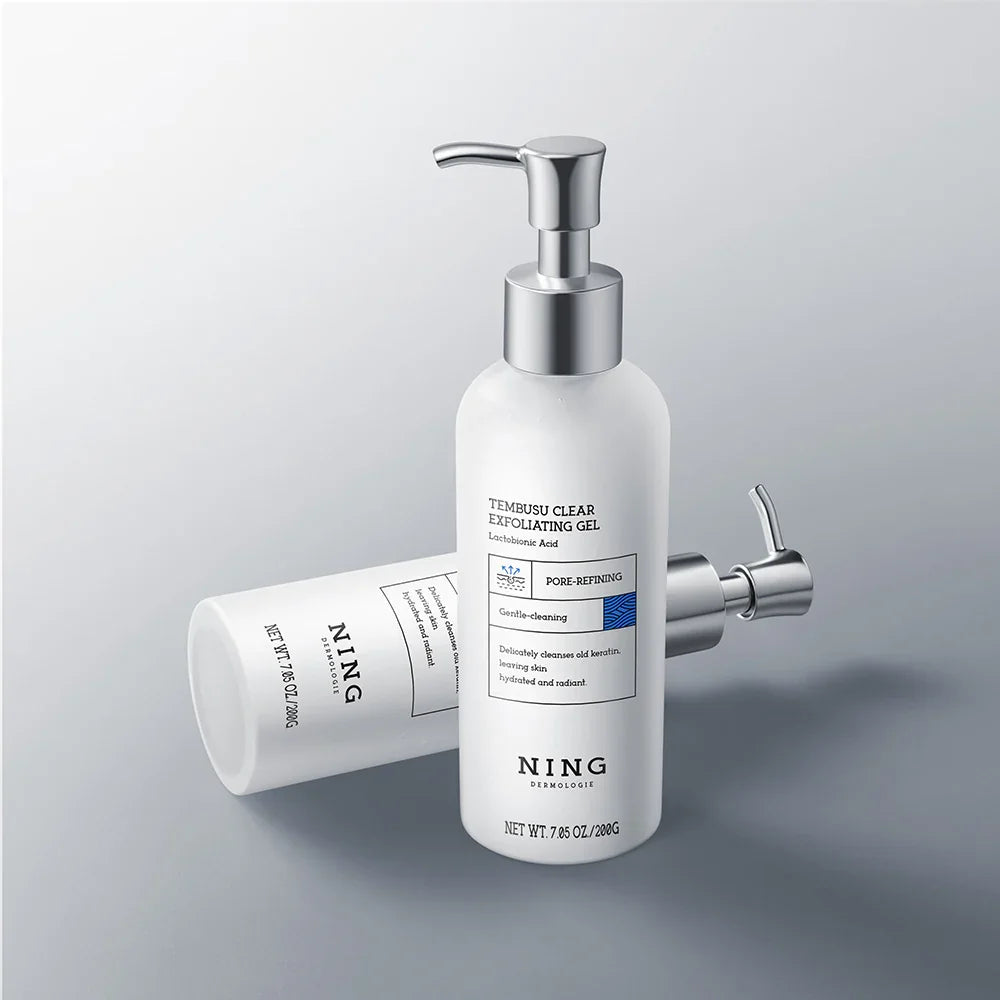
TheirDeep Cleanse Exfoliating Face Washhas become a staple for those who follow the "less is more" philosophy. Unlike a traditional facial cleanser that might leave you feeling tight, this exfoliating formula uses a unique peeling gel technology. It binds with dead skin cells and impurities, rolling them into tiny particles you can actually see. It’s incredibly satisfying and, more importantly, it respects your PH balance.
What makes it a standout exfoliating cleanser is the inclusion of fruit-derived alpha hydroxy acids and moisturizing glycerin. It addresses rough texture immediately. For those with sensitive skin who usually fear the word "peel," this is the gentle cleanser you’ve been looking for. It manages to provide a deep cleanse while keeping the protective barrier intact.
The Viral Heavy Hitters: What’s in the Influencer Caddy?
Beyond the niche favorites, there are the "household names" of the influencer world. You’ve likely seen the Bliss Fab Foaming Exfoliating Cleanser in a "Get Ready With Me" (GRWM) video. It’s a classic for a reason—it’s an oil-free gel exfoliating cleanser that feels like a spa treatment.
Then there’s the Hyaluronic Acid Daily Facial Wash trend. Many influencers are now layering their exfoliation with intense hydration. They might use a salicylic acid based wash in the morning to keep pores clear, followed by a Hyaluronic Acid serum to lock in moisture.
If you're following the Baumann Skin Type® system, you know that an Oily-Sensitive (OS) type needs something very different from a Dry-Resistant (DR) type. This is where products like micellular water and post-procedure cleansers come into play. Influencers like James Welsh often talk about "double cleansing"—starting with an oil or micellular water and following up with a gentle cleanser to ensure every trace of hygiene products and makeup is gone.
The Luxe List: When Influencers Splurge
Sometimes the "Skinfluence" is about the experience. Brands like Vivo Per Lei or products that feature pearl extracts, 24K Gold Caviar Serum, or marula oil offer that "expensive" glow.
We’ve seen a surge in interest for marine revitalize leave-on hydrating mask treatments used after a deep cleanse. The logic is simple: if you’ve just cleared away the "debris" with a high-quality face wash, your skin is a vacuum for nutrients. This is why influencers often pair their exfoliating product with high-end serums.
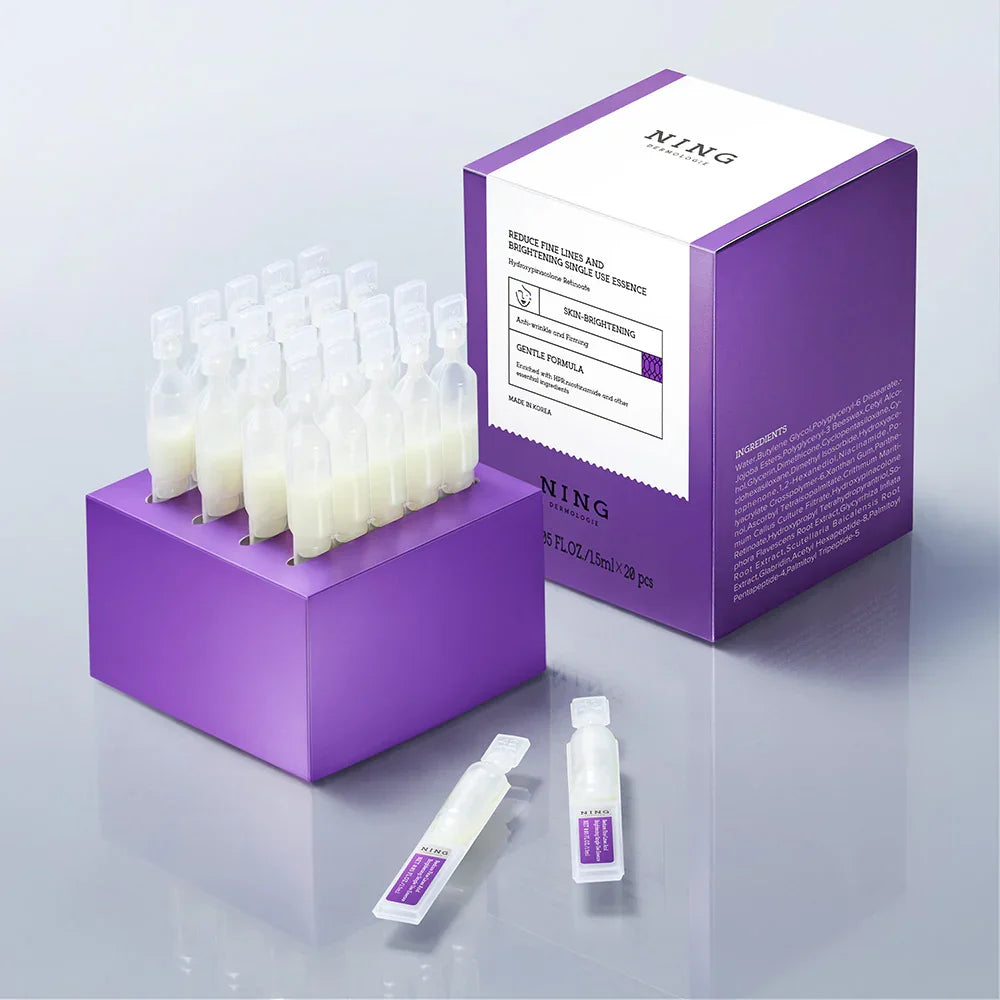
For instance, after using the NING Dermologie Exfoliating Face Wash, many users follow up with a sodium hyaluronate based moisturizer or the brand's own 24K Gold Caviar Serum to capitalize on that freshly revealed, radiant skin.
Deciphering the Ingredient Label: A Cheat Sheet
If you want to shop like a pro (or an Ulta Skincare addict), you need to know what these beauty products are actually made of.
- Alpha Hydroxy Acids (AHAs): Includes glycolic acid and lactic acid. Best for correcting skin tone and anti-aging.
- Beta Hydroxy Acids (BHAs): Primarily salicylic acid. Your best friend for Pore Minimizing and oily skin.
- Physical Buffers: Look for bamboo powder or Luffa fruit. Avoid plastic microbeads (they’re bad for the ocean and your face).
- Soothing Agents: Green tea, flower extracts, and marula oil help mitigate any potential facial irritation.
- Hydrators: Hyaluronic acid, glycerin, and sodium hyaluronate are essential to prevent the "stripped" feeling.
Why "Daily Exfoliation" Is a Controversial Topic
There is a massive debate in the skincare routine community about daily exfoliation. Some influencers swear by it to keep the "Clean Girl" look consistent. Others, particularly those focused on long-term skin health, warn that overdoing it can damage the protective barrier, making you more vulnerable to UV rays and environmental damage.
The consensus among the "skin-intellectuals" is to listen to your Skin Type. If you have sensitive skin, a daily exfoliation routine might be too much. However, using a gentle cleanser like a peeling gel twice a week is usually the "sweet spot" for achieving that radiant skin without the redness.

Putting It All Together: The Ultimate Routine
If you want to emulate the results of a SELF healthy beauty award winner, your routine should look something like this:
- Prep: Remove makeup with a gentle micellular water.
- Cleanse & Exfoliate: Use the NING Dermologie Deep Cleanse Exfoliating Gel to target dead skin cells and rough texture.
- Tone: A pH-balancing toner (nothing with harsh alcohol).
- Treat: Apply your Vitamin C serums or a targeted treatment like 24K Gold Caviar Serum.
- Hydrate: Use a moisturizer with sodium hyaluronate.
- Protect: Never, ever skip the SPF. Those UV rays will undo all your hard work in minutes.
The "Bethenny Frankel" Factor
We can't talk about influencers without mentioning the "Bethenny effect." Her blunt, no-nonsense reviews have reminded us that price doesn't always equal quality. Sometimes a drugstore face wash outperforms a $100 cream. The key is the exfoliating formula. Does it have the right percentage of chemical exfoliant? Does it use high-quality physical scrubs?
The reason Viral skincare products like the NING peeling gel take off is because they deliver "visible" results instantly. When people see their own dead skin cells balling up and washing away, leaving behind a smooth surface, they share it. That’s the power of a product that actually works.
Frequently Asked Questions (FAQ)
1. Can I use an exfoliating face wash every single day?
It depends on your Skin Type and the formula. While some gentle cleansers are designed for daily exfoliation, most dermatologists recommend starting 2-3 times a week. Over-exfoliating can thin your protective barrier, leading to facial irritation and increased sensitivity to UV rays. Always listen to your skin.
2. What is the difference between chemical and physical exfoliants?
Physical scrubs use granules like bamboo powder to manually buff away dead skin cells. Chemical exfoliators use acids like glycolic acid or salicylic acid to dissolve the "glue" holding dead cells together. Most modern Face Wash Products now combine both or use gentle chemical versions for a Deep cleanse.
3. Is NING Dermologie suitable for sensitive skin?
Definitely. While grainy scrubs can be a nightmare for reactive skin, this gel is different. It uses fruit-derived AHAs to lift away grime without the friction. If you’re prone to redness or that "stinging" feeling after washing, you’ll find this way more forgiving than a classic physical scrub.
4. Should I exfoliate in the morning or at night?
Nighttime is usually the safest bet. When you peel away dead skin, you’re basically exposing "baby" skin that’s super sensitive to the sun. Doing it before bed lets your face recover while you sleep. It’s also the best time to soak up a heavy-duty hydrating mask without worrying about UV rays.
5. How do I know if I’ve over-exfoliated?
If your face looks weirdly "plastic" shiny but feels tight and dry, you’ve probably overdone it. Stinging when you apply basic moisturizer is another big red flag. If that happens, ditch the acids for a week. Stick to a basic cleanser and heavy-duty hydrators until your skin stops acting up.





Share:
Where can I purchase exfoliating face wash for oily and acne-prone skin with free returns?
Are there fragrance-free exfoliating face washes available for allergy sufferers?