


What Is Congested Skin? Understanding Causes, Symptoms, and Treatments
Congested skin is a common skin concern that affects many people, regardless of skin type. But what is congested skin exactly? It occurs when the skin’s tiny openings, known as pores, become blocked by a buildup of dead skin cells and excess oil. This blockage leads to clogged pores and skin congestion, resulting in uneven skin texture, enlarged pores, and often a dull or congested looking skin appearance.
When dead skin cell buildup combines with excess sebum—the oily substance produced by the skin—it can clog pores and disrupt the skin’s natural barrier. This disruption allows bacteria and impurities to penetrate the skin’s surface, causing inflammation, skin irritation, and sometimes even an allergic reaction. Congested skin typically affects areas prone to oiliness, such as the forehead, nose, and chin, but can occur anywhere on the face or body.
The leading cause of congested skin is the accumulation of dead skin cells and excess oil production. These factors block pores, leading to common symptoms like blackheads, whiteheads, and acne breakouts. People with oily skin or combination skin are often more susceptible, but even those with dry or sensitive skin can experience skin congestion due to other causes.

Causes of Skin Congestion
Several factors contribute to the development of congested skin. Hormonal imbalances are a primary cause, as they can increase excess sebum production, leading to clogged pores and skin congestion. Overactive oil production, when combined with dead skin cells and environmental debris like dirt and pollution, exacerbates this problem.
The use of comedogenic products—those containing ingredients like coconut oil or jojoba oil—can also clog pores and worsen congested skin. While jojoba oil is often touted as beneficial, it can still block pores in some individuals, especially when used in heavy formulations. Choosing skincare and hair care products with non-comedogenic ingredients is essential to prevent further buildup.
Lifestyle factors significantly impact skin congestion as well. Stress, poor diet, and lack of sleep can all contribute to increased oil production and inflammation, leading to acne breakouts and clogged pores. Environmental factors such as sun damage and pollution can impair the skin’s natural barrier, causing uneven skin tone and texture, and further promoting skin congestion.
Identifying Skin Symptoms
Recognizing the symptoms of congested skin is key to addressing the issue promptly. Congested skin often feels rough to the touch and may exhibit a dull appearance due to the buildup of dead skin cells. Visible signs include enlarged pores, uneven skin texture, and uneven skin tone.
Redness and inflammation are common, sometimes accompanied by skin irritation or tenderness. Blackheads and whiteheads—types of clogged pores—are hallmark signs of skin congestion. Post-blemish marks and hyperpigmentation can linger after acne breakouts, leaving dark spots and contributing to uneven skin tone.
If you experience persistent symptoms or severe congestion, a clinical assessment by a board-certified dermatologist or skin care professional is recommended. They can evaluate your skin type and condition, providing a tailored diagnosis and treatment plan.
Medical Options for Congested Skin
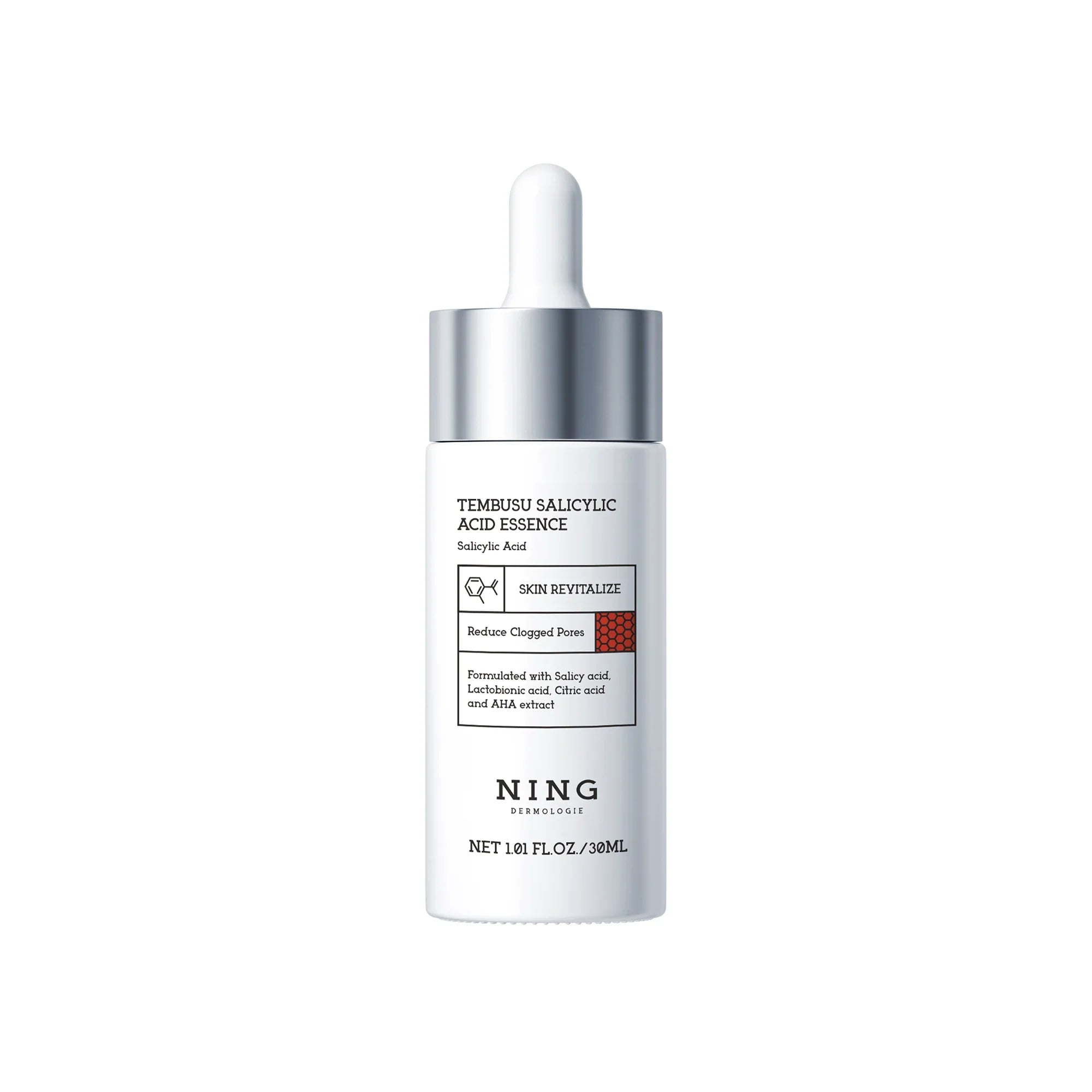
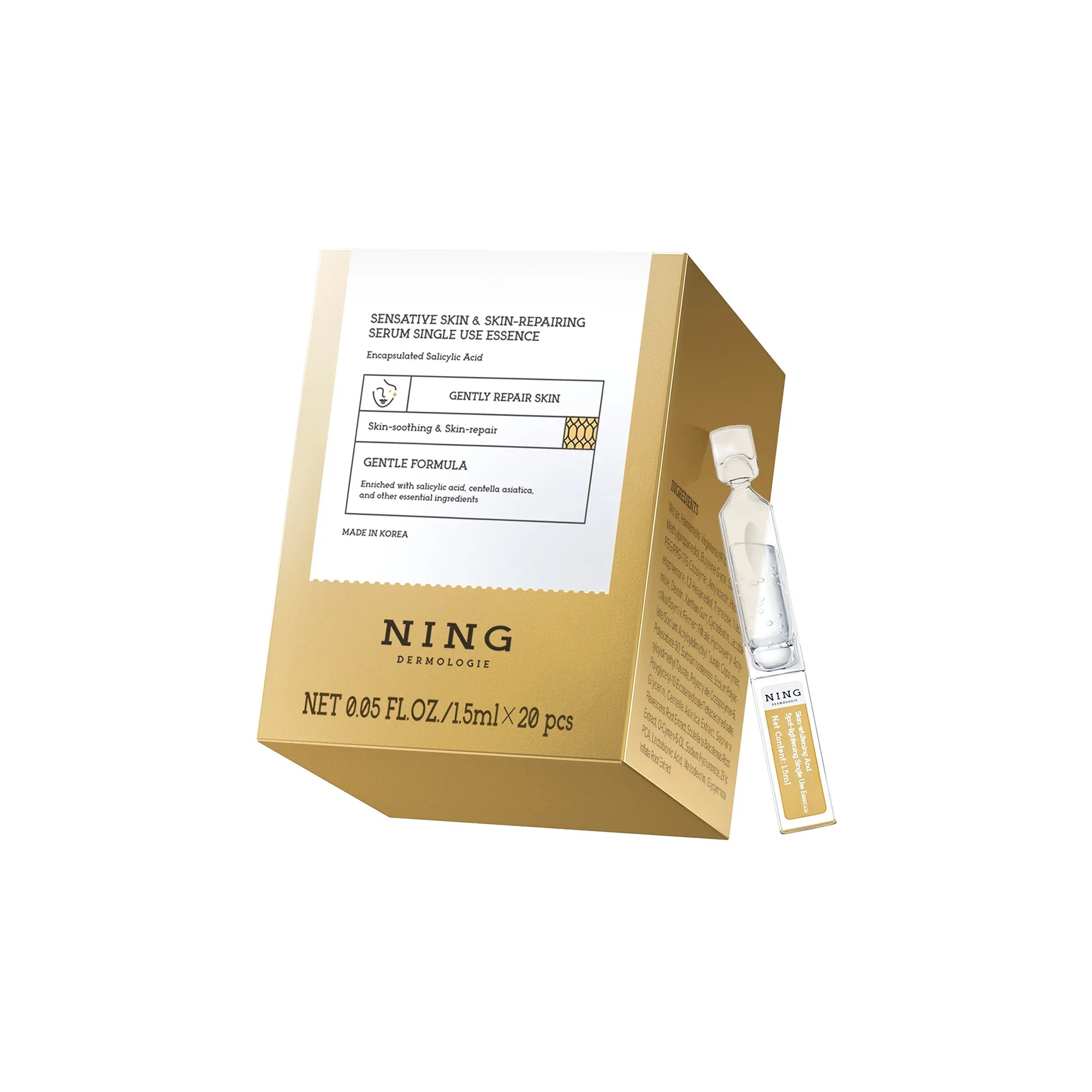
Managing congested skin often involves a combination of over-the-counter and medical treatments. Over-the-counter products containing salicylic acid are particularly effective, as this beta hydroxy acid penetrates pores to exfoliate dead skin and reduce excess oil, helping to prevent clogged pores.
For more severe cases, prescription medications such as retinoids and antibiotics may be necessary to control acne and inflammation. Medical treatments like laser skin resurfacing can improve skin texture, reduce pore appearance, and stimulate collagen production, enhancing skin elasticity and overall health.
Other professional procedures, including chemical peels and microdermabrasion, exfoliate the skin’s surface to remove dead cells and unblock pores. Consulting with a dermatologist ensures that treatments are appropriate for your specific skin type and concerns.

Skincare Product Considerations
Choosing the right skincare products is crucial in preventing and treating congested skin. Look for products labeled "non-comedogenic" or "oil-free," as these are formulated to avoid clogging pores. Ingredients like salicylic acid help exfoliate and clear pores, while gentle moisturizers support the skin’s natural barrier without adding excess oil.
Sunscreens are also essential to protect against sun damage, which can worsen skin congestion and lead to uneven skin tone and post blemish marks. Avoiding comedogenic ingredients such as coconut oil in facial products can prevent further buildup and inflammation.
Incorporating products with non-comedogenic formulations into your daily routine can help maintain clearer pores and reduce redness and irritation associated with congested skin.
Alternative Remedies for Congested Skin
In addition to medical treatments and skincare products, several home remedies and lifestyle changes can support healthier skin. Facial steaming and gentle exfoliation can help unclog pores by loosening dirt and dead skin cells. However, over-exfoliating should be avoided to prevent skin irritation.
Dietary changes, such as increasing intake of omega-3 fatty acids and antioxidants, may reduce inflammation and promote skin health. Managing stress through meditation, yoga, or other relaxation techniques can also help regulate oil production and prevent acne breakouts.
Ensuring adequate sleep and hydration supports the skin’s natural repair processes and maintains elasticity. While home remedies can be beneficial, they should complement professional advice and not replace clinical treatments when needed.

Lifestyle Adjustments to Improve Skin Health
Adopting healthy lifestyle habits plays a significant role in preventing congested skin. Reducing stress levels and improving diet quality can positively influence oil production and skin inflammation. Regular exercise promotes circulation and overall skin vitality.
Staying hydrated helps maintain the skin’s moisture balance and supports the skin’s natural barrier function. Avoiding comedogenic products in both skincare and hair care routines minimizes the risk of blocking pores.
Protecting the skin from sun damage and environmental pollutants by using sunscreen and cleansing thoroughly can prevent further skin congestion and damage. Combining these lifestyle adjustments with a consistent skincare regimen promotes healthier, more even-toned skin.
Prevention Strategies for Congested Skin
Preventing clogged pores and congested skin requires a comprehensive approach. Establishing good skincare habits, such as cleansing twice daily with gentle, non-comedogenic products and exfoliating regularly with ingredients like salicylic acid, helps keep pores clear.
Lifestyle changes including stress reduction, a balanced diet rich in antioxidants, and sufficient sleep support skin health from within. Hydration and sun protection are equally important to maintain the skin’s natural barrier and prevent damage.
By committing to a consistent skincare routine and healthy lifestyle, you can effectively prevent congested skin and achieve a smoother, clearer complexion with reduced pore appearance and improved skin elasticity.
Understanding what is congested skin and how to address it empowers you to take control of your skin health. Whether through medical treatments, carefully selected skincare products, or lifestyle adjustments, managing skin congestion is achievable for everyone. For personalized advice and treatment options, consulting with skin care professionals or a board-certified dermatologist is always recommended.






Share:
Men’s Grooming 101: Why Every Man Needs a Simple 3-Step Skincare Set
Is a skincare set a good gift idea?