

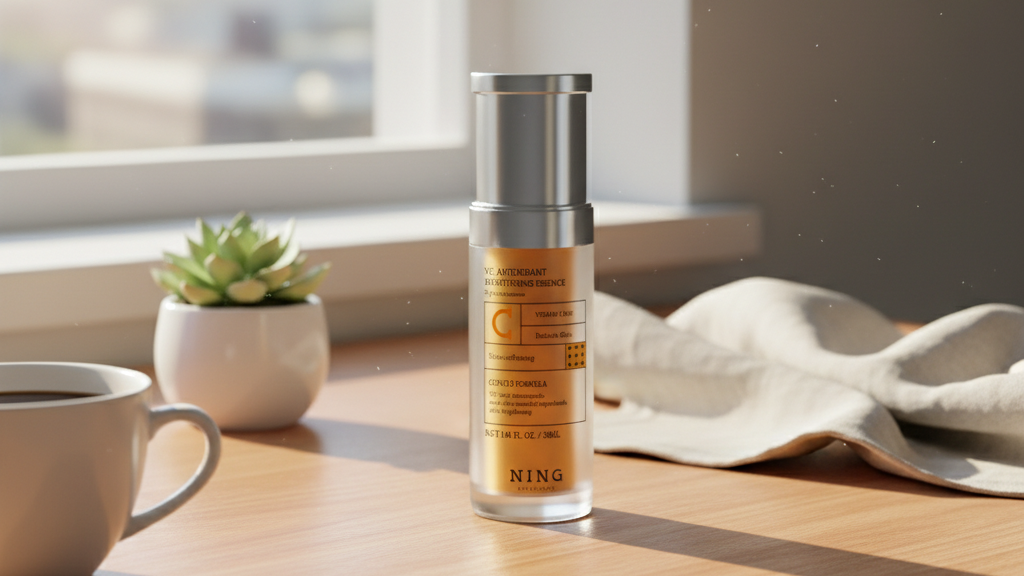

Beyond the Glow: Finding the Best Vitamin C Serum for Hyperpigmentation That Actually Works
Staring into the 10x magnifying mirror, tracking that one stubborn dark spot from a breakout three months ago that simply refuses to budge. Whether it’s sun damage, "maskne" scars, or melasma, facial hyperpigmentation is one of the most frustrating skin concerns to treat.
If you’ve searched for the best vitamin c serum, you’ve likely realized the market is saturated. Some smell like hot dogs, some turn orange in the bottle within a week, and others sting like crazy. But when you find the right vitamin c serum for hyperpigmentation, it’s a total game-changer for your skincare routine. It’s the closest thing to a "delete" button for uneven skin tone.
In this guide, we’re cutting through the marketing noise to find the best vitamin c options for 2026, including how to use this powerful antioxidant without ruining your skin barrier.

Why Vitamin C is the Gold Standard to Fade Hyperpigmentation
Before we talk products, let’s get into the "why." Vitamin c helps block the enzyme tyrosinase, which is responsible for melanin production. By inhibiting this process, it helps fade dark spots and prevents new ones from forming.
Beyond just the brighten effect, vitamin c works to stimulate collagen production and protect your skin from environmental damage, like pollution and UV rays. When you apply vitamin c, you aren't just treating today's spots; you're insuring your skin's future.
The Science of "Synergy": Vitamin E and Ferulic Acid
You’ll often see skinceuticals c e ferulic mentioned as the industry benchmark. There’s a reason for that. Pure Vitamin C (L-Ascorbic Acid) is notoriously unstable. Adding vitamin e and ferulic acid stabilizes the formula and doubles its photoprotective power. This trio is legendary for its ability to improve skin tone and texture while fighting signs of aging.
The Best Vitamin C Serum Options of 2026
Every skin type has different needs. What works for a "castle-wall" resilient skin might cause a flare-up for someone with sensitive skin. Here are the best options currently on the market:
1. The Professional Choice: SkinCeuticals C E Ferulic
This is the dermatologist favorite. It’s an acid serum that packs a punch. It’s highly effective at improving the appearance of fine lines and stubborn dark spot issues.
- The Feel: A bit tacky on the skin, and yes, it has that signature "ferulic" scent.
- Best For: Normal skin to dry skin that isn't prone to sensitivity.
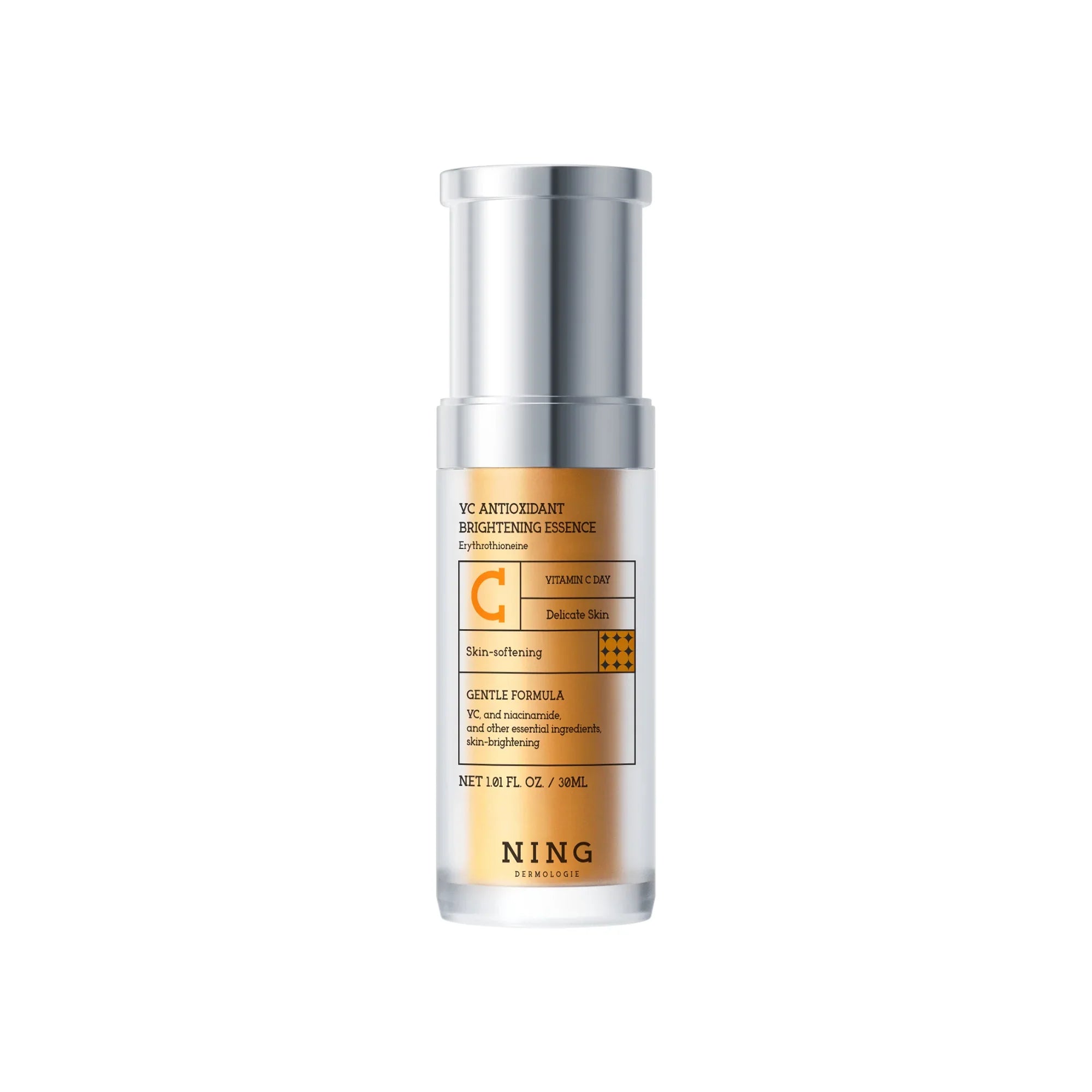
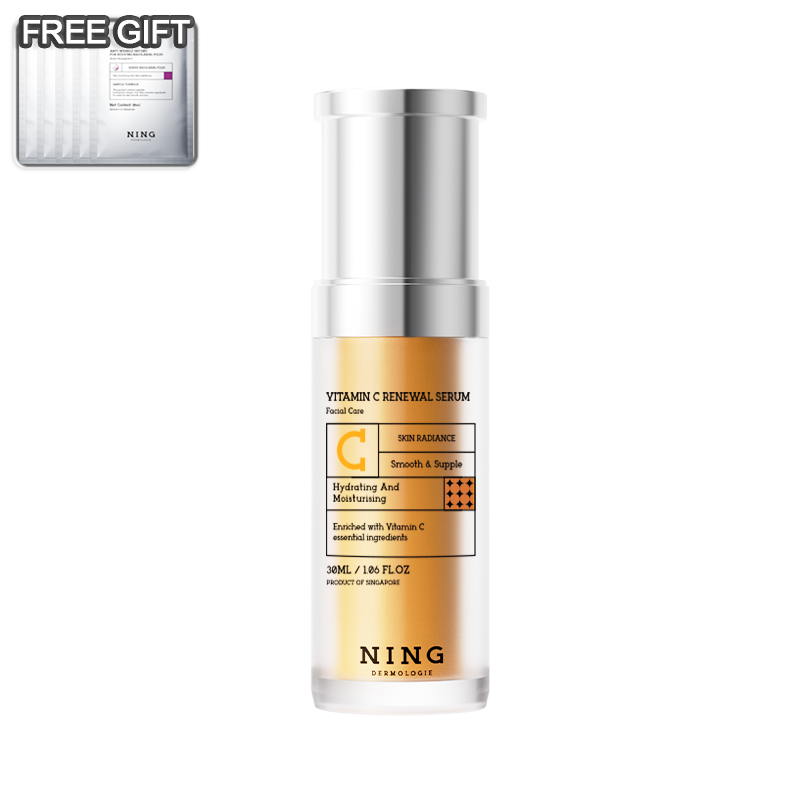
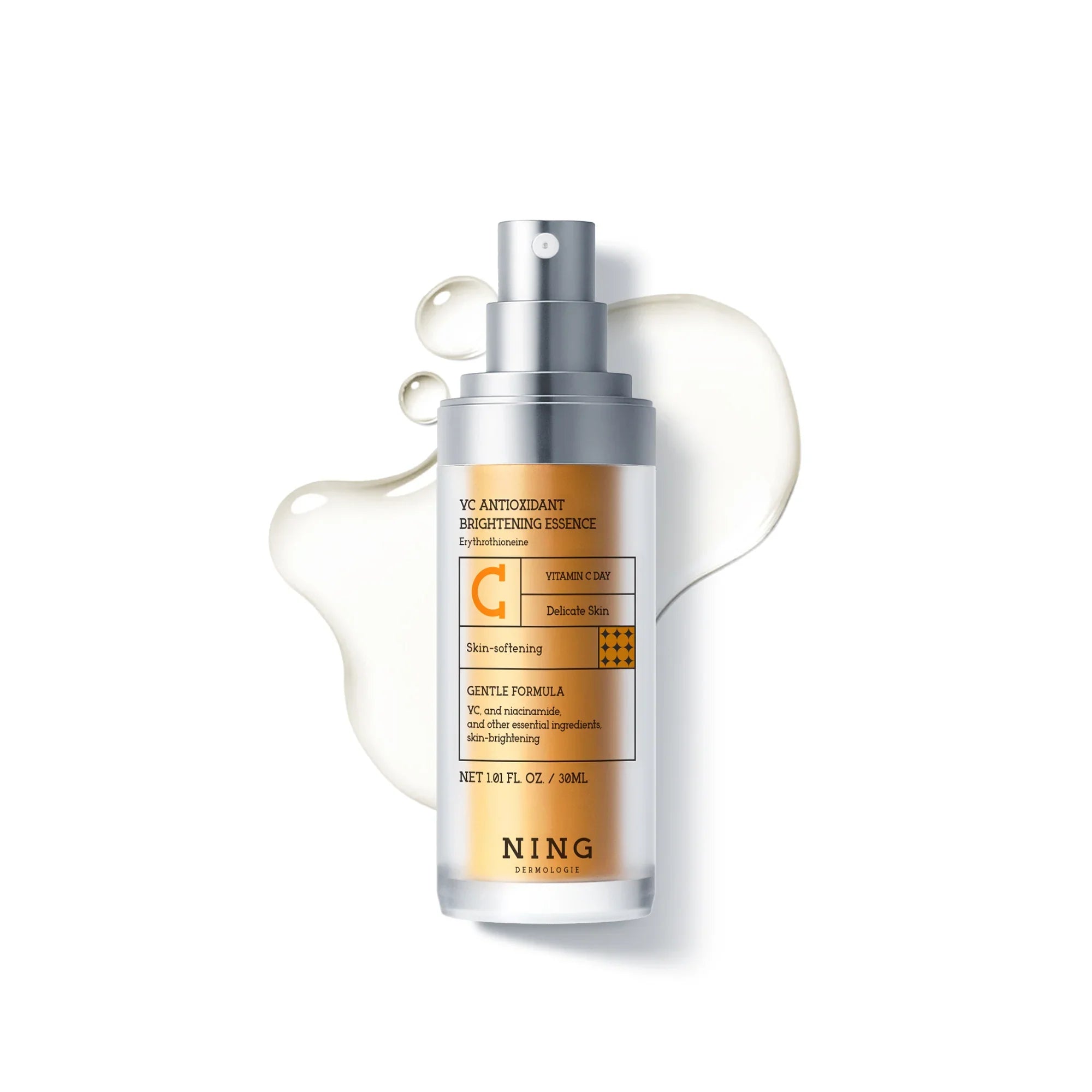
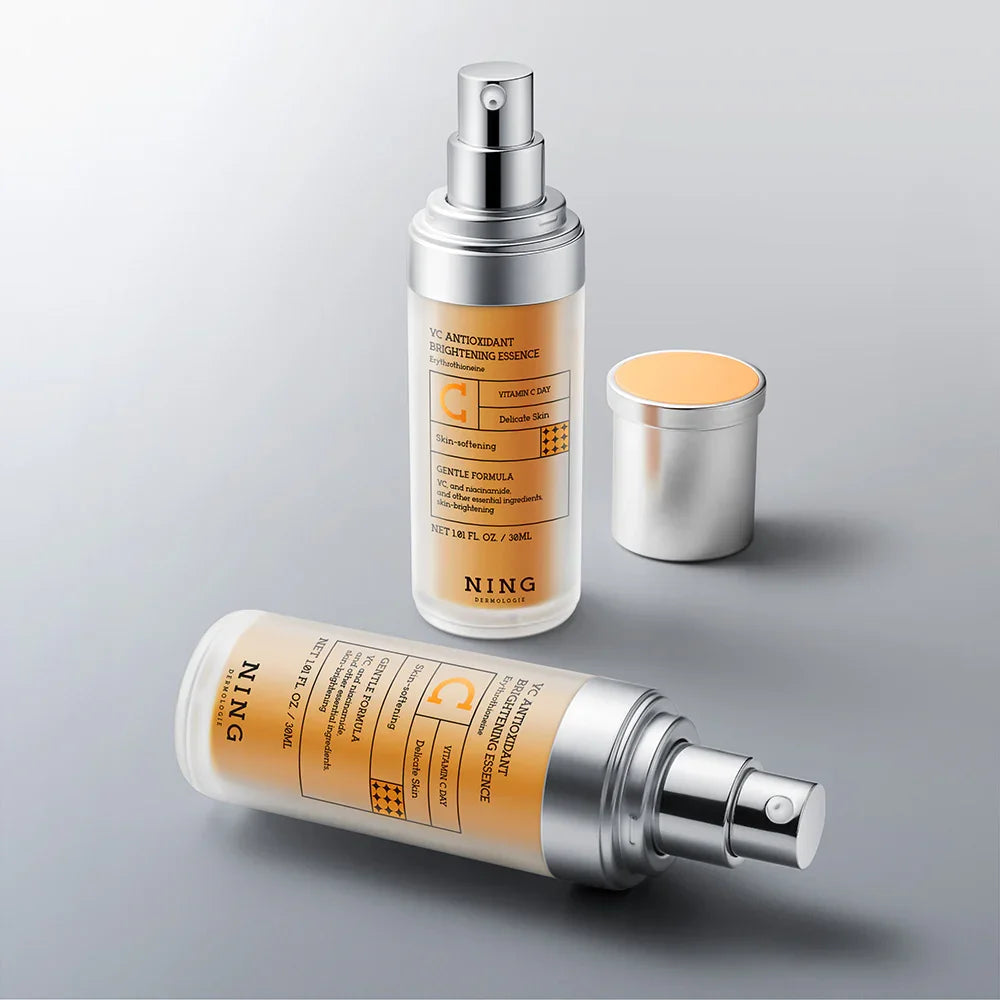
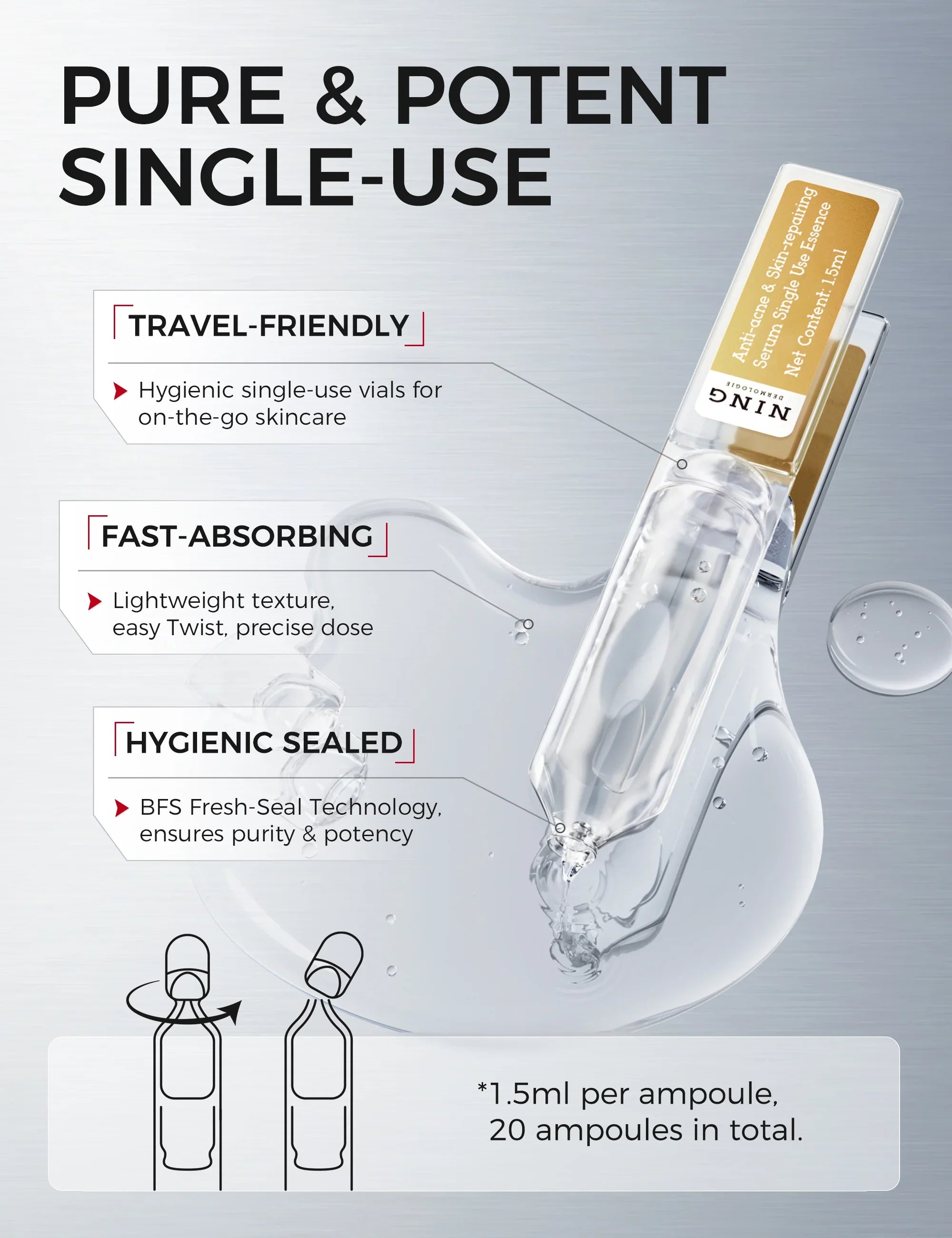
2. The Modern Innovator: NING Dermologie Vitamin C Serum
If you’ve struggled with the instability or irritation of traditional L-ascorbic acid, NING Dermologie’s Vitamin C Serum is a breath of fresh air.
By utilizing Ethyl Ascorbic Acid—a highly stable and gentle yet effective vitamin c derivative—this brightening serum offers the efficacy of a high-strength formula without the redness. What sets it apart is the addition of Niacinamide. This combination doesn't just brighten skin; it actively works to even skin tone and texture by tackling pigmentation from two different angles.
- The Feel: The serum absorbed quickly and sat well under makeup. No pilling, no "orange" oxidation on the face by lunchtime.
- Best For: All skin types, including combination skin and acne-prone individuals who need to fade hyperpigmentation without clogging pores.
3. The Budget Hero: TruSkin Vitamin C
One of the best budget-friendly options you'll find online. TruSkin vitamin c uses Sodium Ascorbyl Phosphate, which is much friendlier for those with acne problems.
The Feel: The serum had virtually no scent and a watery consistency.
Best For: Oily skin and those new to vitamin c.
How to Choose Based on Your Skin Type
When looking for the best vitamin c serum for hyperpigmentation, your skin type determines the derivative you should look for:
- Dry Skin: Look for a serum for dry skin that includes vitamin e or hyaluronic acid to lock in moisture. An oil-based face serum can also help.
- Oily and Acne-Prone Skin: Stick to water-based formulas. Since acne prone skin often deals with post-inflammatory hyperpigmentation (PIH), a vitamin c brightening serum with soothing agents is key.
- Sensitive Skin or Those New to the ingredient: Start with a lower percentage (10%) or a derivative like the one found in NING Dermologie to avoid irritation.
The Secret to Making It Work: Pro Tips for Your Skincare Routine
You can buy the most expensive spot serum in the world, but if you don't use it correctly, you're wasting money.
1. The Sunscreen Rule (Non-Negotiable)
Vitamin C and sunscreen are best friends. While vitamin c works to neutralize free radicals, sunscreen blocks the UV rays that trigger the skin cells to produce melanin in the first place. If you're trying to fade dark spots but skipping SPF, you're taking one step forward and two steps back.
2. Don’t Layer with Harsh Acids
Avoid using your vitamin c serum in the same window as high-strength Retinol or AHAs. If you use an acid serum to remove dead skin cells at night, keep your Vitamin C for the morning. This prevents your complexion from becoming over-sensitized.
3. Storage Matters
Unless you are using a stabilized derivative (like in the NING Dermologie formula), keep your bottle in a cool, dark place. Once a vitamin c product turns dark amber, it has oxidized and is no longer effective at improving overall skin tone.

Real Results: What to Expect
Don't expect your dark spot issues to vanish overnight. Skin takes time to cycle. Most people notice their skin looked more radiant within 2 weeks, but significant changes in overall skin tone and the appearance of dark spots usually take 8 to 12 weeks of consistent use.
As skin cell turnover happens, you’ll notice a smooth surface and a more even out skin tone. Your complexion will transition from dull to "lit from within."
Summary Table: Quick Comparison
| Product | Key Active | Best For | Price Point |
| SkinCeuticals | L-Ascorbic Acid | Professional/Resilient Skin | High |
| NING Dermologie | Ethyl Ascorbic Acid + Niacinamide | Brighten & Even Skin Tone | Mid-Range |
| CeraVe 10% | L-Ascorbic Acid | Sensitive Skin | Budget |
| Sunday Riley CEO | THD Ascorbate | Dry Skin / Luxury Feel | High |
Final Thoughts: The Road to an Even Complexion
Finding the best vitamin c serum is a personal journey. Whether you choose a clinical powerhouse or a gentle yet effective daily staple like NING Dermologie, consistency is your greatest ally.
Remember to protect your skin from environmental stressors, stay patient, and always, always wear your sunscreen. Your future, brighter skin tone will thank you.
Frequently Asked Questions (FAQ)
1. Can I use vitamin c serum if I have active acne?
Yes, but choose wisely. For acne prone skin, avoid heavy, oil-based serums. Look for derivatives like Sodium Ascorbyl Phosphate or the formula from NING Dermologie, which includes Niacinamide. These help soothe inflammation while they fade dark spots left behind by old breakouts. Vitamin c helps prevent the "red mark" from turning into a permanent brown spot.
2. Why does my vitamin c serum turn orange?
Think of it like a sliced apple left on the counter; once it hits air and light, it browns. That's oxidation. Traditional L-ascorbic acid is notoriously finicky, and once that clear liquid turns a dark amber, it's basically useless for your skin tone. To stop wasting money, I always suggest picking a stabilized version, like NING Dermologie, or at least keeping your bottle tucked away in a cool, dark drawer.
3. Should I use vitamin c in the morning or at night?
You can technically use it whenever, but the "sweet spot" is definitely your morning skincare routine. When you apply vitamin c under your sunscreen, it acts like a second layer of defense. It mops up the free radical damage from UV rays and city smog that your SPF might miss. It’s much more about protecting your complexion during the day than repairing it while you sleep.
4. How long does it take to see a difference in my skin tone?
I know we all want that "glass skin" overnight, but your skin cells don't work that fast. You’ll probably notice a nice "lit-from-within" glow in a week or two, but the heavy lifting—like trying to fade dark spots—usually takes a full two months. Give your skin at least 60 days of daily use before you decide a product isn't working; consistency is everything here.
5. Is a higher percentage of vitamin c always better?
Not necessarily. While a 20% acid serum sounds powerful, it can cause significant irritation for sensitive skin. Often, a 10-15% concentration or a highly stable vitamin c derivative is just as effective at helping to brighten skin without compromising the skin barrier. It’s about absorption and stability, not just the number on the bottle.





Share:
Where can I find dermatologist-recommended vitamin C serums for sensitive skin?
Where can I find vitamin C serums with natural or organic ingredients for the face?