

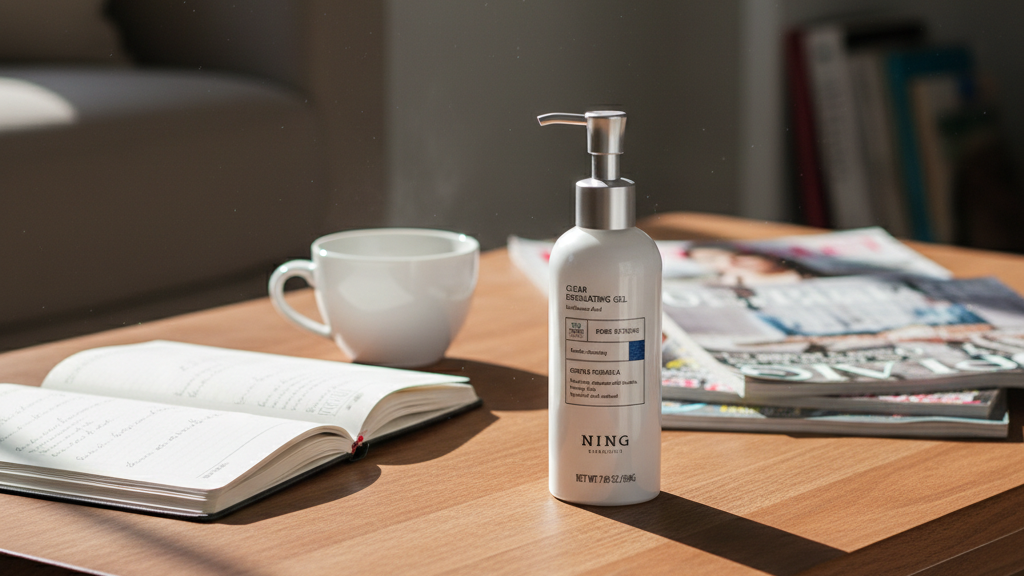

You look in the mirror, notice your complexion looks a bit like a dusty library shelf, and decide it’s time to "scrub the life" out of your face. You reach for the harshest face wash you can find, expecting a glow, but you end up with skin that feels three sizes too small.
The "squeaky clean" feeling is a lie. If your face feels tight after using an exfoliating facial wash, you haven't just removed dead skin cells; you’ve likely nuked your skin barrier. As Joshua Zeichner, a board-certified dermatologist in New York, often points out, the goal of exfoliation isn't to sand down your face like a piece of driftwood. It’s to support cell turnover while keeping the moisture map of your skin intact.
So, how do you find that unicorn product? The one that clears the debris without leaving you parched? Let’s break down the science, the ingredients, and the actual product selections that fashion insiders and shopping editors swear by.

The Science of the "Sting": Why Most Exfoliators Fail
Your skin is a sophisticated brick-and-mortar structure. The "bricks" are your skin cells, and the "mortar" is a mix of lipids and ceramics that keep moisture in. When we use aggressive facial scrubs or high-percentage chemical exfoliators daily, we dissolve the mortar.
According to Dr. Aya Ahram, the secret to non-drying exfoliation lies in molecular size. If an acid molecule is tiny (like glycolic acid), it dives deep and fast, which can cause irritation. If it’s larger (like mandelic acid or lactic acid), it stays on the surface, doing the work without the drama.
Chemical vs. Physical: The Great Debate
Most people think they have to choose a side. You don't.
- Chemical Exfoliants: These use alpha hydroxy acids (AHAs) and beta hydroxy acids (BHAs) to dissolve the "glue" holding dead skin together. Think salicylic acid for oily skin and lactic acid for combination skin.
- Physical Exfoliants: These use grit—like Jojoba Beads, bamboo powder, or Dead Sea Salt—to manually lift away flakes. The problem? DIY scrubs with jagged walnut shells (we see you, 90s skincare) create micro-tears.
For those of us obsessed with editorial standards of "glass skin," the modern answer is often a hybrid approach or a "Gommage" style peeling gel.
The "Non-Dry" Hall of Fame: Top Product Selections
When we vetted these for My Pristine Beauty and various shopping editors, we looked for moisturizing formulas that offset the "acid" effect.
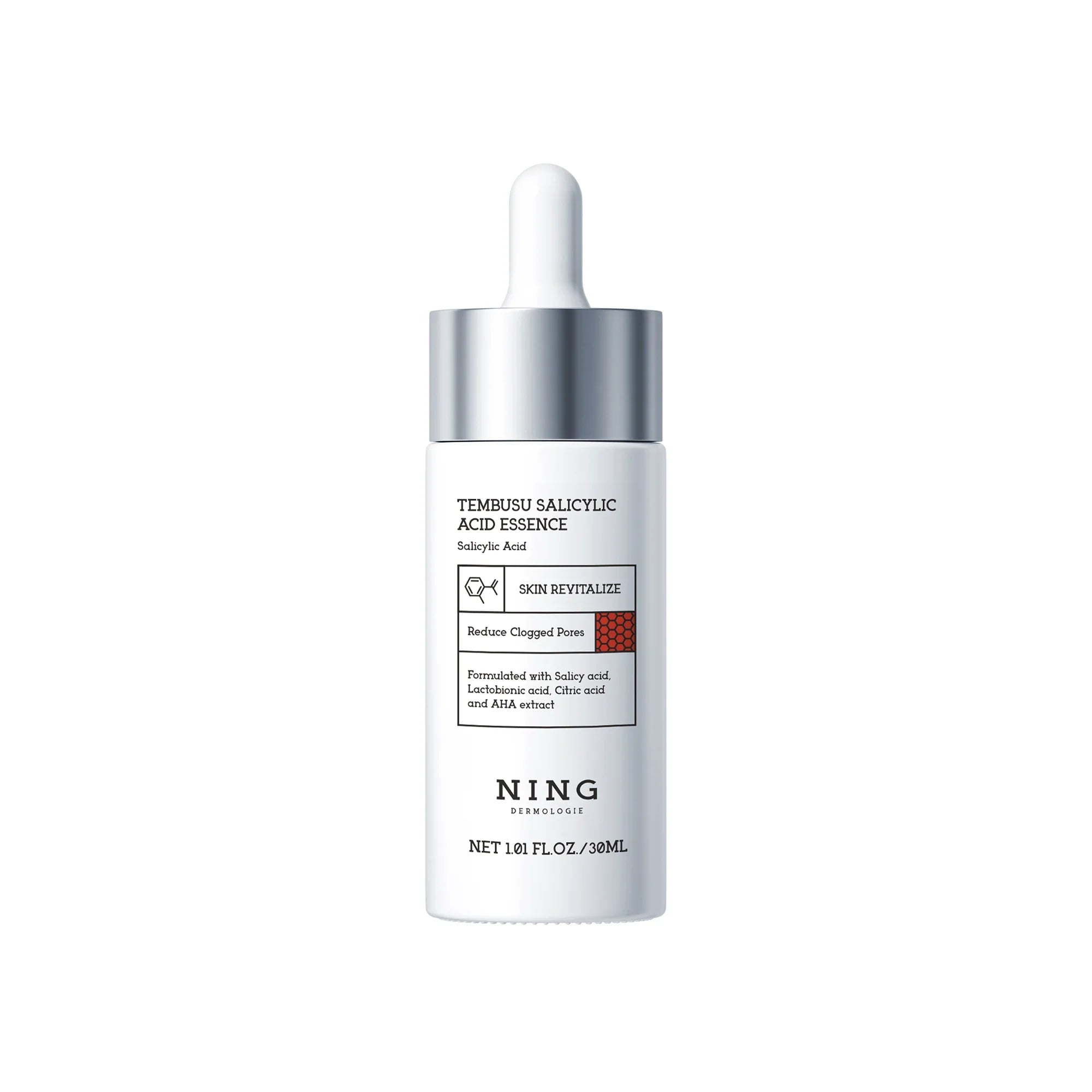
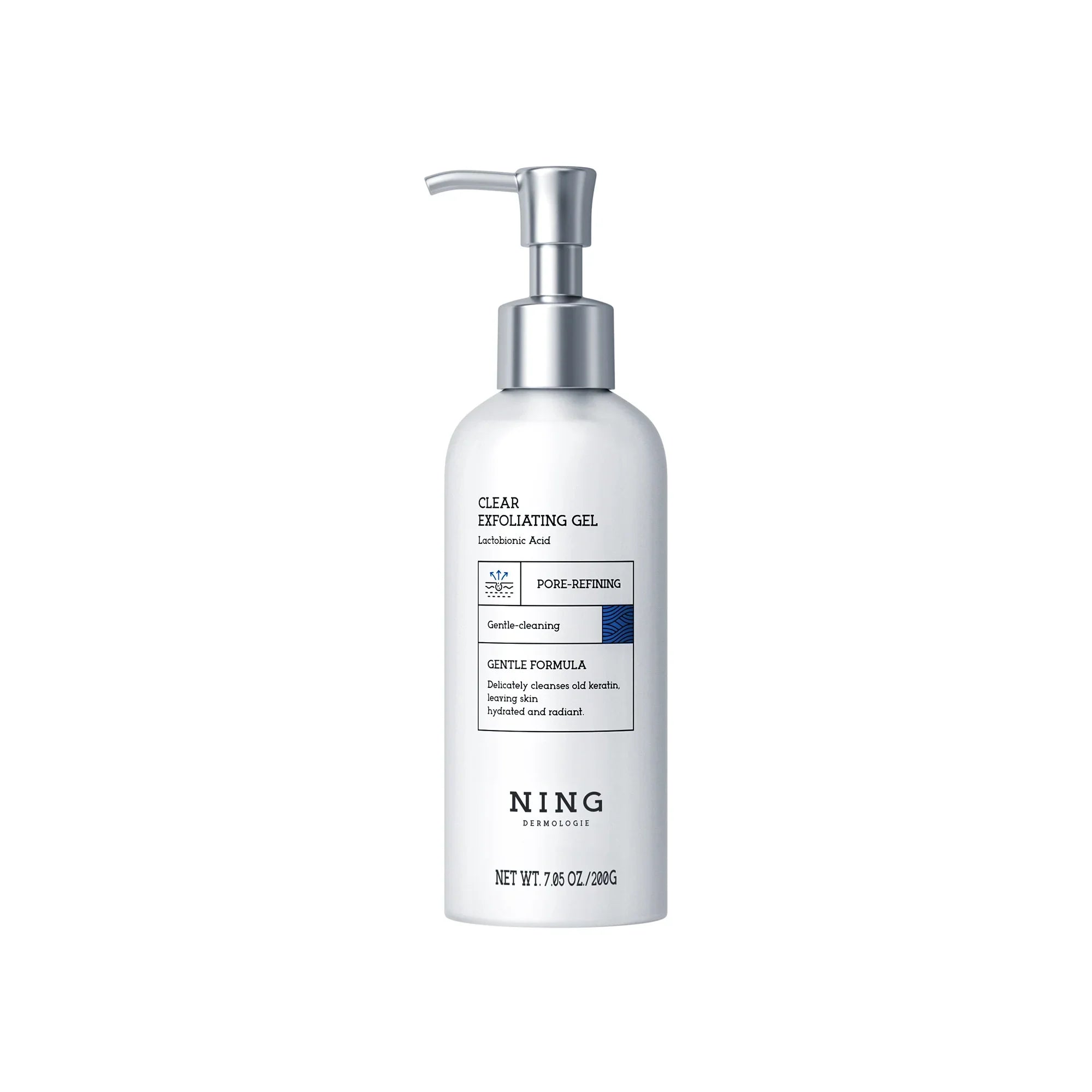
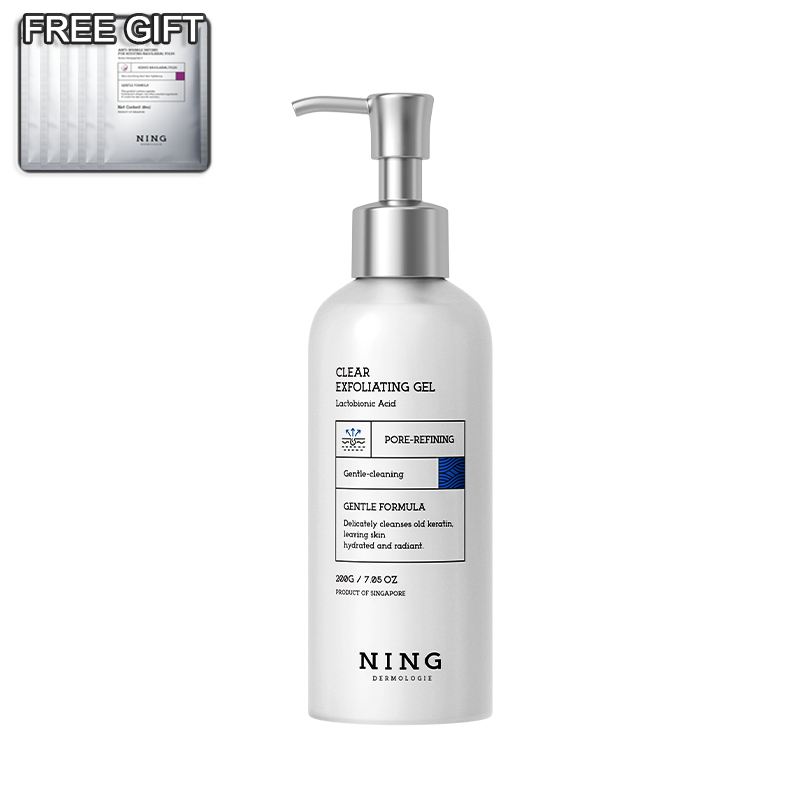
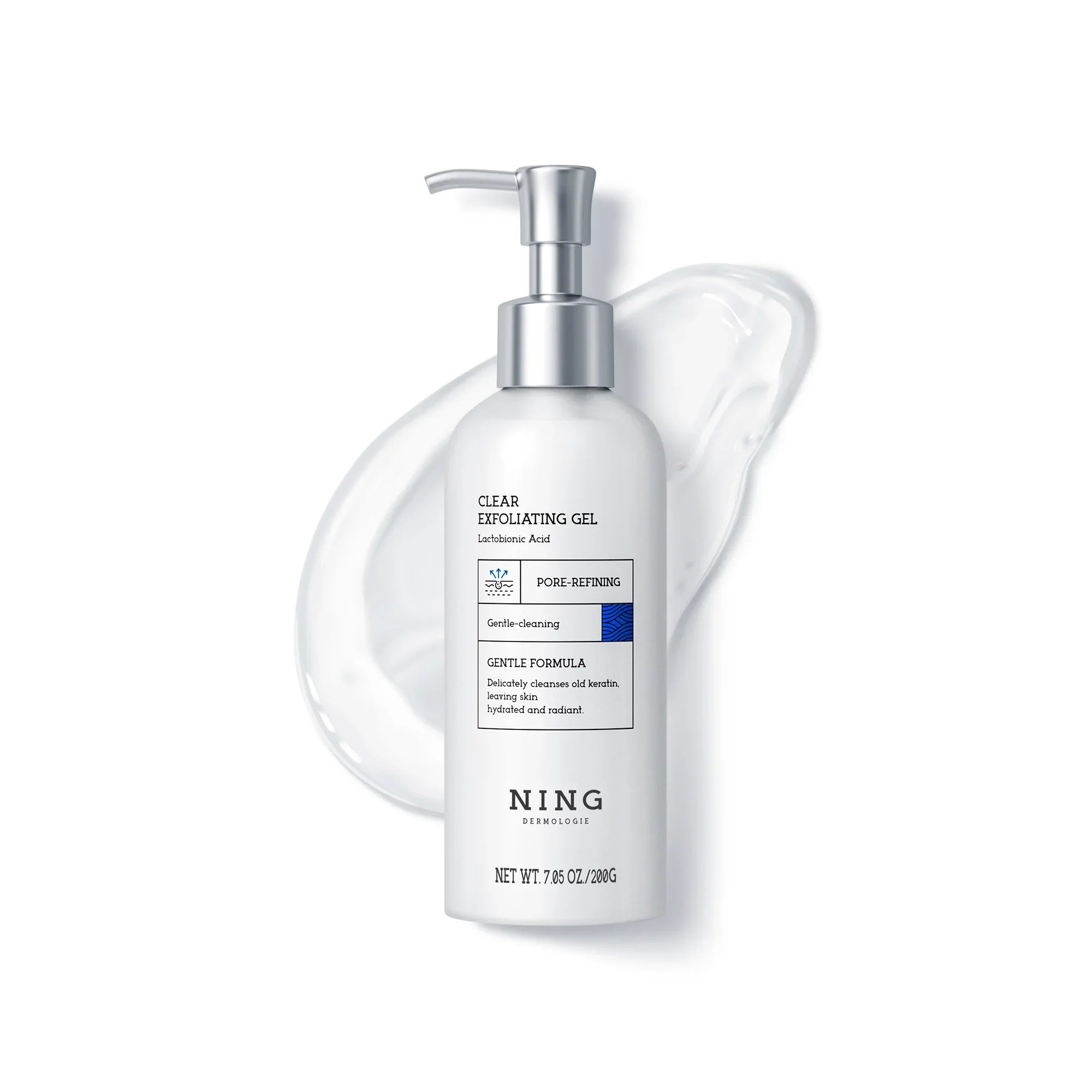
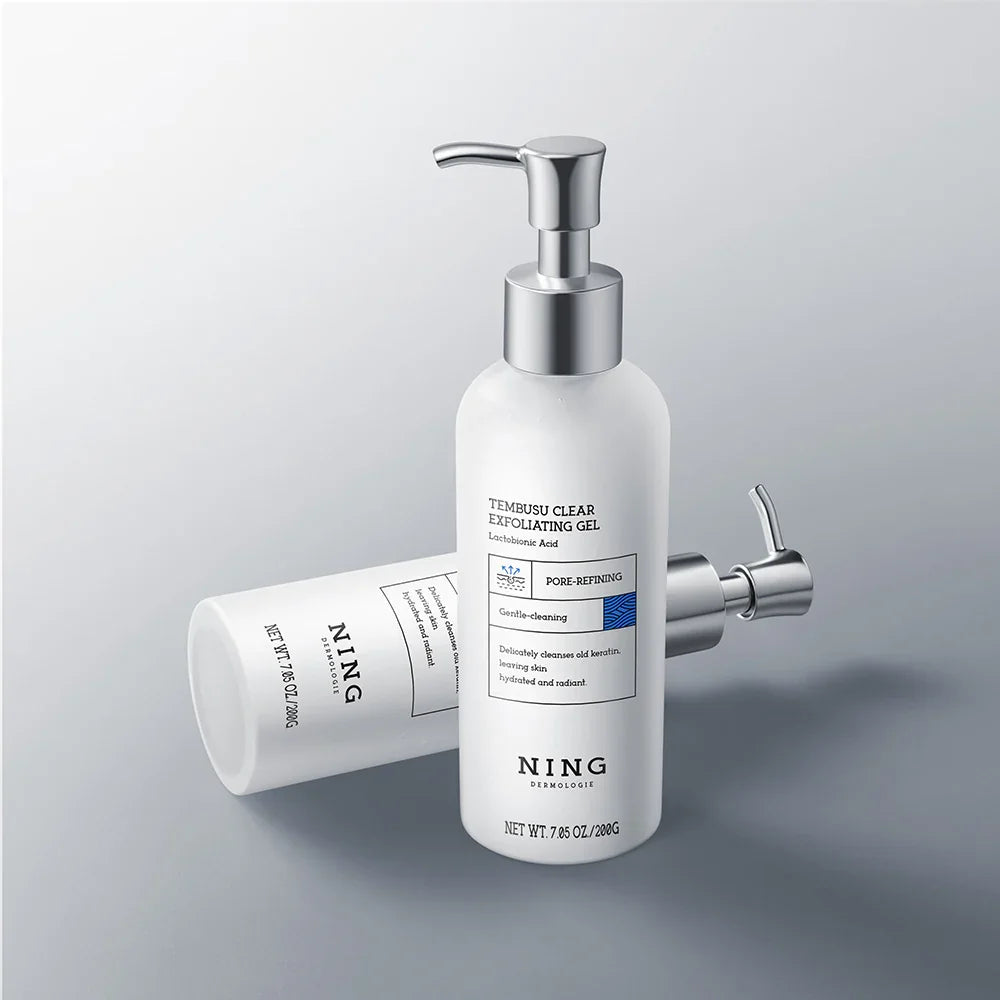
1. The Game Changer: NING Dermologie Exfoliating Face Wash
If you have sensitive skin and have been burned (literally) by exfoliating toners or peel pads, this is your exit ramp. The NING DermologieExfoliating Face Wash isn't a traditional scrub. It’s a purifying peeling gel that uses a unique "clumping" mechanism.
As you massage it onto dry skin, the formula reacts with the oils on your surface to form tiny soft spheres that gently roll away dead skin cells. It’s incredibly satisfying to see the "pilling" happen, knowing it’s not scratching your skin barrier. It leaves the skin feeling supple rather than stripped—making it a staple for any serious skincare routine.
2. The Drugstore Darling: Cetaphil Extra Gentle Daily Scrub
Pooja Rambhia and other experts often point to this for those on a budget. It uses micro-fine granules that won't cause micro-tears. It’s designed for sensitive skin, though it’s a bit basic if you’re looking for significant cell turnover or anti-aging benefits.
3. The Brightener: Aveeno Positively Radiant Skin Brightening Exfoliating Daily Facial Scrub
This one leans heavily on soy extract and Jojoba Beads. It’s a classic physical exfoliator that targets dullness. It’s great for combination skin, but if you have blemish-prone skin, you might want something with a bit of salicylic acid instead.
4. The K-Beauty Heavyweight: SKINFOOD Rice Daily Scrub Foam
Rice has been used for centuries to improve skin elasticity. This foam combines a facial wash with finely ground rice particles. It’s a moisturizing formula, but be careful not to over-scrub; the "foam" can sometimes trick you into being too aggressive.
5. The Pro-Choice: La Roche-Posay Ultra-Fine Scrub
For those who trust the French pharmacy vibe, this physical exfoliator uses ultra-fine pumice. It’s minimalist, fragrance-free, and respects the skin’s $pH$ balance—crucial for preventing that post-wash tightness.
Ingredients to Hunt (and Avoid)
If you want to shop like a fashion insider, stop looking at the front of the bottle and start reading the back.
The "Hydration Heroes"
To ensure your exfoliating face cleansers don't overdry, look for these additions:
- Hyaluronic Acid: A humectant that pulls water into the skin.
- Aloe Vera & Green Tea: These act as anti-inflammatories. If your face wash has these, it’s a sign the brand cares about your skin barrier.
- Manuka Honey: Found in premium brands like Saint Jane Beauty, it’s a natural humectant with antibacterial properties.
- Hydrolyzed Rice Protein: Excellent for maintaining skin elasticity and providing a smooth finish.
The "Acid" Breakdown
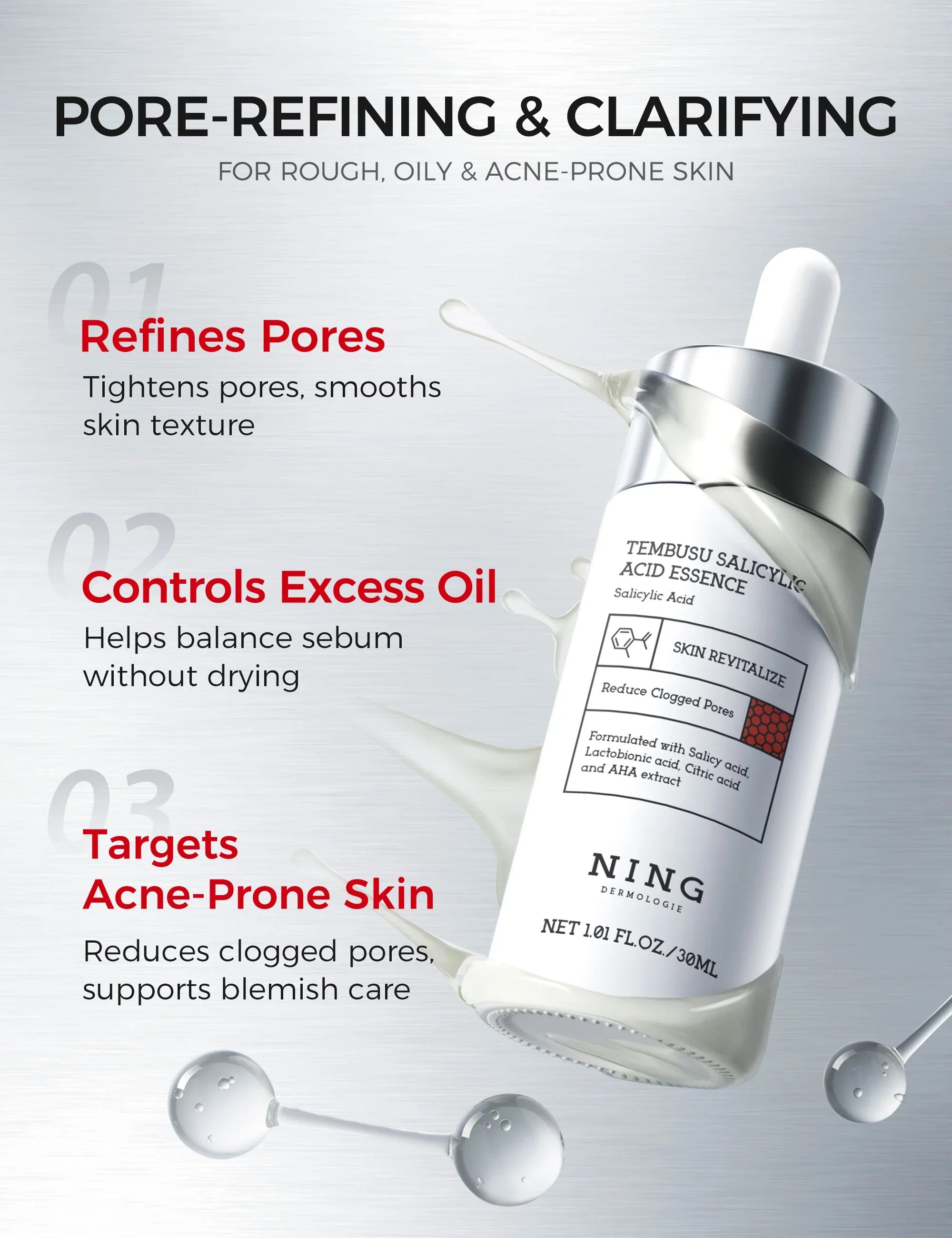
- Salicylic Acid (BHA): Oil-soluble. If you have excess oil or blemish-prone skin, this is your best friend. It gets into the pores and flushes out the "gunk."
- Glycolic Acid (AHA): The smallest molecule. Great for collagen production, but use it sparingly if you’re dry.
- Mandelic Acid: The "gentle giant." Its large molecular size makes it the gold standard for sensitive skin exfoliation.
Customizing Your Routine by Skin Type
You wouldn't wear a parka in the Sahara, so don't use an oily-skin scrub on dry flakes.
For Oily and Blemish-Prone Skin
You need to manage excess oil without triggering "rebound oiliness" (where your skin overproduces oil because it’s too dry).
- Strategy: Use a salicylic acid based facial wash 3 times a week.
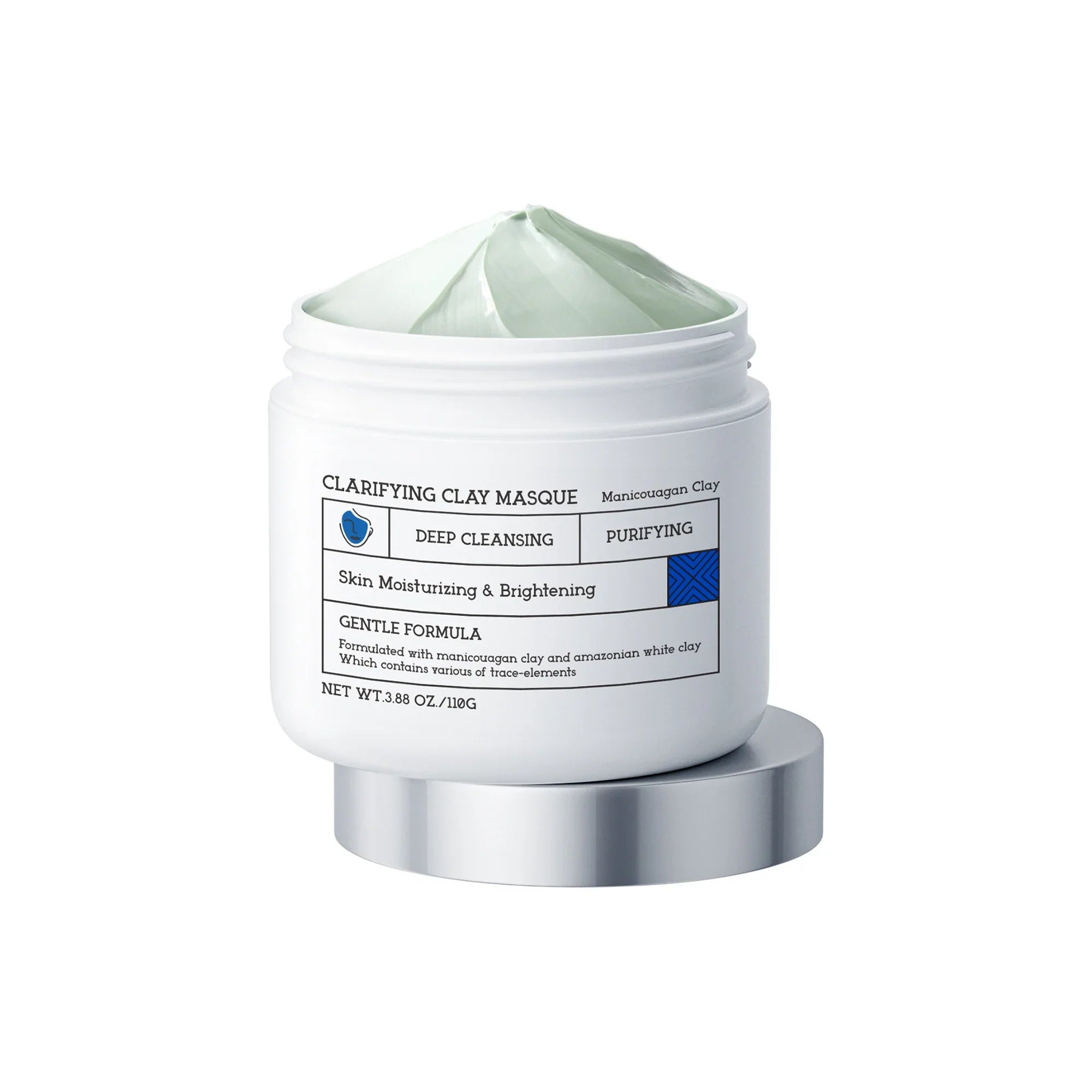
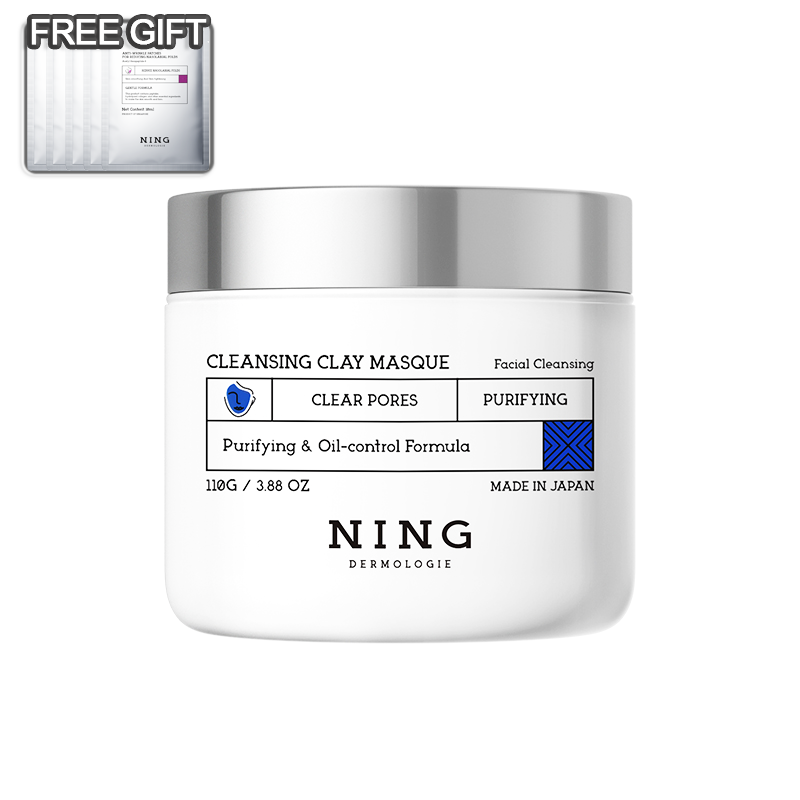
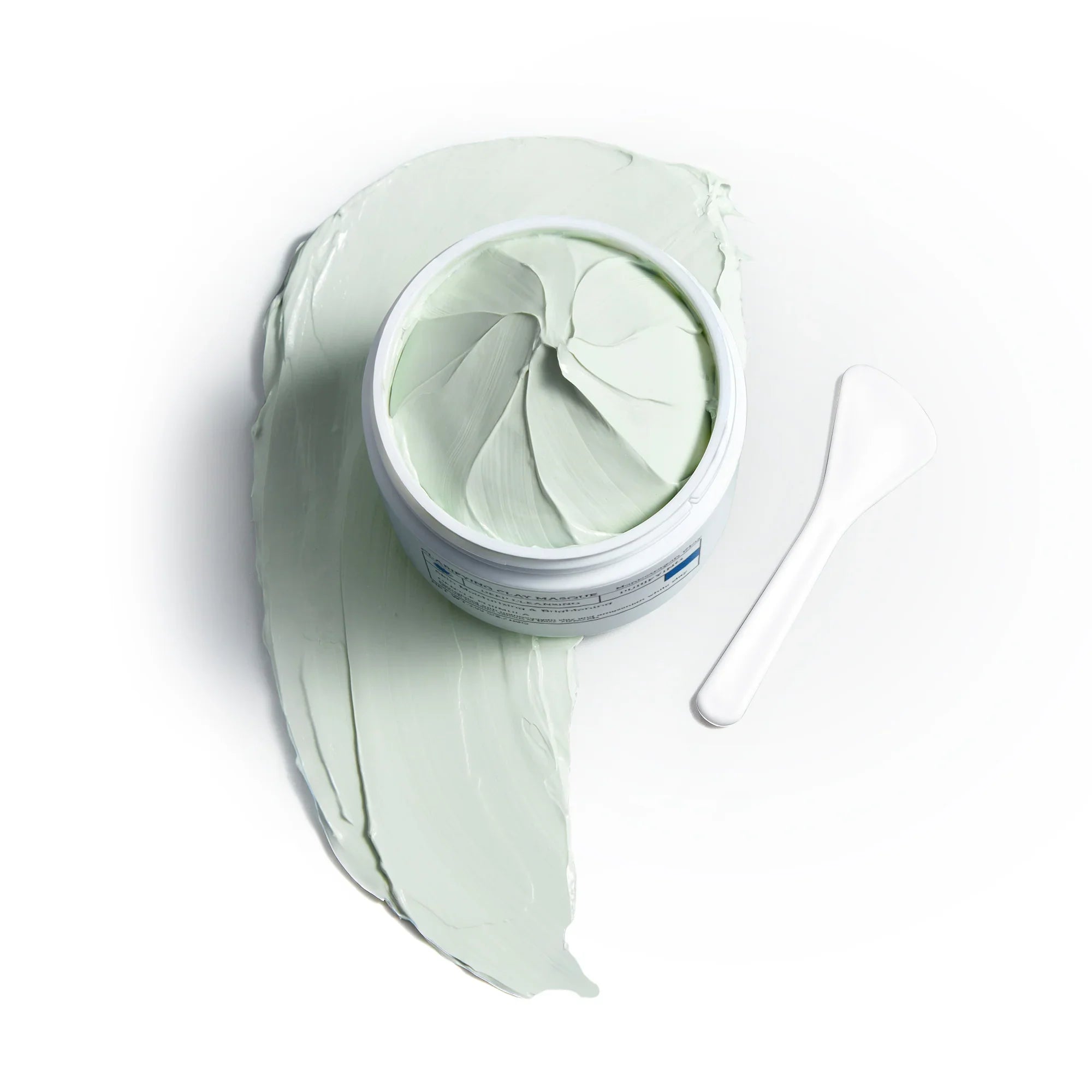
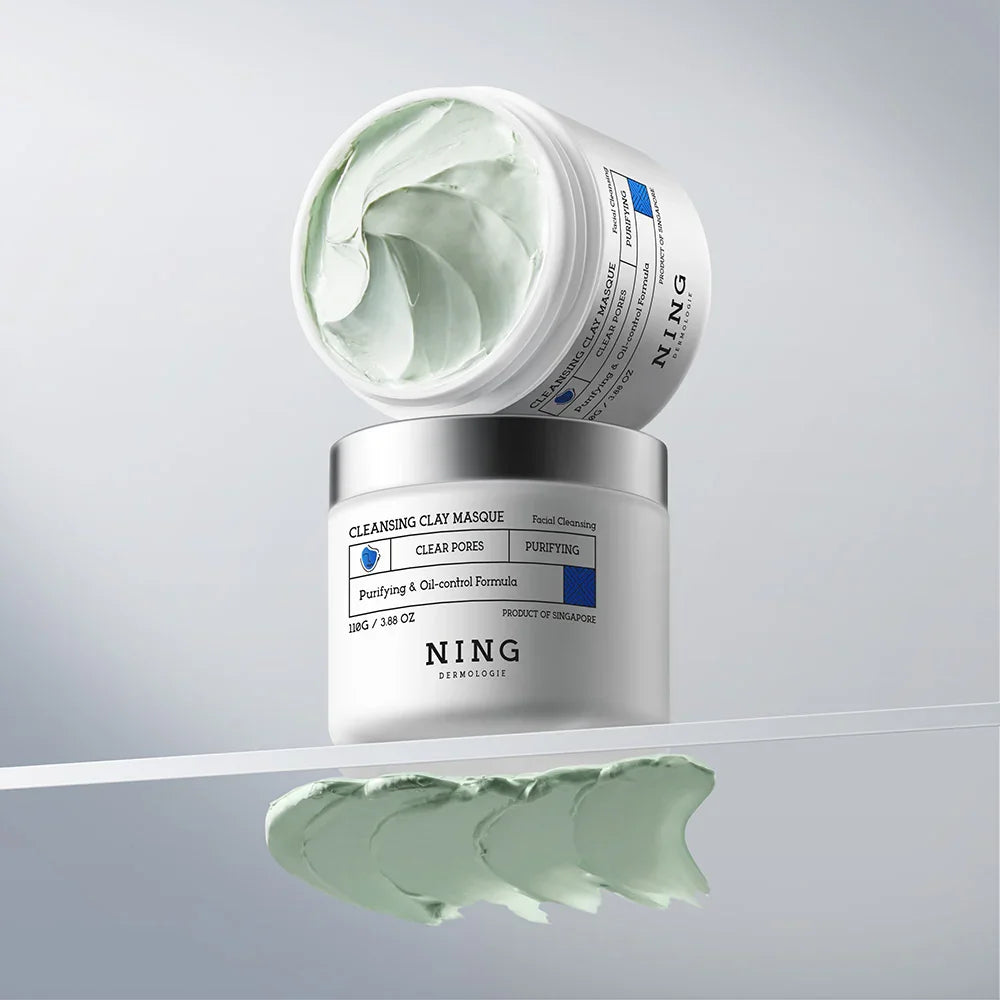
- Pro Tip: Consider a clay mask once a week to deeply detoxify pores without the friction of a scrub.
For Sensitive and Dry Skin
The goal is Gentle Exfoliation.
- Strategy: Reach for the NING Dermologie Peeling Gel. Because it doesn't rely on acids or jagged grains, it won't trigger redness. Follow up with an oil-based cleanser in your double-cleansing routine to keep the lipid layer happy.
For Combination Skin
This is the "balancing act." Your T-zone is an oil slick, but your cheeks are the Mojave Desert.
- Strategy: Use First Aid Beauty Facial Radiance Pads (which use lactic acid) on the oily areas, and a cream-based facial toner everywhere else.
Beyond the Wash: The Holistic Approach
Exfoliation is just one piece of the puzzle. If you aren't doing skin cancer screenings or wearing SPF 30+ daily, you’re wasting your money. Freshly exfoliated skin is highly susceptible to UV damage.
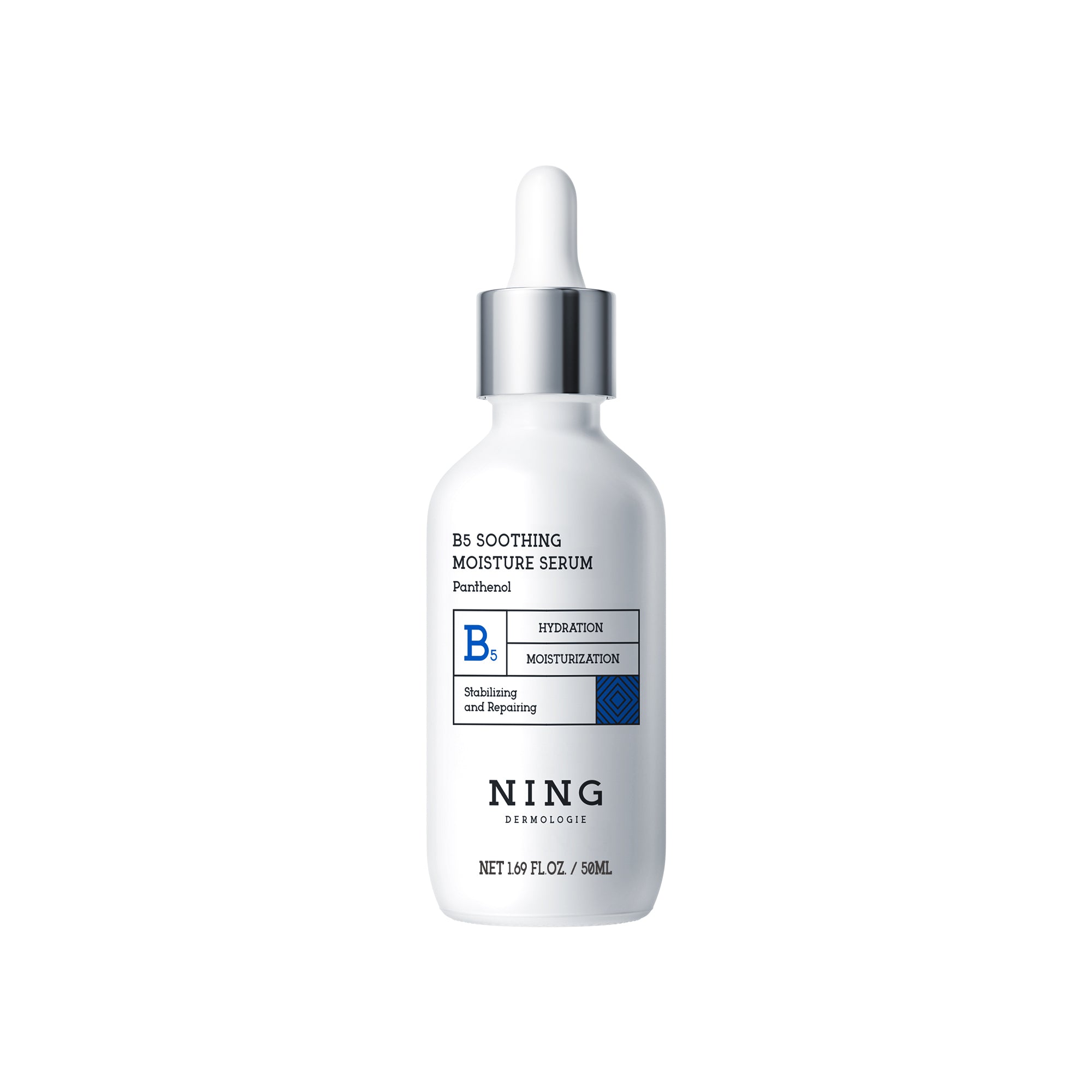
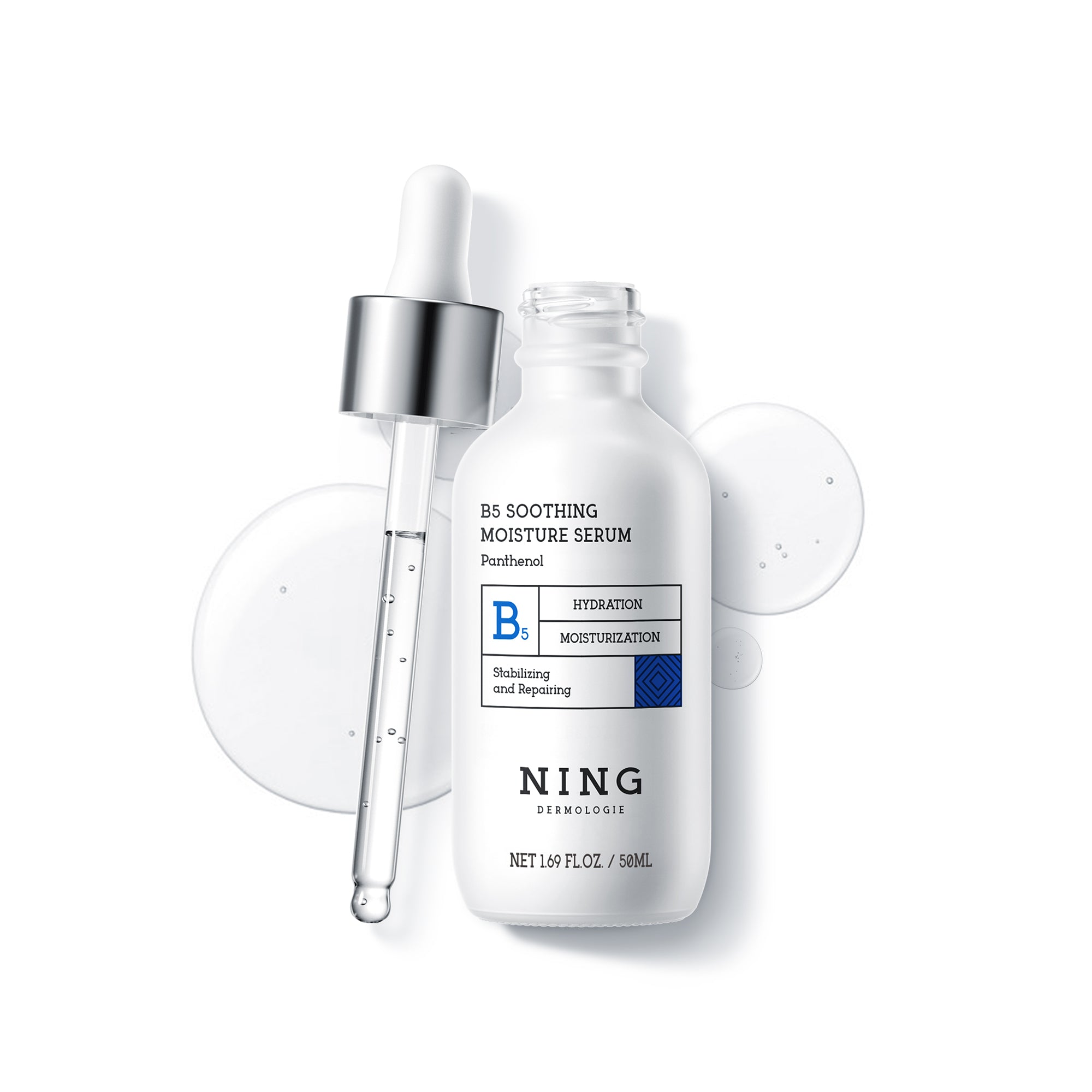
Also, don't ignore the tech. Tools like the Oscisonic Cleanser Head or a microderm exfoliant device can enhance your face wash, but they increase the risk of overdrying. If you use tools, stick to a moisturizing formula like renewskin co or NING Dermologie to provide enough "slip."

The Verdict
Which exfoliating face washes are best? The ones that treat your skin like silk, not sandpaper.
For a daily or bi-weekly glow, the NING Dermologie Exfoliating Face Wash offers the best "safety-to-results" ratio. It respects the skin barrier, boosts cell turnover, and avoids the harshness of facial scrubs.
Stop chasing the "sting" and start chasing the "supple." Your skin will thank you in ten years with better skin elasticity and a lot less redness.
Frequently Asked Questions (FAQ)
1. How often should I use an exfoliating face wash?
For most skin types, 2–3 times a week is the "sweet spot." If you have sensitive skin, start once a week. Over-exfoliating can lead to a shiny (but not healthy) forehead and increased sensitivity. Always listen to your skin; if it stings, back off.
2. Can I use salicylic acid and glycolic acid together?
It’s possible, but risky for your skin barrier. Many exfoliating face cleansers blend them in low percentages. However, using a high-strength salicylic acid wash followed by a glycolic acid toner is a recipe for irritation and overdrying. Stick to one "active" per session.
3. Is a physical exfoliator better than a chemical one?
It's not about which is "better," but what your skin can actually handle. Physical scrubs with Jojoba Beads give that instant "wow" smoothness, but chemical exfoliators (like AHAs) are better for long-term cell health and collagen production. If you’re over the grit, a gel like NING Dermologie is the smart, non-scratchy middle ground.
4. Should I exfoliate in the morning or at night?
Nighttime is generally better. Exfoliation removes the top layer of dead skin, making your face more sensitive to the sun. By exfoliating at night, you give your skin hours to recover and absorb hydrating ingredients like vitamin C or hyaluronic acid while you sleep.
5. Why does my skin feel tight after washing, even with "gentle" products?
That tight, "squeaky" feeling is usually a cry for help. Your facial wash likely has a high $pH$ or harsh surfactants that nuked your moisture barrier. Even "gentle" facial scrubs fail if the moisturizing formulas aren't there to back them up. Look for aloe vera or Manuka Honey to keep things bouncy.





Share:
Where can I find exfoliating face wash with added vitamins like C or E?
Are there exfoliating face washes designed specifically for use before makeup application?