


Will Skincare Set Help with Acne and Oily Skin? The Truth About Your Routine
The Ultimate Skincare Routine for Oily and Acne-Prone Skin
Let’s be honest: waking up with a T-zone that shines bright enough to guide ships at sea is frustrating. If you have oily skin, you know the struggle. You wash your face, it feels great for ten minutes, and then the oil slick returns. Worse, that excess sebum often brings unwanted guests—acne breakouts, blackheads, and enlarged pores.
You’ve probably spent hours scrolling through social media, seeing influencers recommend fifty different products. You buy a cleanser from one brand, a serum from another, and a moisturizer from a third. But instead of the healthy skin you were promised, you end up with irritation, redness, or even more pimples.
This brings us to the million-dollar question: Will a skincare set help with acne and oily skin better than a mismatched collection of bottles?
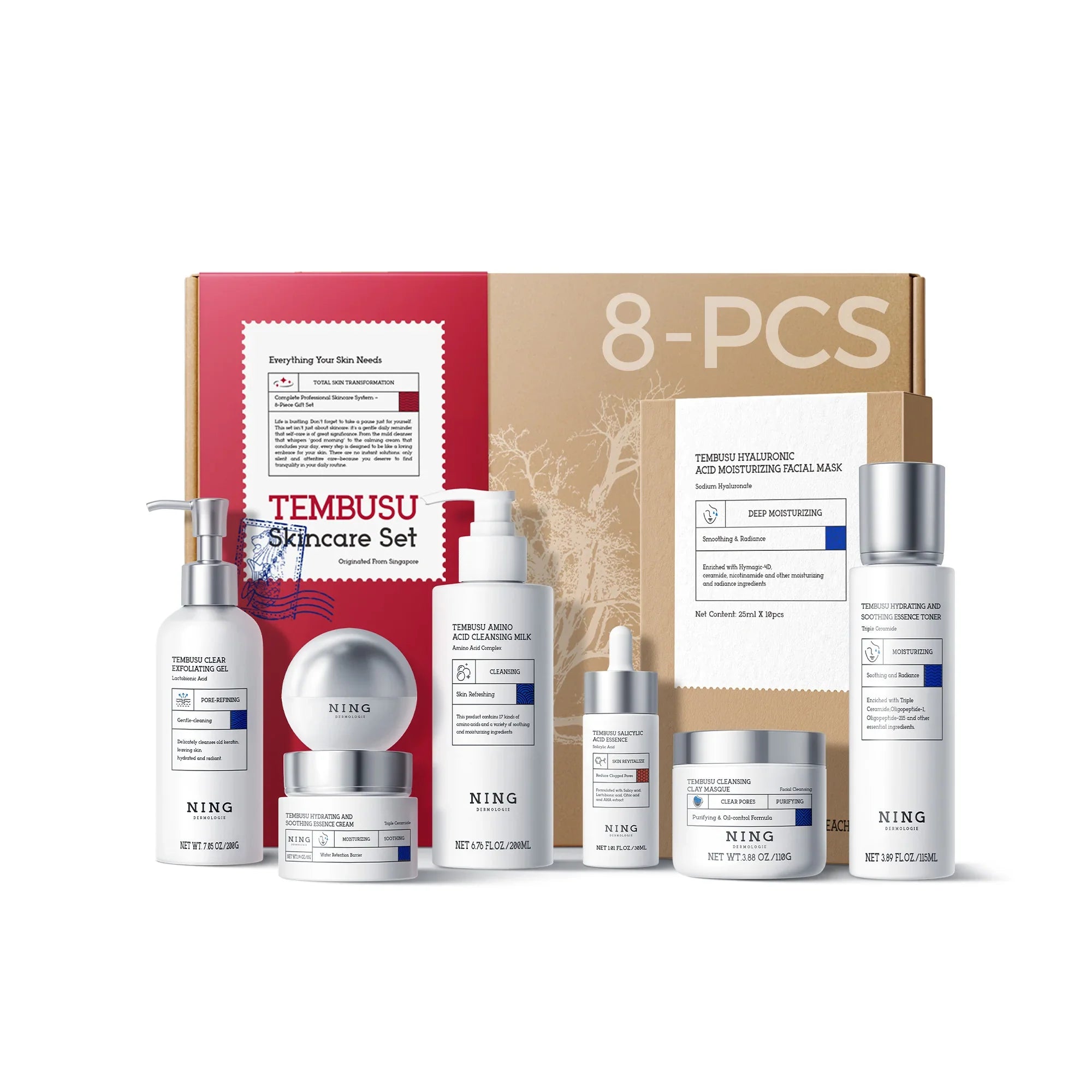
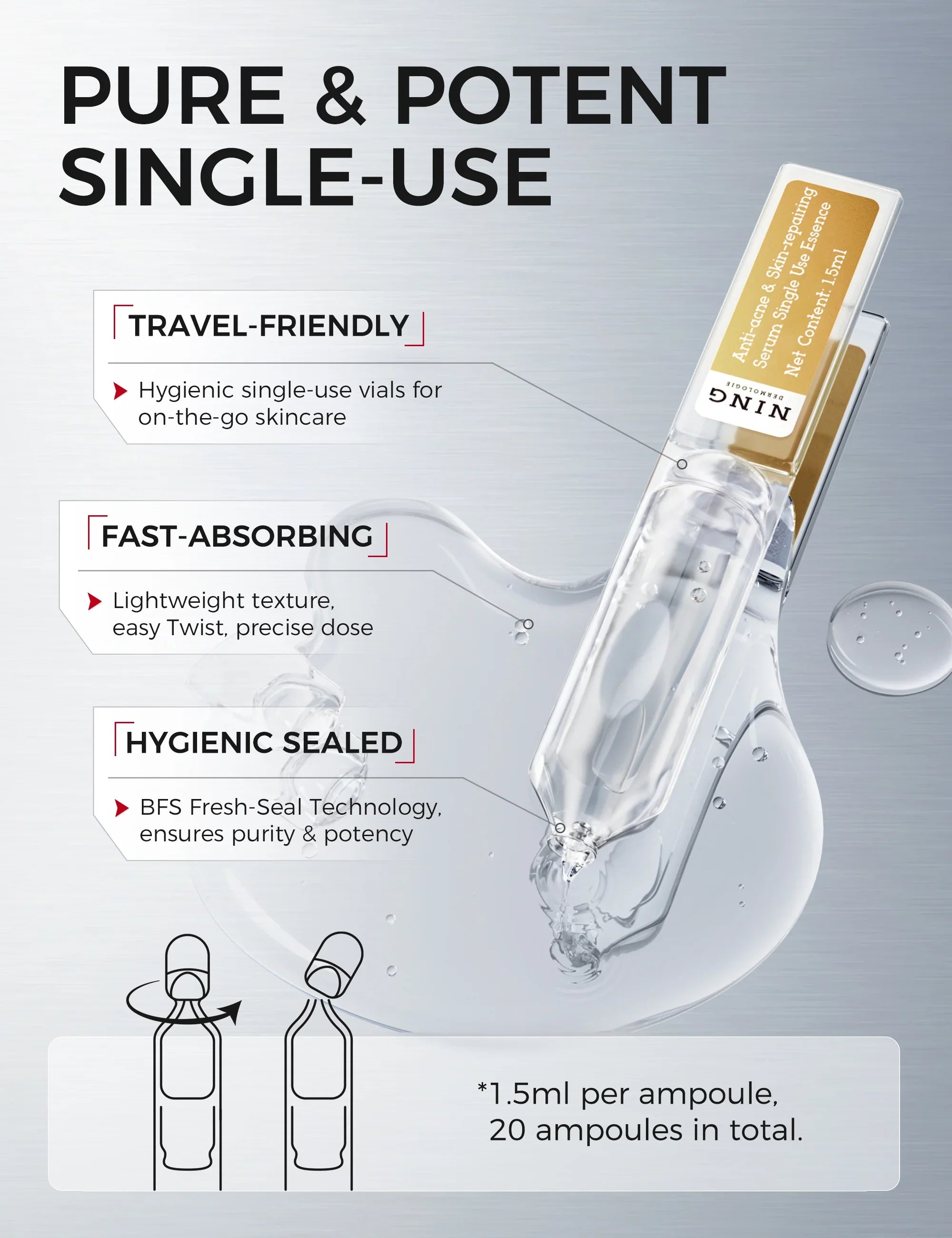
At NING Dermologie, we believe the answer is a resounding yes—but only if the set is formulated with the right science. Let's dive deep into understanding your skin, why the TEMBUSU 8-Step Routine Skincare Set might be the game-changer you need, and how to build the best skincare routine for your specific needs.

Understanding Acne and Oily Skin: Why Me?
Characteristics of Oily Skin Types and What Causes Acne
Before we can fix the problem, we have to understand the mechanics. Oily skin types are genetic. Your sebaceous glands are larger and more active than those in people with dry skin or normal skin. When your skin produces too much sebum, it mixes with dead skin cells on the surface.
This mixture is a recipe for disaster. It gets trapped inside the hair follicle, creating a plug. This plug is where Cutibacterium acnes (acne-causing bacteria) thrives. The result? Inflammation, whiteheads, cysts, and the acne blemishes you see in the mirror.
However, oily skin isn't all bad. People with oily skin often have fewer fine lines and wrinkles as they age because that natural oil keeps the skin lubricated. The goal of a care routine shouldn't be to strip the oil away completely (which damages the skin barrier), but to balance it.
Common Skin Concerns for Acne Prone Skin
It’s rarely just about a single pimple. If you are dealing with this skin type, you likely face a cascade of skin concerns:
- Enlarged Pores: When pores are clogged with oil and dead skin cells, they stretch out and look larger.
- Uneven Skin Tone: Post-acne marks (hyperpigmentation) can linger long after a breakout heals.
- Shine: A constant greasy film, especially on the forehead and nose.
- Texture: Small bumps under the skin surface (closed comedones).
To address these, you need targeted skincare that exfoliates, hydrates, and regulates sebum without causing irritation.
The Power of Synergy: Why Use a Skincare Set?
The Best Skincare Routine is a Cohesive One
Here is the mistake most people make: they mix active ingredients that hate each other. They use a high-strength Vitamin C in the morning, a strong retinol at night, and a harsh scrub in between. This approach can dry out your skin, damage the barrier, and actually trigger more oil production as a defense mechanism.
A pre-curated skincare set—like the TEMBUSU 8-Step Routine Skincare Set—solves this.
When products are formulated together, they are pH-balanced to work in harmony. The cleanser prepares the skin without stripping it; the serum penetrates deeply; the moisturizer locks it all in.
The NING Dermologie Approach
Our TEMBUSU 8-Step Routine Skincare Set takes the guesswork out of the equation. It is designed to provide a complete skincare regimen that addresses the root causes of acne while maintaining balanced skin. Instead of wondering "what goes first?", you have a clear roadmap morning and night.

Building Your Routine: Step-by-Step
Essential Steps in Your Skincare Routine for Oily Skin
Whether you are using a four-step routine or our comprehensive 8-step ritual, the principles for acne skincare remain the same. Here is how to construct a routine for oily skin that actually works.
Step 1: Cleansing (The Right Way)
You need a cleanser that removes excess oil, makeup, and pollutants. However, avoid harsh soaps that leave your skin feeling soft but "squeaky" clean—squeaky means stripped. Look for a gentle foaming gel.
- Tip: If you wear heavy makeup, consider a double cleanse.
Step 2: Exfoliation (Unclogging the Pores)
Exfoliate regularly, but gently. A chemical exfoliant is a top choice for oily skin. Physical scrubs (with apricot pits or walnuts) can cause micro-tears and spread bacteria.
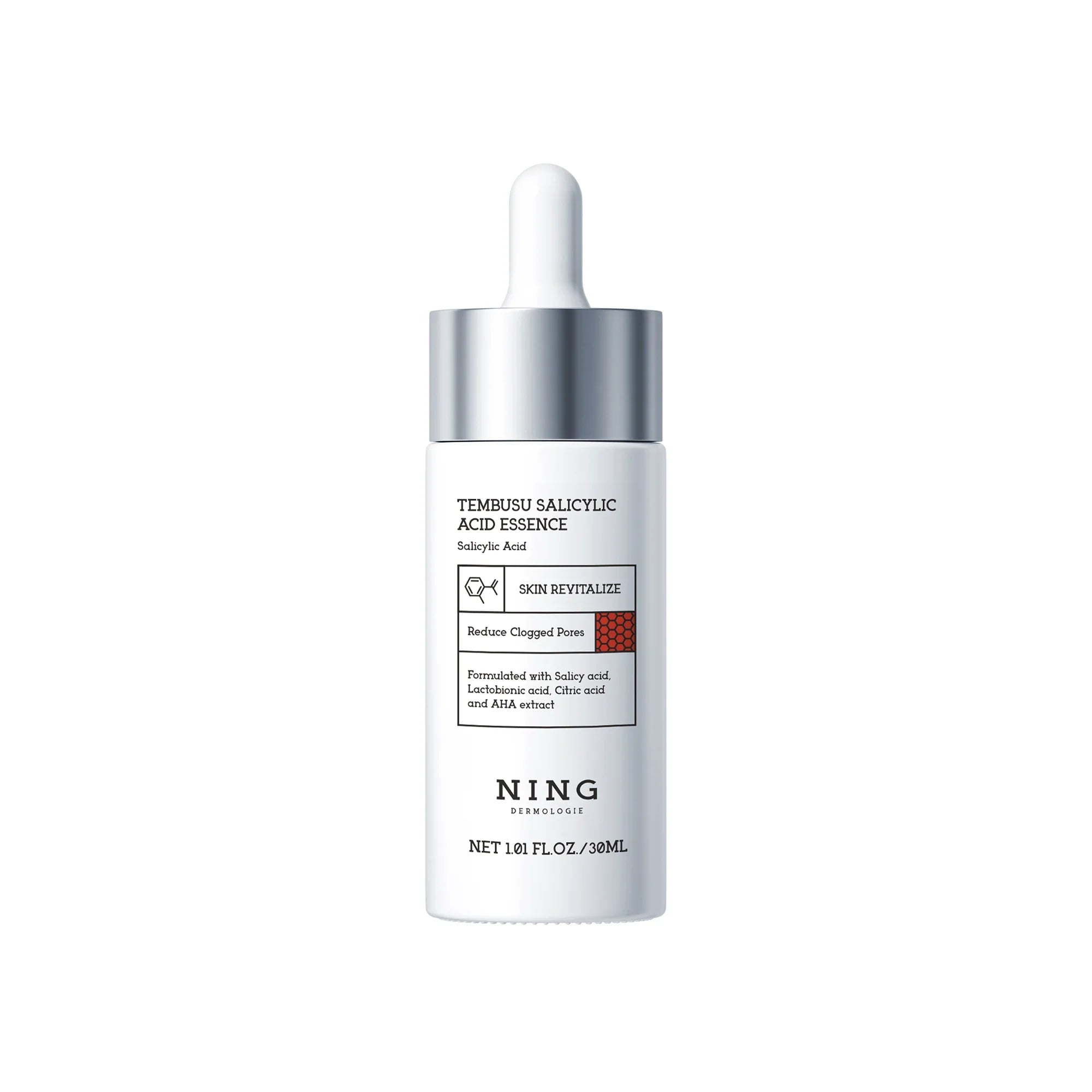
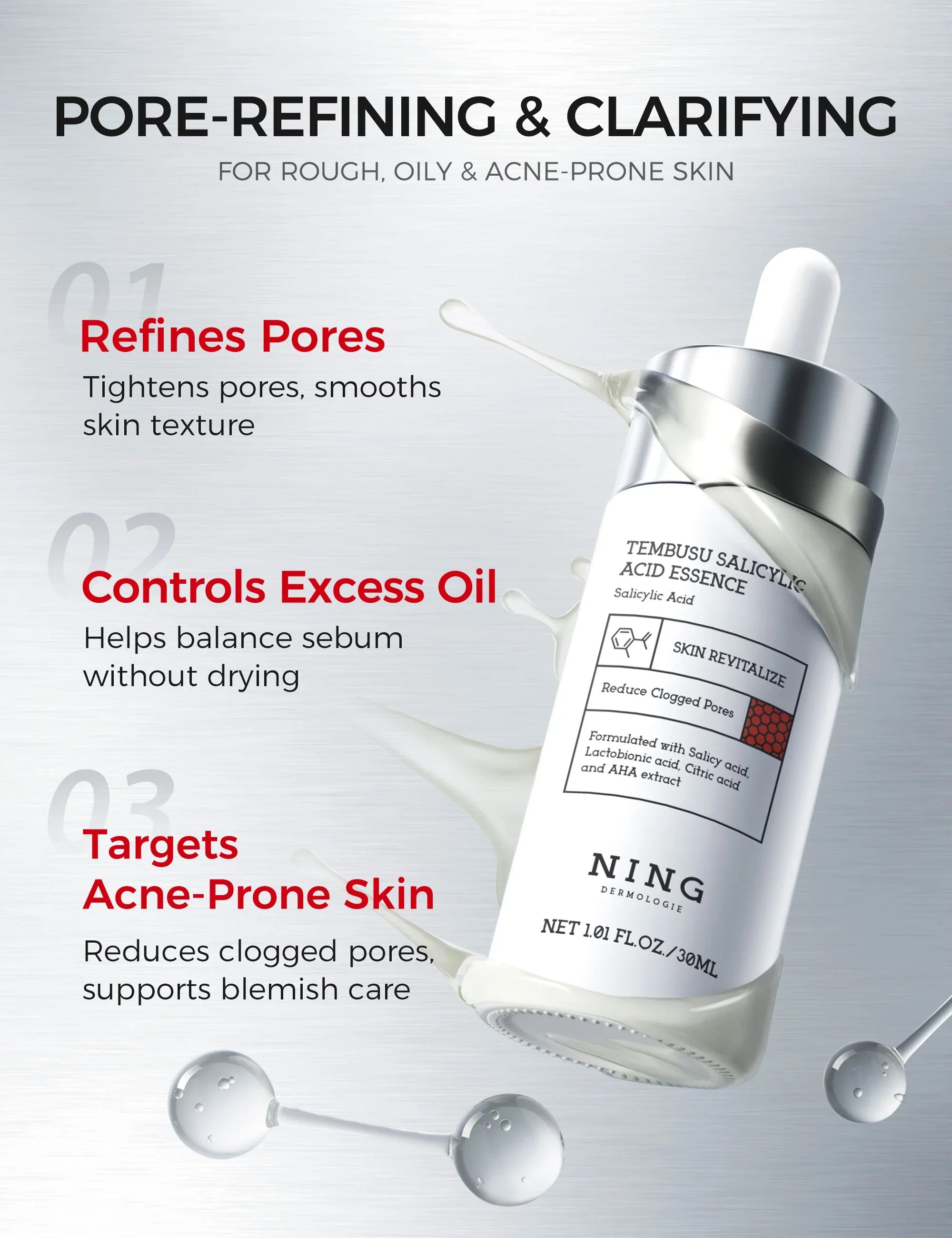
- Salicylic Acid: This is a beta-hydroxy acid (BHA) that is oil-soluble. It dives deep into the pore lining to dissolve the glue holding dead skin together. Salicylic acid helps clear current breakouts and prevent acne from forming.
- Hydroxy Acid: Alpha-hydroxy acids (AHAs) work on the surface to smooth uneven skin.
Step 3: Treatment Serums
This is where the magic happens. A lightweight serum can deliver high concentrations of active ingredients.
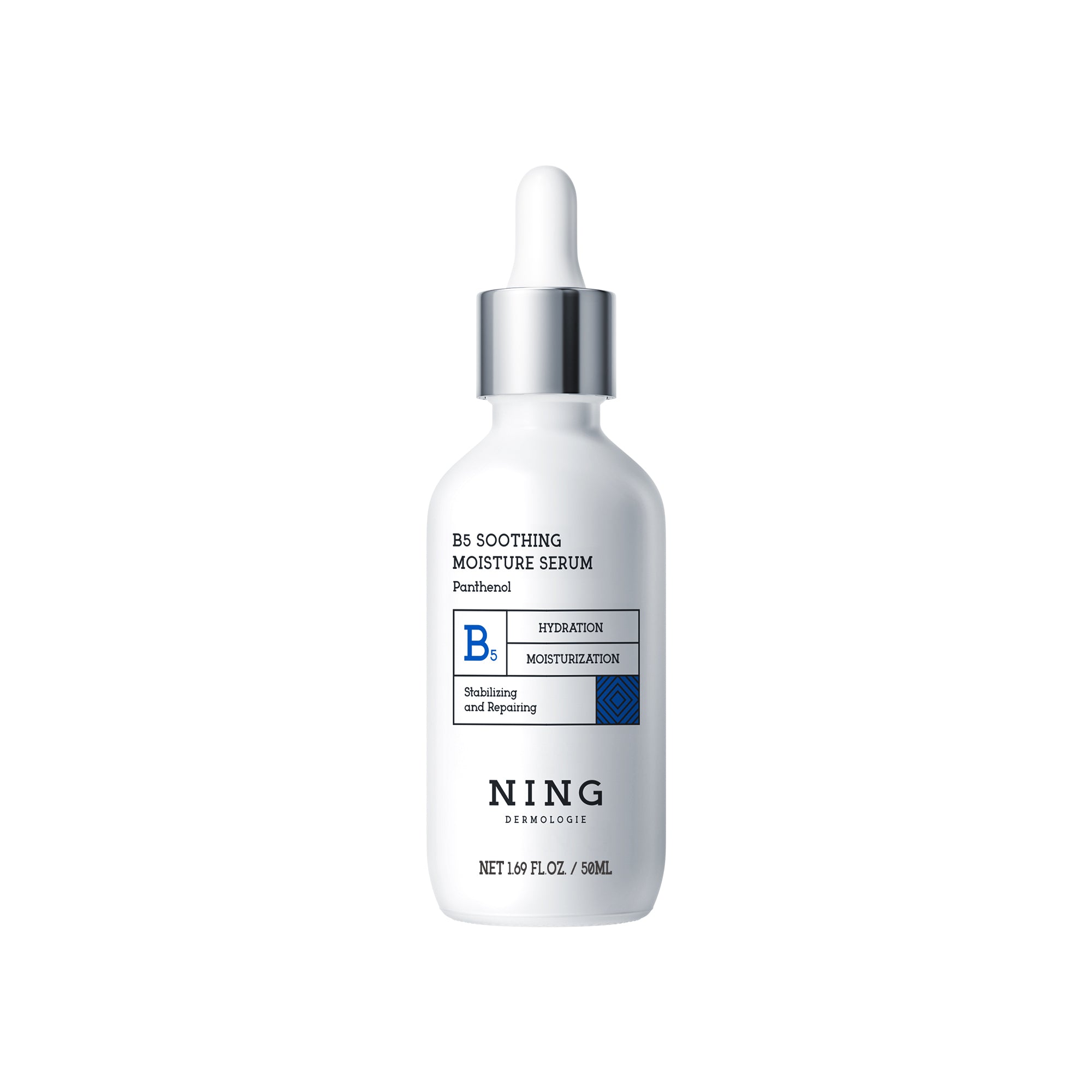
- Niacinamide: A superstar for oily skin types. It helps regulate oil production, tighten the look of skin pores, and calm redness.
- Retinol: Essential for nighttime. It speeds up cell turnover, preventing clogged pores and treating fine lines.
Step 4: Hydration (Yes, You Need It)
How to Moisturize Oily Skin? Many people skip this step, thinking it will make them greasier. This is a myth. If you skip moisturizer, your skin gets dehydrated and panics, producing even more oil to compensate.
- Use a moisturizer specifically suitable for oily skin. Look for "oil-free" and "non-comedogenic" on the label.
- Ingredients like hyaluronic acid are perfect because they hold water in the skin without adding heaviness.
Step 5: Sun Protection
Protect Your Skin: The Role of Sunscreen in Skincare Sun exposure is not an acne treatment. While the sun might dry out a pimple temporarily, UV rays cause inflammation and damage the cells. This leads to aging and skin cancer risks. Plus, the sun darkens post-acne scars, making uneven skin tone worse.
- Always finish your morning routine for oily skin with a broad-spectrum sunscreen. Modern formulas are lightweight and won't clog pores.
Key Ingredients for Acne Skincare
Skincare Products and Ingredients That Help Clear Acne
When looking at the TEMBUSU 8-Step Routine Skincare Set or any oily skin products, check the ingredient deck. The best skincare routine for acne should contain a mix of soothing and active agents.
-
Benzoyl Peroxide: Great for killing bacteria, often found in a spot treatment. Use cautiously as it can be drying.
-
Salicylic Acid: As mentioned, the gold standard for unclogging.
-
Tea Tree Oil: A natural antiseptic that helps reduce inflammation.
-
Ceramides: Crucial for repairing the skin barrier. A healthy barrier keeps bacteria out and moisture in.
-
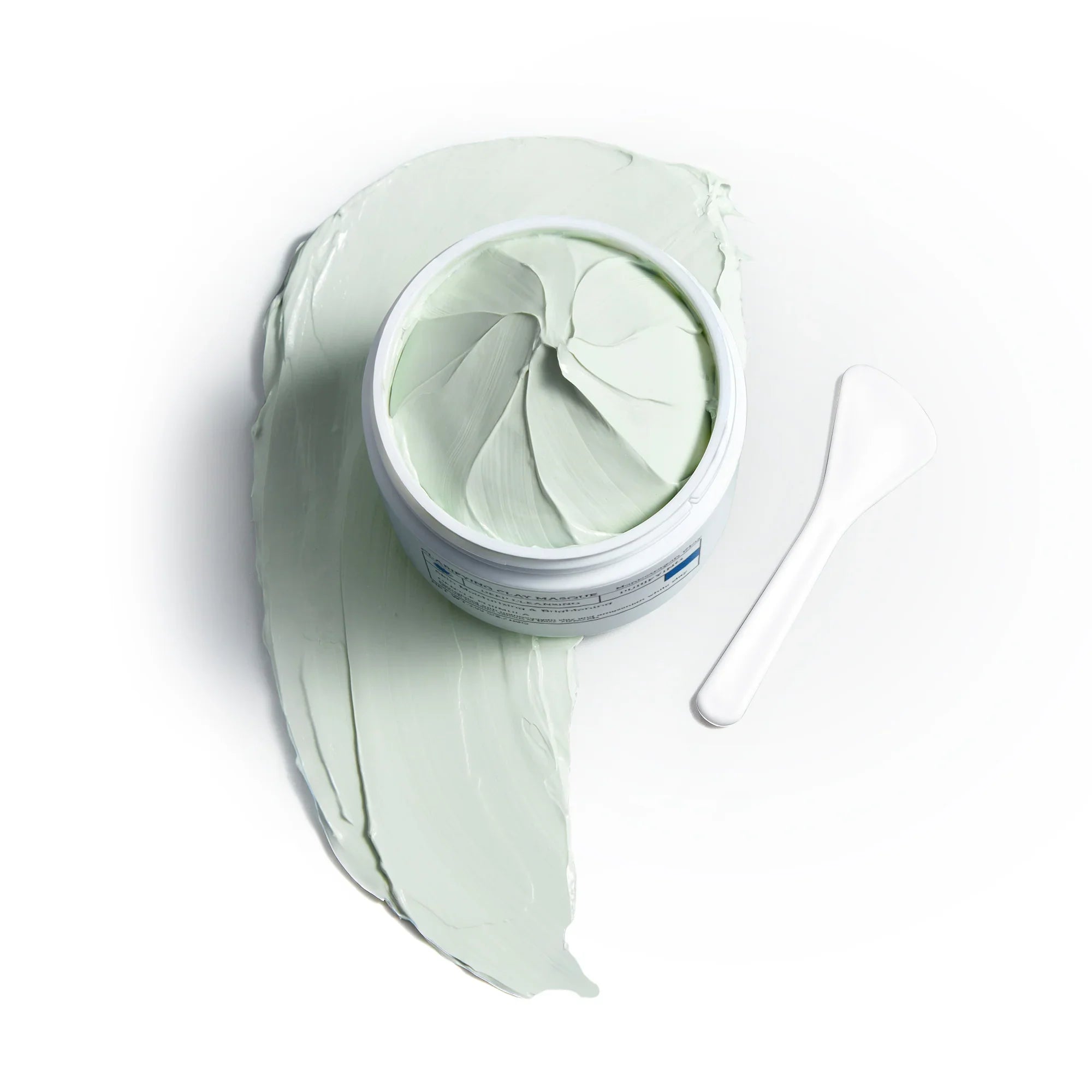
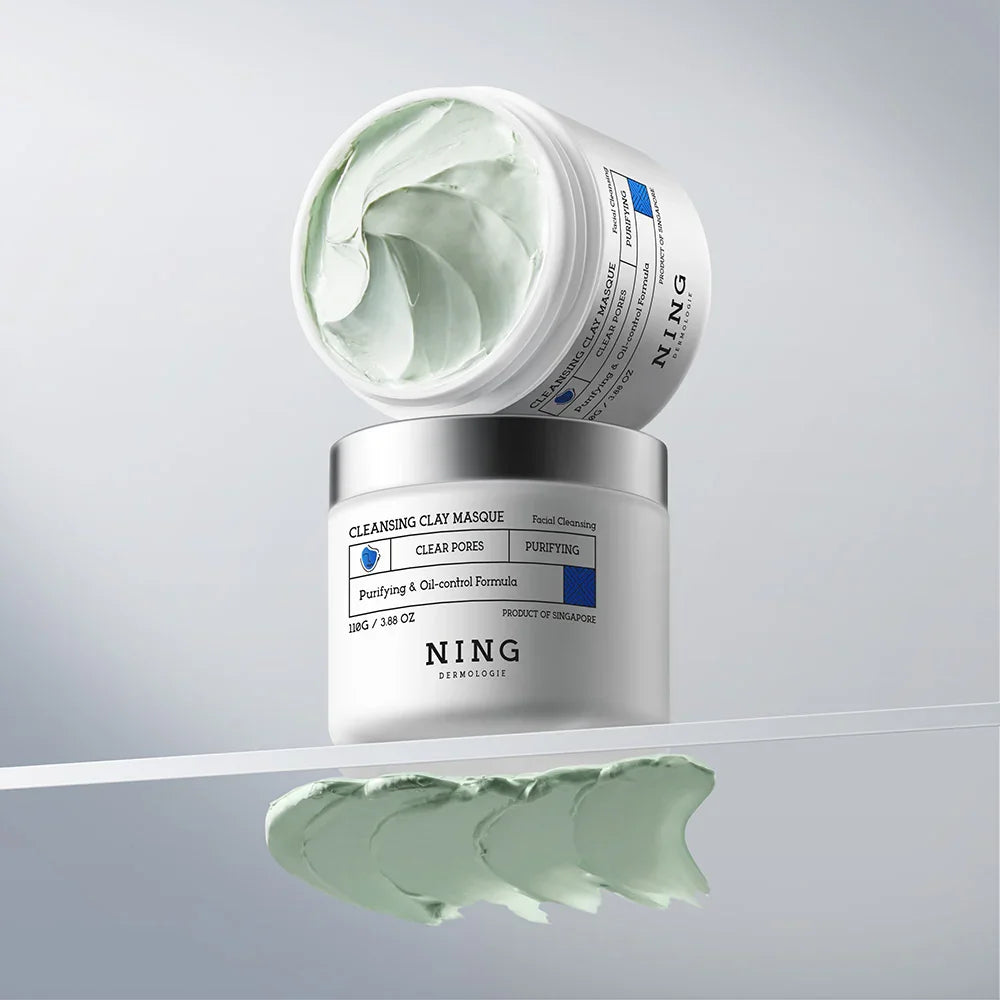
Clay: Kaolin or Bentonite clay masks can help absorb excess oil on a weekly basis.
Managing Skin Barriers and Sensitivity
Even oily skin can be sensitive. If you use too many actives (like combining high-strength benzoyl peroxide with high-strength retinol), you will damage your moisture barrier. Signs of a damaged barrier include stinging when applying products, redness, and dry skin patches despite the oil.
- Solution: If this happens, strip your routine back to just a gentle cleanser and a barrier-repairing moisturizer until the skin is still and calm.

When to Call in the Pros
When to See a Dermatologist
While a high-quality set like NING Dermologie’s can manage mild to moderate acne and maintain best skin health, some skin conditions require medical intervention. You should consult a dermatologist or a board-certified dermatologist if:
- You have deep, painful cysts or nodules.
- Your acne is leaving deep scars (pitted scars).
- Over-the-counter acne treatment products haven't worked after 3 months.
- You suspect your acne is hormonal (e.g., flares up around your cycle or on the jawline).
A dermatologist can also prescribe oral medications or stronger topicals that are not available in standard skincare products. They can help identify if your skin is oily due to hormonal imbalances or other health issues.
Daily Practices for Oily Skin Success
Best Skincare Routine and Lifestyle Tips
Achieving healthy skin isn't just about what you put on your face; it's about your lifestyle.
- Don't Touch Your Face: Your hands carry bacteria that can transfer to your face and cause breakouts.
- Wash Pillowcases: Oil and bacteria build up on your pillow. Change the case twice a week.
- Diet: While controversial, some dermatologist studies suggest that high-glycemic foods (sugar, white bread) and dairy may trigger acne in some people.
- Consistency is Key: A skincare routine for oily skin takes time. It generally takes 28 days for skin cells to turn over. Do not expect overnight miracles—expect steady progress.
Why Choose NING Dermologie?
Our brand, NING Dermologie, focuses on creating skincare for oily skin that balances efficacy with safety. The TEMBUSU 8-Step Routine Skincare Set is specifically curated to handle the complexities of acne prone skin and combination skin. By using a complete set, you ensure that every skincare step supports the next, helping to protect skin from future damage while clearing current issues.
Conclusion: So, will a skincare set help? Absolutely. A coordinated approach effectively targets oily skin concerns, helps reduce breakouts, and simplifies your life. Whether you choose our specialized set or build your own, remember: be gentle, be consistent, and keep your skin hydrated.
Frequently Asked Questions (FAQ)
Q1: How long does it take to see results from a new skincare routine for oily skin?
Patience is essential skincare wisdom. Generally, it takes about 4 to 6 weeks to see noticeable improvements in acne and skin texture. Your skin needs time to adjust to new ingredients like retinol or salicylic acid. During the first few weeks, you might experience "purging," where the skin pushes impurities to the surface. This is normal. Stick with your morning and night regimen for at least a month before deciding if it works for your skin type.
Q2: Can I use moisturizer if I have very oily skin? won't it clog pores?
Yes, you absolutely must moisturize! This is a top choice for oily skin health. If you skip it, your skin becomes dehydrated and overcompensates by producing more excess oil. The key is choosing the right product. Avoid heavy creams. Instead, opt for a lightweight, oil-free, non-comedogenic moisturizer or gel containing hyaluronic acid. This keeps your skin feeling soft and hydrated without adding shine or blocking pores.
Q3: What is the most important step in a routine for oily skin?
While cleansing is vital to remove oil and dead skin cells, the most critical step to protect your skin long-term is sunscreen. Sun exposure can thicken the outer layer of the skin (hyperkeratosis), which traps bacteria and worsens acne breakouts later. Furthermore, UV rays cause fine lines and dark spots. Using a lightweight, non-greasy sunscreen daily is the best skincare routine habit you can build to prevent acne complications and aging.
Q4: Should I exfoliate every day to stop oil production?
No! Over-exfoliating is dangerous. It can destroy your skin barrier, leading to red, irritated, and delicate skin that is more prone to infection. For oily skin types, use a chemical exfoliant (like salicylic acid) 2-3 times a week. If your cleanser already contains exfoliating acids, you may not need a separate exfoliating step. Listen to your skin; if it feels tight or stings, you are doing too much.
Q5: Can the TEMBUSU skincare set help with combination skin?
Yes. Combination skin is simply skin that is oily in some areas (usually the T-zone) and dry or normal in others. A balanced skincare set like the TEMBUSU set is formulated to regulate sebum in oily areas while providing hydration to dry areas. The layering of serums and hydrators allows everyone’s skin to take what it needs. You can also apply spot treatment only to the oily, breakout-prone areas.
Q6: Does diet really affect acne and oily skin?
For many people, yes. While skincare products are your first line of defense, high-sugar foods and dairy can trigger insulin spikes, which may signal your sebaceous glands to produce more oil. Drinking plenty of water helps flush toxins and keeps the skin hydrated from the inside. However, diet alone rarely cures acne; it works best alongside a solid acne skincare routine and advice from a board-certified dermatologist.





Share:
In what order should I apply the products in a skincare set?
Why should you buy a skincare set instead of individual products? Pros & cons analysis