



Most of us treat seasonal transitions with the same level of denial we use when the "Check Engine" light flickers on. We ignore it until something starts smoking—or in the case of our skin, until it starts flaking off like a cheap croissant.
The question isn't just whether you should change your routine; it’s why you’re still trying to run a summer software update on winter hardware. Whether we’re talking about your Skincare Routine, your garage, or your closet, the "all-season" myth is often just a shortcut to mediocrity.

The Tire Analogy: Why "All-Season" is a Lie
If you’ve ever tried to drive through a blizzard on Ultra-High-Performance Summer Tires, you know that "performance" quickly turns into "drifting uncontrollably toward a ditch." Summer tires, like the Michelin Pilot Sport 4S or the Bridgestone Potenza, are built with rubber compounds that love heat. They grip the asphalt like glue when it’s 90°F. But the moment Seasonal Temperature Changes hit and the thermometer drops below 45°F, those tires turn into hockey pucks.
On the flip side, Winter Tires (look for that snowflake symbol) stay soft in the cold. They have aggressive tread patterns and deeper Tread Depth designed to bite into ice. Sure, you could get UHP All-Seasons or Grand Touring Tires, like the Pirelli P Zero All Season Plus, but even they are a compromise. They’re the "lukewarm coffee" of the automotive world.
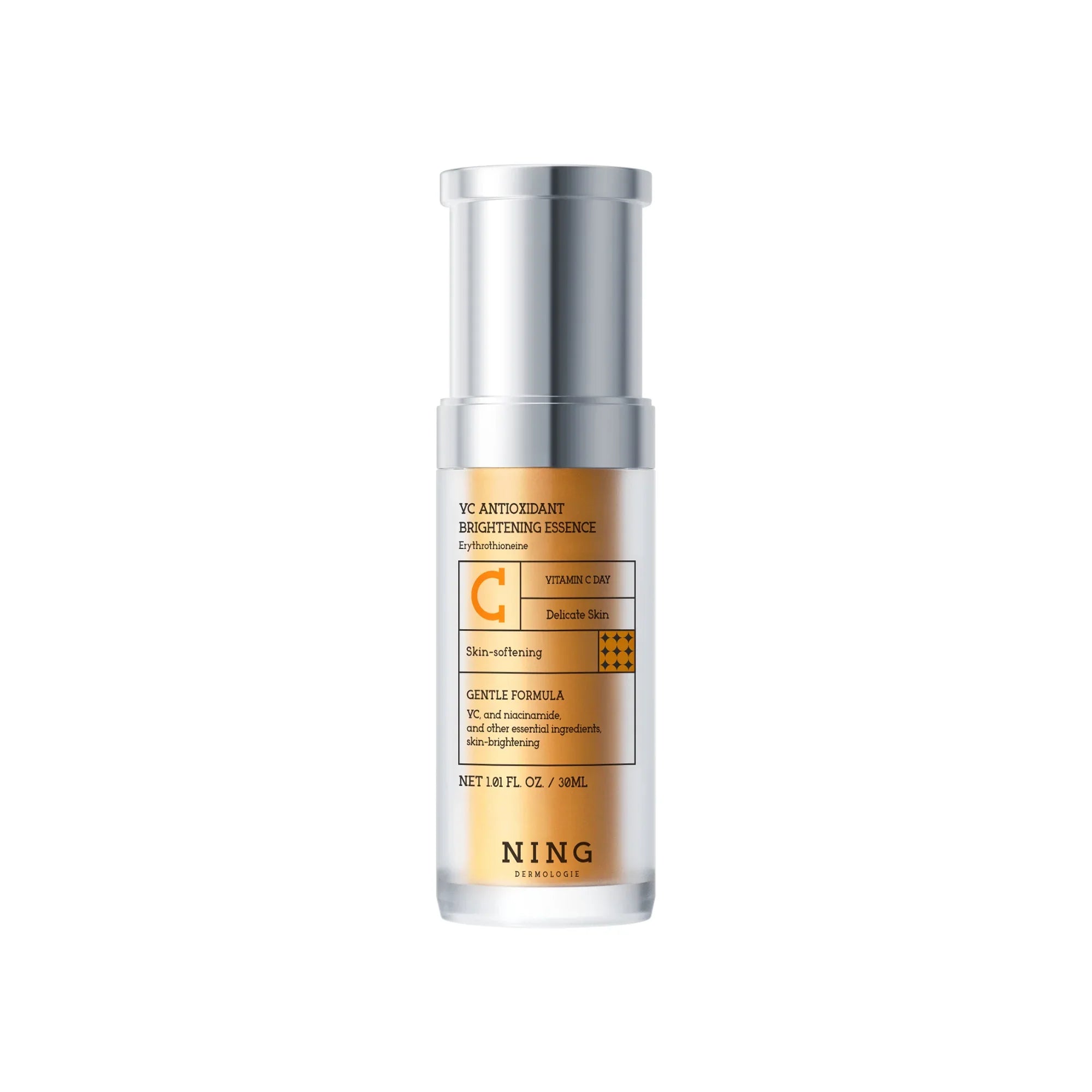
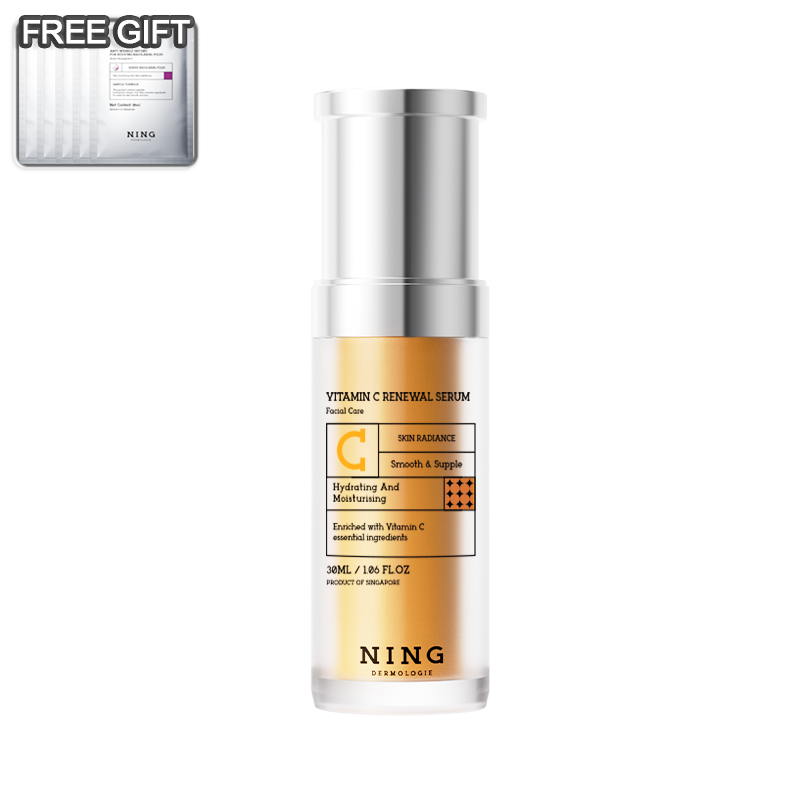
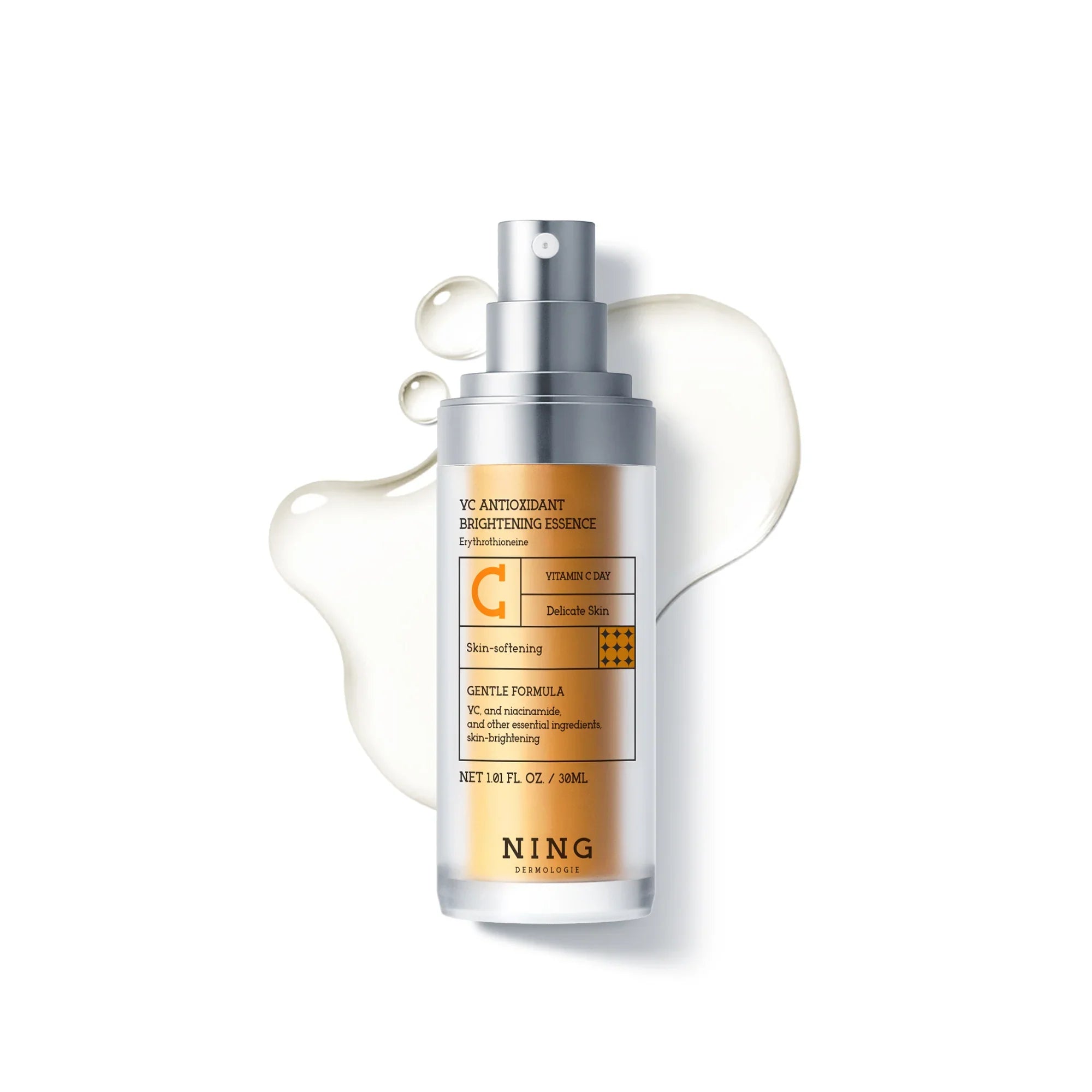
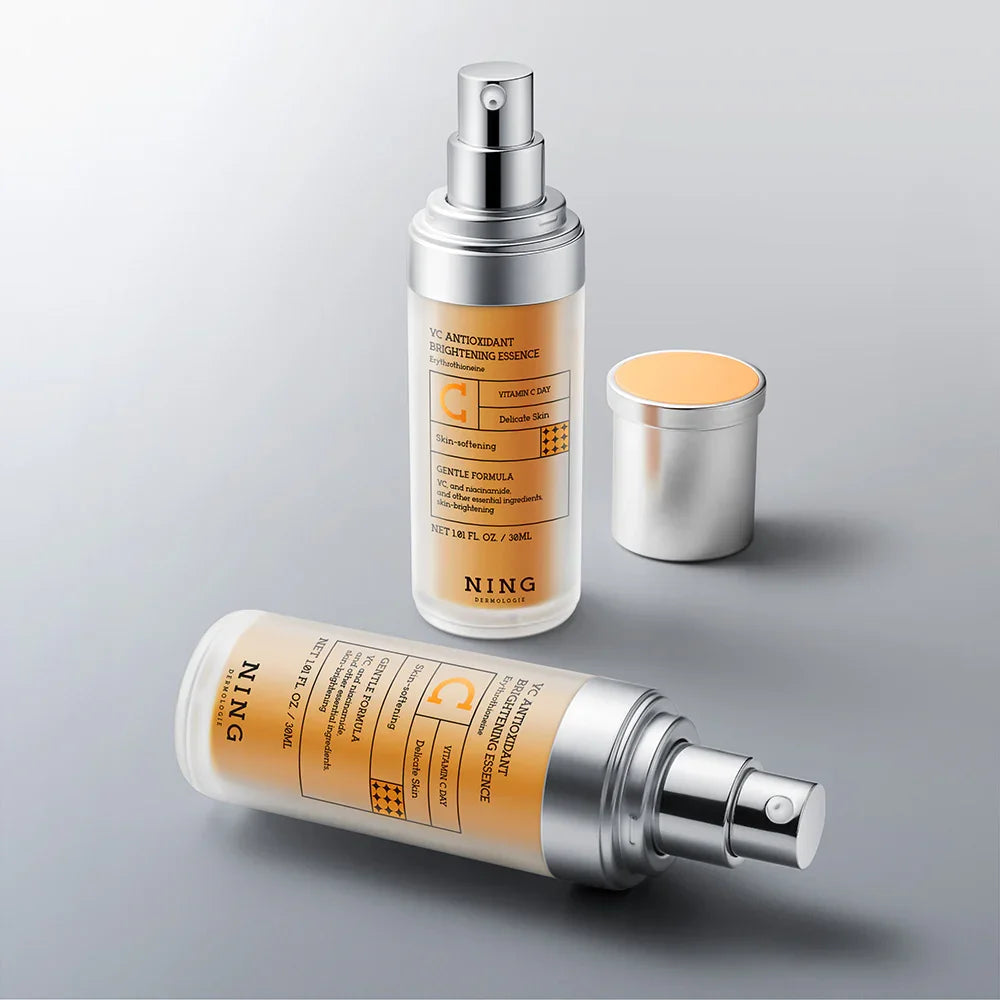
Your body operates on the same logic. You wouldn't wear a parka to a pool party, so why are you using a lightweight hydrating cleanser and a thin Vitamin C serum when the central heating is sucking the soul out of your skin?
Skincare: Recalibrating Your "Compound"
When the road conditions of your life shift from "humid city heat" to "brutal wind chill," your skin barrier needs a defensive upgrade. Think of it as a security service for your face.
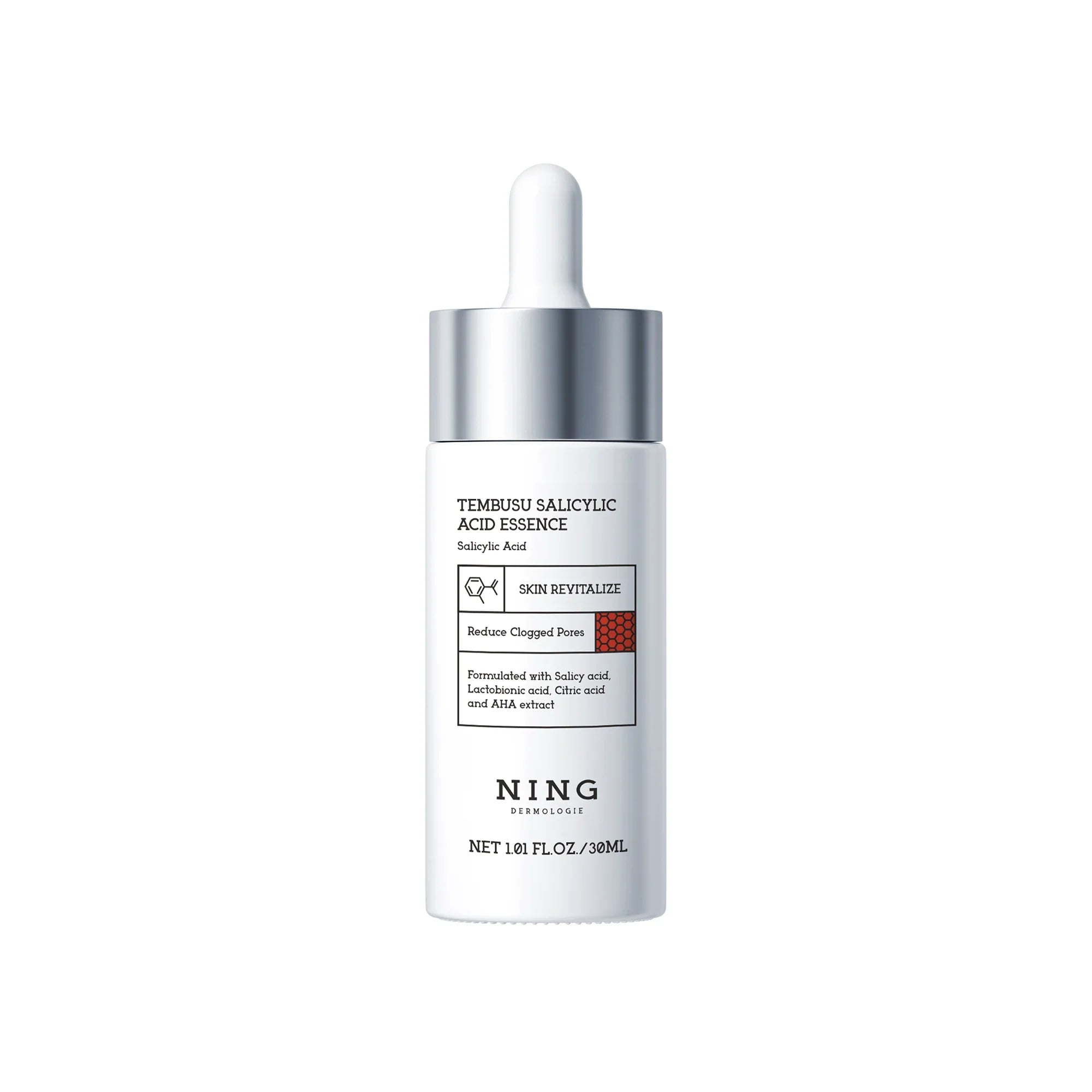
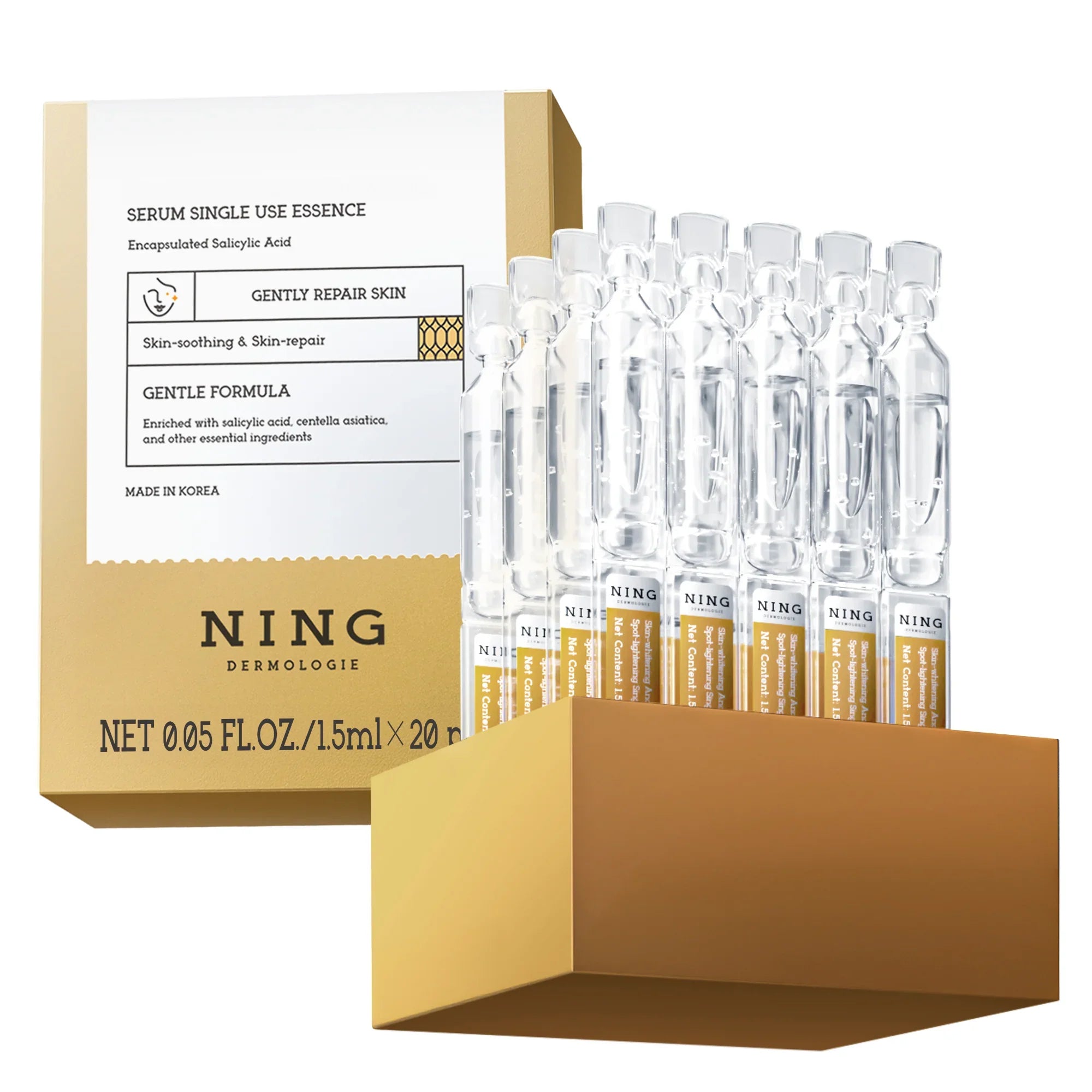
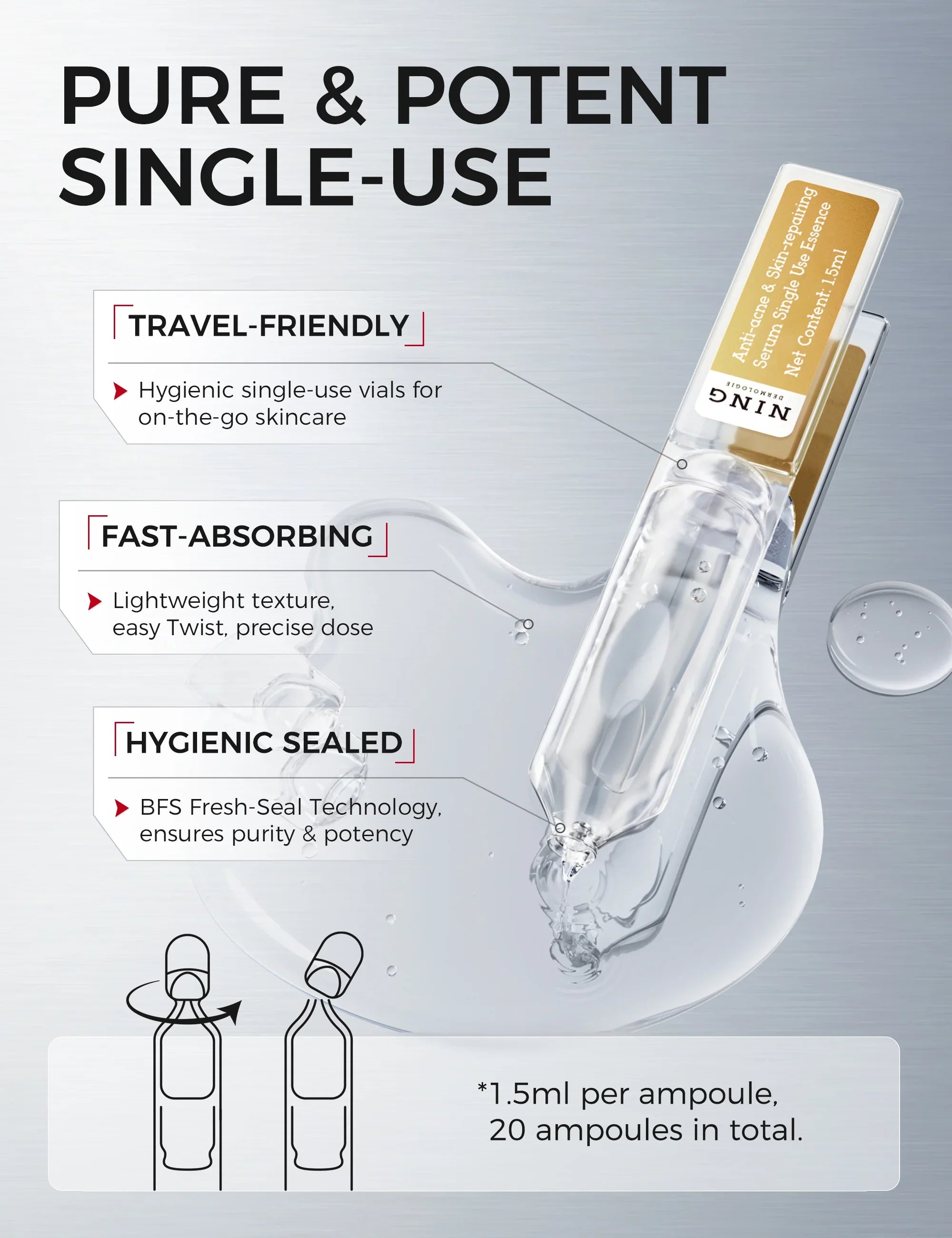
In the summer, you're worried about sun rays and clogged pores. You’re likely using salicylic acid to keep the oil at bay. But come winter, that same routine is basically an online attack on your own moisture levels. You need to swap that thin lotion for something with shea butter and hyaluronic acid.
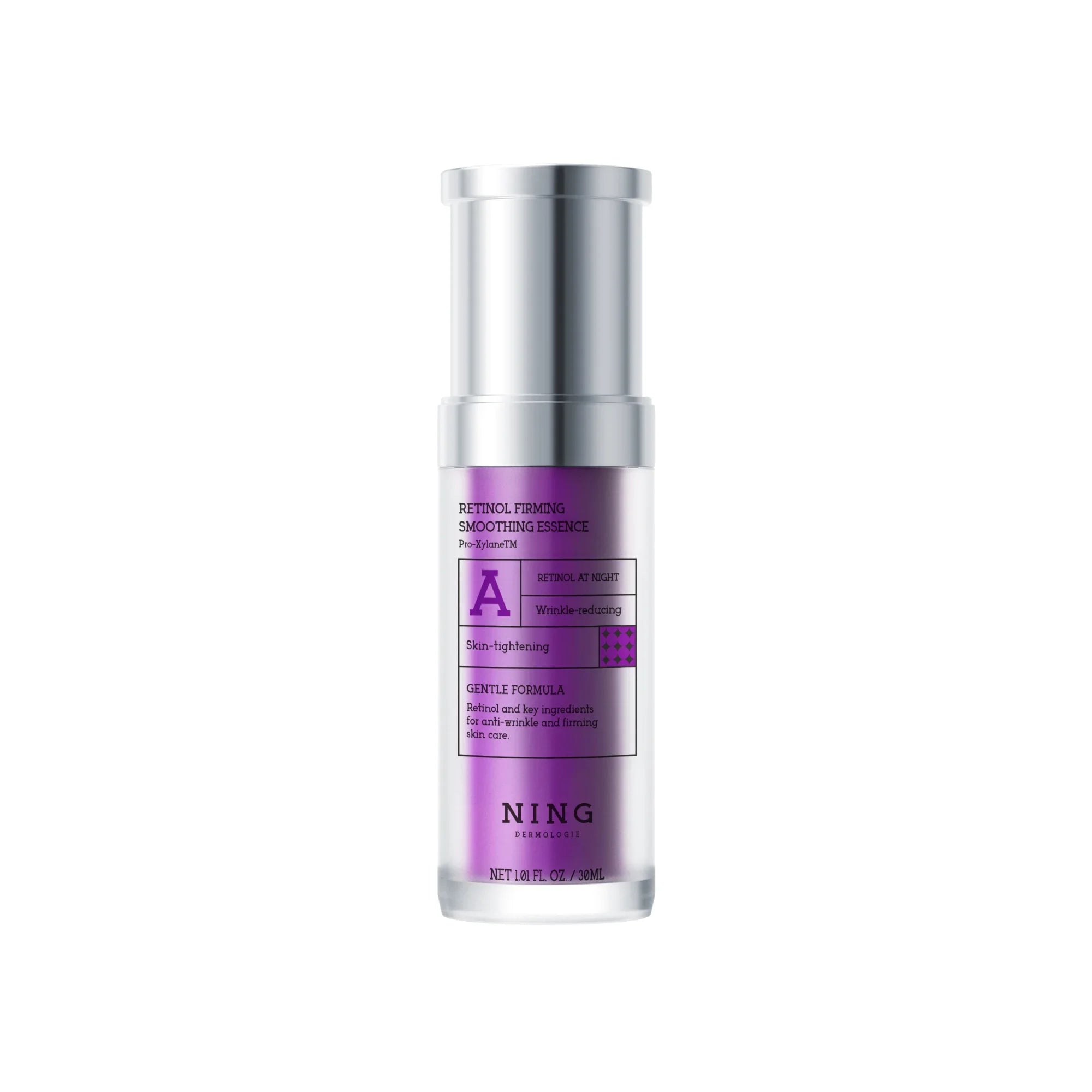
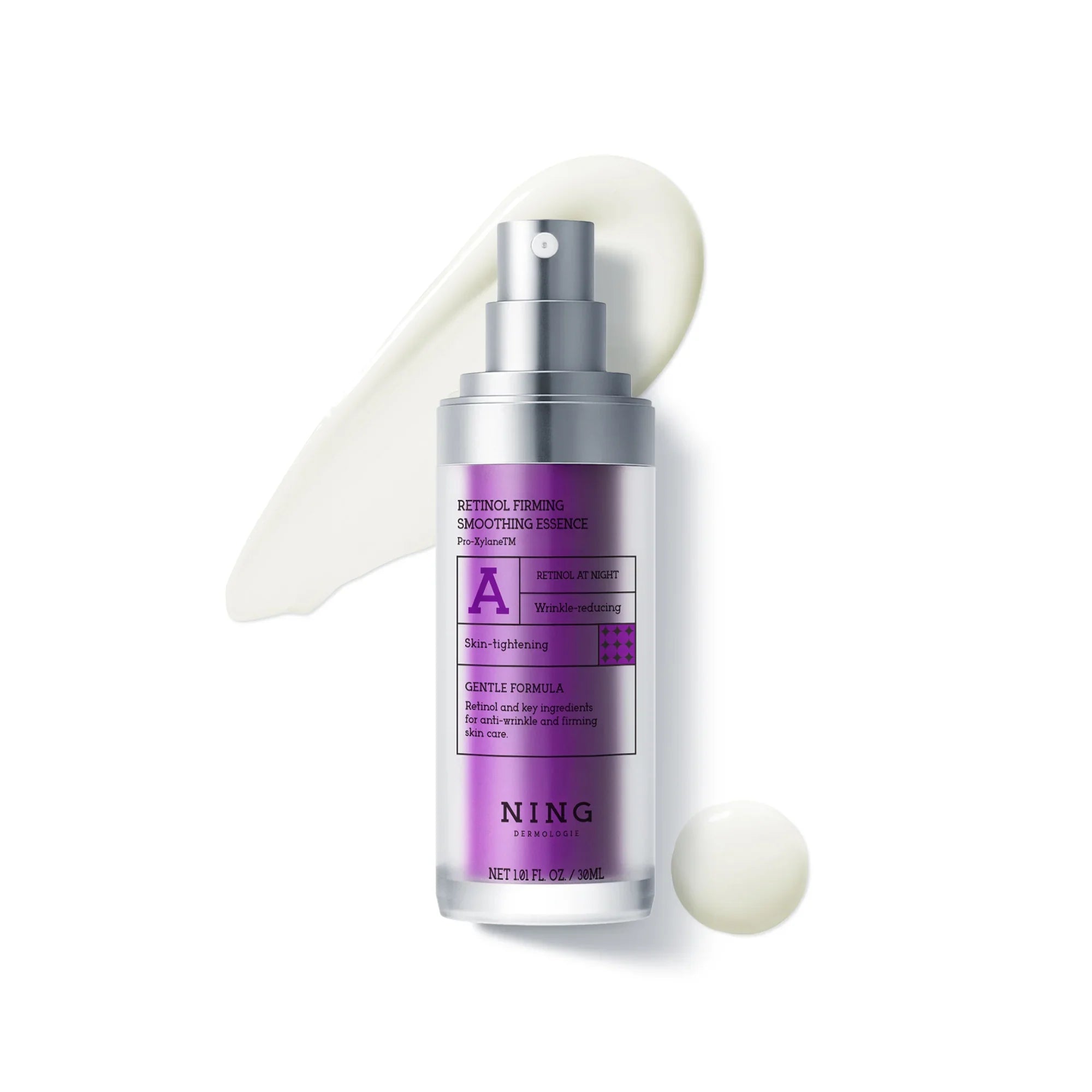
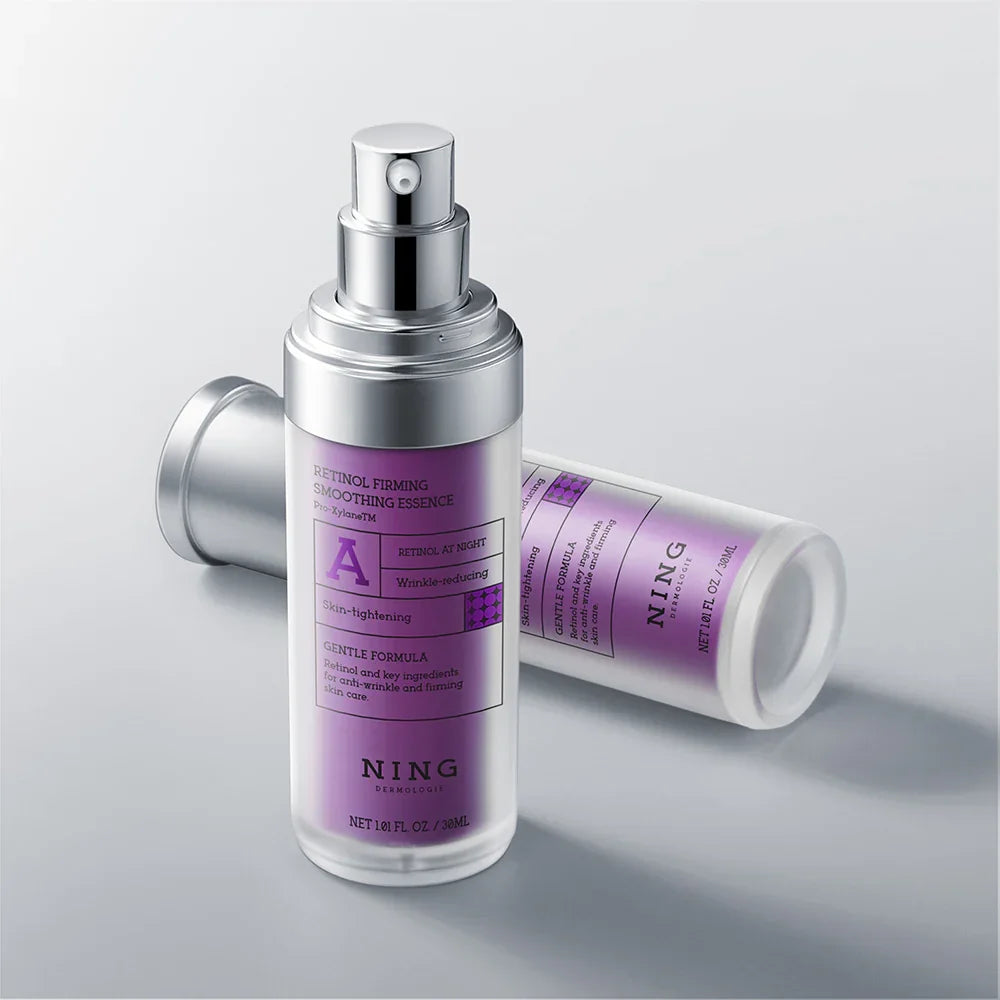
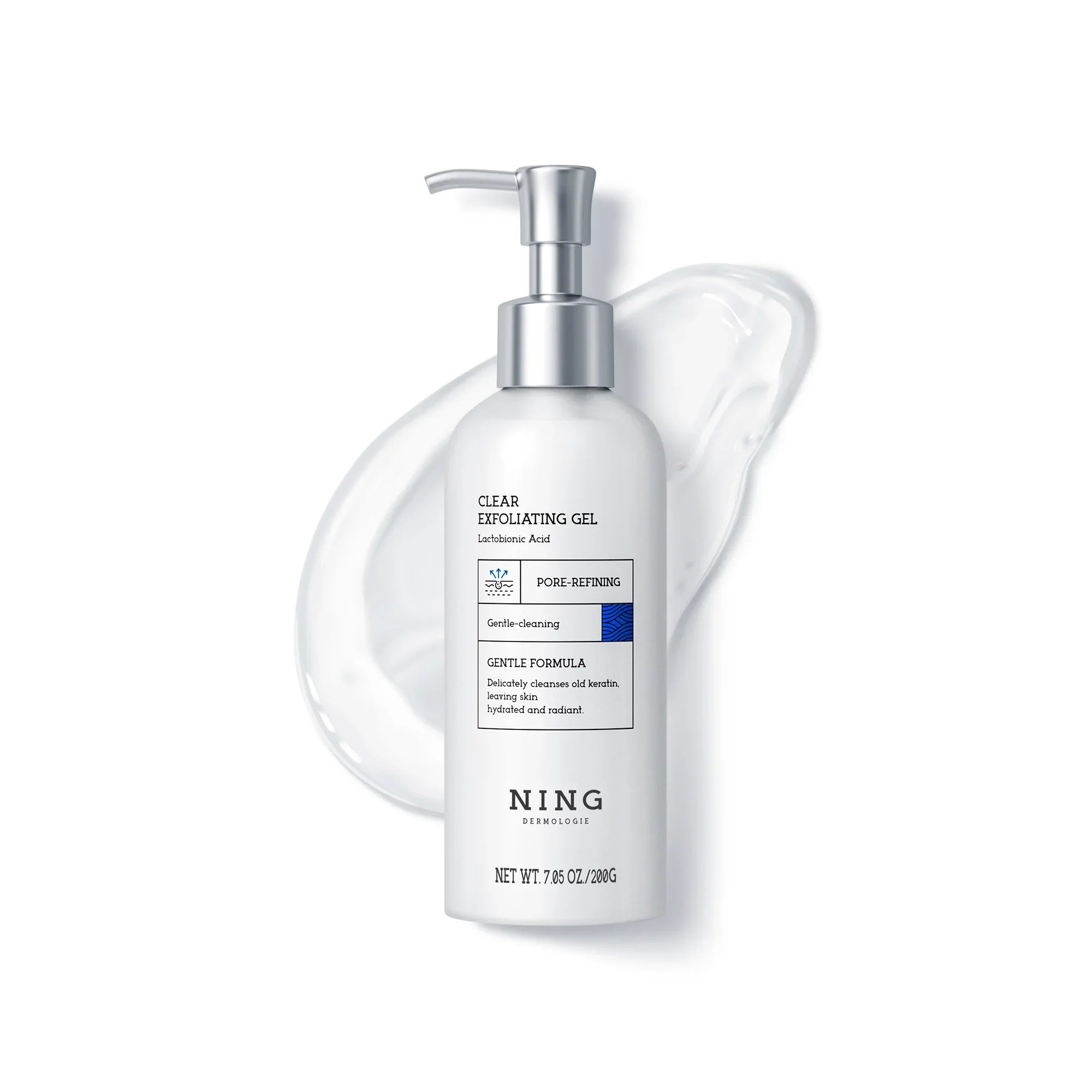
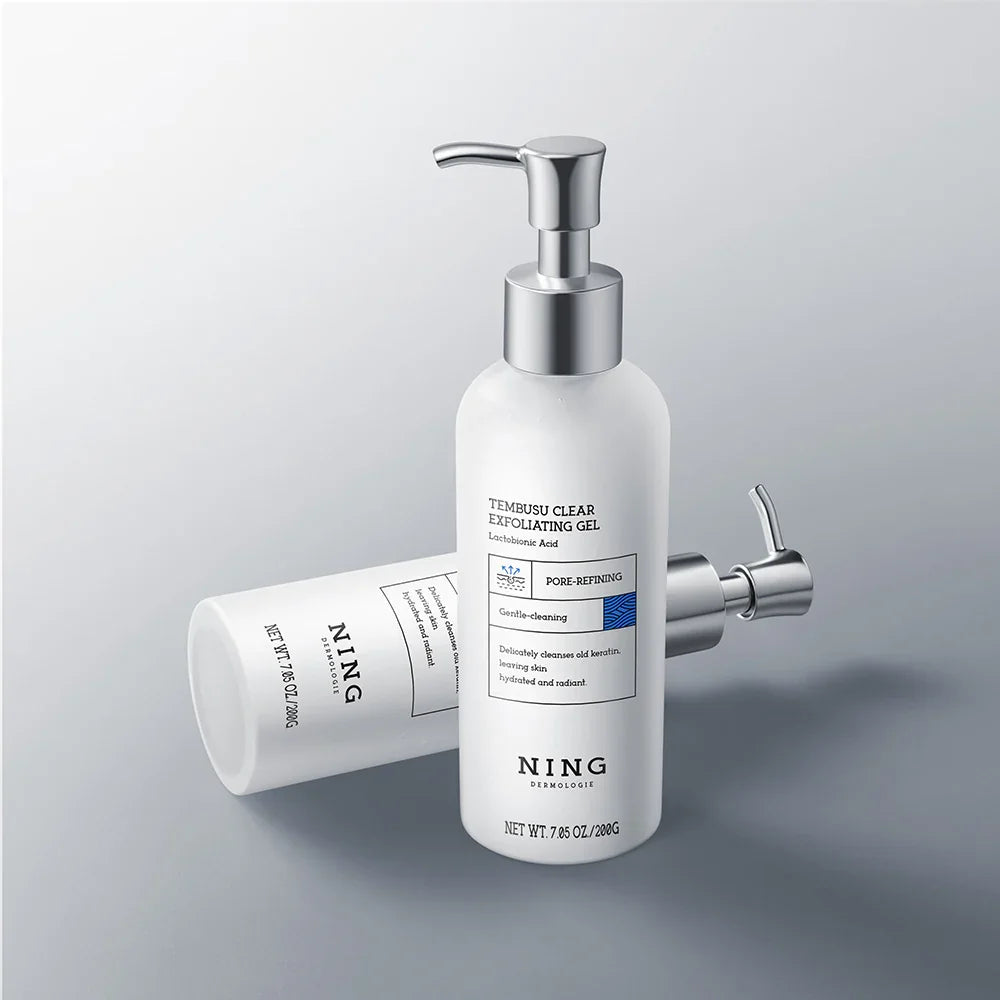
This is where NING Dermologie comes in. We don't believe in the "one size fits all" nonsense. If your face feels like it’s experiencing a Cloudflare Ray ID error—blocked and unresponsive—it’s time for a system reboot. The TEMBUSU 8-Step Routine Skincare Set is the high-end vehicle maintenance your face actually deserves. It’s not just a "gift set"; it’s a full tire changeover for your epidermis.
The Winter Swap:
- The Heavy Hitters: Switch to a rich facial oil or a cream heavy in shea butter. It acts like a tire storage bag for your face, locking the good stuff in and keeping the salt out.
- The Barrier: Don't forget the lip balm. Your lips don't have oil glands; they are the "worn-out tread patterns" of your face.
- The Professional Touch: If the damage is done, visit a pro at 901 Aesthetics Medspa or Advanced Dermatology PC for a chemical peel to strip away the dead "rubber" and start fresh.
The Garage and the Closet: The Logistics of "The Swap"
A real seasonal wardrobe change isn't just about moving sweaters. It’s about decision fatigue. If you’re staring at a closet full of linen shirts in November, you’re wasting mental RAM. Use space-saver bags and under the bed bins to hide the off-season gear.
But let’s talk about the heavy lifting: seasonal wheel and tire swaps. If you’re serious about Tire Longevity, you don't just throw your Snow tires in a heap in the corner. You need tire covers and a cool, dry place.
And for the love of all that is mechanical, don't skip the Alignment & Balancing. Putting on your winter set without wheel balancing and a proper tire replacement check is like putting on a layered style outfit but forgetting your shoes. It looks fine until you try to move, then everything starts shaking. Whether you go to a community auto shop or do it yourself, check the tire wear. If the Tire Compounds are cracking, they're dead.
Preventing the "System Crash"
We often treat our lives like automation tools—set it and forget it. But life doesn't work in a vacuum. It works in cycles.
Think of your routine like a site owner managing a server. If you don't update your "code" (your habits) to handle the new "traffic" (the weather), you’re going to get hit with malformed data. Maybe that "malformed data" is a breakout, or maybe it’s a car slide on Spring Roads because you waited too long for a tire changeover.
Your personal style and vehicle maintenance shouldn't be reactive. They should be a series of SQL commands: clear, precise, and executed before the crash happens. Don't wait for the ad blockers of life to stop working.
Summary: The "Must-Do" List
- The Face: Dump the foaming cleansers; embrace the hydrating cleanser and the TEMBUSU 8-Step Routine.
- The Wheels: If the temperature is consistently below 7°C (45°F), get those studded tires or winter rubbers on. Check the rolling resistance to save on gas.
- The Home: Turn down the central heating at night (your skin will thank you) and organize your under the bed bins.
- The Mind: Acknowledge that Tire Longevity and skin health require the same thing: consistent, seasonal attention.
Stop trying to be an "all-season" machine. Accept the transition. Swap the tires, swap the serums, and stop the decision fatigue before it stops you.

Frequently Asked Questions (FAQ)
Q: Can I just use all-season tires year-round to save money?
You can, but you’re sacrificing braking performance. All-seasons are "Jack of all trades, master of none." In deep snow, they lack the Tire Compounds to grip, and in extreme heat, they wear faster. It’s a gamble with your safety and Tire Longevity just to save a few bucks on tire storage.
Q: Is a Vitamin C serum actually necessary during the winter months?
Absolutely. While we associate Vitamin C serum with summer "glow," it’s a powerhouse for fighting the dullness caused by central heating and cold winds. It acts as an antioxidant shield against environmental stressors. Just ensure you’re layering it under a heavy cream to prevent it from evaporating in dry air.
Q: How do I know if my tires are too worn for another season?
Check the Tread Depth using the "penny test" or look for the wear bars. If the rubber compounds look cracked or "dry rotted," the tire is structurally compromised. Don't risk a blowout; a tire replacement is cheaper than an accident. Also, ensure your wheel balancing is checked during every swap.
Q: My skin is oily; do I still need shea butter in my winter Skincare Routine?
"Oily" doesn't mean "hydrated." Cold air strips water, not just oil. If you skip the heavy hitters like shea butter or hyaluronic acid, your skin might actually produce more oil to compensate for the dehydration. Try a balanced set like NING Dermologie’s TEMBUSU to keep your moisture levels stabilized without feeling greasy.
Q: What is the best way to store off-season clothing and gear?
Vacuum-sealed space-saver bags are your best friend for bulky sweaters, while under the bed bins keep your seasonal wardrobe change organized. For tires, use tire covers and store them vertically in a climate-controlled area. Avoid leaving them in a damp basement where the rubber compounds can degrade over time







Share:
Sunscreen is Not Just for Summer: The Truth About Photo-Aging
The Beauty Sleep Ritual: Repairing Your Skin While You Rest