

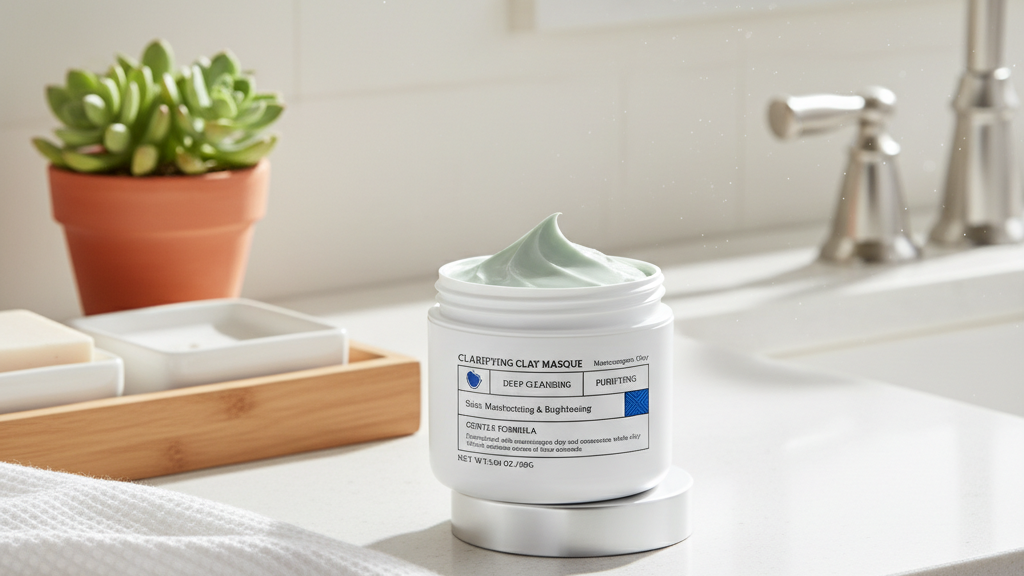

The Beauty Insider’s Guide to Choosing Clay Masks for Sensitive Skin
For a long time, the beauty insider community held a collective (and somewhat justified) fear regarding clay masks and reactive complexions. We’ve all been there: applying a thick, heavy paste that dries into a cracked desert landscape, leaving your sensitive skin screaming for mercy and feeling two sizes too small.
But here’s the industry secret: the problem isn’t the clay itself—it’s the formulation. When you understand the nuances of clay mask for sensitive skin selection, you stop stripping your skin barrier and start actually supporting it.
If you've been avoiding the purify-ing power of a facial mask because you’re afraid to irritate your skin, this guide is for you. We’re diving deep into the chemistry of earth, the art of the skincare routine, and how the right mask made for delicate faces can transform a dull skin day into a glowing skin moment.

Not All Earth Is Created Equal: Choosing the Right Clay
When choosing the right face mask, the first thing a beauty insider looks at is the specific type of mineral used. In the world of skincare, "clay" is a broad term. For someone with oily skin and iron-clad resilience, bentonite (or bentonite clay) is the gold standard for sucking out every drop of sebum. However, for sensitive skin, bentonite can be a bit too aggressive, often leading to immediate redness.
Instead, look for these gentler alternatives:
- Kaolin Clay (White Clay): The gentlest of the bunch. It offers a mild purifying treatment without compromising skin elasticity.
- Pink Clay / Rose Clay: Technically a blend of white clay and red iron oxides, it’s a favorite for dry skin and combination skin because it focuses on skin texture rather than just oil removal.
- Umbrian Clay: Rich in minerals but remarkably soothing, it’s often used in premium mud mask formulations to soothe the skin while it works.
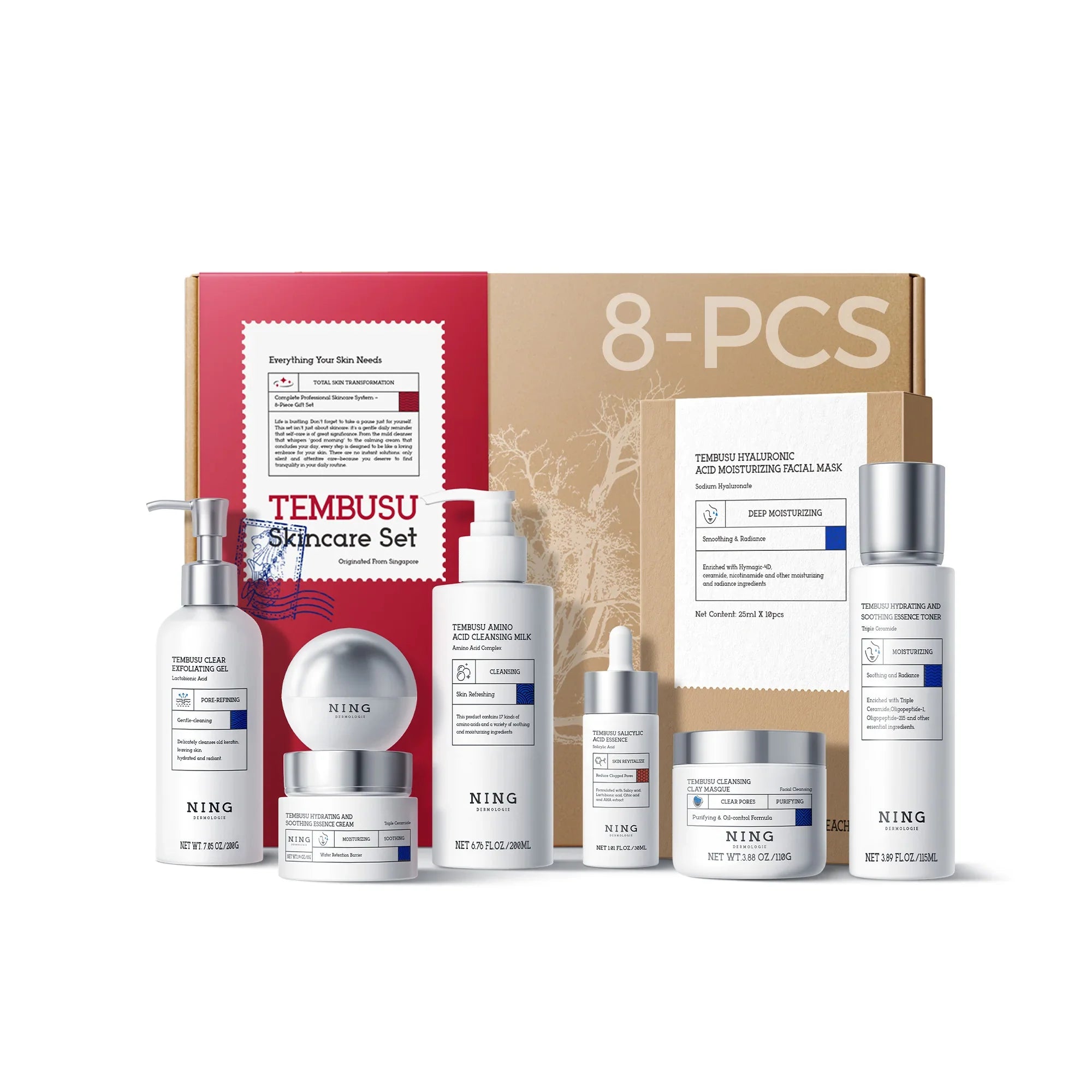
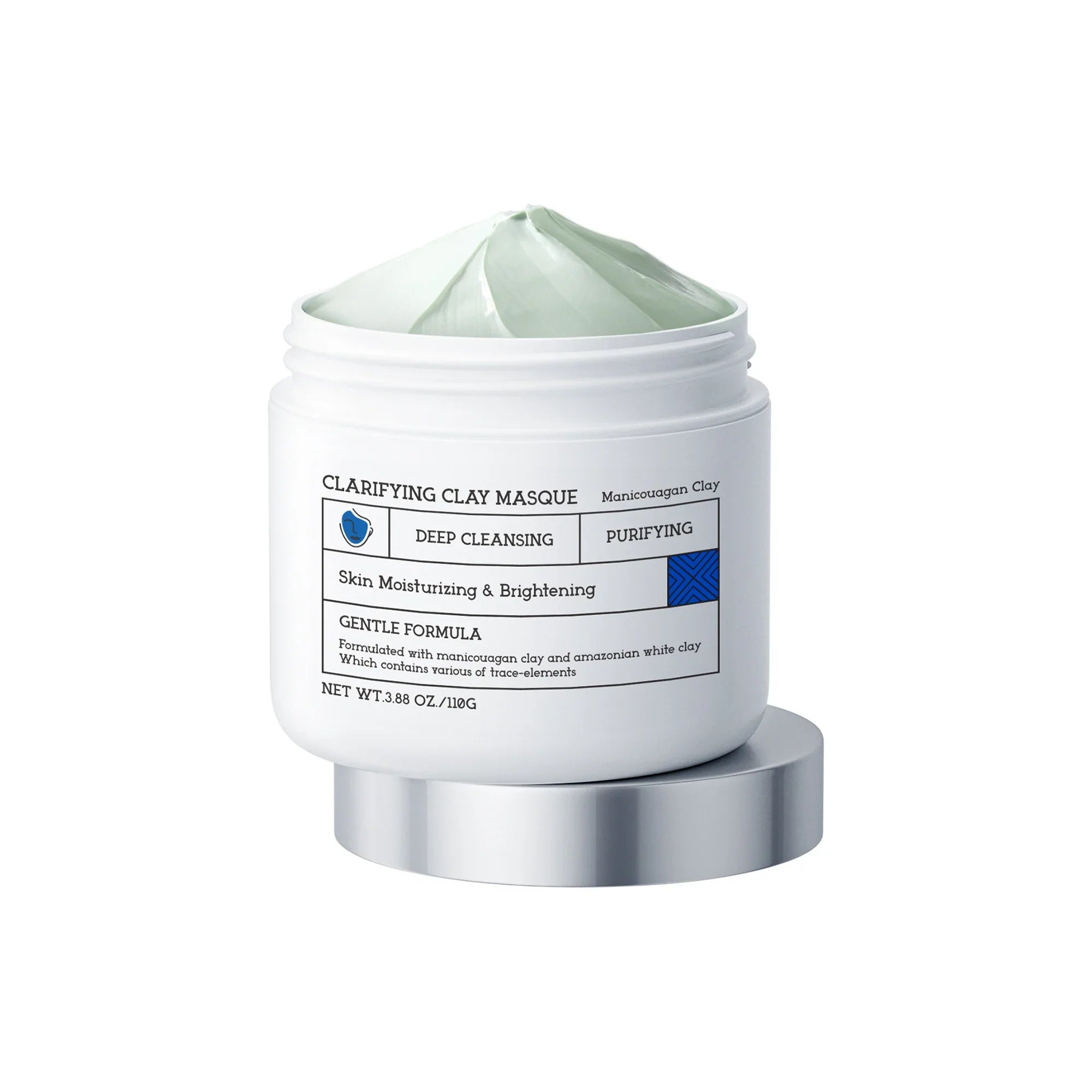
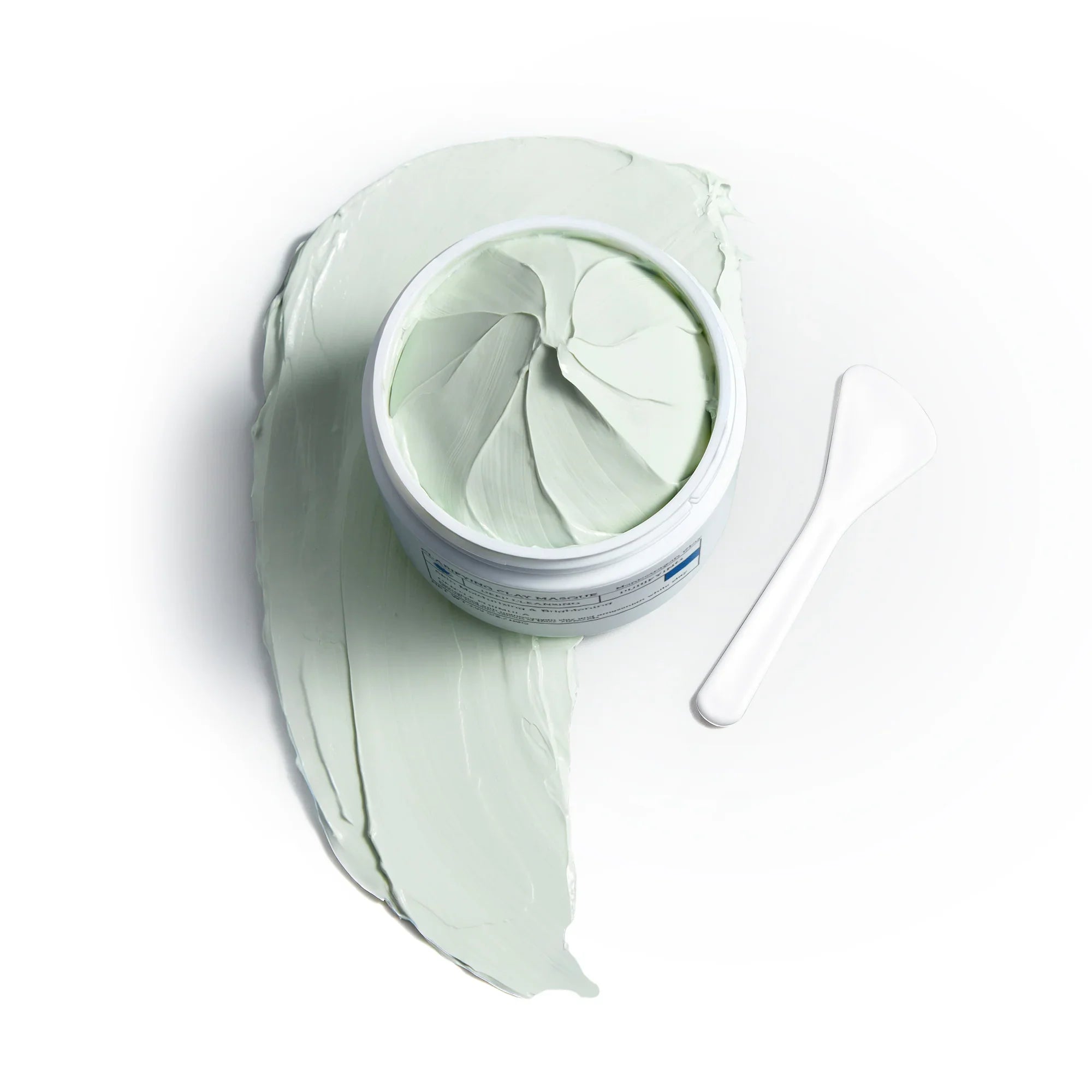
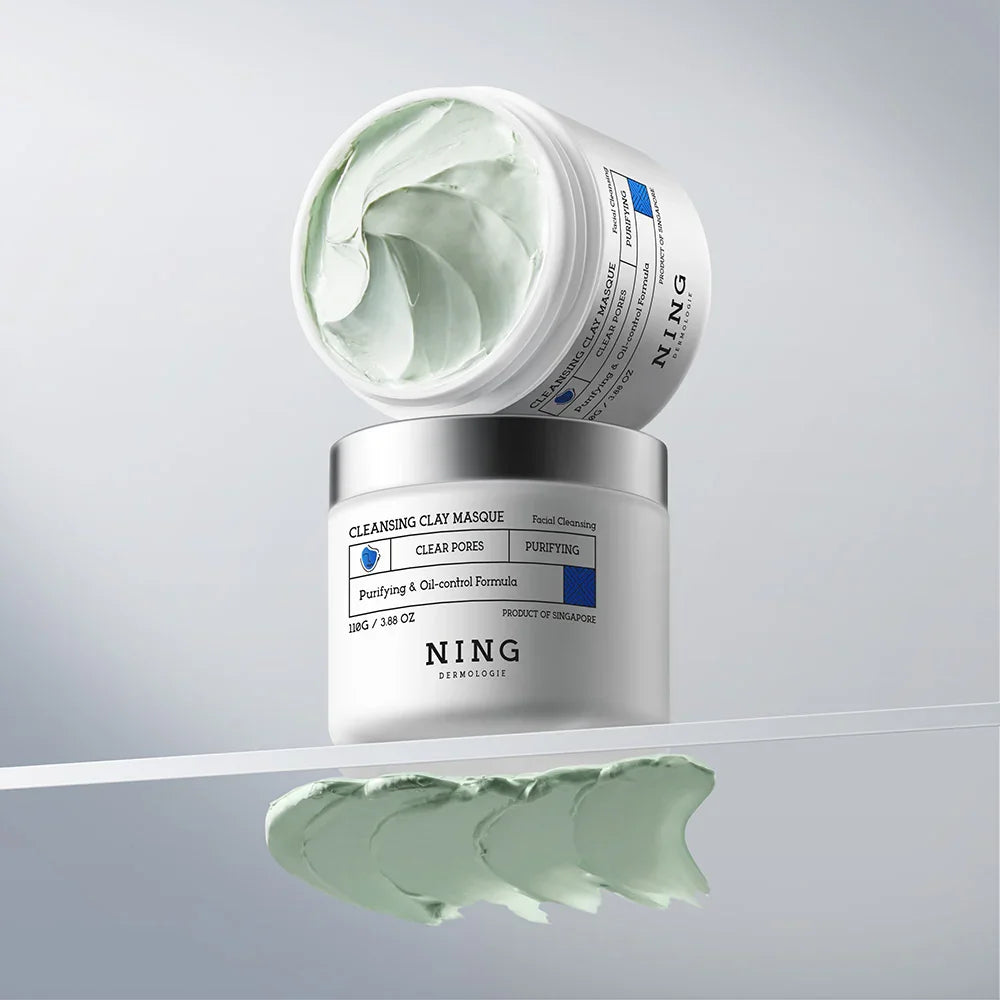
At NING Dermologie, we realized that the best clay mask shouldn't just be about what it takes away, but what it leaves behind. Our approach to the Clay Mask for Face Sensitive Skin centers on using high-grade kaolin clay as a base to draw out impurities while maintaining the skin's natural moisture levels.
Why Most Clay Masks Fail Sensitive Skin (And How to Fix It)
The classic "clay mask mistake" is waiting for the mask to crack and crumble before you rinse with warm water. By that stage, the clay has moved past the "absorb" phase and into the "dehydrate" phase, where it begins to draw moisture out of your actual skin cells.
To soothe and nourish simultaneously, a beauty insider looks for a mask is formulated with "buffer ingredients." Think of these as the velvet glove around the iron fist of the clay.
The "Buffer" Ingredients List:
-
Aloe Vera: This is a non-negotiable. Aloe provides a cooling sensation that counteracts any potential heat from the purify-ing process.
-
Hyaluronic Acid: By including hyaluronic acid in a clay mask, the formula can infuse your skin with hydration even as the minerals help clear pores.
-
Natural Oils: Ingredients like tea tree oil (in very low, controlled doses) or calming botanical extracts help treat blemish-prone skin without the harshness of high-percentage salicylic acid or glycolic acid.
Match Your Mask to Your Skin Type
While we are focusing on sensitivity, your underlying skin type still dictates the frequency and placement of your face mask.
For Oily and Blemish-Prone Skin
If you deal with clogged pores and acne but your skin still reacts to harsh chemicals, you need a detox mask that doesn't use alcohol as a carrier. Use a clay mask twice a week, focusing on the T-zone. Look for a purifying treatment that incorporates tea tree to help clear active breakouts.
For Dry and Sensitive Skin
A mask for dry skin needs to be creamy. If your skin feeling is tight after washing, look for a mask contains nourishing lipids. You might only need a facial mask once every ten days to brighten a dull skin tone.
The Combination Skin "Multi-Masking" Strategy
Combination skin is the perfect candidate for strategic application. Use a clay mask for sensitive skin like the NING Dermologie Clay Mask on your oily forehead and chin, and perhaps a gel mask, honey mask, or sheet masks on your drier cheeks.
The NING Dermologie Difference
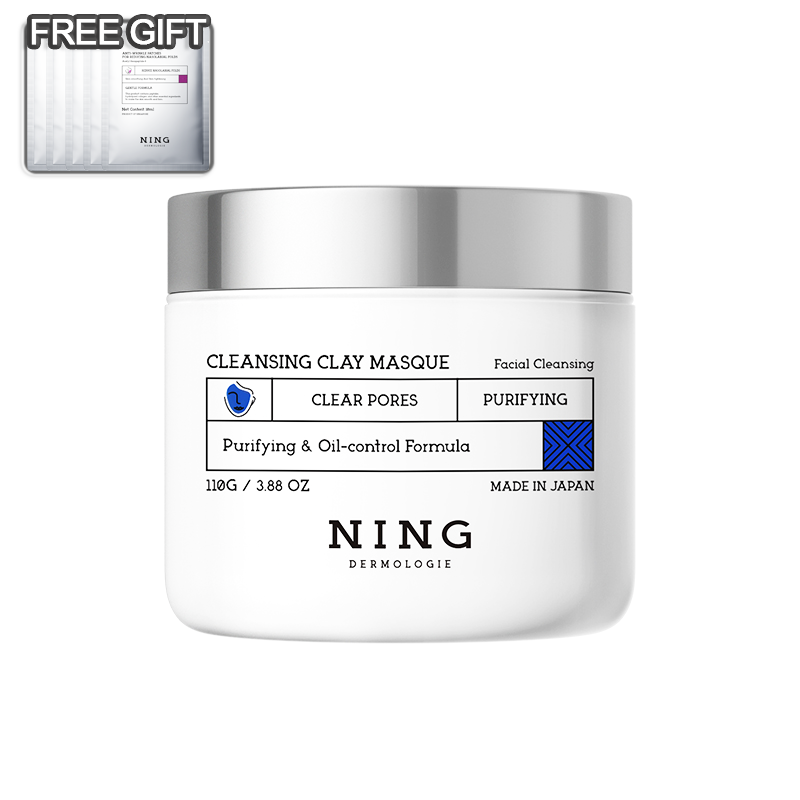
We designed the NING Dermologie Clay Mask for Face Sensitive Skin to bridge the gap between "deep clean" and "total comfort." We believe that skincare products should never force you to choose between clear pores and a healthy skin barrier.
Our mask is more than technically a clay mask; it’s a purifying treatment enriched with aloe vera and nourishing minerals. It effectively removes dead skin cells and excess oil without the "sandpaper" finish. When you use it, the skin looked more refined and felt significantly smooth skin to the touch, rather than irritated.
How to Integrate a Clay Mask into Your Skincare Routine
To get that glowing skin without the drama, follow this beauty insider protocol:
-
Prep: Cleanse your face with a gentle, non-foaming cleanser.
-
Tone (Optional): A quick swipe of a mild toner can help balance pH before the mask goes on.
-
Apply: Use a brush or clean fingertips to apply an even layer. Avoid the immediate eye area where the skin is thinnest.
-
The Golden Rule: Do not let it dry completely. If you feel it getting "tacky" but not "crusty," it’s time to rinse.
-
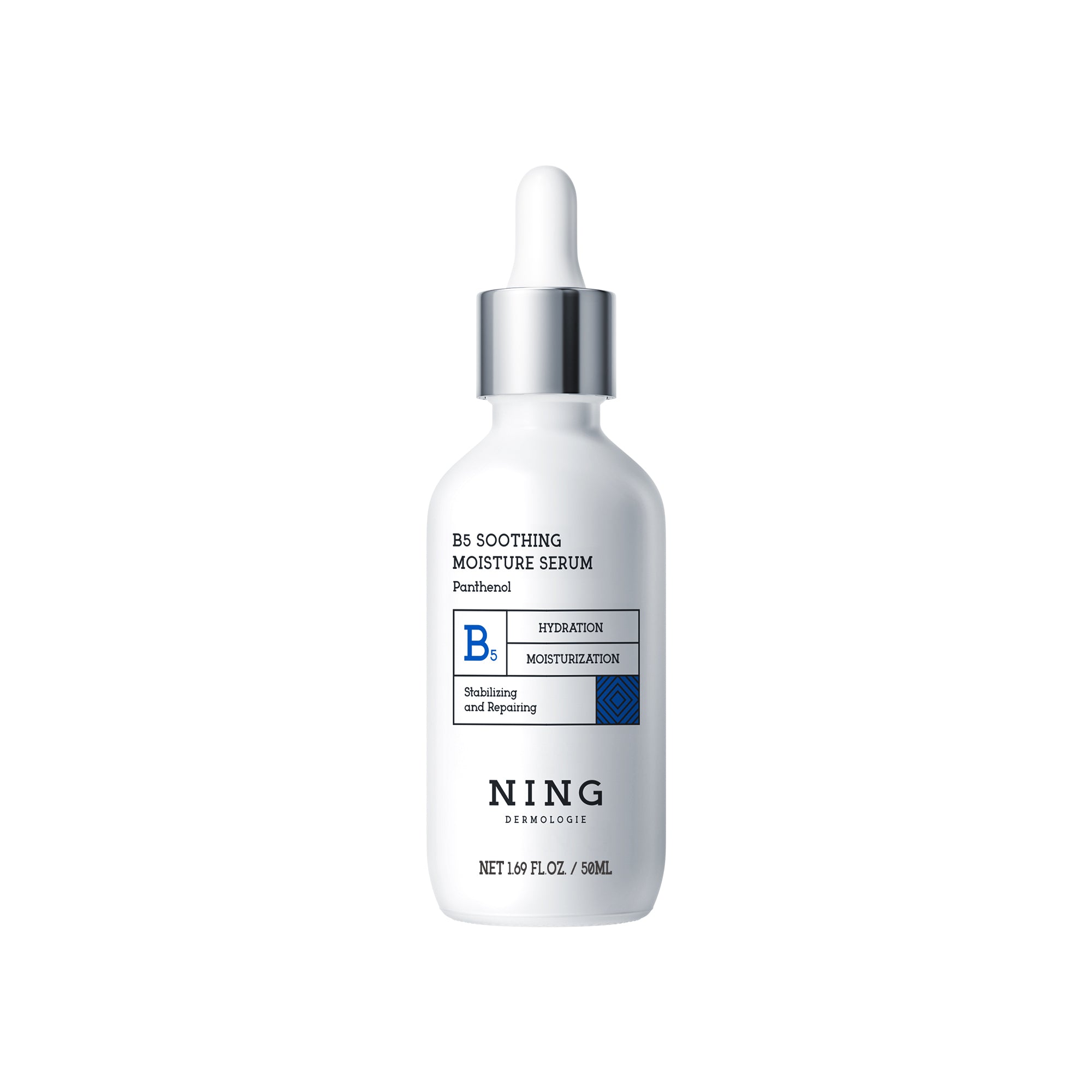
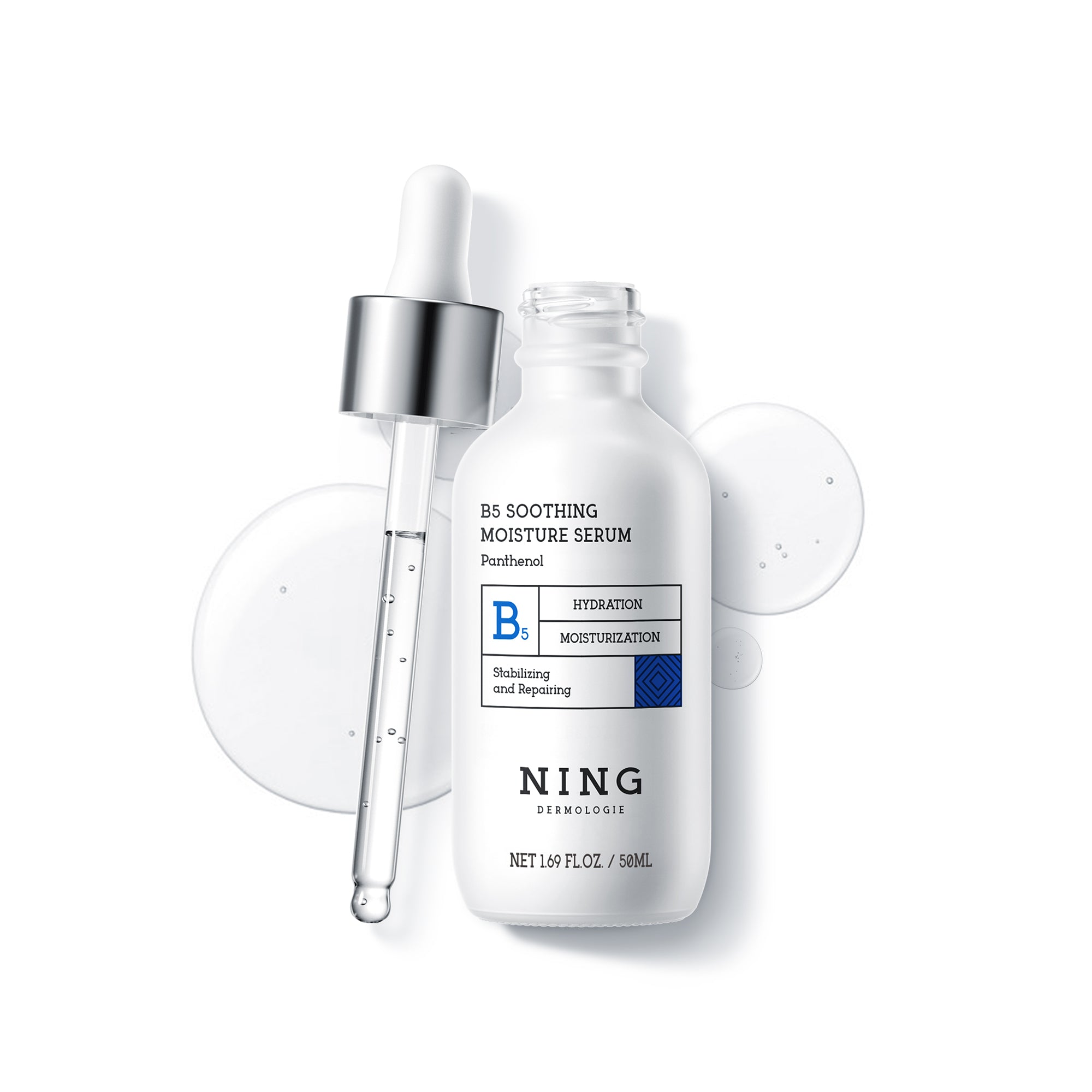
Post-Mask Care: Immediately follow up with moisturizing products. A serum with hyaluronic acid or a light overnight mask can help lock in the benefits.

Final Thoughts: The Quest for the Best Mud
In the search for the best mud or best clay mask, remember that your skin is a living organ, not a kitchen counter that needs scrubbing. Whether you are dealing with specific skin concerns like acne or just want to brighten your complexion, the goal is always balance.
By choosing a mask that respects your skin type and utilizes high-quality kaolin and soothe-ing botanicals, you can finally enjoy the detoxify-ing benefits of earth’s best minerals. Give your skin the professional treatment it deserves with NING Dermologie.
Frequently Asked Questions (FAQ)
1. How often should I use a clay mask if I have sensitive skin?
For most sensitive skin types, once a week is the "sweet spot." If you have combination skin, you might apply it to your T-zone twice weekly while leaving your cheeks alone. Over-masking can irritate your skin and lead to redness, so always listen to your skin feeling. If it feels tight or parched the next day, scale back the frequency of your skincare routine.
2. Can I use a clay mask as a spot treatment for acne?
Definitely—and honestly, it’s a lifesaver for reactive skin. Instead of stressing your whole face, just dab the clay mask directly onto those stubborn clogged pores or active acne bumps. Let it sit and draw out impurities just where you need it. It’s a much smarter way to soak up excess oil without risking a total flare-up on your drier, more delicate areas.
3. Will a clay mask help with my dull skin and uneven skin texture?
It really does make a difference. Think of it as a gentle reset button for dull skin. When you wash away the clay, you’re also lifting off the dead skin cells that make your complexion look "muddy." Because it helps purify the pore and refine skin texture, you’ll notice your skin looked way more awake and felt noticeably smooth skin when you apply makeup or serums afterward.
4. Why does my skin sometimes feel hot or red after a mask?
A tiny bit of tingling is usually just the minerals getting to work on your skin barrier, but if you’re seeing bright red patches, the formula is likely too aggressive. Many skincare products use harsh acids that irritate your skin needlessly. To soothe things, always rinse with warm water—not hot—and stick to formulas like NING Dermologie that pack in aloe to keep things cool.
5. Should I use a sheet mask or a clay mask for my skin concerns?
They’re actually total opposites in a skincare routine. Sheet masks are basically a long drink of water to hydrate and nourish. But if you need to exfoliate, detoxify, and help clear pores, a clay mask is your go-to purifying treatment. If your skin is acting up, I’d suggest using the clay first to purify, then following up with a moisturizing serum or overnight mask.
Ready to experience a deep clean that actually feels good? Explore the NING Dermologie Clay Mask for Face Sensitive Skin here.






Share:
Forget "Clean Beauty": A Realist's Guide to Singapore Skin Care Brands That Actually Work
Beauty Insiders Guide to Choosing Clay Masks for Sensitive Skin