

Finding a face sunscreen you actually want to put on your skin every single morning feels like an endless, frustrating hunt. You want high protection, but you don't want to look like a greasy ghost. You want it to sit nicely under your makeup, but you definitely don't want it to cause a massive breakout by noon.
For years, the skin-care market seemed split in two. You could either buy a heavy, chalky paste that offered intense UV protection, or a cosmetically elegant serum that practically evaporated and left you wondering if it was doing anything at all.
Thankfully, formulations have completely changed. Today, finding the best facial sunscreen cream SPF 50 for your daily routine doesn't mean compromising on texture. Let's break down exactly what to look for, the differences between all those confusing labels, and the high-protection options that actually blend in, feel good, and protect your skin health.

The SPF 30 vs. SPF 50 Debate: Why Bother Bumping It Up?
You’ve probably heard the standard advice from the American Academy of Dermatology: wear at least SPF 30 every day to reduce the risk of skin cancer and prevent premature skin aging. So, why are we specifically hunting for an SPF 50+ cream?
Here is the practical reality. The SPF Rating on the bottle is calculated based on applying a very specific, fairly thick layer of product (about a quarter teaspoon for your face). Most of us apply about half that amount. When you under-apply an SPF 30, you might only be getting the equivalent of SPF 15. Starting your routine with a solid SPF 50 gives you a much better safety net for real-world UV exposure. You get robust broad-spectrum coverage without having to worry if you rubbed in exactly the precise laboratory amount.
Decoding the Filters: What’s Actually in the Tube?
When you are shopping for Face Sunscreens, you are basically choosing between two camps: mineral and chemical. Neither is inherently "bad," but they interact with your skin differently.
The Mineral Route (Physical Sunscreens) A mineral sunscreen works primarily by sitting on top of the skin and deflecting UV rays. The active ingredients you will see on the back of the bottle are Zinc Oxide and Titanium Dioxide.
- The Pros: They are fantastic for sensitive skin and skin sensitivities because they rarely sting. They offer immediate Broad-spectrum UVA/UVB protection.
- The Cons: The dreaded white cast. Because mineral filters are literally white powders, they can look ashy on darker skin tones. However, modern formulas using non-nano zinc oxide have gotten incredibly good at sheer blending. Also, if you are looking for Mineral SPF, you are often getting a product that is Reef Safe and won't contribute to coral bleaching when you swim in the ocean to protect coral reefs.
The Chemical Route A chemical sunscreen uses active ingredients (like chemical UV filters) that absorb into the skin, soak up UV rays like a sponge, convert them into heat, and release them.
- The Pros: They blend completely clear. They are usually much lighter in terms of Formula and Texture, making them great if you want a totally invisible, weightless feel.
- The Cons: Some chemical filters can irritate sensitive eyes or cause flushing if your skin barrier is compromised.
There are also hybrid formulas that use both chemical and mineral filters to give you the best of both worlds—high UV Defense without the heavy white residue.
Top Tier Recommendations: Sunscreens You’ll Actually Use
I test dozens of Facial Sunscreens every year. Instead of just giving you a random list, let’s categorize these high-protection options based on what your specific skin actually needs.
1. The Undetectable All-Rounder
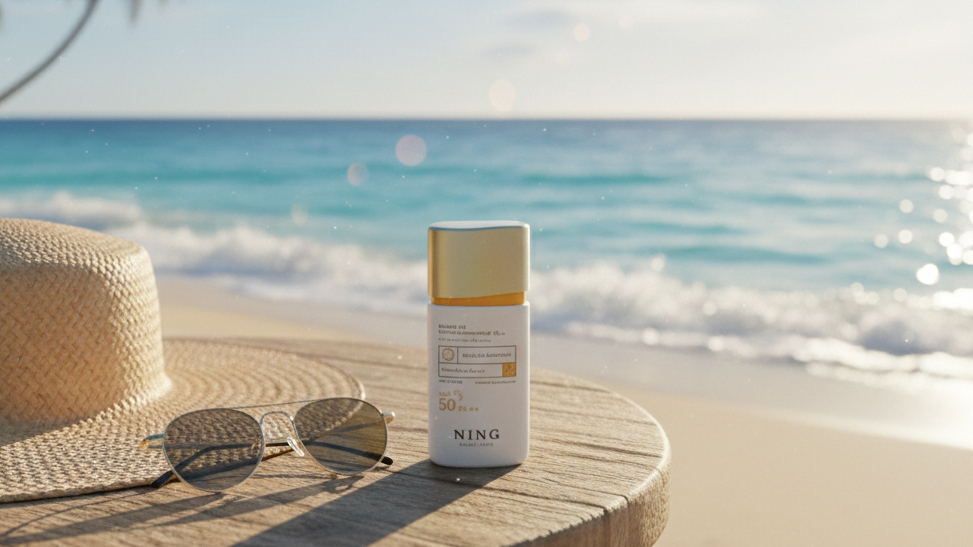
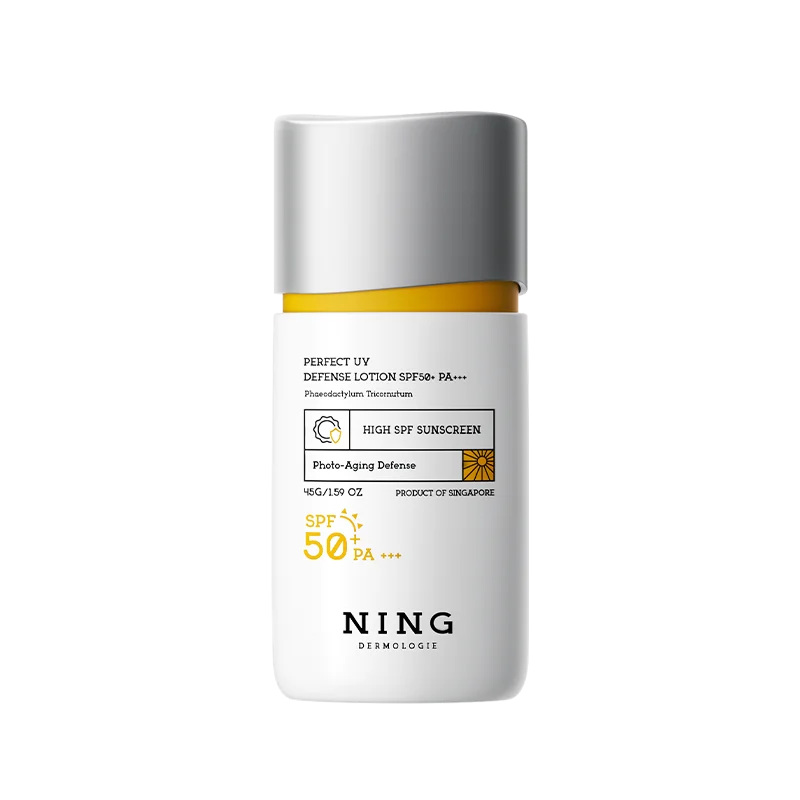
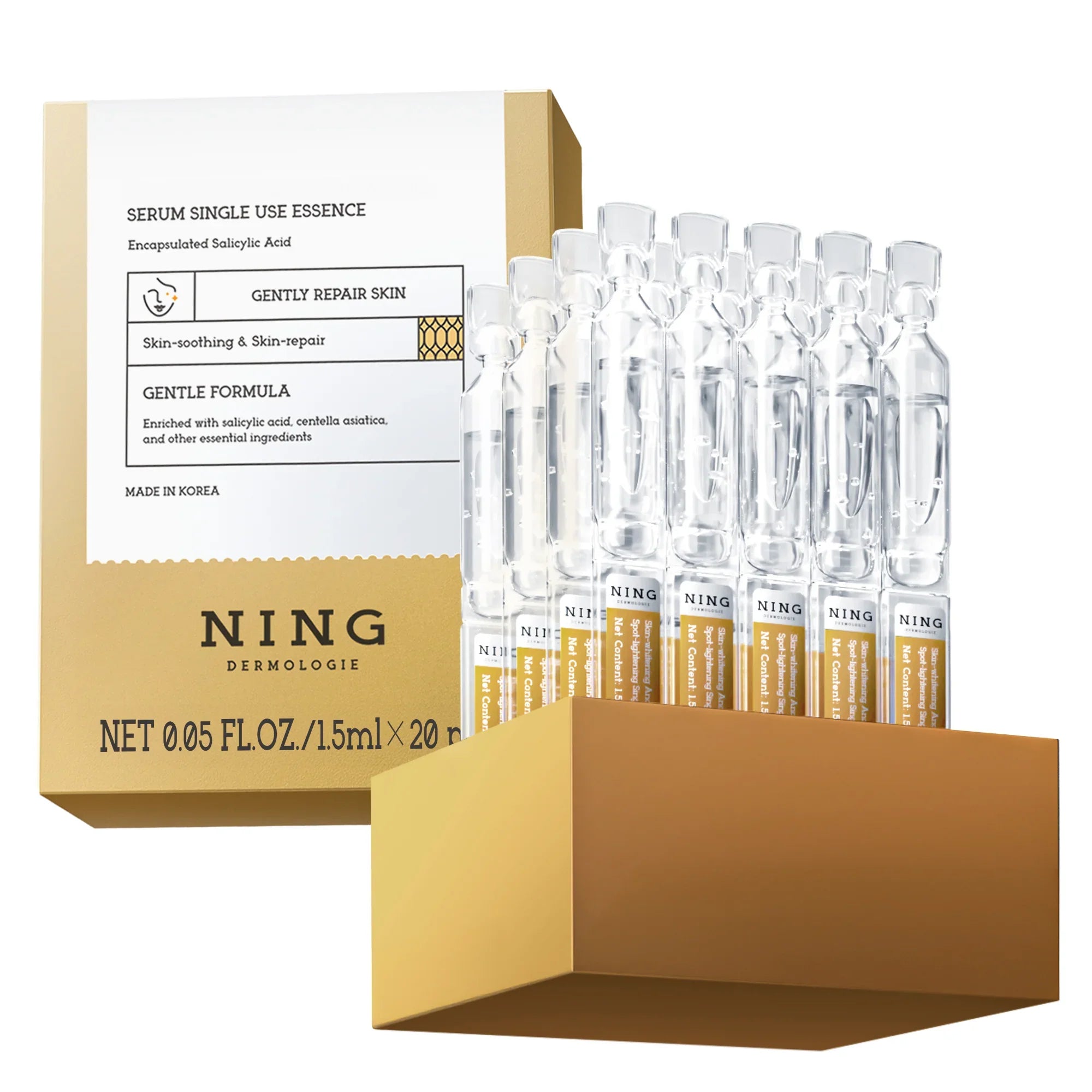
If you want a sunscreen that feels like a luxury moisturizer but acts like a heavy-duty shield, you need to look at NING Dermologie. Their SPF50+ Facial Sunscreen is genuinely impressive. Hitting that SPF 50+ mark often means dealing with a thick, suffocating paste, but this formula manages to be incredibly lightweight. It offers stellar broad spectrum protection against both UVA and UVB rays, but what makes it a staple is the Skincare Benefits. It’s packed with hyaluronic acid to draw moisture into the skin and vitamin E for antioxidant support. It blends out with a natural, healthy finish—not overly greasy, but not flatly matte either. It’s an everyday staple that layers beautifully under foundation without pilling.
2. The Sensitive Skin Saviors
When your face is angry, red, or reacting to everything, you need to strip things back.
- Vanicream Facial Moisturizer with SPF 30: While it's slightly lower than our SPF 50 goal, the Vanicream Facial Moisturizer line is legendary for being completely free of dyes, fragrance, and masking fragrances. It’s strictly mineral, utilizing zinc oxide, and is as gentle as it gets.
- EltaMD UV Skin Recovery: A step up in the healing department, this relies on mineral filters and amino acids to calm compromised skin.
3. The Acne-Prone Favorites
Breaking out from SPF is a massive deterrent. You need Non-comedogenic formulas that won't clog your pores.
- EltaMD UV Clear: Ask any dermatologist, and they will likely mention this one. It’s a hybrid formula that includes niacinamide to calm redness. It’s specifically designed for acne-prone skin and leaves a very clean finish.
- La Roche-Posay Anthelios: Specifically, their ultra-light fluid versions. La Roche-Posay uses some of the most advanced chemical filters available globally (like Mexoryl 400 in their European formulations) to offer extreme broad spectrum SPF protection against long UVA rays. It feels like water going on and sets to a soft matte finish.
4. The Hydration Heavyweights
Dry skin needs Hydrating Creams that double as sun protection.
- Lightsaver Triplesome Serum: This feels more like a plumping serum than a sunscreen. It gives a gorgeous dewy finish and plays nicely with dry patches.
- Kate Somerville Hydrakate: Another great option if your primary concern is keeping moisture locked in while maintaining broad spectrum protection.
5. Tinted Options for Evening Out Skin Tones
If you hate the white cast from physical sunscreens but demand mineral protection, a tinted sunscreen is your best friend. The iron oxides used to tint the formula not only hide the white cast but actually offer added protection against blue light emitted from our screens.
- Colorescience Sunforgettable: They offer great tinted fluid and powder options that provide heavy-duty sun protection while giving enough sheer coverage that you might skip foundation entirely.
Let’s Talk About The Sensory Details
If an SPF looks awful or smells weird, it’s going to sit in your drawer collecting dust.
The Smell Factor That classic "Sunscreen Scent" is highly polarizing. It comes from the chemical UV filters themselves. If you hate that smell, stick to purely Mineral SPF options or look for modern chemical formulas that use subtle, masking skincare ingredients rather than heavy synthetic fragrances.
The Finish Do you want to look matte or glowing? If you have oily skin, look for labels promising a matte finish or "oil-control." If you are dry, a dewy finish will make your skin look alive and bouncy. The NING Dermologie SPF 50+, for example, hits a really nice middle ground—it leaves the skin looking hydrated but not wet.
Added Extras Sun protection isn't just about blocking UV exposure anymore. We are looking at formulas with Centella asiatica (cica) to soothe inflammation, antioxidants to fight environmental damage, and brands that care about their footprint by using recyclable plant-based packaging and maintaining EWG Verified status for ingredient safety.
At the end of the day, skin protection is a daily habit. The best facial sunscreen cream SPF 50 isn't necessarily the most expensive one in the store; it’s simply the one whose formula, texture, and finish you enjoy enough to apply generously every single morning. Find your favorite, keep it next to your toothpaste so you don't forget, and your future skin will thank you.

Frequently Asked Questions (FAQ)
Do I really need SPF 50, or is SPF 30 enough?
SPF 30 blocks 97% of UVB rays, while SPF 50 blocks 98%. It sounds like a tiny difference, but we rarely apply enough cream. Using SPF 50 acts as a safety buffer, ensuring you get adequate, high-level protection even if you apply a bit too lightly.
Will mineral sunscreens always leave a white cast?
Not anymore. Older formulas relied on large zinc particles. Today, non-nano zinc oxide and tinted options blend much more seamlessly. If you have darker skin and want a mineral option, look for a tinted sunscreen to entirely neutralize that ashy finish.
Can I just use my daily makeup that has SPF in it?
Unfortunately, no. To get the SPF Rating listed on your foundation bottle, you would need to apply a ridiculously thick layer of makeup. Think cakey, theatrical levels. Always use a dedicated facial sunscreen cream underneath your makeup as your primary shield.
My skin breaks out easily. Should I avoid high SPF?
High SPF doesn't cause acne; heavy, pore-clogging bases do. Look for labels that say "non-comedogenic" or "oil-free." Fluid textures and hybrid formulas like EltaMD UV Clear are specifically built to deliver high broad-spectrum coverage without triggering breakouts.
Does chemical sunscreen damage the skin barrier?
For most people, no. Chemical filters are safe and highly effective. However, if your skin is already stinging, raw, or highly sensitive, chemical formulas might cause a temporary burning sensation. In that case, switch to a gentle mineral sunscreen until your barrier heals.





Share:
Facial Sunscreen Cream for Dry, Sensitive Skin: Moisturizing SPF That Doesn’t Sting
Facial Sunscreen Cream for Dry, Sensitive Skin: Moisturizing SPF That Doesn’t Sting