


The Truth About Buying Bulk Hyaluronic Acid Serum for Professional Use
If you are running a spa, an aesthetic clinic, or launching a boutique skincare brand, the math seems simple: Buy Bulk Hyaluronic Acid Serum by the gallon, repackage it, and sell it for a 300% markup. Or better yet, use it back-to-back in facial treatments to lower your cost per service.
But here is the reality that most suppliers won’t tell you on their flashy wholesale pages: sourcing professional-grade Hyaluronic Acid (HA) is a minefield. It is not just about finding a premium grade hyaluronic acid serum; it’s about understanding molecular weights, preservation systems, and the legalities of repackaged for resale goods.
Whether you are looking for Private labeled skin care to sit on your shelf or a Serum Base to mix into facial treatments, this guide cuts through the marketing fluff to help you source Wholesale skin care ingredients without getting burned.

The Chemistry: Why "Pure" HA is a Myth
First, let’s clear up a misconception. If you see a listing for "100% Pure Hyaluronic Acid Serum," run. Pure HA is a powder. If you put 100% HA powder on your face, it would likely draw every drop of moisture out of your skin. What you are actually buying is a solution of water and sodium hyaluronate (the salt form of HA) usually at a concentration of 1% to 2%.
The Molecular Weight Game
For professional use, the efficacy of the serum depends entirely on molecular weights.
- High Molecular Weight: sits on the surface. It provides immediate surface wetting and a visible smoothing texture. It’s great for sealing the skin barrier.
- Low Molecular Weight: Penetrates deeper for deep-tissue plumping and stimulating the synthesis of hyaluronic acid.
The best products, like those we develop at NING Dermologie, utilize a Hyaluronic Acid complex or Double Hyaluronic Acid Serum approach. We mix multi-molecular weights to target different layers. If you are buying bulk, you need to ask the supplier for the Dalton sizes. If they can't tell you, they are likely selling a cheap, high-molecular surface film former that won’t provide real Deep Hydration.
Beyond the HA: The Preservation System
When buying Bulk Hyaluronic Acid Serum, you aren't just buying HA; you are buying the preservative system. This is where DIY skin care kits and amateur formulations fail.
To keep a water-based serum safe from mold and bacteria (especially if you plan to transfer it into Dispenser pump bottles), the formula needs robust protection. Look for ingredients like:
- Potassium sorbate and sodium benzoate: Common, food-grade preservatives that are effective against fungi and bacteria.
- Sodium phytate or Trisodium Dicarboxymethyl Alaninate: Chelating agents that boost the preservative's power.
- Citric acid, lactic acid, or tartaric acid: Used to adjust the pH range to a skin-friendly level (usually 4.5–5.5).
If a supplier claims their bulk serum has "no preservatives," do not use it for aesthetic services. It is a petri dish waiting to happen.
Sourcing: Finding the Right Supplier (and Avoiding the Scam)
You have two main paths when sourcing: buying ready-made active formulas or buying raw materials to formulate yourself.
Path 1: Private Label & Ready-to-Use Bulk
This is the most common route for skin care services. You buy a Hyaluronic Acid 3D Serum or a Retinol Cocktail Moisturizer in 1-gallon or 5-gallon jugs.
The "General Store" Warning: Be wary of where you shop. You will find vendors on massive marketplaces selling Chemical Products alongside Packaging for Wigs, Packaging for Eye Shadow, or even Comfy Wear. If a vendor is selling Christmas Beauty gift sets and Nail Salon supplies, they are a distributor, not a manufacturer. They likely don't know if the serum contains gluconic acid or if it’s Vegan Friendly.
Look for specialized labs—names that sound like Derma ProLab, Cellular Cosmetics, or 4EeverAlive Labs (hypothetically speaking)—that specialize in Raw ingredients.
Minimums and Logistics:
- MOQ 10: Many small labs offer a MOQ (Minimum Order Quantity) as low as 10 units for private label.
- Shipping Details: HA serum is heavy. Priority Mail costs add up. Ensure the Shipping Details clarify who pays for insurance.
- Shelf Life: Bulk jugs often have a shorter open Shelf Life (6 months) than sealed retail bottles.
Path 2: Custom Formulation (The NING Dermologie Approach)
At NING Dermologie, we focus on the integrity of the skin microbiome. We understand that a serum isn't just about hydration; it's about skin protection.
For example, our protocols often involve prepping the skin to receive the serum. We recommend pairing high-grade HA treatments with our Hydrating & Soothing Essence Toner. This toner isn't just water; it prepares the pH of the skin, minimizing transepidermal water loss (TEWL) before the heavy actives are applied.
When you control the source, you can demand specific additions like Caesalpinia Spinosa Gum (for texture), Simmondsia Chinensis Seed Oil (Jojoba for barrier repair), or Palmitoyl Pentapeptide-7 for anti-aging.
The Business of Private Labeling
So, you have your bulk serum. Now you want to create a branded hyaluronic acid line.
Packaging Options and Labeling
The difference between a product that sells for $15 and one that sells for $85 is often the Packaging options.
- Glass vs. Plastic: Glass droppers feel premium but break. Airless pumps are better for hygiene.
- Label Design: Do not use a home printer. You need professional Label Dimensions that fit your bottle perfectly without peeling.
- Retail Distribution: If you plan to sell to other stores, you need a Sellers Permit and UPC codes.
Warning on Repackaging: If you buy Hydrating HA BULK WHOLESALE and pour it into bottles yourself in the back of your salon, you are assuming full liability. If a client gets an infection, it’s on you. This is why Private labeled skin care (where the lab fills the bottles for you) is safer for aesthetic services.
Advanced Ingredients to Look For
To stand out, your bulk serum needs more than just HA. Look for these power-ups in the ingredient deck:
- Copper Peptide (GHK-Cu): Incredible for healing and collagen.
- Luxury Marula Facial Oil: Often found in oil-soluble HA blends.
- Rich Velvet Night Creme bases: Some suppliers sell HA mixed into cream bases for a moisture overhaul.
- Beauty formulas containing multi-layer hydration technology.
Red Flags: When to Walk Away
- eBay Money Back Guarantee: Never buy professional chemicals based on an eBay guarantee. You need a Certificate of Analysis (COA).
- Unclear pH: If the pH is too low (acidic), it can irritate; too high, and preservatives fail.
- "Interest-free payments" as a selling point: Good suppliers focus on the chemistry, not financing schemes.
- No Australian Manufacturer or US/EU Manufacturer trace: Knowing the country of origin is vital for safety standards.
Practical Application in the Treatment Room
For those using bulk packaging strictly for back-bar use (in-spa treatments):
- The "Moisture Boost" Protocol: After exfoliating, apply a generous layer of Hyaluronic Acid Serum.
- Occlusion: Layer a Hydrating & Soothing Essence Toner over the serum, then seal it with a modeling mask. This forces the moisture boost into the skin.
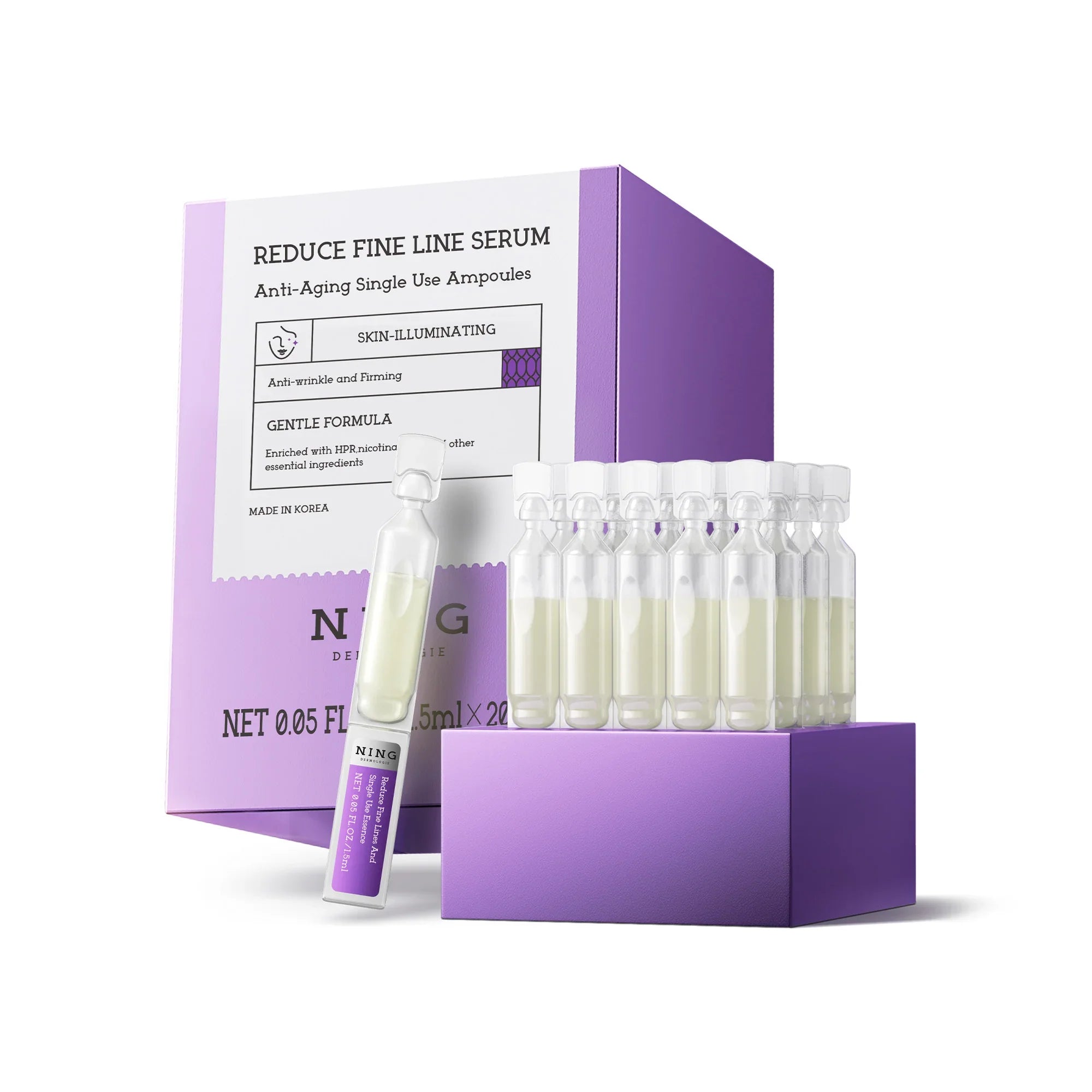
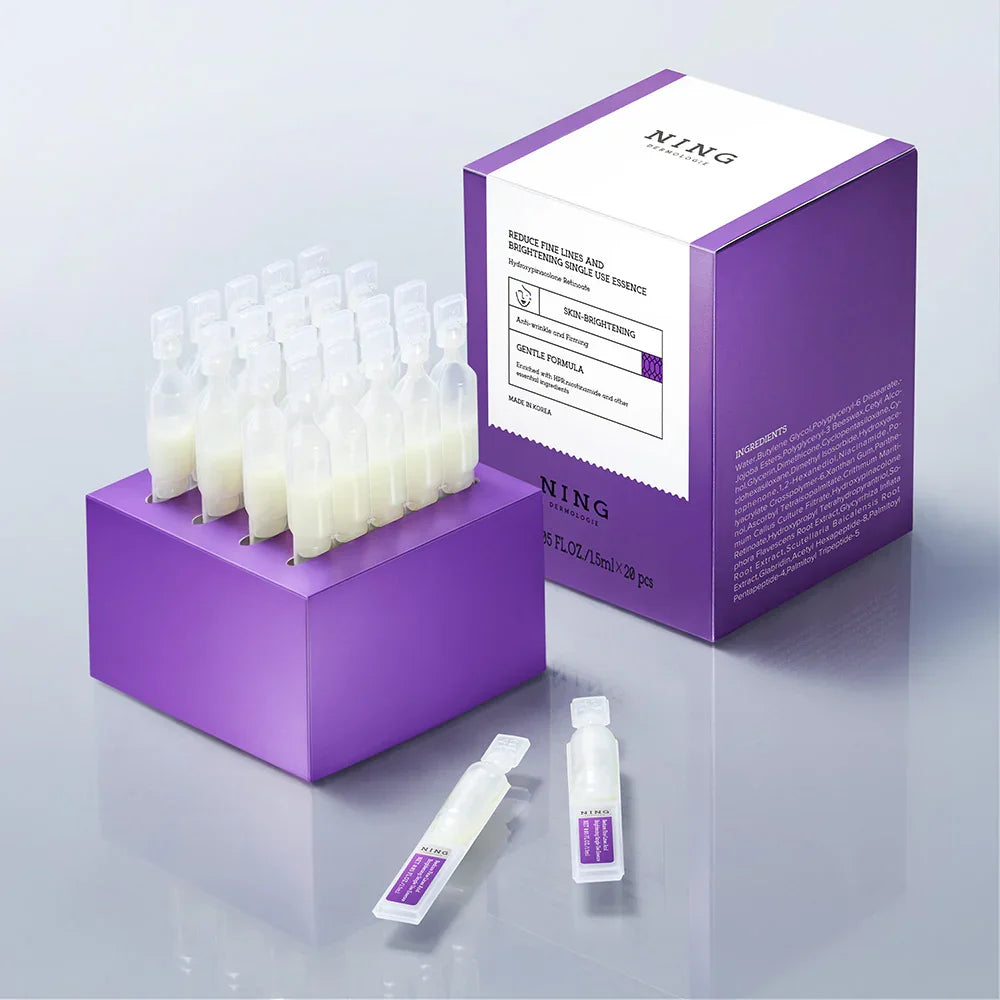
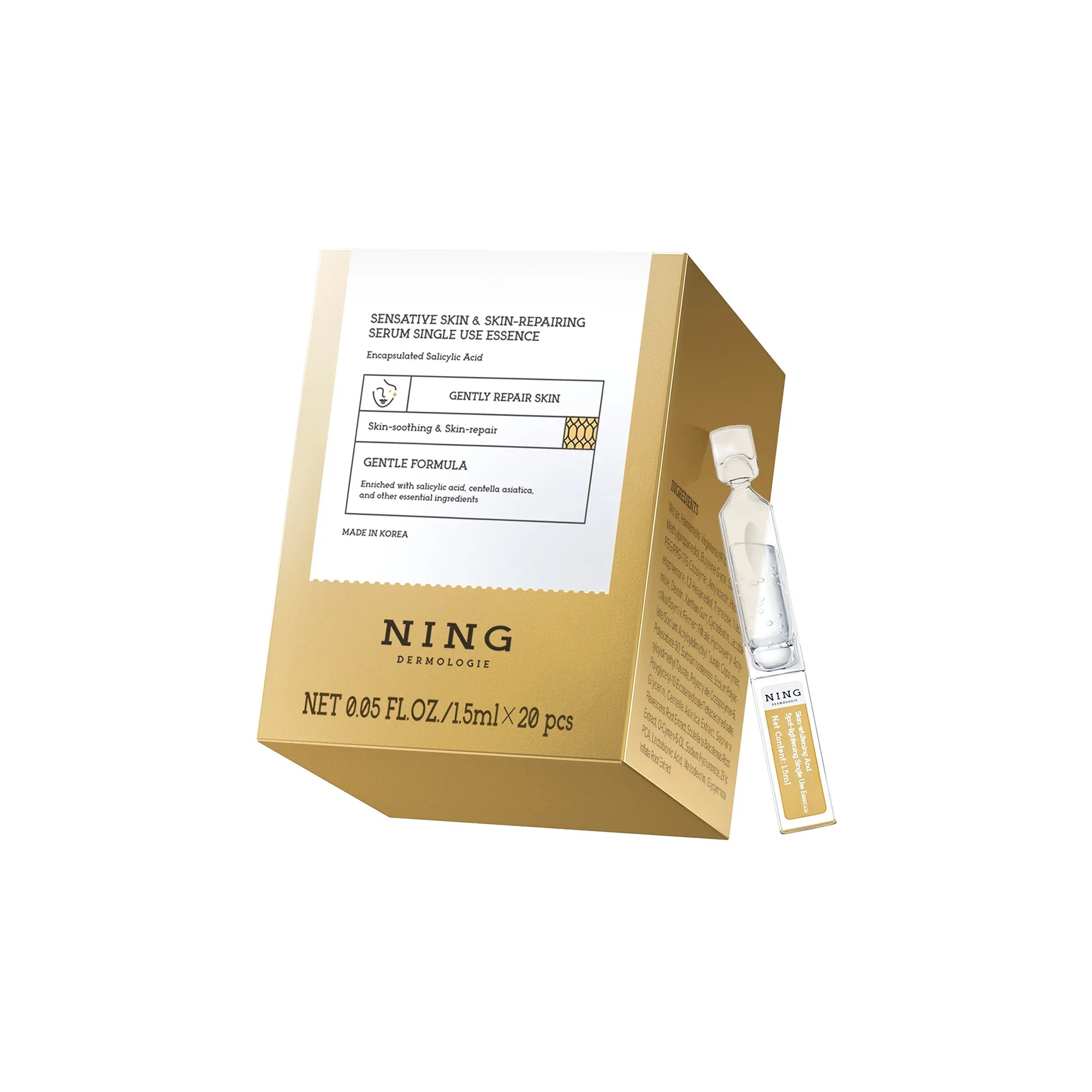
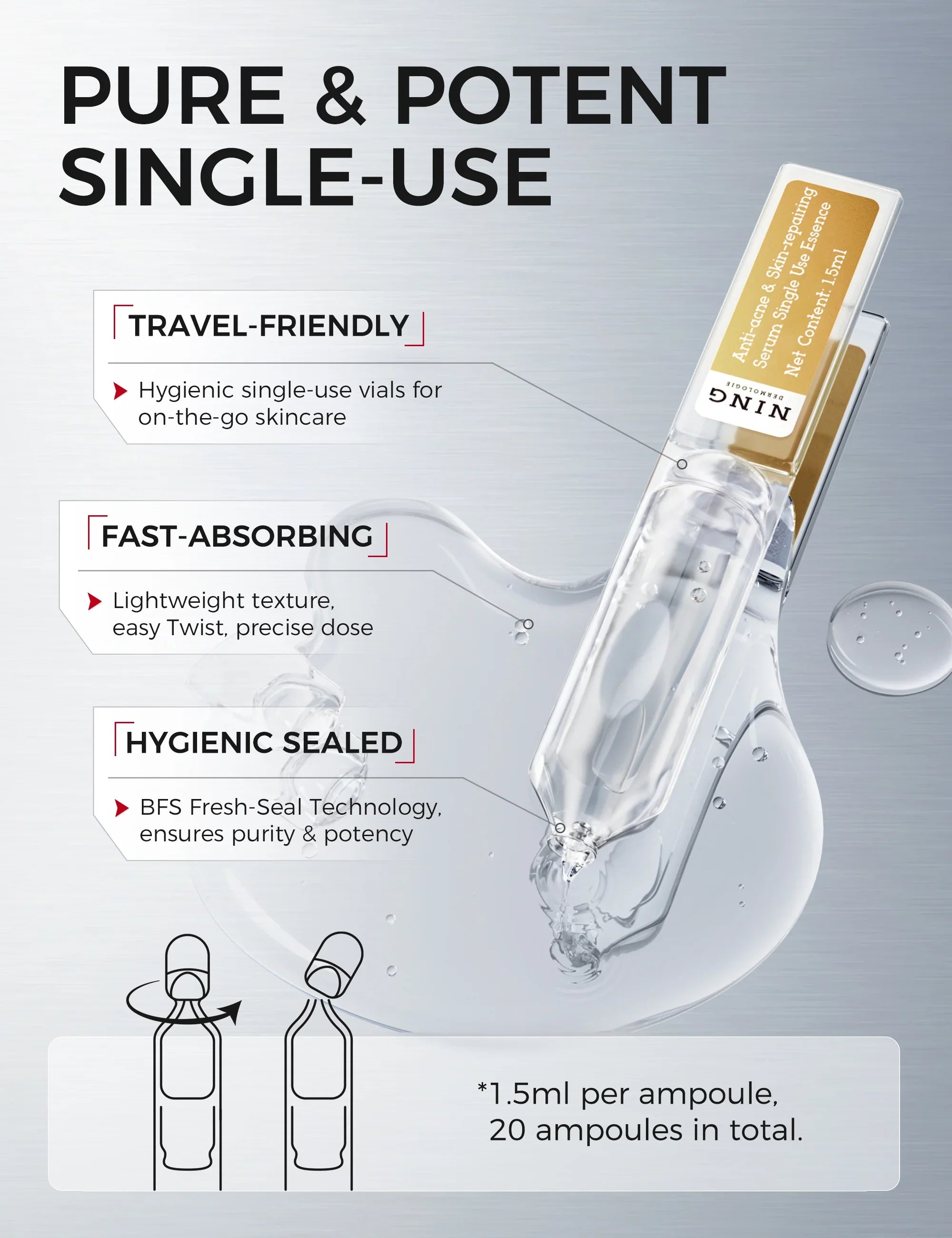
- Microneedling (Caution): Do not use standard bulk cosmetic serum for microneedling. You need sterile, medical-grade ampoules for anything that breaks the skin.
At NING Dermologie, we believe in transparency. Whether you are looking for a plumping effect or a total skin hydrator, understanding your ingredients—from sodium phytate to Palmitoyl Pentapeptide-7—is what separates a professional from a hobbyist.
Buying in bulk is a smart business move, but only if you treat it with the seriousness of a chemist. Check your molecular weights, verify your preservatives, and always test the pH.

Frequently Asked Questions (FAQ)
Q: Can I repackage bulk serum myself to save money?
A: Technically yes, but it is risky. You need a sterile environment (not a back room) to prevent bacterial contamination. You also assume full product liability. It is usually safer and more professional to have the lab fill and seal the bottles for your branded hyaluronic acid line.
Q: What is the difference between Sodium Hyaluronate and Hyaluronic Acid?
A: In ingredients lists, they are used interchangeably, but Sodium Hyaluronate is the salt form. It has a smaller molecular size, making it more stable and better at penetrating the skin for deep-tissue plumping compared to raw Hyaluronic Acid.
Q: Does bulk HA serum expire?
A: Yes. Once a bulk container is opened, oxidation begins. While sealed shelf life might be 2 years, an opened gallon jug should be used within 6–12 months. Watch for cloudiness or smell changes, which indicate the preservative system (like potassium sorbate) is failing.
Q: Can I use bulk HA serum for microneedling?
A: No. Most bulk serums contain preservatives (like sodium benzoate or citric acid) meant for topical use only. Injecting these or pushing them deep into broken skin can cause granulomas or severe reactions. Use only sterile, single-use ampoules for microneedling.
Q: What molecular weight should I look for?
A: Ideally, you want a mix. A multi-molecular weight formula is best. High weight protects the surface and stops TEWL, while low weight hydrates deeper. If a supplier can't tell you the Dalton size, it is likely just cheap high-weight HA.





Share:
Are there salicylic acid face washes free of harsh chemicals?
Where can I find loyalty programs or rewards for frequent purchases of hyaluronic acid serums?