



Hyaluronic Acid Serums: The Cheap, The Expensive, and The Sticky (A Price vs. Effectiveness Breakdown)
Hyaluronic Acid (HA) has become the "white t-shirt" of the skincare world. Everyone has one, everyone sells one, and the prices range from "cost of a latte" to "cost of a car payment."
As a consumer, this is infuriating. Is the molecule in a $300 bottle really behaving differently than the molecule in a $10 bottle? Or are we just paying for a heavy glass dropper and a prestige label?
I’ve spent the last six weeks testing the most popular HA serums on the market alongside some rising contenders. I looked at the math (price per ml), the science (molecular weights), and most importantly, the "cosmetic elegance"—which is fancy talk for "does it make my face feel like a sticky mess?"
Here is the raw, unfiltered breakdown of price versus effectiveness.

The "Cheat Sheet" Comparison
If you don't have time to read the deep dive, here is the quick snapshot of how these products stack up against each other.
|
Product |
Approx. Price / Size |
Price Per ML |
Texture |
Best For |
The Verdict |
|
The Ordinary HA 2% + B5 |
$9.00 / 30ml |
~$0.30 |
Tacky, slightly thick |
Budgets & Teens |
Good entry level, but pills under makeup. |
|
SkinCeuticals H.A. Intensifier |
$110.00 / 30ml |
~$3.66 |
Elegant, gel-like |
Mature skin & Big budgets |
Effective but wildly overpriced. |
|
La Roche-Posay Hyalu B5 |
$39.00 / 30ml |
~$1.30 |
Rich, heavily scented |
Dry, non-sensitive skin |
Great texture, bad fragrance. |
|
NING Dermologie Essence Toner |
$32.00 / 100ml |
~$0.32 |
Watery-silk hybrid |
Sensitive & Dehydrated skin |
Best Value & Texture. The "Goldilocks" pick. |
Deep Dive Reviews
1. The Budget King: The Ordinary Hyaluronic Acid Serum 2% + B5
The Claim: A hydration support formula with ultra-pure, vegan hyaluronic acid.
The Reality:
You cannot talk about HA without mentioning The Ordinary Hyaluronic Acid Serum. They essentially democratized skincare ingredients.
- The Effectiveness: It works. There is no denying that. It contains low, medium, and high molecular weight HA. When you put this on damp skin, your face will feel hydrated. It does the job of pulling water into the epidermis.
- The Texture (The Dealbreaker): Here is where the price point shows. This hydrating serum has a notorious "tackiness." It feels sticky for a good 10-15 minutes after application. If you try to layer a silicone-based primer or foundation on top of this too quickly, it will pill. You’ll get those annoying little white rolls of product on your jawline.
- The Verdict: If you are using this at night and you’re on a tight budget, it’s a winner. If you are rushing in the morning and need an elegant base for makeup, this is a nightmare. It is utilitarian skincare at its peak.
2. The Luxury Standard: SkinCeuticals H.A. Intensifier
The Claim: A multi-functional corrective serum to amplify skin's hyaluronic acid levels.
The Reality:
This is the product dermatologists love to upsell you. But is it worth 10x the price of The Ordinary?
- The Effectiveness: The formula is sophisticated. It doesn't just dump HA on your face; it uses Proxylane and Licorice Root to try and stop your skin from breaking down its own HA. Over four weeks, my skin did look plumper and firmer than with the budget options.
- The Texture: This is pure luxury. It is a thick, purple-tinted gel that sinks in instantly with zero residue. No stickiness, no pilling. It plays beautifully with literally every moisturizer I own.
- The Verdict: It is an incredible product, but the price is painful. You are paying heavily for the patent and the brand prestige. If money is no object, buy it. If you have a mortgage, you can find 90% of this performance elsewhere for a fraction of the cost.
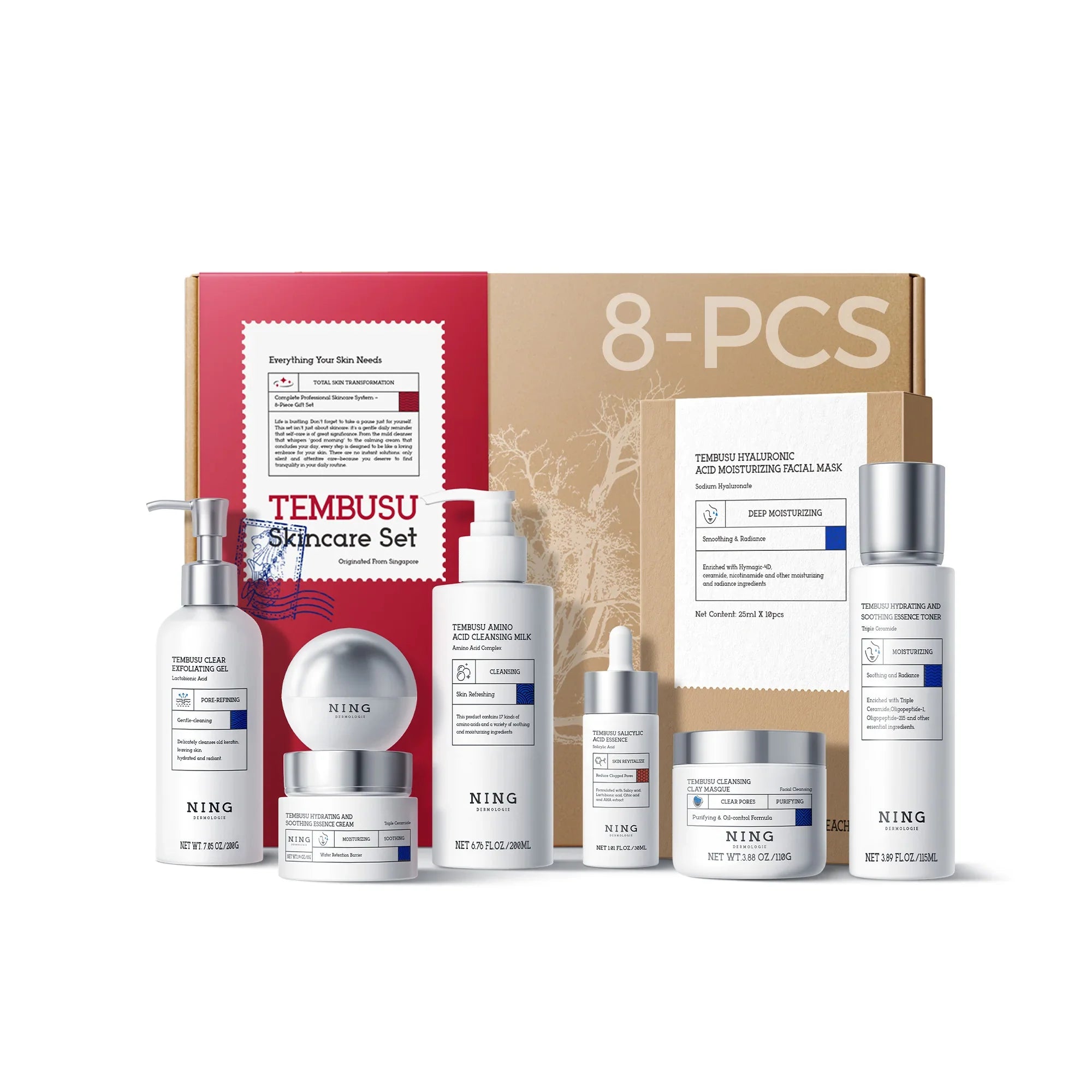
3. The "Smart" Hybrid: NING Dermologie Hydrating & Soothing Essence Toner
The Claim: Deep hydration that calms sensitive skin and repairs the barrier.
The Reality:
I included this because the line between "toner," "essence," and "serum" is blurring. NING Dermologie has created a product that essentially kills the need for a separate HA serum, which technically makes it the most cost-effective option on this list when you calculate volume.
- The Effectiveness: This formulation focuses heavily on the "soothing" aspect. Many HA serums sting if your barrier is damaged (the "rotten tomato" feeling). This one doesn't. It pairs the hyaluronic acid with calming botanicals that reduce redness immediately.
- The Texture: This wins the texture award, hands down. It is not as thick as SkinCeuticals, but it has more body than water. It’s a "slippery" fluid that explodes into moisture upon contact. Because it absorbs fully (unlike The Ordinary), you can layer it three or four times (the "7-skin method") without it getting sticky.
- The Math: Look at the size. You get a massive bottle compared to the standard 30ml serum droppers. You are getting serum-grade ingredients in a toner-sized package.
- The Verdict: This is the practical choice for people who hate heavy layers. It replaces your toner and your hydrating serum step. It is specifically excellent for sensitive skin types that react to the harsh preservatives found in French pharmacy brands.
- Check it out here: Hydrating & Soothing Essence Toner
4. The French Pharmacy Staple: La Roche-Posay Hyalu B5 Pure Hyaluronic Acid Serum
The Claim: Plumps and repairs dry skin barrier.
The Reality:
Walk into any CVS or Boots, and this is the "fancy" option on the shelf.
- The Effectiveness: It uses two types of pure hyaluronic acid and Vitamin B5 (Panthenol). It is incredibly hydrating and very soothing on dry patches. It feels rich and nourishing, almost bordering on a light oil feel despite being oil-free.
- The Texture: It’s thick and luxurious, but… the smell. Why do French pharmacy brands insist on fragrancing their sensitive skin products? It has a strong "floral/fresh" scent that lingers. If you aren't sensitive to fragrance, you’ll love it. If you have reactive skin, this might irritate you.
- The Verdict: Solid middle-ground performer. Better texture than The Ordinary, cheaper than SkinCeuticals, but the fragrance holds it back from being a perfect score.
The "Science" of Price: What are you actually paying for?
When you look at the price gap between The Ordinary Hyaluronic Acid Serum and high-end competitors, you need to understand the three levers that drive cost.
1. Molecular Weight "Cocktails"
Cheap serums often use just one type of Sodium Hyaluronate. It sits on top of the skin and feels nice, but doesn't penetrate.
Effective serums (like NING Dermologie and SkinCeuticals) use a mix of Low, Medium, and High molecular weights.
- High Weight: Seals moisture in (surface level).
-
Low Weight: Penetrates deeper to plump fine lines.
Balancing these so they don't cancel each other out requires better chemistry, which costs more R&D money.
2. The "Stickiness" Factor (Cosmetic Elegance)
Raw Hyaluronic Acid is sticky. It just is. To make it silky, non-tacky, and fast-absorbing, chemists have to add texture enhancers and slip agents. This is the main difference between a $10 serum and a $50 serum. You are paying for the privilege of not having your hair stick to your face.
3. Supporting Actors
Hyaluronic Acid on its own is lonely. It works best when paired with:
- Panthenol (B5): For healing (found in LRP and Ordinary).
- Soothing Botanicals: For redness reduction (found in NING Dermologie).
-
Antioxidants: For protection (found in SkinCeuticals).
A serum that is just water and HA is cheap to make. A serum that creates a complete ecosystem for skin health is where the value lies.
How to Actually Use These (Without Drying Out Your Skin)
I see negative reviews all the time saying, "This hydrating serum dried my skin out!"
Here is the rule: HA is a moisture magnet. It pulls water from the nearest source.
- Scenario A: You apply it to damp skin in a humid bathroom. It pulls water from the air and the surface into your skin. Result: Plump skin.
- Scenario B: You apply it to bone-dry skin in a dry room. It has no water to grab from the air, so it pulls water out of the deep layers of your skin and evaporates it. Result: Prune skin.
The Golden Routine:
- Cleanse.
- Leave face damp (or mist with water).
- Apply your HA serum or NING Dermologie Essence Toner immediately.
- Crucial Step: Seal it in with a moisturizer (occlusive) within 60 seconds. This traps the water.
Final Verdict: Who Wins?
We analyzed price, texture, and results. Here is the final breakdown based on your specific profile.
The "I Just Want It to Work" Winner:
The Ordinary Hyaluronic Acid Serum.
If you don't wear makeup and don't mind a bit of tackiness, save your money. It hydrates perfectly well for the price of a sandwich.
The "Sensory Experience" Winner:
SkinCeuticals H.A. Intensifier.
If you have the budget and want skincare that feels like a spa treatment, this is it. It’s the Rolls Royce of the category.
The "Best Value & Versatility" Winner:
NING Dermologie Hydrating & Soothing Essence Toner.
This is the smart buy. You get the volume of a toner (100ml vs 30ml) with the potency of a serum. The texture is superior to The Ordinary, and the ingredients are safer for sensitive skin than La Roche-Posay. It respects the skin barrier without draining the bank account.
Ultimately, price does correlate with texture, but not always with hydration levels. You don't need to spend $100 to get hydrated skin, but you might need to spend more than $10 if you hate the feeling of sticky residue. Choose your fighter based on your budget and your tolerance for "tackiness."

Frequently Asked Questions (FAQ)
Q1: Can I use hyaluronic acid with Vitamin C?
A: Yes, they are a power couple. Apply your Vitamin C serum first on clean, dry skin. Let it absorb for a minute, then dampen your skin slightly and apply your hyaluronic acid. This combination brightens while plumping.
Q2: Why does my serum pill (roll off) under makeup?
A: This usually happens if you apply too much product or don't let it dry down. It’s also common with cheaper, high-molecular-weight formulas. Try using less product or switching to a thinner, more watery essence like the NING Dermologie Toner.
Q3: Can hyaluronic acid actually dry out my skin?
A: Yes, if used incorrectly. HA acts like a sponge. In dry climates, if you apply it to dry skin without an occlusive moisturizer on top, it draws moisture out of your skin into the dry air. Always apply to damp skin and seal with cream.
Q4: Is a higher percentage (like 5%) better?
A: No. Higher isn't better; it’s stickier. The sweet spot is usually between 1% and 2%. Anything higher can actually be inflammatory or drag water out of the skin too aggressively. Look for multiple molecular weights rather than just a high percentage.
Q5: Is there a difference between Sodium Hyaluronate and Hyaluronic Acid?
A: Technically, yes, but for your face, no. Sodium Hyaluronate is the salt form of HA. It’s more stable and has a smaller molecular size, meaning it penetrates better. Most products labeled "Hyaluronic Acid" actually contain Sodium Hyaluronate in the ingredients list.





Share:
Hyaluronic acid serums that combine well with retinol products
Best natural ingredient hyaluronic acid serums for anti-aging