



Let’s be honest: the search for the best vitamin c serum often feels like a high-stakes chemistry experiment played out on your own face. You’ve seen the glowing reviews, the "before and after" photos of vanished hyperpigmentation, and the promises of radiant skin. But then you buy a bottle, and two weeks later, that expensive clear liquid turns a suspicious shade of pumpkin orange, or worse, it leaves your skin stinging and red.
If you’re trying to reduce dark spots and even out skin tone, you don’t just need "a" vitamin C product; you need the right vitamin c serum for your specific biological canvas. This guide to vitamin c isn’t just a list of ingredients—it’s a deep dive into how to stop wasting money on unstable formulas and start seeing the best results for your skin.

How to Choose the Right Vitamin C Serum to Fade Dark Spots
Why Your Current Serum Might Not Be Working
Before we talk about how to choose a vitamin c serum, we have to address why so many fail. Vitamin C is a powerful antioxidant, but it’s also notoriously "picky." Pure vitamin C, known as L-ascorbic acid, is the most potent form, but it hates light, air, and high pH levels. The moment it oxidizes, it stops being a hero and starts being a source of irritation.
If you’ve struggled with stubborn dark spots and felt like topical treatments weren't doing much, the issue likely isn't the vitamin C itself—it’s the type of vitamin c, the concentration, or the delivery system.
Understanding Vitamin C for Dark Spots: The Tyrosinase Factor
To understand how vitamin c works to fade dark spots, we have to look at an enzyme called tyrosinase. This is the "factory boss" in your skin responsible for producing melanin. When you have hyperpigmentation—whether from sun damage, age, or acne scars—your tyrosinase is working overtime.
Topical vitamin c acts as a tyrosinase inhibitor. It essentially tells the pigment factory to slow down. When you use vitamin c serum consistently, you aren't just bleaching the skin; you are preventing the overproduction of pigment at the source. This is why radiant skin starts with a stable, high-quality formula that can actually penetrate the skin barrier to reach those pigment-producing cells.
The Ultimate Skin Type Matchmaker
Your skin type is the most important filter when you choose the right vitamin c. What works for a 20-year-old with oily skin won't work for someone with mature skin or dry skin.
1. Oily and Acne-Prone Skin
If you have acne-prone skin, the "more is better" approach to vitamin c concentration can backfire. High concentrations of pure L-ascorbic acid (above 15%) are often very acidic (low pH), which can trigger breakouts or "purging."
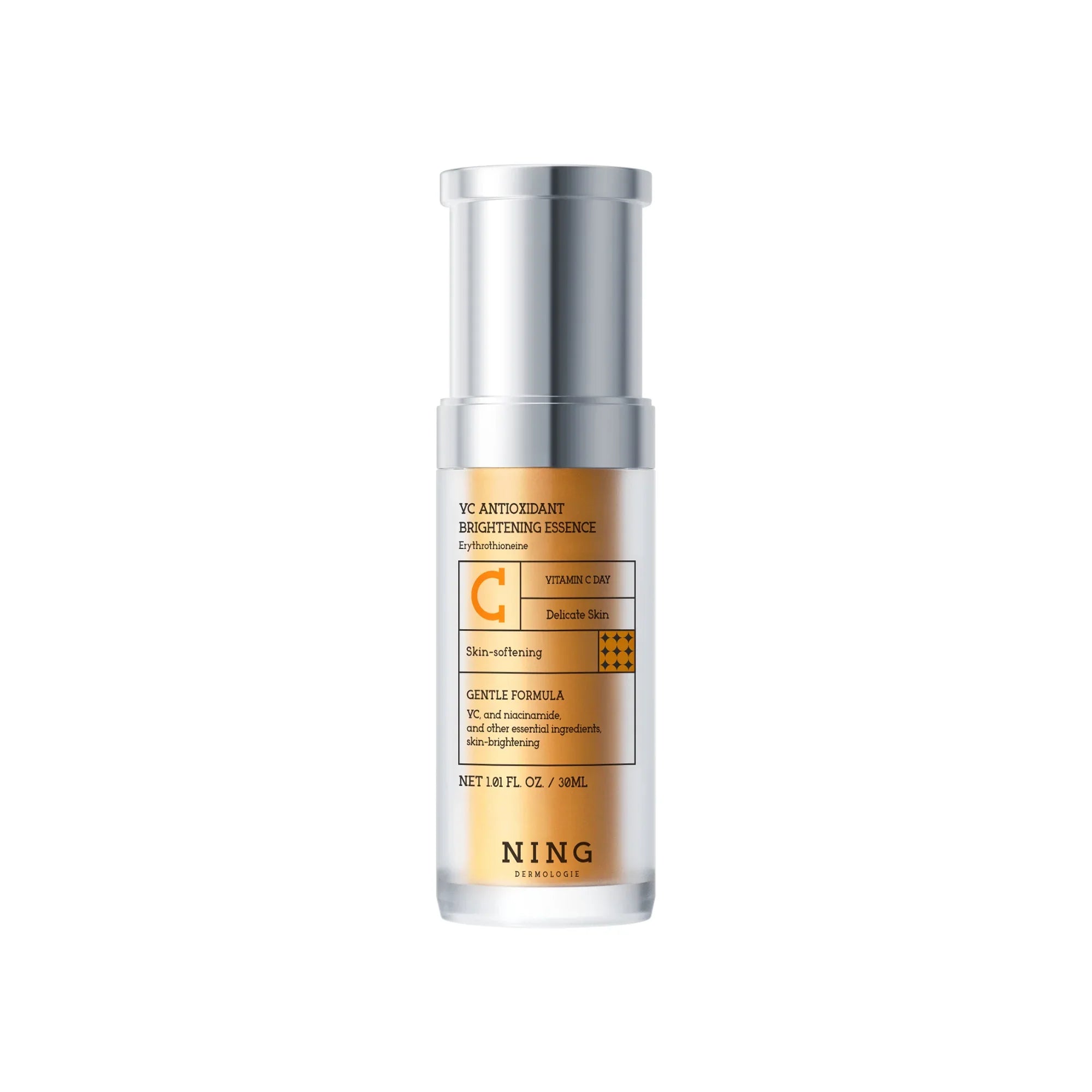
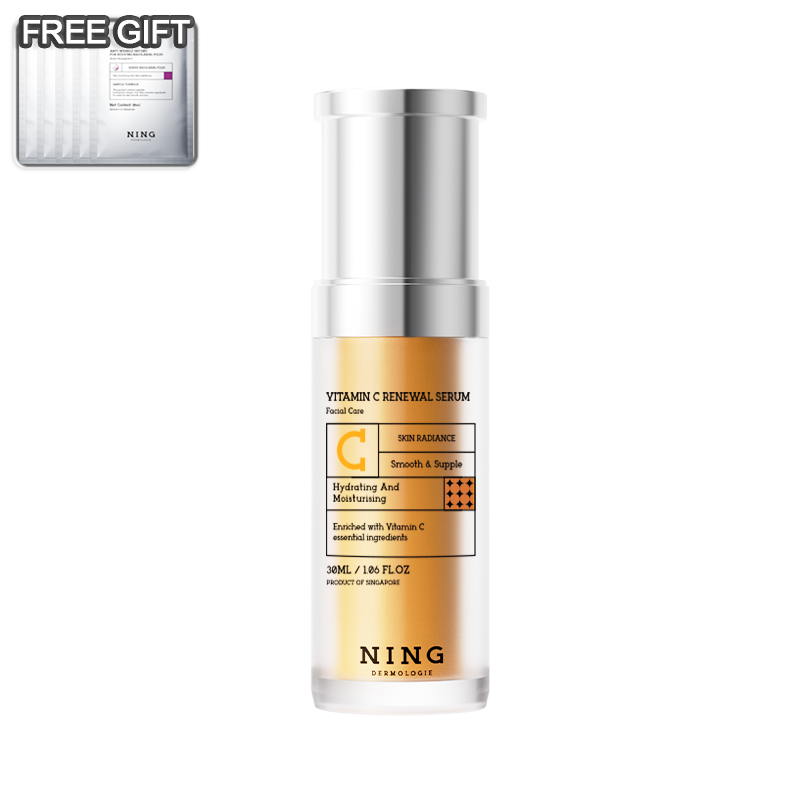
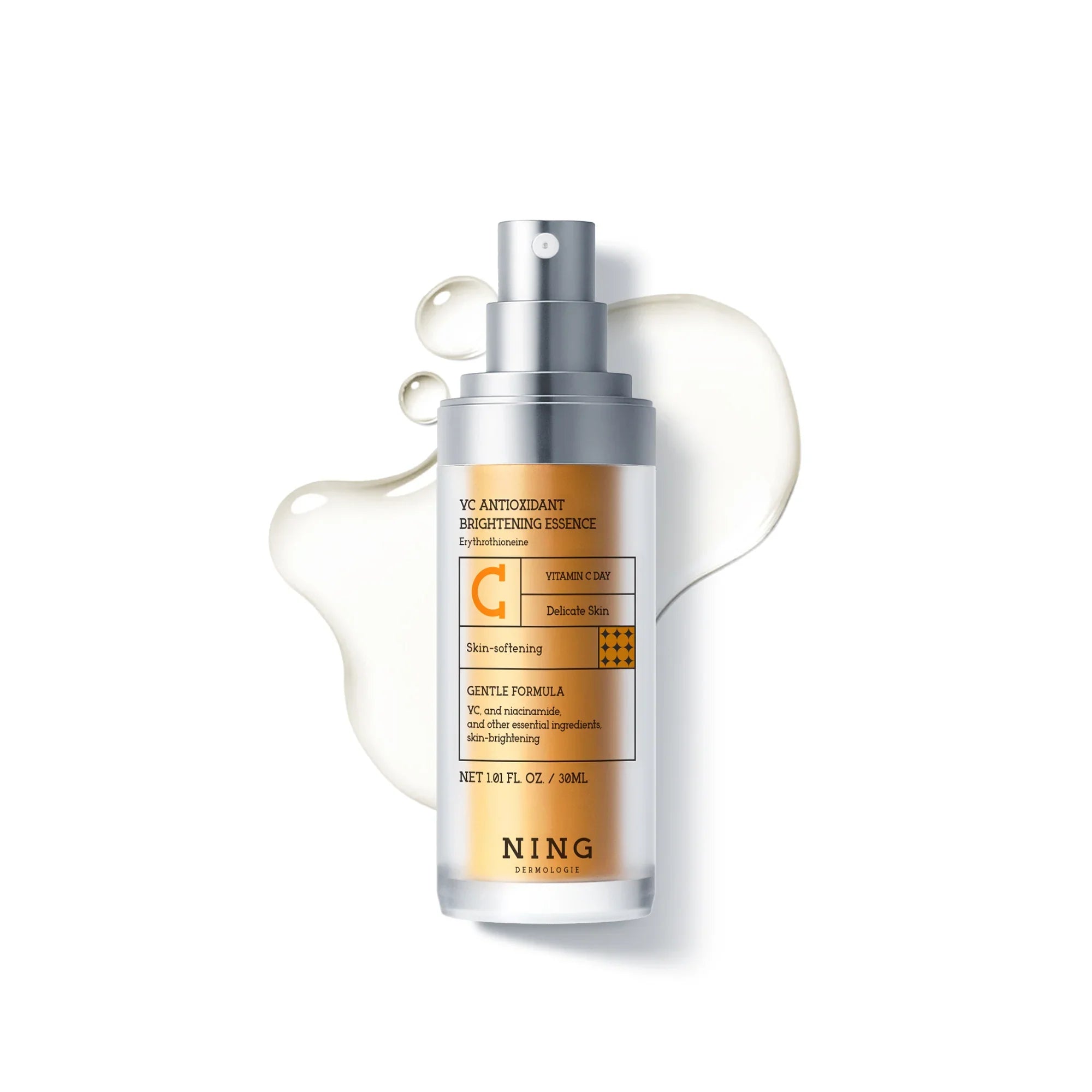
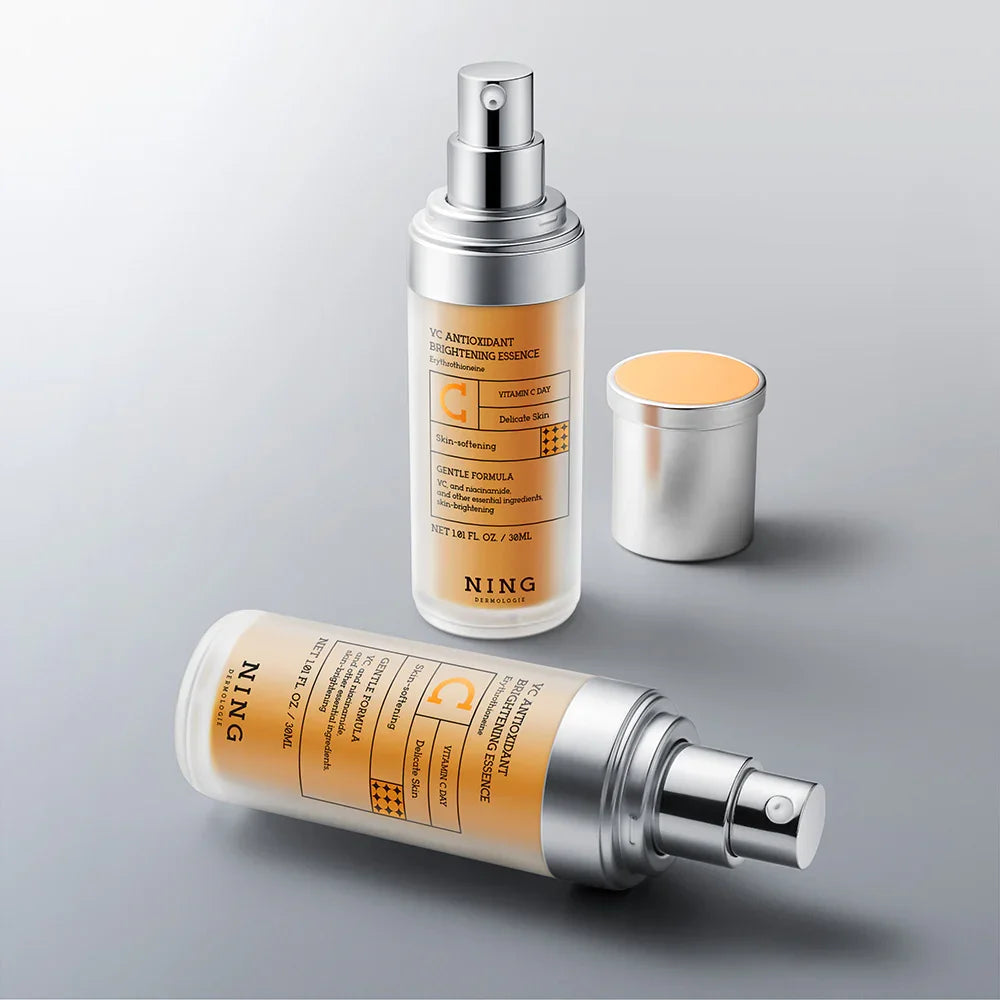
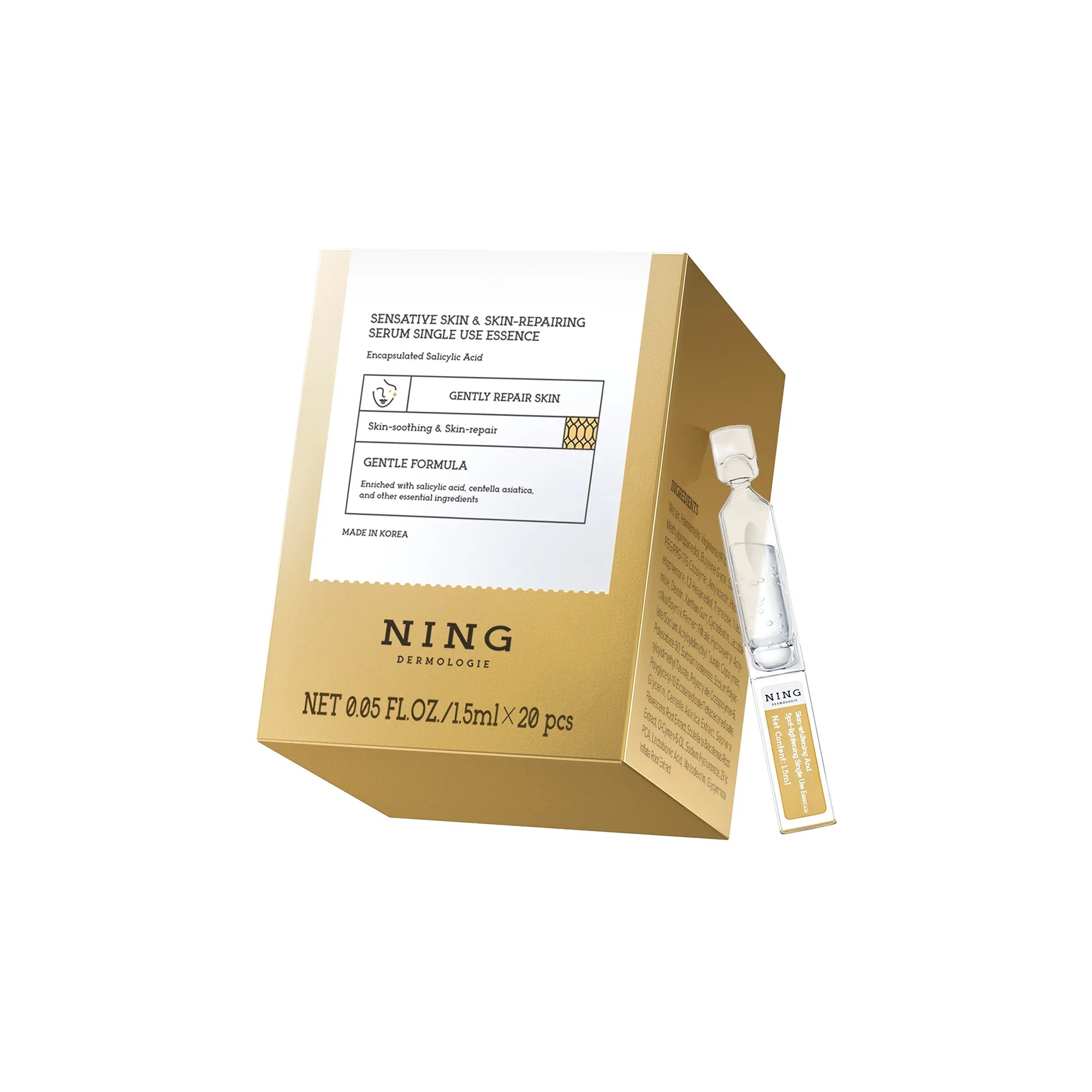
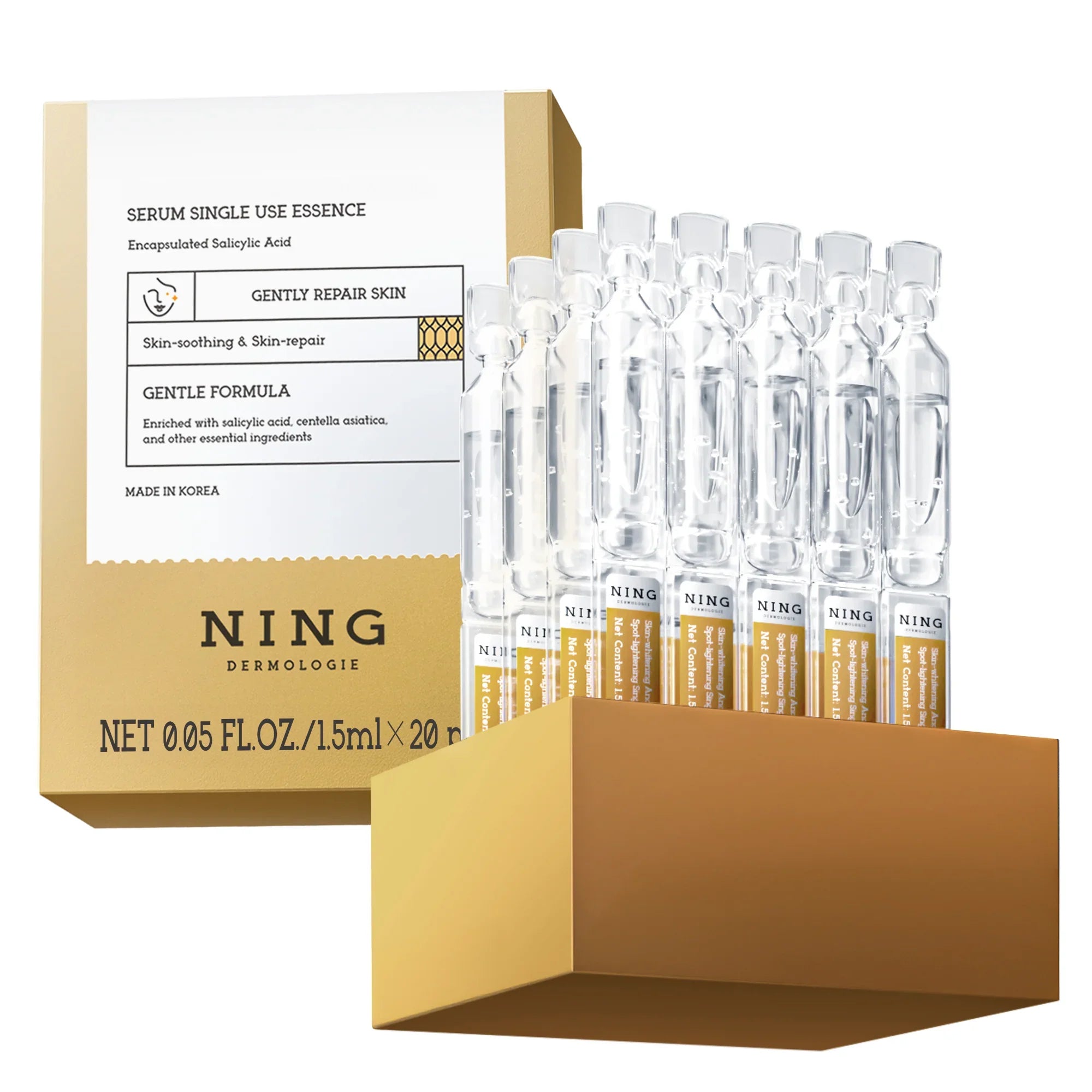
For oily skin, look for a water-soluble vitamin c or a stable derivative like Sodium Ascorbyl Phosphate. This derivative is a secret weapon for acne because it has antimicrobial properties. However, for a balance of brightening and stability, many modern formulations now use Ethyl Ascorbic Acid. This is the core of the NING Dermologie Vitamin C Serum, which provides the potency of pure C without the greasy residue or the pH-induced breakout risk.
2. Dry and Mature Skin
Dry skin and mature skin often have a compromised moisture barrier. You need a serum for dry skin that does double duty. Pure L-ascorbic acid can be drying, so you should prioritize a vitamin c with hyaluronic acid or glycerin.
When you use vitamin c serum for hyperpigmentation on older skin, you’re also looking for collagen stimulation. Vitamin C is a co-factor for collagen synthesis. Pairing it with vitamin e or ferulic acid is crucial here, as these ingredients stabilize the formula and provide the lipid-replenishment that dry skin craves.
3. Sensitive Skin Considerations
If you’ve never used a vitamin c or have sensitive skin, don't jump into a 20% L-ascorbic acid serum. You’ll likely end up with a rash. Start with a brightening vitamin c derivative like Magnesium Ascorbyl Phosphate or a lower vitamin c concentration (around 5-10%).
The goal is to let the skin adjusts over time. A dermatologist will often suggest a "patch test" behind the ear for 48 hours before applying a new vitamin c product to your entire face.
Decoding the Label: Ingredients That Power Up Vitamin C
Finding the best vitamin c isn't just about the C itself; it’s about the supporting cast. Vitamin C is a team player.
- Vitamin E and Ferulic Acid: This is the gold standard "C E Ferulic" combo. Vitamin E is oil-soluble and helps the C penetrate deeper, while ferulic acid doubles the photoprotective power of the serum.
- Niacinamide: There is an old skincare myth that you can't use vitamin c with niacinamide. That’s outdated science. In fact, for hyperpigmentation, they are a dream team. Niacinamide stops the transfer of pigment, while Vitamin C stops the production. This dual-action approach is why we formulated the NING Dermologie serum with both.
- Hyaluronic Acid: Because vitamin c can help with glow, but it can't hydrate on its own. Adding moisture ensures the skin stays "plump," allowing light to reflect better for that radiant skin look.
How to Apply Vitamin C for Best Results
You’ve bought the right vitamin c serum—now don't ruin it with bad application habits.
-
Morning is King: While you can use it at night, the best results come from using vitamin c in the morning. Why? Because it acts as a secondary defense against UV damage and pollution that you encounter during the day.
-
Cleanse and Tone First: Apply your serum to clean, slightly damp skin. If your skin is too wet, it might dilute the vitamin c concentration; if it's too dry, it might not absorb as effectively.
-
Wait Before You Layer: Give the vitamin c serum daily about 60 to 90 seconds to "sink in" before moving to your moisturizer.
-
Sunscreen is Non-Negotiable: Vitamin C does not replace sunscreen. Think of it this way: Vitamin C is the shield, but sunscreen is the armor. If you use vitamin c without SPF, the sun will just undo all the work the serum did to reduce dark spots.
The NING Dermologie Difference: Why Ethyl Ascorbic Acid?
In the crowded world of vitamin c, most brands stick to old-school L-ascorbic acid because it's cheap to manufacture, despite its stability issues. At NING Dermologie, we chose 3-O-Ethyl Ascorbic Acid for our Vitamin C Serum.
Why? Because it is a highly stable form of vitamin c that is both water and oil-soluble. It doesn't oxidize in the bottle as quickly as la roche-posay vitamin or skinceuticals c e ferulic might if not stored perfectly. Plus, by combining it with Niacinamide, we created a vitamin c serum for hyperpigmentation that addresses both uneven skin tone and the skin's moisture barrier without overwhelming your skin.
Common Pitfalls: Why Your "Best Vitamin C" Might Turn Bad
- The Color Test: If your vitamin c product was clear or light straw-colored when you bought it but is now dark amber or brown, throw it away. It has oxidized. Using oxidized Vitamin C can actually increase free radical damage—the exact opposite of what you want.
- Storage Matters: Keep your serum in a cool, dark place. The bathroom (with its heat and humidity from the shower) is actually the worst place for it. A bedroom drawer is better.
- Concentration Myths: A 20% concentration of vitamin c isn't always "better" than 10%. The skin has a saturation point. Once you hit about 20%, the skin can't absorb any more, and the excess just sits on the surface, causing irritation.

Final Verdict: Which One Should You Choose?
Choosing the right vitamin c serum depends on your patience and your skin type and tolerance. If you want a "set it and forget it" stable formula that works for the majority of skin types, including combination skin and oily skin, the NING Dermologie Vitamin C Serum with Niacinamide is designed for exactly that. It's an effective vitamin c solution for those targeting stubborn dark spots without the drama of irritation.
If you have extremely resilient, very mature skin, you might look into high-potency L-ascorbic acid like truskin vitamin c or the classic c e formulations, but be prepared for the maintenance they require.
Regardless of what you choose, remember that vitamin c is a potent tool, but it's not an overnight miracle. Consistency is the key to even out your skin tone. Give it 8 to 12 weeks. Your "future skin" will thank you for the protection you're giving it today.
Frequently Asked Questions (FAQ)
1. Can I use Vitamin C serum every day?
Yes, absolutely. For the best results, you should use vitamin c serum daily. Most dermatologists recommend applying it once a day in the morning. However, if you are new to vitamin c, start by using it every other day to see how your skin adjusts. Once you know you don't have a reaction, daily use is the best way to improve skin tone and maintain protection against environmental pollutants.
2. Why does my Vitamin C serum smell like metallic or hot dogs?
This is a common complaint with serums containing pure vitamin c (L-ascorbic acid) and ferulic acid, like skinceuticals c e ferulic. The chemical reaction between these antioxidants often produces a distinct, slightly metallic scent. While it's unpleasant, it doesn't mean the product is bad. However, if you prefer a scent-free experience, look for derivatives like those found in NING Dermologie, which offer similar benefits without the heavy "lab" smell.
3. Will Vitamin C make my skin more sensitive to the sun?
Unlike Retinol or AHAs, vitamin c also acts as a photoprotectant. It doesn't make your skin "sun-sensitive" in the traditional sense; rather, it helps neutralize the free radicals caused by UV light. That said, it is not a replacement for SPF. You should always apply a broad-spectrum sunscreen over your vitamin c product to prevent dark spots from returning and to protect the integrity of the serum on your skin.
4. Can I mix Vitamin C with my moisturizer?
It’s better to layer than to mix. Mixing vitamin c products directly into a moisturizer can alter the pH of the serum, making it less effective. For the vitamin c works most efficiently, apply the serum directly to clean skin, let it absorb for a minute, and then apply your moisturizer on top. This ensures the type of vitamin c used can penetrate the skin barrier without being blocked by the heavier oils in a cream.
5. How long does it take to see results on dark spots?
Patience is key when you use vitamin c for dark spots. While you might notice an immediate "glow" due to the serum's hydrating properties, the actual fading of hyperpigmentation and uneven skin tone typically takes 8 to 12 weeks of consistent use. This timeframe aligns with your skin’s natural cellular turnover rate. For stubborn dark spots, you will see the look of dark spots gradually soften over several months.
Ready to transform your routine? Shop NING Dermologie Vitamin C Serum here and start your journey to a brighter, more even complexion.





Share:
Best vitamin C serum for dark spots on sensitive skin
Best Korean vitamin C serums for brightening skin