



We all want that 10-step Korean skincare routine glow, but at 7:30 AM, when you’ve hit snooze three times and haven’t had coffee, the idea of layering five different serums, a moisturizer, and a separate sunscreen feels like a punishment.
This is where the hybrid hero enters the chat: Hyaluronic acid serums with SPF protection included.
It sounds like the dream, right? A hydrating serum that plumps your fine lines, fixes your moisture barrier, and protects you from UV damage all in one go. But as with anything in the beauty industry, there’s nuance. Not all hybrids are created equal. Some pill up like a cheap sweater, and others leave you looking like a ghost.
Today, we are stripping back the marketing fluff. We’re talking texture, efficacy, and how to build a skincare routine that actually works for your skin type—whether you’re dry, oily, or dealing with sensitive skin.

The Science: Why Water and Oil Don’t Like to Mix
To understand why a good Hyaluronic Acid Serum with SPF is rare, you have to understand the chemistry. Sodium Hyaluronate (the salt form of HA) loves water. It’s a humectant. UV filters (especially chemical ones) are often oil-soluble. Mixing them into a single formula that feels like a lightweight hydrating serum rather than a heavy grease pit is a balancing act.
When formulated correctly using technologies like MVE technology (which releases ingredients slowly), these serums can offer moisture retention that rivals a heavy cream while keeping the skin texture elegant.
The "Prep" Step You Are Missing
Before we dive into the SPF hybrids, we need to address a common failure point. If you apply a thick SPF serum onto bone-dry skin, it won't absorb. It will sit on top.
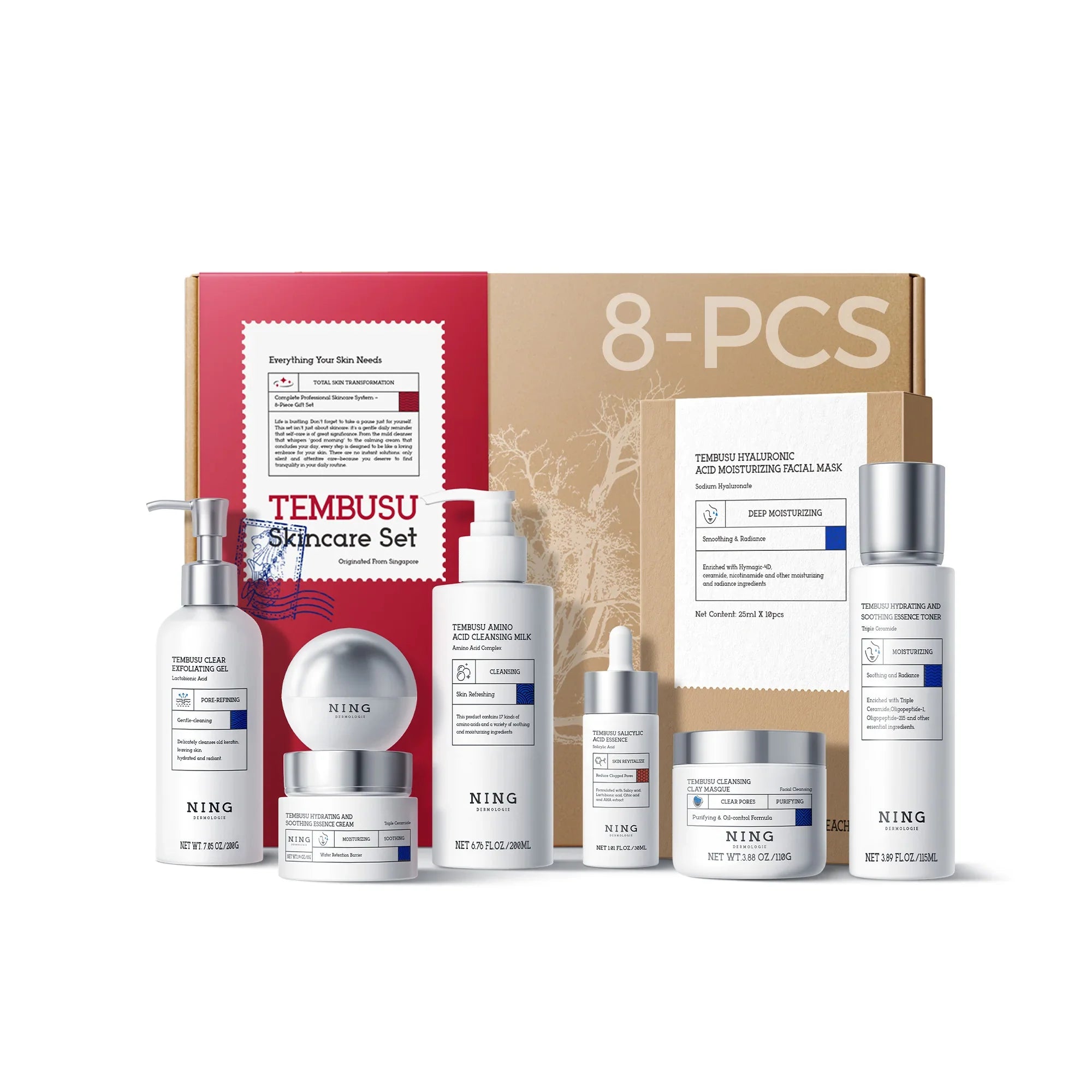
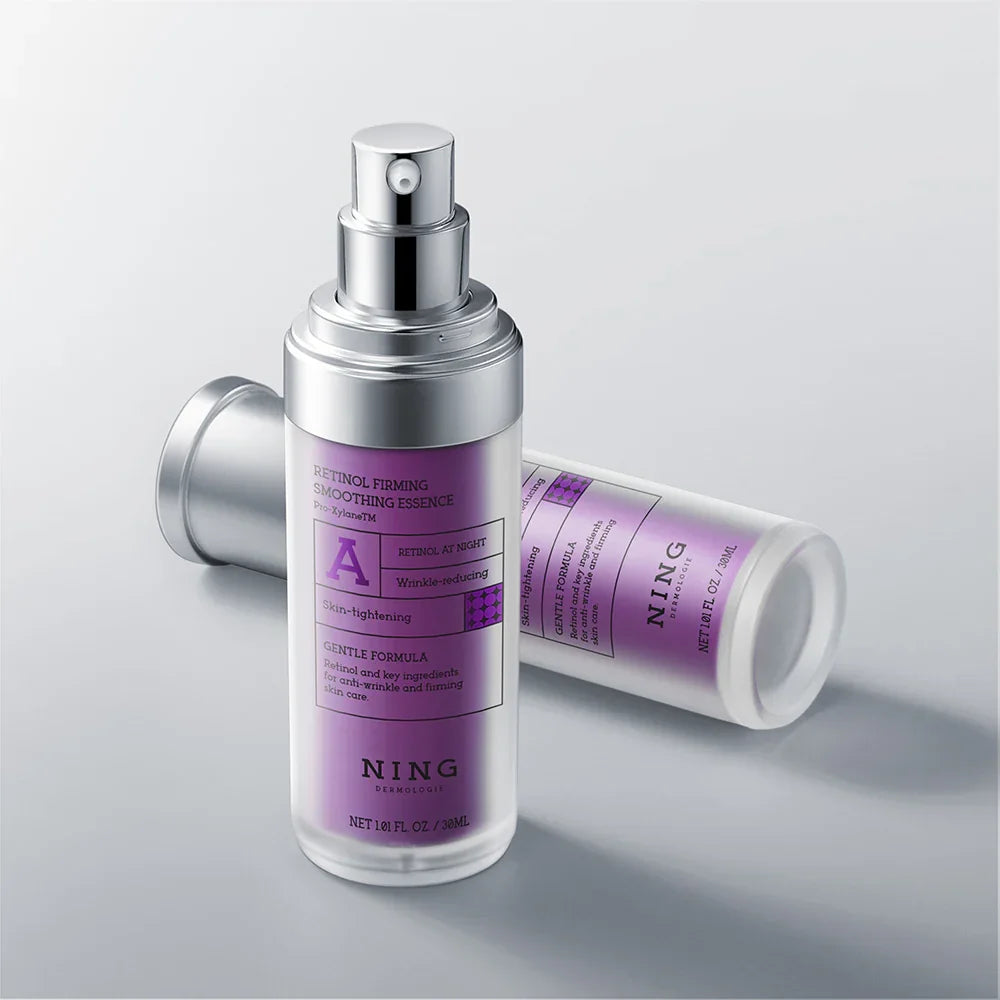
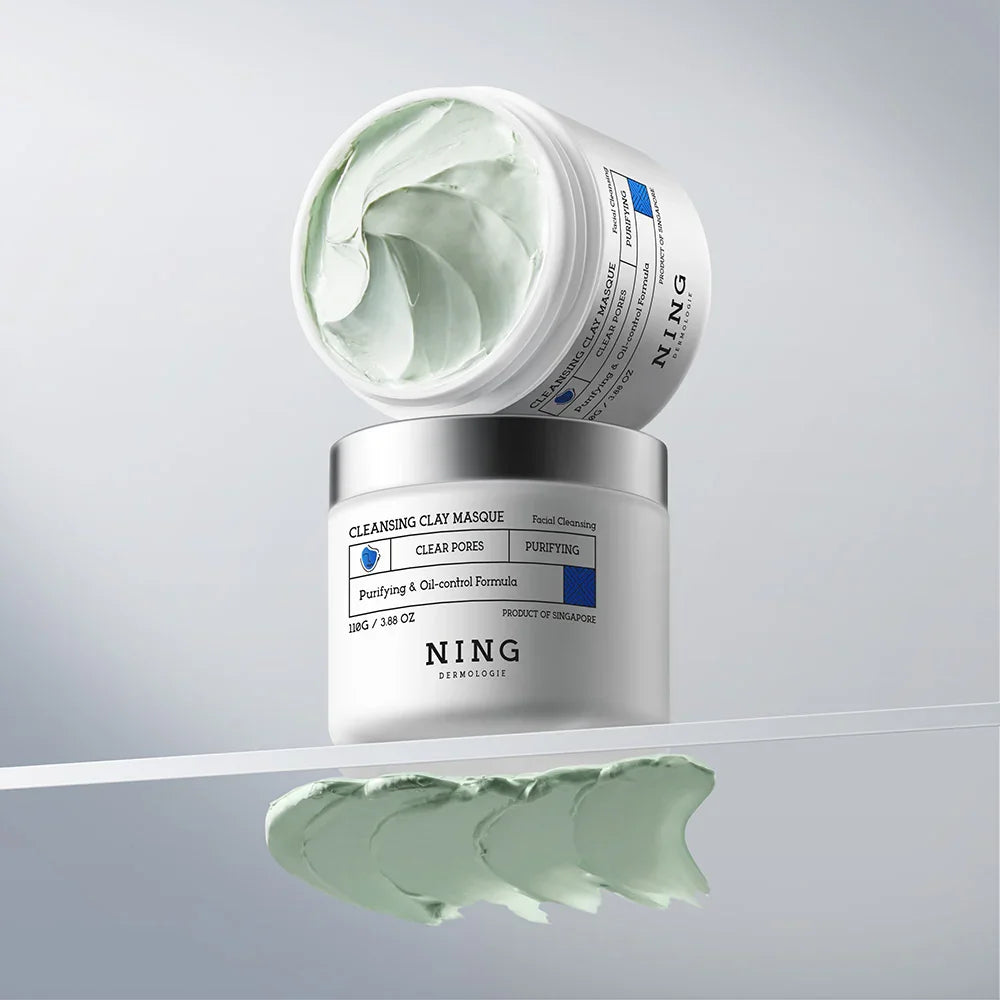
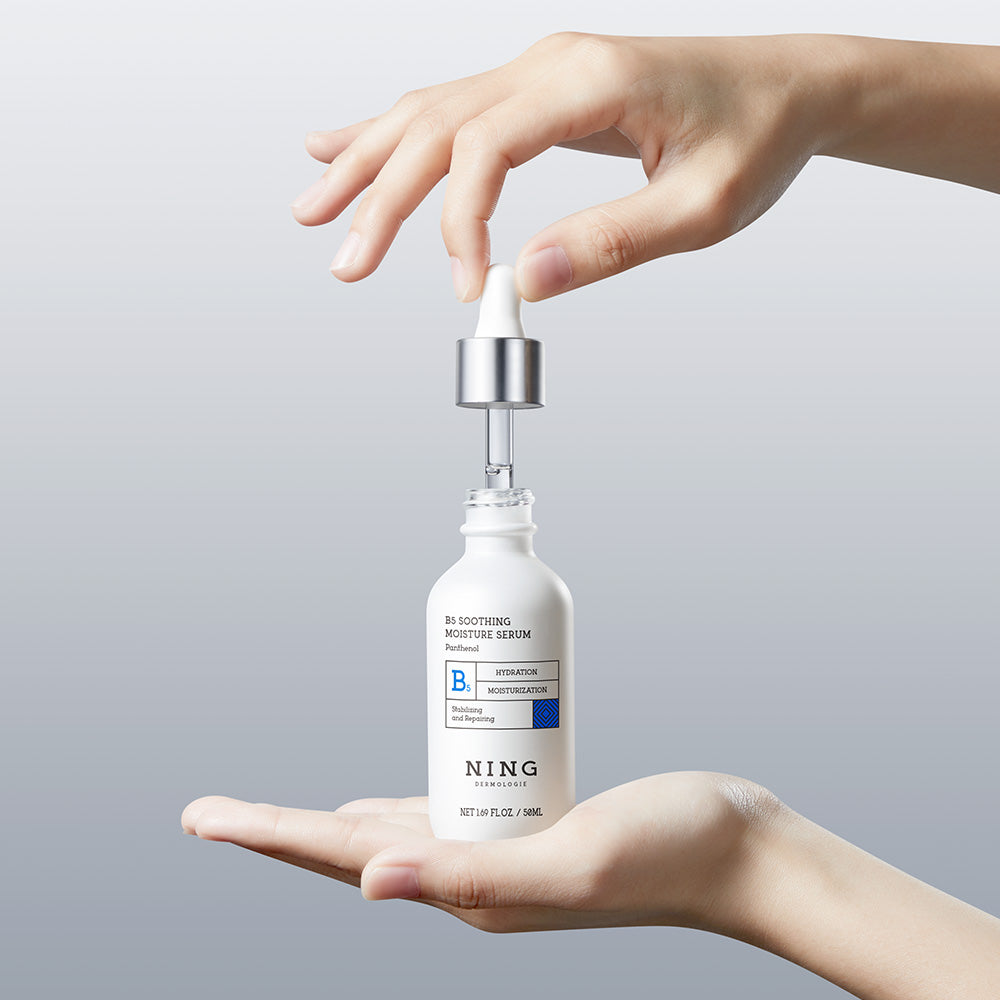
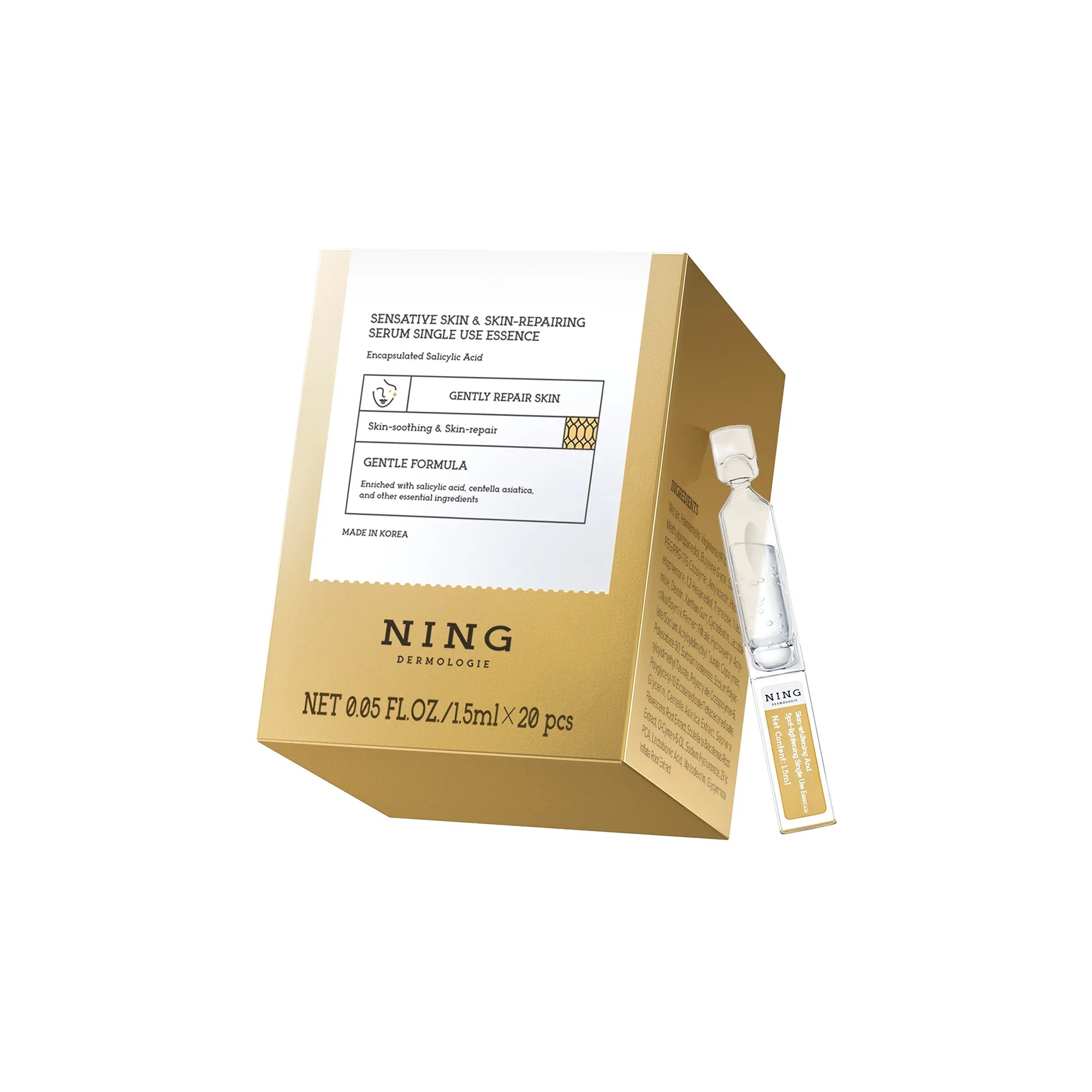
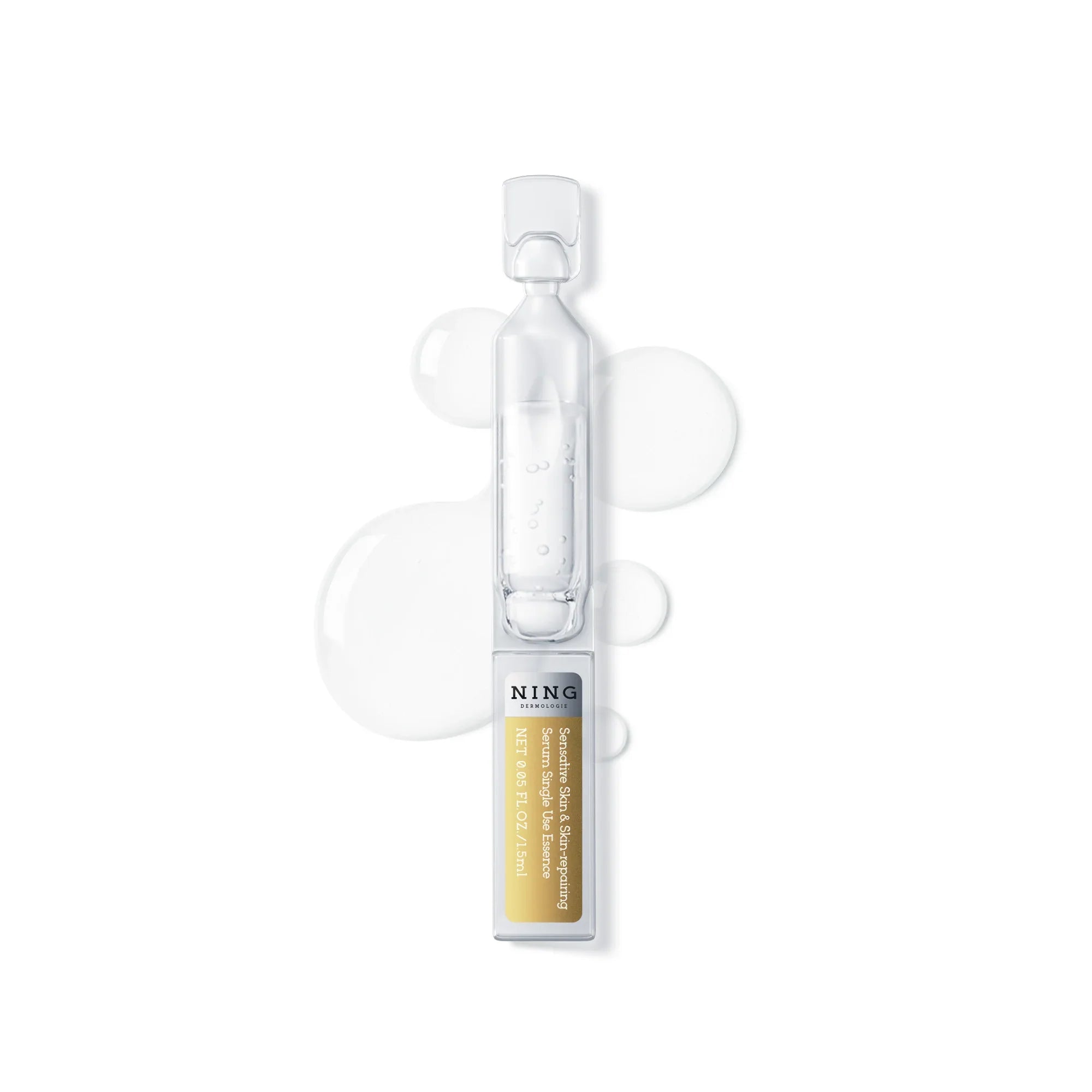
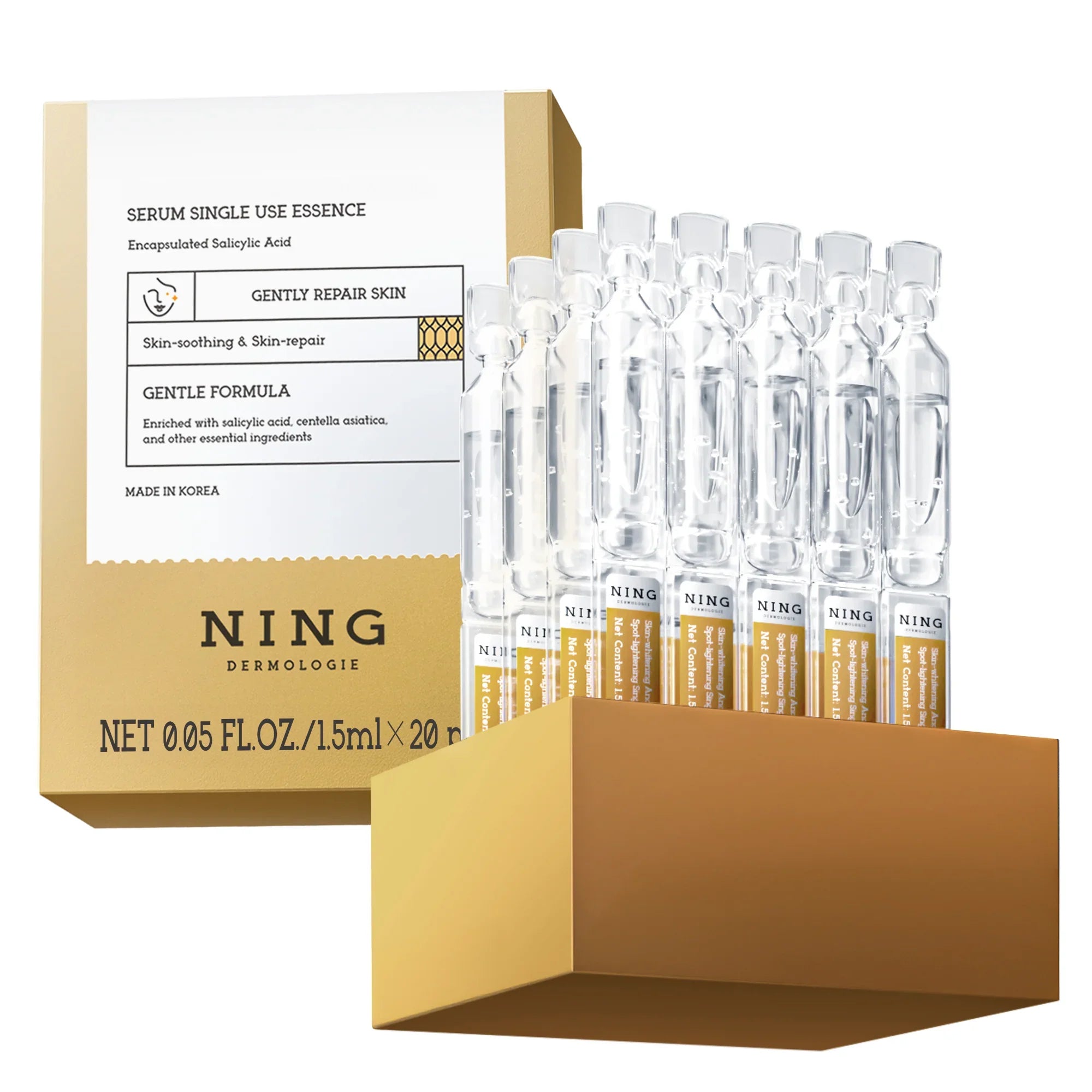
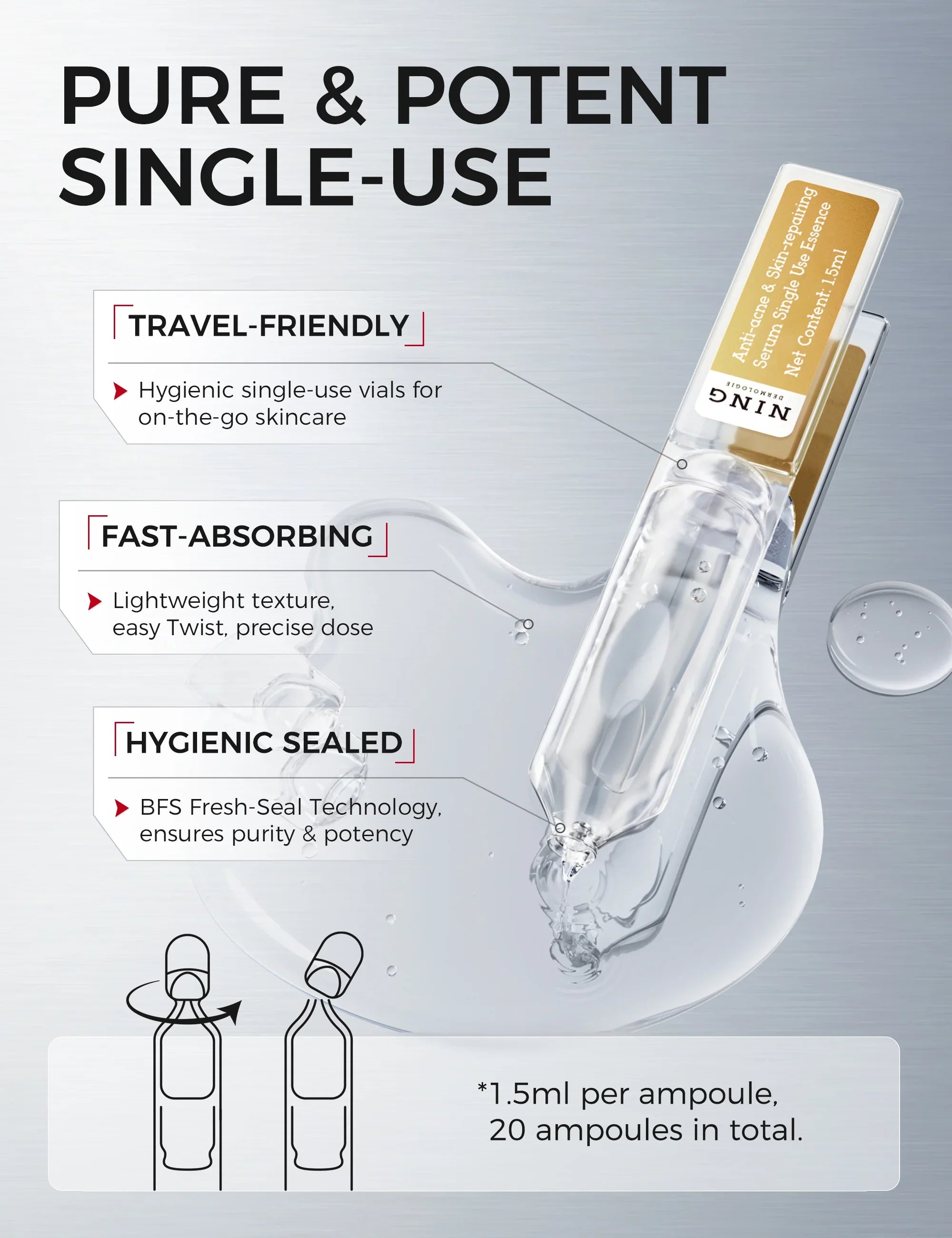
This is where NING Dermologie comes into play. I’ve been testing their Hydrating & Soothing Essence Toner as a "primer" before any SPF application. It’s not just water; it’s a buffer for your skin barrier.
If you skip this step, even the expensive La Roche-Posay HyaluB5 Hyaluronic Acid Serum or CeraVe Hydrating Hyaluronic Acid Serum might drag on your skin. The NING toner uses a blend that preps the moisture barrier, ensuring that whatever active ingredients you put on next—be it Vitamin C or Peptide-powered smoothing agents—actually penetrate rather than evaporating.
The Heavy Hitters: A No-Nonsense Comparison
There are a million options out there. I’ve categorized them based on what they actually do, not what the bottle says.
1. The Pharmacy Staples (Reliable & Cheap)
You can’t talk about this category without mentioning CeraVe Hyaluronic Acid Serum or The Ordinary Hyaluronic Acid 2% + B5 Hydration Support Formula. These are the workhorses.
- Pros: Accessible, usually fragrance-free.
- Cons: The texture can sometimes be tacky.
- Best for: Beginners who want Free shipping from Amazon and a low risk of irritation.
If you need something specifically for sensitive skin, Innisfree Green Tea Seed Hyaluronic Serum is a solid contender, though it leans more towards pure hydration than heavy protection.
2. The High-End Hybrids
If you’re willing to Spend more, brands like Medik8 Hydr8 B5 Intense and Alpha-H Hyaluronic 8 Super Serum with PrimalHyal UltraFiller are where texture gets interesting. They often include amino acids or Fermented Extract to boost cell regeneration.
- L'Oréal Revitalift Filler 1.5% Pure Hyaluronic Acid Serum bridges the gap here—it's drugstore pricing but feels high-end.
- Skinceuticals H.A. Intensifier Multi-Glycan is the gold standard if money is no object, specifically for targeting deep wrinkles.
3. The Tinted/Makeup Hybrids
For those who want to skip foundation, look for a skin tint with HA. The Super Serum Skin Tint SPF 40 is a cult favorite for a reason—it gives that dewy finish without looking oily.
Ingredients to Watch (And What They Do)
When you turn the bottle over, don’t get overwhelmed. Here is your cheat sheet:
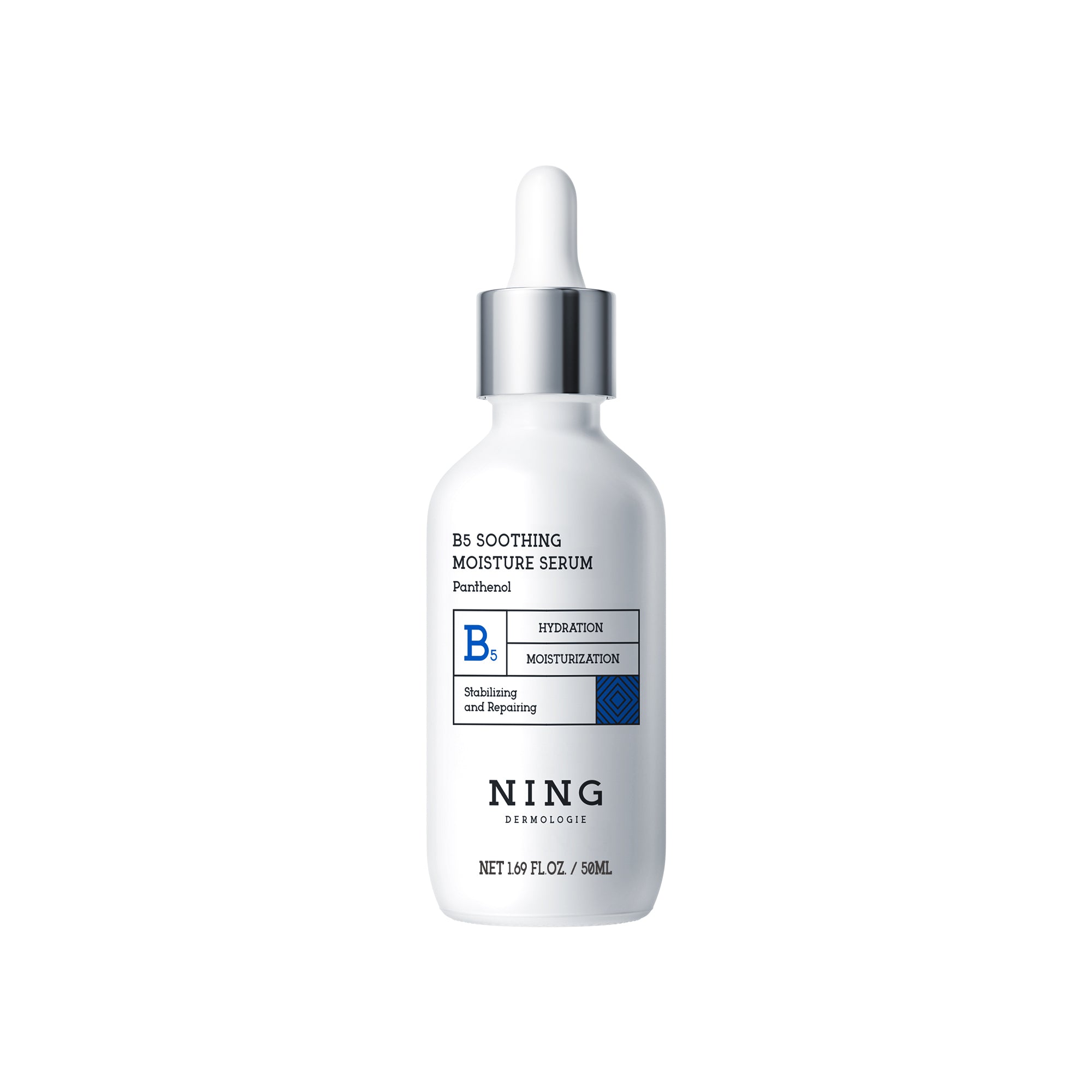
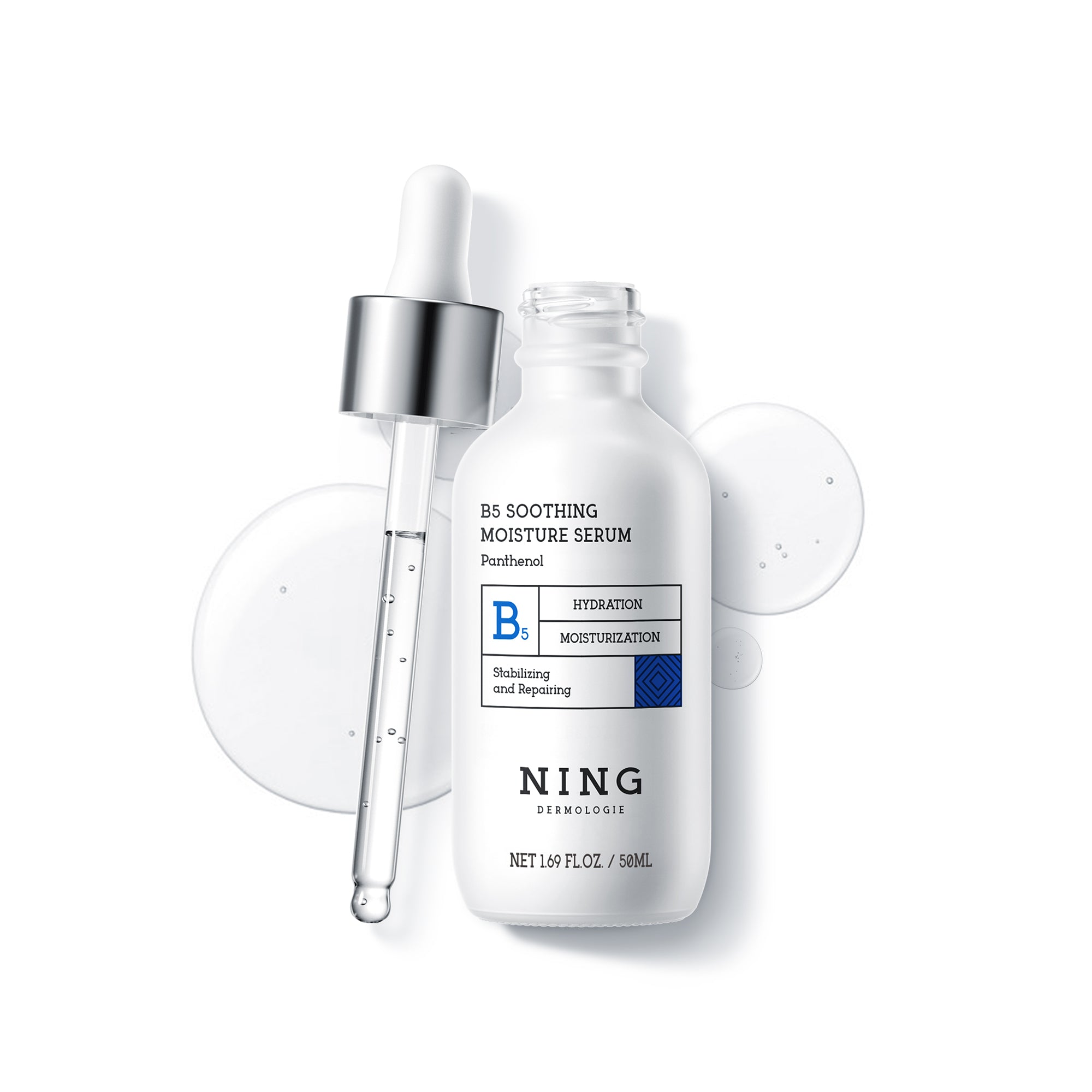
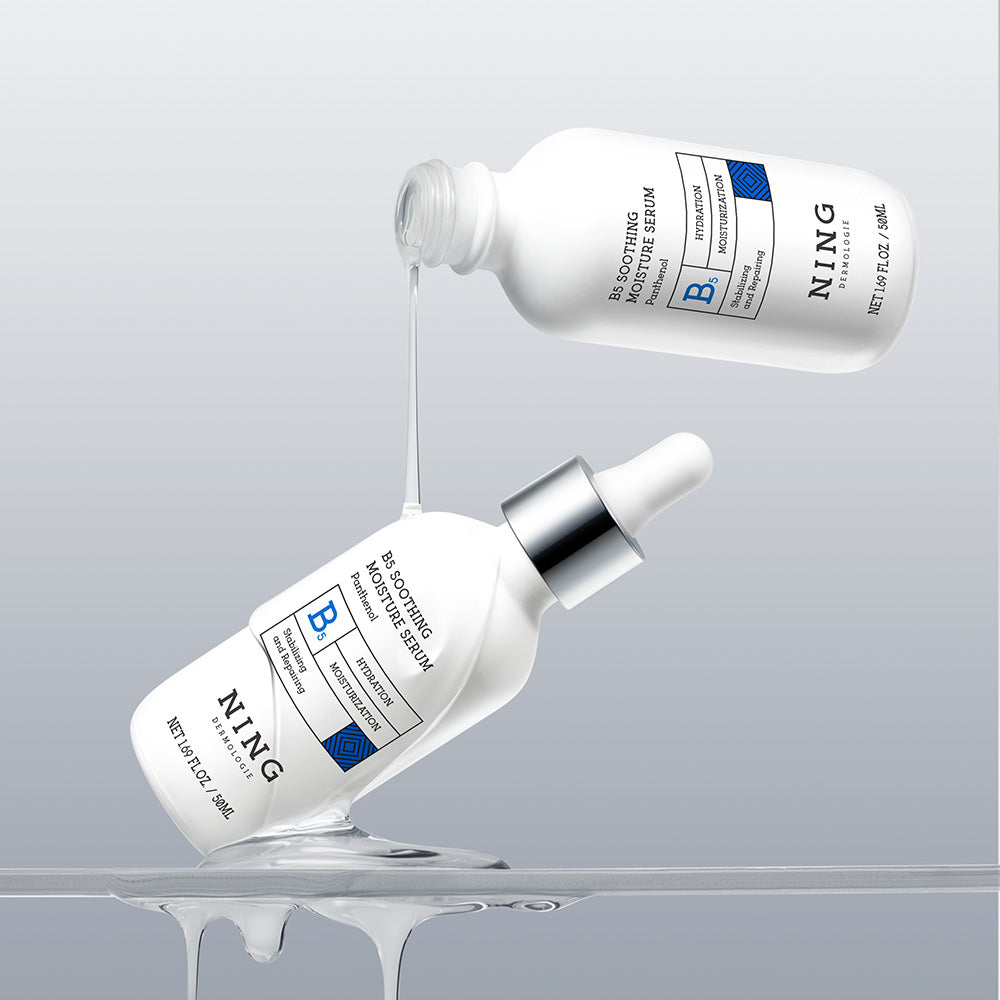
- Vitamin B5 (Panthenol) & Vitamin B: The soothing best friend of HA. Found in Medik8 Hydr8 B5 Liquid Rehydration Serum. It calms redness.
- Ascorbyl palmitate & Sodium ascorbyl phosphate: Stable forms of Vitamin C. If you want brightening, look for these.
- Camellia Sinensis (Green Tea): A massive antioxidant boost.
- Saccharide Hydrolysate: Helps with long-term hydration.
- Nasturtium Flower Extract & Red Sage Root Extract: Newer plant botanicals being used for blue light pollution protection.
- Aloe Pura / Rose Water & Glycerine: Old school, but effective for soothing.
- Sodium hydroxide: A pH adjuster. Don't be scared of it; it keeps the acid from burning your face.
- Deionized water: The base of almost every serum.
A Note on "Natural": You’ll see ingredients like Tamarind Extract, Alga Extract, or volcanic soil marketed as "nature's hyaluronic acid." They are great, but they rarely hold as much water as the lab-created Sodium Hyaluronate.
The "Blue Light" Fear-Mongering
You’ll see products labeled Blue Light Protection Hyaluronic Serum. Is it necessary? If you sit in front of a computer all day, blue light pollution can contribute to oxidative stress. However, most mineral SPF (containing Zinc or Titanium) inherently blocks visible light. You don't necessarily need a specific "blue light" serum if your SPF is solid.
How to Layer Without "Pilling"
The biggest complaint with HA serums is the "pilling" (when the product rolls off your face in little balls). This usually happens when you mix silicones with water-based serums.
The Routine That Works:
- Cleanse.
- Tone: Use NING Dermologie Hydrating & Soothing Essence Toner. (This adds the water content HA needs to grab onto).
- Treat: Apply your Naturium Quadruple Hyaluronic Acid Serum 5% or Kiehl's Ultra Pure 1.5% Hyaluronic Acid Moisture Plumping High-Potency Serum.
- Seal/Protect: If your serum has SPF (like an SPF 11 or higher—though ideally, you want SPF 30+), apply it generously.
Pro Tip: If you are using a Velá Contour device or doing facial massage, do it before the SPF step.
Beyond the Face: Don't Ignore the Rest
We focus so much on the face, but the neck and chest need love too.
- Neck: The skin here is thin. Use 111SKIN Hyaluronic Acid Aqua Booster or even a Vitamin K Cream if you have bruising or visible veins.
- Heels & Body: It sounds weird, but I use cheap HA serums mixed with Cracked Heel Skin Softener or Fast Healing Cream for my feet. It works better than urea alone.
- Chin: Using a Double Chin Face Mask or a Bio Lifting Mask+ over a layer of HA serum drives the moisture deeper.
Troubleshooting Your Shopping Cart
We’ve all been there. You’re at the checkout, looking at the Estimated Total, trying to decide if you should add a Bundled Item to hit the Free shipping threshold.
What to skip:
- Gimmicky tools that require you to "hold the button" for 10 minutes to see results (unless it's a high-end microcurrent).
- Random "miracle" goops like Blue Goo unless you have specific muscle pain—keep that away from your face.
- Generic Green Tea Serum from unknown brands that usually have a leakage issue in shipping.
What to add:
- Mimetique Skin Revive Serum (underrated).
- NMF Hyaluronic Serum® (NMF stands for Natural Moisturizing Factors—essential for barrier health).
A Note on Sustainability and Accounts
When buying, check if the brand has a recycling program. Many companies now allow you to send back empties. Also, actually do the Account Sign In. I know, it’s annoying to have another password, but the Rewards program points for brands like NING or CeraVe actually add up to free products eventually.
Verdict: Do You Need It?
If you are a skincare minimalist, a Hydrating Hyaluronic Acid Serum with SPF is a staple. It cuts your routine in half. But, if you are planning to bake in the sun, relying solely on a thin layer of CeraVe Hydrating Sheer Sunscreen or a serum hybrid isn't enough. You need coverage.
For the daily office grind? It’s perfect. Just remember to hydrate underneath.

Frequently Asked Questions (FAQ)
1. Can I use Hyaluronic Acid with Vitamin C?
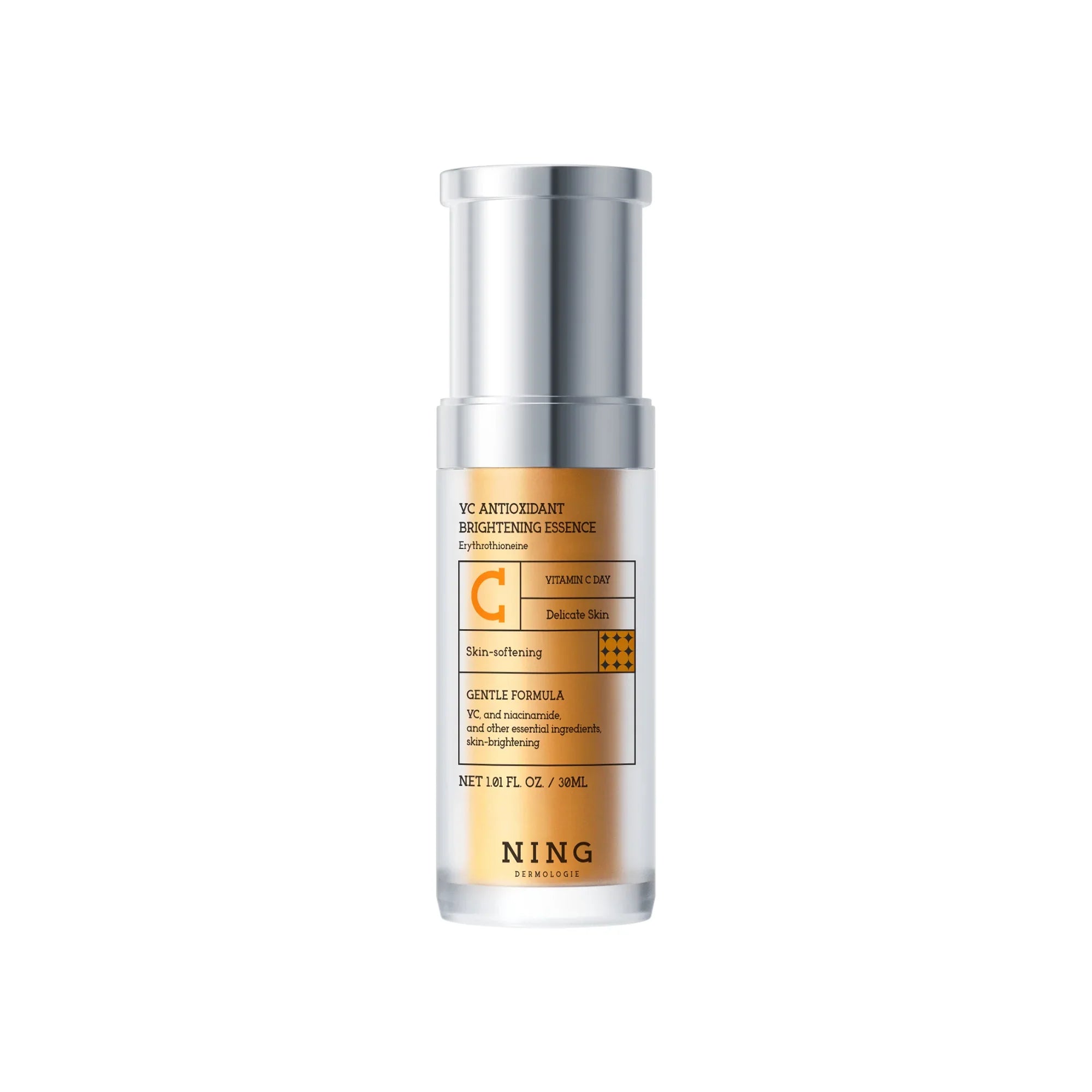
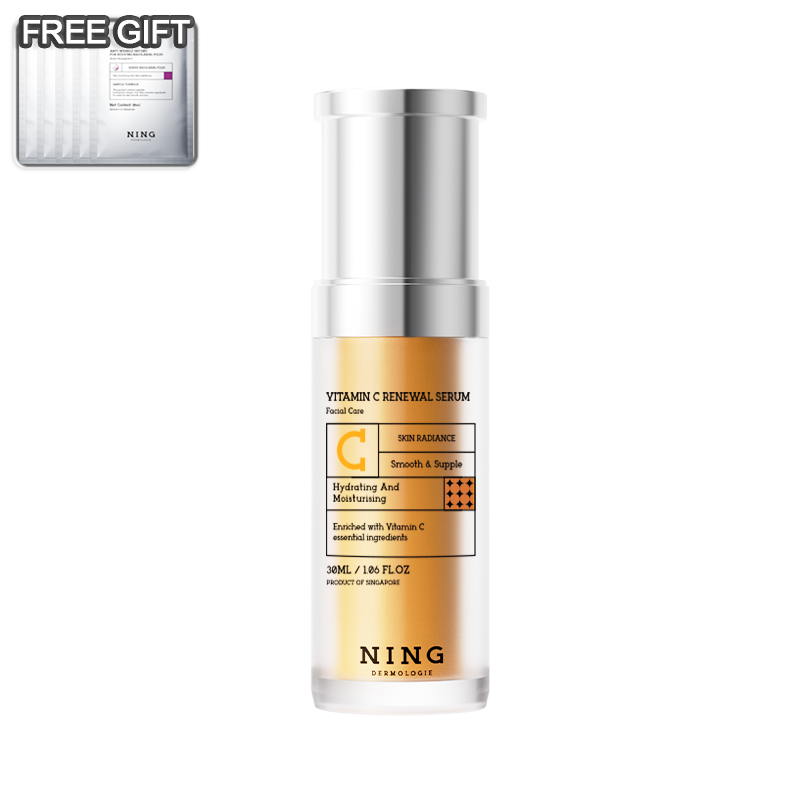
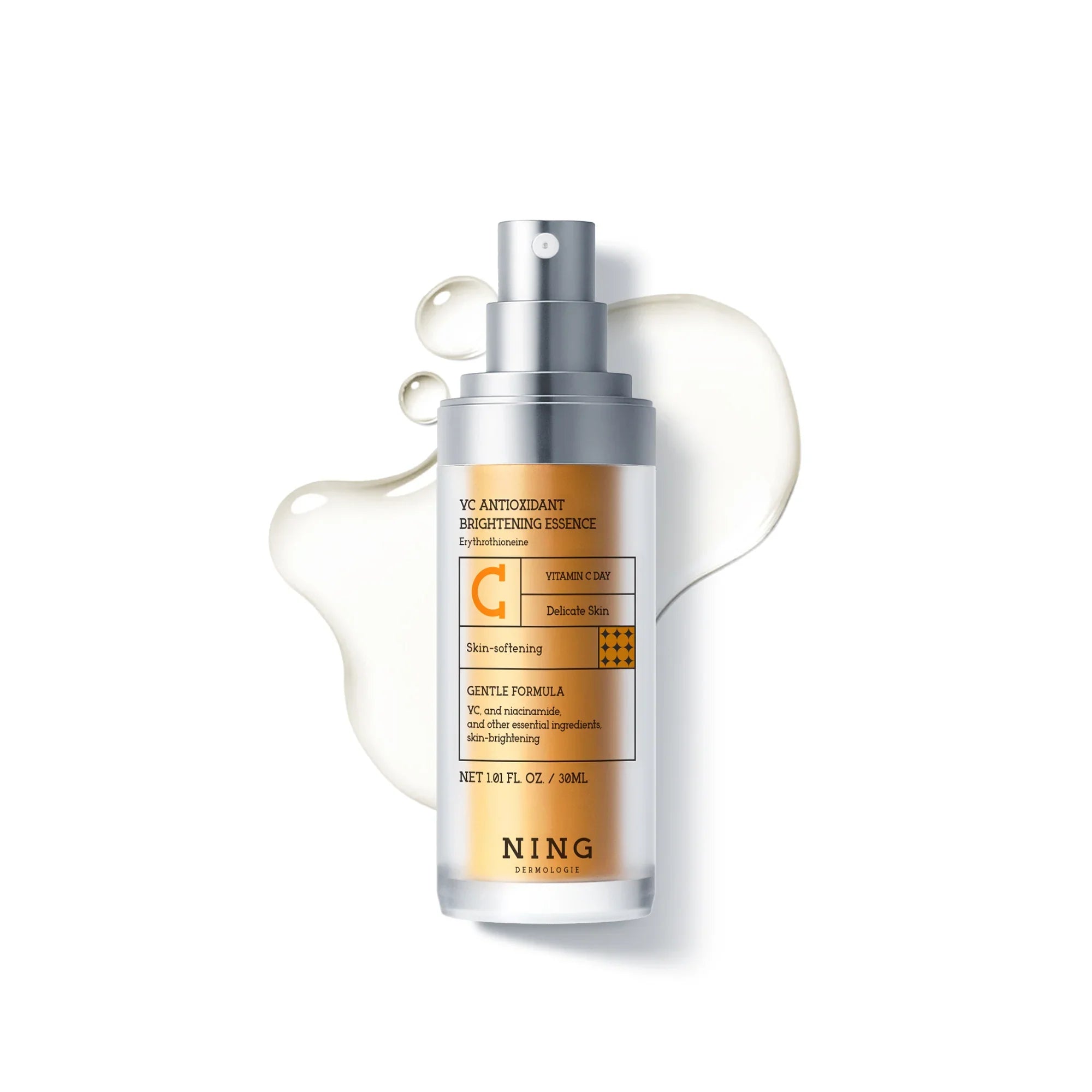
Absolutely. In fact, they are a power couple. Vitamin C defends against free radicals, while HA hydrates. Apply your Vitamin C first on dry skin, let it absorb, then mist with NING Dermologie Essence Toner, and follow with your HA serum.
2. Is a serum with SPF 11 or SPF 15 enough?
Honestly? No. Dermatologists recommend at least SPF 30. If your serum only offers SPF 11, think of it as "bonus" protection, not your shield. You should layer a dedicated sunscreen on top or choose a product specifically labeled SPF 30+.
3. Why does my serum feel sticky?
You likely used too much or didn't have enough water on your skin first. HA acts like a magnet for moisture. If the air is dry and your skin is dry, it gets tacky. Splash some water or Rose Water & Glycerine on your face before applying to fix the texture.
4. Does Hyaluronic Acid expire?
Yes. Look for the little jar icon on the back. Usually, it's 6 to 12 months. If the color changes (especially if it has Vitamin C) or it smells funky, toss it. Don't risk a leakage issue or bacterial growth—your skin barrier isn't worth saving $20.
5. Is expensive HA (like 111SKIN) better than cheap HA (like The Ordinary)?
Not always. The molecule is the same. The difference is usually the "elegance" of the formula—how it sits on the skin and what else is added (like peptides or Vitamin B5). If you just want hydration, the budget options work perfectly fine.





Share:
Step-by-step guide to ordering hyaluronic acid serum online safely
How to identify authentic hyaluronic acid serums from counterfeit ones?