

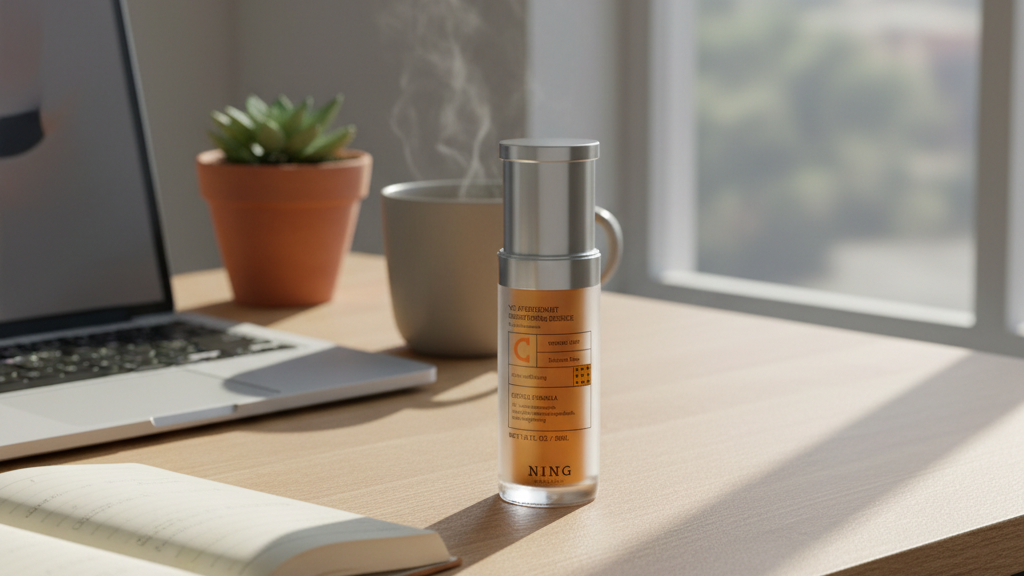

Finding the Right Glow: A Real-World Guide to Dermatologist-Recommended Vitamin C Serums for Sensitive Skin
If you have sensitive or reactive skin, the quest for the best vitamin c serum usually starts with a bit of anxiety. You’ve probably heard the horror stories: the stinging, the "orange-peel" texture, or the dreaded breakout that leaves skin feeling worse than before you started.
But here is the truth: Vitamin C is non-negotiable for overall skin health. It’s the gold standard for anyone looking to neutralize free radicals, even skin tone, and stimulate skin firmness. The challenge isn't whether you should use it—it's finding a vitamin c product that won't harm your skin in the process.

Why Sensitive Skin Struggles with "Pure Vitamin C"
Most "best-seller" lists are topped by Skinceuticals C E Ferulic. While it is an iconic antioxidant like vitamin c combined with vitamin e, its high concentration of vitamin c (pure L-ascorbic acid) requires a very low pH to penetrate the skin deeply. For dry or sensitive skin, that acidity is often the primary trigger for irritated skin.
When choosing a vitamin c serum, you have to look beyond the marketing. Dermatologists often suggest that if you've never used a vitamin c or if your skin easily turns red, you should pivot toward vitamin c derivatives. These derivatives of vitamin c are more stable, less acidic, and much more suitable for sensitive skin.
What to Look for in a Vitamin C Serum (The Sensitive Skin Checklist)
Before you hit "buy" on the best drugstore option, check the label for these specific traits that keep skin balanced:
1. The Form of Vitamin C Matters
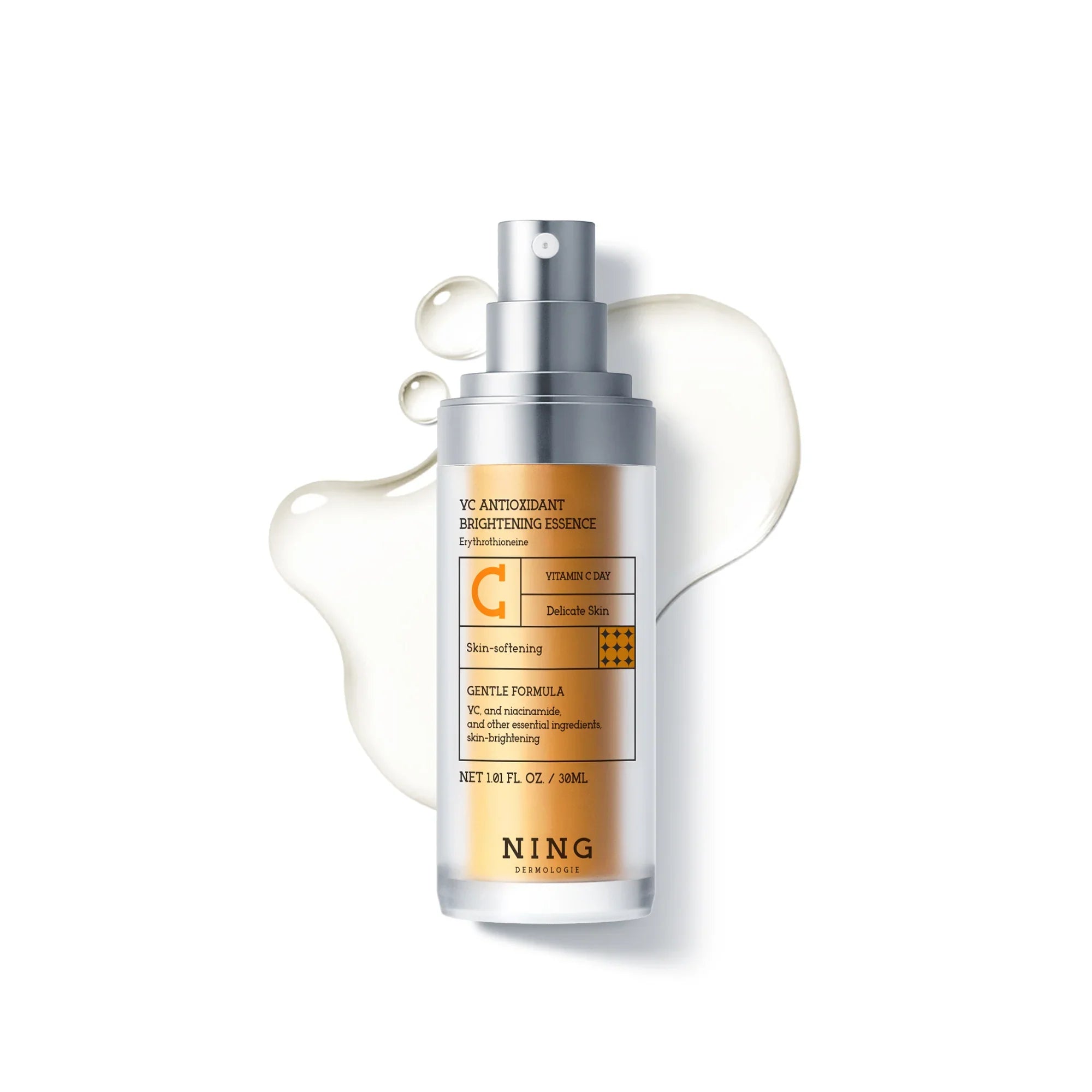
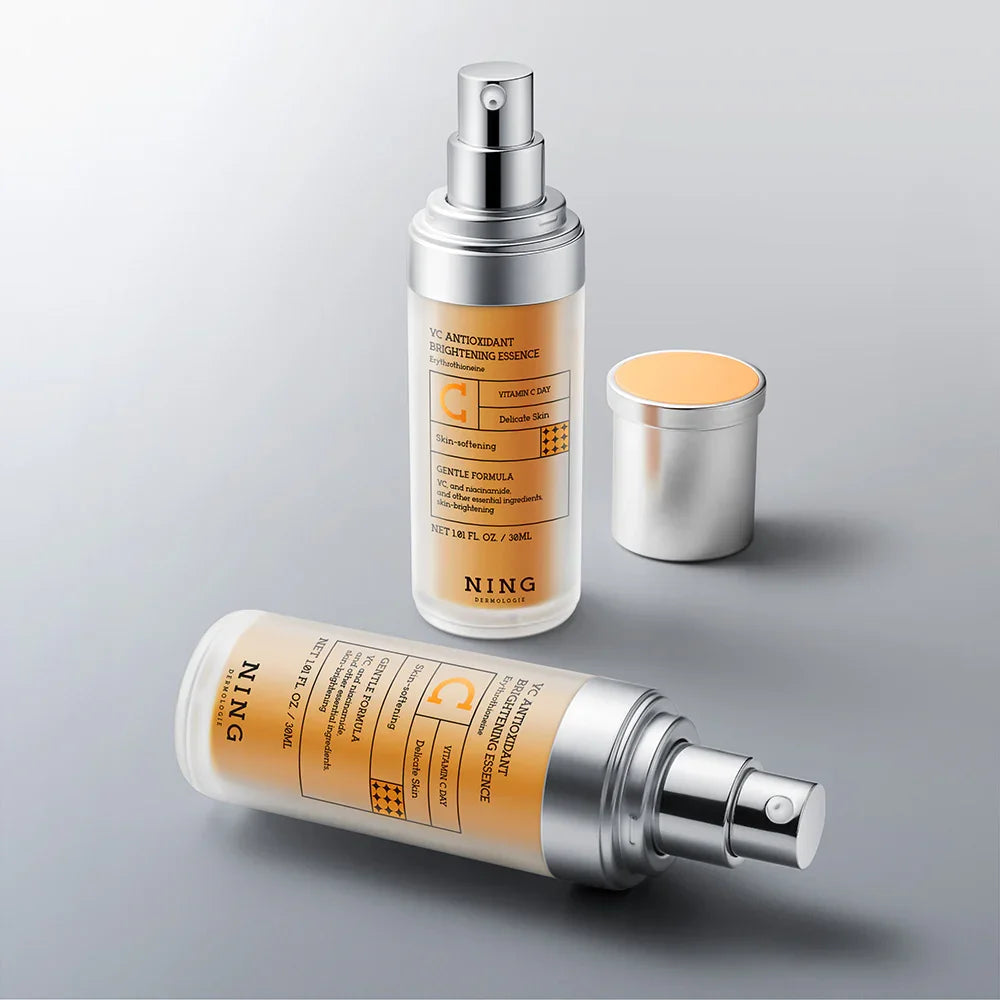
Instead of pure L-ascorbic acid, look for Sodium Ascorbyl Phosphate or 3-O-Ethyl Ascorbic Acid. The latter is a powerhouse in the NING Dermologie Vitamin C Serum. It offers the brightening vitamin c benefits without the volatile pH requirements of its predecessors.
2. Soothing Supporting Actors
The best vitamin c serum isn't a solo act. It should be a super serum that includes:
- Hyaluronic Acid: To prevent the "tight" feeling and keep skin remains hydrated.
- Vitamin B5: Essential for repairing the skin barrier.
- Vitamin E & Ferulic Serum: These work synergistically with C to boost the antioxidant like vitamin c effect.
3. Concentration Levels
While some brands boast a 20% concentration of vitamin c, sensitive skin often thrives at 10% or via a stable derivative. Higher isn’t better if it results in irritated skin.
Where Can You Actually Find These Dermatologist-Recommended Serums?
Professional Dermatology Clinics
The most reliable place to find a face serum tailored to sensitive or reactive skin is through a dermatologist. They often carry "medical-grade" lines. However, these can be prohibitively expensive.
Specialized Online Boutiques (The "NING" Approach)
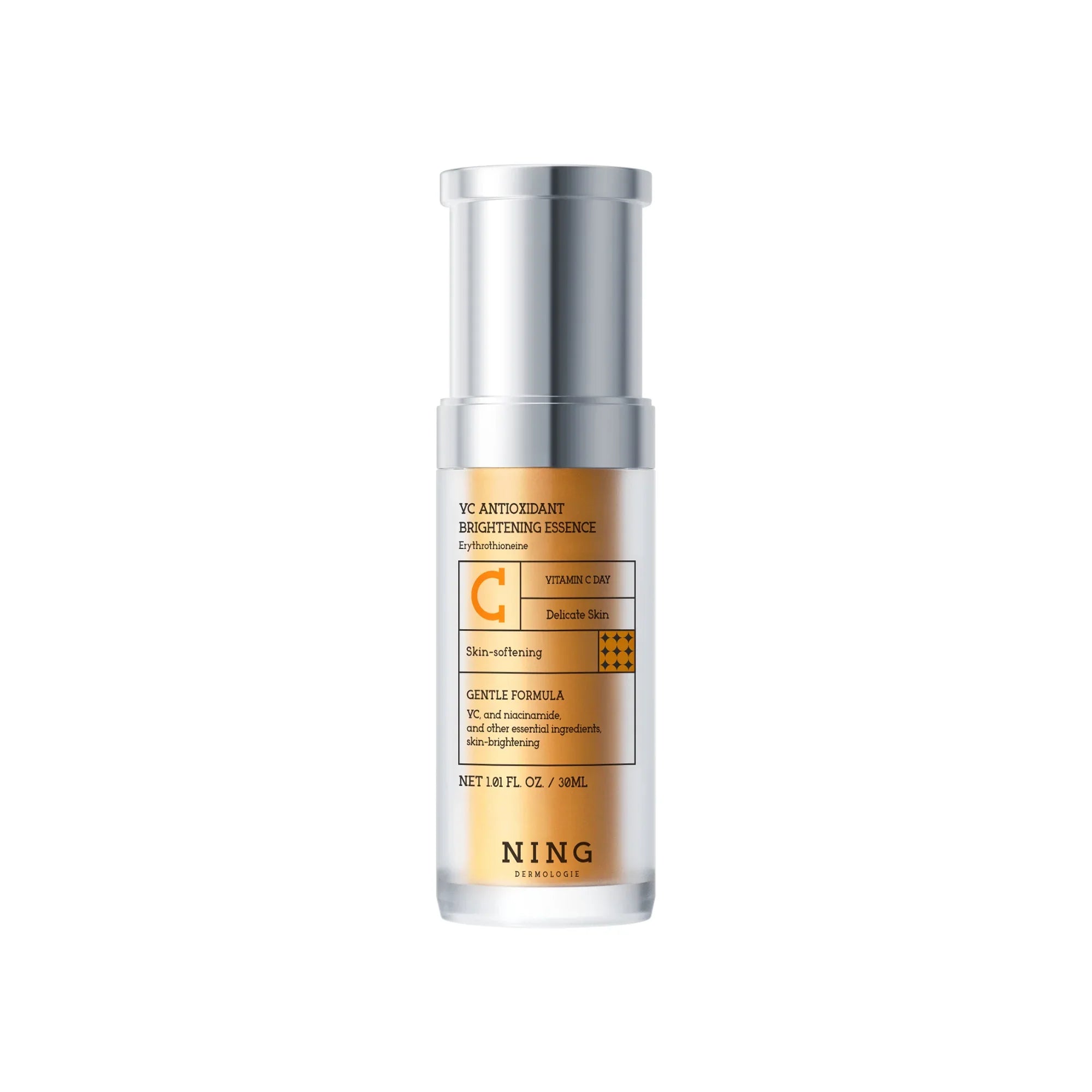
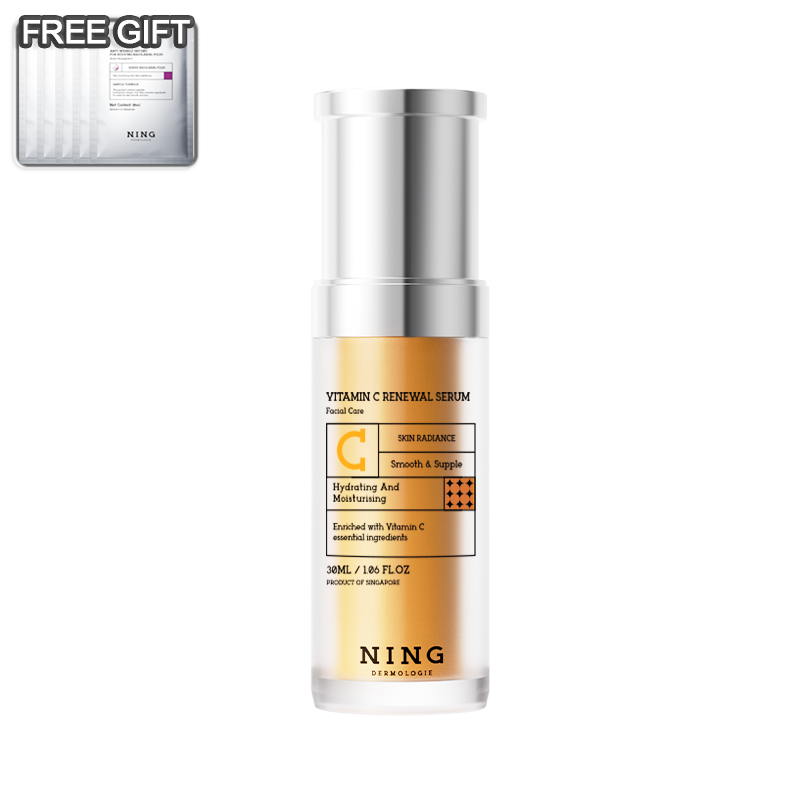
At NING Dermologie, we realized that the gap between "effective" and "gentle" was too wide. Our Vitamin C Serum was formulated specifically for those who skin that reacts poorly to traditional formulas. By combining Ethyl Ascorbic Acid with Niacinamide, we created a brightening serum that manages uneven skin tone while actively calming acne-prone skin. You can find our specific Vitamin C Serum with Niacinamide here.
Trusted Retailers: La Roche-Posay and TruSkin
If you are looking for best drugstore accessibility, La Roche-Posay Vitamin C is a frequent recommendation. It’s a gentle vitamin c formulated with neurosensine to help with skin health. Similarly, TruSkin Vitamin C has gained a massive following because it uses a sodium ascorbyl phosphate base, which is generally best for sensitive skin.
How to Use Vitamin C Serum Without the Burn
Even with a recommended by dermatologists product, your skin needs a slow introduction.
-
The Patch Test: Apply a small amount to your jawline. If within the skin you feel no burning after 24 hours, you’re good to go.
-
Vitamin C in the Morning: Use your vitamin c facial serum in the AM. It helps neutralize free radicals from UV rays and pollution throughout the day.
-
Apply Vitamin C Serum to Clean Skin: Always apply vitamin c serum after cleansing but before your heavier serum for dry skin or moisturizer.
-
Wait for the "Dry Down": Let the serum for face absorb completely. When it leaves skin feeling tacky, wait 60 seconds before layering.
Addressing Every Skin Type
- Oily Skin: Look for a brightening serum that is water-based to avoid clogging pores.
- Dry Skin: A serum for dry skin should be loaded with hyaluronic acid or oils to ensure skin looks brighter but stays supple.
- Combination Skin: You may want to focus the topical vitamin c on the areas with uneven skin tone and pigmentation.
When you've started using this serum (the right one, that is), you'll notice that your overall skin tone begins to shift. It’s not an overnight miracle, but as long as your skin stays calm, the results will accumulate. Vitamin c helps build collagen over time, meaning skin firmness improves alongside that coveted glow.

The NING Dermologie Difference: Why Our Serum Stands Out
We designed our Vitamin C Serum to be the best vitamin c option for the modern, busy individual with sensitive skin. We’ve removed the common irritants and focused on a formula that makes skin feel resilient. By including hyaluronic acid and niacinamide, we ensure that while the vitamin c is best at work, your skin remains hydrated and the skin barrier stays intact.
Whether you are dealing with acne-prone skin or just a skin type that is perpetually "fussy," the goal is the same: even out skin tone without the drama.
Frequently Asked Questions (FAQ)
1. Is it okay to use Vitamin C serum every day on sensitive skin?
Yes, but you should "low and slow." Start by using your vitamin c product three times a week. If your skin remains calm after two weeks, you can move to daily use in the morning. Always monitor for signs of irritated skin, such as redness or stinging, and scale back if the skin barrier seems compromised.
2. Can I use Vitamin C with Niacinamide?
Absolutely. In fact, our NING Dermologie Vitamin C Serum combines them. While old school skin care myths suggested they cancel each other out, modern chemistry shows they are a power duo for uneven skin tone and overall skin health. Niacinamide actually helps soothe sensitive or reactive skin while the C brightens.
3. Why does my Vitamin C serum turn orange or brown?
That is oxidation. When pure vitamin c (L-ascorbic acid) is exposed to light and air, it loses its ability to neutralize free radicals and can actually harm your skin. This is why derivatives of vitamin c, like the ones used in NING Dermologie, are superior for longevity—they are much more stable and won't oxidize as quickly.
4. Should I use Vitamin C in the morning or at night?
Dermatologists generally recommend vitamin c in the morning. Because vitamin c helps defend against environmental damage and free radicals caused by UV exposure, it acts as a secondary shield underneath your sunscreen. Using it in the AM ensures your skin looks brighter and stays protected throughout your daily routine.
5. What is the best form of Vitamin C for someone with very dry skin?
For dry or sensitive skin, avoid high-alcohol formulas. Look for a serum for dry skin that utilizes Sodium Ascorbyl Phosphate or Ethyl Ascorbic Acid blended with hyaluronic acid. This ensures the vitamin c serum for dry skin provides the necessary antioxidants like vitamin C without stripping the natural oils that keep your skin balanced.





Share:
What vitamin C serums are best for reducing facial hyperpigmentation?
Where can I find vitamin C serums with natural or organic ingredients for the face?