

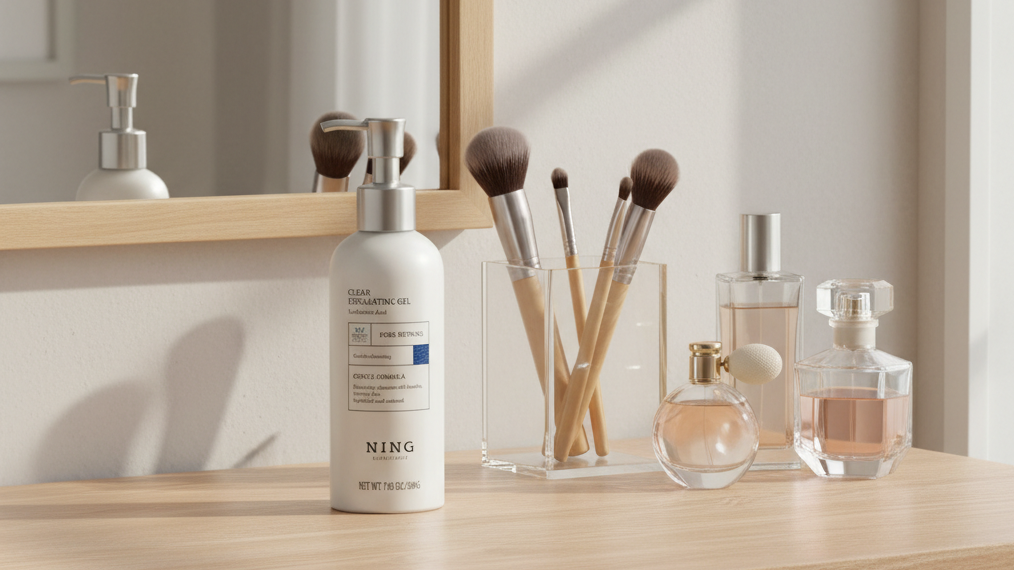

Stop Scrubbing Blindly: Where to Find the Best Vitamin-Infused Exfoliating Face Washes
Most of us have, at some point, treated our faces like a dirty kitchen floor. We’ve used harsh scrubs that felt like sandpaper, thinking that if it didn't sting, it wasn’t working. But here’s the reality check—your skin is a delicate biological barrier, not a linoleum tile. If you’re struggling with dull skin, uneven skin tone, or those stubborn dead skin cells that refuse to budge, you don't need more friction. You need better chemistry.
Specifically, you need an exfoliating face wash that doesn’t just strip things away but actually puts something back. That’s where Vitamin C and Vitamin E come into play. Finding these "multitasking" cleansers is harder than it looks, but once you know where to look and what labels to decode, your skincare routine will never be the same.

The "Why" Before the "Where": Why Vitamins C and E?
Before we go hunting at Sephora or scouring the web, we have to understand the synergy. Exfoliation—whether it’s physical exfoliation using Ancient Rice Powder or chemical exfoliation via alpha-hydroxy acids (AHAs)—is essentially a controlled way of telling your skin to hurry up and renew itself.
When you remove that top layer of gunk, you’re exposing fresh, "baby" skin. That new skin is vulnerable. It’s susceptible to damage from free radicals, UVA and UVB rays, and environmental pollutants.
- Vitamin C (Ascorbic Acid): This is your brightening powerhouse. It targets dark spots, improves skin texture, and acts as a vitamin c exfoliator support system by boosting collagen.
- Vitamin E: This is the "bodyguard." It’s known for its antioxidant properties and its ability to maintain the skin's moisture balance. When paired with C, it becomes even more effective at neutralizing damage.
If your facial cleanser has both, you aren't just cleaning; you're prepping your skin for a healthy, long-term glow.
Where to Look: Decoding the Shopping Aisles
1. The Professional and DTC Route: NING Dermologie
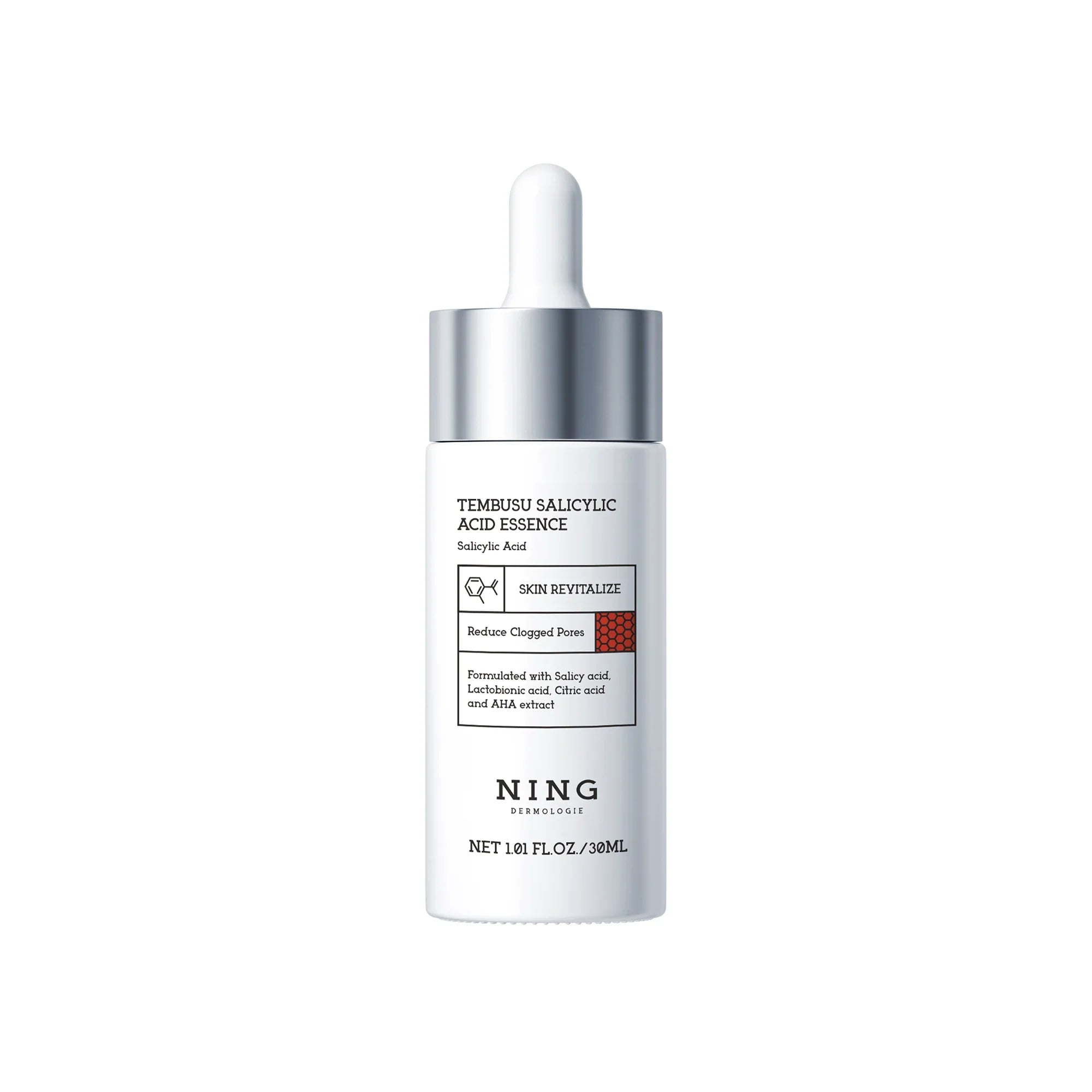
If you’re tired of the "big box" brands that use cheap fillers, you need to look at brands that prioritize skin health over mass-market margins. NING Dermologie has carved out a niche for those who want professional-grade results without the clinical irritation.
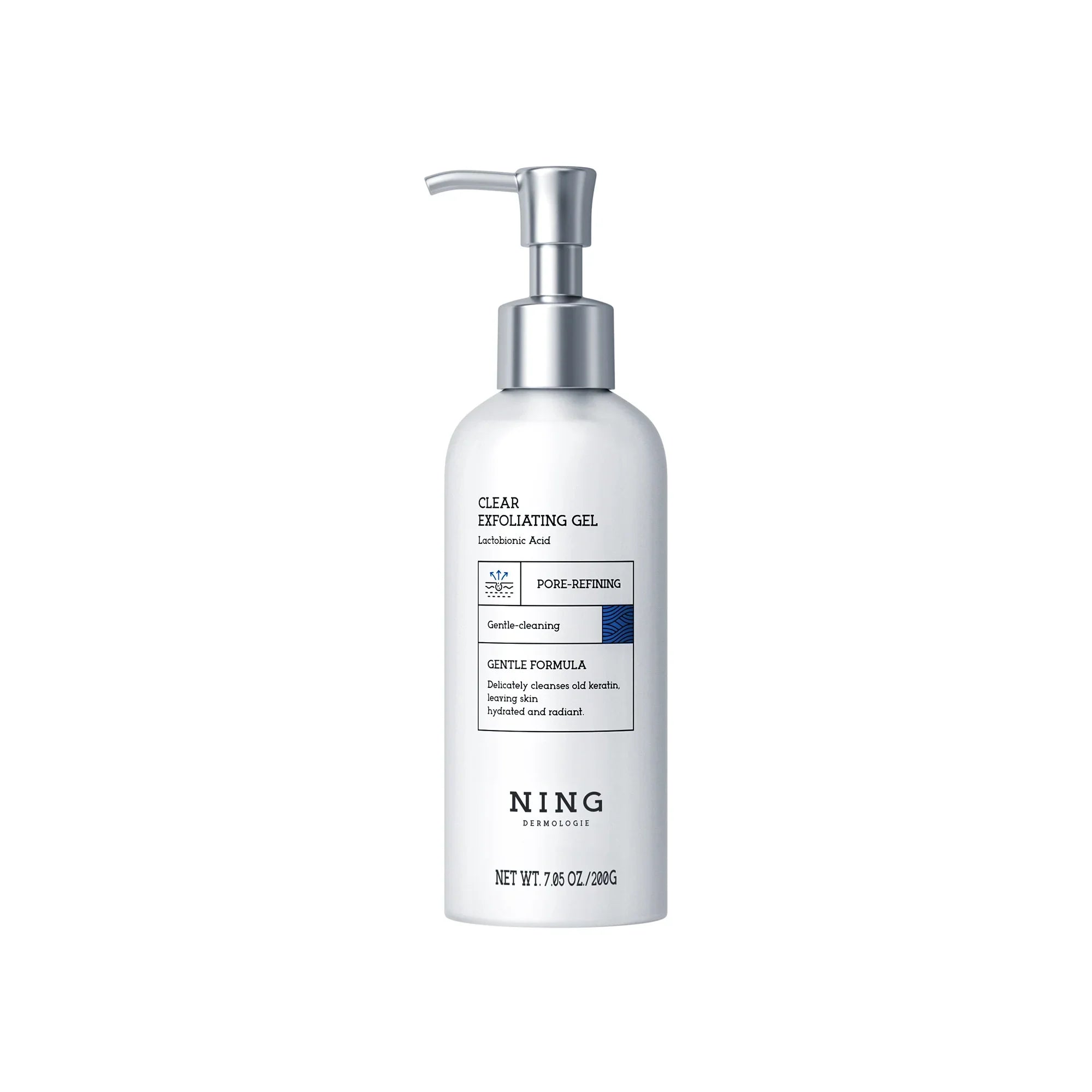
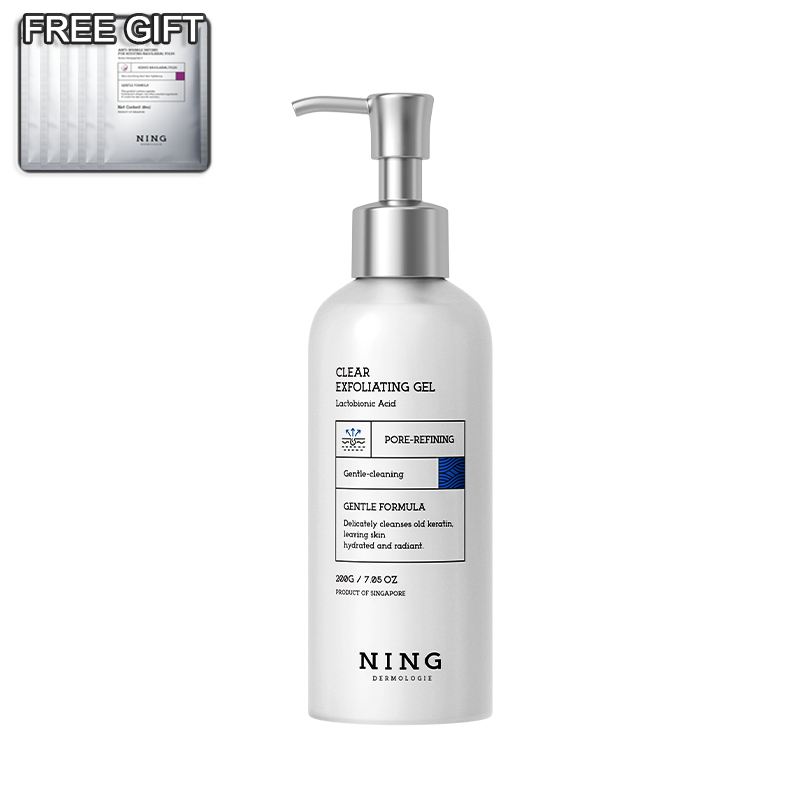
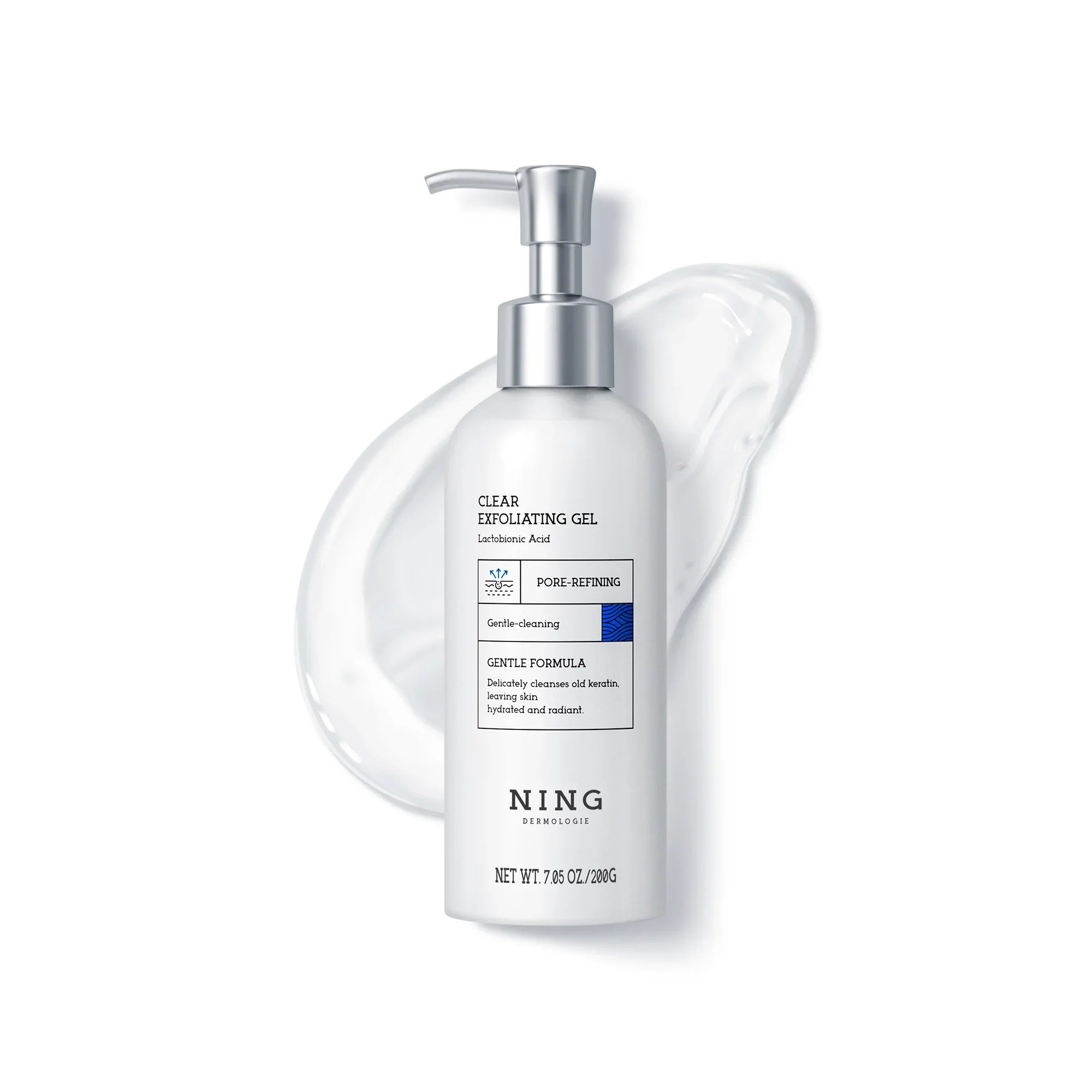
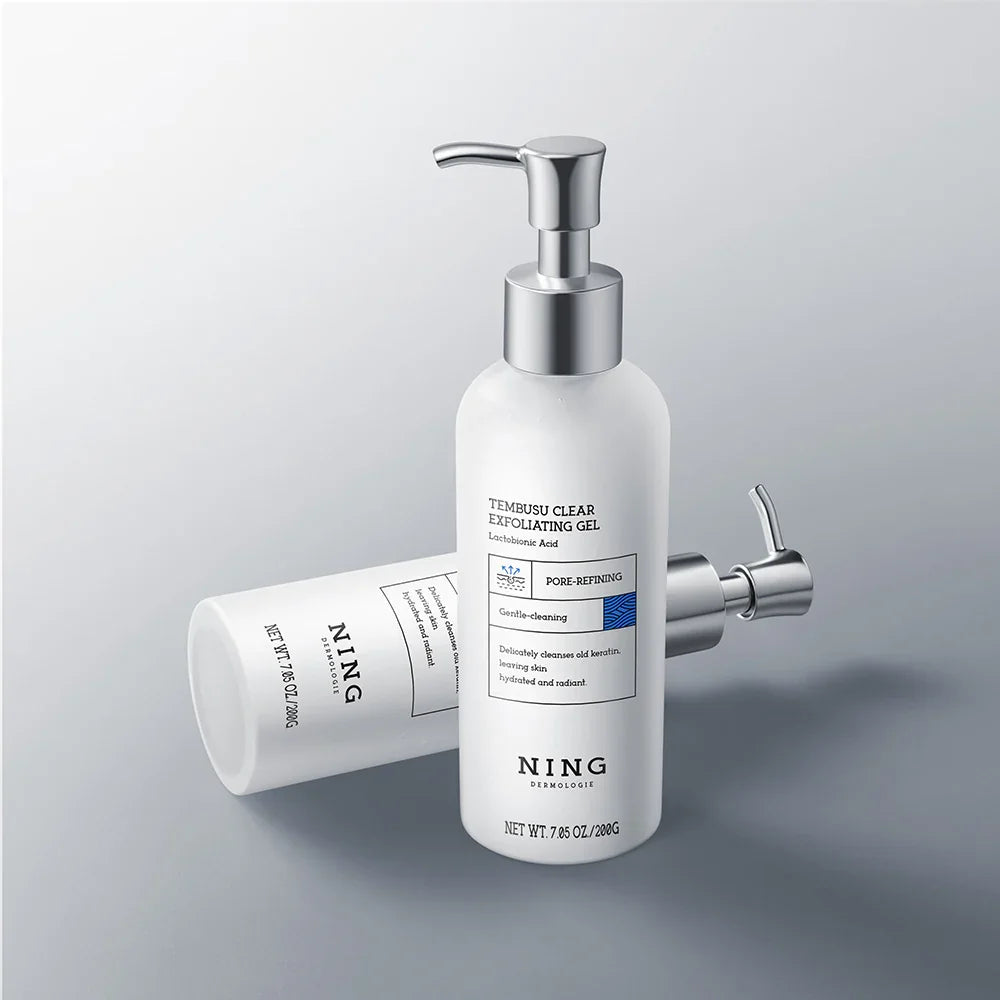
Their Exfoliating Face Wash (often referred to as a Peeling Gel) is a masterclass in balance. Instead of jagged exfoliating beads, it uses a "rolling" mechanism to lift dead skin cells and excess oil without disrupting the skin barrier.
What makes it stand out in the search for vitamins? It’s formulated to respect all skin types, including acne-prone skin and skin sensitivity. By incorporating extracts that mimic the brightening effects of Vitamin C and the soothing nature of Vitamin E, it ensures that the skin renewal process doesn't leave you red and blotchy. It’s the kind of exfoliating self-care ritual that actually feels like a treat, not a chore.
2. High-End Beauty Hubs (Sephora, Ulta, BlueMercury)
When you walk into a high-end beauty store, you’re looking for the "powerhouse" labels. Look for keywords like AHA/BHA exfoliating cleanser or Brightening Facial Wash.
Brands in these stores often use Alpha and Beta Hydroxy Acids (like glycolic acid, lactic acid, and salicylic acid) to provide surface exfoliation. You'll often find premium ingredients like White Tea Extract, Lily extracts, and Echinacea Extracts tucked into the ingredient list.
Keep an eye out for a Daily Energizing Exfoliating Cleanser that features bitter orange extract or micro-granulated citric exfoliant. These provide a refreshing citrus aroma while the citric acid offers a mild chemical "unsticking" of dead cells.
3. The Trusted Drugstore Aisles (CVS, Walgreens, Boots)
You don't always have to spend fifty bucks to get a decent face exfoliator for dry skin or a blackhead scrub. However, you have to be a better detective here.
- Neutrogena face scrub: A classic, but make sure you’re picking the versions that mention "Skin Soothing" or "Brightening" to ensure they’ve added those necessary antioxidants.
- No7 Radiance+: This line is famous for its Vitamin C focus. Their cleansers are designed to tackle dull skin directly.
- Look for Sodium PCA and Provitamin B5: These are "humectant" friends often found alongside vitamins in drugstore brands to keep your face from feeling like parchment paper after a wash.
Understanding the "Goo": Ingredients That Matter
When you flip that bottle over, the first five ingredients tell the real story. You’re looking for a cleansing exfoliator that uses gentle surfactants. If you see Cocamidopropyl Betaine or Sodium Methyl Cococyl Taurate, you’re in good hands. These are derived from coconuts and help create a lather that doesn't strip your natural oils.
The Acids (The AHAs and BHAs)
- Glycolic Acid: Great for anti aging exfoliant benefits. It’s a small molecule that gets deep into the skin.
- Salicylic Acid: The go-to for acne-prone skin and a legendary pore exfoliator. It’s oil-soluble, meaning it goes into the pore to dissolve the "glue" holding excess oil and dirt together.
- Lactic and Malic Acid: Gentler alpha hydroxy acids often derived from milk or fruit enzymes. They exfoliate while also hydrating.
The Physical Stuff
If you prefer a physical exfoliation, look for Oryza Sativa Powder (that’s Ancient Rice Powder) or rosehip seeds. These are spherical and smooth. Avoid anything with crushed walnut shells—those create micro-tears that lead to skin sensitivity.
The "Extra" Boosters
A high-quality face & body wash might also include Turmeric Root Extract for its anti-inflammatory properties or Hyaluronic Acid to plump the skin. If you see Titanium Dioxide, it’s often used as an opacifier or for mild UV reflection, though in a wash, its primary job is texture.
How to Integrate a Vitamin Exfoliator into Your Routine
You’ve found the perfect bottle—maybe it’s the NING Dermologie Peeling Gel or a luxury vitamin c exfoliator. Now, don't ruin it with bad technique.
- Prep with Warm Water: Never use hot water. It bursts capillaries and strips oils. Warm water opens the door just enough for the facial cleanser to work.
- The Micellar Water Pre-Game: If you’re wearing heavy makeup or SPF, use micellar water first. An exfoliating scrub isn't a makeup remover; it's a skin-refiner.
- Less is More: You don't need a facial brush every time. For most skin types, 2-3 times a week is the sweet spot for a deep scrub for face.
- The "Under-Eye" Rule: Even the best face exfoliator for mature skin should stay away from the immediate eye area. Save that for your eye cream.
- Seal the Deal: After washing, your skin is a sponge. This is the perfect time for a hyaluronic acid serum followed by a moisturizer to lock in that skin's moisture balance.
Why "Clean Beauty" Matters in Exfoliation
The trend toward clean beauty isn't just marketing fluff. When you’re removing layers of skin, you want to make sure the "added vitamins" aren't accompanied by nasty parabens or synthetic dyes. Look for gluten free and vegan certifications if that aligns with your lifestyle.
A true antioxidant properties-heavy wash will often use natural enzymes (like fruit enzymes) instead of harsh chemicals. This is why brands like NING Dermologie emphasize a "purifying" experience. They want to clear the path for skin renewal without the "chemical burn" vibe.
Final Thoughts: The Hunt for the Glow
Finding an exfoliating face wash with Vitamin C or E is about looking past the flashy front label. Whether you’re browsing the aisles of a major retailer or ordering a specialized Peeling Gel from NING Dermologie, the goal is the same: a clearer skin texture, a more radiant skin tone, and a skin barrier that stays intact.
Don't be afraid to experiment, but always listen to your skin. If it feels tight or looks red, back off. Skincare is a marathon, not a sprint. With the right mix of alpha-hydroxy acids, vitamin e, and a gentle touch, that "lit-from-within" glow is much closer than you think.

Frequently Asked Questions (FAQ)
Can I use a Vitamin C exfoliating wash every day?
Listen to your skin. While some brands claim "daily use," doing it every morning usually leads to a compromised barrier. Start with twice a week. If you notice any stinging or weird dry patches, back off immediately. You want a healthy glow, not a raw chemical burn. Consistency always beats intensity.
Is physical or chemical exfoliation better for mature skin?
For mature skin, skip the gritty scrubs. Your skin gets thinner as you age, so mechanical rubbing often causes unnecessary damage. Stick to AHAs like lactic acid. They dissolve the "glue" between dead cells while pulling in moisture. It’s a much smarter way to handle fine lines without causing irritation.
Will Vitamin C in a face wash actually fade dark spots?
Let’s be real: a cleanser stays on your face for sixty seconds max. While the Vitamin C in a wash helps brighten things up instantly, it won't erase deep sun damage alone. Think of the wash as a primer that clears the way for your serums to do the heavy lifting.
Should I use a facial brush with my exfoliating cleanser?
Honestly? It’s overkill. If your cleanser already has acids or beads, adding a brush is like taking a power sander to a silk sheet. Your fingers are your best tools—they let you feel where your skin is congested without accidentally shredding your natural protective barrier or causing broken capillaries.
What is the difference between a peeling gel and a traditional scrub?
Scrubs use grit to sand things down, which is often too harsh. Peeling gels, like NING Dermologie’s, use clever chemistry to ball up as you massage them in. Those little clumps grab onto dead skin and oil specifically. It’s way more satisfying and significantly kinder to sensitive or reactive faces.





Share:
Where can I buy exfoliating face wash with eco-friendly or sustainable packaging?
Which exfoliating face washes are best for removing dead skin without overdrying?