

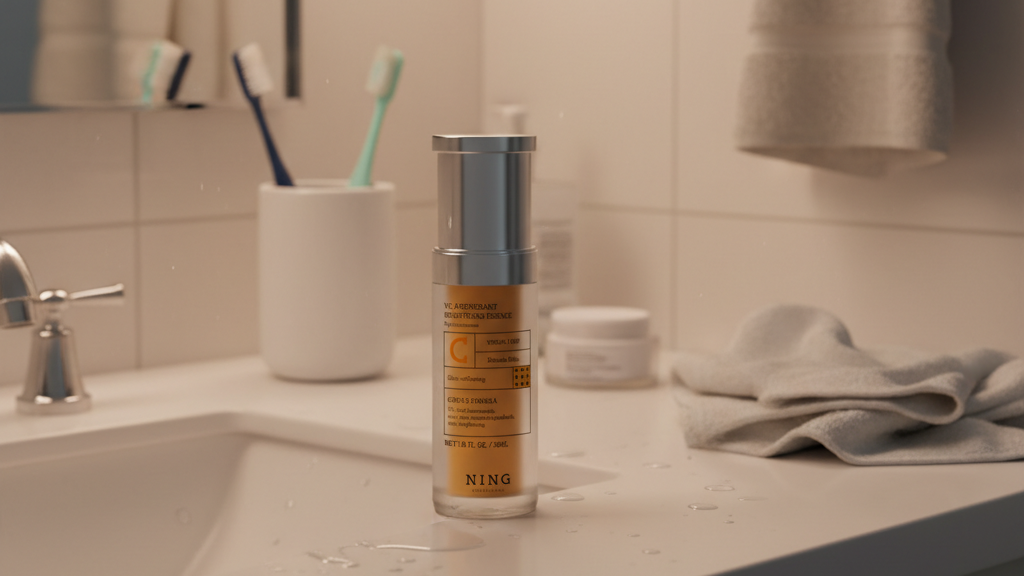

The Great Glow Debate: Why Your Sensitive Skin Might Hate Pure Vitamin C (and What to Use Instead)
You see a glowing review for a "holy grail" best vitamin c serum, you buy it, apply it with high hopes, and—twenty minutes later—your face feels like it’s been slapped by a spicy nettle. If you have sensitive skin, the traditional skin care narrative around topical vitamin c can be frustratingly exclusionary.
The truth is, vitamin c is a potent antioxidant, but in its purest form (l-ascorbic acid serum), it’s often too aggressive for a reactive skin barrier. Today, we’re stripping back the marketing jargon to find out which antioxidant like vitamin c actually work best for you, and how to improve skin texture without the dreaded "VC sting."

Why "Pure" Vitamin C Isn't Always the Best for Your Skin
When a dermatologist talks about the benefit of vitamin c, they are usually referring to L-Ascorbic Acid. It’s the gold standard for neutralizing free radical damage and boosting collagen. However, for it to actually penetrate your skin texture and tone, it requires a very low (acidic) pH, usually around 2.5 to 3.5.
For normal skin, this is fine. For sensitive skin, this acidic environment is an invitation for inflammation in the skin. This is why that expensive e ferulic acid serum everyone raves about might leave you red and peeling. Sensitive skin often lacks the robust lipids needed to buffer that acidity, making a high concentration of vitamin c more of a foe than a friend.
Finding the Right Vitamin C Serum: It’s All About the Form
Does this mean you should skip the vitamin c product category entirely? Absolutely not. You just need to look for vitamin c derivatives. These are "pro-vitamins" that are pH-neutral and only convert into active vitamin c in skin after they’ve been absorbed.
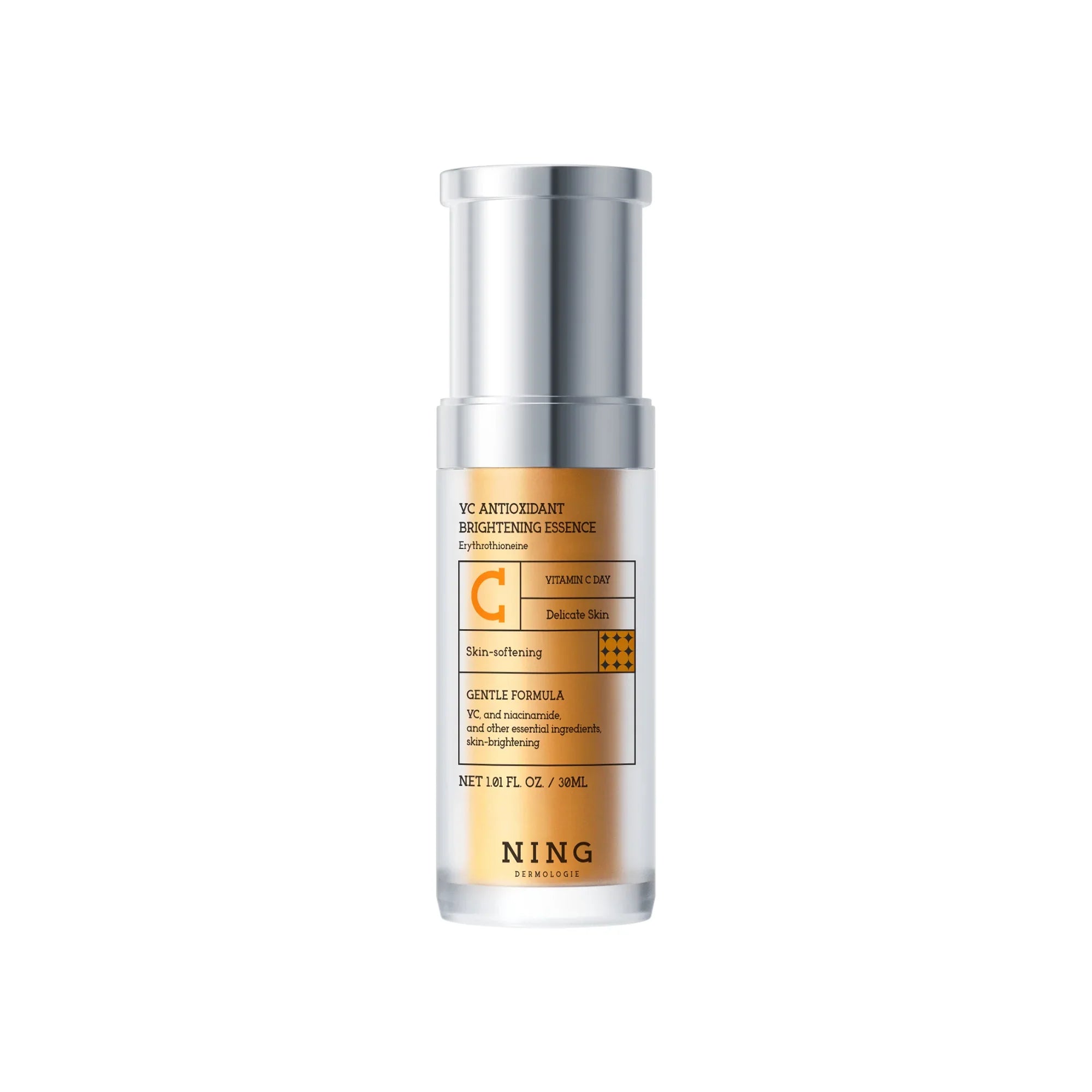
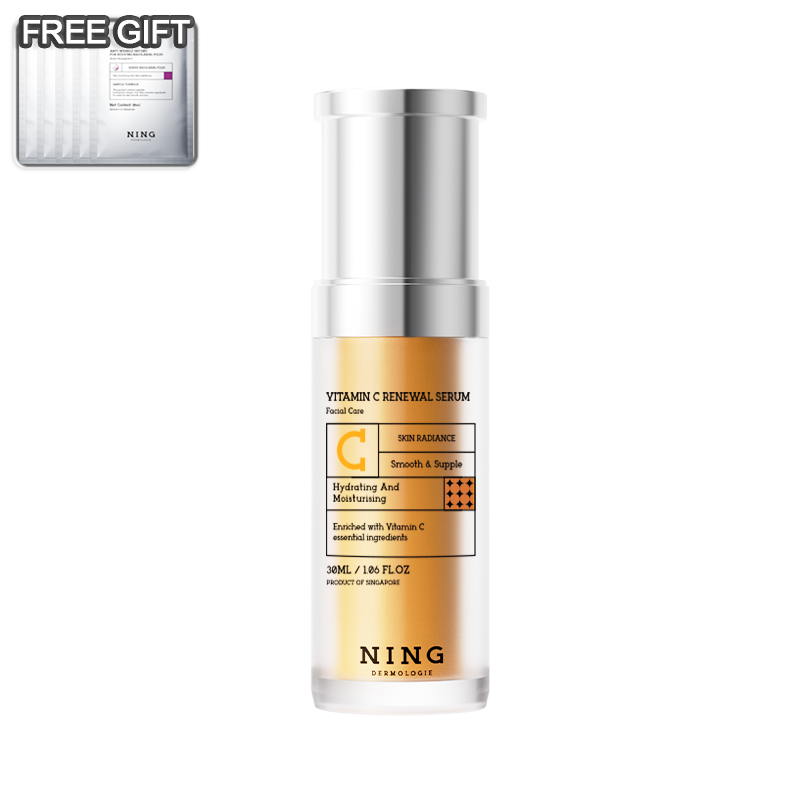
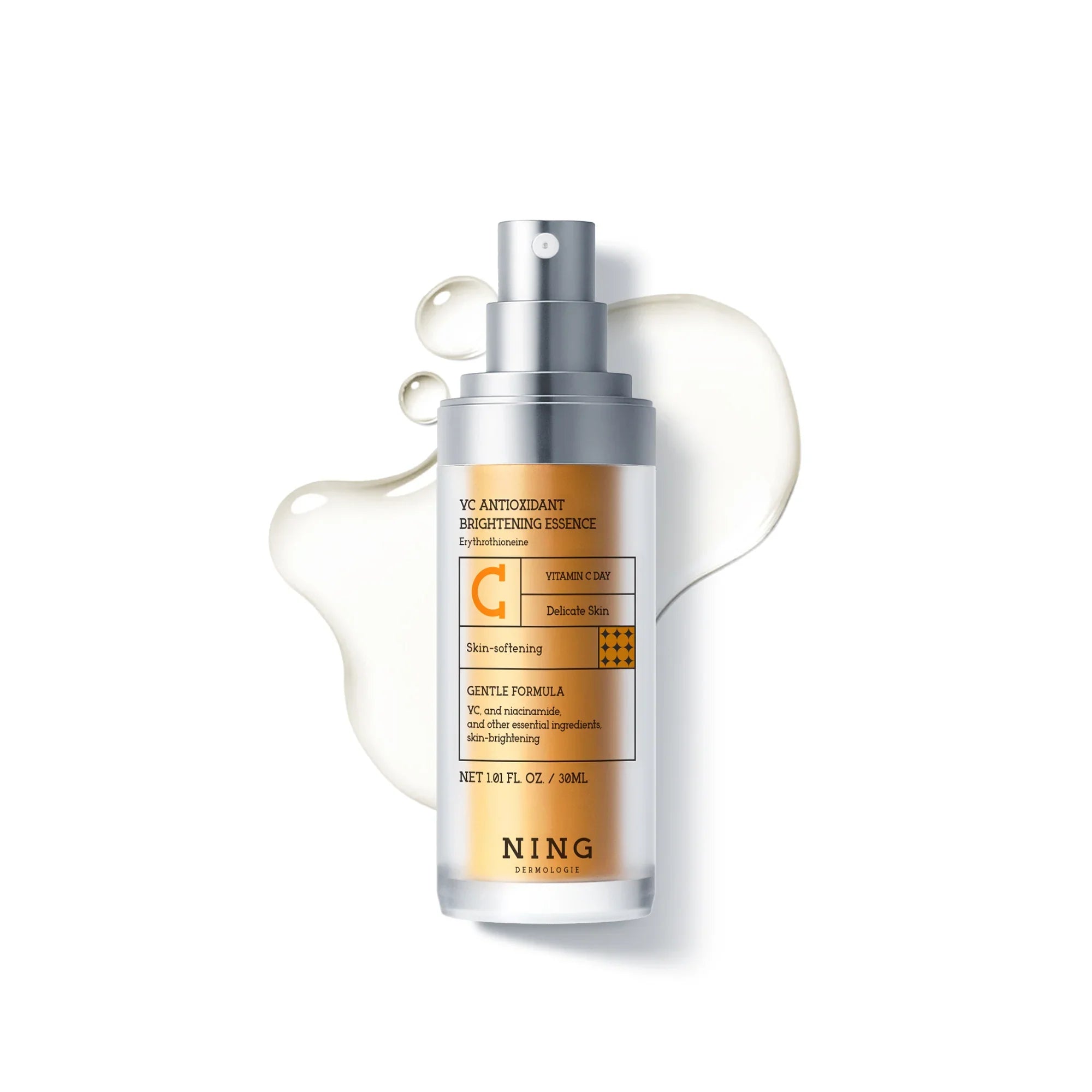
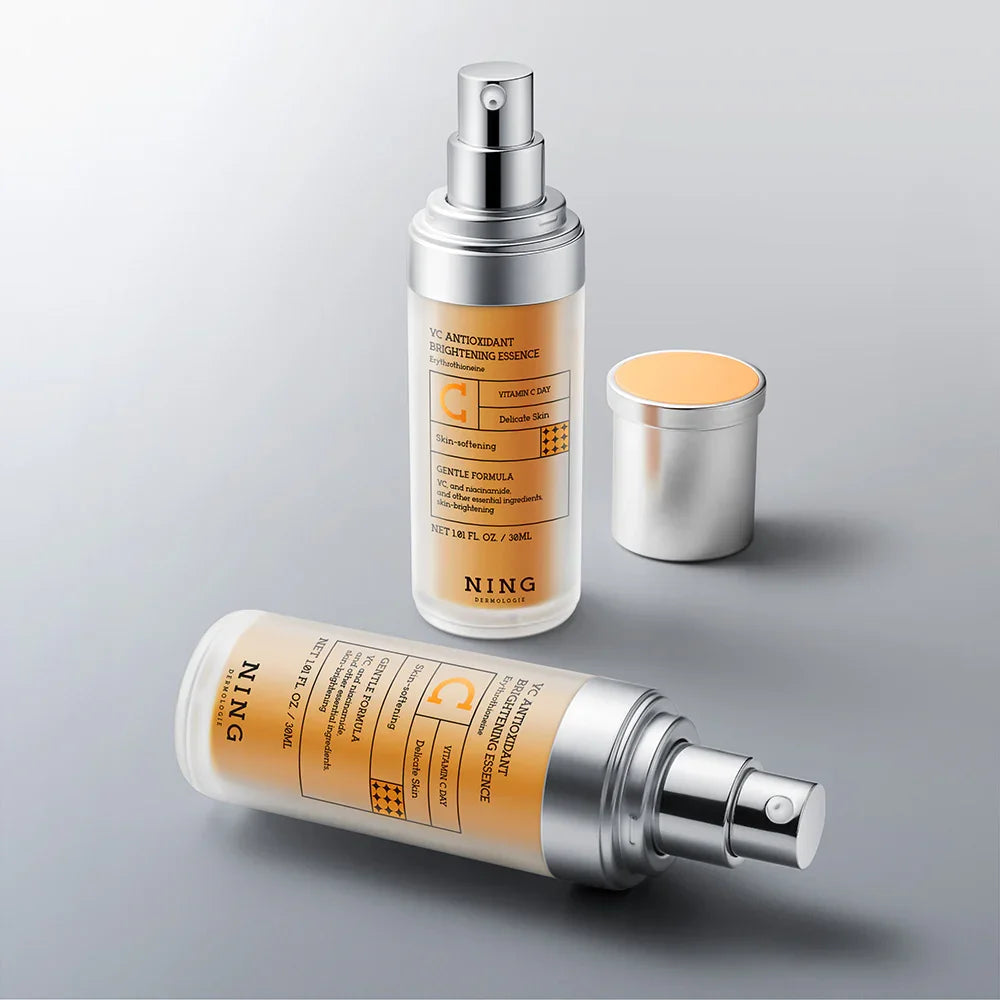
At NING Dermologie, we spent a long time obsessing over this specific friction point. We realized that the best for your skin type isn't the strongest formula, but the smartest one. Our Vitamin C Serum with Niacinamide & Ethyl Ascorbic Acid utilizes 3-O-Ethyl Ascorbic Acid. Unlike l-ascorbic acid serum, this form of vitamin c is incredibly stable and doesn't require a skin-shredding pH to improve skin.
The "Backup Singers": Best Antioxidants for Skin Besides VC
If you want to build a bulletproof skin care regimen, you shouldn't rely on a single molecule. Antioxidants are essential because they act as a "biological shield." When vitamin c is paired with other topically applied antioxidants, the efficacy of vitamin c increases exponentially.
1. Vitamin E and Ferulic Acid
You’ll often see vitamins c and e paired together. Why? Because vitamin e is fat-soluble and vitamin c is water-soluble. Together, they protect the skin at every layer. Ferulic acid acts as a stabilizer, doubling the photoprotection of the vitamin c serum.
2. Niacinamide (The B Vitamin Powerhouse)
Vitamin c and niacinamide used to be considered "foes" in old skin care textbooks, but modern science has debunked that. Niacinamide is a b vitamin that strengthens the skin barrier and calms dry skin. When combined with a stable type of vitamin c, it helps uneven skin tone more effectively than either could alone.
3. Glutathione
Vitamin c and glutathione are the ultimate tag-team. Glutathione is a master antioxidant that actually helps "recycle" vitamin c once it’s been used up by your cells, keeping skin in a constant state of repair.
How to Introduce Vitamin C into Your Skincare (Without the Flare-ups)
If you are a sensitive skin warrior, your first vitamin c experience shouldn't be a 20% concentration. Here is a roadmap to benefit skin without the drama:
- Patch Test First: This sounds boring, but for various skin types that react easily, it's non-negotiable. Apply the acid serum behind your ear for 48 hours.
- The "Buffer" Method: If you’re nervous, apply your hyaluronic acid or a light moisturizer first, then your vitamin c serum. This slows the absorption of vitamin c, making it gentler.
- Check the Vitamin C Concentration: For sensitive skin, a vitamin c concentration between 5% and 10% is the sweet spot. Anything higher increases the risk of inflammation in the skin without necessarily offering more skin benefits.
- Night vs. Day: While using vitamin c in the morning protects skin from UV damage, some sensitive skin types prefer using it at night when the skin is in "repair mode" and not fighting environmental heat.
Comparison: Vitamin C vs. Other Antioxidants
| Feature | 3-O-Ethyl Ascorbic Acid (NING Dermologie) | L-Ascorbic Acid | Resveratrol / Green Tea |
| Stability | High (Doesn't oxidize easily) | Low (Turns orange/brown) | Moderate |
| Irritation Potential | Very Low | High | Very Low |
| Best for | Sensitive, Uneven Skin Tone | Normal, Oily Skin | Redness, Anti-aging |
| Key Benefit | Brightens without stinging | Maximum collagen synthesis | Calming & Soothing |
Why NING Dermologie is Different
Most skin care products focus on "more is better." More acid, more concentration, more peel. We believe the best for your skin is a formula that respects your biology.
Our Vitamin C Serum isn't just a bottle of acid. We’ve blended vitamin c and niacinamide to ensure that while the VC is working on those dark spots, the Niacinamide is busy repairing your skin barrier. We also added hyaluronic acid to combat the dry skin issues that often plague sensitive types. It’s a vitamin c product designed by people who are tired of choosing between "glowy" and "irritated."

The Bottom Line for Your Skin Health
Antioxidants are molecules that help stop the "rusting" of our cells. Whether you choose a classic vitamin c, a vitamin e and ferulic acid blend, or a soothing botanical antioxidant for your skin type, consistency is key.
Your skin will thank you for choosing a right vitamin c serum that doesn't cause a reactive flare. Remember, skin health is a marathon, not a sprint. You don't need to burn your skin to improve skin texture. Look for stability, look for soothing co-ingredients, and always listen to what your sensitive skin is telling you.
Frequently Asked Questions (FAQ)
1. Can I use Vitamin C serum every day if I have sensitive skin?
Yes, but don't rush it. Start by using vitamin c two to three times a week. If your skin barrier feels healthy and there’s no redness, you can move to daily use. Using the NING Dermologie formula makes this easier because the form of vitamin c we use is designed for daily tolerance without the typical stinging associated with l-ascorbic acid serum.
2. Will Vitamin C serum make my skin more sun-sensitive?
Actually, it’s the opposite. Vitamin c is a potent antioxidant that neutralizes free radical damage from UV rays. While it doesn't replace sunscreen, applying vitamin c in skin care routines under your SPF actually protects skin more effectively than SPF alone. It’s a vital step for preventing uneven skin tone and maintaining overall skin health during the day.
3. Why does my Vitamin C serum turn orange or brown?
That color change is a sign of oxidation. Traditional topical vitamin c (L-Ascorbic Acid) is notoriously unstable. Once it turns dark orange, the efficacy of vitamin c is gone, and it may even irritate your skin type further. To avoid this, choose stable vitamin c derivatives like the one in our NING Dermologie serum, which stays clear and active for much longer.
4. Can I mix Vitamin C with Retinol?
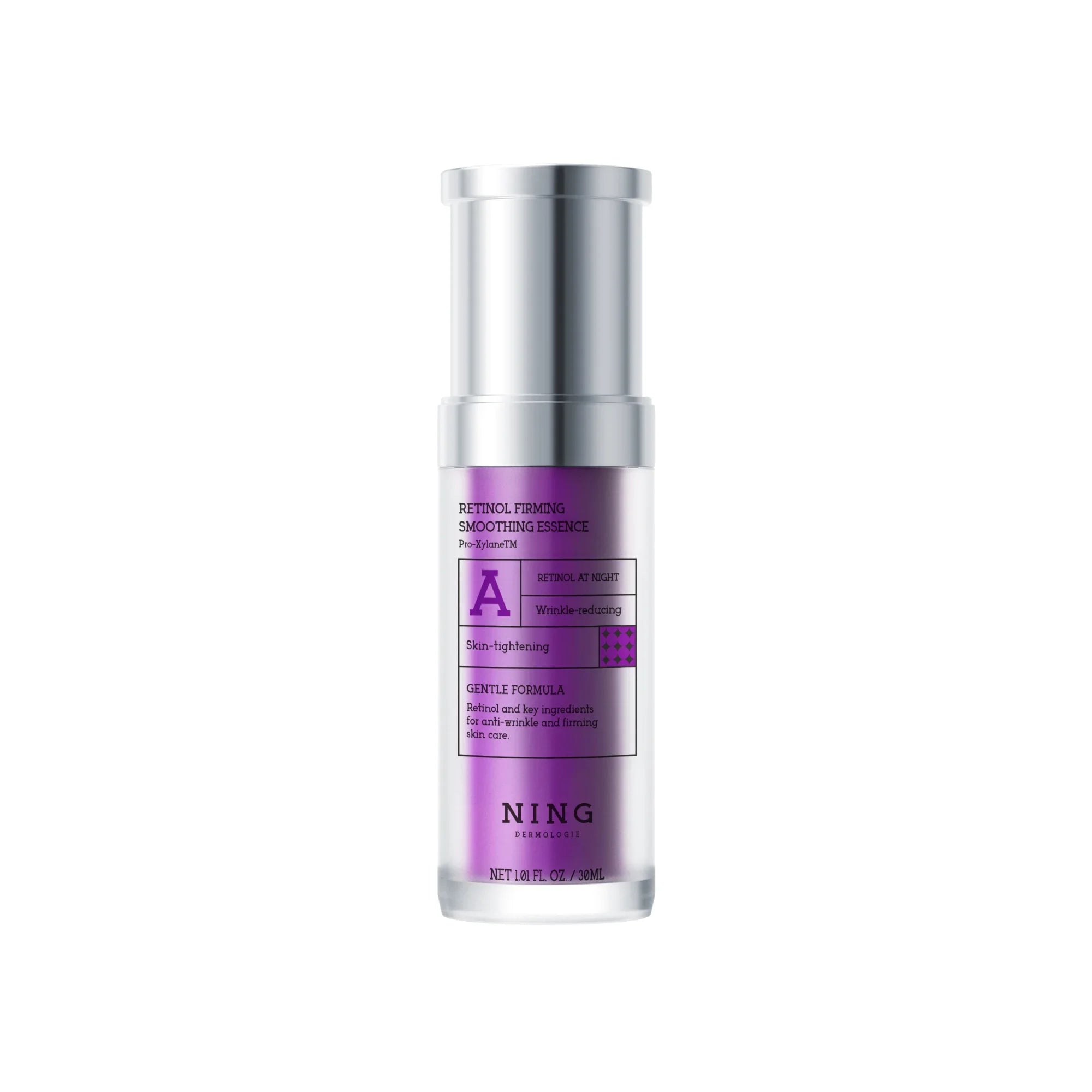
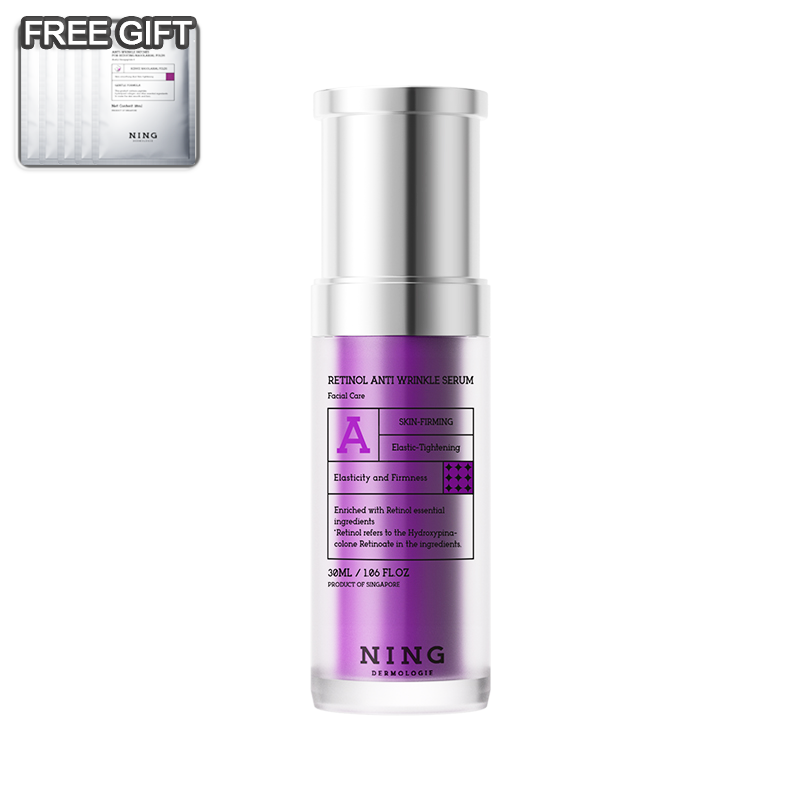
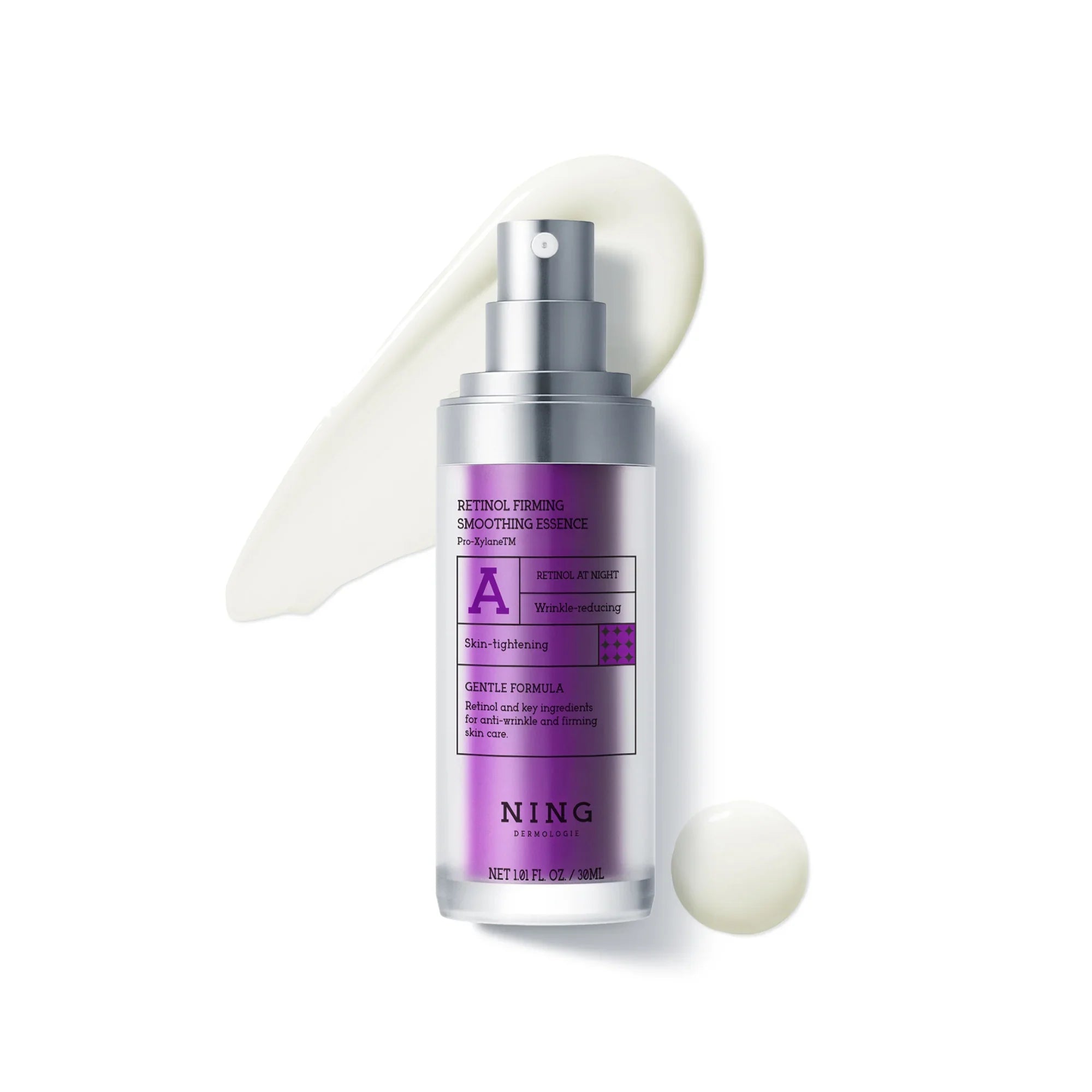
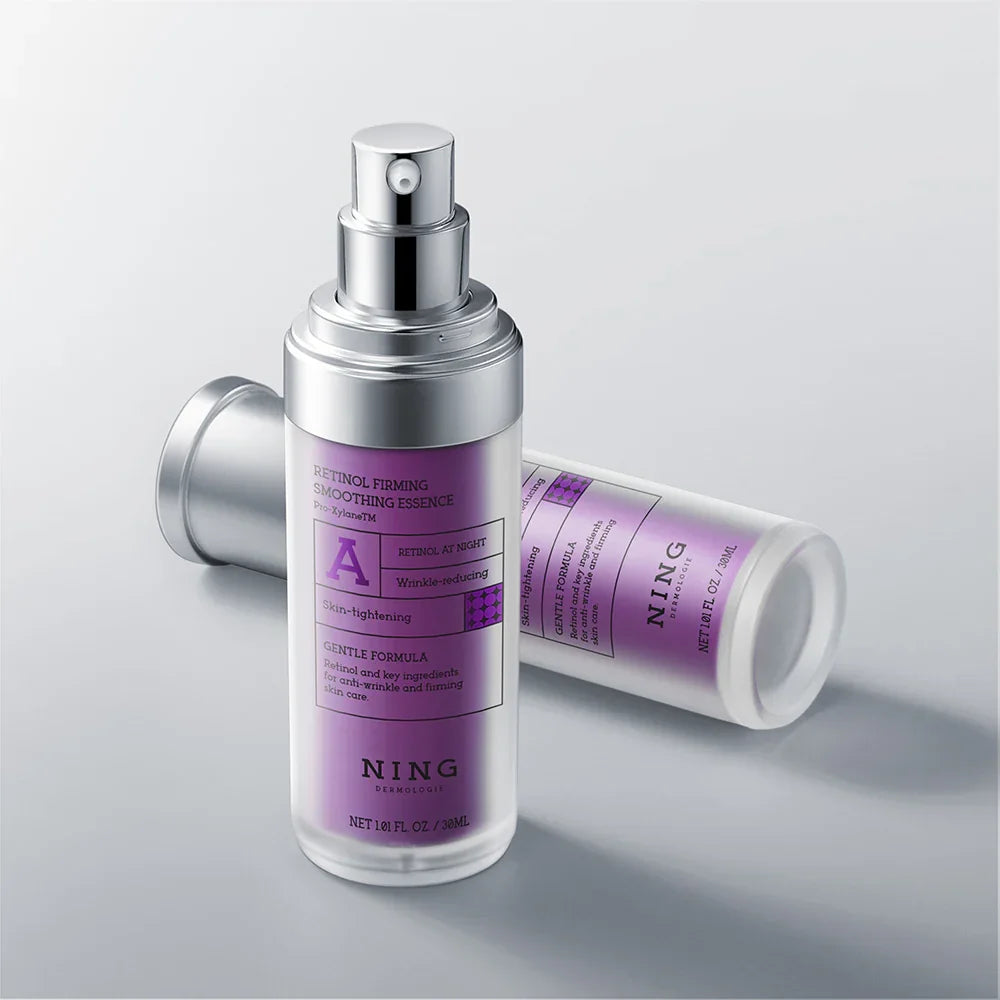
It is generally better to separate them. Use your vitamin c serum in the morning to protect the skin from environmental stress, and save your Retinol for the night to improve skin texture. Sensitive skin often reacts poorly when these two powerhouse skin care products are applied at the exact same time, as the combined activity can overwhelm the skin barrier.
5. How long does it take to see results from a Vitamin C serum?
Patience is key. While you might notice some appearance of skin brightness within a week due to hydration and hyaluronic acid, the real work of vitamin c to address dark spots and skin texture takes about 4 to 8 weeks. This timeline aligns with your skin’s natural cell turnover cycle. Consistent use of the best vitamin c serum yields the most dramatic long-term skin benefits.





Share:
What is the average price range for a high-quality exfoliating face wash?
Where can I find vitamin C serums with natural or organic ingredients for the face?