

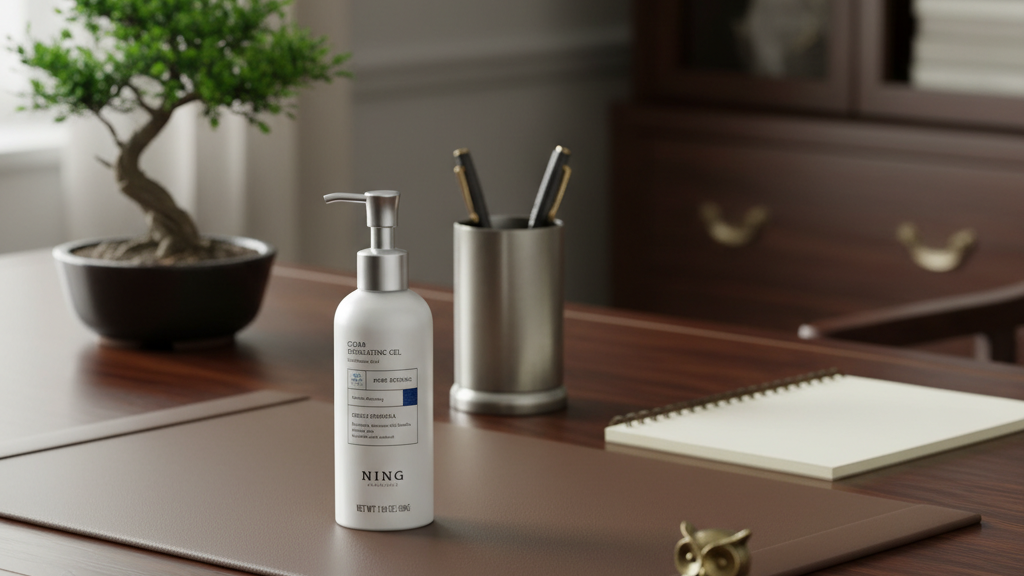

Staring into the bathroom mirror at 7:00 AM, wondering why our skin looks like a piece of dusty parchment despite using five different serums the night before. You’ve got the Dull Skin blues. It’s that grayish, tired "I haven't slept since 2019" vibe that no amount of highlighter can fully mask.
Usually, our first instinct is to scrub. We want to sand down the surface until it glows. But here’s the kicker: most face washes that promise to "deep clean" or "exfoliate" end up leaving your skin barrier screaming for help. You trade dullness for redness and dehydration. It’s a bad deal.
The goal isn't just to strip away dead skin cells; it’s to do it while flooding the skin with hydration. We’re looking for that "glass skin" clarity without the "desert floor" tightness. In this deep dive, we’re going to talk about how to find exfoliating face washes that actually respect your skin types, improve skin texture, and leave you looking bright and bouncy.

Why Your Current Routine Might Be Failing Your Glow
If you’re still using those old-school physical exfoliants—you know, the ones that feel like literal sand or crushed walnut shells—we need to have a talk. While physical exfoliation feels satisfying in the moment, it often creates micro-tears.
Instead, modern skincare professionals and board-certified dermatologists from New York City to Seoul are leaning toward chemical exfoliation and sophisticated physical exfoliation alternatives like jojoba spheres or Jojoba beads. These are smooth and round, gently lifting debris without acting like sandpaper on a silk scarf.
But the real magic happens when we talk about Alpha and Beta Hydroxy Acids. This is where your cell turnover gets the kickstart it needs.
The Acid Trip: Breaking Down AHAs, BHAs, and PHAs
When you’re browsing the aisles (or scrolling through medical-grade skincare sites), you’ll see a lot of "acid" talk. It can be intimidating. Let’s break down what your skin needs:
- Glycolic Acid: The heavyweight champion of the alpha hydroxy acid (AHA) family. It has the smallest molecular size, meaning it dives deep to unglue those stubborn dead skin cells. It’s the go-to for fixing uneven skin tone and tackling fine lines.
- Lactic Acid: The gentler cousin. It’s a larger molecule, so it stays on the surface. The best part? It’s a humectant, meaning it actually helps with moisture retention while it exfoliates.
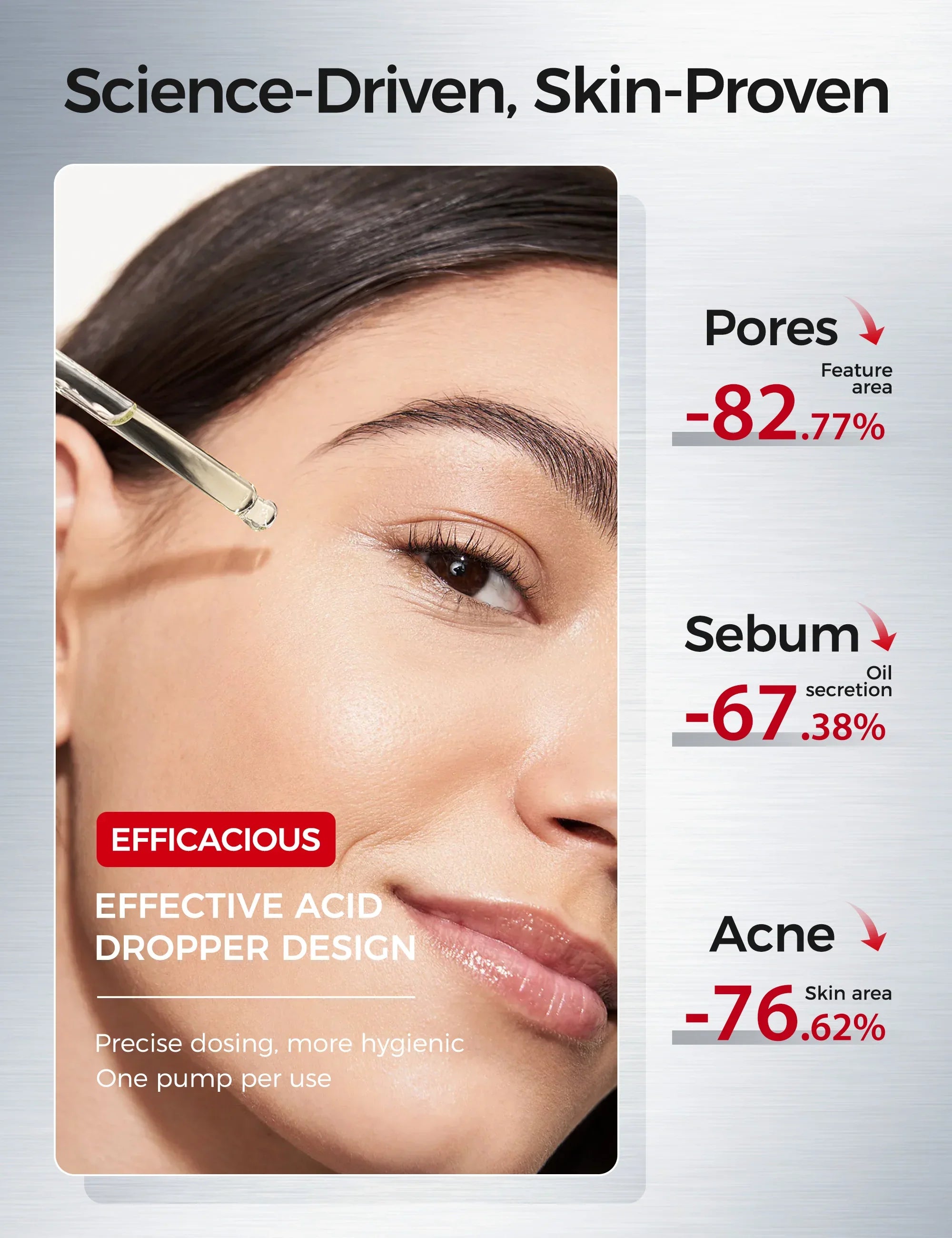
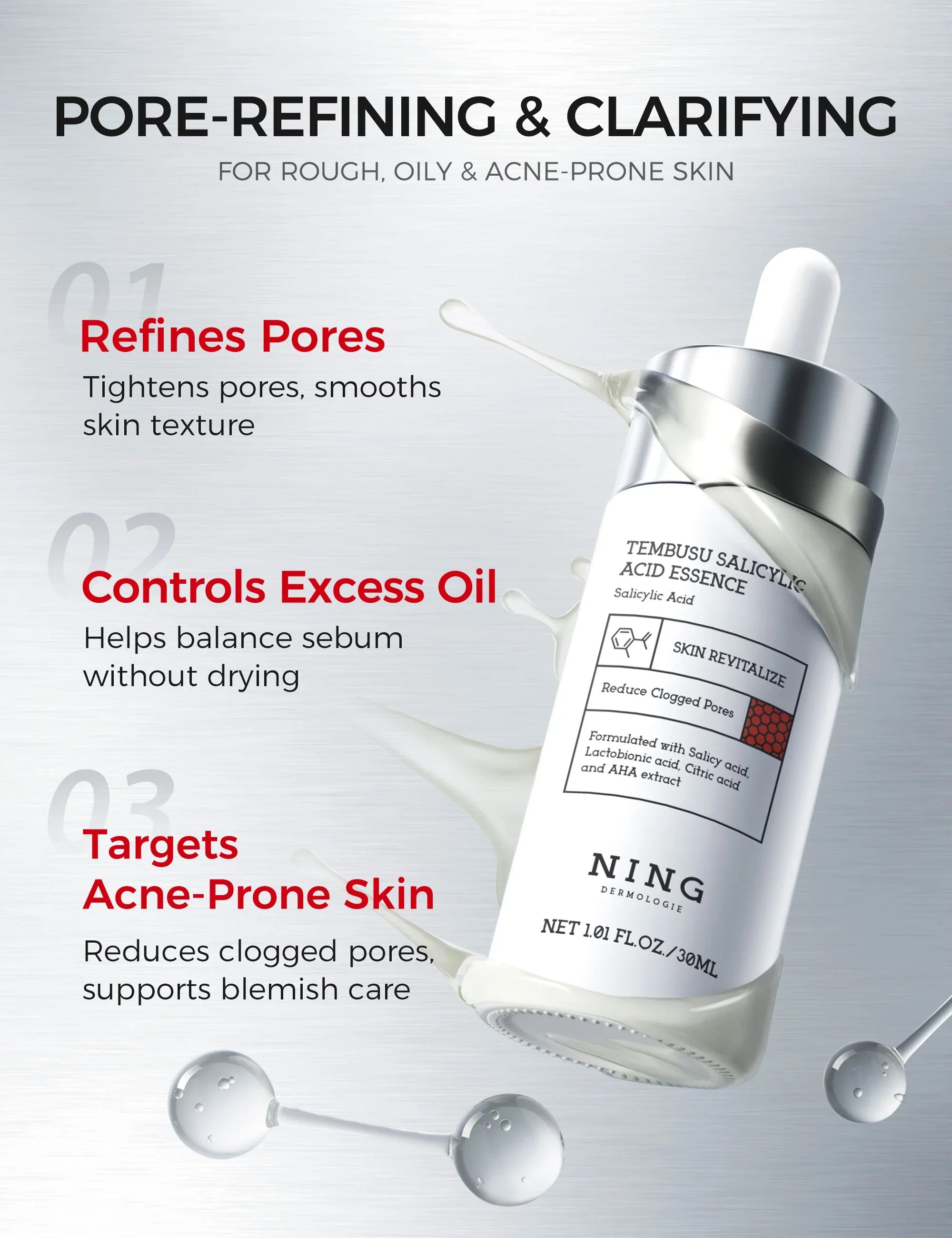
- Salicylic Acid: This is your beta hydroxy acid (BHA). If you have acne-prone skin or struggle with excess oil, this is non-negotiable. It’s oil-soluble, so it gets inside the pores to dissolve the gunk, making it a powerhouse for Pore Minimizing.
- Mandelic Acid: Derived from bitter almonds, this is the "slow and steady" AHA. Great for sensitive folks who find glycolic acid too spicy.
- Polyhydroxy Acid (PHA): These are the new kids on the block. Think of them as AHAs for people who can't handle AHAs. They exfoliate but also act as massive magnets for hydration.
The Hydration Factor: Why Exfoliation Needs a Bodyguard
You can’t just throw acid at your face and hope for the best. You need moisturizing ingredients to balance the scales. This is where many cleansing exfoliators fail—they focus so much on the "strip" that they forget the "replenish."
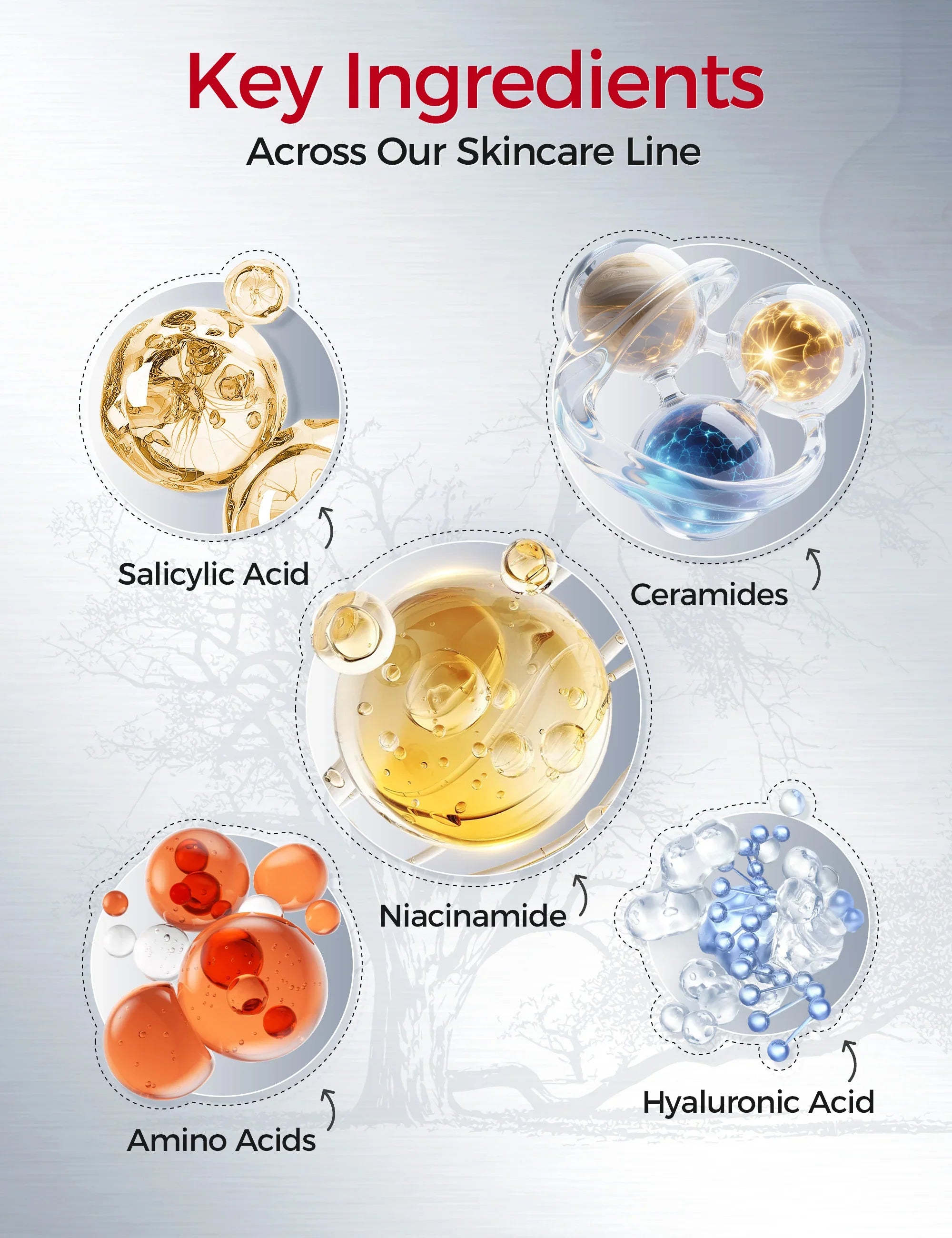
When choosing a face cleanser, look for Sodium PCA, hyaluronic acid, and amino acids. These are the building blocks of your skin’s natural moisturizing factor. If a facial cleanser uses harsh surfactants like Sodium Laureth Sulphate, it’s going to compromise your skin barrier, leading to more Dull Skin in the long run.
Instead, look for formulas that utilize Sucrose Laurate or amino-acid-based surfactants. These provide a deep clean without the "squeaky" feeling that actually signifies your skin is crying.
The NING Dermologie Approach: A Case Study in Brightening
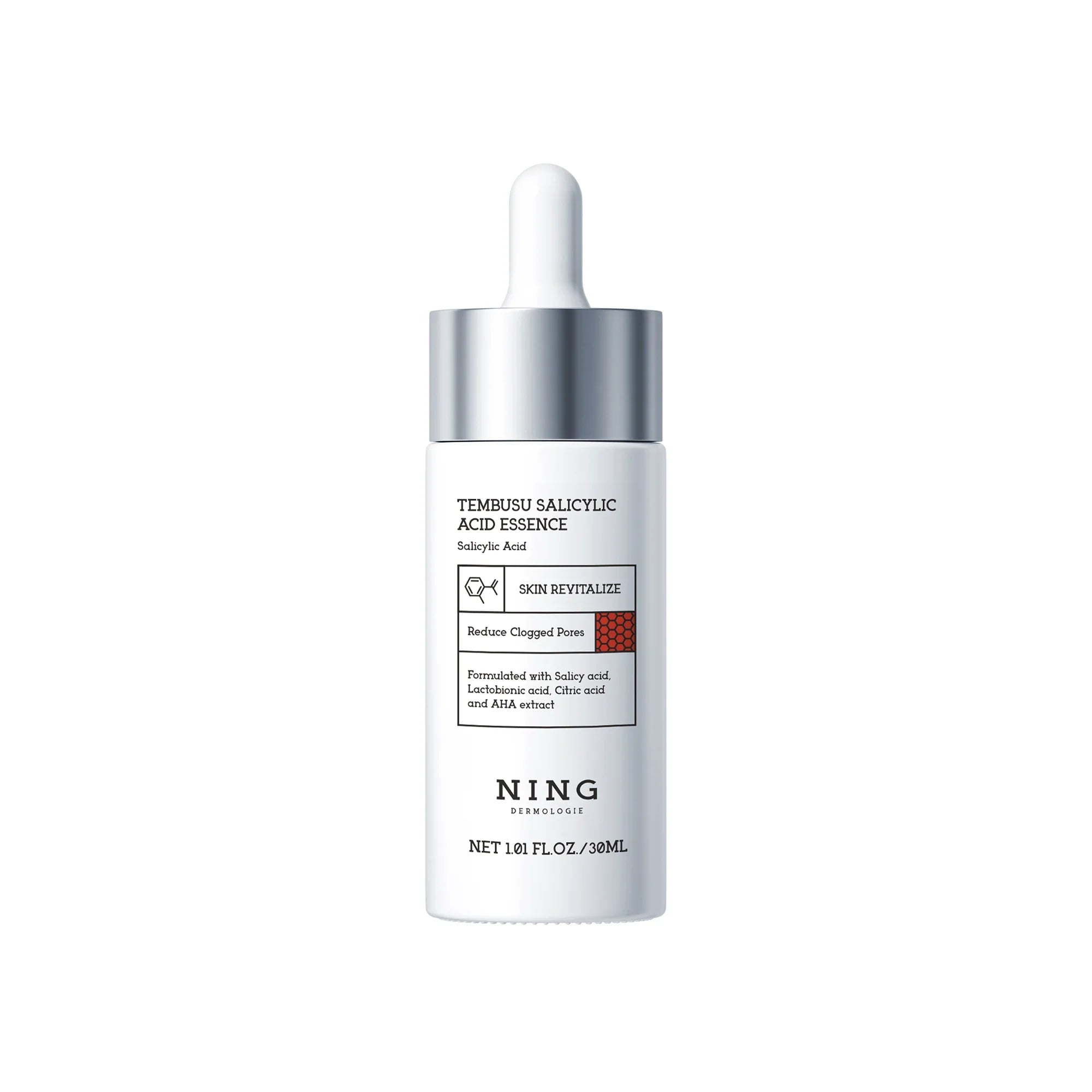
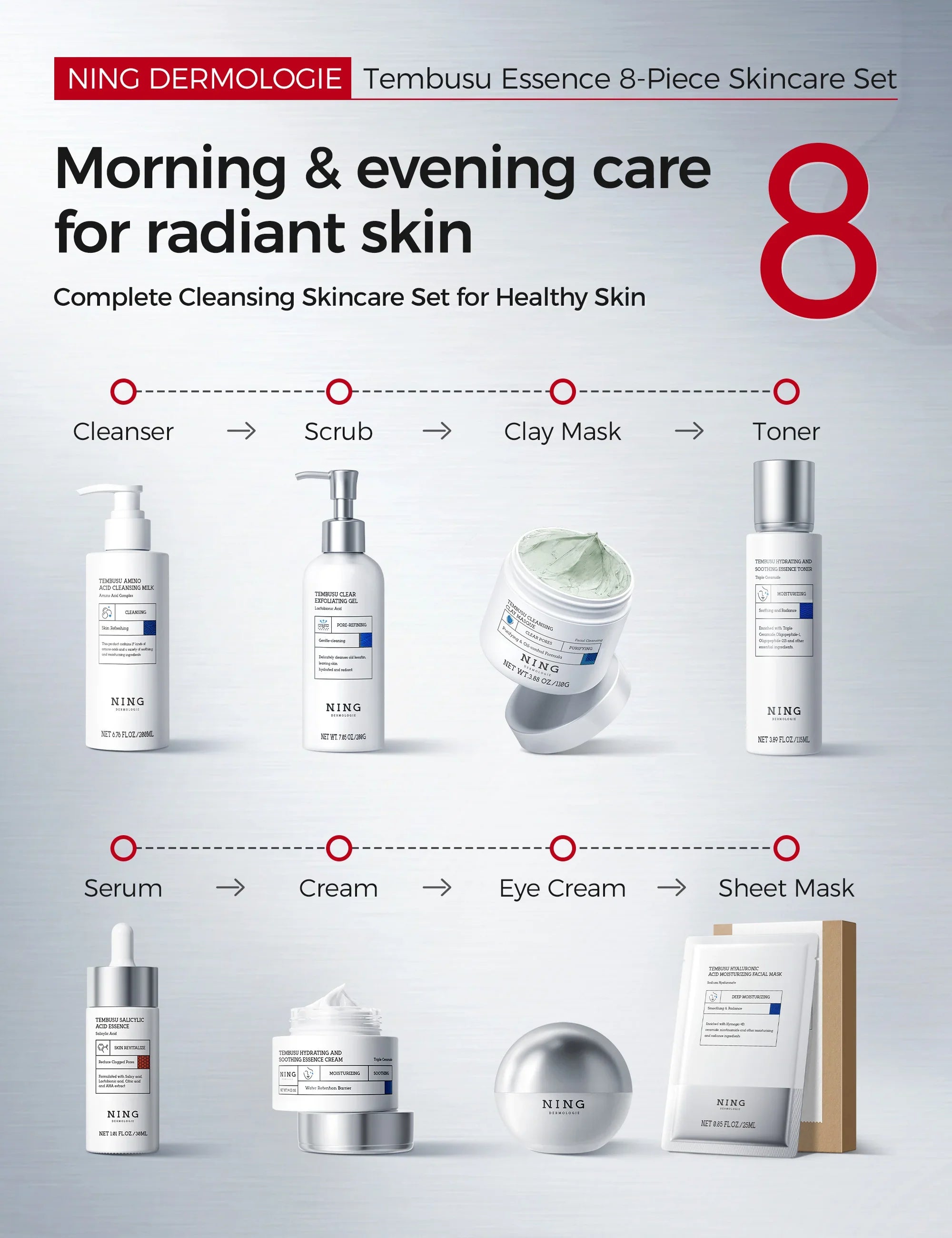
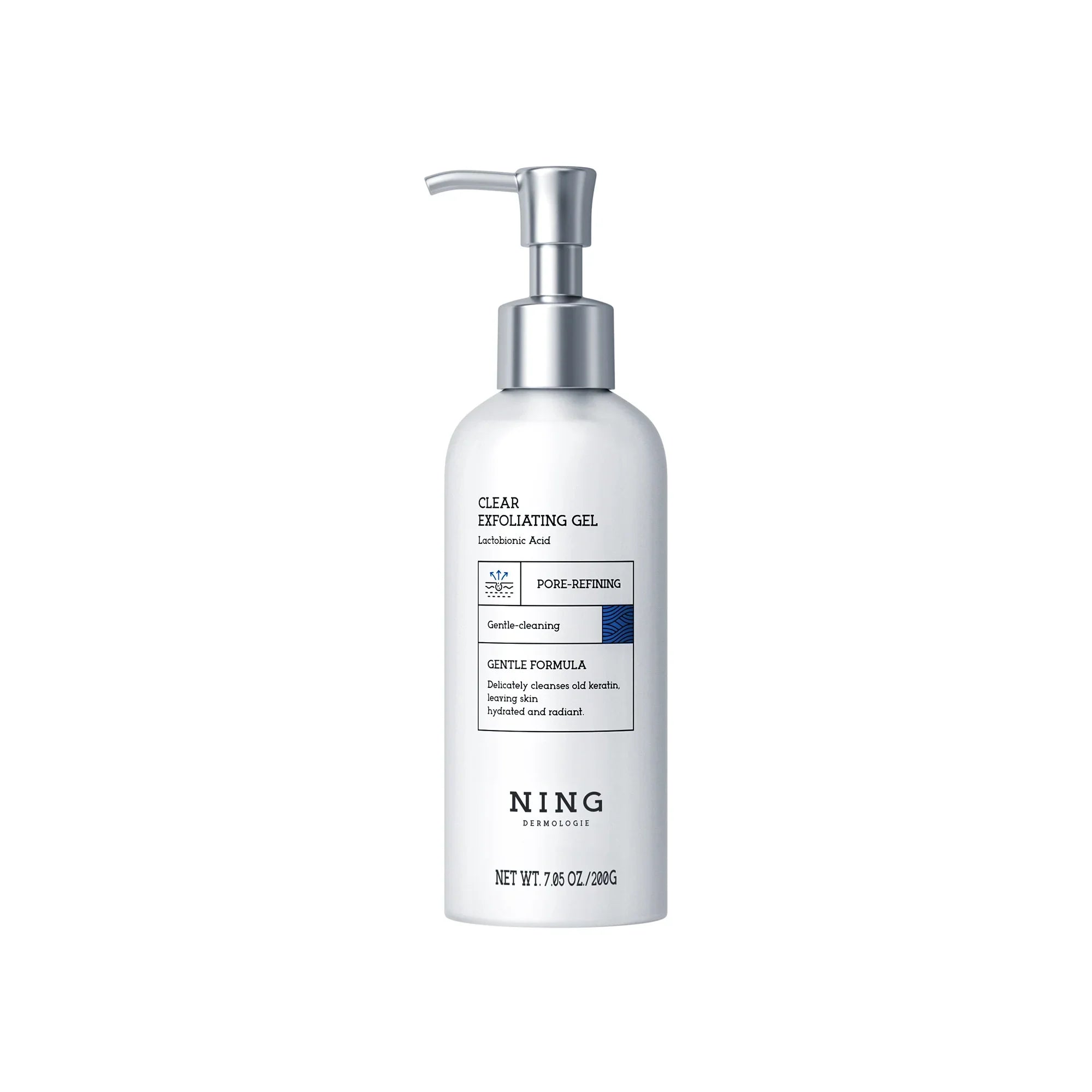
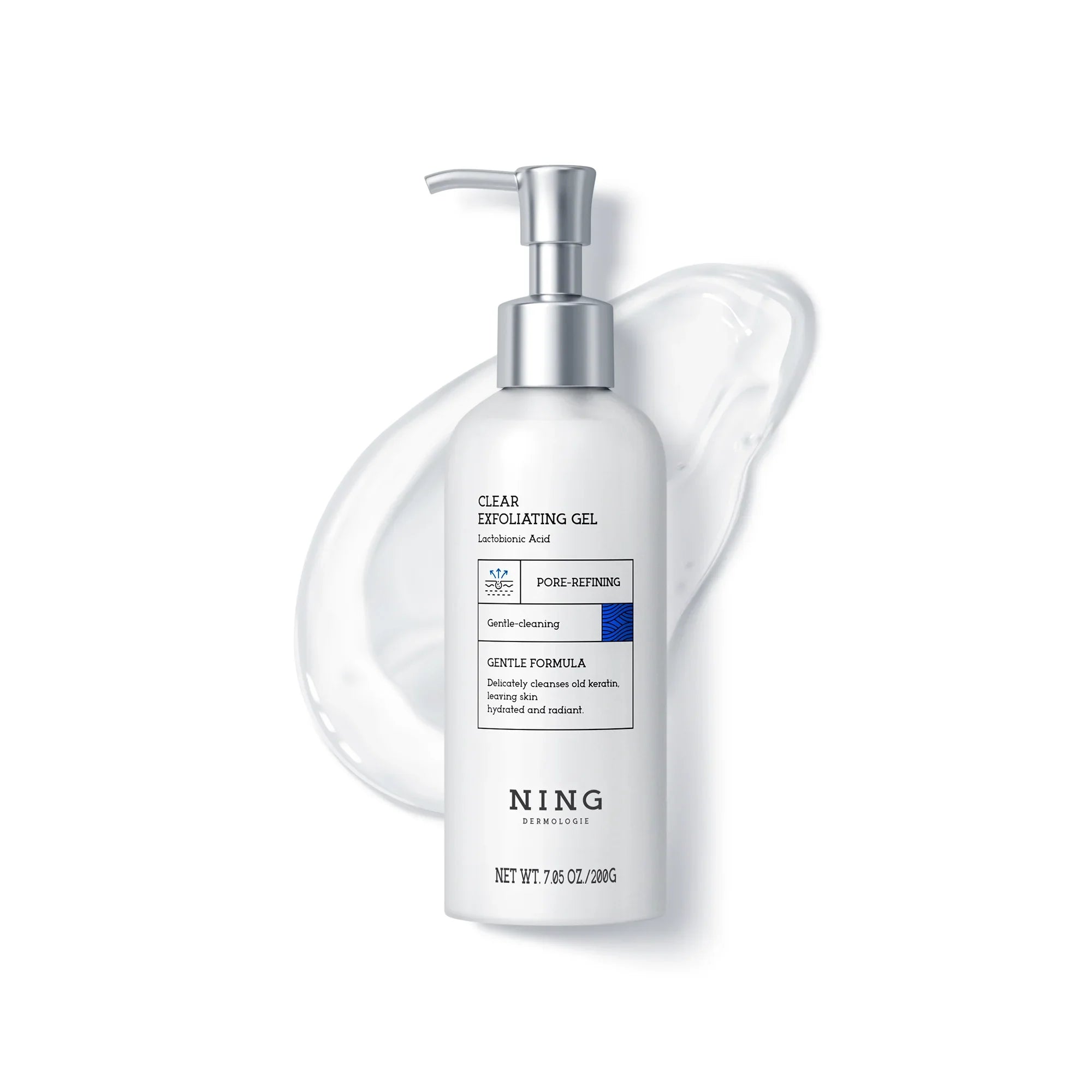
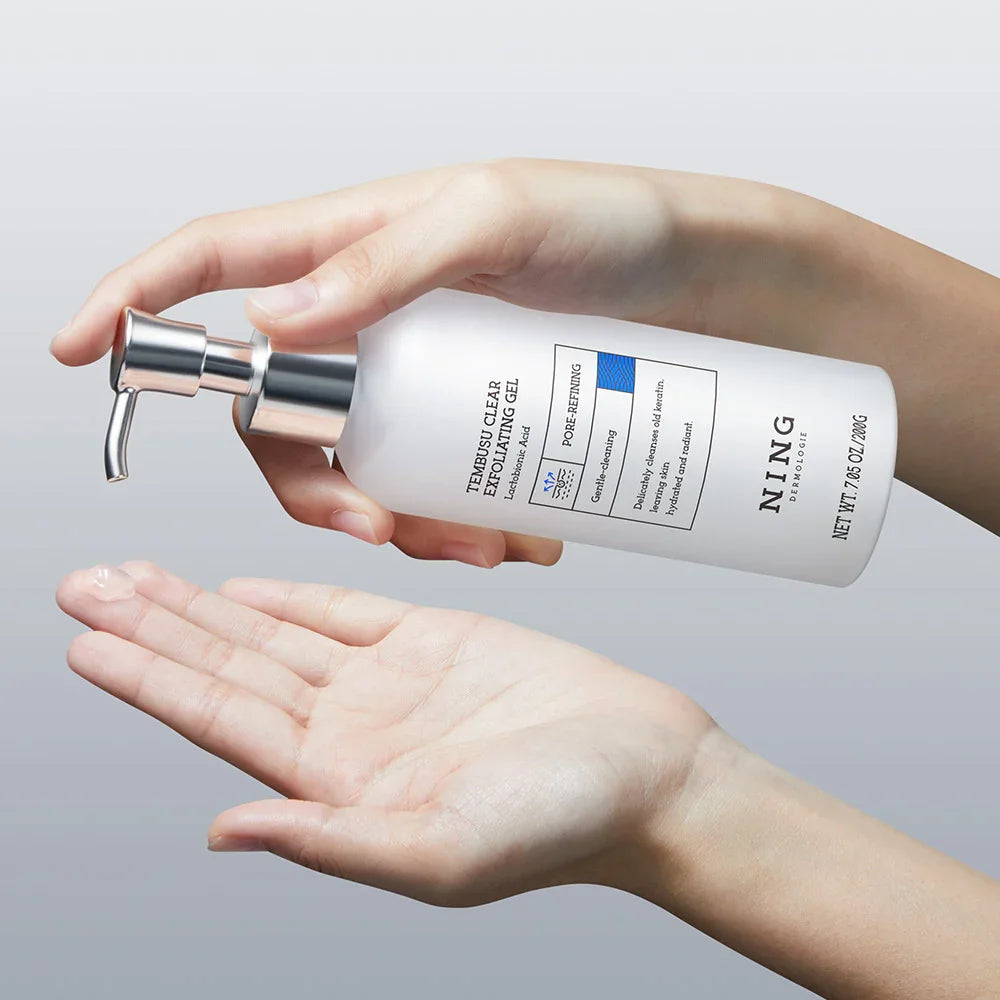
At NING Dermologie, the philosophy is that you shouldn't have to choose between a deep purge and a hydrated glow. Their Exfoliating Face Wash (specifically their Peeling Gel) is a bit of a disruptor in the skincare routine space.
Unlike traditional foaming washes or cleansing lotions, this peeling gel uses a clever mix of chemical exfoliant properties and a unique physical "rolling" action. It doesn't rely on jagged particles. Instead, it uses natural enzymes and skin-softening agents to ball up dead skin cells into visible clumps that you just rinse away with warm water.
It’s infused with Lily extracts and Vitamin C to address acne scars and dark spots, while Vitamin E and green tea provide a shield against free radicals. It’s essentially a pH-neutral cleanser that acts like a mini-facial in 60 seconds.
Ingredients to Look For (And What to Avoid)
If you want to build a world-class skincare regimen, you need to become a bit of an amateur chemist. Here is a cheat sheet of what should be in your exfoliating cleanser:
The Brighteners
- Vitamin C: The gold standard for radiance.
- Licorice extract: A natural way to fade pigment without irritation.
- Pineapple Core & Carica papaya Extracts: These provide fruit enzymes (papain and bromelain) that "digest" dead proteins on the skin's surface.
The Soothers
- Colloidal oatmeal: If your skin is throwing a tantrum, this calms it down.
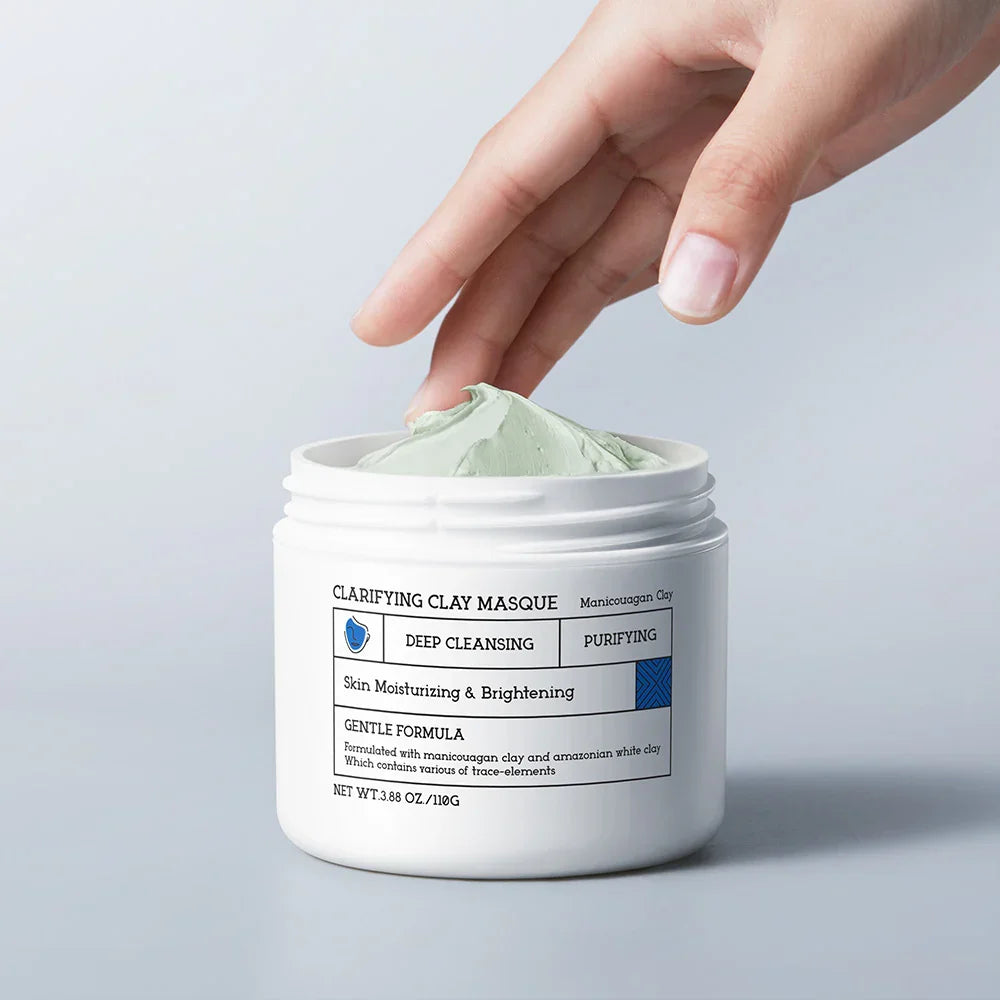
- Amazonian white clay: Great for drawing out toxins without the cracking feeling of traditional mud masks.
- Rice powder: An ancient secret for smoothing skin texture without irritation.
The Red Flags
Avoid products that feel like heavy-duty detergents. If the second ingredient is a harsh sulphate, put it back. Also, be wary of face exfoliators that don't list any humectants (like glycerin or hyaluronic acid) near the top of the list.
How to Integrate Exfoliation Without Ruining Your Life
One of the biggest mistakes I see (and trust me, even skincare professionals see this daily) is over-exfoliation. People get addicted to the smoothness and start using Alpha and Beta Hydroxy Acids twice a day, every day.
Stop. Just stop.
Your skin cells need time to recover. Here is a sample skincare routine that balances power with peace:
- Morning: Keep it simple. A gentle micellar water or a non-exfoliating face cleanser. Follow with Vitamin C and a heavy-duty SPF.
- Evening (2-3 times a week): This is when you bring out the NING Dermologie Exfoliating Face Wash. Apply to dry skin, massage until you feel the "beading" effect, and rinse.
- Tone: Use face toners that focus on hydration, not more alcohol.
- Seal: Use a moisturizer that supports the skin barrier.
If you're in a high-pollution city like New York City, you might feel the need to cleanse more thoroughly. In that case, look for poly hydroxy acids (PHAs) which are gentle enough for more frequent use.
The Role of Professional Guidance
While we love a good DIY bathroom setup, consulting with a board-certified dermatologist or visiting clinics like Center Aesthetic & Dermatology or FACET Dermatology can give you a baseline of your skin's actual health. They can tell you if your "dullness" is just dead skin or something deeper like melasma or sun damage.
According to the American Academy of Dermatology, understanding your skin type is the first step. Are you oily? Dry? Combination? An exfoliating face wash for acne-prone skin (high in salicylic acid) will look very different from one designed for dry, mature skin (high in lactic acid and moisturizing ingredients).

Final Thoughts: The Glow is Within Reach
Achieving a bright, hydrated skin tone isn't about finding the strongest acid on the market. It’s about the "Golden Trio": Exfoliate, Hydrate, and Protect.
By swapping out harsh scrubs for intelligent formulas like the NING Dermologie Peeling Gel, and looking for ingredients that support cell turnover while respecting the skin barrier, you can move from "dull" to "dewy" without the drama.
Remember, skincare is a marathon, not a sprint. Treat your face with a little bit of respect, a lot of hydration, and the right kind of chemistry.
Frequently Asked Questions (FAQ)
Q1: Will an exfoliating face wash make my skin more sensitive to the sun?
Yes, absolutely. When you remove that top layer of dead skin, the fresh cells underneath are basically "baby skin." They burn easily. If you’re using acids like Glycolic or Salicylic, you must wear SPF 30 or higher every single day, even if it’s cloudy.
Q2: Can I use this peeling gel if I have active cystic acne?
It’s best to be cautious. If your acne is inflamed or "open," any rubbing motion can cause irritation. However, because the NING peeling gel is way gentler than a scrub, it’s usually okay for mild breakouts. For deep cysts, stick to a leave-on BHA treatment instead.
Q3: My face feels a bit tingly after washing. Is that bad?
A tiny bit of tingle? Probably just the enzymes and acids doing their job. But if your face feels like it’s on fire or looks like a lobster, that’s a red flag. It means you’ve either left it on too long or your barrier is already compromised. Rinse immediately.
Q4: How long does it take to see a real difference in skin tone?
Don't expect miracles overnight. While you’ll feel smoother immediately, real brightening and the fading of acne scars usually takes about 4 to 6 weeks. That’s the time it takes for a full cycle of cell turnover to happen. Consistency is your best friend here.
Q5: Should I use a toner after using an exfoliating cleanser?
You don't have to, but a hydrating, alcohol-free toner is a great idea. It helps reset your skin’s pH and adds a layer of moisture before you hit it with serums. Think of it as a "safety net" for your hydration levels after the exfoliation step.


Share:
What exfoliating face wash products come with dermatologist-backed clinical studies?
What exfoliating face washes are formulated for use on both face and neck?