



If you’ve spent any time on "Skincare-tok" or browsing the aisles of a pharmacy, you’ve seen the labels. "Dermatologist Tested." "Doctor Recommended." "Clinically Proven." Here is the cold, hard truth: "Dermatologist tested" often just means one doctor looked at the formula and didn't see a rash. It’s a low bar. When you’re looking for an exfoliating face wash, you shouldn't settle for marketing hype. You should look for evidence-based recommendations and products that have undergone rigorous testing in a clinical setting.
Whether you’re dealing with oily skin, dry skin, or the tricky "everything-makes-me-break-out" sensitive skin, your skincare routine deserves more than a pretty bottle. It needs active ingredients that actually increase cell turnover without destroying your skin barrier.
In this guide, we’re cutting through the noise to find the exfoliating cleansers that actually have the data to back up their claims.

Why Clinical Studies Matter for Your Skin Barrier
Exfoliation is essentially the process of helping your body shed dead skin cells. Our natural skin cell turnover slows down as we age, leading to dullness, clogged pores, and uneven skin texture. However, there is a fine line between "glowing" and "raw."
Over-exfoliating is one of the biggest mistakes seen by NYC dermatologists at clinics like Schweiger Dermatology or FACET Dermatology. If you strip away your natural oils too aggressively, you leave your skin vulnerable to UV rays and environmental stressors, accelerating skin aging.
This is why clinically-proven formulas are vital. They balance exfoliating acids with soothing agents like Aloe vera, Amino Acids, or Hyaluronic Acid to ensure that while you are removing the bad stuff, you are protecting your skin health.
The Heavy Hitters: Dermatologist-Backed Brands
When we talk about medical-grade skincare, a few names consistently show up in peer-reviewed journals and at the American Academy of Dermatology conferences.
1. SkinCeuticals: The Gold Standard
SkinCeuticals is famous for their antioxidant serums, specifically the SkinCeuticals C E Ferulic. But their cleansers are equally data-driven. Their Glycolic Renewal Cleanser is designed for those looking to improve skin elasticity and brightness.
In clinical trials, Glycolic Acid (an alpha hydroxy acid) has been shown to effectively dissolve the "glue" holding dead cells together. SkinCeuticals often pairs their products with advanced treatments like the ELASTIDERM® Facial Serum to ensure the skin remains firm while being resurfaced.
2. La Roche-Posay: The Oily Skin Specialist
If you struggle with acne, you’ve likely heard of La Roche-Posay. Their Effaclar line is one of the most studied in the world. Their face wash formulas often utilize Salicylic Acid (a BHA) and Lipo-Hydroxy Acid to clear pores.
Unlike many harsh drugstore brands, they test their products specifically on sensitive skin to ensure they don't cause irritation. They are a staple recommendation at the Center Aesthetic & Dermatology for a reason: the data is there.
3. CeraVe: The Barrier Protector
You don’t need to spend $100 to get Science-Backed Ingredients. CeraVe was developed with dermatologists to focus on ceramides. Their SA Smoothing Cleanser uses Salicylic Acid to exfoliate while Hyaluronic Acid and ceramides keep the skin barrier intact. It is a go-to for skin concerns like "strawberry legs" (keratosis pilaris) and rough skin texture.
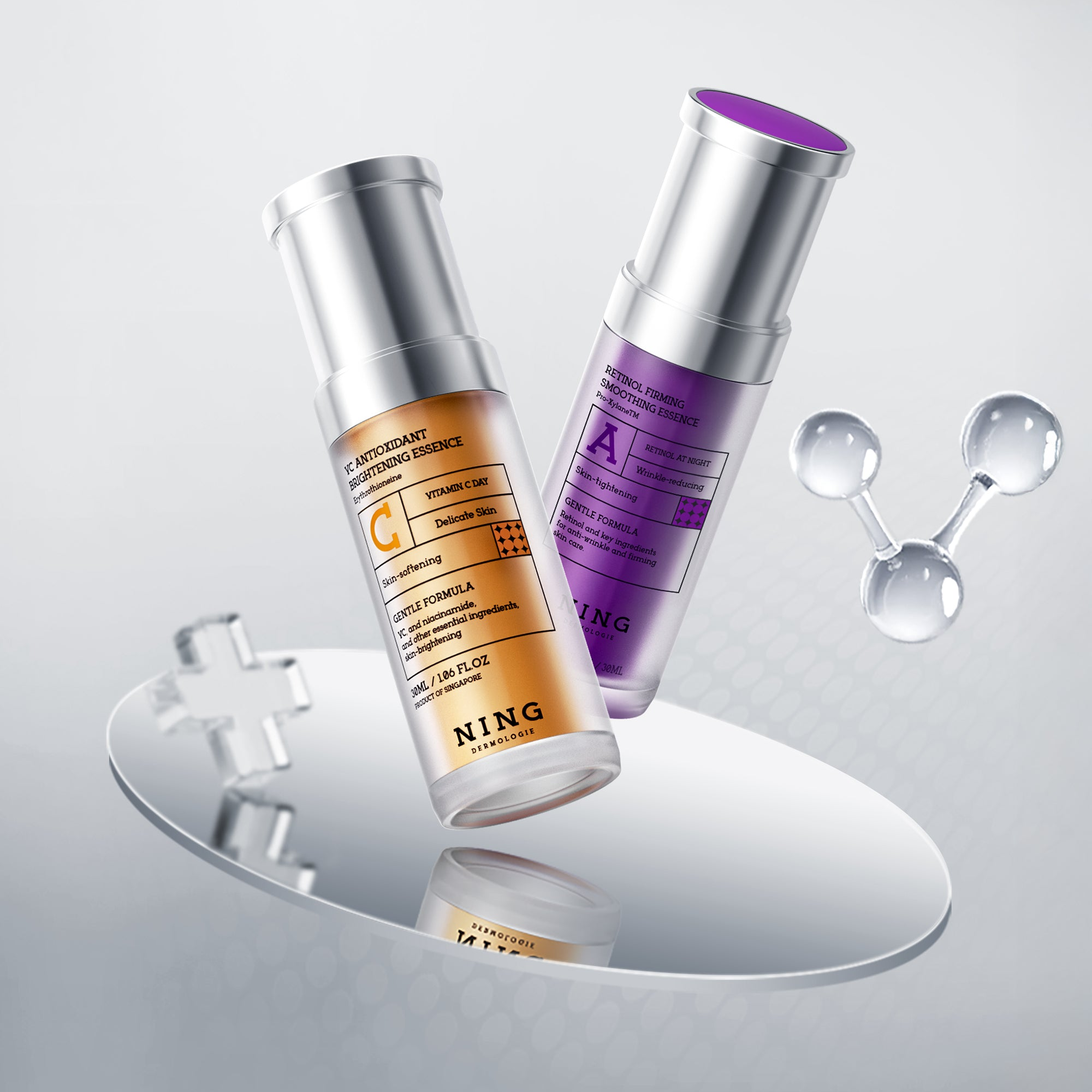
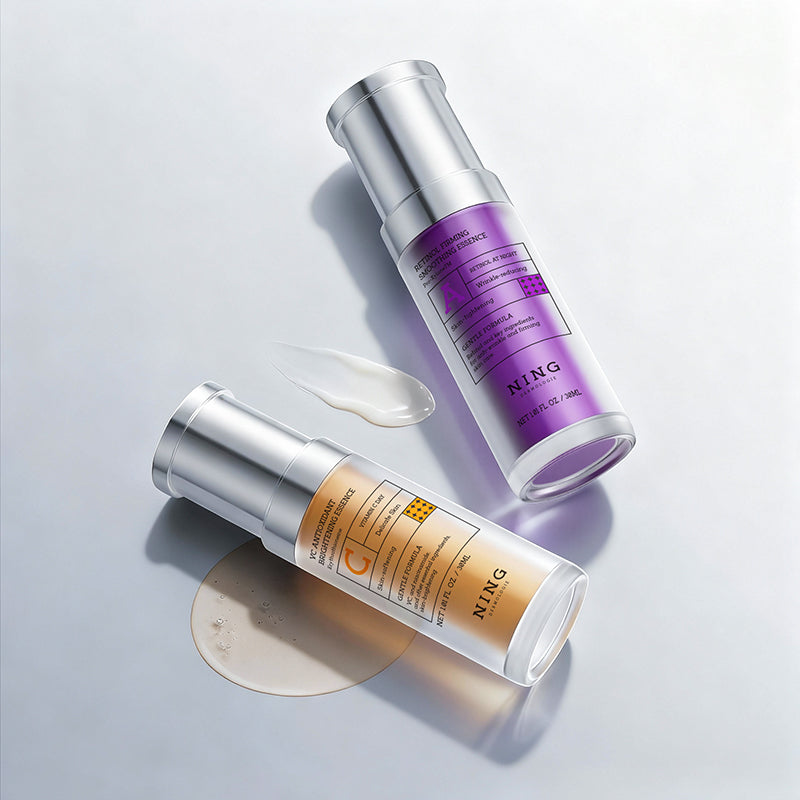
The "Gentle" Revolution: NING Dermologie
While Glycolic Acid and Salicylic Acid are the "O.G.s" of exfoliation, they can be too much for some skin types. This is where the industry is shifting toward "enzymatic" and "peeling" technologies.
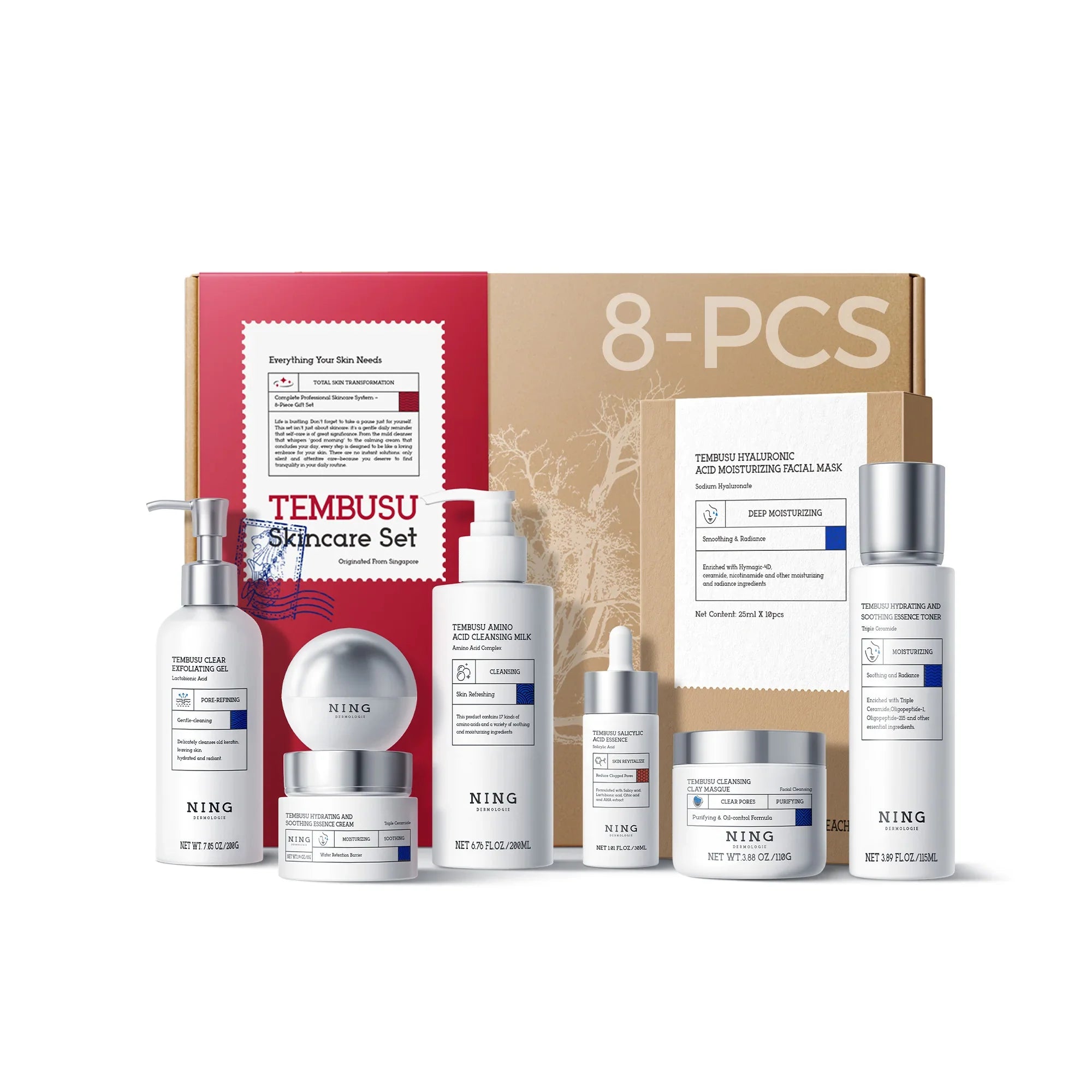
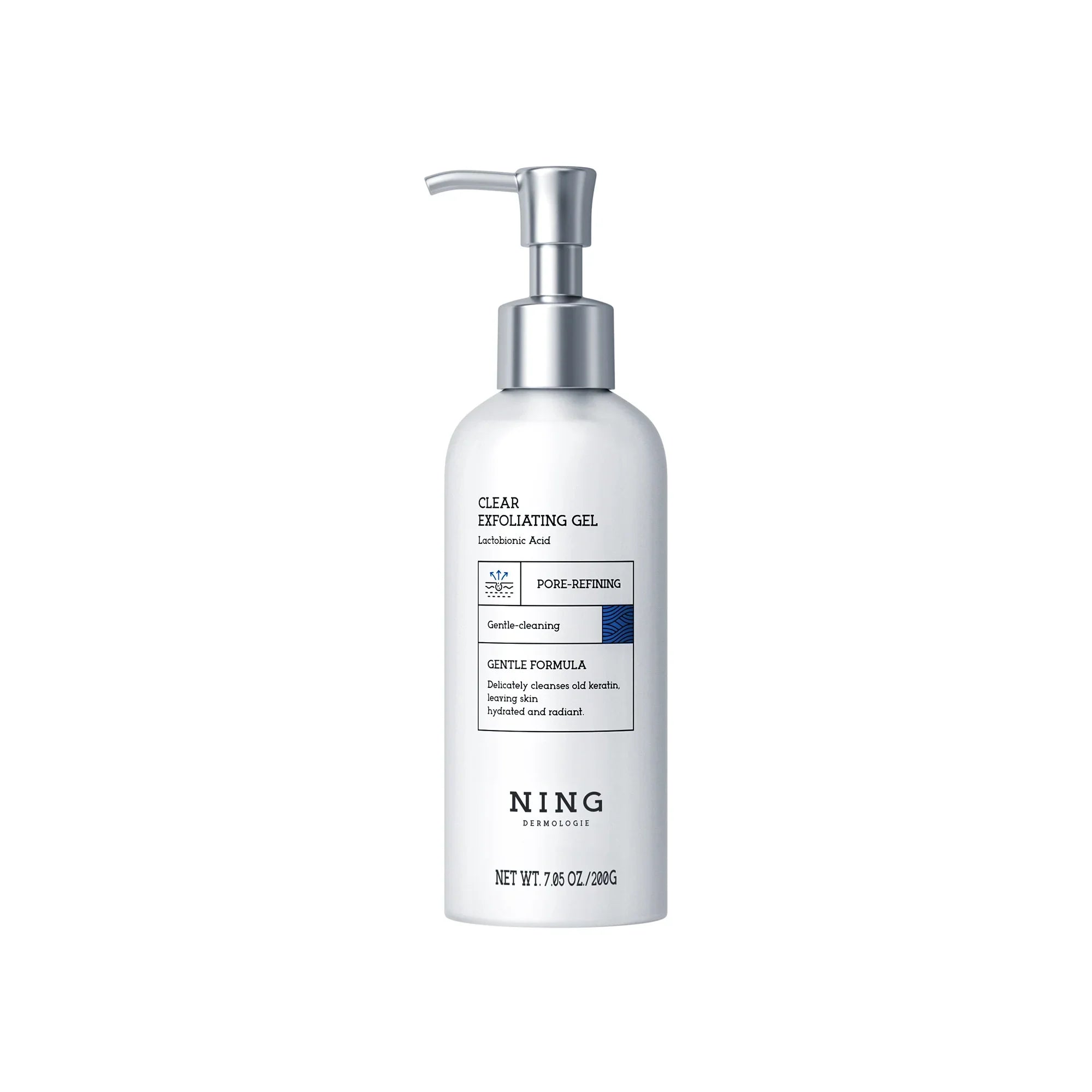
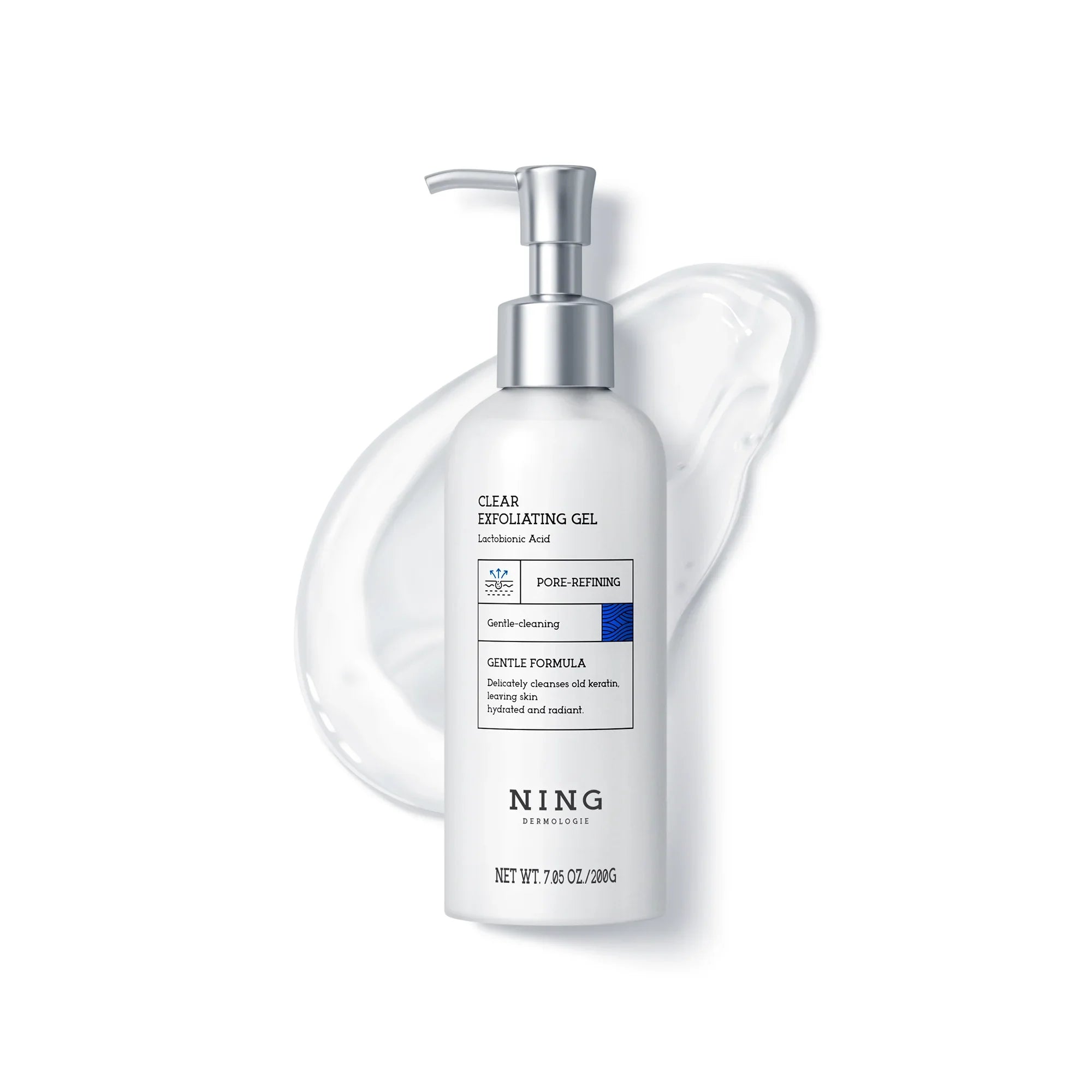
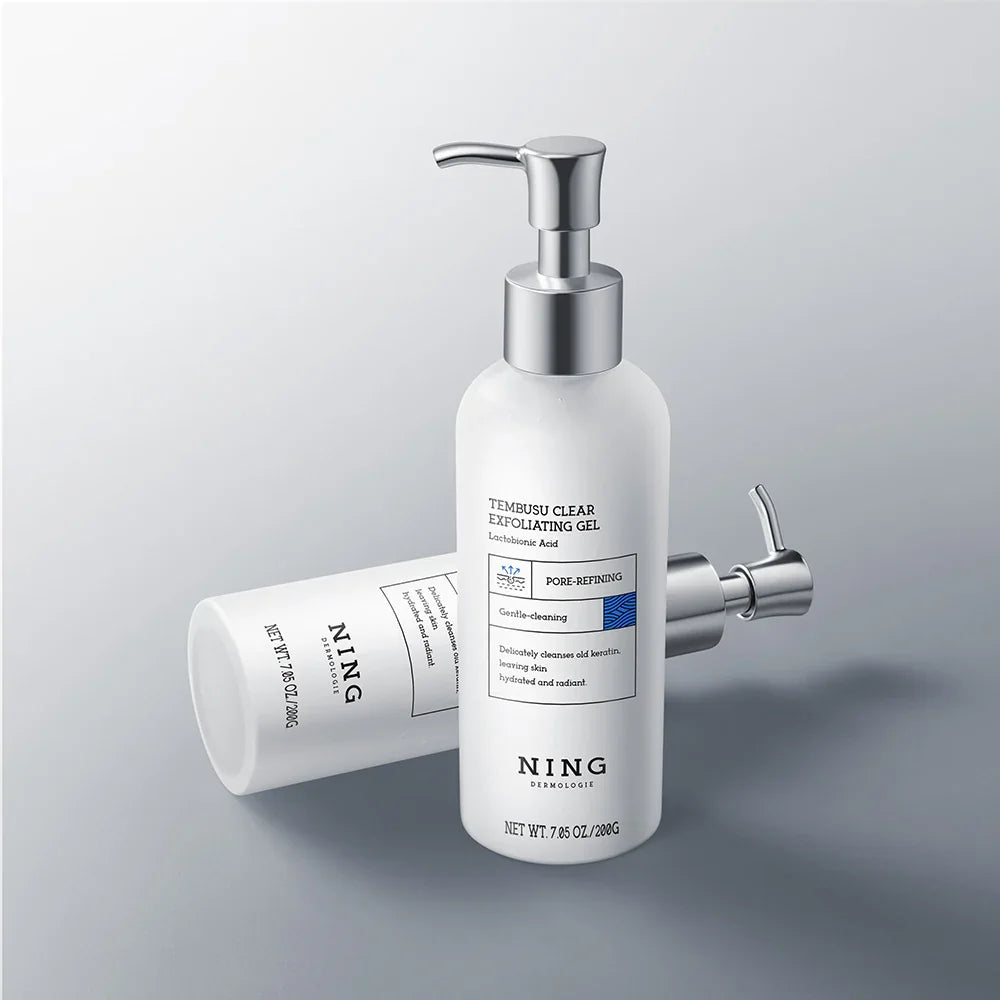
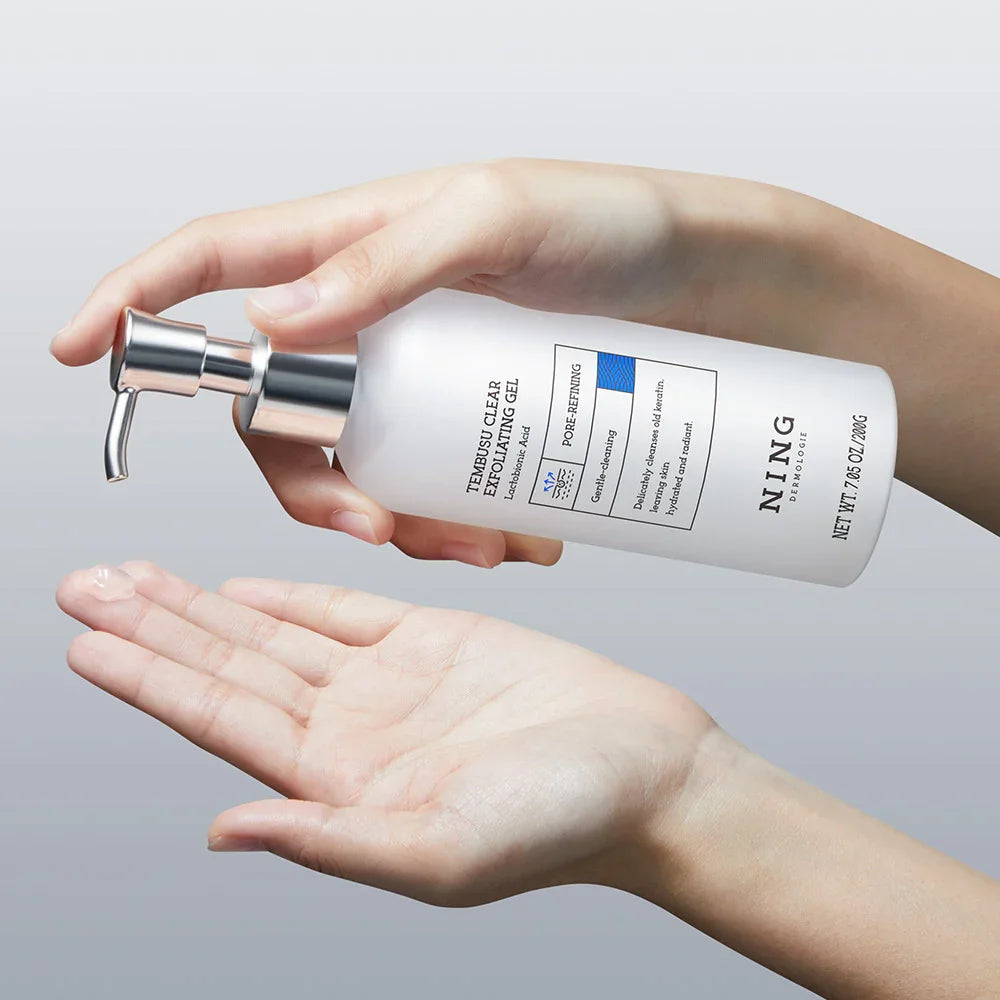
For those who find traditional exfoliating face washes too abrasive, NING Dermologie offers a sophisticated alternative. Their Peeling Gel for Face Purifying Exfoliating Face Wash takes a different approach to skin turnover.
Instead of relying solely on high-percentage alpha hydroxy acids which might cause stinging, this formula utilizes fruit enzymes like Carica papaya Extracts and Pineapple Core. These enzymes specifically target the protein in dead skin cells without disrupting the living cells underneath. It’s a "smart" exfoliation that respects your skin care goals without the downtime of a chemical peel.
If you’ve been using a Glycolic Acid 7% Toning Solution and finding your skin red and angry, switching to a botanical, enzyme-based exfoliating cleanser like NING’s can help restore your skin elasticity and glow.
Understanding the Ingredients: What Actually Works?
When reading a label, look for these dermatologist-backed ingredients:
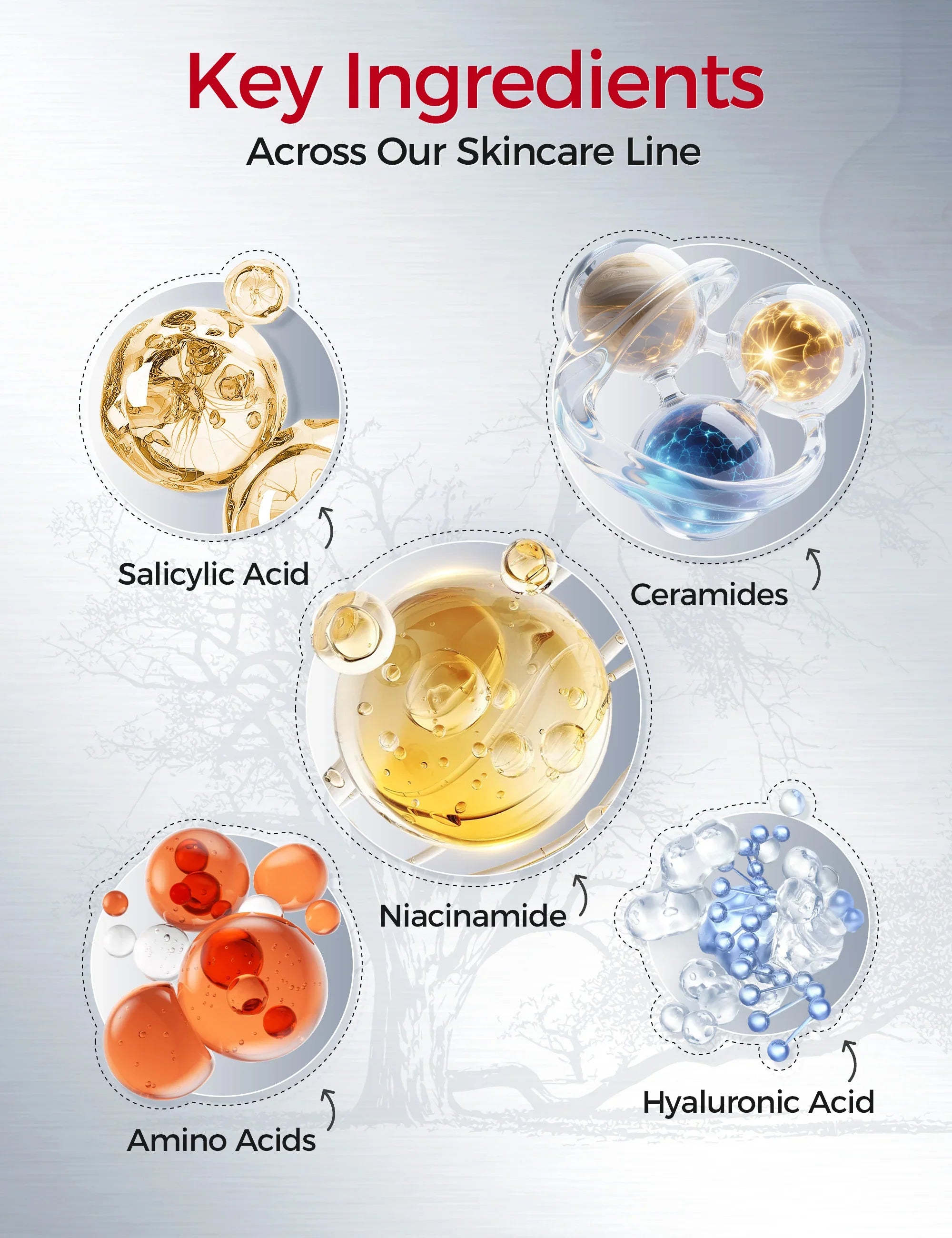
- Alpha Hydroxy Acids (AHAs): Includes Lactic acid and Glycolic Acid. Great for surface exfoliation and dry skin.
- Beta Hydroxy Acids (BHAs): Primarily Salicylic acid. Oil-soluble, meaning it gets deep into the pores. Essential for oily skin.
- Poly Hydroxy Acids (PHAs): The "new kids." Larger molecules that don't penetrate as deeply, making them perfect for sensitive skin.
- Benzoyl Peroxide: Often found in facial cleansers aimed at inflammatory acne; it kills bacteria but can be drying.
- Growth Factors & Amino Acids: These help with repair. Look for these in advanced treatments or ampoule concentrates.
How to Build Your Routine
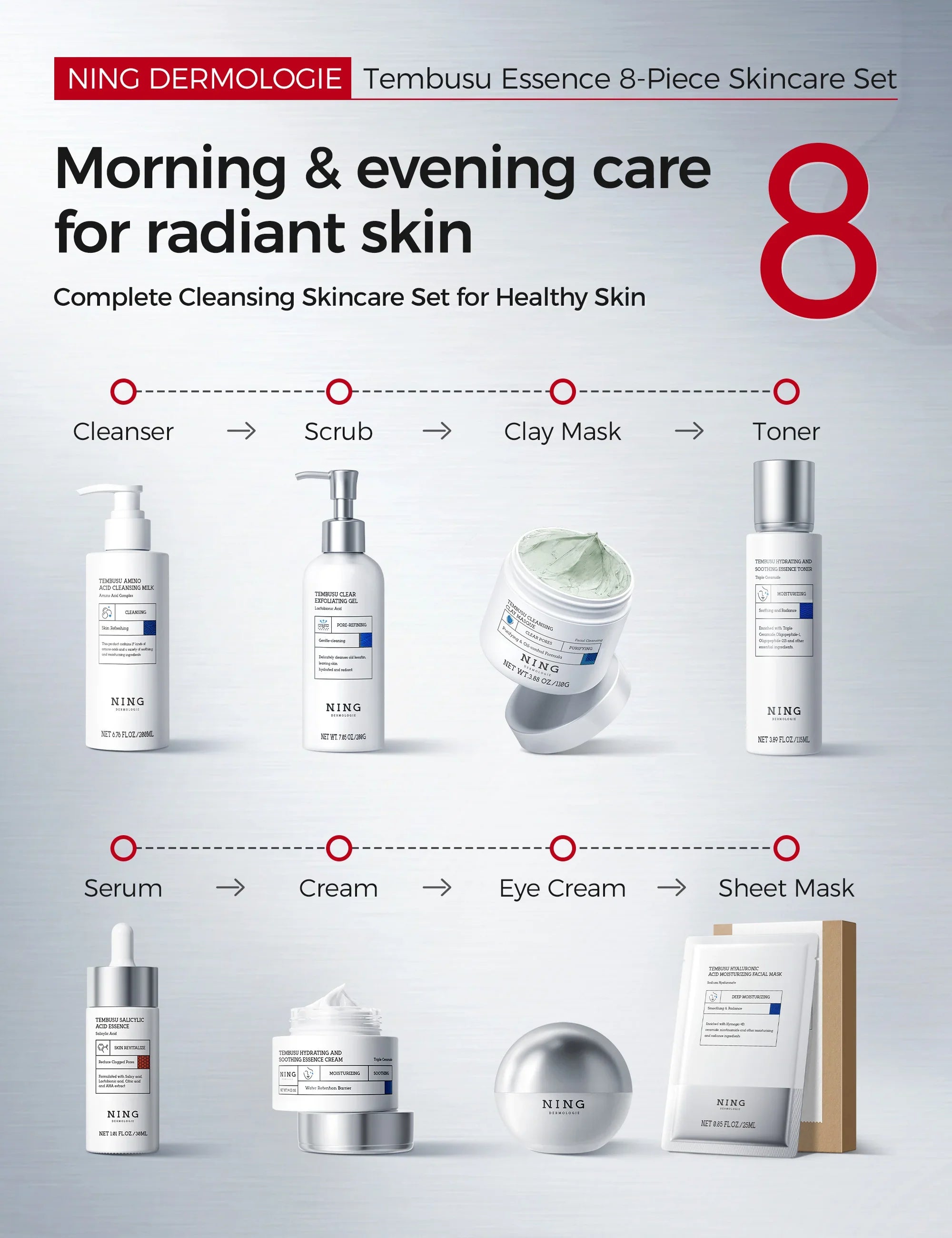
A great skincare routine isn't just about one product; it’s about how they play together. Here is how a board-certified dermatologist might suggest you build your routine:
The Morning (Protect)
- Gentle Cleanse: Use something like Cetaphil Gentle Skin Cleanser or Sea Radiance Gentle Cleanser.
- Antioxidant: Apply a Vitamin C serum (like SUPER ANTIOXIDANT SERUM) to fight UV rays.
- Hydrate: Use Hyaluronic acid mists and serums to plump the skin.
- Sunscreen: This is non-negotiable. EltaMD UV Sheer Broad-Spectrum Sunscreen SPF 50+ is a gold standard because it doesn't clog pores.
The Evening (Treat & Repair)
- Remove Makeup: Use Micellar Water or a cleansing balm.
- Exfoliate: This is where you use your exfoliating face washes. If you used NING Dermologie’s Peeling Gel, you’d notice the "pilling" effect—that’s the product bonding with dead skin cells.
- Target: Apply active ingredients like Differin Gel (Adapalene 0.1%) for acne or OBAGI ADVANCED FIRMING DUO for aging.
- Moisturize: Use a rich cream to seal everything in.
Avoiding the Pitfalls: Counterfeits and Hype
In the world of skincare products, if a deal looks too good to be true, it probably is. Counterfeit products are a massive issue on third-party marketplaces. Always buy directly from the brand or authorized retailers like the Skin Care Network.
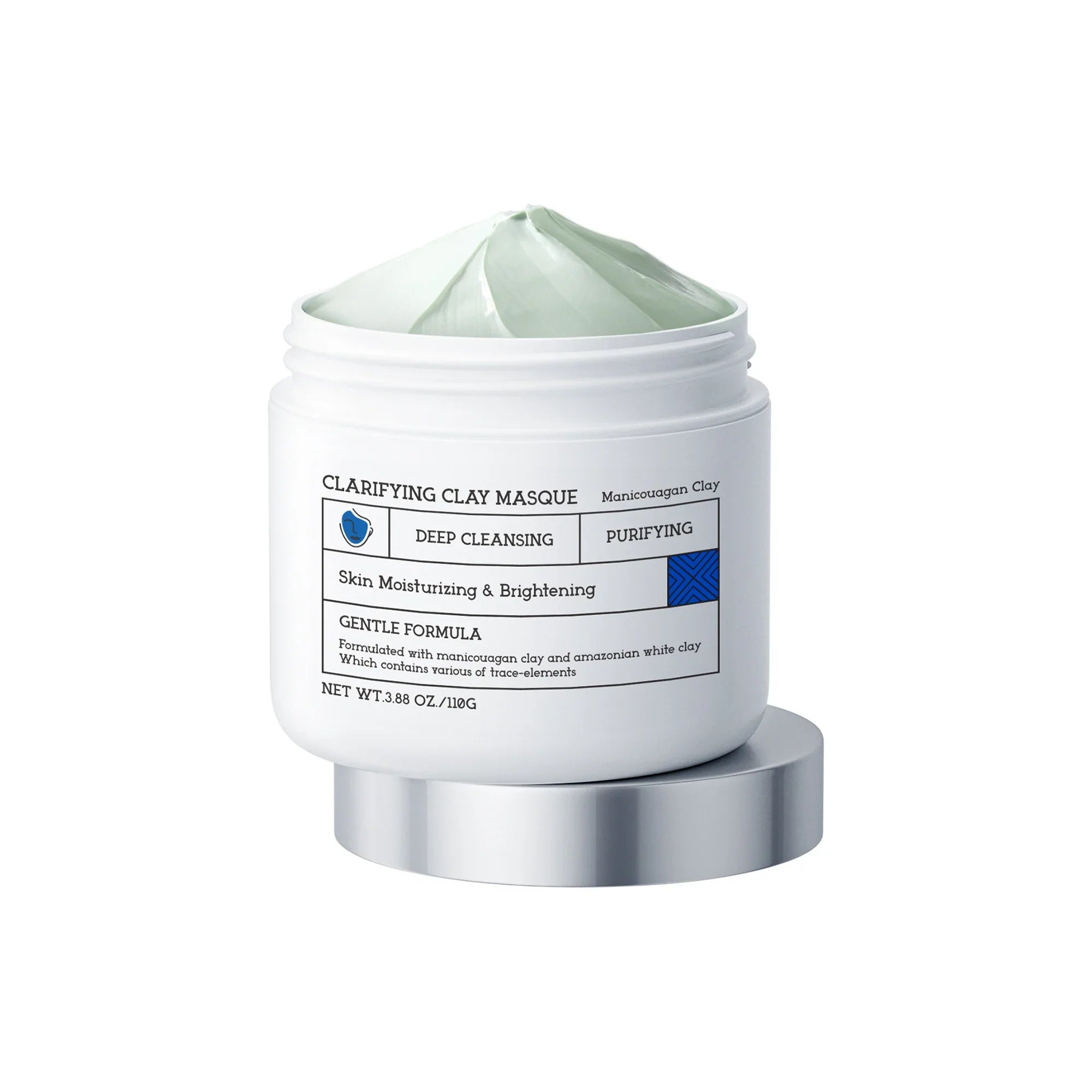
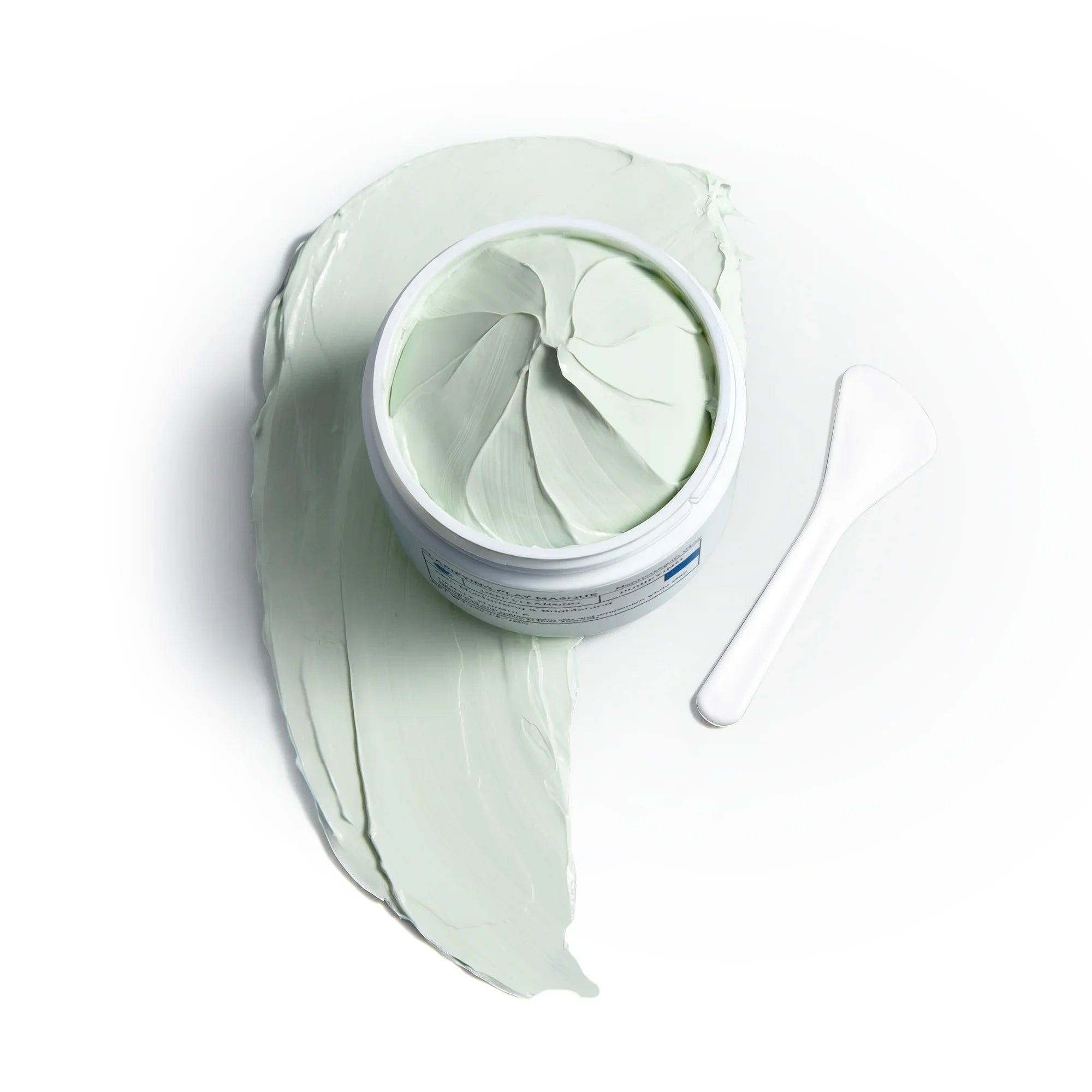
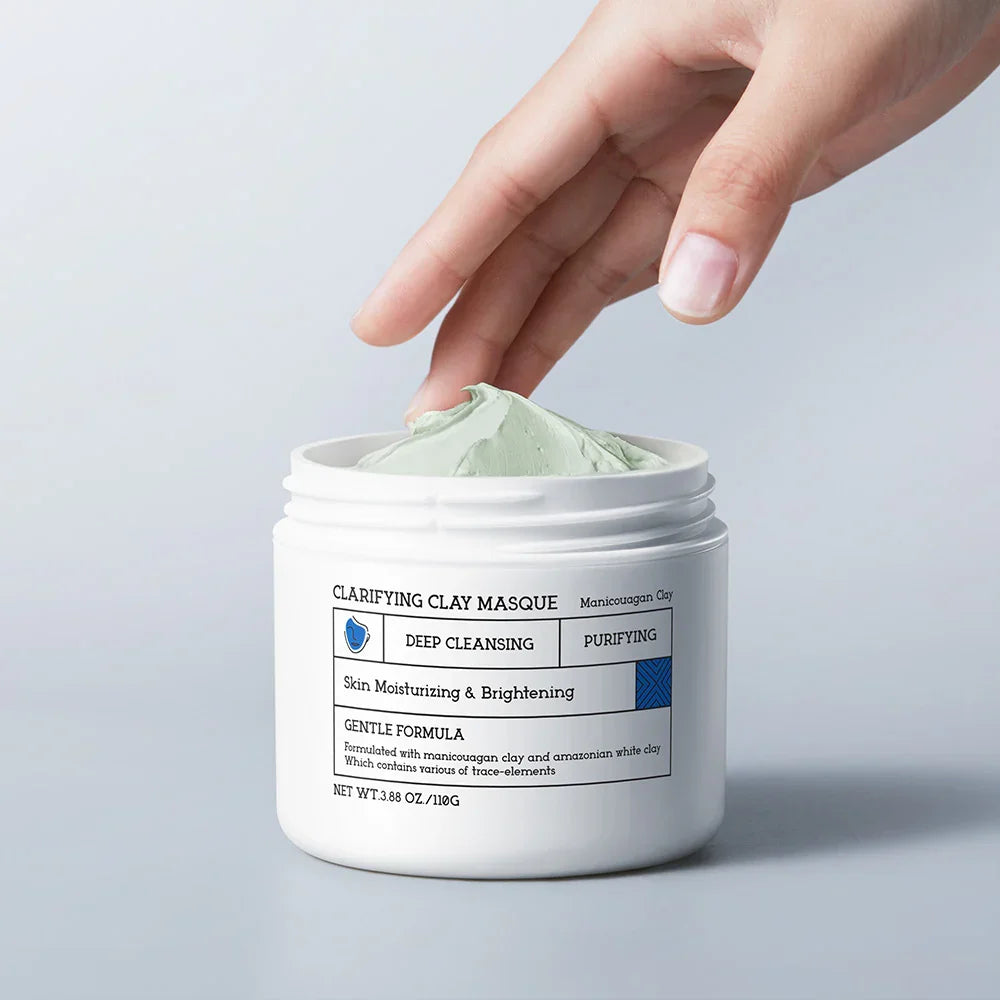
Also, be wary of "physical" scrubs with large particles (like crushed walnut shells). These can cause micro-tears in the skin. Instead, stick to chemical or enzymatic exfoliants. Even Amazonian white clay is a better physical option because it draws out impurities without scratching the surface.
If you are looking for more advanced treatments, such as needle-based procedures or BIOSTIM™ SCALP SERUM for hair health, always consult a professional in a clinical setting rather than DIY-ing at home.

Final Verdict
The best exfoliating face wash is the one that fits your specific skin concerns and is backed by science. For heavy-duty acne, La Roche-Posay or CeraVe are hard to beat. For luxury and high-potency acids, SkinCeuticals leads the pack.
However, if you want that "glass skin" look without the irritation of harsh acids, the NING Dermologie Peeling Gel is a masterclass in how modern skincare products can be both effective and incredibly gentle.
By focusing on Science-Backed Ingredients and respecting your skin barrier, you aren't just buying a product—you’re investing in long-term skin health.
Frequently Asked Questions (FAQ)
1. Can I use an exfoliating face wash every single day?
Most dermatologists suggest starting 2–3 times a week. Even if a product claims to be gentle, daily exfoliation can thin the skin barrier, leading to sensitivity. Listen to your skin—if it feels tight or looks shiny (but not oily), take a break and focus on hydration.
2. Is it safe to use Vitamin C and exfoliating acids together?
It’s better to split them up. Use your Vitamin C in the morning to neutralize UV rays and environmental damage. Save your exfoliating cleanser for the evening. Using both at once can destabilize the formulas and irritate even the most resilient skin types.
3. Why does my skin "pill" when I use a peeling gel?
In products like NING Dermologie, the "pilling" is a combination of the gel reacting with your skin's oils and physical dead skin cells. It’s a visual cue that the enzymes are working. It’s much safer than traditional scrubs that use jagged seeds or shells.
4. Will exfoliating help with my "maskne" or acne scars?
Yes. Salicylic acid is great for active breakouts, while Glycolic Acid and lactic acid help fade post-inflammatory hyperpigmentation (scars). By increasing cell turnover, you’re essentially bringing fresh, unscarred skin to the surface faster. Just ensure you’re using Hyaluronic Acid to keep the area hydrated.
5. I have very dry skin; should I skip exfoliating face washes?
Not at all. Dry skin often suffers from a buildup of dead cells that prevents moisturizers from absorbing. Opt for a poly hydroxy acid (PHA) or an enzymatic wash like the NING Peeling Gel. These remove the buildup without stripping the essential moisture your skin desperately needs.


Share:
Which exfoliating face washes offer gentle exfoliation without microplastics?
Find exfoliating face washes that also hydrate and brighten dull skin tones.