



The Hidden Cost of the "Scrub" Mentality
We’ve all been there: thinking that if a scrub doesn't feel like sandpaper, it isn't working. That’s a myth that usually leads to redness and micro-tears. When we talk about skin types, especially oily skin or combination skin, the goal isn't to sand down the face; it’s to encourage healthy cell turnover.
Traditional face wash products often used polyethylene because it was cheap and uniform. Today, beauty companies are shifting toward sophisticated formulations. Whether it’s a powder face cleanser, a solid face wash, or a sophisticated peeling gel, the focus has shifted to maintaining pH balance and protecting against environmental stressors.
Why "Gentle" is the New Powerful
The term "gentle" often gets a bad rap for being ineffective. However, in the world of modern skincare ingredients, gentle means precise. Instead of jagged shells, we now see Jojoba Bead Skin Brightening Exfoliator options or pomegranate enzymes that dissolve the "glue" between dead skin cells without friction.
For those who prefer a mechanical feel, the Pai Kukui & Jojoba Bead Skin Brightening Exfoliator uses perfectly spherical beads that roll over the skin rather than scratching it. Similarly, Goldfaden MD Doctor's Scrub uses ruby crystals, which are a step up in intensity but still vastly more sustainable than plastic.
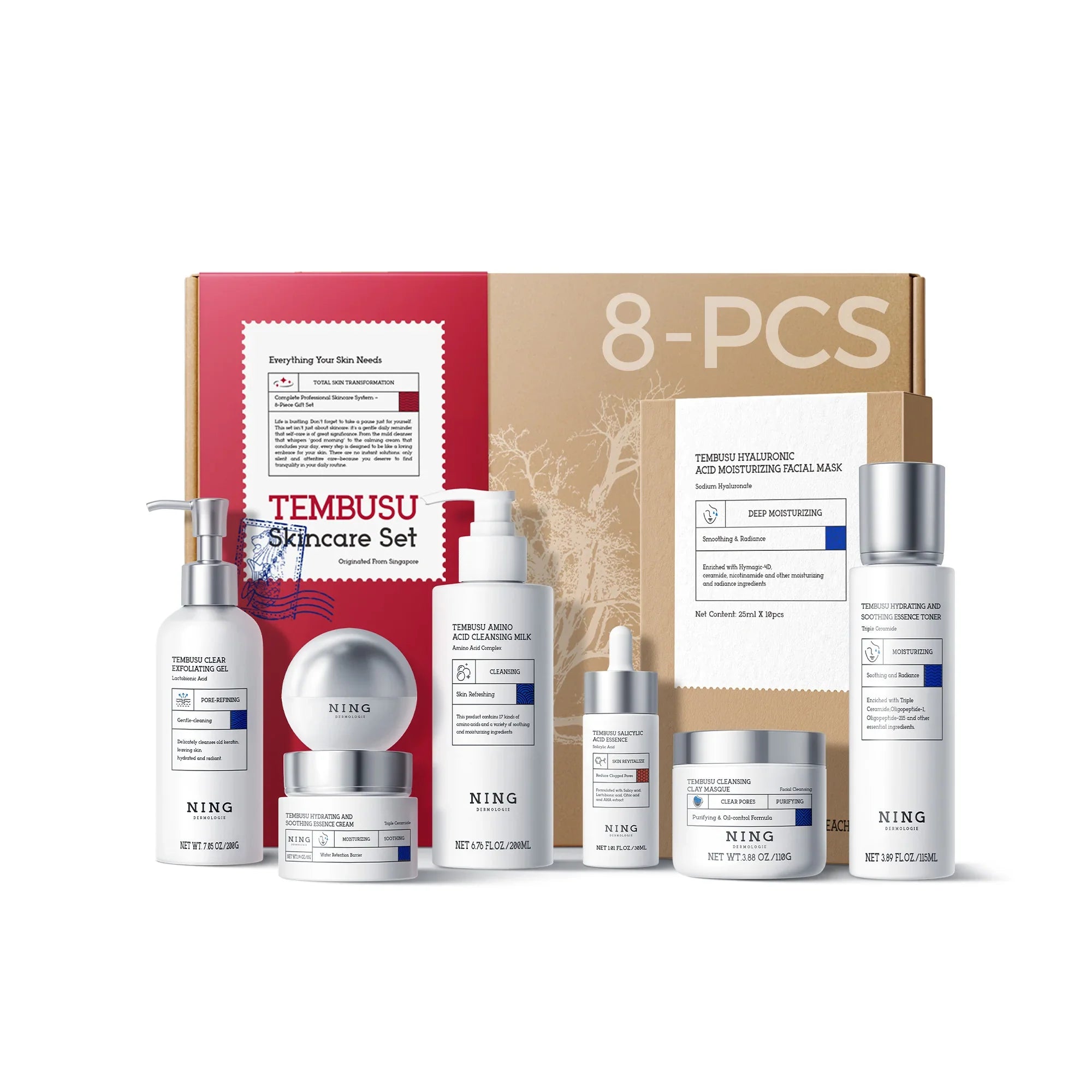
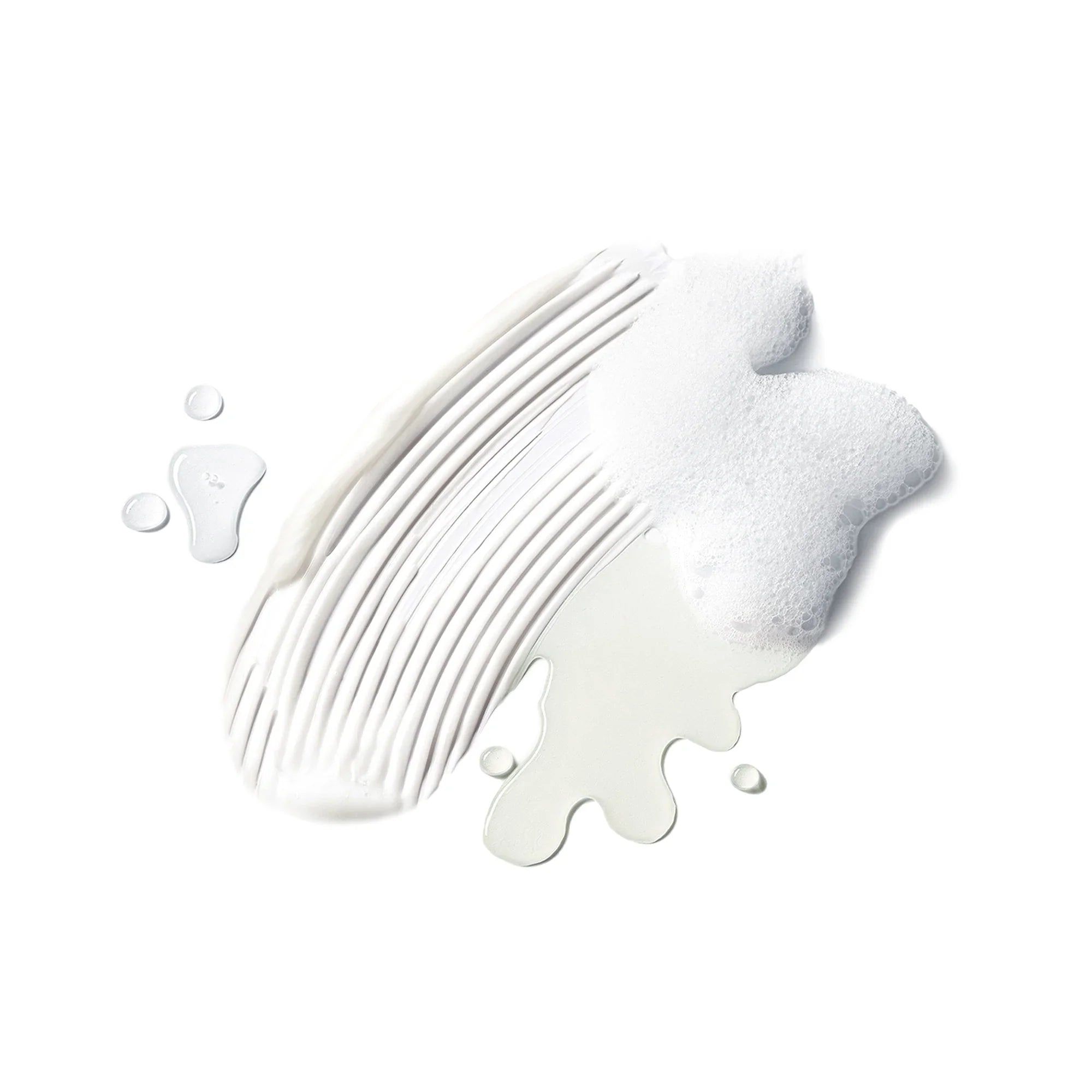
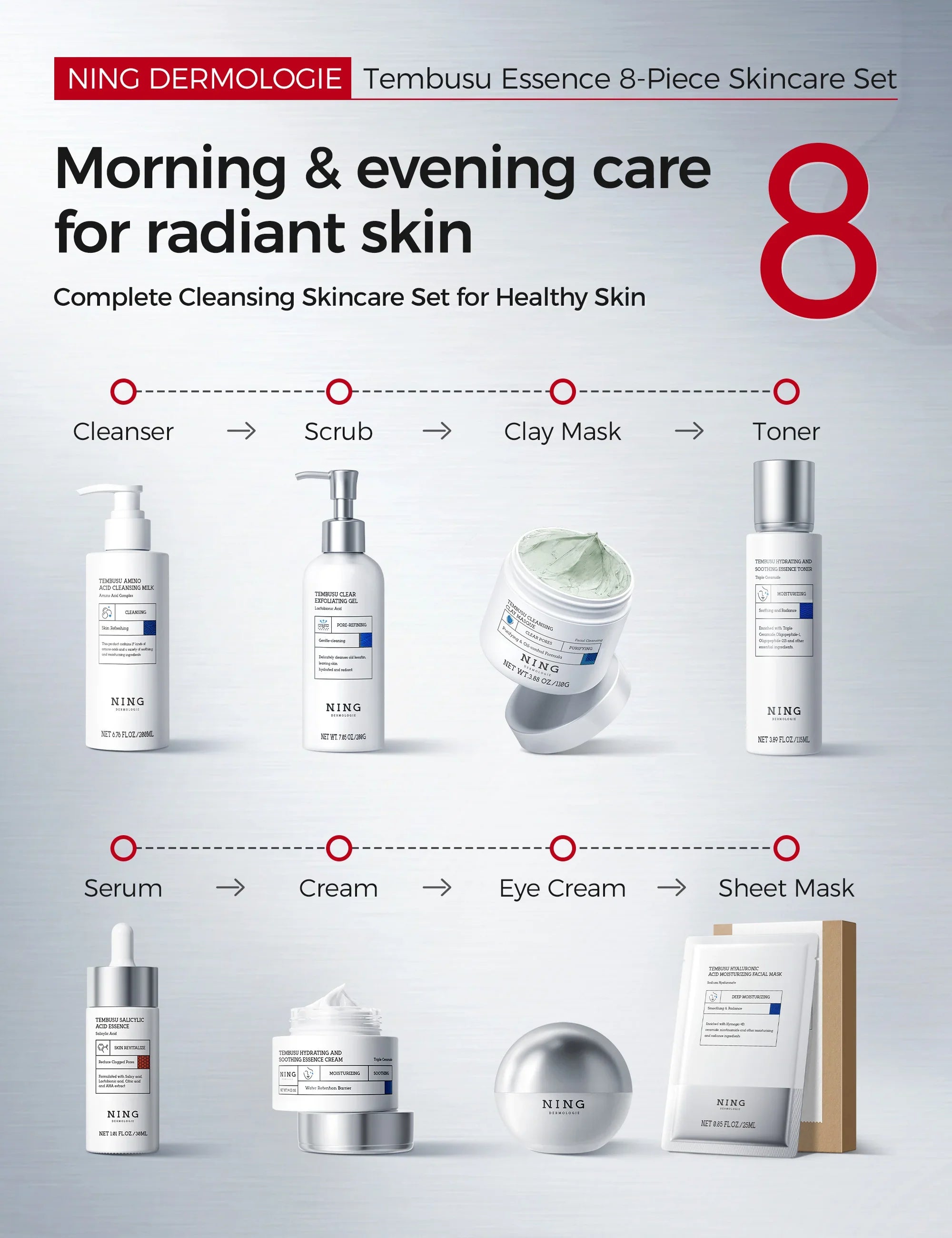
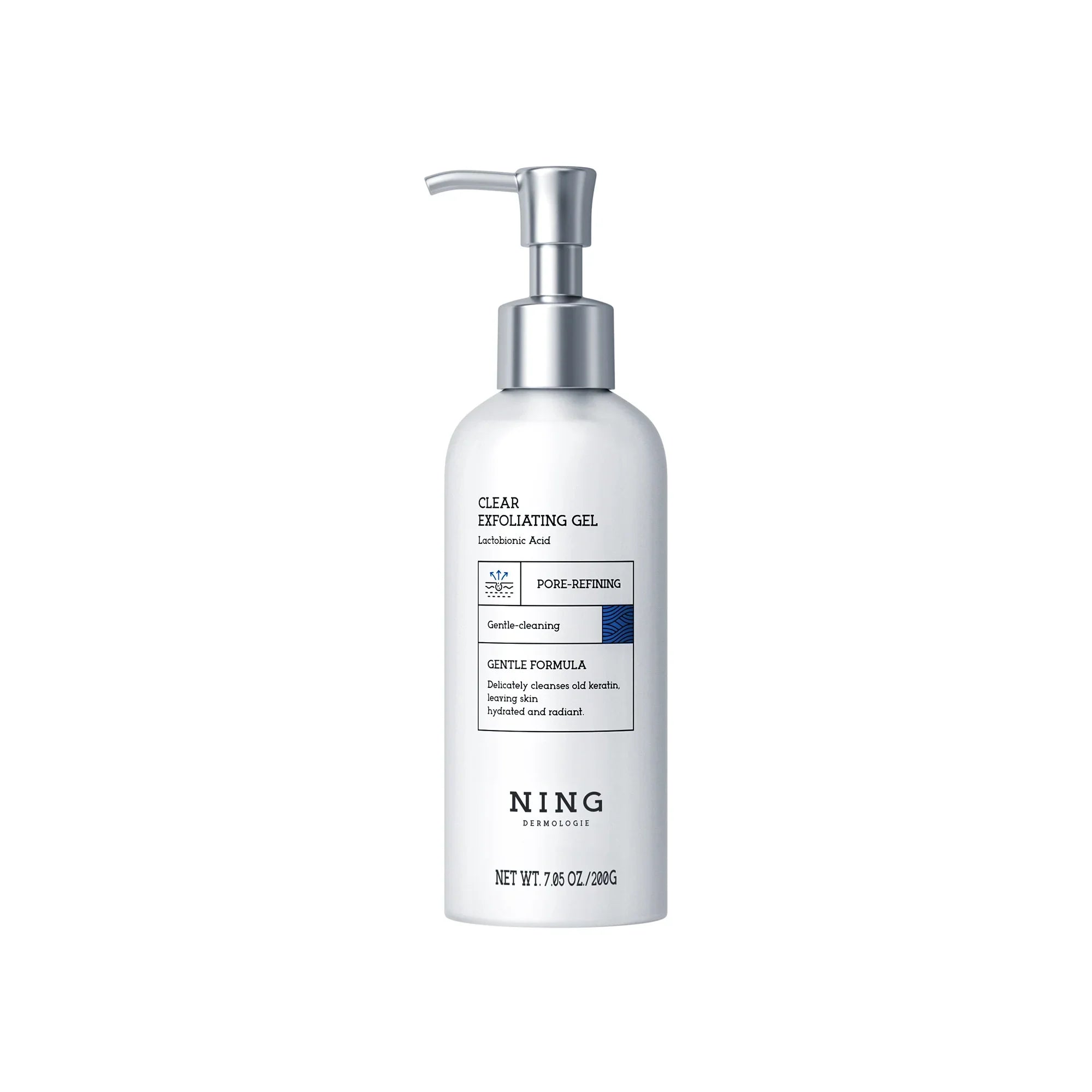
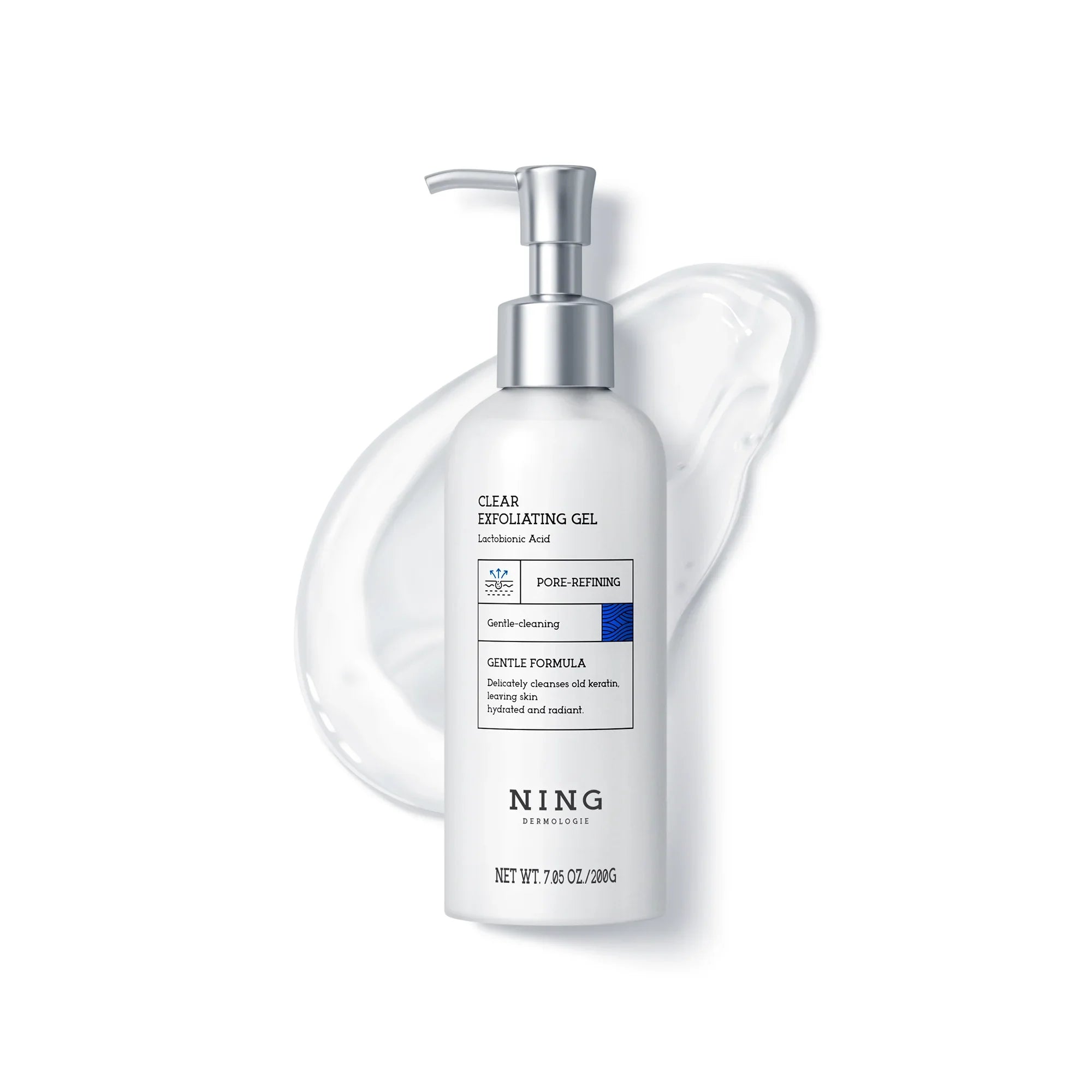
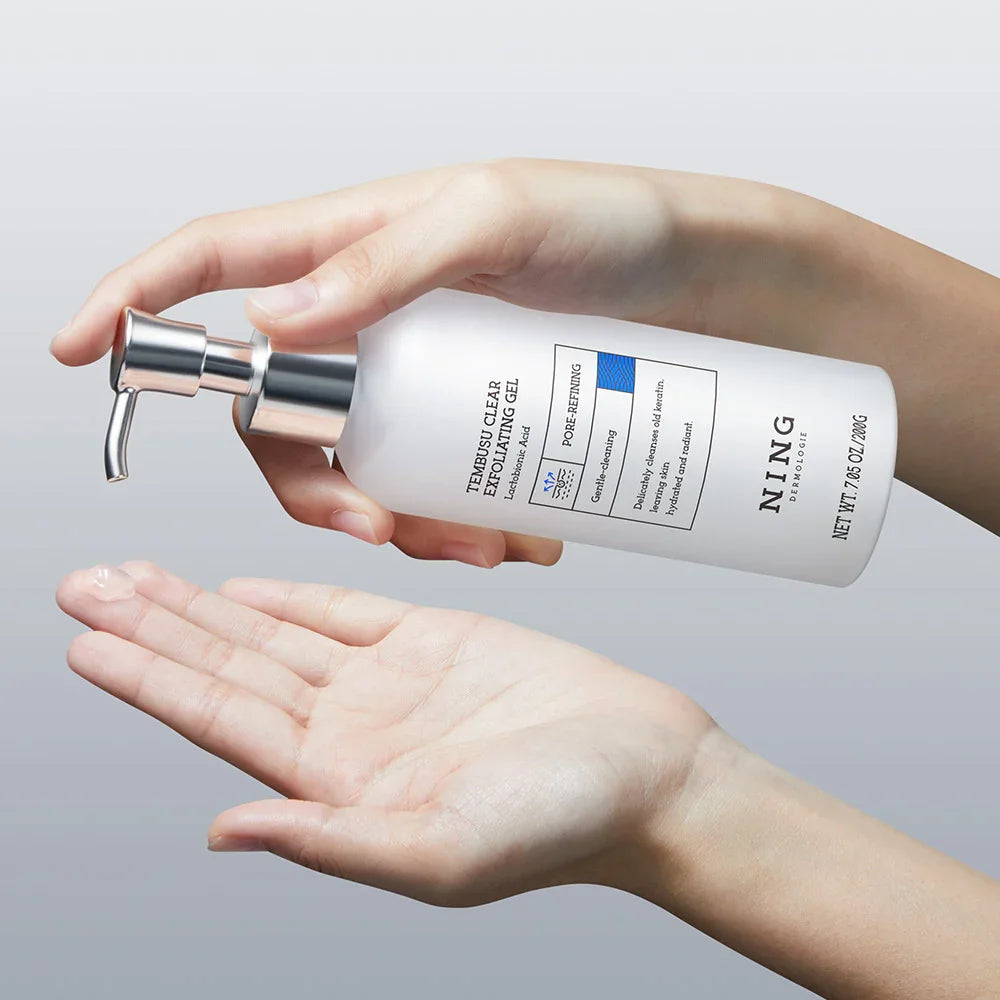
However, if you are looking for the ultimate "gentle yet effective" holy grail, the NING DermologieExfoliating Face Wash is a standout. Unlike harsh scrubs, this peeling gel uses a unique "clumping" technology. As you massage it onto dry skin, the formula reacts with your skin’s natural oils to gently ball up, lifting away debris and dead cells physically, but without a single grain of plastic or harsh grit. It’s a satisfying, visual way to see the facial cleanser working in real-time.

Understanding Your Acids: AHA, BHA, and Beyond
If beads aren't your thing, AHA exfoliation and salicylic acids (BHAs) are the gold standards.
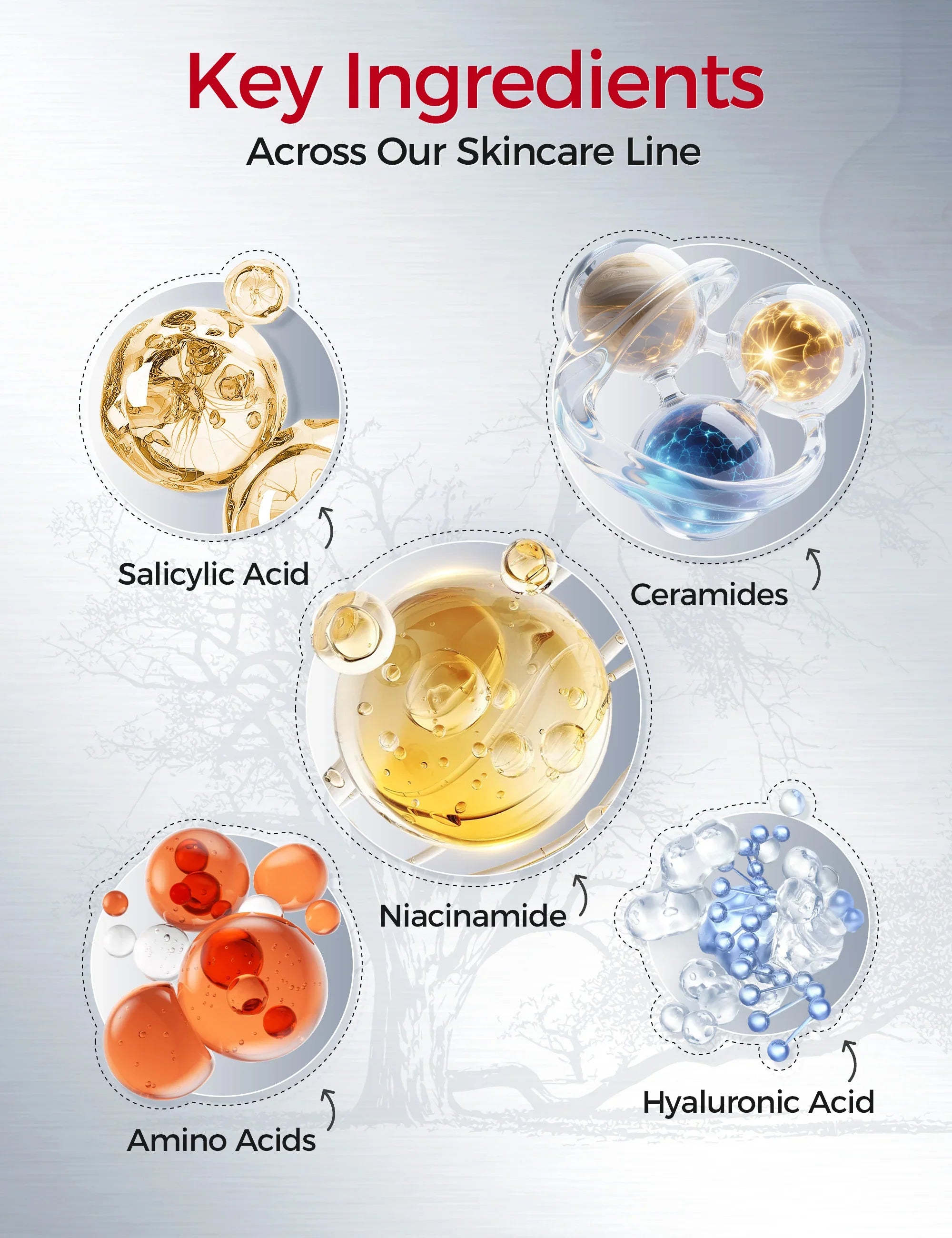
- Salicylic Acids: A must-have for oily skin. Being oil-soluble, it dives deep into pores to clear out gunk. The Skinceuticals Blemish + Age Cleanser Gel is a powerhouse here, blending lipo-hydroxy acid with salicylic acid to decongest without the need for scrubbing.
- Lactic Acid: The go-to for sensitive skin. It’s a larger molecule than glycolic acid, meaning it doesn't penetrate as deeply (and therefore irritates less). It also acts as a humectant, pulling moisture into the skin.
- Amino Acids: Often overlooked, amino acids in a face wash help maintain the skin's hydration and resilience.
When you use a product like the Aurelia Refine and Polish Miracle Balm, you’re getting a mix of enzymatic action and manual buffing. It’s an oil-based facial cleanser that transforms into a milk, proving that you don't need a foamy, stripping water-based cleanser to feel clean.
The Sustainability Factor: More Than Just the Formula
A truly plastic-free face cleanser isn't just about what’s inside the bottle; it’s about the bottle itself. The industry is moving toward sustainable skincare through glass packaging, aluminum bottles, and recyclable paperboard.
Brands like Activist Skincare and Dew Mighty’s are leading the charge with refillable packaging and solid serum bars. If you look at the business model of many small business brands, they are prioritizing carbon-neutral shipping and refillable metal containers over single-use plastic.
- Aluminum alloy tubes: Highly recyclable and keeps the ingredients (like a Vitamin C serum) stable by blocking light and air.
- Glass bottles: The gold standard for clean beauty, though they require careful handling in the shower.
- Face soap bars & Powdered face wash: By removing water from the formula, brands can use a recyclable paperboard box instead of a plastic jug. May Lindstrom Skin The Clean Dirt Cleansing Clay is a cult favorite in this category—you mix the powder with water yourself, creating a fresh, spicy mousse every time.
Curating Your Routine: By Skin Type
Choosing an exfoliating cleanser shouldn't be guesswork. Here’s a quick breakdown based on what your skin is telling you:
1. The Sensitive & Dry Edit
Look for hyaluronic acid and green tea to soothe while you exfoliate. The Liz Earle Gentle Face Exfoliator uses fine jojoba beads in a rich cream base, ensuring the skin never feels "tight." Following up with a Vitamin C serum can help with brightness, but ensure your skincare routine includes a heavy-duty moisturizer to seal the barrier.
2. The Oily & Acne-Prone Edit
You need to manage excess oil without triggering more production. Elemis Papaya Enzyme Peel is a non-abrasive cream that uses natural fruit enzymes to eat away dead skin. It’s effective for those who find physical grains too stimulating for active breakouts.
3. The "I Want It All" Combination Skin Edit
NING Dermologie’s Peeling Gel is particularly effective here. It targets the T-zone congestion while remaining hydrating enough for the cheeks. Because it's a plant-based face cleanser philosophy, it avoids the "rebound oiliness" that often follows harsh chemical peels.
Expert Insights: The "Into The Gloss" Perspective
If you’ve followed editors like Tom Newton or industry insiders like Jessica Richards (founder of Shen Beauty), you know the trend is moving toward "slow beauty." It’s about products that perform multiple roles. A powder face cleanser that doubles as a mask, or a Gentle Exfoliating Cleanser that also infuses the skin with Vitamin C.
The Good Trade often highlights brands that offer Subscribe & Save options or free returns, making it easier for consumers to make eco-friendly swaps without the financial risk. Moving to a refill system or refill option isn't just good for the planet; it’s usually better for your wallet in the long run.
Why NING Dermologie is Different
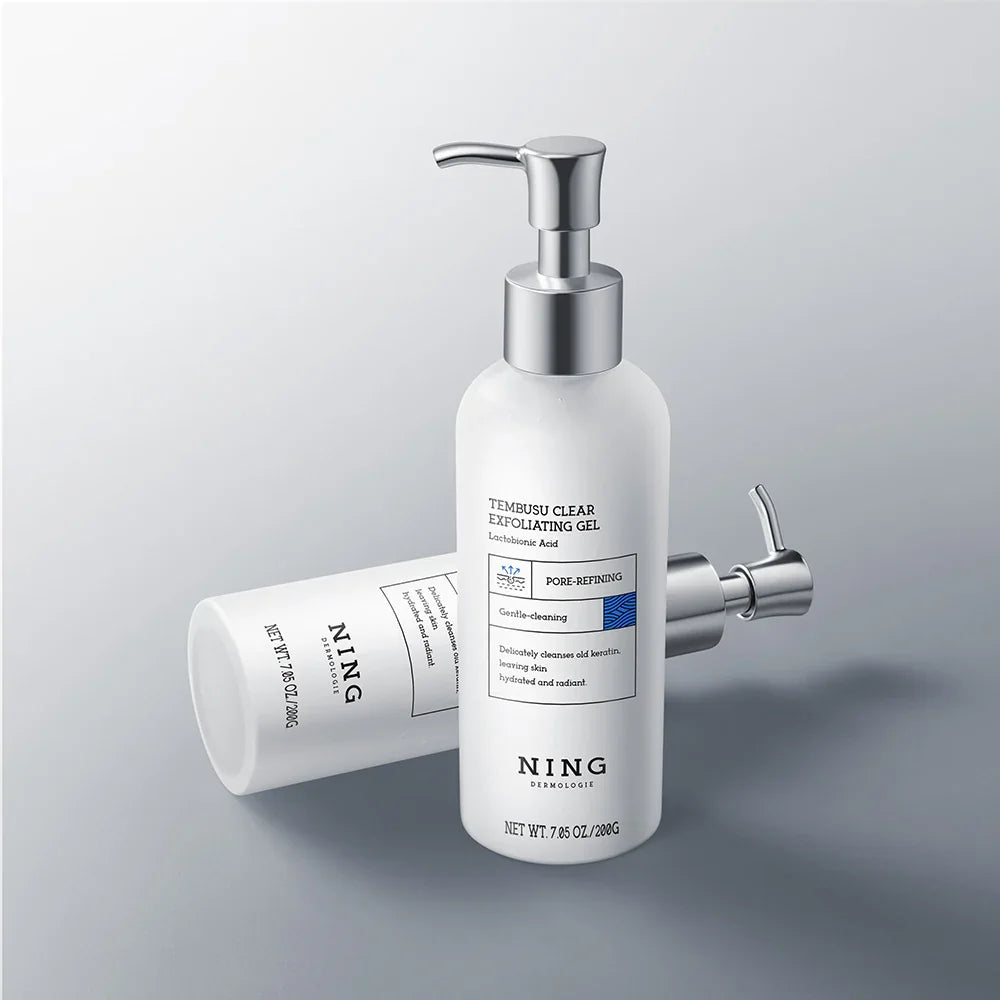
In a sea of beauty products, why choose the NING Dermologie Exfoliating Face Wash? Most facial cleansers either strip everything or do nothing. This formula focuses on "Purifying" through a physical-chemical hybrid approach. By using a peeling gel mechanism, it bypasses the need for plastic microbeads entirely.
The addition of hyaluronic acid ensures that while the "gunk" is being removed, moisture is being put back in. It’s a vegan & cruelty-free choice that fits perfectly into a modern, sustainable skincare shelf. Plus, its texture is a literal breath of fresh air—starting as a cool gel and transforming as it works, leaving your skin feeling like it can finally breathe.
Final Thoughts on Making the Switch
Transitioning to plastic-free packaging and microplastic-free formulas is a journey. You don't have to throw everything away today. Start by replacing your Face Exfoliator when it runs out. Look for the recyclable paperboard or aluminum bottle next time.
Remember, the goal of a skincare routine is health, not perfection. Whether you’re using a solid Vitamin C serum or a luxurious cleansing clay, the ritual should feel good. By choosing products that respect both your skin’s pH balance and the ocean’s health, you’re investing in a prettier future for everyone.

Frequently Asked Questions (FAQ)
1. Are natural exfoliants like walnut shells better than microplastics?
To be blunt, natural isn't always skin-friendly. Ground walnut shells are basically tiny daggers that cause micro-tears. If you want smooth skin without the damage, stick to jojoba esters or a peeling gel like NING Dermologie. It’s about getting rid of dead skin without leaving your face raw and irritated.
2. How often should I use an exfoliating face wash?
Slow down. Most people overdo it and ruin their skin barrier. If you're oily, two or three times a week is your sweet spot. Sensitive? Once is plenty. If your skin starts looking "glassy" but feels tight and dry, you’ve gone too far. Pay attention to how your skin feels, not just the calendar.
3. Can I use a peeling gel if I have active acne?
Actually, it’s often the best choice for breakouts. Since peeling gels don't have jagged grains, you won't accidentally tear open a pimple or spread bacteria. NING’s formula just balls up and lifts debris away. Just keep your touch light—the gel does the work so you don't have to scrub.
4. Why is "waterless" or "powder" skincare becoming popular?
It’s basically about cutting the filler. Water makes products heavy and requires more preservatives to stay shelf-stable. Powders are just the active stuff, making them lighter to ship and way easier to pack in paper. It’s a smarter way to get professional results without the unnecessary plastic waste.
5. Does "Microplastic-free" mean the packaging is also plastic-free?
Watch out for the marketing spin—it doesn’t. A formula can be bead-free but still sit in a single-use plastic jug. "Microplastic-free" only refers to the ingredients inside. If you're serious about the planet, you need to look for glass, aluminum, or refillable systems to match the clean formula.


Share:
Where can I order exfoliating face wash with subscription delivery services?
What exfoliating face wash products come with dermatologist-backed clinical studies?