


Reviews of vitamin C serums that work well on sensitive skin
If you have sensitive skin, you know the drill: you buy a highly-rated vitamin c serum, apply it with high hopes, and wake up twenty-four hours later with a face that feels like it’s been through a chemical sandstorm.
For years, the industry has pushed the idea that if a vitamin c product doesn't sting, it isn't working. But as we move into the vitamin c serums of 2026, that narrative is finally shifting. You don’t have to sacrifice your skin barrier for a brightening effect.
I’ve spent months testing formulations, consulting with a board-certified dermatologist, and looking at the molecular stability of various forms of vitamin c. Whether you’re trying to brighten dullness, fade dark spots, or tackle fine lines, here is the unfiltered reality of finding the best vitamin c for reactive faces.

Why Most Vitamin C Serums Hate Your Sensitive Skin
The "Gold Standard" in the industry has long been l-ascorbic acid. It’s the pure vitamin c everyone talks about. However, for a skin type that flushes at the mere thought of a breeze, l-ascorbic acid is often a nightmare.
Why? Because it’s notoriously unstable and requires a very low pH (usually around 2.5 to 3.5) to penetrate the skin. That acidity is exactly what causes the "tingle" that quickly turns into a full-blown irritate-fest. If you’ve ever felt like “my skin is on fire” after applying a face serum, the pH level was likely the culprit.
For sensitive skin types, the secret isn't necessarily a lower concentration; it’s a smarter vitamin c derivative. Ingredients like sodium ascorbyl phosphate, magnesium ascorbyl phosphate, and the star of 2026, 3-O-Ethyl Ascorbic Acid, offer antioxidant protection without the aggressive acid trip.
The Heavy Hitter: SkinCeuticals C E Ferulic
You can’t talk about skin care without mentioning the SkinCeuticals C E Ferulic. It is the favorite vitamin c of almost every dermatologist I’ve interviewed.
The Performance
This ferulic serum combines 15% pure vitamin c with vitamin e and ferulic acid. The ferulic acid acts as a stabilizer, making the antioxidant duo even more potent. During our testing, the tester’s skin showed a visible improvement in skin tone and texture within six weeks.
The Caveat for Sensitive Skin
Despite its "holy grail" status, it’s not the perfect vitamin c for everyone. The high concentration of ascorbic acid and the low pH can be too much for acne-prone skin or those with rosacea. It also smells a bit like hot dog water—a small price to pay for efficacy, but worth noting. If your skin may react to high acidity, proceed with caution.
The Balanced Innovator: NING Dermologie Vitamin C Serum
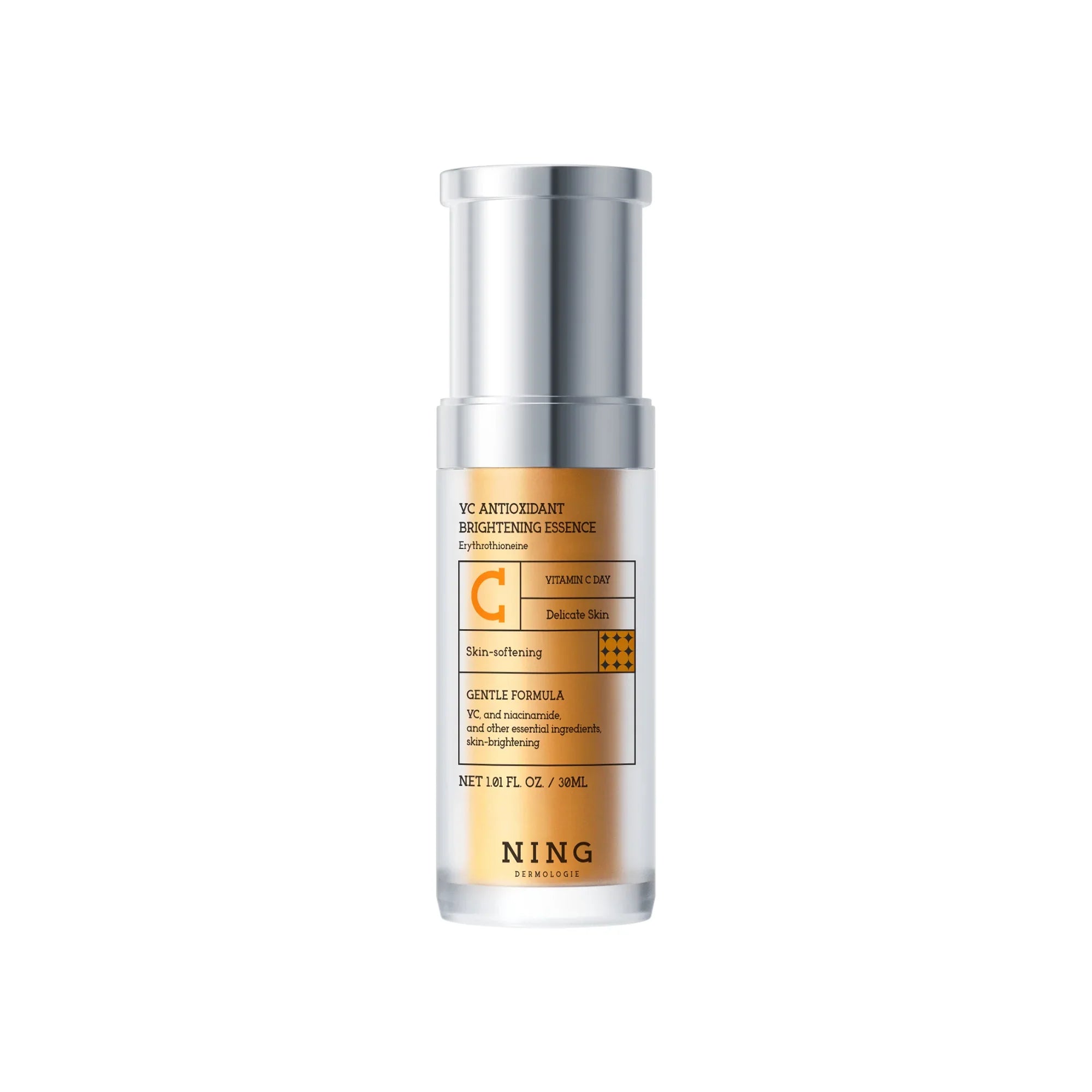
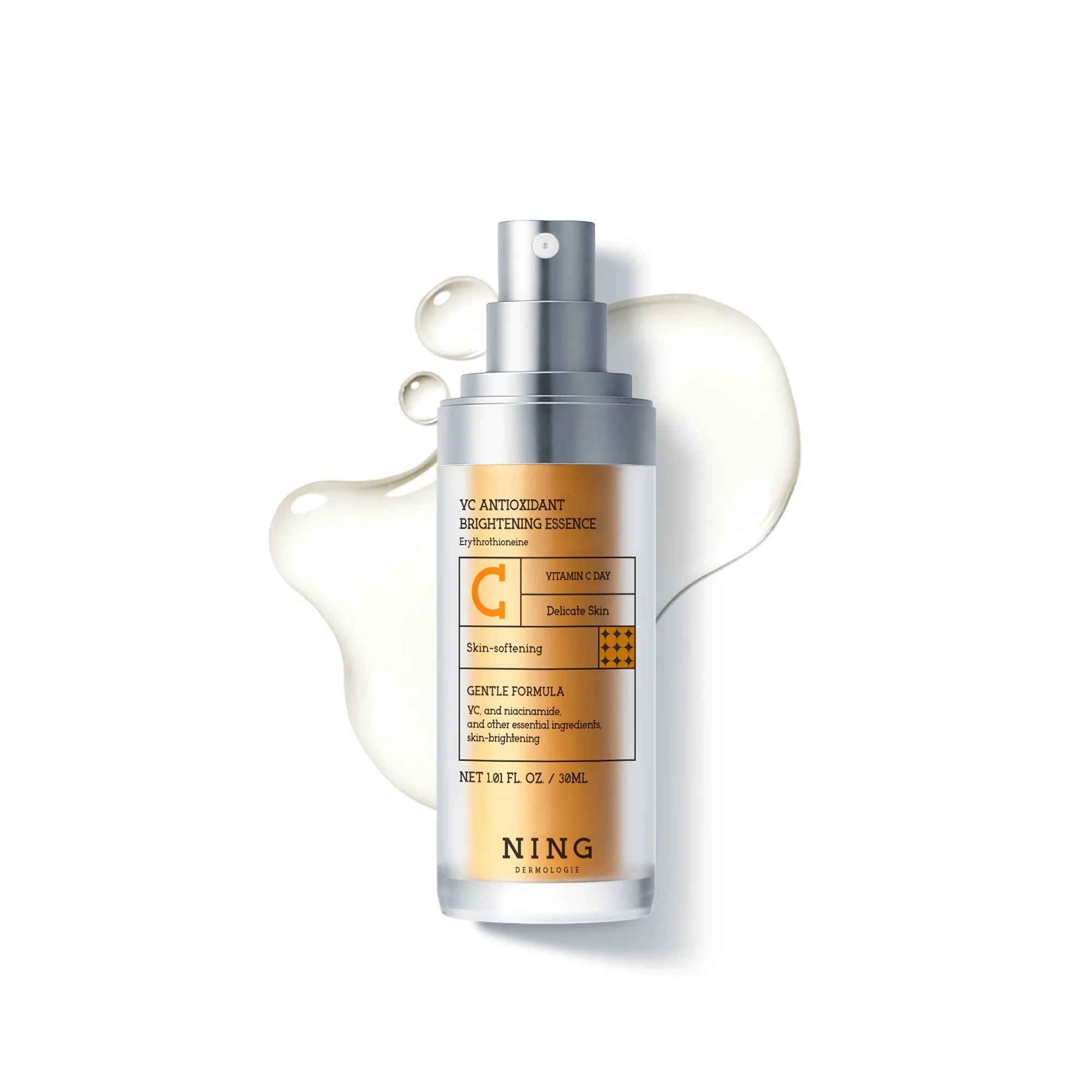
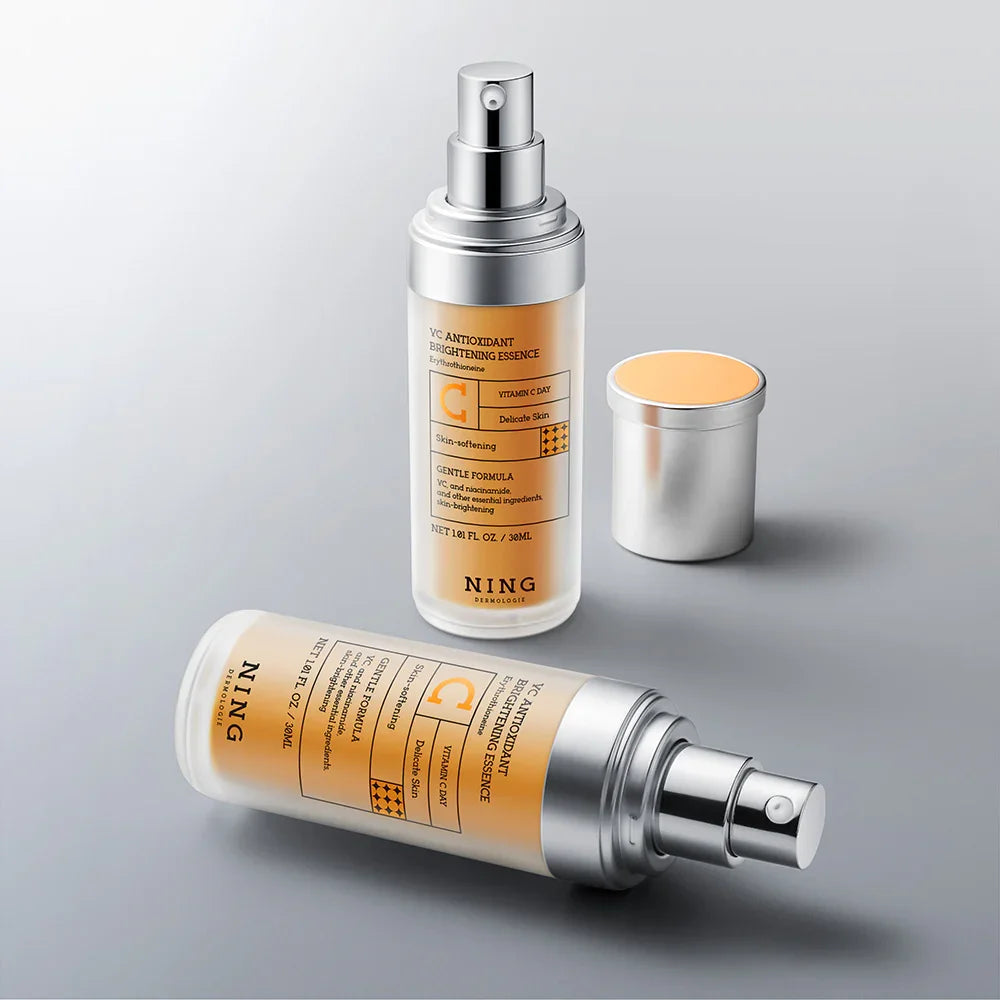
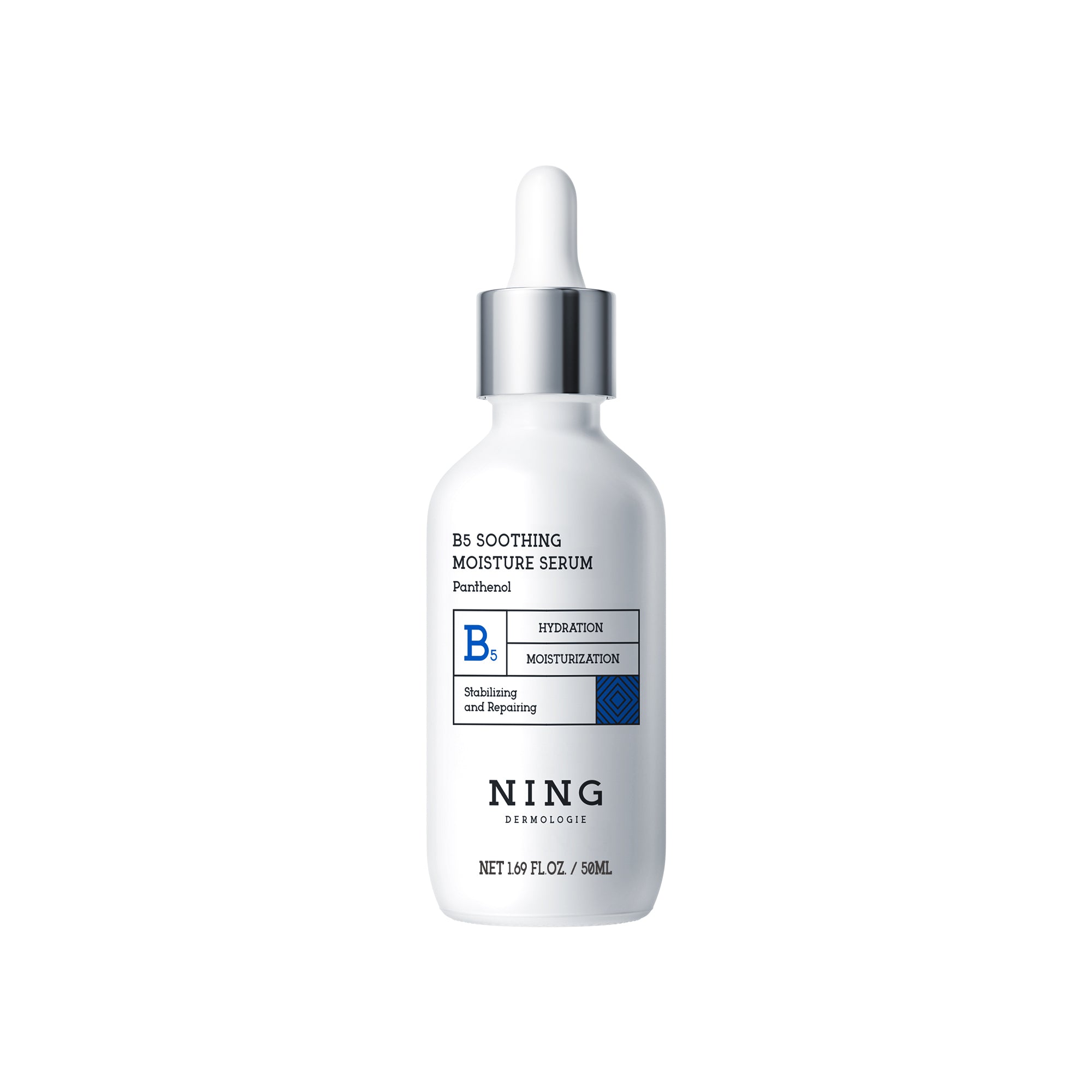
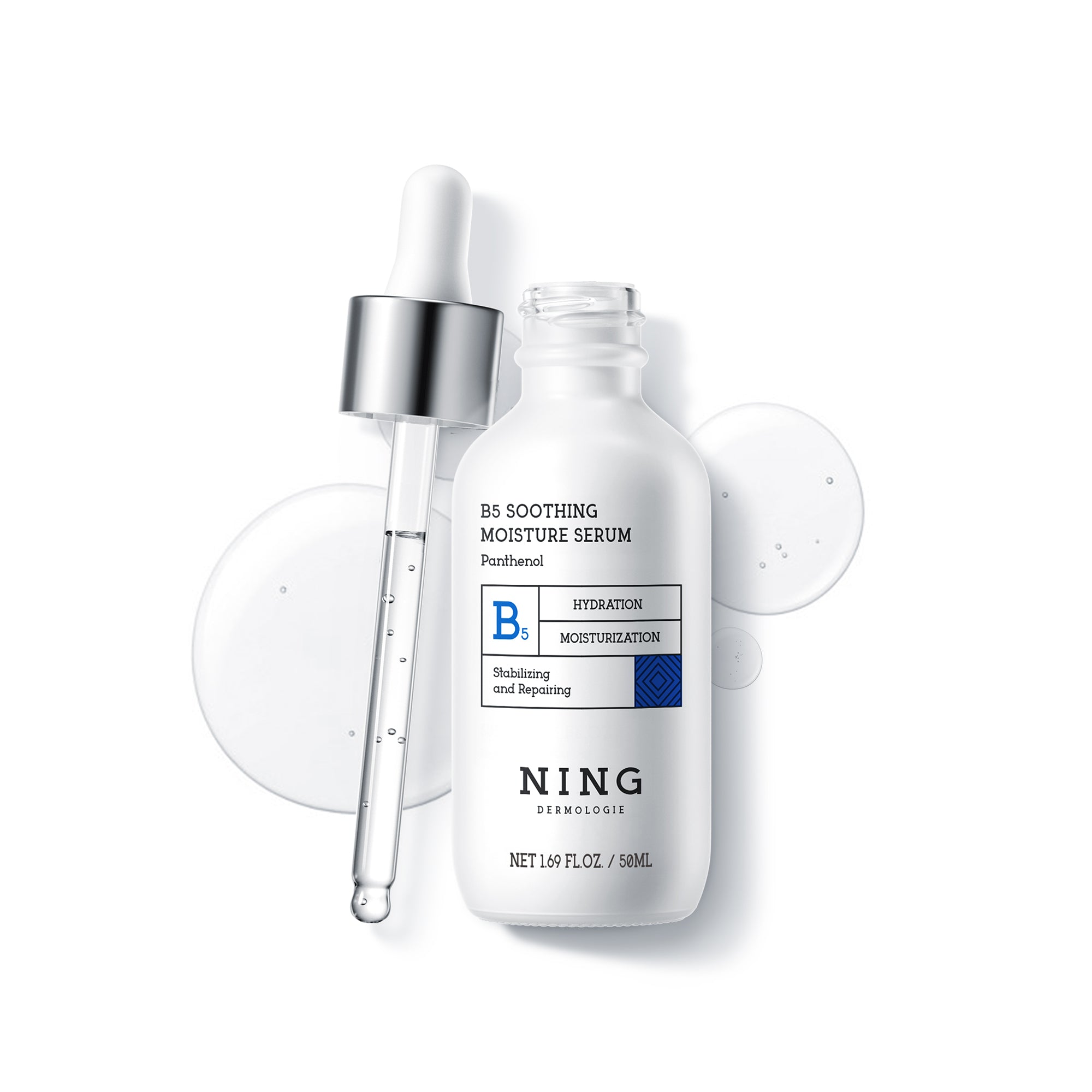
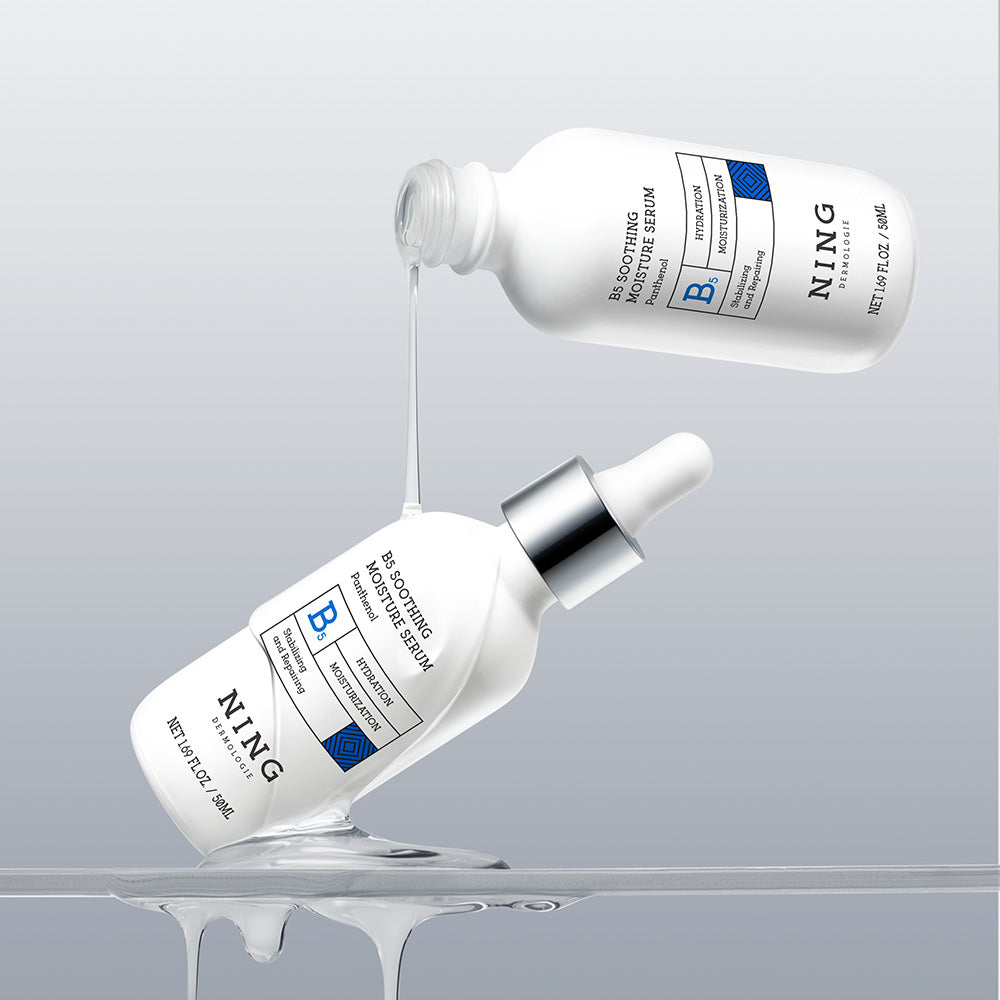
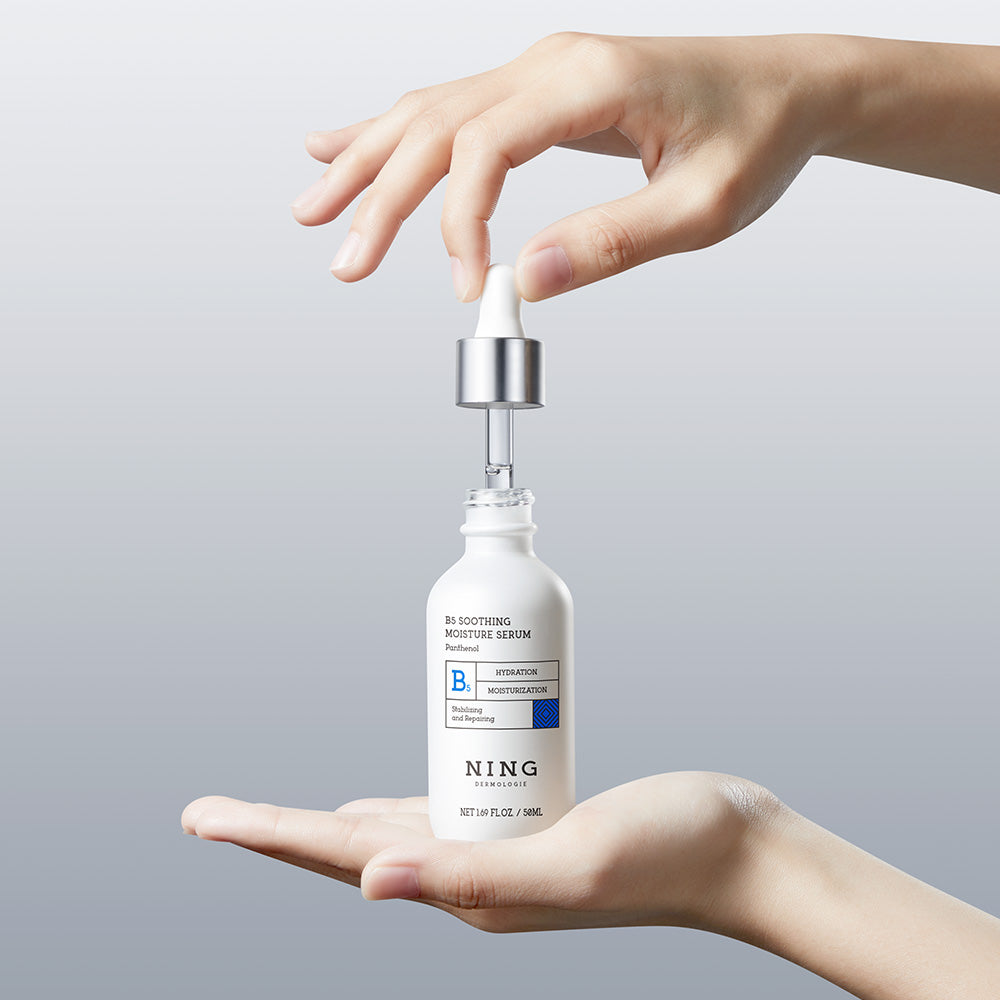
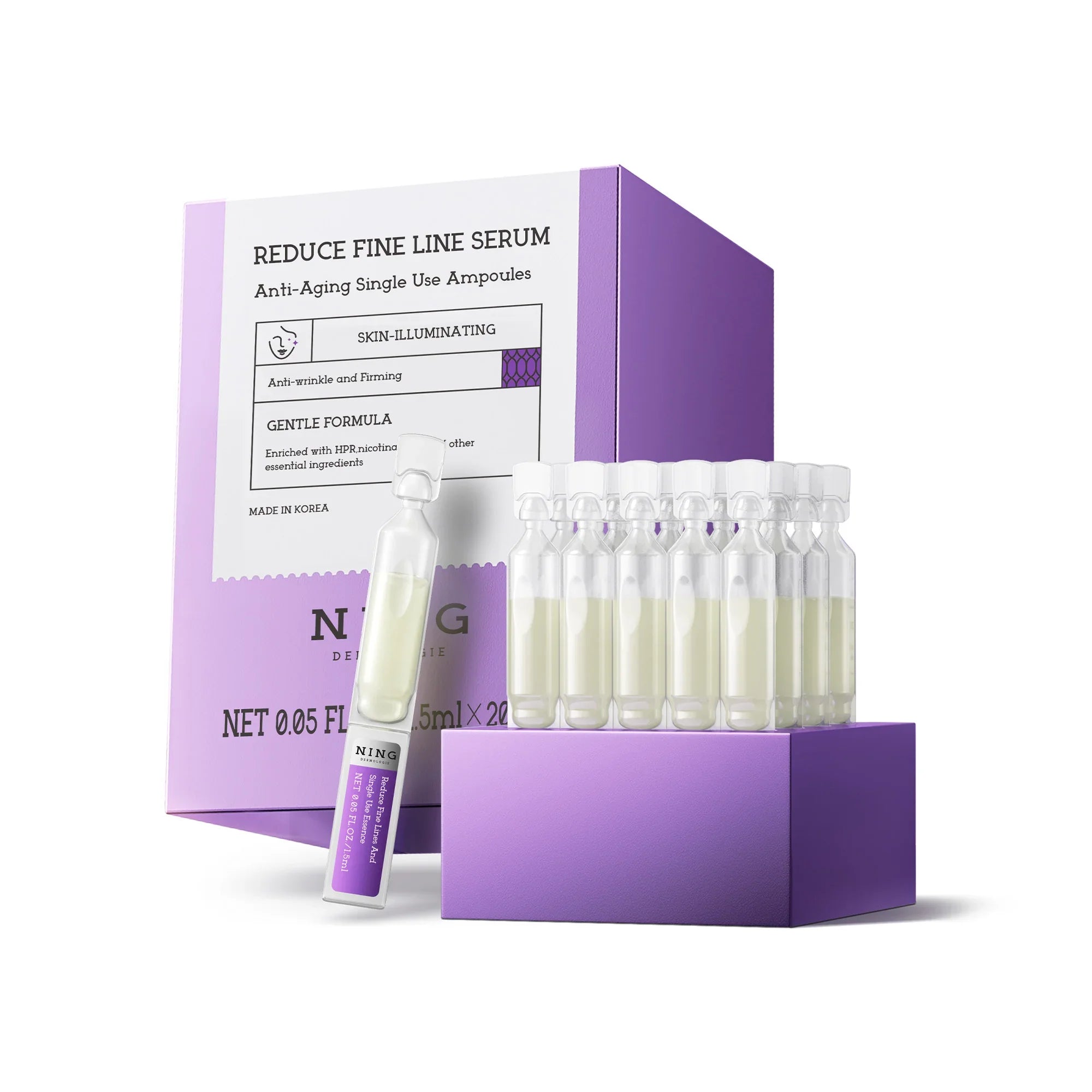
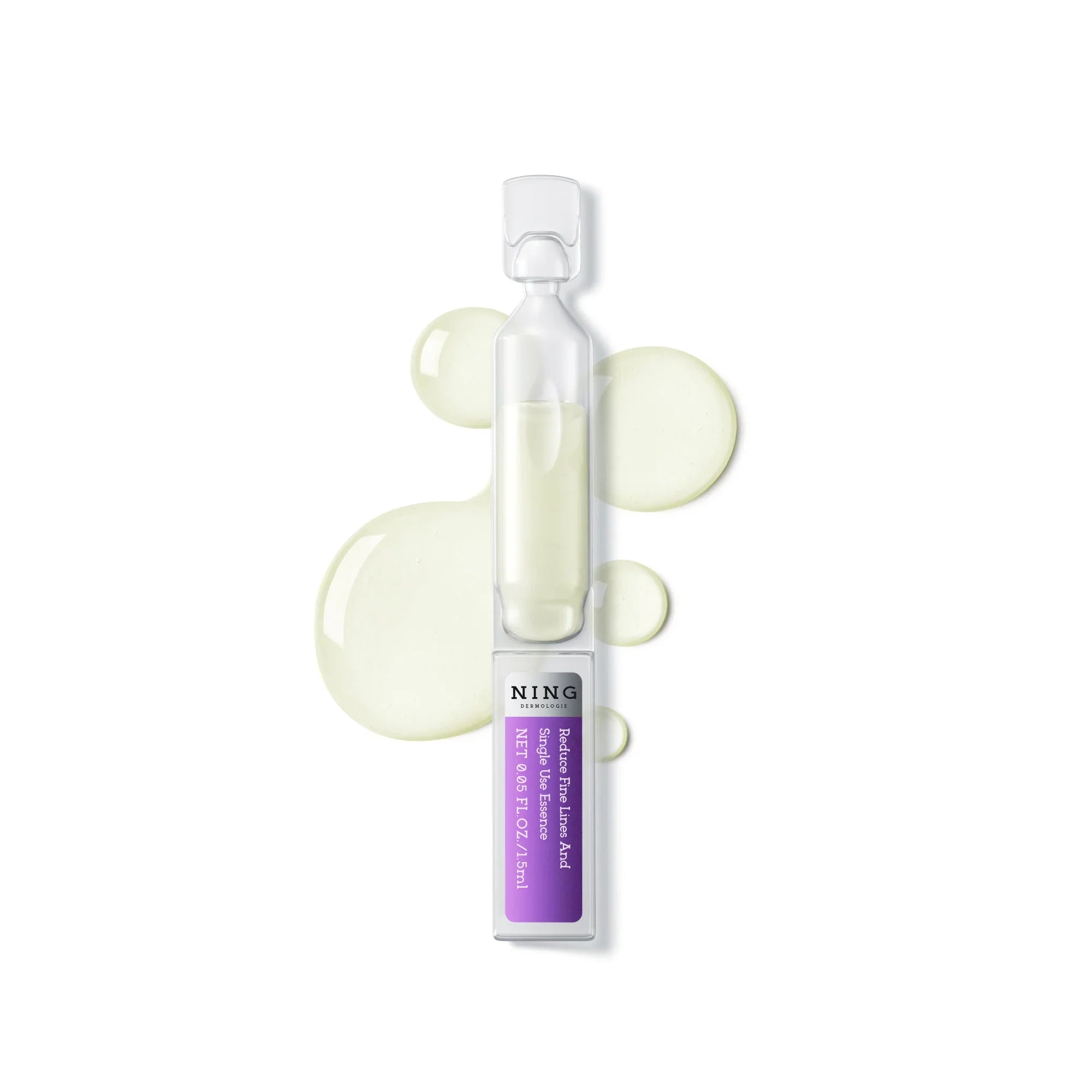
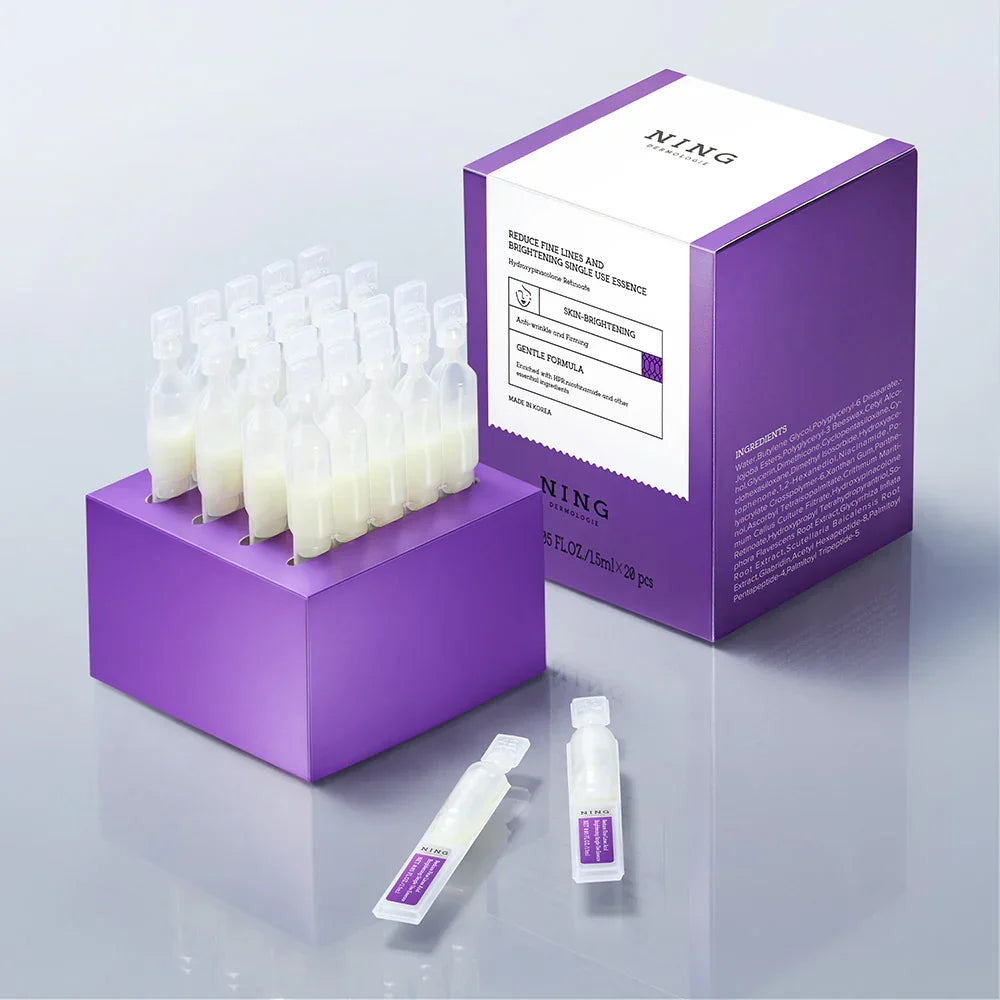
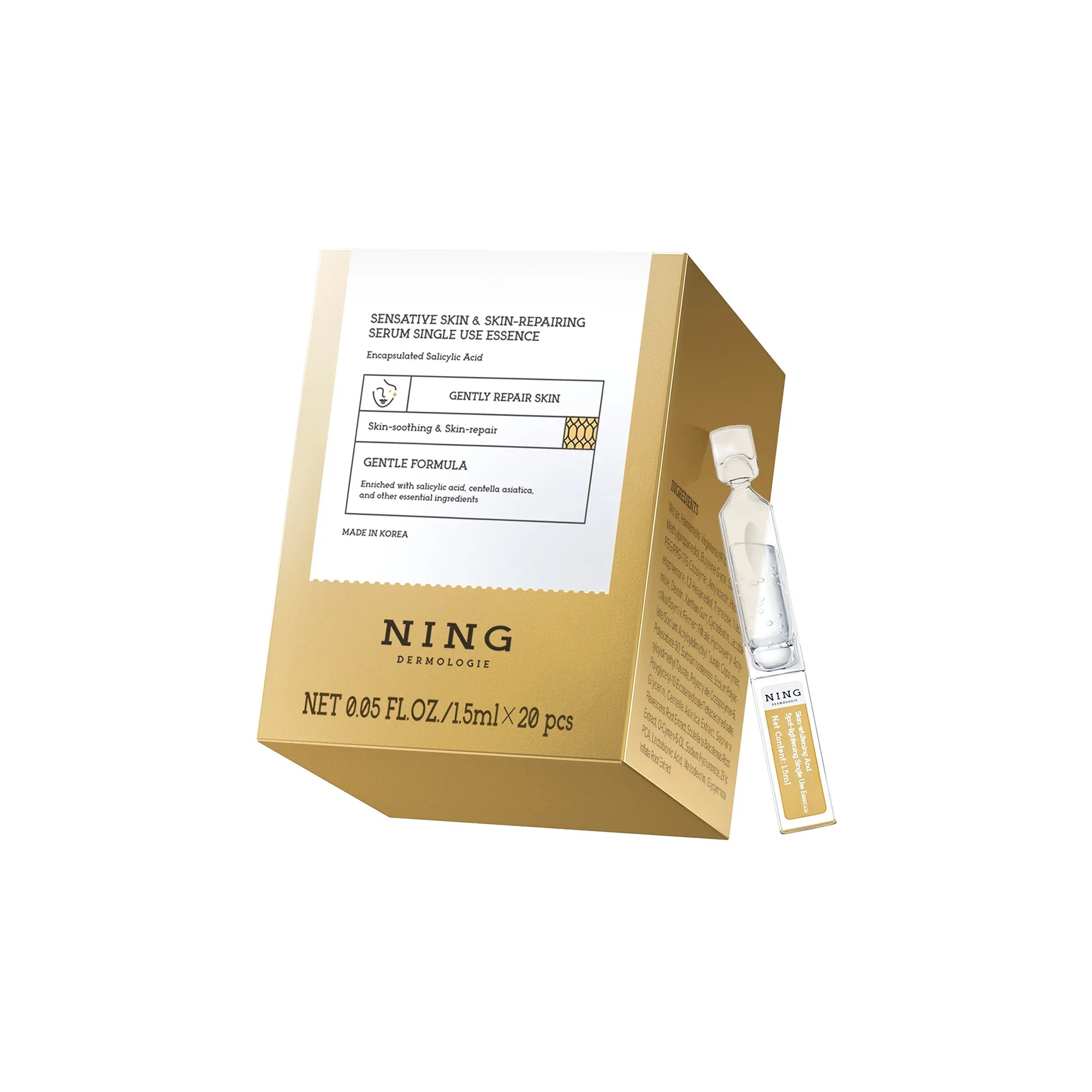
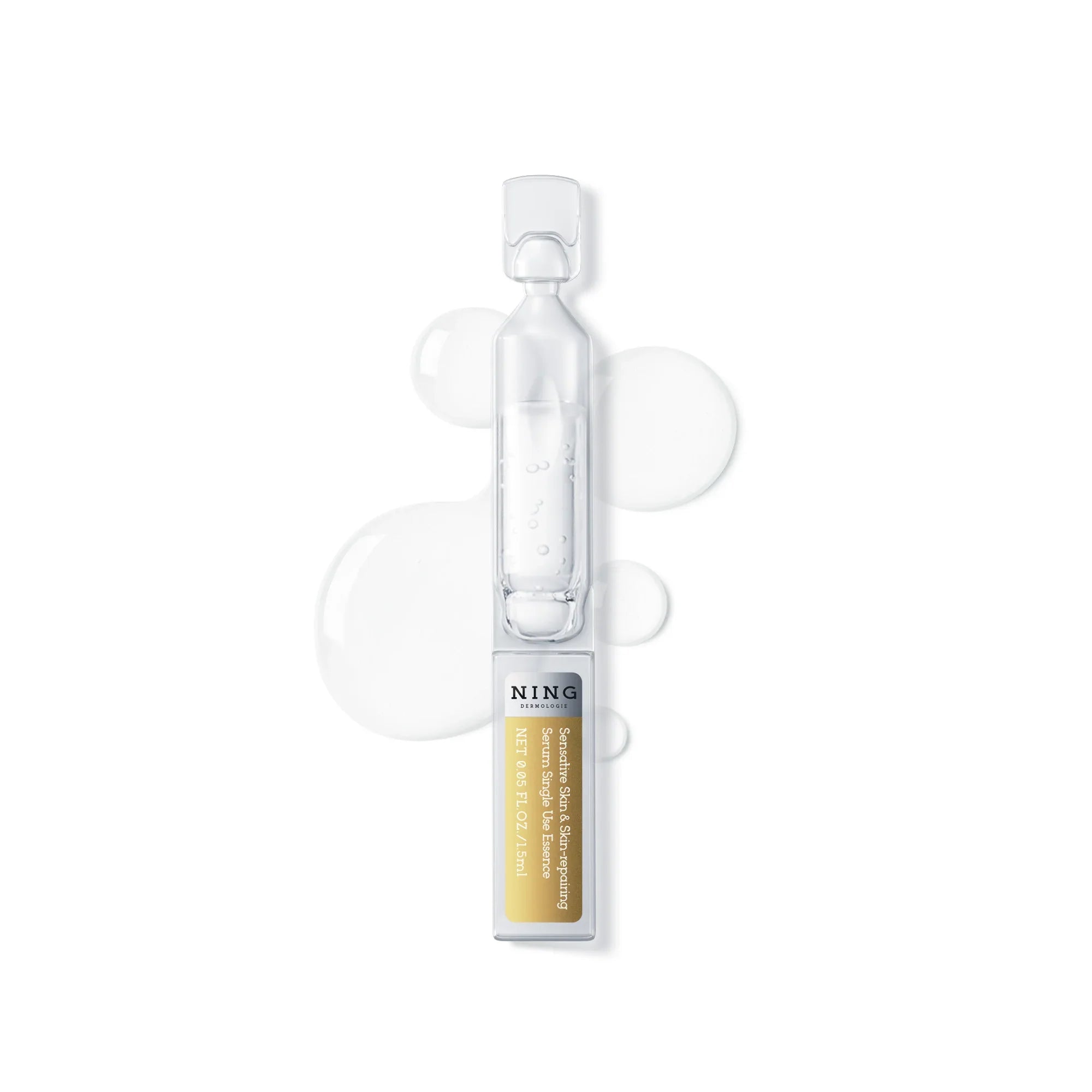
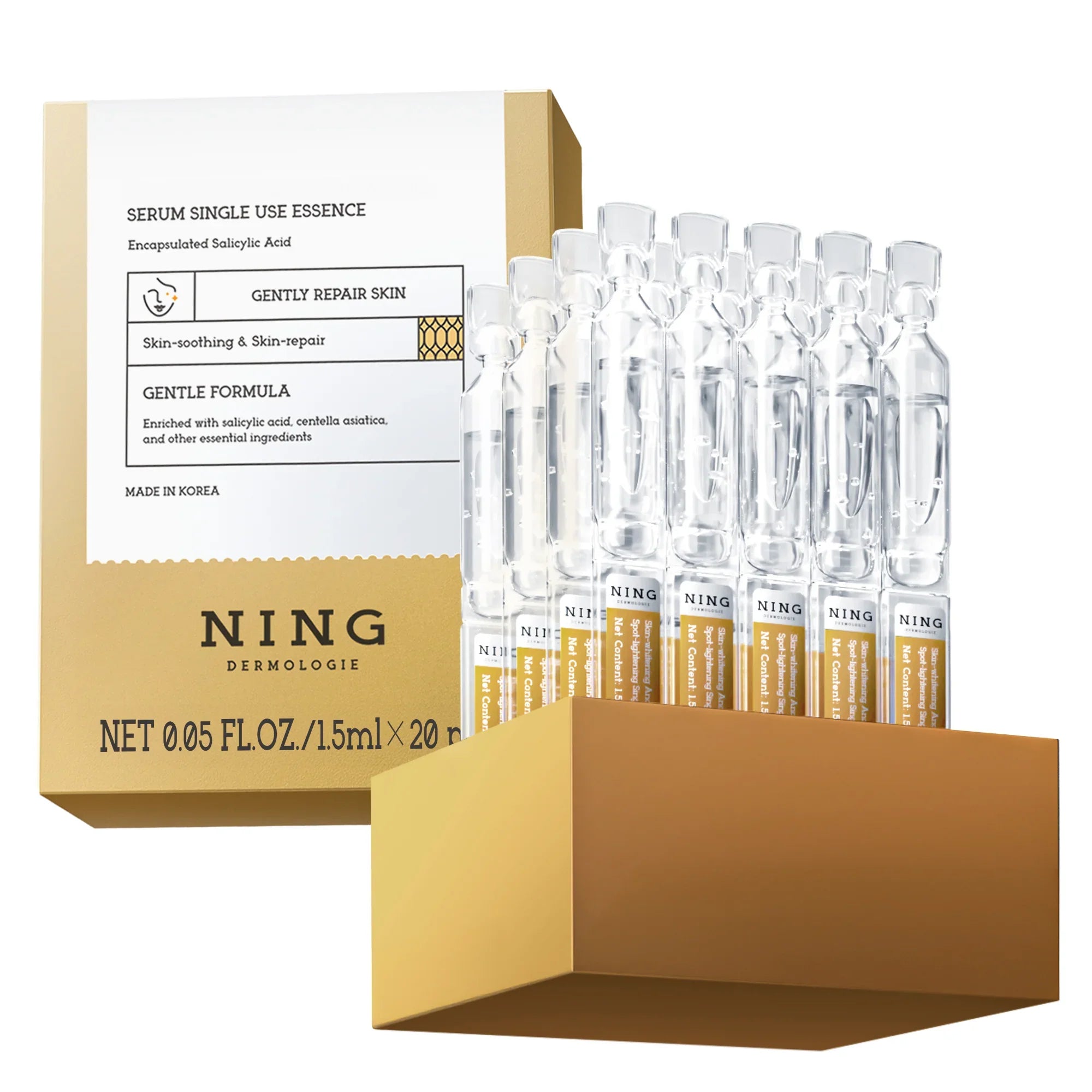
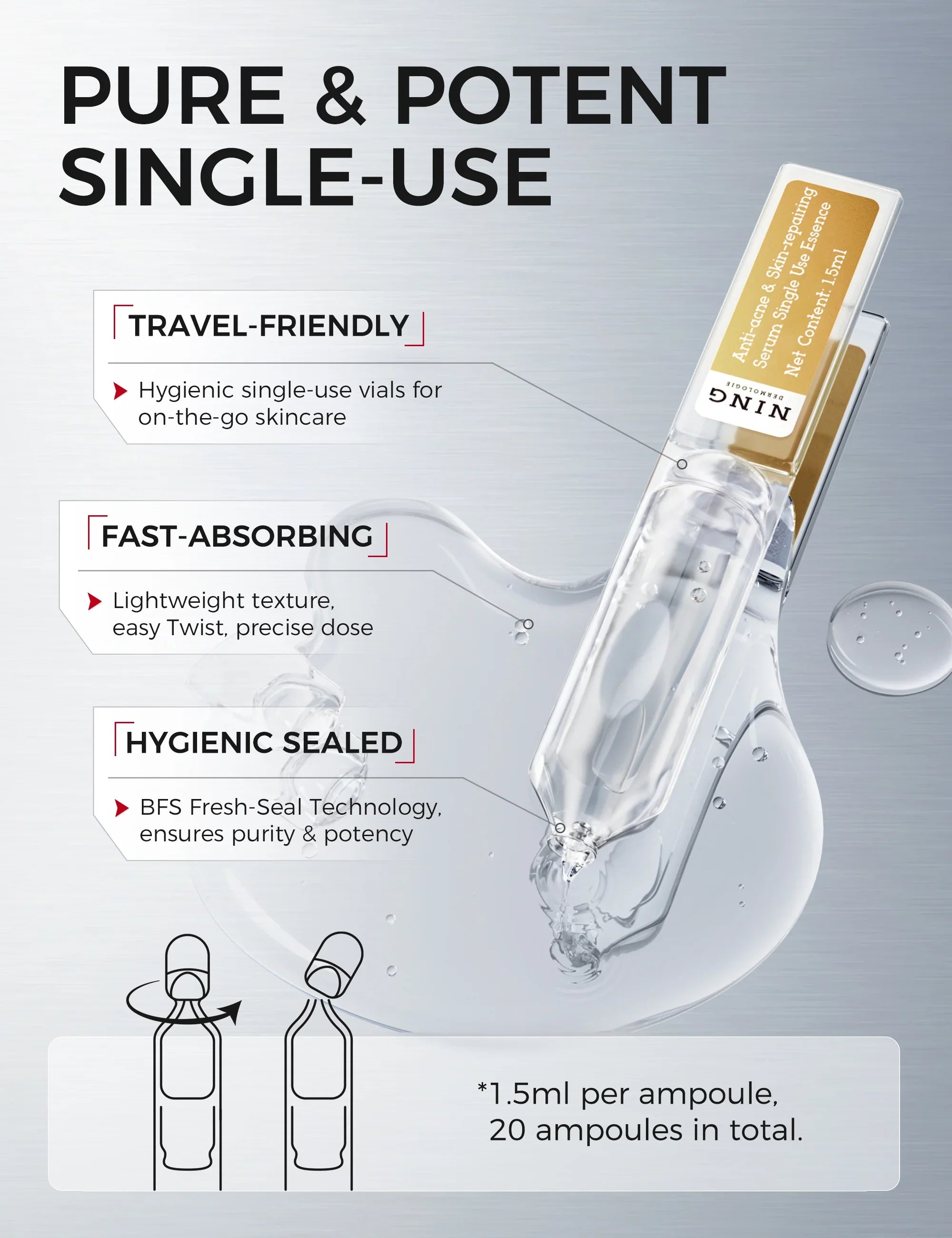
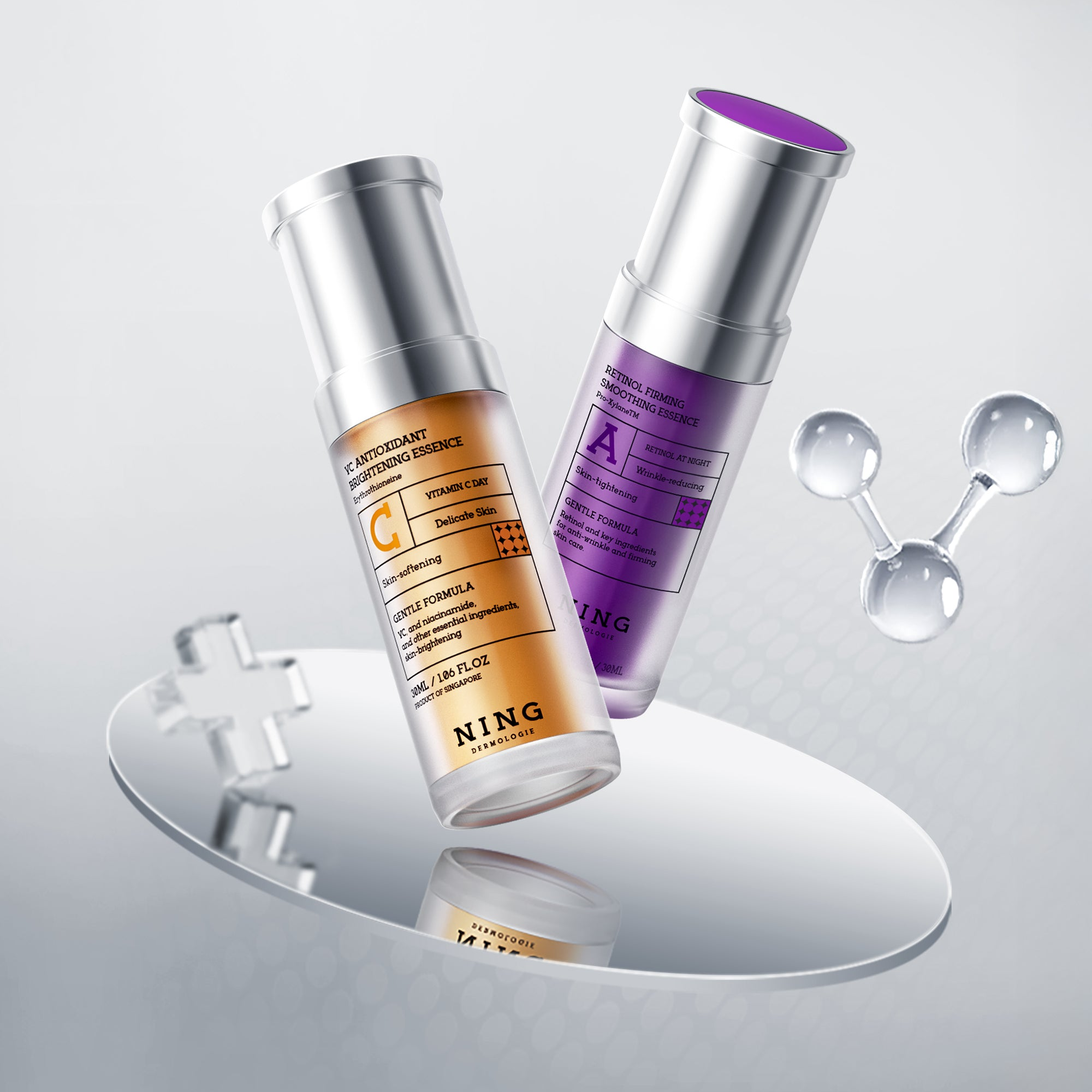
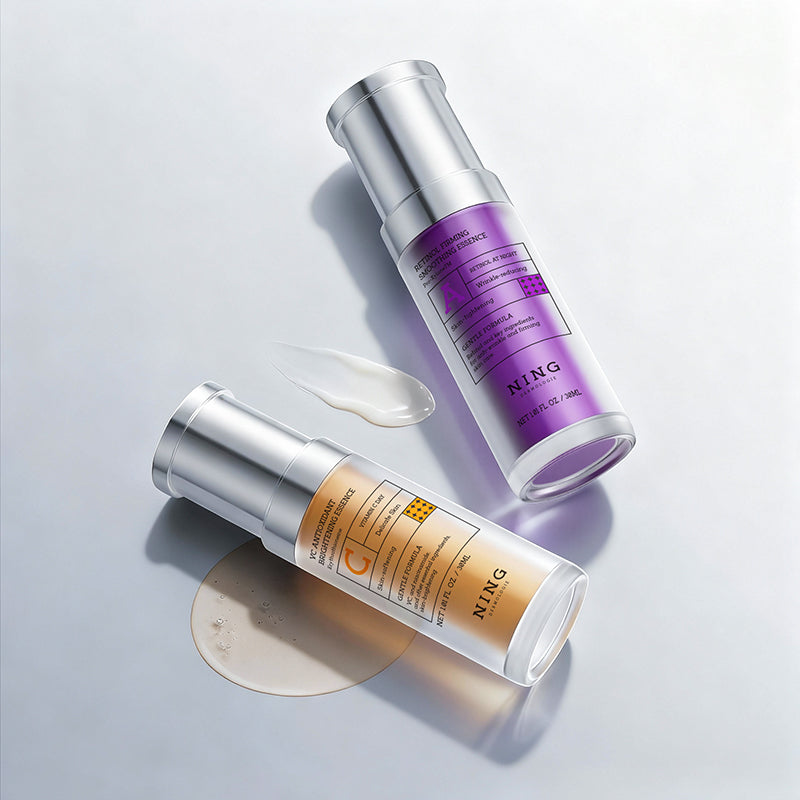
If the SkinCeuticals is the "old guard," the NING Dermologie Vitamin C Serum with Niacinamide is the new school of thought. This is arguably the best vitamin c serum for those who have given up on the category entirely.
Why It Works for Sensitive Skin
Instead of raw l-ascorbic acid, NING Dermologie utilizes 3-O-Ethyl Ascorbic Acid. This is a highly stable vitamin c derivative that brightens the skin without requiring a skin-stripping pH level.
What makes this a favorite vitamin c for my team is the addition of Niacinamide. While some serums just focus on the active, NING understands that sensitive skin needs a skin renewing approach. The niacinamide strengthens the skin barrier, while hyaluronic acid ensures the serum feels hydrating rather than tightening.
The Results
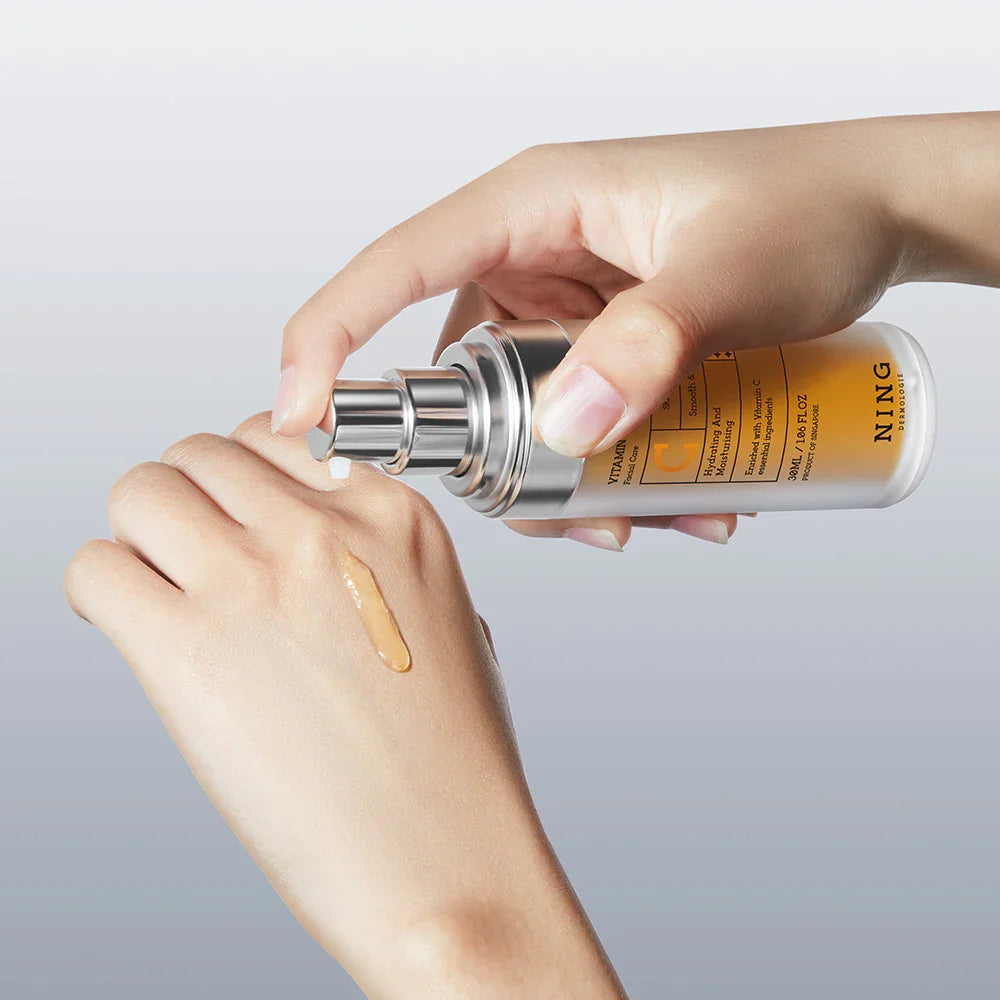
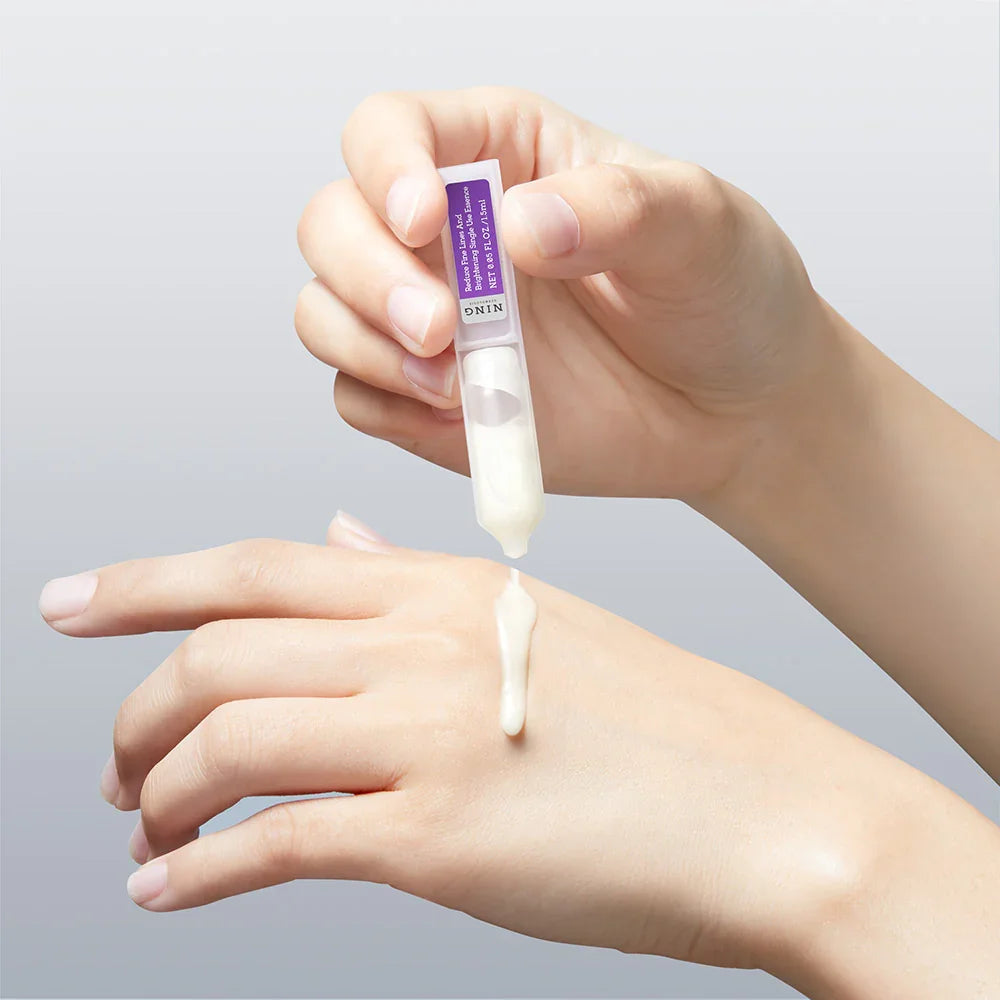
The serum absorbed quickly and sat well under makeup without pilling. For combination skin, it balanced the oily T-zone while the hyaluronic acid to soothe dry patches did its job. It’s a vitamin c brightening serum that actually respects your biology.
The Pharmacy Classic: La Roche-Posay Vitamin C
La Roche-Posay Vitamin C is a staple for a reason. It’s specifically formulated for sensitive skin and includes thermal spring water to offset potential irritation.
Texture and Feel
The serum had virtually no sting upon application. It uses a 10% concentration of ascorbic acid, which is lower than the clinical 15-20% but much safer for a reactive skin type.
Tester Feedback
One tester’s skin noted that while the brightening effect took longer to appear compared to stronger serums, the lack of redness made it the best for sensitive skin in the mid-range price bracket. It also contains salicylic acid, which helps improve skin texture for those dealing with adult acne.
Budget-Friendly Realness: TruSkin Vitamin C Serum
If you’re looking for the best budget-friendly option, TruSkin Vitamin C (and the TruSkin Vitamin C serum line in general) has dominated Amazon charts for years.
Is it worth it?
It uses sodium ascorbyl phosphate, a gentler form of vitamin c. It’s a great vitamin c product for beginners. However, it lacks the sophisticated delivery systems of high-end brands. If your normal skin just needs a basic antioxidant boost, this is fine. But for significant appearance of dark spots or deep fine lines, you might find it underpowered.
Understanding the "Sensitive" Ingredients
When you’re hunting for the best vitamin c serum, you need to look past the "Vitamin C" label on the front. Flip the bottle over and look for these:
-
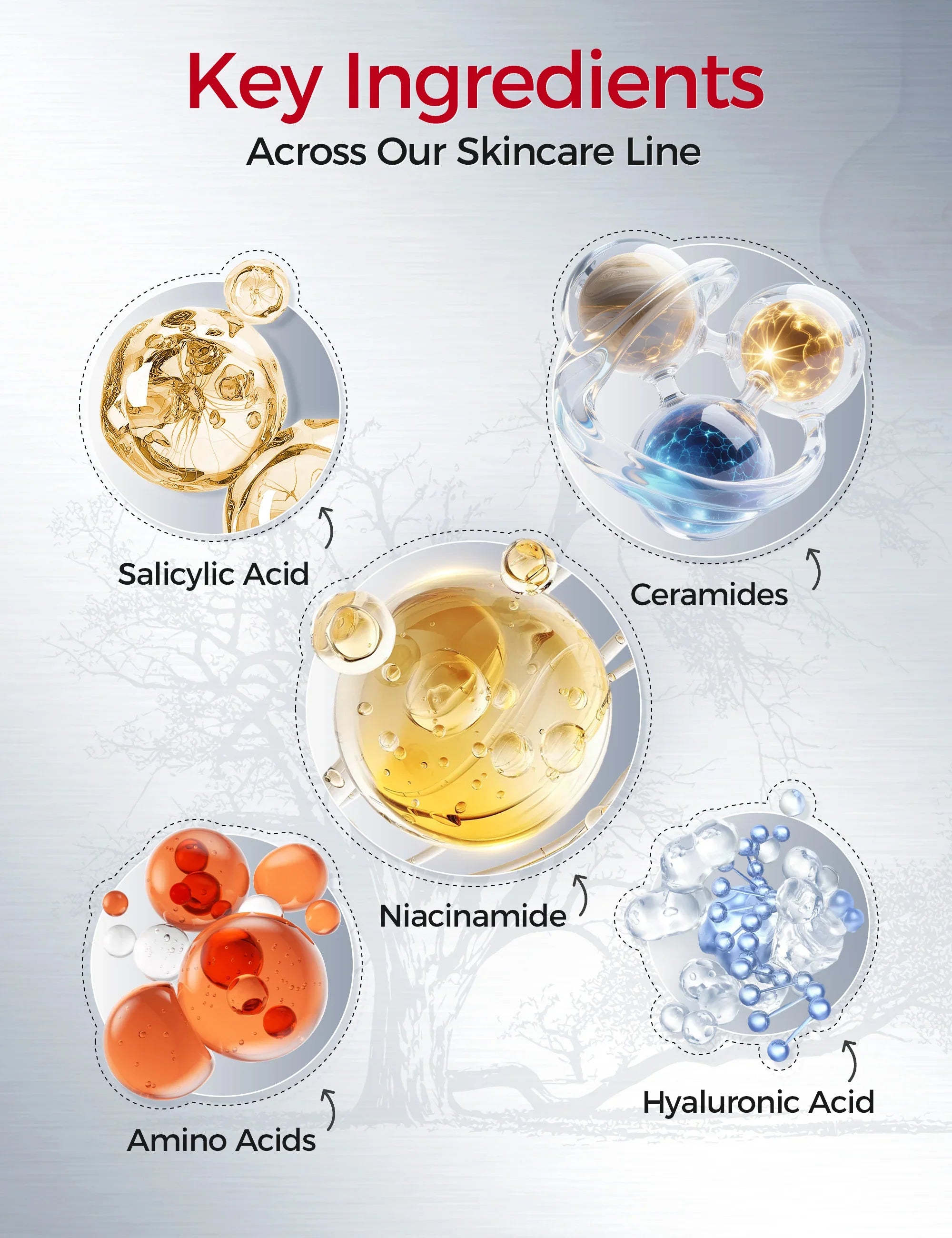
Tetrahexyldecyl Ascorbate (THD): An oil-soluble ascorbate that’s incredibly stable. Because it’s oil-soluble, it can penetrate deeper without the acid. This is a gold standard in vitamin c for serum for dry skin.
-
Vitamin E: Often listed as Tocopherol. It works in synergy with Vitamin C to protect your skin from environmental stressors.
-
Ferulic Acid: Think of this as the bodyguard. It keeps the Vitamin C from oxidizing (turning orange) in the bottle.
-
Hyaluronic Acid: Essential to improve skin tone while keeping the skin feel plump and hydrated.
How to Use Vitamin C Serum Effectively (Without the Burn)
How you use vitamin c is just as important as which one you buy. Even the best vitamin c can cause trouble if applied incorrectly.
The "Damp Skin" Myth
While many serums like hyaluronic acid love damp skin, you should apply topical vitamin c to clean skin that is completely dry. Moisture can sometimes speed up the penetration of acid, leading to an unexpected irritate reaction.
Frequency Matters
Don't jump into daily use. Start three times a week. Your skin needs time to build a tolerance to the active ingredient. Once you’re sure your skin looks calm, you can move to every morning.
The Sunscreen Rule
Always, always protect your skin from environmental damage by layering a broad-spectrum SPF over your serum. Vitamin C brightens and evens skin tone, but it also makes your skin a bit more vulnerable to the sun initially.
Tackling Dark Spots and Fine Lines
The primary goal of a vitamin c brightening serum is collagen production. Vitamin C is essential for the enzymes that boost collagen production, which eventually fills in those pesky fine lines.
For dark spots, the serum works by inhibiting tyrosinase—the enzyme responsible for melanin. With consistent use vitamin c, you’ll notice that it even out skin tone and fades the "ghosts" of past breakouts.
I’ve found that using the NING Dermologie Vitamin C Serum specifically helped with the stubborn pigmentation around the cheekbones that usually resists lighter serums.

Final Verdict: Which One Should You Buy?
Choosing the best vitamin c serum comes down to your budget and your skin's threshold for pain.
- If money is no object and your skin is "tough-sensitive": Go with SkinCeuticals C E Ferulic. It’s the industry benchmark for a reason.
- If you want the best balance of science and soothing (and you hate the sting): The NING Dermologie formulation is the clear winner for sensitive skin in 2026. The inclusion of 3-O-Ethyl Ascorbic Acid and Niacinamide is a game-changer.
- If you’re on a budget: La Roche-Posay or TruSkin provide decent antioxidant protection without the high price tag.
Remember, your skin may prefer a slower, gentler approach. The benefits of vitamin c are cumulative. You don't need to see "red" to see results. Improve skin health by being patient and choosing a vitamin c derivative that plays well with your unique skin type.
Frequently Asked Questions (FAQ)
1. Why does my Vitamin C serum turn orange or brown?
This is called oxidation. When pure vitamin c (ascorbic acid) is exposed to light and air, it loses its antioxidant protection capabilities. Once it turns dark amber, it’s no longer the best vitamin c serum—it’s actually a pro-oxidant that can irritate your skin. To prevent this, look for stabilized vitamin c formulations or derivatives like those in NING Dermologie, and store your face serum in a cool, dark place.
2. Can I use Vitamin C with Retinol or Niacinamide?
In the past, people said you couldn't use use vitamin c with Niacinamide, but that's an outdated myth. Products like the NING Dermologie Vitamin C Serum actually combine them to improve skin tone and texture. However, you should avoid using Vitamin C and Retinol at the same time. Best used practice is Vitamin C in the morning to brighten and protect, and Retinol at night for collagen and fine lines.
3. How long does it take to see results on dark spots?
Patience is key. While your skin feel might improve in days due to hyaluronic acid, the actual brightening effect on dark spots and hyperpigmentation usually takes 8 to 12 weeks. This is the time it takes for new skin cells to reach the surface. Consistent daily use of a vitamin c brightening serum is required to even out skin tone and see a real difference in skin looks.
4. Is a higher percentage of Vitamin C always better?
Absolutely not. For sensitive skin, a 20% l-ascorbic acid serum is likely to irritate more than it helps. A 10% concentration or a high-quality vitamin c derivative (like the ascorbate forms) can be just as effective at collagen production without compromising the skin barrier. It’s about the active ingredient's stability and how well it's formulated, not just the raw number on the bottle.
5. Can I use Vitamin C if I have acne-prone skin?
Yes, but choose wisely. Some vitamin c serums use oily bases that can clog pores. Sodium ascorbyl phosphate is a specific form of vitamin c known to have antimicrobial properties, making it great for acne-prone skin. Using a lightweight vitamin c product like the NING Dermologie serum helps brighten post-acne marks without causing new breakouts, helping you improve skin texture while staying clear.


Share:
Salicylic Acid and Its Role in Dermatology: An Experts Perspective
How to choose a vitamin C serum for sensitive skin