


Salicylic Acid and Its Role in Dermatology: An Expert's Perspective
Why is it that, despite the influx of "miracle" ingredients in the skincare market every year, dermatologists still return to an organic acid derived from willow bark? If you’ve ever struggled with a stubborn breakout or wondered why your skin texture feels like a gravel road, you’ve likely encountered salicylic acid. But there is a massive gap between seeing an ingredient on a label and understanding the clinical nuances of how topical salicylic acid actually recalibrates human skin.
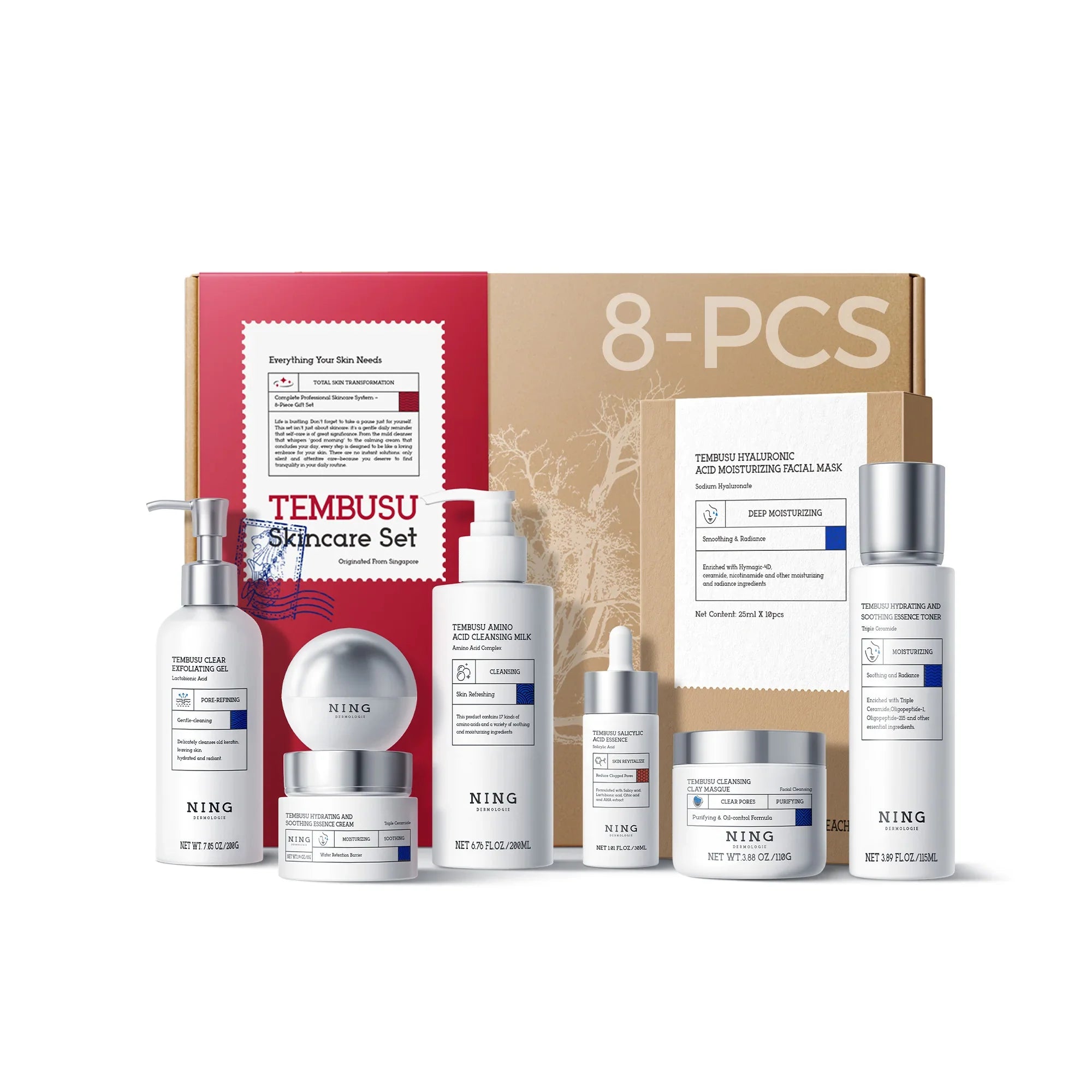
In the world of dermatology, we don't just see a "pimple-fighter"; we see a sophisticated beta-hydroxy acid (BHA) with a unique molecular architecture that allows it to go where other acids—like glycolic acid or lactic acid—simply cannot. At NING Dermologie, we’ve spent years observing how a well-formulated 2% Salicylic Acid Serum can be the difference between a temporary fix and a long-term transformation in skin health.

The Chemistry of 2-Hydroxybenzoic Acid: Why Structure Matters
To understand the roles of topical salicylic acid, we have to look at its "blueprint." Formally known as 2-hydroxybenzoic acid (or orthohydrobenzoic acid), this phenolic aromatic acid is fundamentally different from Alpha-Hydroxy Acids (AHAs).
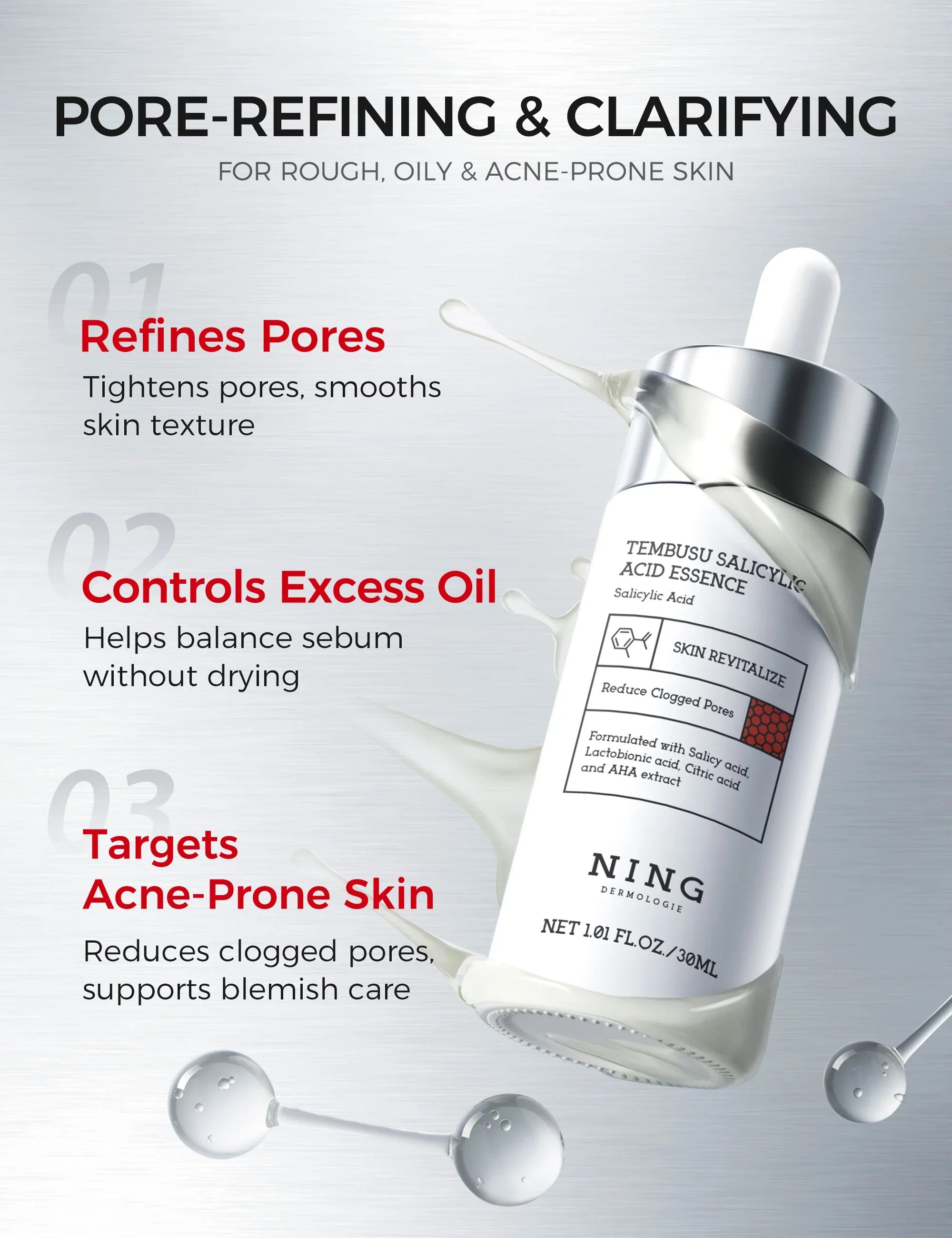
While AHAs are water-soluble and work primarily on the surface, salicylic acid is lipophilic—it loves oil. This means it doesn't just sit on top of your face. It dives into the pores, dissolves the sebum, and breaks down the "intracellular glue" (desmosomes) that holds dead skin cells together. This mechanism of action is what makes it the ultimate peeling agent for oily and acne-prone skin.
Beyond Surface Exfoliation
When we talk about the properties of salicylic acid, we aren't just talking about a chemical scrub. It’s a comedolytic powerhouse. By promoting the shedding of dead skin cells from within the follicle, it prevents the microcomedone—the "baby" pimple—from ever forming. If you are dealing with acne vulgaris, you aren't just treating a spot; you are managing a biological process of obstruction.
Acne Management: More Than Just "Drying Out" a Pimple
The most common use of salicylic acid in cosmetic and clinical settings is, of course, acne treatment. However, the "expert's perspective" is that many people use it incorrectly. They use a harsh salicylic acid solution once, see a bit of dryness, and quit.
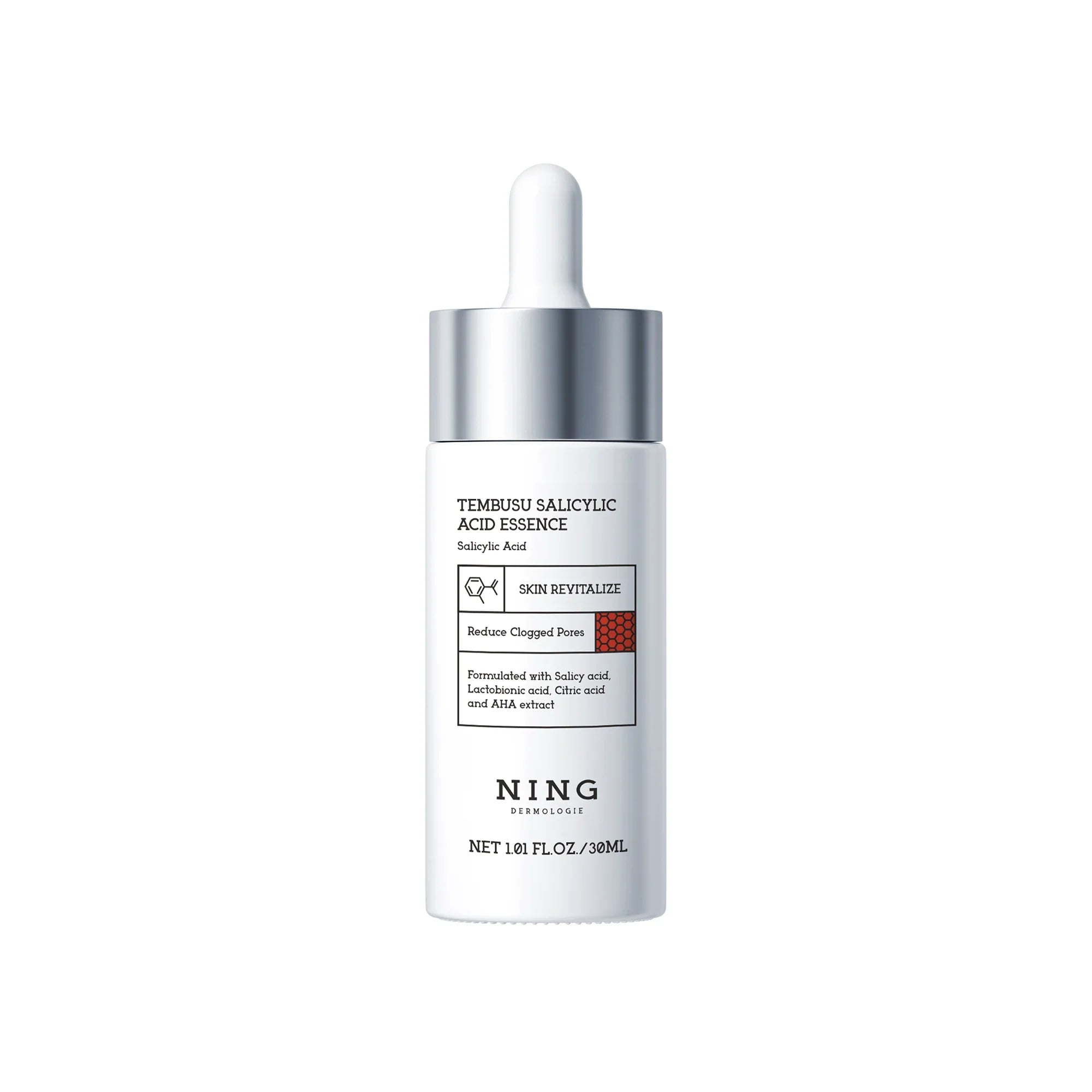
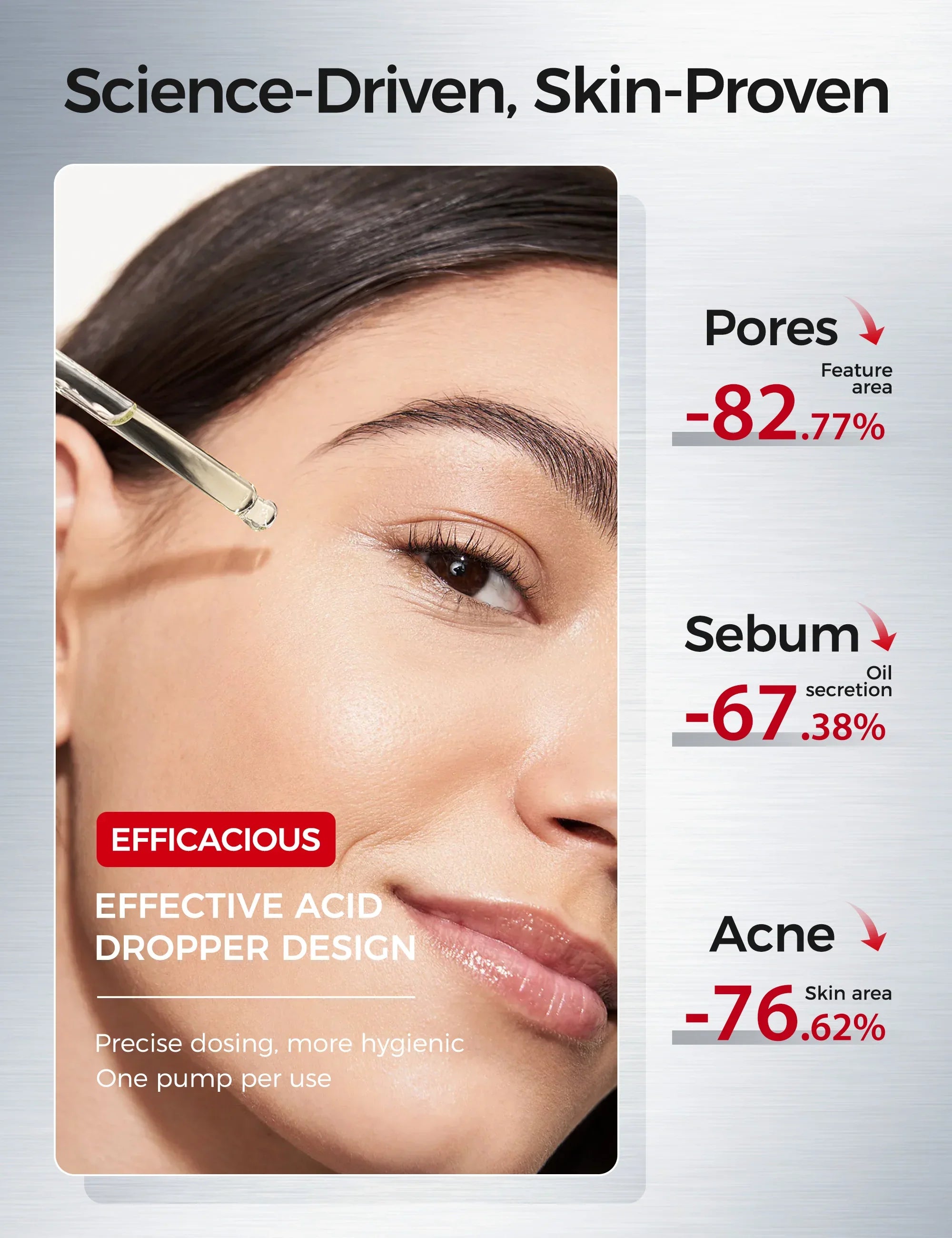
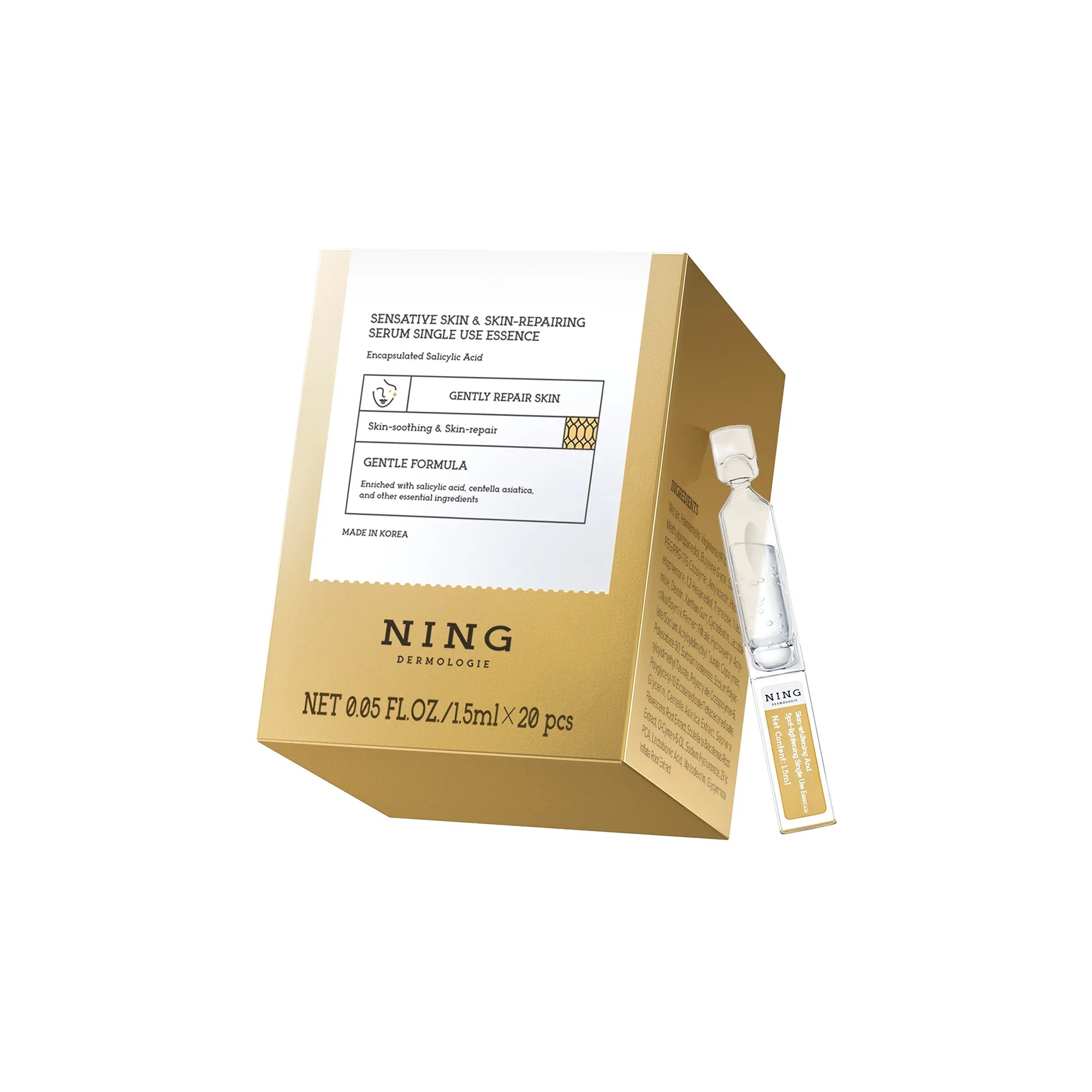
In reality, the efficacy of salicylic acid is cumulative. It’s about maintaining a consistent acid concentration that keeps the pores clear without compromising the skin barrier. This is why we developed the NING Dermologie 2% Salicylic Acid Serum. At a concentration of 2%, you hit the "sweet spot": high enough to treat acne effectively by exfoliating dead skin cells, but balanced enough for regular use of salicylic acid.
The Anti-Inflammatory Edge
Unlike many other acids, salicylic acid is a derivative of acetylsalicylic acid (aspirin). This gives it inherent anti-inflammatory properties. When a patient presents with red, angry acne, a topical treatment containing salicylic acid can actually help calm the redness while it works on the clog. It’s a dual-action approach that few other ingredients can replicate.
The Salicylic Acid Peel: A Professional Staple
While daily serums are great for maintenance, the salicylic acid chemical peel remains a heavyweight in the dermatologist’s office. A professional acid peel uses a much higher acid concentration (often 20% to 30%) than your at-home cosmetic products.
Indications for the Peel
A salicylic acid peel isn't just for acne. We use it to address:
- Hyperpigmentation: By speeding up cell turnover, it helps lift darker skin spots and post-inflammatory marks.
- Skin Texture: It smooths out fine lines and rough patches.
- Skin Disorders: It’s often used as an adjunctive treatment with salicylic acid for seborrheic dermatitis and even psoriasis.
Efficacy and Safety of Salicylic Peels
Is it safe? Generally, yes. The efficacy and safety of salicylic peels are well-documented. Because it is self-neutralizing (it stops working once the "frosting" occurs), it has a higher safety profile than a trichloroacetic acid (TCA) peel. However, prior to the peel, we always screen for an allergy to salicylic acid or aspirin.
Managing Different Skin Types and Conditions
A major misconception in dermatology is that salicylic acid is only for teenagers with oily skin. That couldn't be further from the truth.
-
Sensitive Skin: While it can be drying, a lower concentration or a "wash-off" formulation allows those with sensitive skin to reap the benefits of pore-clearing without the irritation.
-
Darker Skin: One of the many roles of topical salicylic is managing hyperpigmentation in darker Fitzpatrick types. Unlike some lasers, salicylic acid plays a safe role here because it carries a lower risk of causing post-inflammatory hyperpigmentation itself.
-
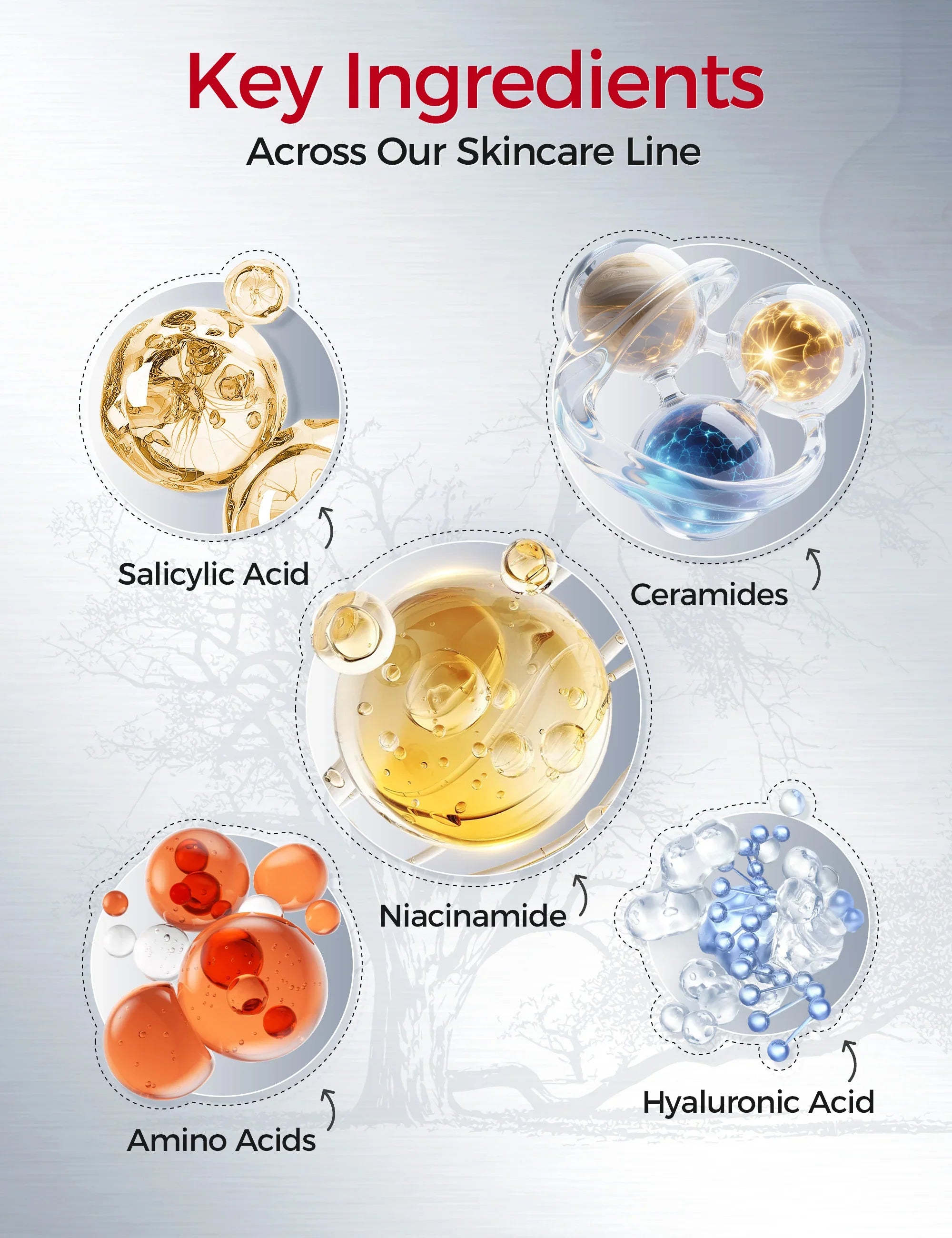
Combination Therapy: We often see better results when using salicylic alongside other actives. For example, glycolic acid and salicylic acid together can target both surface dullness and deep-seated clogs. Or, pairing it with hyaluronic acid (as we do in our NING Dermologie formulas) ensures that while the acid works, the skin remains hydrated.
Current Therapies and Research: What’s Next?
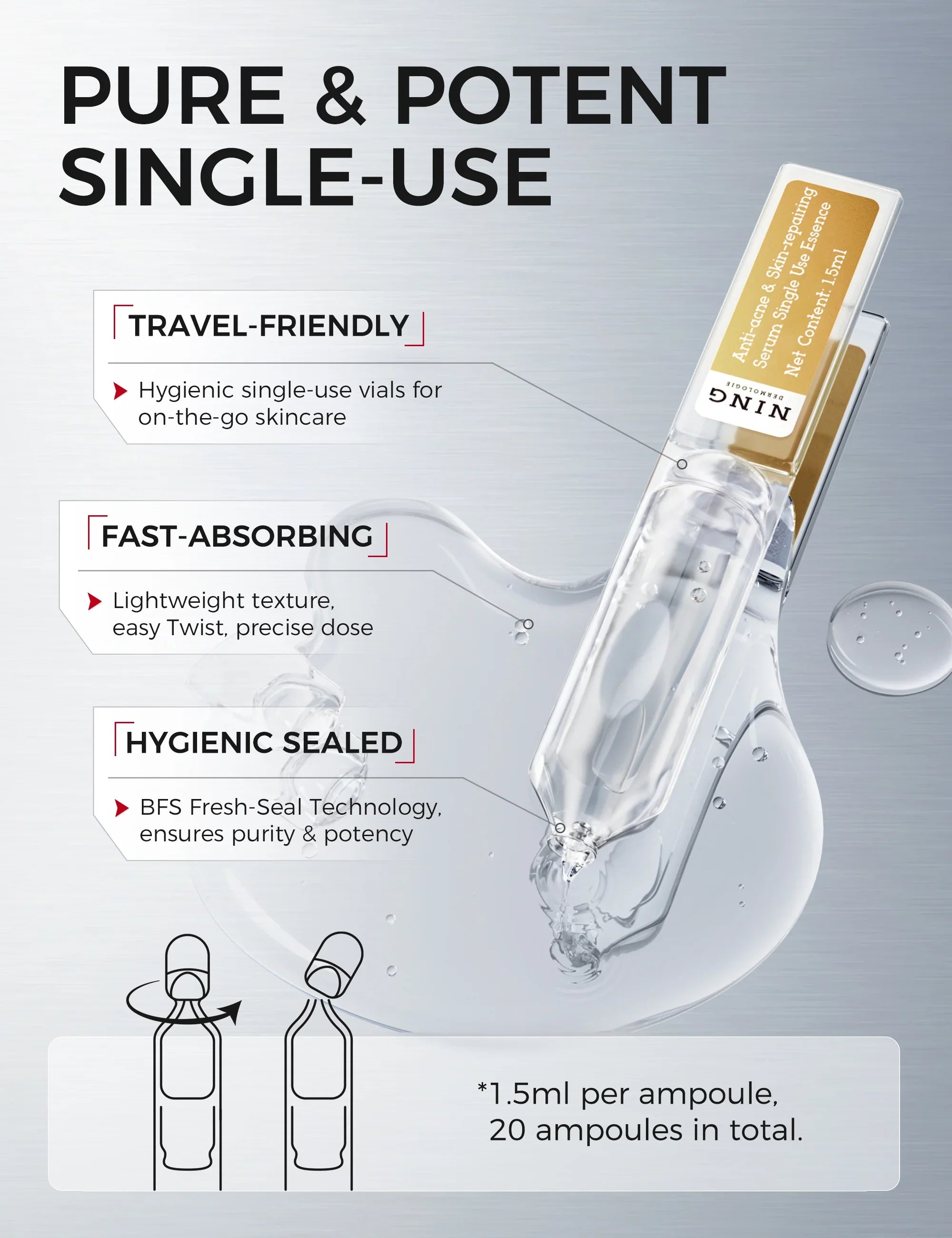
The field of research for common dermatologic issues is constantly evolving. Current therapies and research are looking into "encapsulated" salicylic acid products. This technology allows salicylic acid to be released slowly over several hours, which significantly reduces the "sting" often associated with topical salicylic acid.
Moreover, salicylic acid combination therapies are being studied for their effects on the skin's microbiome. We are learning that the effect of salicylic acid isn't just about "killing" bacteria or "peeling" skin; it’s about creating an environment where healthy human skin can thrive. Research also suggests that salicylic acid may have a role in photoprotection, though it is never a substitute for sunscreen.
The NING Dermologie Approach to Formulation
When we designed our 2% Salicylic Acid Serum, we didn't just want to create another acne treatment. We wanted a formulation that understood the action of salicylic acid on a cellular level.
Many salicylic acid products on the market use harsh alcohols as a solvent. This leads to that "tight," stripped feeling. At NING Dermologie, we prioritize skin health. Our formulation focuses on:
- Deep Penetration: Ensuring the beta-hydroxy acid reaches the lower layers of the skin.
- Barrier Support: Mixing the organic acid with soothing botanicals to prevent the redness often seen with using salicylic acid incorrectly.
- Versatility: Making it a topical treatment that fits into a complex routine involving azelaic acid, mandelic acid, or even pyruvic acid if prescribed by a professional.
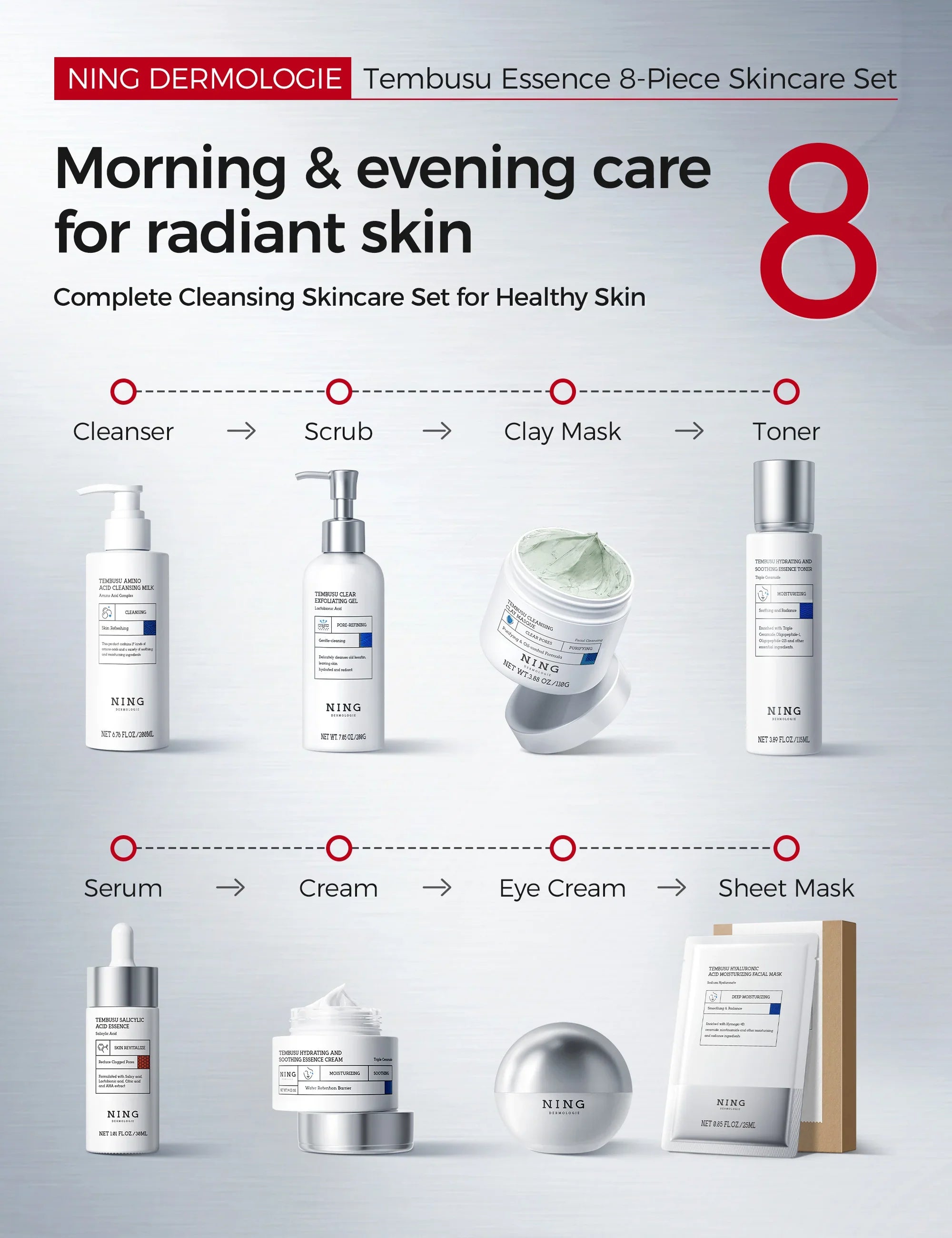
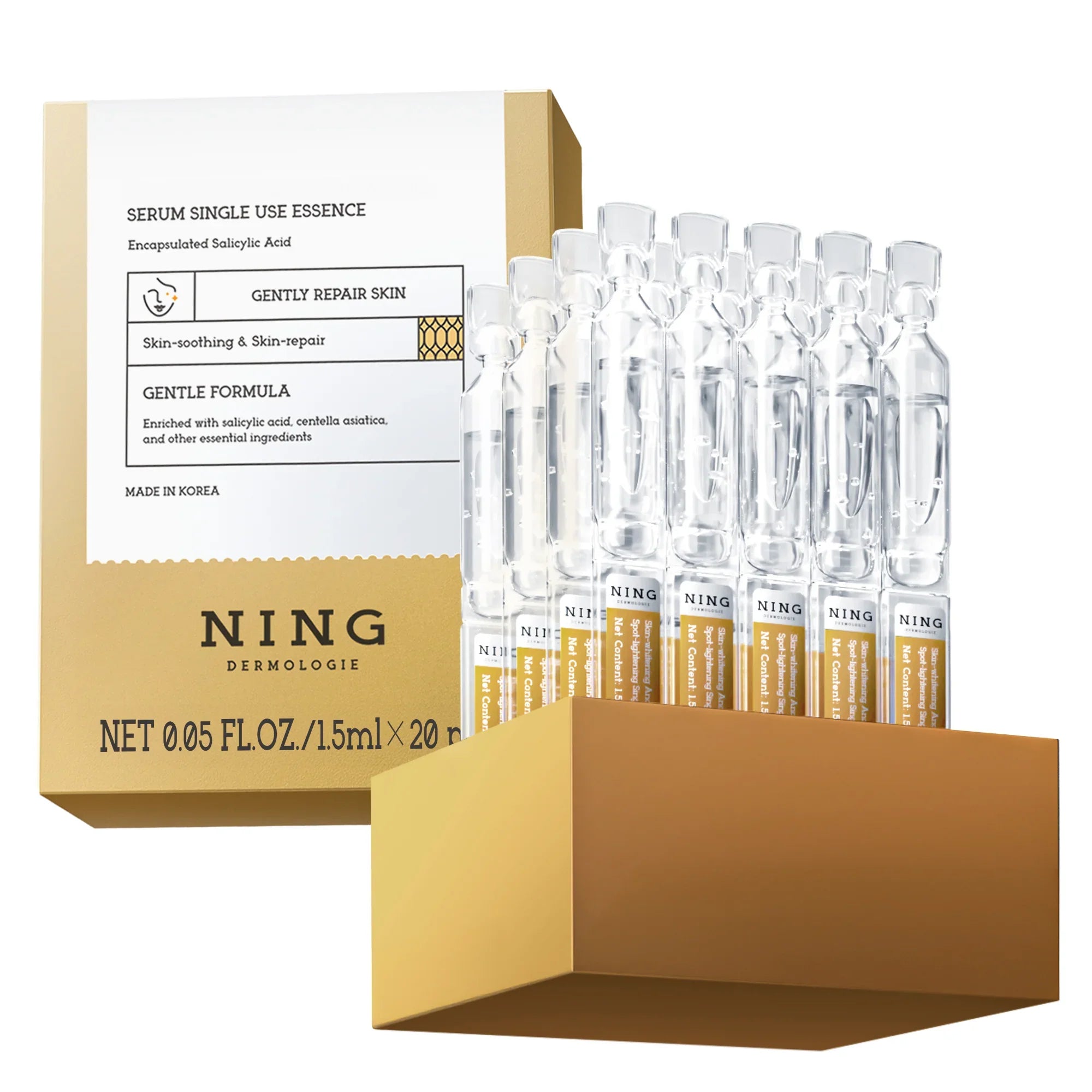
Check out the NING Dermologie 2% Salicylic Acid Serum to see how we’ve balanced efficacy and safety.
Practical Tips for Your Routine
If you’re ready to incorporate this peeling agent into your life, here is how an expert suggests you do it:
-
Patch Test: Always. Especially if you’ve had issues with skin disorders in the past.
-
Start Slow: Even with a lower concentration, your skin needs to acclimate. Start with 2-3 times a week.
-
Sunscreen is Non-Negotiable: Even though salicylic acid also helps with sun damage, any acid chemical peel or serum makes your skin more vulnerable to UV rays.
-
Watch for "Purging": When you start exfoliating dead skin cells, things might look worse before they look better. This is the salicylic acid clearing out the gunk that was already trapped. Stick with it.

Final Thoughts: A Timeless Tool
Salicylic acid has been used in medicine for thousands of years, and its many roles of topical salicylic treatment in modern dermatology are only expanding. Whether it’s through a high-intensity acid chemical peel in a clinic or the daily application of our 2% Salicylic Acid Serum, the goal remains the same: clear skin and a healthy, functioning skin barrier.
The properties of salicylic acid make it a unique, indispensable organic acid. It respects the biology of the skin while aggressively targeting the issues that cause acne vulgaris and uneven skin texture. As we move forward with current therapies and research, salicylic acid will undoubtedly remain the cornerstone of effective, science-based skincare.
Frequently Asked Questions (FAQ)
1. Can I use salicylic acid every day if I have oily skin?
Honestly, it depends on your skin's tolerance. If you’re dealing with a grease-slick forehead, daily use is usually the goal. But don't just dive in head-first. Start with every other night. If you wake up and your face feels like parchment paper or starts flaking, you’re overdoing it. At NING Dermologie, we suggest letting your skin dictate the pace—listen to the sting, not the calendar. Consistency beats intensity every time.
2. How is salicylic acid different from glycolic acid?
Think of it this way: Glycolic acid is like a surface squeegee for dead skin—it’s great for a glow. But Salicylic acid? It’s a specialized diver. Because it’s oil-soluble, it literally swims into the pore to dissolve the "glue" that causes blackheads. If you're acne-prone, you need the diver, not just the squeegee. They do different jobs; one clears the road, the other cleans the pipes.
3. Is it normal for my skin to "break out" more after I start using it?
The "purge" is real and, frankly, frustrating. You’re essentially speeding up the inevitable. All that trapped oil and debris (the microcomedones) gets pushed to the surface at once. It’s not a new breakout; it’s an old one moving out. If your skin is still angry and inflamed after six weeks, that’s not a purge—that’s irritation. But usually, you just have to tough it out through the "ugly" phase.
4. Can I use salicylic acid and Retinol together in the same routine?
Mixing these two is like playing with fire—you can get great results, or you can end up with a red, peeling mess. Most pros recommend alternating nights. Use your BHA on Monday, Retinol on Tuesday. If you insist on using both, use the serum in the AM and Retinol in the PM. Just keep a thick, basic moisturizer handy, because your skin barrier is going to be working overtime to stay hydrated.
5. Should I avoid salicylic acid if I am allergic to aspirin?
Yes. Salicylic acid is chemically related to acetylsalicylic acid (aspirin). If you have a known systemic allergy to aspirin, you should avoid using salicylic acid in any form—whether it’s a topical treatment or a professional acid peel. We always recommend consulting with your doctor for an alternative, such as mandelic acid or azelaic acid, which can provide similar benefits safely.


Share:
Beyond Acne: Diverse Benefits of Salicylic Acid for Skin Health
Reviews of vitamin C serums that work well on sensitive skin