

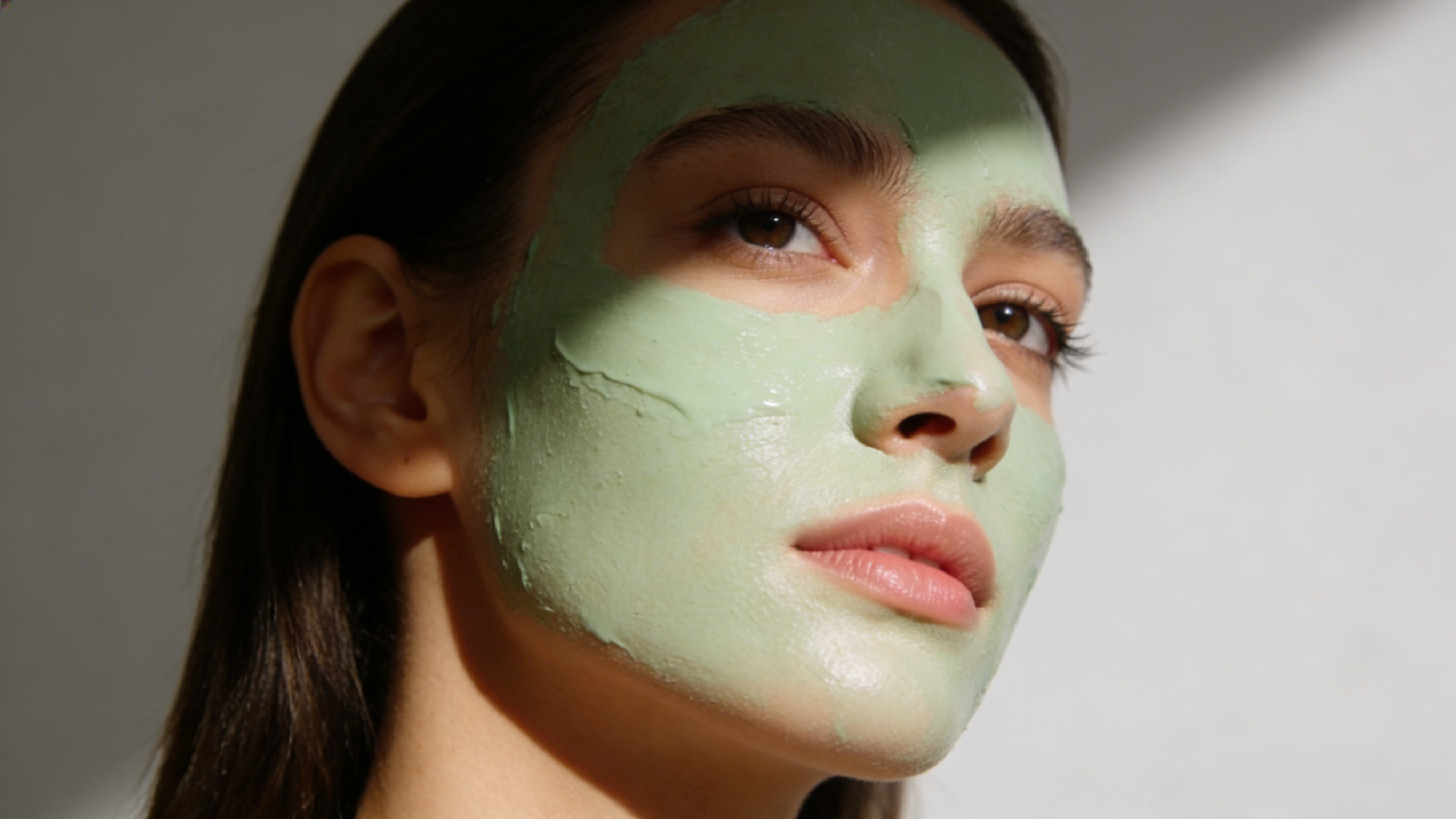

Achieve Flawless Skin with These Must-Try Clay Masks of 2025
Let’s be honest: by the time we hit 2025, we’ve all realized that no amount of "miracle" filters can replace the feeling of actually healthy skin. If you’ve been struggling with that midday oil slick, stubborn blackheads, or a complexion that just looks tired, it’s time to go back to basics—but with a high-tech twist. We’re talking about the clay mask.
Forget those old-school formulas that cracked like desert earth and left your face screaming for mercy. The best clay masks of 2025 are sophisticated, targeted, and surprisingly gentle. Whether you’re a k-beauty clay fanatic or a clinical skincare purist, there is a clay mask out there that will actually improve skin without the drama.

Why a Clay Mask is Best for Your 2025 Routine
You might wonder, why use a mud mask when I have a dozen serums? The answer is simple: physics. A clay mask acts like a vacuum for your face. While a sheet mask is great for pushing hydration in, a pore clay mask is designed to pull the bad stuff out.
The Science of the "Pull"
Most clay masks leverage bentonite clay or kaolin clay. Bentonite clay is the heavy lifter; it carries a negative electrical charge that bonds to the positive charge in toxins and excess oil, literally lifting them out of clogged pores. Kaolin clay, often found in a white clay or pink clay format, is the gentler cousin. It helps to clarify and gently exfoliate dead skin cells without being a bully to your moisture barrier.
Finding the Right Face Mask for Your Skin Type
The biggest mistake people make? Treating every skin type the same. Your skin care routine should be as unique as your thumbprint. In 2025, we aren't just "masking"; we are "prescribing."
Best Clay Masks for Oily Skin
If you have oily skin, you know the struggle of clogged pores and the constant battle against blackheads. You need a purifying mask that doesn't just sit there but actually works. The super volcanic pore clay mask—specifically the innisfree super volcanic pore clay—has been a long-time best for oily skin because it uses volcanic ash to physically grab debris.
For a more clinical approach, many a dermatologist will point you toward skinceuticals clarifying clay. It’s a powerhouse for oily and acne-prone skin because it combines earth clays with botanicals to unclog pores while calming the surface.
Taming Acne-Prone Skin
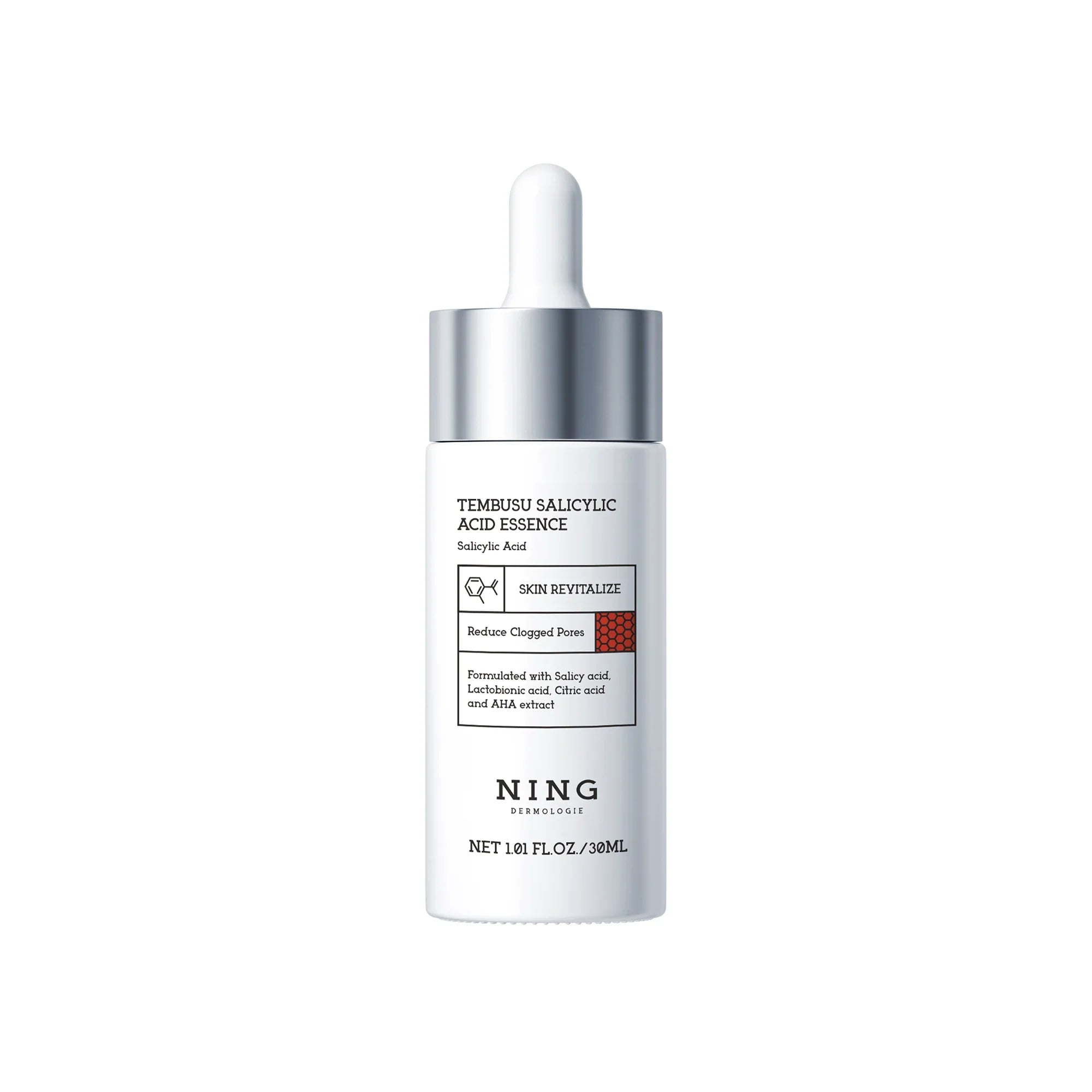
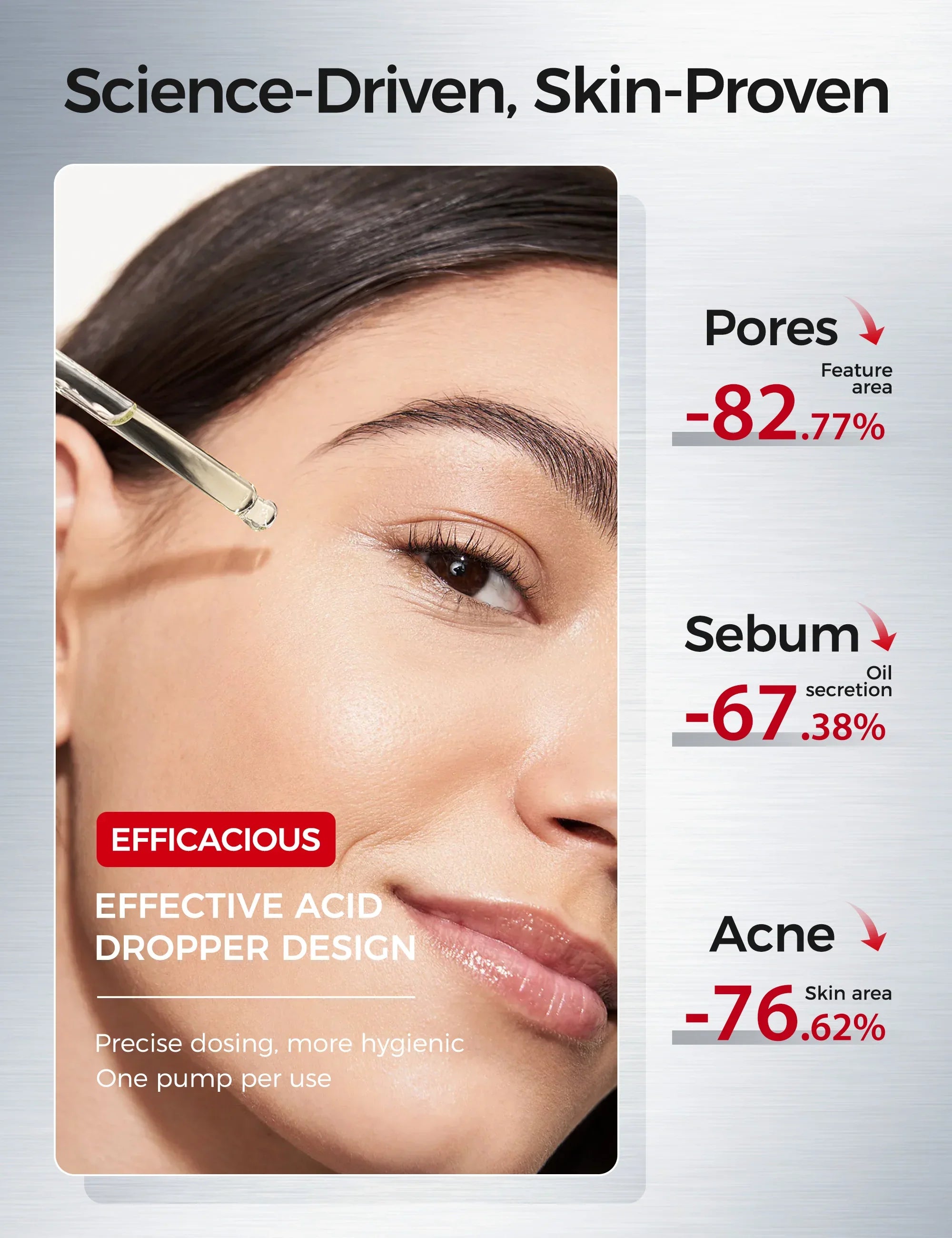
For breakout-prone skin, look for a clarifying clay mask infused with salicylic acid. This BHA is oil-soluble, meaning it goes deep into the pore to dissolve the "glue" holding dead skin cells together. By using a mask with these active ingredients, you prevent the breakout before it even starts.
The Holy Grail for Sensitive Skin: NING Dermologie
Sensitive sisters, I hear you. You’ve probably been told to avoid clay because it might strip your skin. That’s a myth we’re busting in 2025. You just need the right formula.
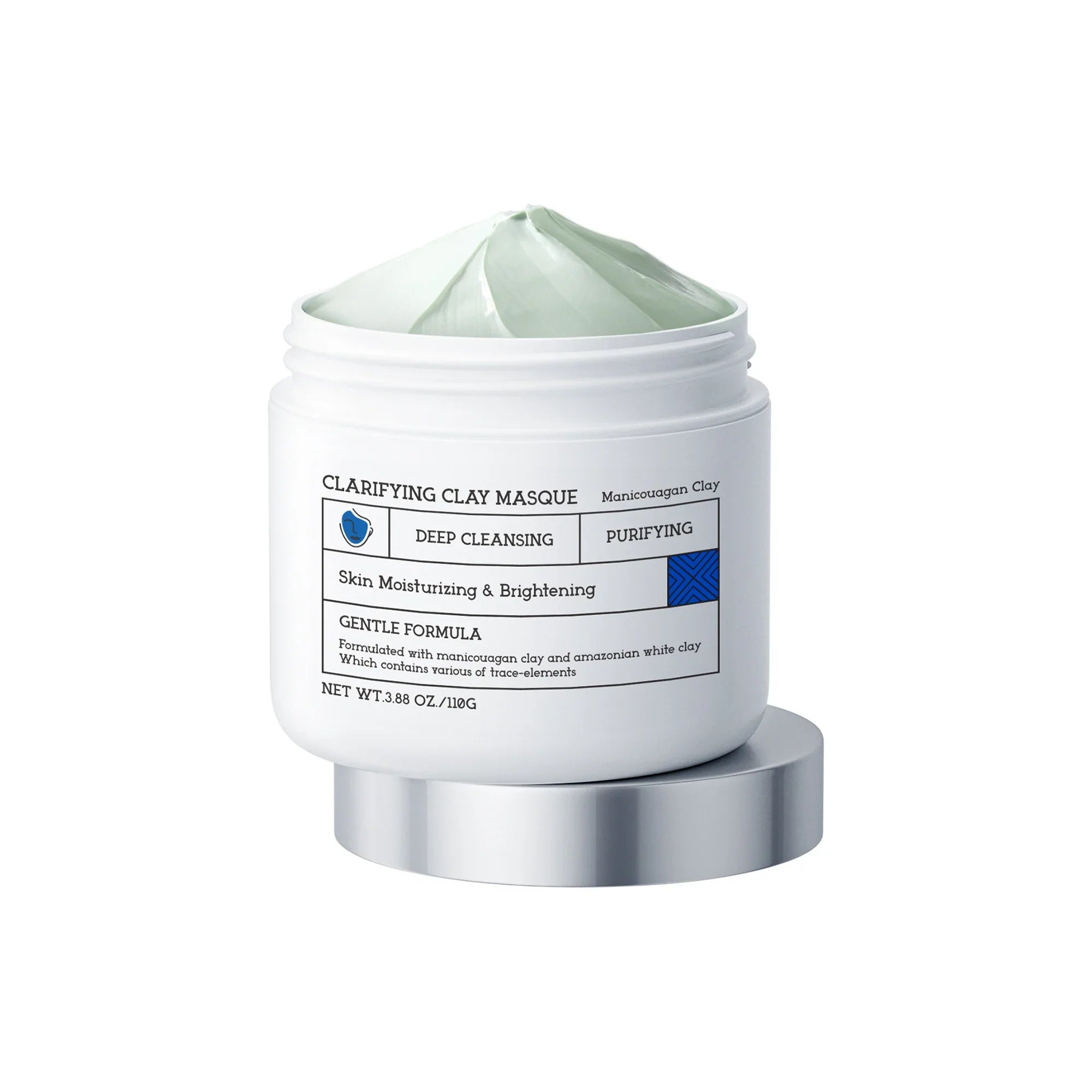
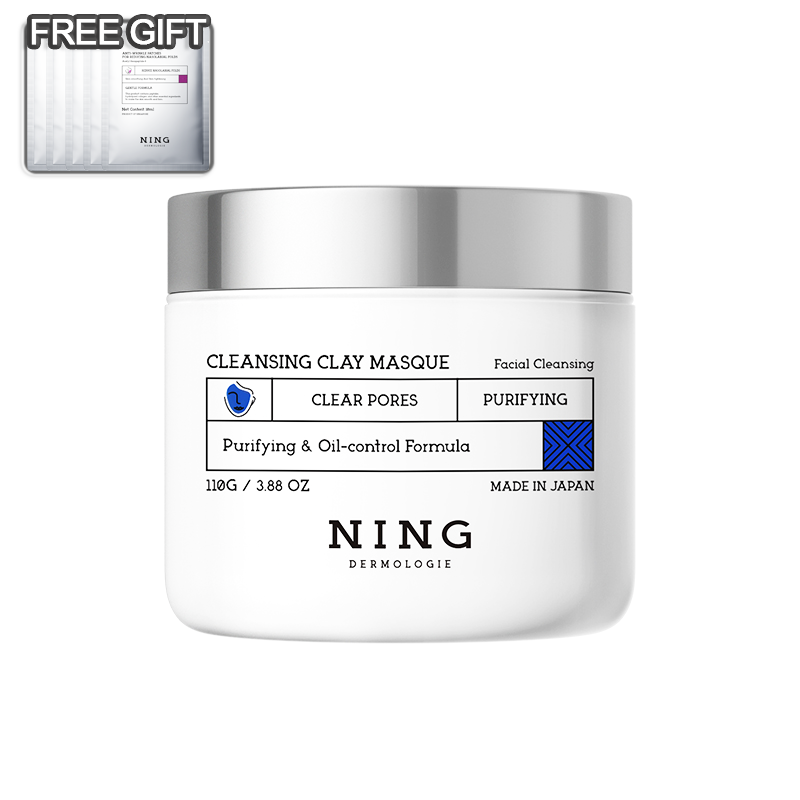
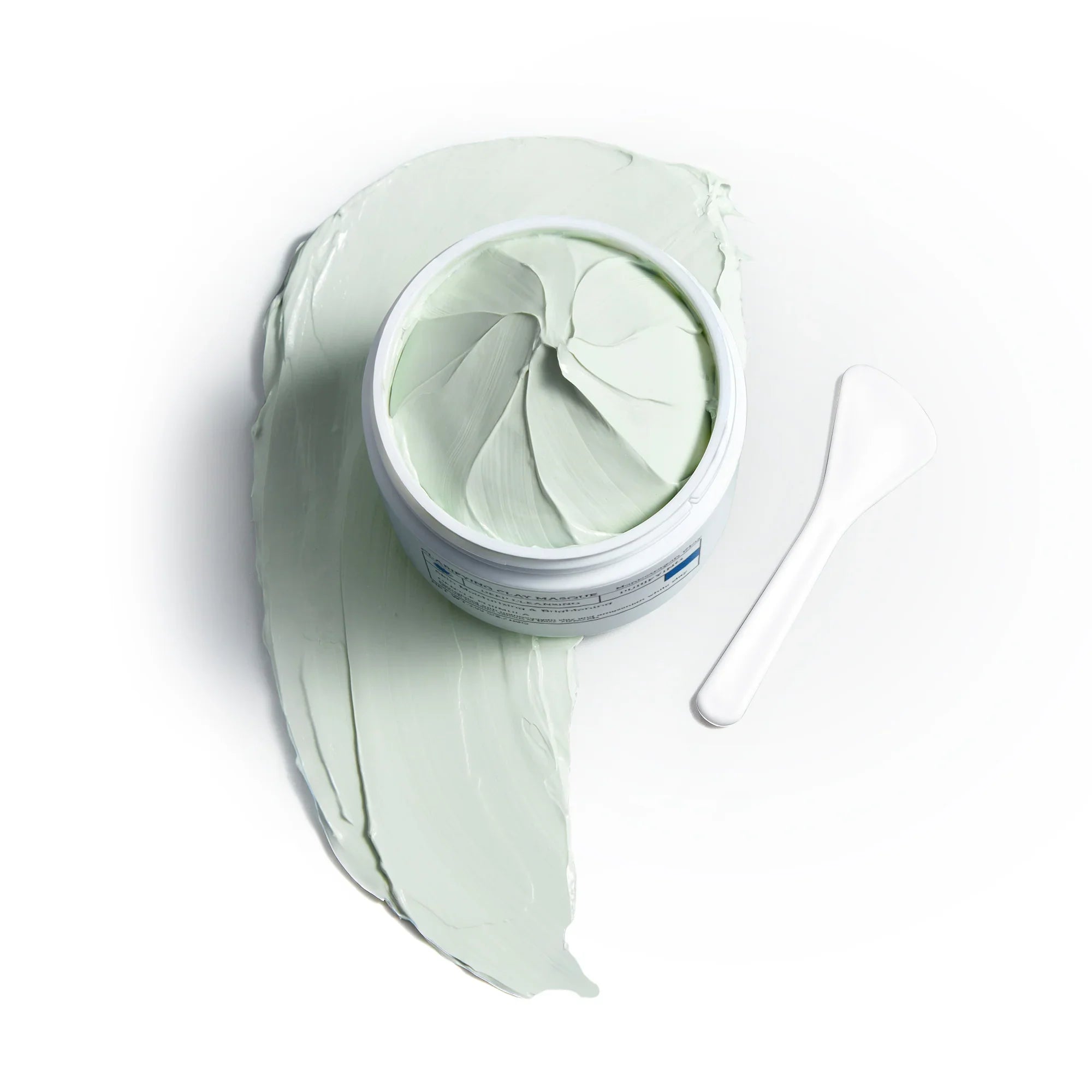
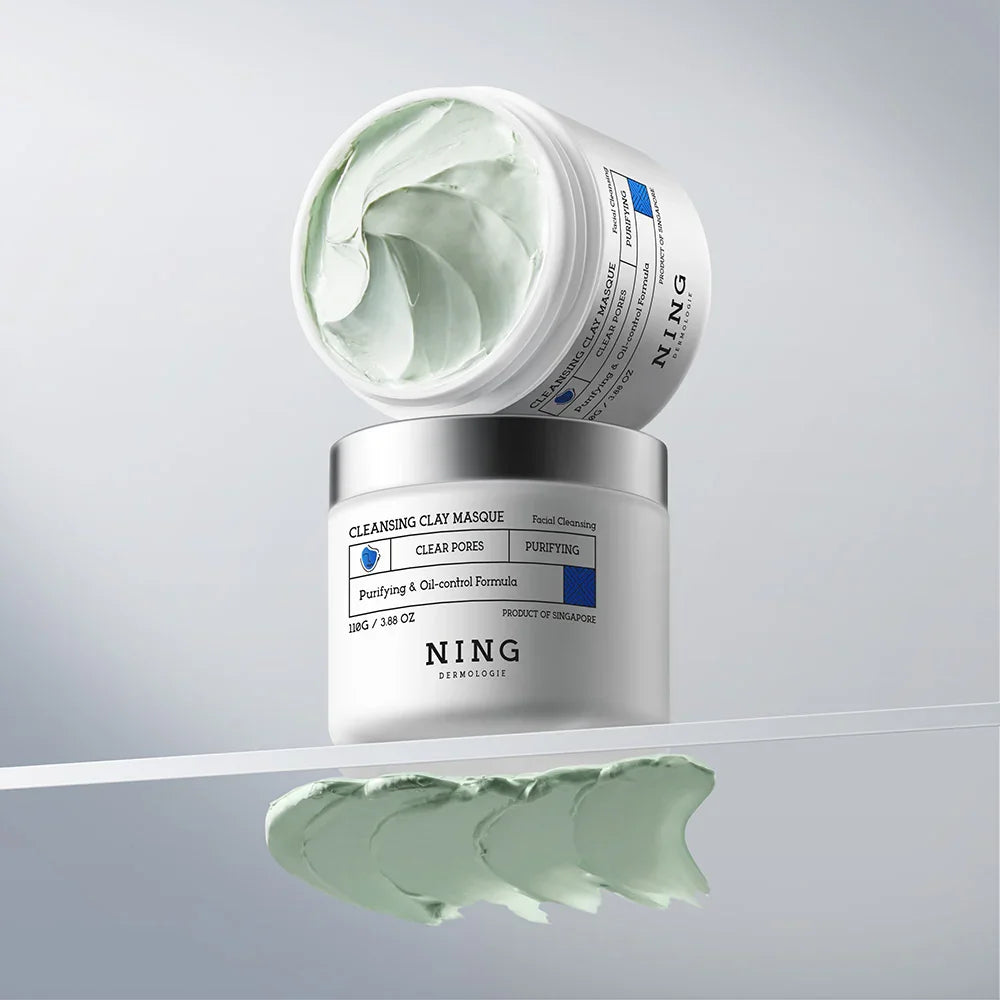
The Clay Mask for Face Sensitive Skin by NING Dermologie is a game-changer. Unlike traditional clay that can leave your skin parched, this Signature Nourishing Facial Mask uses a refined white clay base. It’s designed to clarify and even out skin tone while maintaining your natural pH. It’s one of those rare masks for all skin types that actually respects the skin barrier. If you want glowing skin without the redness, this is your best overall pick.
Don't Ignore Dry Skin
Yes, a clay mask dry skin combo exists! If you have dry skin, look for a purifying clay that includes hydrating heroes like glycerin or hyaluronic acid. A kiehl’s clay mask is often cited as a solid purifying mask that doesn't leave the skin feel tight or uncomfortable. The goal is to improve skin texture and brighten skin without losing that precious hydration.
2025 Top Picks: The Deep Purifying Mask Category
If we look at the picks for the best clay this year, several standout performers dominate the skin care products market.
| Mask Type | Key Benefit | Recommended Product |
| Pore Clay Mask | Vacuum-cleans clogged pores | Super Volcanic Pore Clay Mask |
| Clarifying Clay Mask | Targets acne and blackhead issues | Skinceuticals Clarifying Clay |
| Nourishing Clay | Radiant skin for sensitive skin types | NING Dermologie Clay Mask |
| Exfoliating Clay | Exfoliate away dead skin cells | Deep Purifying Mask with BHA |
How to Effectively Use a Clay Mask (And What to Avoid)
Using a mask isn't just about "smear and wait." To get that clearer skin and skin radiance, you need a strategy.
-
Prep the Canvas: Always start with a clean face. Don't apply clay over makeup; it just traps the dirt further in.
-
The "Goldilocks" Time: Don't let your clay mask dry until it cracks. If you can’t move your face, you’ve waited too long. You want to wash it off while it’s still slightly tacky. This ensures the clay has absorbed excess oil but hasn't started to strip your skin of necessary moisture.
-
The Rinse: Use lukewarm water. Hot water can irritate sensitive skin. Use a soft cloth to gently exfoliate dead skin cells as you rinse.
-
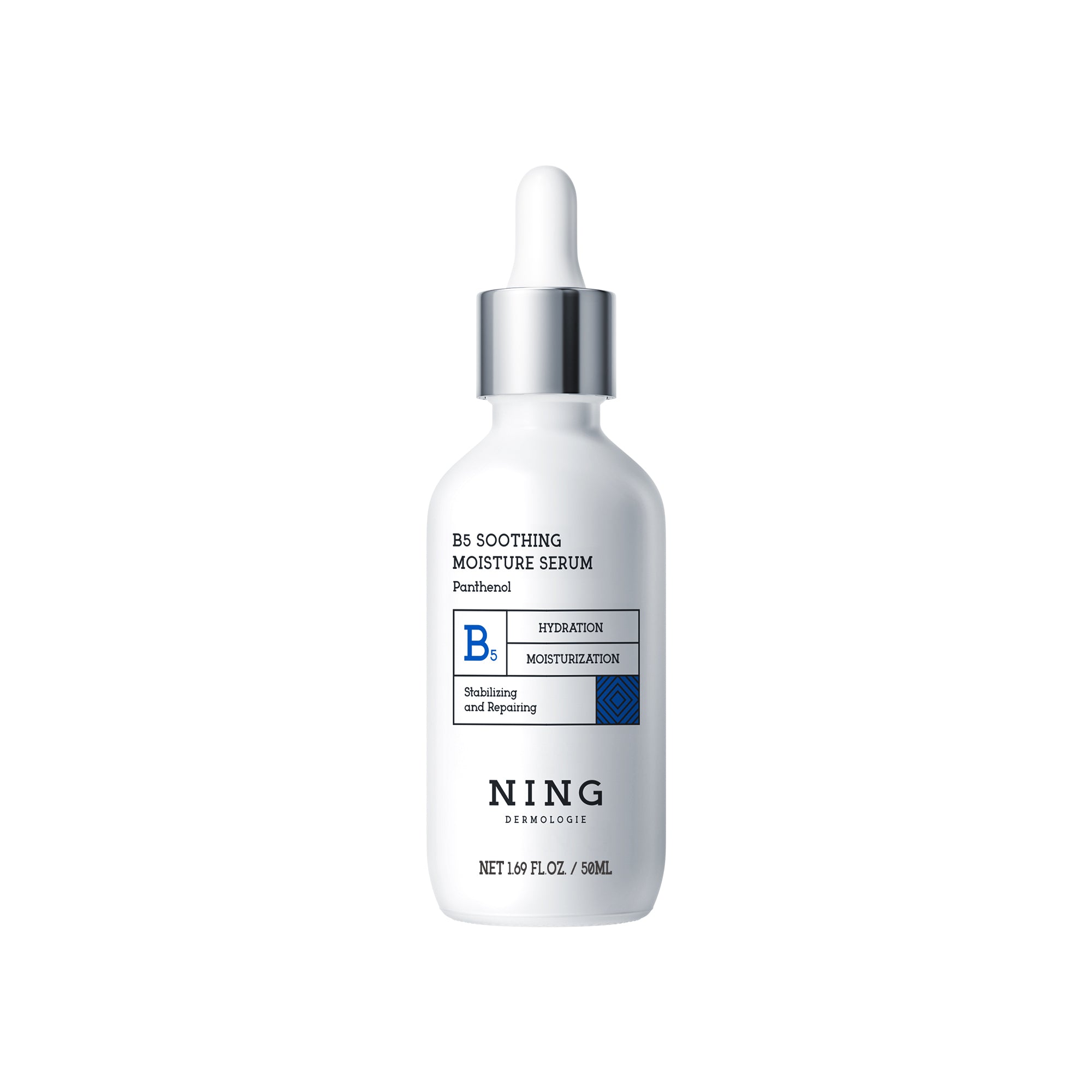
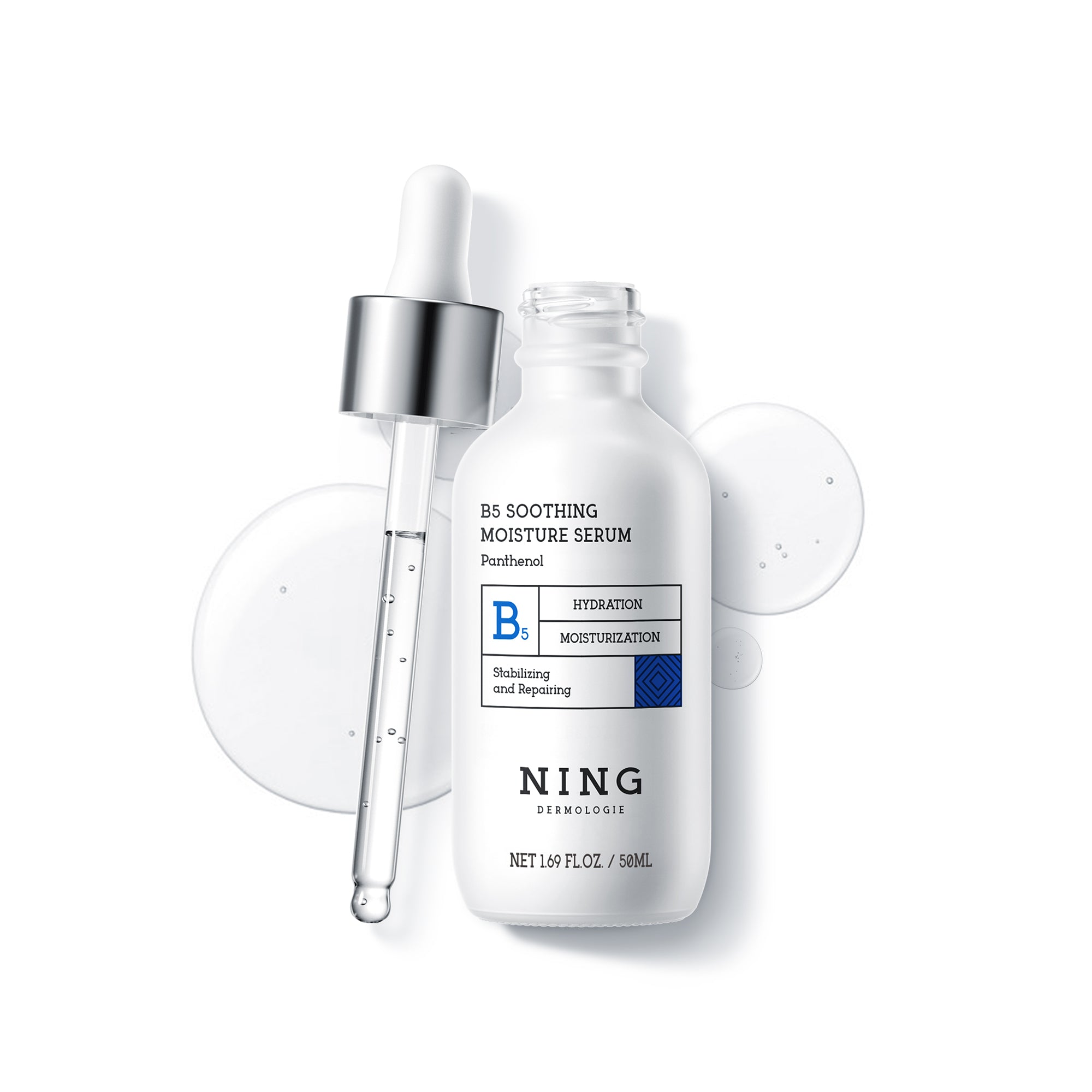
The Follow-up: This is crucial. After a clay pore treatment, your skin is primed to absorb nutrients. Follow up with a hydrating sheet mask or a rich serum to give the skin back what it needs.
Addressing Specific Skin Concerns
Tackling Clogged Pores and Blackheads
When clay masks help with blackheads, they do so by softening the hardened plug of sebum. Regular use—think a mask once or twice a week—keeps the appearance of pores minimal.
Achieving Glowing Skin
Clay masks also work to improve skin tone. By absorbing excess oil and whisking away dead skin, you're revealing the fresh, radiant skin underneath. It’s the fastest way to get that "I just had a facial" skin look.
Managing Skin Over Time
Consistency is your best friend. Every skin type benefits from a routine. While clay masks can be used as a "quick fix" before an event, their real power lies in how they keep my skin balanced over months of use.

Final Thoughts: The NING Dermologie Advantage
In the crowded world of 2025 best face masks, NING Dermologie stands out because it balances efficacy with empathy. Their Clay Mask for Face Sensitive Skin proves that you don't need to suffer for flawless skin. It manages to unclog pores and clarify the complexion while leaving the skin feeling soft, bouncy, and hydrated.
If you're ready to improve skin health and say goodbye to clogged pores, making a clay mask a permanent resident in your skin care routine is the best move you can make this year. Your skin will love the extra attention, and you’ll love the glowing skin looking back at you in the mirror.
Frequently Asked Questions (FAQ)
1. How often should I use a clay mask?
For most people, using a clay mask once or twice a week is the "sweet spot." If you have very oily skin, you might benefit from three times a week. However, if you have sensitive skin or dry skin, stick to once a week or even once every two weeks. The key is to listen to your skin feel—if it starts to feel tight or itchy, scale back.
2. Can I use a clay mask and a sheet mask in the same routine?
Absolutely! This is actually a pro-level skin care routine move often called "multi-masking" or sequential masking. Use the clay mask first to unclog pores and clarify the skin. Once you rinse it off, your skin is perfectly prepped to absorb the essence of a hydrating sheet mask. This "pull and push" method results in a truly radiant skin look.
3. Will a clay mask help with my acne breakouts?
Yes, clay masks can help significantly with acne. Masks containing bentonite clay and salicylic acid are particularly effective at absorbing excess oil and removing the dead skin cells that lead to clogged pores. While it’s not a overnight cure for cystic acne, it’s a vital tool to clarify the skin and prevent future breakout episodes.
4. Why does my skin feel tingly when I use a clay mask?
A slight tingle is often normal—it’s usually the clay and active ingredients (like salicylic acid) increasing circulation and working to unclog pores. However, if the tingle turns into a burn or if your skin feels painfully hot, rinse it off immediately. This is why a dermatologist always recommends a patch test, especially for sensitive skin types.
5. Does the color of the clay matter?
Yes! Different colors usually indicate different mineral contents. White clay (Kaolin) is mild and best for sensitive skin. Pink clay is great for skin radiance and gentle exfoliation. Green or grey clays (like bentonite or volcanic ash) are much stronger and best for oily or acne-prone skin. Choosing the right color helps you target your specific skin concerns effectively.
6. Can clay masks actually "shrink" my pores?
Technically, you cannot change the biological size of your pores. However, when pores are filled with excess oil and dead skin cells, they stretch and look much larger. By using a pore clay mask to unclog pores, you allow them to snap back to their natural shape. This significantly reduces the appearance of pores, making your skin texture look smoother and more refined.





Share:
Expert-Recommended Clay Masks for Deep Cleansing and Detoxifying
Eco-Friendly Green Clay Masks: Sustainable Skincare Options