

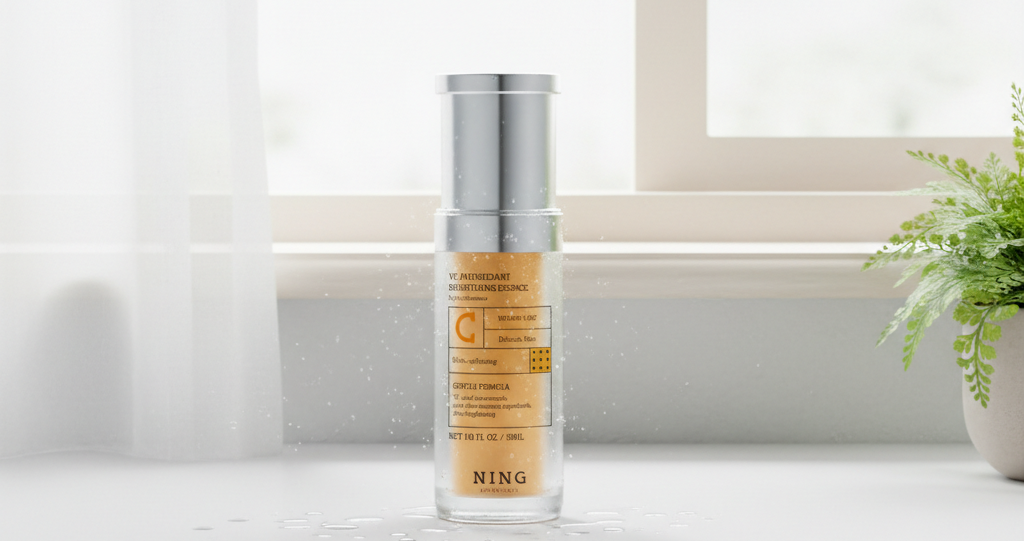

The Ultimate Guide to the Best Vitamin C Serums for Dark Spots (2026 Edition)
The search for the best vitamin c serum often feels like an expensive game of trial and error. We’ve all been there—buying a pricey bottle after seeing a glowing review, only to have it turn into a sticky, orange mess that smells like hot dog water and breaks out your chin.
But if you’re battling hyperpigmentation, dark spots, or that dull "gray" cast that comes from city pollution and lack of sleep, you can’t skip this step. Vitamin C is the gold standard. Whether you are new to vitamin c or a seasoned pro, finding the right form of vitamin c is the difference between a wasted $100 and a "did you get work done?" glow.
In this deep dive, we’re breaking down the 11 best vitamin c serums (and focusing on the 6 best vitamin c serums for specific needs) that actually deliver on the promise of an even skin tone.

Why Most Vitamin C Serums Fail at Dark Spots
The "dark spot" struggle is real. Hyperpigmentation occurs when melanocytes go into overdrive. To stop them, a vitamin c brightening serum needs to do two things: stay stable long enough to penetrate the skin and block the enzyme tyrosinase.
Most popular vitamin c serums use pure vitamin c (L-Ascorbic Acid). While powerful, it’s notoriously "moody." It oxidizes the moment it sees light or air. That’s why the vitamin c serums of 2026 are shifting toward more stable vitamin c derivatives that actually reach the deeper layers of the dermis without causing a stinging mess on sensitive skin.
The 6 Best Vitamin C Serums for Every Skin Type: A Head-to-Head Comparison
We’ve scrutinized the serums we tested based on concentration, pH level, and how the skin feel holds up after eight hours of wear.
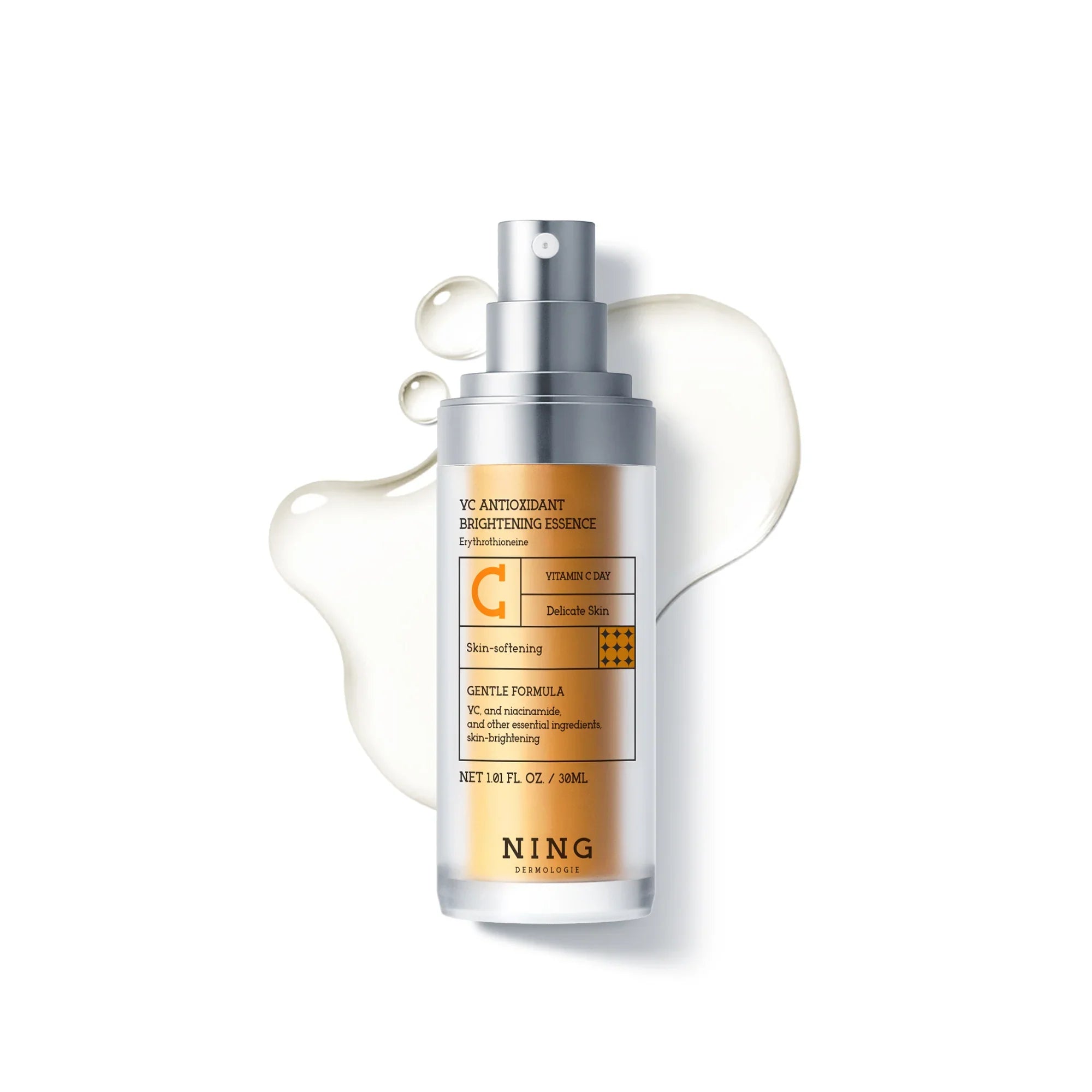
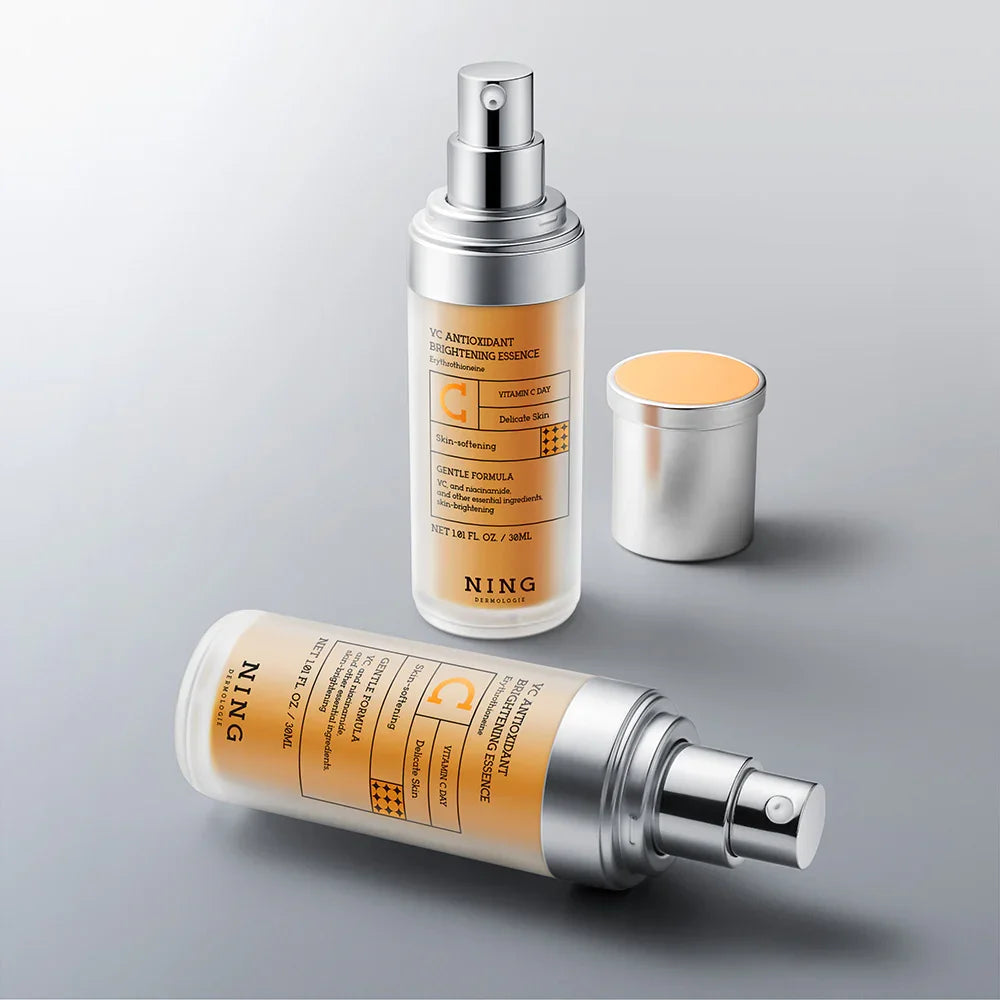
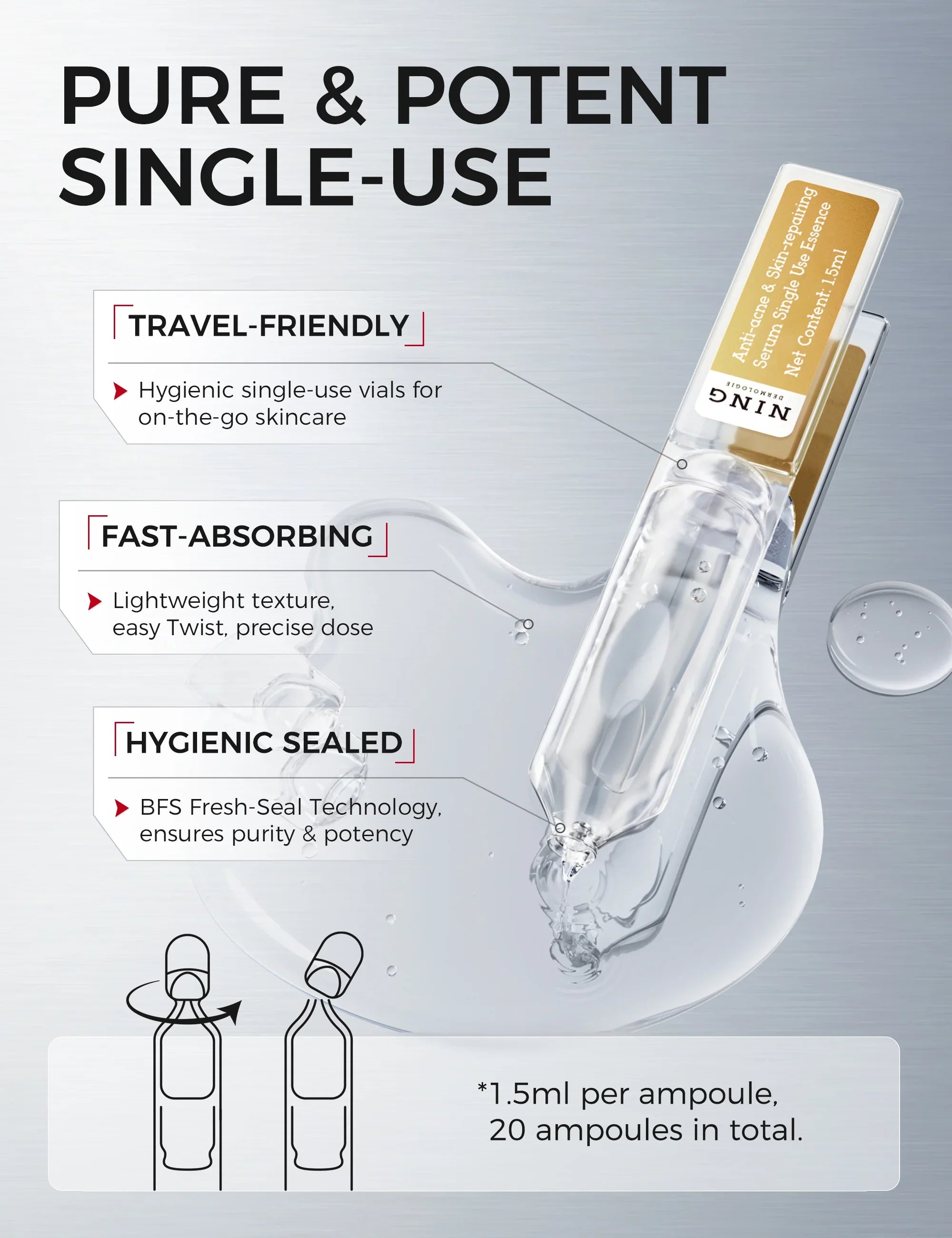
1. Best Vitamin C Serum Overall: NING Dermologie Vitamin C Serum
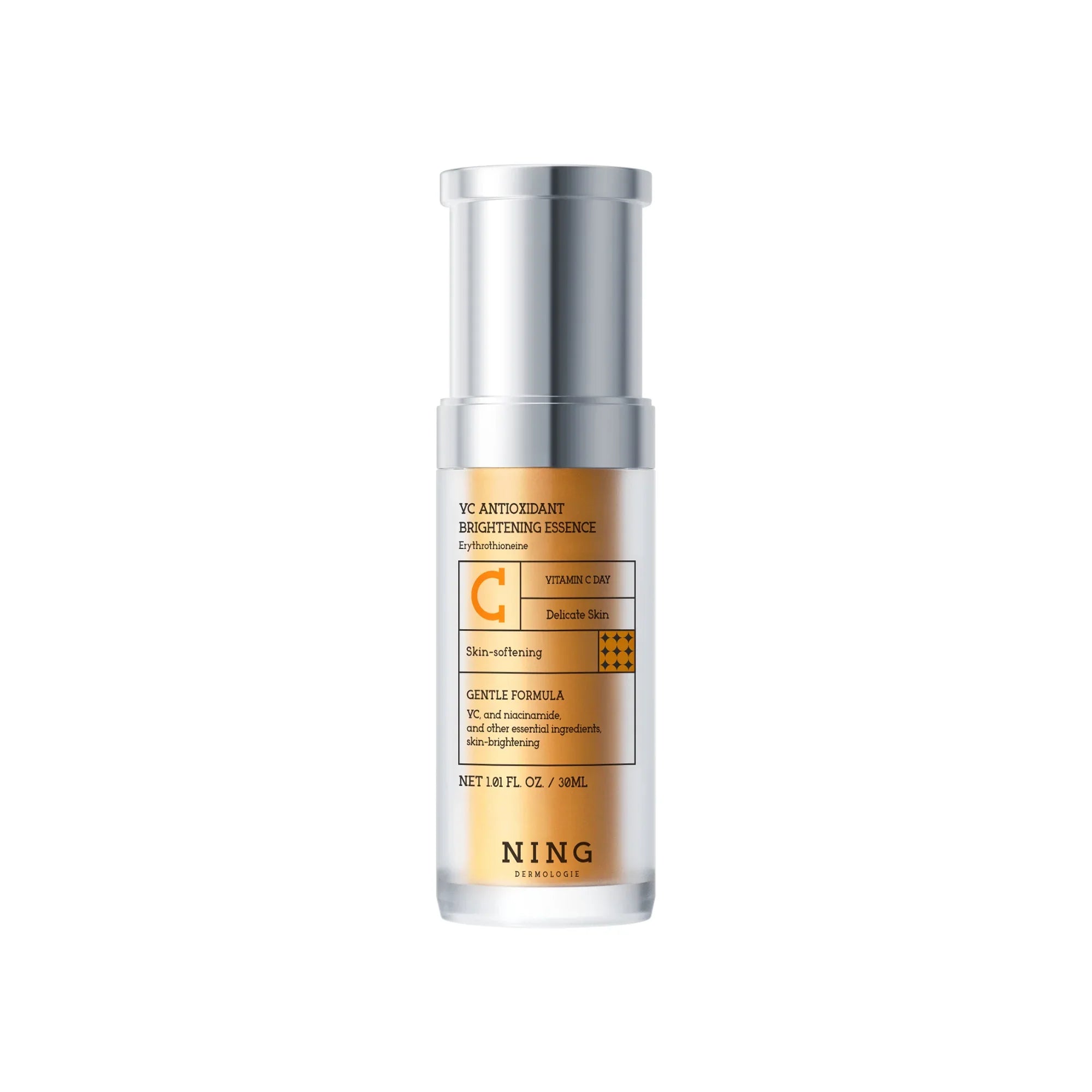
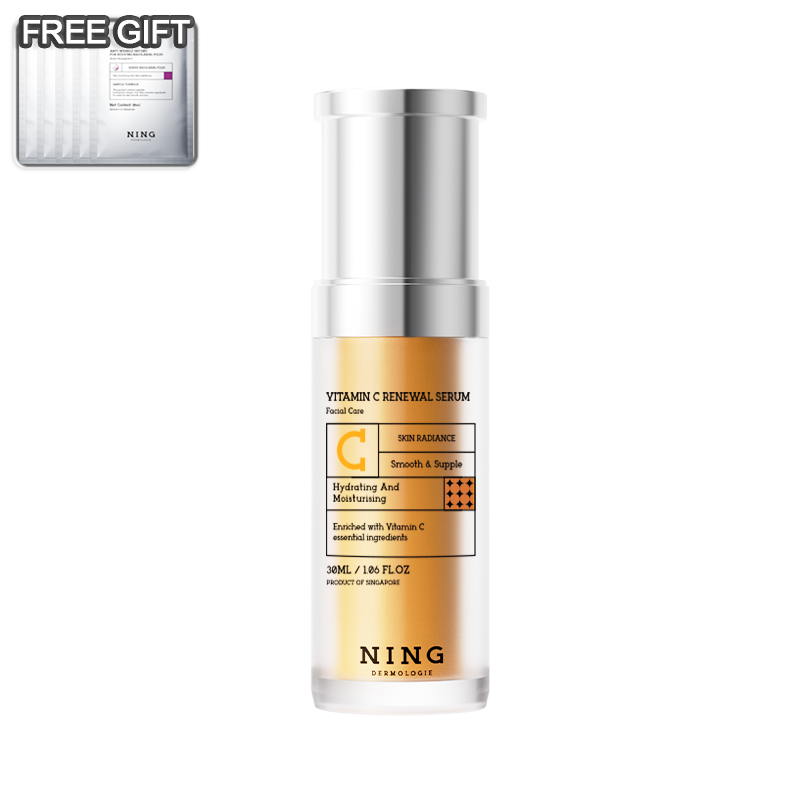
If you want the efficacy of a clinical treatment without the "scorched earth" irritation of pure acid, this is the gold standard for 2026. NING Dermologie has solved the stability puzzle by using Ethyl Ascorbic Acid—a highly stable, multi-functional blend of vitamin c that doesn't oxidize in the bottle.
- The Difference: Unlike a standard vitamin c dark spot serum, this formula is boosted with Niacinamide. While vitamin c helps brighten, Niacinamide strengthens the barrier, making it a perfect c serum for acne-prone skin because it tackles both active inflammation and post-acne marks.
- Best For: All skin types, especially those looking to even out skin tone without the redness associated with low-pH formulas.
- Check it out here: NING Dermologie Vitamin C Serum with Niacinamide
2. The Luxury Classic: SkinCeuticals C E Ferulic
You can’t discuss topical vitamin c without mentioning SkinCeuticals C E Ferulic. It’s the formula that launched a thousand dupes.
- The Tech: It uses 15% pure vitamin c (L-ascorbic acid) combined with vitamin e and ferulic acid. This specific c and e combo creates a synergistic effect that protects skin from environmental damage.
- The Downside: It’s incredibly acidic ($pH \approx 2.5$). If you have sensitive skin, this might feel like a spicy mistake. It also has a distinct scent that isn't for everyone.
3. Best for Sensitive Skin: La Roche-Posay Vitamin C Face Serum
For those who usually find that vitamin c doesn't play well with their reactive face, the La Roche-Posay Vitamin C serum is a solid entry point.
- The Feel: It has a thicker, almost velvety skin texture compared to watery serums. It uses a lower concentration of vitamin c (10%) and includes salicylic acid to gently exfoliate.
- Pro Tip: This is a great vitamin c serum for sensitive users because it contains thermal spring water to soothe as it brightens.
4. Best Drugstore Pick: CeraVe Skin Renewing Vitamin C Serum
Proof that you don't need to spend $200 for a dermatologist-approved formula. CeraVe Skin Renewing Vitamin C is accessible and effective.
- The Formula: It packs 10% L-ascorbic acid and, true to the brand’s DNA, three essential ceramides.
- Why it works: It’s a fantastic vitamin c serum for dry skin because it helps restore the moisture barrier while providing the benefits of vitamin c.
5. The Brightening Heavyweight: Naturium Vitamin C Complex Serum
The Naturium Vitamin C Complex uses a "complex" (a mix of pure C and encapsulated C) to ensure a steady release of the active.
- Performance: It’s a very popular vitamin c choice for combination skin because it absorbs quickly without leaving a greasy film. It’s effective for general dullness, though it might take longer on deep-seated hyperpigmentation than a direct ester like Ethyl Ascorbic Acid.
6. The Clean Beauty Favorite: TruSkin Vitamin C Serum
TruSkin Vitamin C Serum remains one of the most popular vitamin c serums on the market due to its "clean" profile. It uses Sodium Ascorbyl Phosphate, a very gentle vitamin c form.
- The Reality: While it’s great for beginners, if you are looking for a vitamin c serum for mature skin with deep sun damage, you might find this a bit too mild. It’s better for maintenance than aggressive dark spot correction.
Comparison Table: How the Top Serums Stack Up
| Product | Primary Form of C | Best For | Key Synergies |
| NING Dermologie | Ethyl Ascorbic Acid | Dark Spots & Acne-Prone | Niacinamide + HA |
| SkinCeuticals C E | L-Ascorbic Acid | Anti-Aging/Mature | Vitamin E + Ferulic |
| La Roche-Posay | L-Ascorbic Acid (10%) | Sensitive Skin | Salicylic Acid |
| CeraVe Renewing | L-Ascorbic Acid (10%) | Dry Skin | Ceramides |
| TruSkin | Sodium Ascorbyl Phosphate | Beginners | Witch Hazel + Vitamin E |
| Naturium Complex | Complex Blend | Combination Skin | Sodium Hyaluronate |
What to Look for in a Vitamin C Serum (A Dermatologist's Checklist)
When you’re browsing the world of vitamin c serums, don’t get distracted by pretty packaging. Here is what a board-certified dermatologist based in New York would tell you to check:
The Concentration of Vitamin C
More isn't always better. While you might be tempted by a 30% concentration, most studies show that the skin’s absorption peaks around 20%. Anything higher often just increases irritation without adding brightening vitamin c benefits. NING Dermologie and Naturium Vitamin C Complex hit that "sweet spot" of efficacy and safety.
The Form of Vitamin C
- Pure Vitamin C (L-Ascorbic Acid): The most studied, but unstable and irritating.
- Ethyl Ascorbic Acid: Found in the NING Dermologie Vitamin C Serum, this is a stable form of vitamin c that is both water and oil-soluble, meaning it actually gets into the skin where dark spots live.
- Vitamin C Derivatives: (Like SAP or MAP) are gentle vitamin c options for those who find pure form of vitamin c too harsh.
Packaging Matters
If a vitamin c product comes in a clear glass bottle, run. Topical vitamin c degrades when exposed to light. Look for opaque pumps or amber glass to ensure your vitamin c serum daily dose is actually active.
How to Apply Vitamin C Serum for Maximum Results
If you’ve used vitamin c before and didn't see results, you might be applying it wrong. Follow this routine to improve skin clarity:
-
Cleanse: Start with a clean slate.
-
Apply Vitamin C Serum: Use about 3-5 drops. Use c serum in the morning to take advantage of its antioxidant properties against UV rays.
-
Wait (Optional): Some experts suggest waiting 1-2 minutes for the vitamin c and hyaluronic acid to sink in.
-
Moisturize: Lock it in.
-
Sunscreen (Non-Negotiable): This is the most important step. Vitamin c helps protect your skin, but it can also make it slightly more sensitive to the sun. Plus, if you don't use SPF, you're undoing all the work the vitamin c dark spot serum is doing!

Addressing Specific Skin Concerns
For Acne-Prone Skin
Look for a vitamin c serum for acne-prone skin that is oil-free. Ingredients like Niacinamide are crucial here. C serum for acne-prone skin should focus on fading post-inflammatory hyperpigmentation (PIH)—those red and purple marks left behind after a breakout.
For Mature Skin
The best vitamin c serum for mature skin will often include vitamin e or peptides. As we age, our skin’s natural lipid barrier thins. A c serum for mature skin needs to address both pigment and "crepiness."
For Dry Skin
If you have dry skin, avoid high-alcohol formulas. The vitamin c serum for dry skin should feel slightly hydrating, almost like a thin oil or a milky lotion. Look for a c serum for dry skin that lists glycerin or squalane high on the ingredient list.
Final Verdict: Which One Should You Buy?
If you want the absolute best vitamin c serum overall that balances price, stability, and the ability to even out skin tone, NING Dermologie Vitamin C Serum is the standout of the serums we tested. Its use of Ethyl Ascorbic Acid means it stays clear and potent from the first drop to the last, making it a reliable vitamin c brightening serum for those serious about deleting dark spots.
However, if you have very oily skin and want a "clinical" experience, SkinCeuticals is a classic for a reason. If you’re on a budget, CeraVe is your best bet at the drugstore.
No matter which you choose, remember that vitamin c may take 4-8 weeks to show significant changes in hyperpigmentation. Consistency is more important than the price tag!
Frequently Asked Questions (FAQ)
1. Can I use Vitamin C with Niacinamide?
Absolutely. Old school beauty myths suggested they cancel each other out, but modern chemistry proves otherwise. Combining them, as seen in the NING Dermologie Vitamin C Serum, provides a dual-action approach to dark spots. Vitamin C inhibits pigment production while Niacinamide prevents the transfer of pigment to skin cells. It is one of the most effective ways to even out skin tone quickly without irritation.
2. Why did my vitamin c serum turn orange or brown?
This is a sign of oxidation. When pure vitamin c (L-ascorbic acid) is exposed to light and air, it breaks down into dehydroascorbic acid. Not only does this make the vitamin c serum less effective, but it can actually cause oxidative stress on the skin. To avoid this, look for a stable form of vitamin c like Ethyl Ascorbic Acid, or ensure your serum is stored in a cool, dark place.
3. Does vitamin c serum work on old sun spots?
Yes, but patience is key. A vitamin c brightening serum works by inhibiting the enzyme tyrosinase, which prevents new pigment from forming while gradually fading existing hyperpigmentation. For older, deeper dark spots, it may take 8 to 12 weeks of daily use. For faster results, look for popular vitamin c serums that also contain exfoliating acids or Niacinamide to speed up cell turnover.
4. Can I use vitamin c serum if I have active acne?
Yes, and you probably should. Vitamin c helps reduce inflammation and redness. Using a vitamin c serum for acne-prone skin can prevent the "dark mark" (PIH) that usually stays long after the pimple is gone. However, avoid formulas that are heavy in oils or comedogenic ingredients. A lightweight c serum for acne-prone skin will provide antioxidant protection without clogging your pores further.
5. Is it better to use vitamin c in the morning or at night?
While you can use it twice a day, it is it’s best to use your c serum in the morning. Vitamin C is a powerful antioxidant that neutralizes free radicals from UV rays and pollution. When layered under sunscreen, it actually boosts your SPF’s effectiveness. If you are new to vitamin c, start once every other morning to ensure your skin type tolerates the concentration.





Share:
Korean vitamin C serums with high concentration of pure vitamin C
Best vitamin C serum bundles or kits for dark spot treatment