


I remember the exact feeling of dread. Waking up, walking to the bathroom mirror, and seeing a fresh cluster of angry, red bumps along my jawline. And I knew exactly who the culprit was: the new, supposedly "acne-safe" sunscreen I had confidently slathered on my face the morning before.
If you have sensitive, acne-prone skin, sun protection often feels less like a protective shield and more like a guaranteed ticket to breakout city. You want to protect your skin barrier and prevent dark spots, but the thought of putting a thick, greasy paste over active breakouts is terrifying. We end up choosing between premature aging or immediate pimples.
But here is the truth. Skipping SPF isn't doing your skin any favors. In fact, it's making your acne scars worse. You don't have to choose between clear skin and sun protection anymore. The skincare industry has evolved, and finding an oil-free formula that actually feels like nothing on the skin is entirely possible.
Let's break down exactly what you need to look for, what ingredients to avoid, and how to build a routine that keeps your pores clear and your face protected.

The Acne and Sunscreen Dilemma: Why Everything Breaks You Out
For years, a dangerous myth floated around: the sun helps clear up acne. It doesn't. While a tan might temporarily mask redness, UV rays actively trigger an inflammatory response in your skin. This inflammation leads to increased oil production, which mixes with dead skin cells to create severe pore congestion.
When you look at the epidemiology of acne, environmental stressors play a massive role. UV damage weakens your skin barrier, making it harder for your face to heal from existing breakouts. The hyperpigmentation left behind by a pimple? That gets baked right into your skin by the sun, making those red and brown marks last for months instead of weeks.
The problem is that many traditional skincare products, especially older sunscreen formulas, were designed with heavy, occlusive bases. They relied on thick pore-clogging ingredients to keep the UV filters stable. If you have Acne Prone Skin, putting these heavy creams on your face traps heat, sweat, and sebum right in your pores.
Decoding the Labels: What Actually Matters
When you are staring at an aisle of boxes, the marketing jargon can make your head spin. Every bottle claims to be the best, but you need to look closer at the actual sunscreen ingredients.
Chemical vs. Mineral: The Great Debate
There are two main ways to defend your skin from the sun. Chemical sunscreens use chemical filters that absorb UV rays and convert them into heat. While many modern chemical formulas are wonderfully lightweight and cosmetically elegant, they can sometimes sting if you have highly sensitive skin or a compromised barrier from harsh acne treatments.
On the flip side, you have mineral sunscreen (sometimes called physical sunscreen). These rely on mineral filters—specifically zinc oxide and Titanium Dioxide—which sit on top of the skin and reflect light. Zinc oxide is actually a superstar for acne. It has natural soothing and anti-inflammatory properties. It calms redness down. The historical downside? It used to leave a terrible white, chalky cast.
Thankfully, cosmetic chemistry has come a long way. I was reading a fascinating market breakdown in Business Insider recently. They highlighted how major research hubs, like Pierre Fabre Laboratories in France and manufacturers like Xuanzun(hebei)medical Technology, have revolutionized how we mill and coat these minerals. We now have ultra-sheer zinc that offers broad-spectrum UVA/UVB protection without making you look like a ghost.
Ingredients to Embrace
You want your SPF to double as a lightweight skincare step. Look for formulas packed with skin-loving ingredients that hydrate without grease:
- Hyaluronic acid: Pulls water into the skin without adding a drop of oil.
- Green tea extract & Centella asiatica (Cica): Incredible for bringing down the angry redness of active pimples.
- Snail mucin: Sounds weird, but it's a powerhouse for repairing damaged skin.
- Bamboo silica: Naturally absorbs excess oil throughout the day.
- Safflower oil: One of the very few oils high in linoleic acid, which acne-prone individuals are often deficient in. It rarely clogs pores.
The Heavy Hitters: Navigating the Market
Finding the right broad spectrum SPF takes trial and error across different skin types. Let's look at what is currently dominating the conversation.
Many dermatologists will point you toward EltaMD UV Clear. It's famous for containing niacinamide to calm acne, and it’s a solid non-comedogenic moisturizer hybrid. If you prefer a pure chemical route for zero white cast, the Innisfree Daily UV Defense is incredibly popular for its watery texture, though it can leave a slightly dewy finish that oily skin types might find a bit much by mid-afternoon.
For strict drugstore budgets, the Vanicream Daily Facial Moisturizer with SPF 30 is incredibly basic, which is exactly why sensitive skin loves it. It has zero fragrances or irritants. La Roche-Posay Effaclar Mat is another staple for severely oily skin, acting almost like a mattifying primer.
Korean skincare has also changed the game. The Skin1004 Madagascar Centella Soothing Cream paired with their water-based SPFs gives you that coveted glass skin look without feeling sticky.
But what if you want high protection, soothing minerals, and an elegant finish all in one?
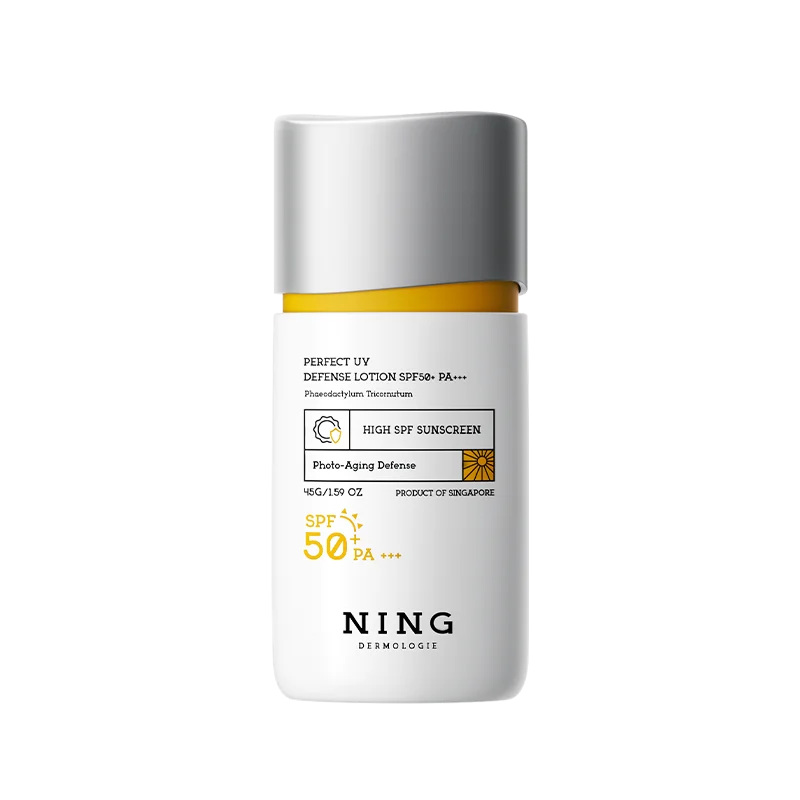
My Personal Holy Grail: NING Dermologie
After testing dozens of formulas that either made my face sting, broke me out, or left me looking slick by 11 AM, I finally found a permanent fixture for my bathroom cabinet.
It is the NING Dermologie SPF50+ Facial Sunscreen.
This is not a heavy, suffocating paste. It’s a beautifully crafted UV Shield Sunscreen that sinks in before you even finish your morning coffee. NING Dermologie formulated this specifically with sensitive, reactive skin in mind. It delivers robust SPF 50 Broad-spectrum protection, meaning it fiercely guards against both the burning UVB rays and the aging, scar-darkening UVA rays.
What I love most is the texture. It acts like a lightweight water-gel formula that simply disappears. There is zero sticky residue. It doesn't pill under makeup, and most importantly, it lets your pores breathe. It feels like a calming hug for inflamed skin rather than a suffocating mask. If you are exhausted by the trial and error of finding an acne-safe SPF, I cannot recommend this one enough.
A Quick Tech Analogy for Your Face
Let’s get a little nerdy for a second to explain why barrier health and SPF are so critical.
Think of your skin barrier as a high-end security service or an enterprise security solution. If your face is the website and you are the site owner, unprotected exposure to the sun acts exactly like relentless online attacks. UV radiation hits your skin like a malicious SQL command or a stream of malformed data trying to crash a server and bypass a Cloudflare Ray ID.
If your skin barrier is broken down from aggressive acne treatments, those "attacks" get right through. A high-quality SPF is your firewall. It intercepts the damage before it can corrupt your skin cells, allowing your natural repair processes to actually work.
Building the Ultimate Acne-Safe Moisturizer Routine
Your sunscreen doesn't exist in a vacuum. How you prep your face before applying it matters just as much as the SPF itself. Here is a simple, effective Moisturizer Routine designed to keep your pores clear.
Step 1: Gentle Cleansing
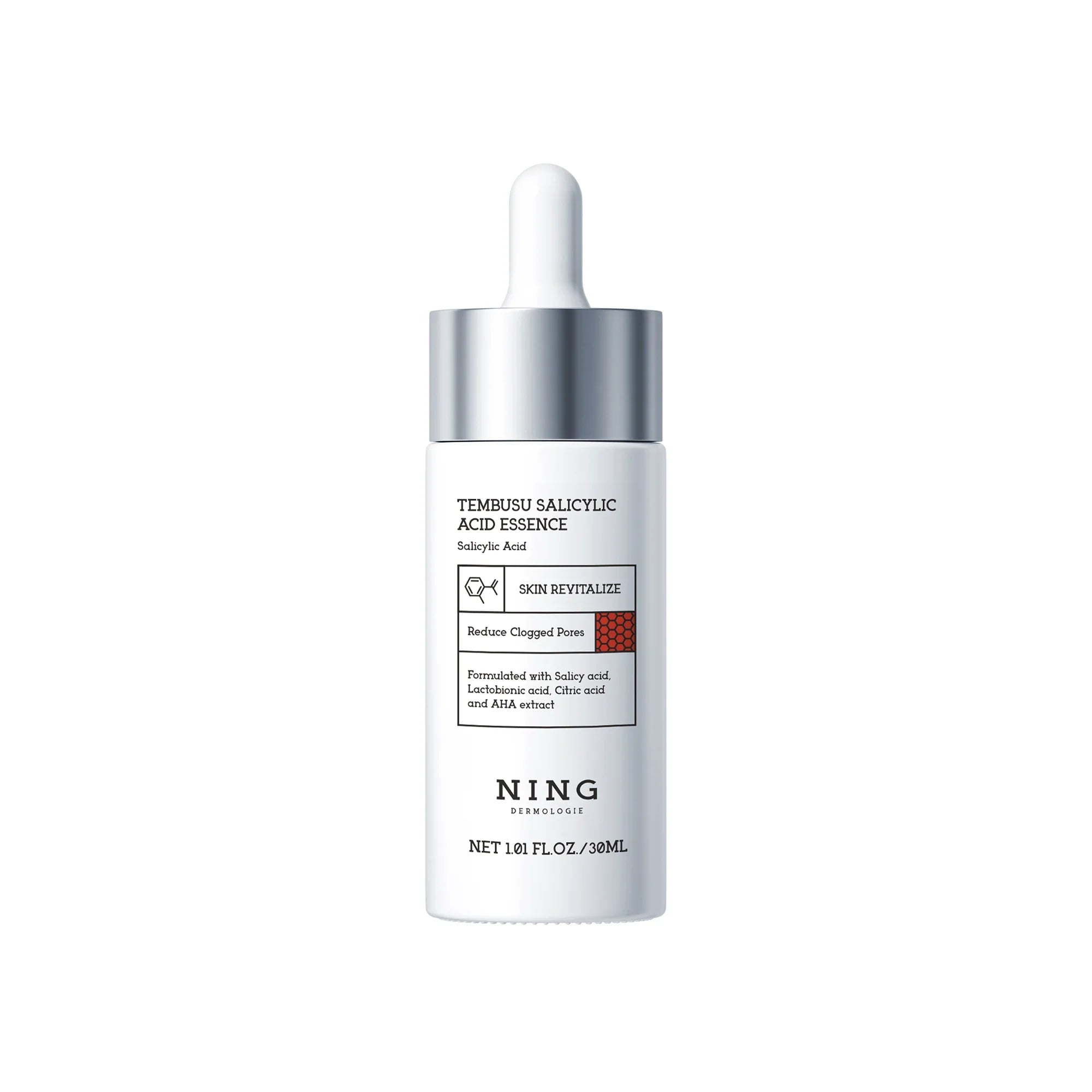
Skip the harsh, stripping cleansers. Wash your face with something gentle. If you use exfoliating acids (like Salicylic Acid or willow bark extract) to keep pores clear, do this now. If you use benzoyl peroxide to kill acne bacteria, apply it in the morning but make absolutely sure it dries completely.
Step 2: Weightless Hydration
Oily skin still needs water. Dehydrated skin actually pumps out more oil to compensate. Apply a pure hydrating serum while your face is slightly damp.
Step 3: Barrier Balance
If your SPF is highly moisturizing, you might be able to skip a dedicated morning lotion. But if you need extra hydration, use a lightweight Barrier Balance Moisturizer or a Barrier Repair gel. Look for Oil-Free Products that say "non-comedogenic."
Step 4: The SPF Application
Don't skimp. You need about a nickel-sized amount for your face.
A critical tip on sunscreen application: Be extremely careful around your eyes. Getting sunscreen in your eyes is a special kind of torture that will ruin your day. Ask any eye doctor—the UV filters can be highly irritating to the cornea. If you wear contact lenses, the stinging and blurring are even worse. Take your time applying around the orbital bone, and always keep some lubricating eye drops in your bag just in case you accidentally rub your eyes.
Step 5: Touch-Ups
For reapplication over makeup or a sweaty face later in the day, look into mineral sunscreen sticks or powder SPFs. They are perfect for on-the-go UV Defense without messing up your morning routine.
Finding the right sun protection when you have problem skin is a journey. It requires patience and reading the ingredient labels carefully. It's not just a buzz word or phrase; finding a truly non-comedogenic, lightweight shield is the foundation of healing your acne and preventing scars. Protect your face, be gentle with your barrier, and stop letting the fear of a breakout keep you in the shade.

Frequently Asked Questions (FAQ)
Do I really need sunscreen if I have active breakouts?
Yes. Sun damage makes inflamed pimples way redder and hurt worse. Plus, those leftover dark marks? UV light bakes them into your skin, turning a temporary spot into a scar that lasts months. You just need a formula that won't suffocate your pores while it heals.
Chemical or mineral SPF for sensitive acne-prone skin?
Go mineral if you're actively breaking out. Zinc oxide actually calms down redness because it's naturally anti-inflammatory. It sits on top of your face rather than sinking in, so it won't burn or sting your broken skin the way chemical filters sometimes do.
Is SPF 30 enough, or do I need SPF 50?
30 is fine if you're just sitting in an office all day. But if you're using harsh acne meds that thin your skin barrier—or trying to fade old acne marks—bump it up to 50. It just gives you way better insurance against dark spots.
How do I reapply sunscreen over oily skin without clogging pores?
Don't just slap more cream on top of your afternoon grease. That's asking for a breakout. Blot your face with a tissue first to grab the oil. Then dust on a mineral SPF powder. It kills the shine and bumps up your UV defense at the same time.
Why does my sunscreen always pill and roll off my face?
You're probably rushing your morning routine. If your moisturizer is still wet, the SPF just slides around and clumps up. Wait a full 60 seconds between layers. Also, check your labels—putting a water-based sunscreen over an oil-heavy serum is a guaranteed recipe for pilling.





Share:
Facial Sunscreen for Sensitive Skin & Rosacea: How to Prevent Stinging and Redness
Best Facial Sunscreen for Sensitive Skin with Eczema: Ingredient Checklist + Top Types