


Let me paint a picture you’re probably way too familiar with. You finish your morning skincare routine, apply your SPF, do your makeup, and head out the door. Ten minutes into your commute, your eyes start watering. Then comes the stinging. Before you know it, you’re blinking furiously at a red light, mascara running down your face, completely blinded by your own sunscreen.
If this sounds like your daily struggle, you are not alone. Finding a facial sunscreen for sensitive skin around the eyes that actually stays put and doesn't induce a crying fit is notoriously difficult. The skin around our eyes is incredibly thin—about a tenth as thick as the rest of our face—meaning it’s highly vulnerable to irritation, early signs of aging, and, crucially, sun damage.
Today, we are getting into the real, practical ways to protect your eyelids and under-eyes without the burn, plus the exact gentle picks I trust when my skin sensitivities are acting up.

Why Does My Sunscreen Make Me Cry?
To fix the problem, we first have to understand what’s causing the sting. It usually comes down to the active ingredients in your SPF.
Broadly speaking, there are two main types of SPF protection: chemical sunscreen and physical (or mineral) sunscreens.
When you use chemical UV filters, the product works by absorbing into the skin, capturing UV rays, and converting them into heat. While many chemical sunscreen ingredients are fantastic for achieving a lightweight, invisible finish, they are notorious for irritating the eyes. Chemical filters can be highly volatile. As your body heats up during the day, the formula can migrate, melt, and evaporate directly into your eyes.
On the flip side, mineral-based SPF products rely on mineral filters—specifically Zinc Oxide and Titanium Dioxide. Instead of absorbing into the skin, physical sunscreens sit right on top, acting like a tiny shield that reflects UVB rays, UVA rays, and even some blue light away from your face. Because they aren't converting UV energy into heat and don't rely on the same chemical reactions, they are vastly better for the delicate, easily irritated eye area.
What the Experts Actually Say
You don't just have to take my word for it. Dermatologists have been stressing the importance of eye-area UV protection for years. According to guidelines supported by the American Academy of Dermatology, you need broad spectrum SPF every single day to prevent skin cancer, which frequently shows up on the eyelids.
I’ve read through clinical advice and interviews from top experts at institutions like the University of Arizona Cancer Center, Mount Sinai Hospital, and Mount Sinai dermatology departments. The consensus is always the same: do not skip the eyes. Specialists at clinics like Spring Street Dermatology and Skin Wellness Dermatology routinely recommend switching to mineral options if you experience stinging, specifically looking for formulas that are vetted for sensitive skin or even Eczema-prone Skin. In fact, if you look at products endorsed by the National Eczema Association, you'll notice they heavily favor mineral formulas over chemical ones.
The "I Tried Everything" Market Breakdown
Finding the perfect eye-safe SPF has been a multi-year journey for me. Let’s talk about the products I’ve tested along the way, because if you've been on a similar hunt, you've probably tried a few of these too.
In my early twenties, I’d just slap on whatever Olay lotion was sitting on the drugstore shelf. I eventually upgraded to the Olay Complete Daily Moisturizer With Sunscreen SPF 30, which was fine for indoors but stung my eyes the second I started sweating. From there, I went through a huge phase of trying all the cult classics.
For a while, I strictly used the Vanicream Facial Moisturizer layered with a separate SPF, before discovering the Vanicream Facial Moisturizer with SPF 30. It was gentle, but a bit heavy. I also went through multiple bottles of EltaMD UV Clear and EltaMD UV Skin Recovery—both great, dermatologist-loved options, but occasionally they still made my eyes water on really hot days.
I tried the viral Trader Joe's Invisible Gel Body Sunscreen SPF 40 and CeraVe AM Ultra-Light Moisturizing Lotion With Sunscreen SPF 30 for quick drugstore fixes. I tested out Black Girl Sunscreen SPF 30 (incredible for avoiding a white cast) and Hero Force Shield Superlight Sunscreen SPF 30 (great for acne-prone skin). I even branched into luxury and niche options like SkinCeuticals Physical Fusion UV Defense SPF 50, Kate Somerville Hydrakate, and Lightsaver Triplesome Serum.
For beach days, I experimented with everything from a basic Hawaiian Tropic water-resistant lotion to Play Everyday Lotion SPF 50 and Sun Bum. I even tried keeping a sunscreen stick in my bag for easy application, and tested La Roche-Posay Anthelios and various La Roche-Posay fluid formulas.
While many of these are fantastic sunscreens for the rest of the face, almost all of them eventually crept into my lash line and caused that dreaded afternoon sting. The chemical options burned, and many of the mineral ones left a chalky white residue or dried out my under-eyes to the point where my concealer looked like cracked desert mud.
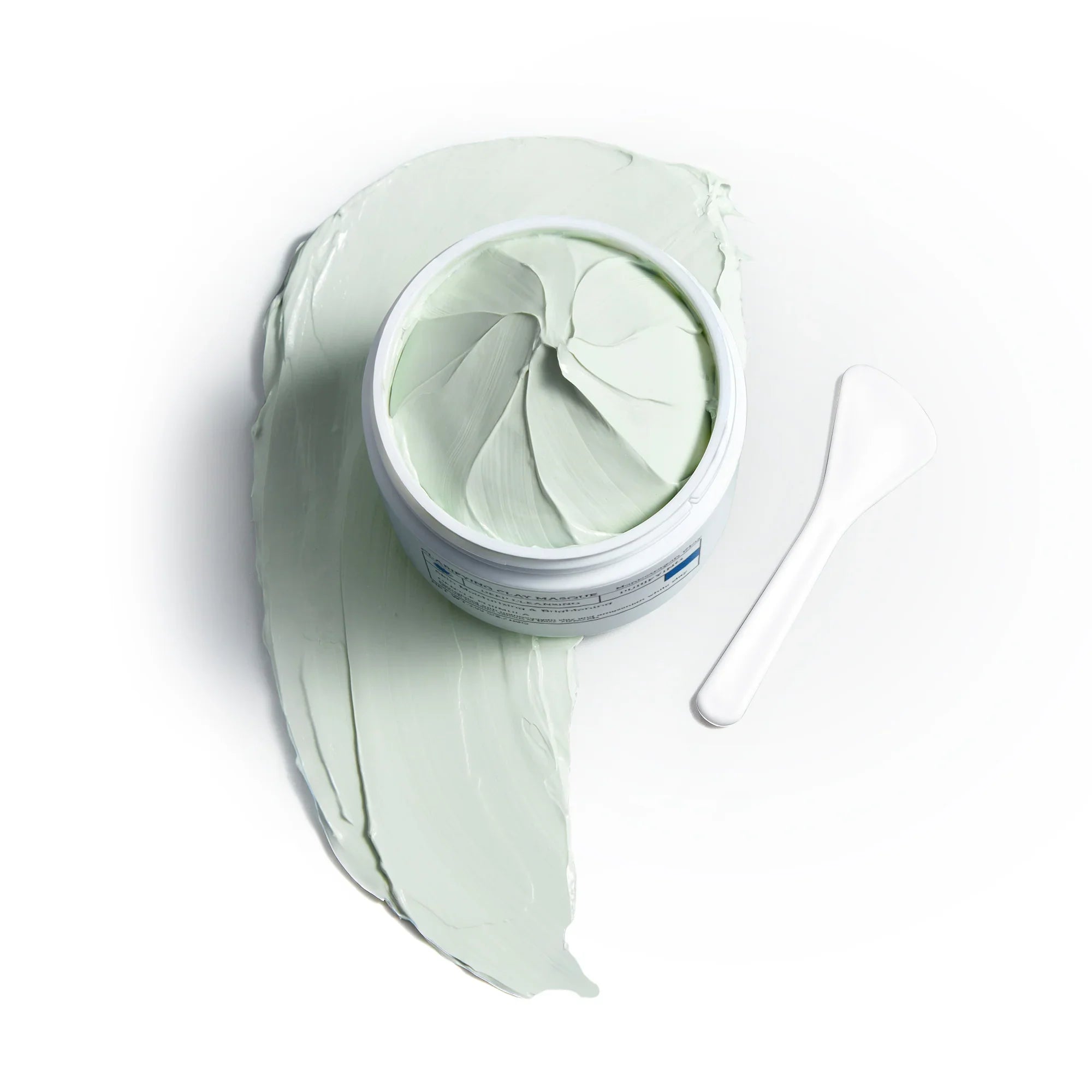
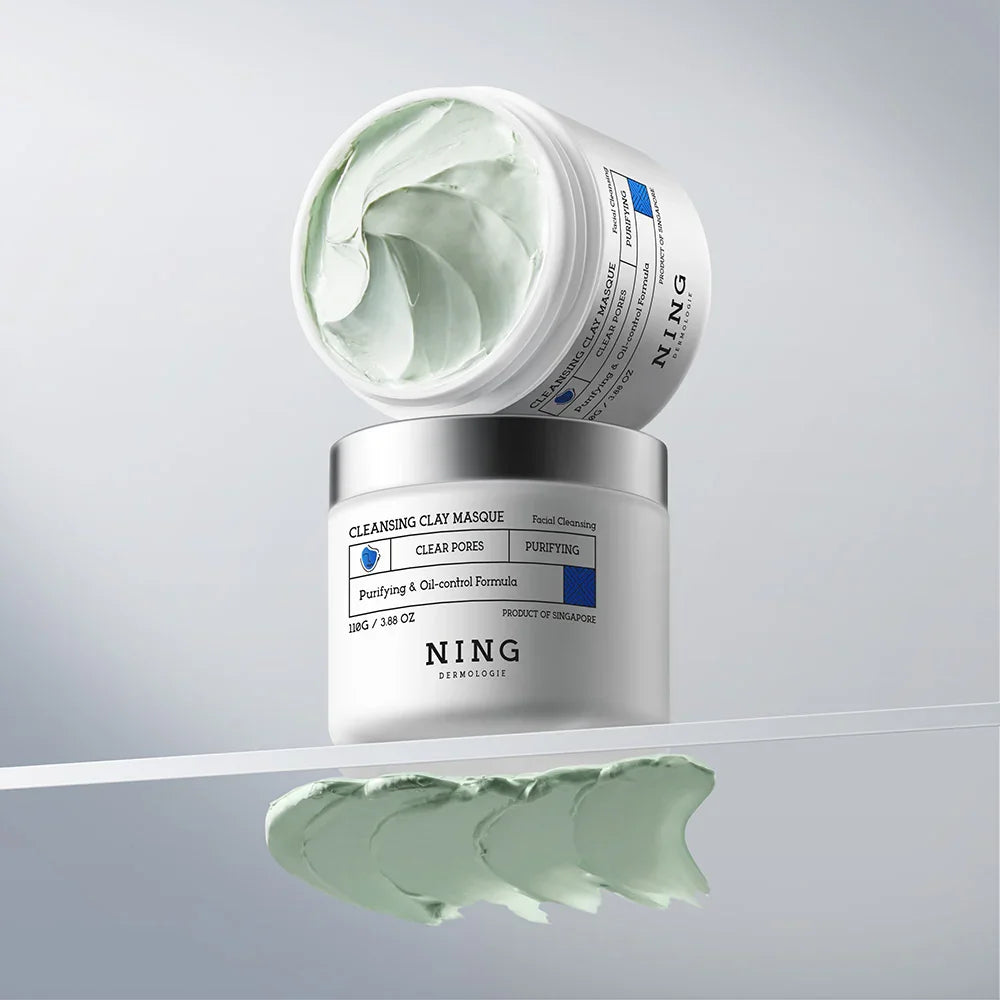
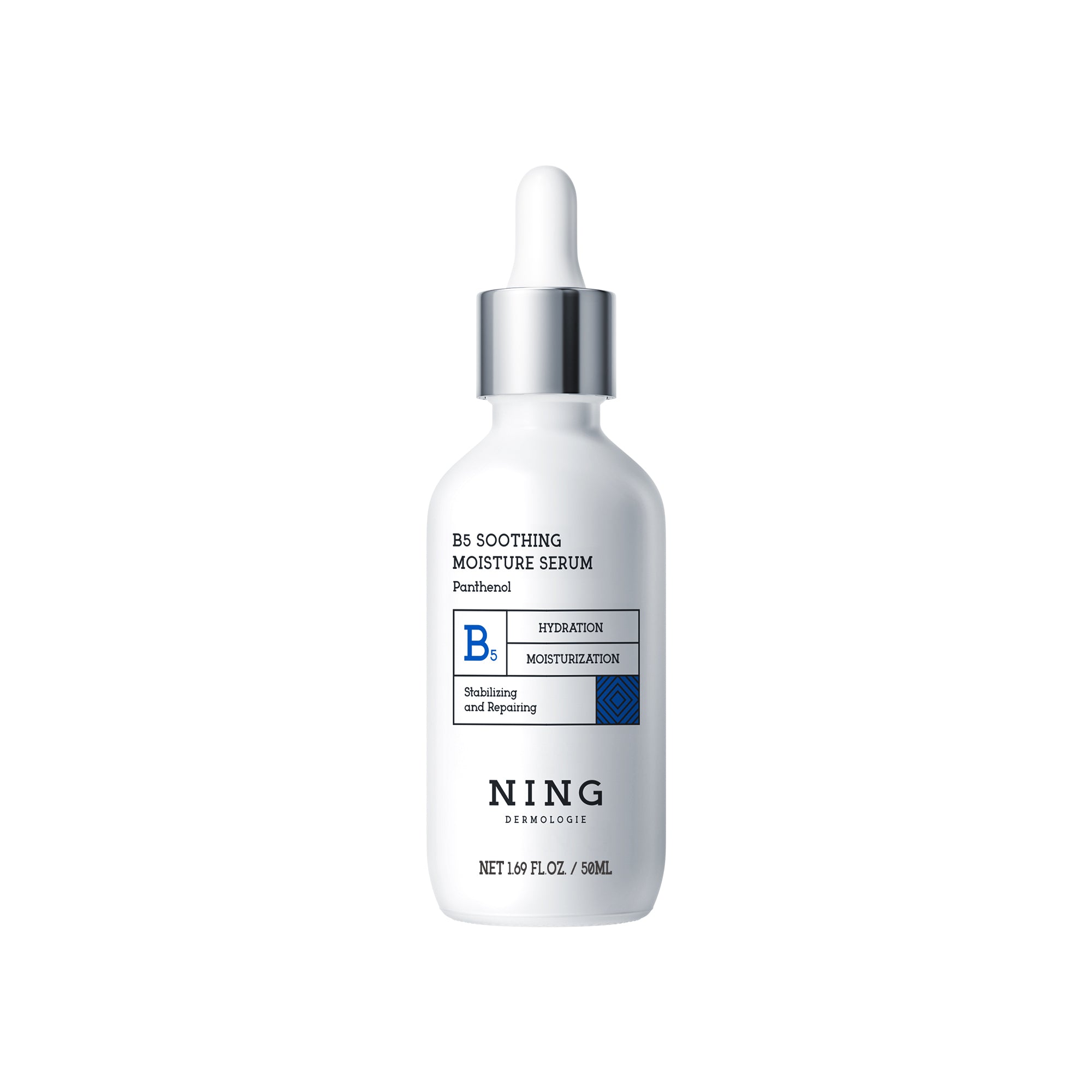
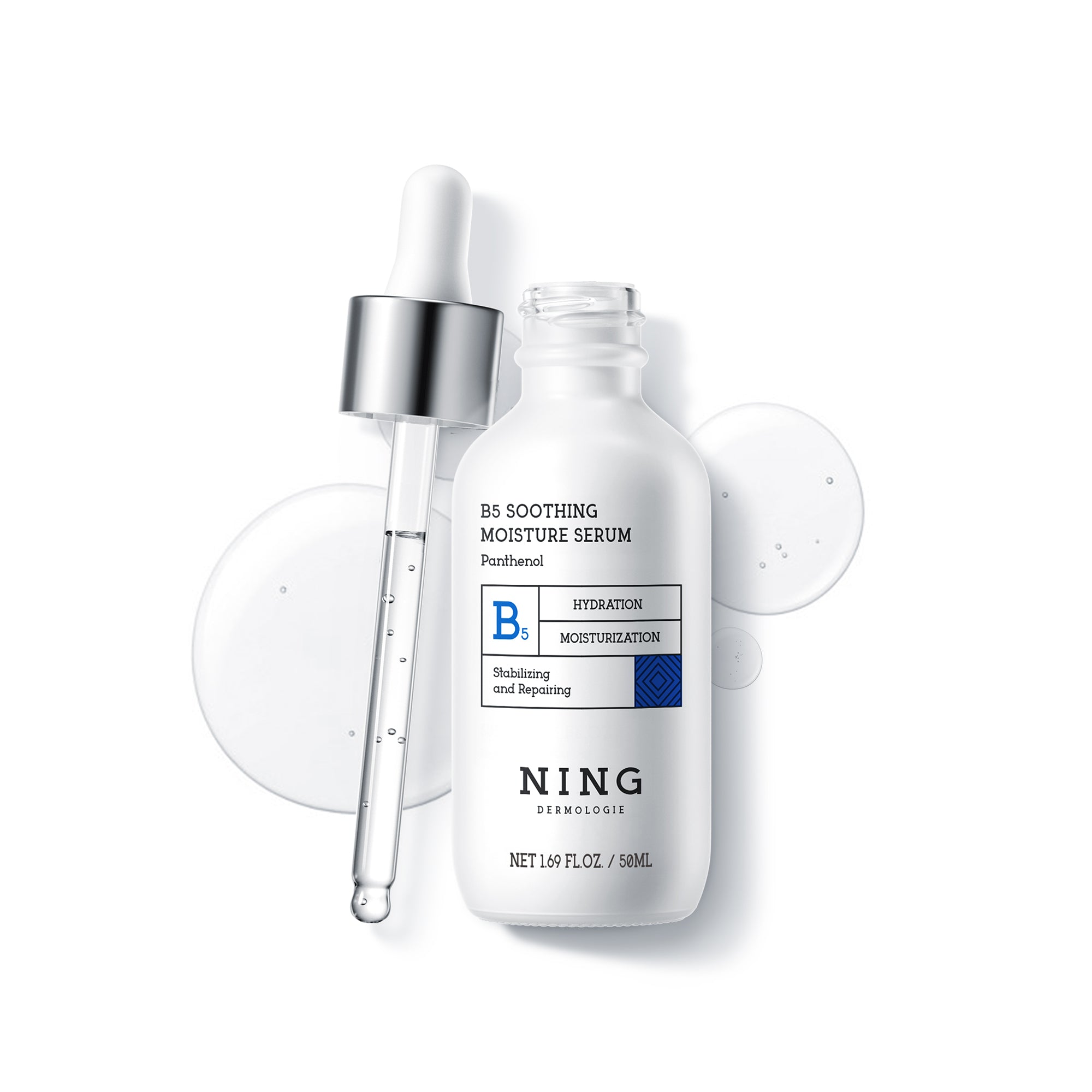
The Holy Grail Pick: NING Dermologie
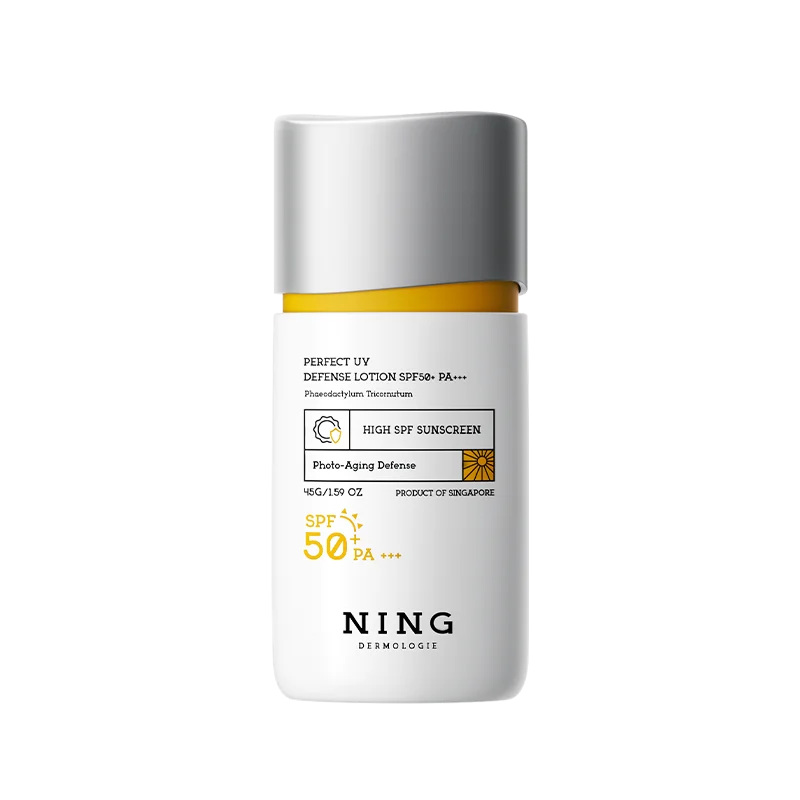
After years of trial, error, and ruined eye makeup, I finally found a formula that ticks literally every single box for sensitive, watery eyes. If you want high protection, zero sting, and a beautiful texture, you need to look at NING Dermologie.
Their SPF50+ Facial Sunscreen is quite literally the only thing I will put near my eyelids right now. Here is exactly why it stands out from the massive pile of products I listed above:
First, it offers a robust SPF 50 broad spectrum UV Defense using high-quality mineral blockers. Specifically, it uses non-nano zinc oxide. This is crucial because non-nano particles are large enough that they won't penetrate the skin barrier, but NING Dermologie has formulated it so elegantly that you don't get that awful ghost-like white cast. It blends in beautifully across different skin types.
Second, it completely drops the irritating chemical sunscreen ingredients that cause tearing. But what really makes it my favorite is the skincare-first approach. The skin around the eyes needs hydration to prevent fine lines from looking exaggerated. This formula is packed with hyaluronic acid to plump the skin, alongside antioxidant-rich green tea extract and vitamin E to help neutralize free radical damage from UV exposure. It also includes soothing Centella asiatica and Aloe vera, making it a dream if your eyelids are naturally red or irritated.
Instead of drying down tight and chalky, it leaves a gorgeous, subtle dewy finish. It acts beautifully as an eye primer, keeping my concealer smooth all day without migrating into my actual eye. It is, hands down, the best mineral sunscreen I have ever used for the eye area.
My Real-World "No-Burn" Application Tips
Even with a top-tier gentle product like the NING Dermologie SPF50+, how you apply your SPF around your eyes matters just as much as what you apply. Here are the practical, no-burn tips I swear by:
1. The "Sunglasses Leave-Behind" Trick Do not take your liquid sunscreen all the way up to your actual waterline or coat your eyelashes in it. Your body heat will naturally cause the product to expand and travel slightly. Apply your SPF up to your orbital bone (the hard bone you feel right under your eye and below your eyebrow). Leave a tiny, millimeter gap right at the lash line.
2. Lock It Down With Powders If you are incredibly prone to sweaty eyelids, you need to set your sunscreen. After applying my NING Dermologie SPF, I take a tiny fluffy eyeshadow brush and sweep a translucent setting powder right through my crease and along my lower lash line. This creates a physical barrier that stops the sunscreen from melting downward.
Alternatively, if you want extra protection without adding heavy liquids, mineral foundation or brush-on mineral sunscreens are your best friends. Products like the Colorescience Sunforgettable or the Sunforgettable mineral powder sunscreen are fantastic for dusting over the eyelids. You get an extra layer of SPF 30 or higher, and the powder absorbs excess oil that would normally cause product migration.
3. Check Your Primers Sometimes the sunscreen isn't the problem; it's how it interacts with your makeup. Look for primers with dimethicone crosspolymer. This specific silicone derivative creates a breathable, velvety mesh over the skin. When applied lightly over your sunscreen, it locks the SPF in place and gives your concealer something to grip onto, drastically reducing the chance of anything sliding into your tear ducts.
4. Wear Actual Sunglasses I know this sounds obvious, but no sunscreen gives 100% protection. The skin here is fragile. A pair of UV-blocking sunglasses physically shields your eyelids, prevents you from squinting (which causes crow's feet), and acts as your first line of defense against the sun.
Protecting your eyes shouldn't mean suffering through chemical burns and watery messes. Swap your chemical filters for a hydrating, high-quality mineral option like the NING Dermologie SPF50+, adjust your application technique, and I promise your eyes will finally get some relief.

Frequently Asked Questions (FAQ)
Can I just use my regular face sunscreen around my eyes?
Yes, but only if it’s a gentle mineral formula. Chemical filters often migrate and sting the eyes. If your current face SPF burns when you sweat, keep it away from your orbital bone and switch to a targeted, zinc-based physical sunscreen for the eye area.
Why does my sunscreen leave a white cast around my eyes?
That white residue comes from Titanium Dioxide or Zinc Oxide sitting on top of the skin. To avoid this, look for modern, elegantly formulated options that use micronized or non-nano zinc oxide, which blend much more transparently into various skin tones.
Is SPF 30 enough for the eyelid area?
Dermatologists generally agree that SPF 30 is the minimum daily requirement. However, because we tend to apply less product around the sensitive eye area to avoid stinging, using an SPF 50 offers a better safety net and stronger protection against premature aging and burning.
How do I reapply sunscreen over my eye makeup?
Do not try to rub a liquid lotion over concealer. Instead, use a brush-on mineral powder sunscreen. You can gently dust the powder over your eyelids and under-eyes. It adds a fresh layer of UV protection and also helps mattify any oily creases.
What ingredients should I avoid for sensitive eyelids?
Stay away from volatile chemical UV filters like avobenzone or oxybenzone, as well as added synthetic fragrances and high concentrations of denatured alcohol. These are the main culprits behind watery eyes and compromised, stinging skin barriers.





Share:
Best Facial Sunscreen for Oily Skin: 12 Shine-Control Options That Feel Weightless
Best Facial Sunscreen for Melasma: High-Protection Options and Daily Routine Tips