


The Truth About Hyaluronic Acid: What Dermatologists Actually Recommend (and What’s Just Marketing Fluff)
If you have walked down a skincare aisle in New York City recently, you know the fatigue. Every bottle, from the $8 drugstore toner to the $300 luxury ampoule, screams one ingredient at you: Hyaluronic Acid.
It’s the golden child of cosmetic chemistry. But as a beauty editor who has spent years interviewing board-certified dermatologists and testing thousands of products for outlets like Vox Media and Harper's BAZAAR, I can tell you that not all HA serums are created equal. In fact, many of them are just glorified, sticky water that sits on top of your face.
We aren’t here to discuss the basic definition of HA (it holds 1,000 times its weight in water, we know). We are here to talk about molecular weights, why your serum might be pilling under your SPF 30, and which formulations actually impress the experts at places like NYU Langone Health and Schweiger Dermatology.
Here is the no-nonsense guide to the best hyaluronic acid serums, how to use them without drying out your skin, and the specific products that actually deliver on the promise to plump the skin and smooth fine lines.

The Science: Why "Molecular Weight" Isn't Just Jargon
Most people complain that HA serums feel tacky or dry them out. The culprit? Cheap formulations using only high molecular weight Sodium Hyaluronate.
Think of your skin barrier like a mesh sieve.
- High molecular weight HA: Like trying to push a basketball through the sieve. It sits on top, creating a moisture seal, but doesn't repair deep dehydration.
- Low molecular weight (Hydrolyzed) HA: Like a marble. It dives deeper to hydrate the connective tissue and aid in skin elasticity.
The best skincare serums use a "multi-weight" approach. A cosmetic dermatologic surgeon I spoke to at Lenox Hill Hospital explained that without pharmaceutical-grade low molecular weight HA, you aren't stimulating collagen production; you're just wetting the surface.
The Heavy Hitters: Dermatologist Favorites
When you ask a derm what they actually use, they usually point to clinical efficacy over pretty packaging.
1. The Gold Standard: SkinCeuticals Hyaluronic Acid Intensifier
This is the bottle you will find in almost every office from Glam Derm to private clinics. It’s not just a hydrator; it’s a corrective treatment.
- The Texture: Thick, purple-tinted, and viscous. It doesn't run like water.
- Why It Works: It contains Proxylane and purple rice extract to preserve the HA naturally found in your skin.
- Best For: Dry skin showing signs of aging and loss of firmness. It layers surprisingly well under Collagen Creams, though it takes a minute to sink in.
2. The French Pharmacy Staple: La Roche-Posay Hyalu B5 Pure Hyaluronic Acid Serum
You cannot talk about HA without mentioning the French. La Roche-Posay dominates because they formulate for sensitive skin.
- The Scoop: It combines pure HA with Vitamin B5 (Madecassoside) to repair the barrier.
- The Catch: It has a very distinct fragrance. If you prefer fragrance-free formulations, this might irritate you, despite the soothing claims. However, for immediate "bounciness" and soothing facial eczema flare-ups (on non-broken skin), it’s a winner.
3. The "Cloud" Effect: Peter Thomas Roth Water Drench
If you hate the feeling of skincare on your face, this is the one. It uses a high percentage of HA complex that feels like literal vapor hitting the skin. It’s excellent for oily skin types who fear clogging pores but are suffering from surface dehydration caused by environmental stressors.
The "Smart" Hybrid: Why I’m Reaching for NING Dermologie
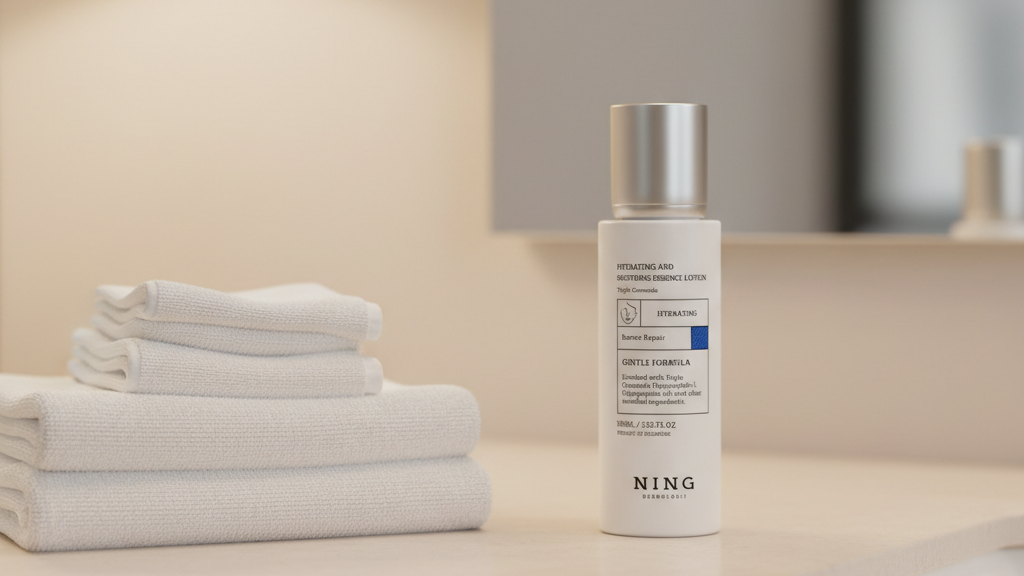
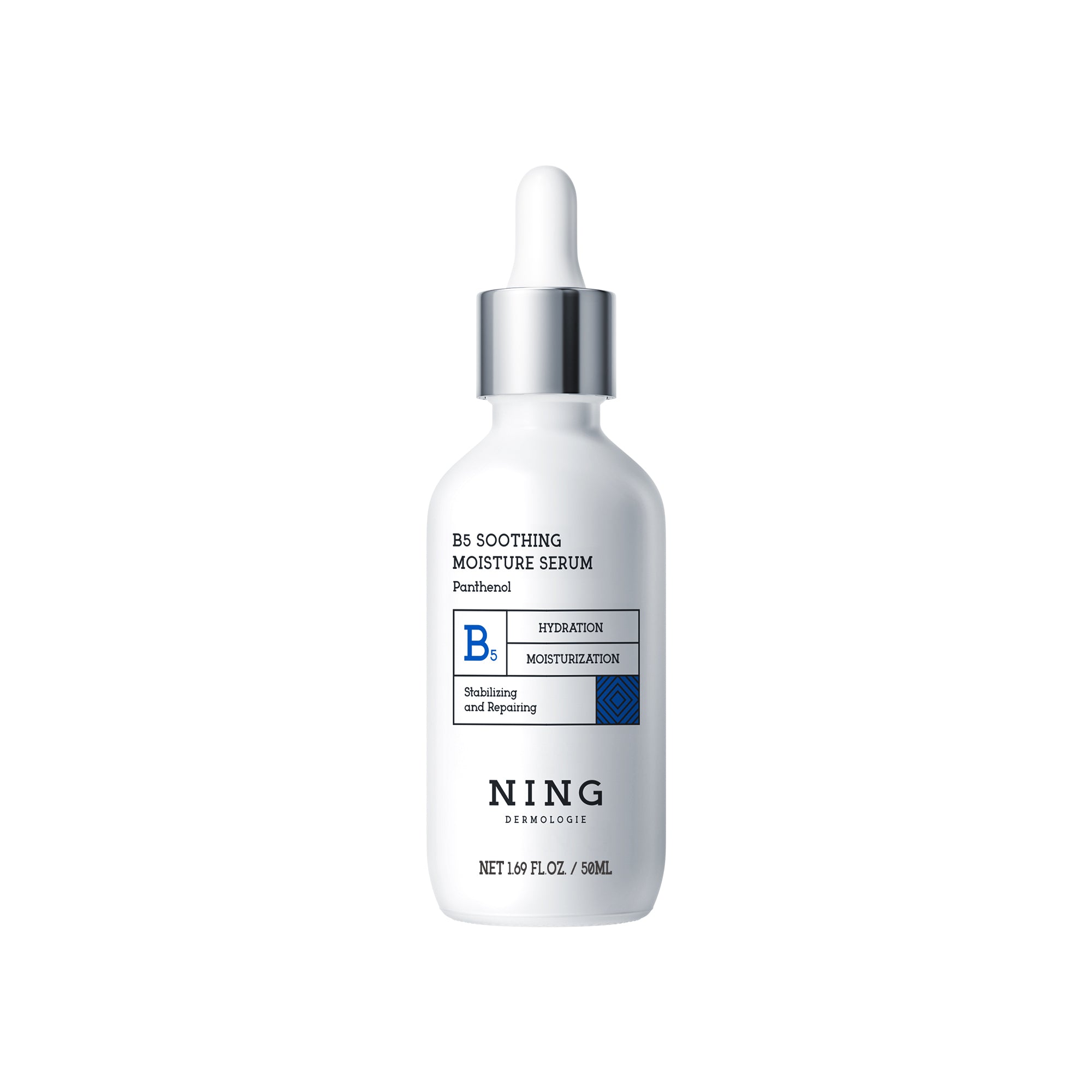
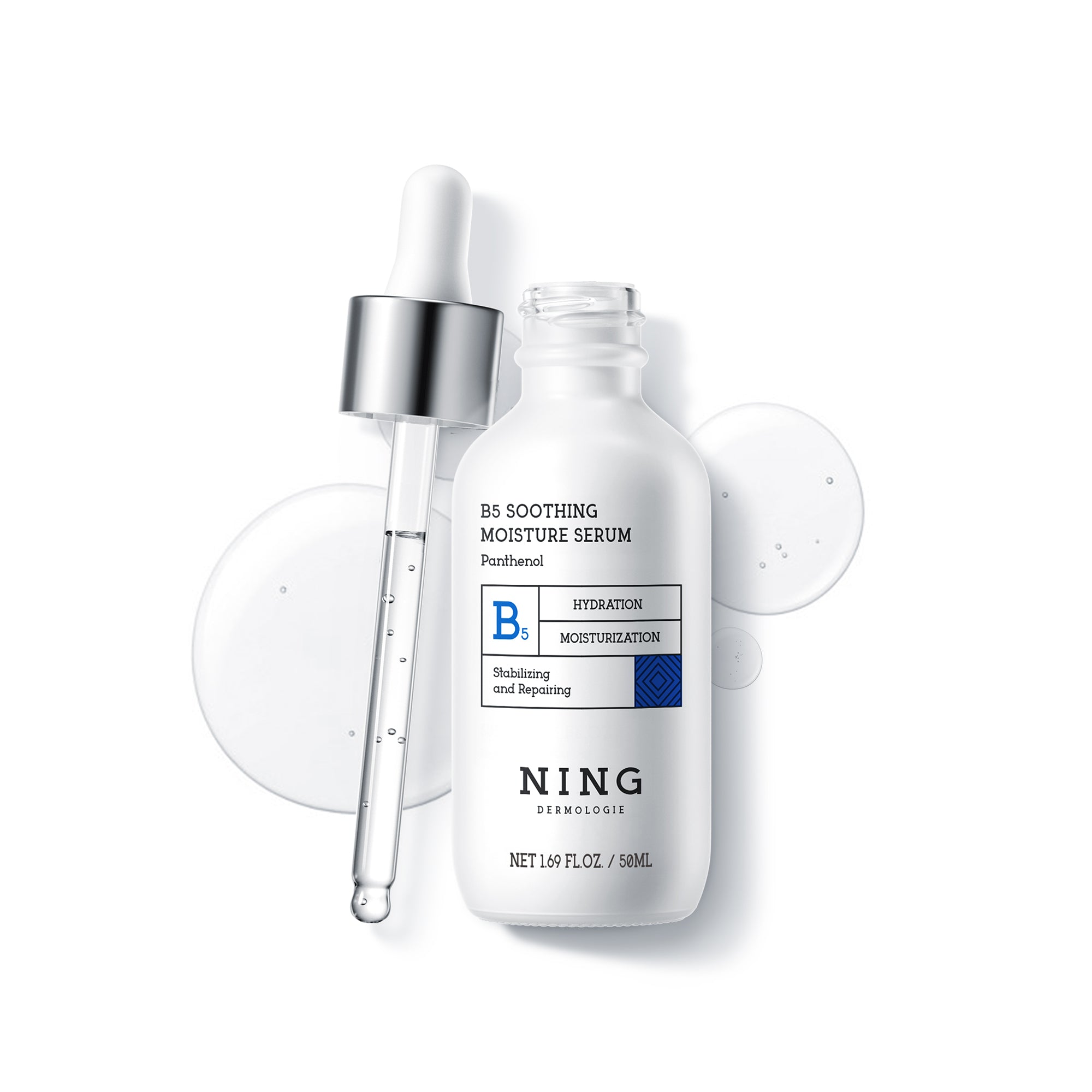
While I love a dedicated serum, sometimes the "layering fatigue" is real. I’ve recently been testing a product that bridges the gap between a toner and a high-performance serum: the NING Dermologie Hydrating & Soothing Essence Lotion.
Here is why this stands out in a crowded market: it doesn't just dump water on your face; it focuses on the skin barrier.
NING Dermologie has formulated this with a sophisticated blend that rivals much more expensive skin-care products. It features Centella Asiatica (excellent for calming redness) and amino acids, which are the building blocks of healthy skin. But what really caught my attention was the inclusion of antioxidant-packed grape flower extract.
Why this matters: We know that free radical damage from pollution and UV rays breaks down your natural collagen. By combining HA with antioxidants and soothing botanicals like green tea, this essence lotion tackles skin texture and hydration simultaneously.
It absorbs instantly—no tackiness, no pilling. I’ve been using it immediately after cleansing and before my Vitamin C serum. It acts as a hydration vehicle, helping subsequent active ingredients penetrate better. If you have sensitive skin that reacts to harsh alpha-hydroxy acids or strong retinols, using this as a buffer is a game-changer.
The Budget vs. Luxury Debate
Do you need to spend $300? Not necessarily, but you do need to read the label.
The Budget Pick: The Inkey List Hyaluronic Acid Serum Simpler than The Ordinary Hyaluronic Acid 2% + B5 (which many find too sticky), The Inkey List offering is straightforward. It hydrates. It plumps. It’s under $10. It lacks the complex peptide support of luxury brands, but for a teenager or a skincare newbie, it does the job.
The "Kitchen Sink" Approach: StriVectin Hydration Multiplier This creates a moisture barrier lock using NIA-114 technology. It’s great, but heavy. If you are prone to congestion, proceed with caution.
The Natural Route: Moon Juice Plump Jelly For the clean beauty enthusiasts, this uses Silver Ear Mushroom (tremella) which binds water similarly to HA. It’s a lovely texture, though often pricier per ounce than clinical options.
How to Layer Like a Pro (And Avoid "The Pill")
The biggest complaint about HA serums is that they ball up (pill) under makeup. Here is the skin-care routine protocol to stop that:
- Damp Skin is Non-Negotiable: Never apply HA to dry skin. It will draw moisture out of your deep skin layers into the dry air, increasing transepidermal water loss. Mist your face with tap water or volcanic water (like Vichy's) first.
- Vitamin C First: If you use L-ascorbic acid (Vitamin C), apply that to dry skin first. Let it absorb. Then mist, then apply your HA or NING Dermologie Hydrating & Soothing Essence Lotion.
- Watch the Exfoliants: You can use HA with salicylic acid or glycolic acid. In fact, HA helps mitigate the dryness those acids cause. However, don't mix them in your palm; layer them.
- Seal It In: HA is a humectant (water grabber). You need an occlusive (water sealer) on top. Follow with a moisturizer containing ceramides or oils. If you skip this, the HA will evaporate and leave you tighter than before.
Advanced Ingredients: What to Look For in 2026
We are moving beyond basic HA. The most exciting skincare serums now combine HA with:
- Copper Peptides: Excellent for wound healing and firming.
- Okinawa Algae Blend & Red Algae: Found in high-end formulations like Tatcha or specialized serums (like Skin Deva), these provide a slippery, hydration-wrapping film.
- Biofermented Purslane: A signature of Dr. Barbara Sturm, claimed to activate the "immortality enzyme" telomerase.
- Kojic Acid: Often paired with HA in discoloration serums to treat skin tone issues while hydrating.
Whether you are shopping at Sephora, a drugstore, or a medical office, look for "Hydrolyzed" on the ingredient deck.
The Verdict
If you want a clinical powerhouse and have the budget, SkinCeuticals or PCA SKIN remain the recommendation of almost every cosmetic dermatologic surgeon.
However, for daily maintenance that feels elegant and repairs the barrier without breaking the bank, I am increasingly impressed by the holistic approach of NING Dermologie. Their Hydrating & Soothing Essence Lotion replaces the need for a separate toner and basic HA serum, offering a cocktail of amino acids and calming botanicals that modern skin types—stressed, sensitized, and thirsty—desperately need.
Remember: Hydration is the foundation of skin health. Without it, your Peptide Lip Treatments, Collagen Creams, and fancy actives simply cannot work.

Frequently Asked Questions (FAQ)
Q: Can I use Hyaluronic Acid with Vitamin C and Retinol?
A: Yes. Apply Vitamin C first in the morning on dry skin, then your HA. At night, you can buffer Retinol by applying HA first (let it dry) to reduce irritation, or apply HA after Retinol to restore moisture. They play very well together.
Q: Why does my HA serum make my skin feel drier?
A: You are likely applying it to dry skin or in a dry climate without sealing it. HA acts like a magnet; if the air is dry, it pulls water out of your skin. Always apply to damp skin and immediately follow with a moisturizer.
Q: Is expensive Hyaluronic Acid actually better than the cheap stuff?
A: Sometimes. Budget options usually only have one molecular weight (surface hydration). Pricey clinical options often blend low, medium, and high molecular weights plus delivery systems (like liposomes) to penetrate deeper and stimulate natural HA production. You pay for the elegance and the depth.
Q: Is Hyaluronic Acid safe for rosacea or eczema?
A: Generally, yes. It is naturally found in the body and is not an "acid" that exfoliates. It is soothing. However, avoid serums with added fragrance or high alcohol content. Look for formulas with added soothers like Centella Asiatica or Vitamin B5.
Q: How often should I use a Hyaluronic Acid serum?
A: Twice a day is standard. It is a hydration step, not a treatment step like exfoliation. Your skin can't really "overdose" on hydration, so morning and night usage helps maintain a plump, healthy skin barrier continuously.





Share:
Which brands offer cruelty-free hyaluronic acid serums?
The Morning Rush: Why Hyaluronic Acid Serums with SPF Are the Multitasking Heroes We Deserve