

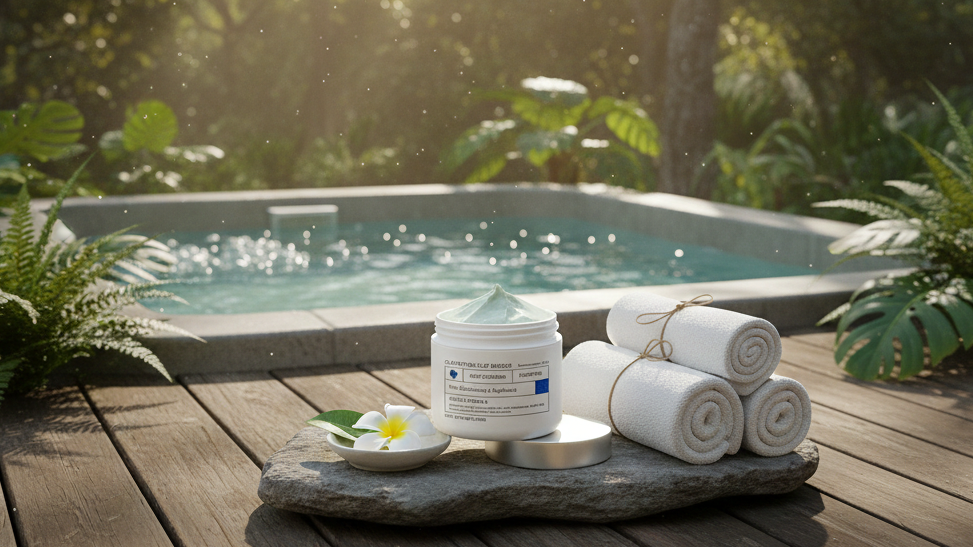

Sensitive Skin Solutions: Top Rated Clay Masks for a Gentle Touch
You buy a highly-rated clay mask because the internet promised it would vacuum out every blackhead and leave you with baby-smooth skin. You apply it, wait ten minutes, and suddenly your face feels like it’s being shrink-wrapped in drying cement. When you finally scrub it off, your skin isn't "clear"—it’s angry, pulsating, and redder than a ripe tomato.
For those of us with sensitive skin, shopping for a face mask feels like a high-stakes gamble. You want to clear pores and get rid of that "congested" feeling, but you don't want to compromise your skin barrier. The good news? You don't have to choose between deep cleaning and comfort. You just need to stop using the wrong type of clay.
At NING Dermologie, we believe a detox mask shouldn’t feel like an endurance test. We’ve spent years researching clay mask formulas that respect fragile skin. Today, I’m sharing our curated guide on the 8 best clay masks and how to use them without the dreaded "burn."

Why Most Clay Masks Fail Sensitive Skin
The "clay is drying" reputation comes from a long history of high-pH bentonite clay formulas designed for teenage oily skin. While bentonite clay is amazing at absorbing grease, it’s often too aggressive for dry skin types or those with a compromised barrier.
When you're buying clay masks for a gentle touch, look for kaolin clay (often called white clay or pink clay) or umbrian clay. These minerals act like a gentle magnet rather than a harsh vacuum. They clarify and improve skin texture while letting your natural oils stay where they belong.
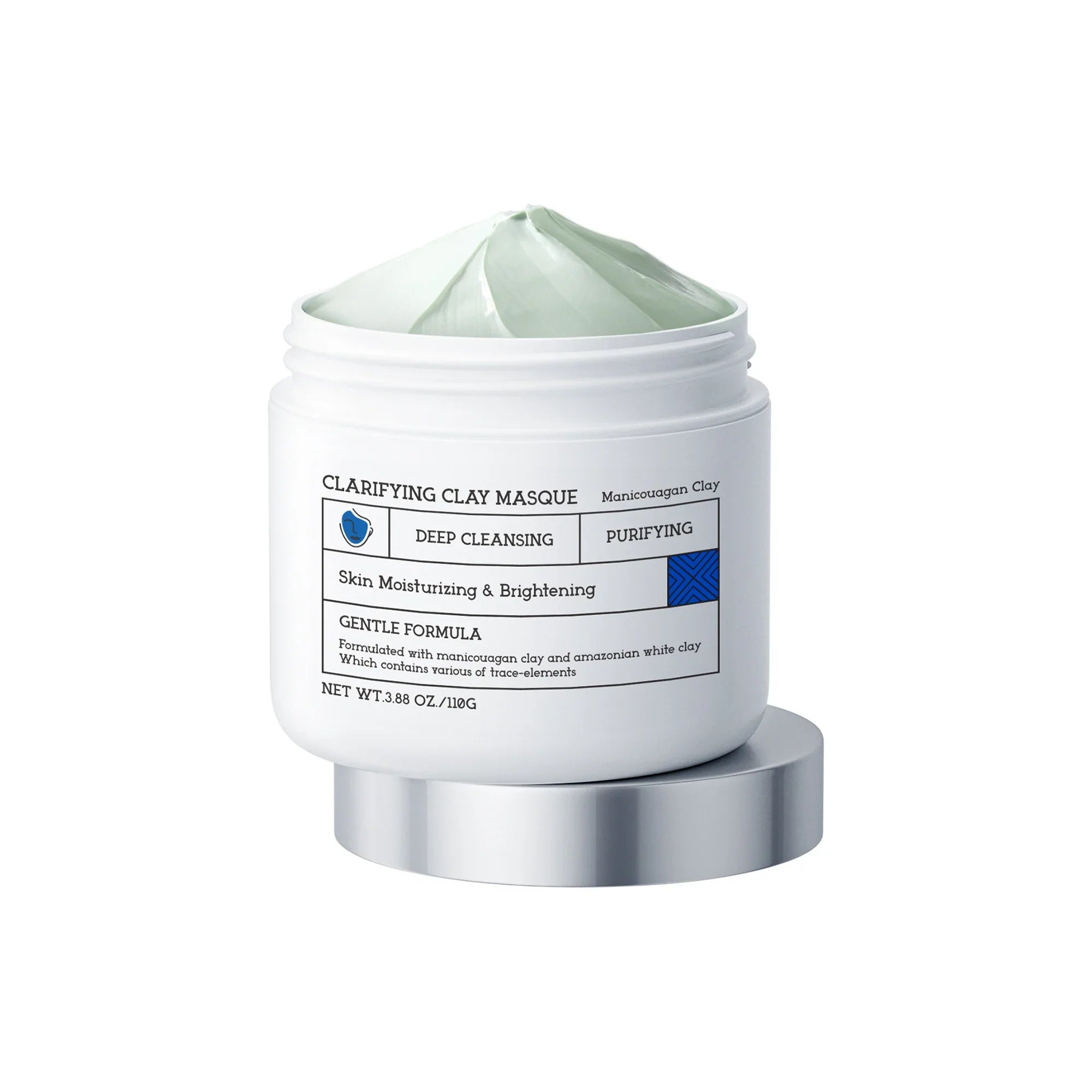
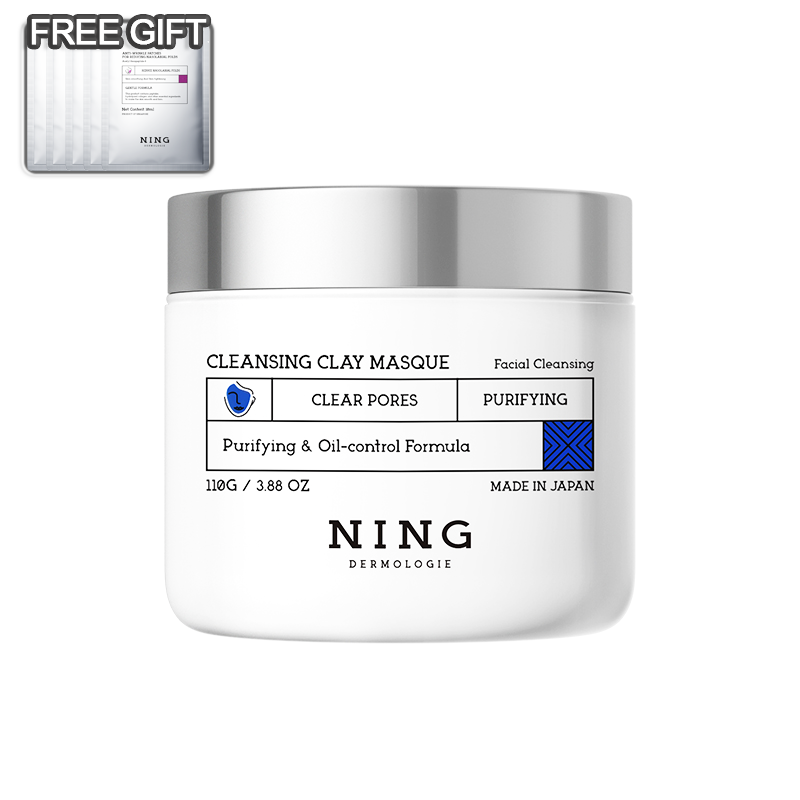
The Best Overall: NING Dermologie Clay Mask for Face Sensitive Skin
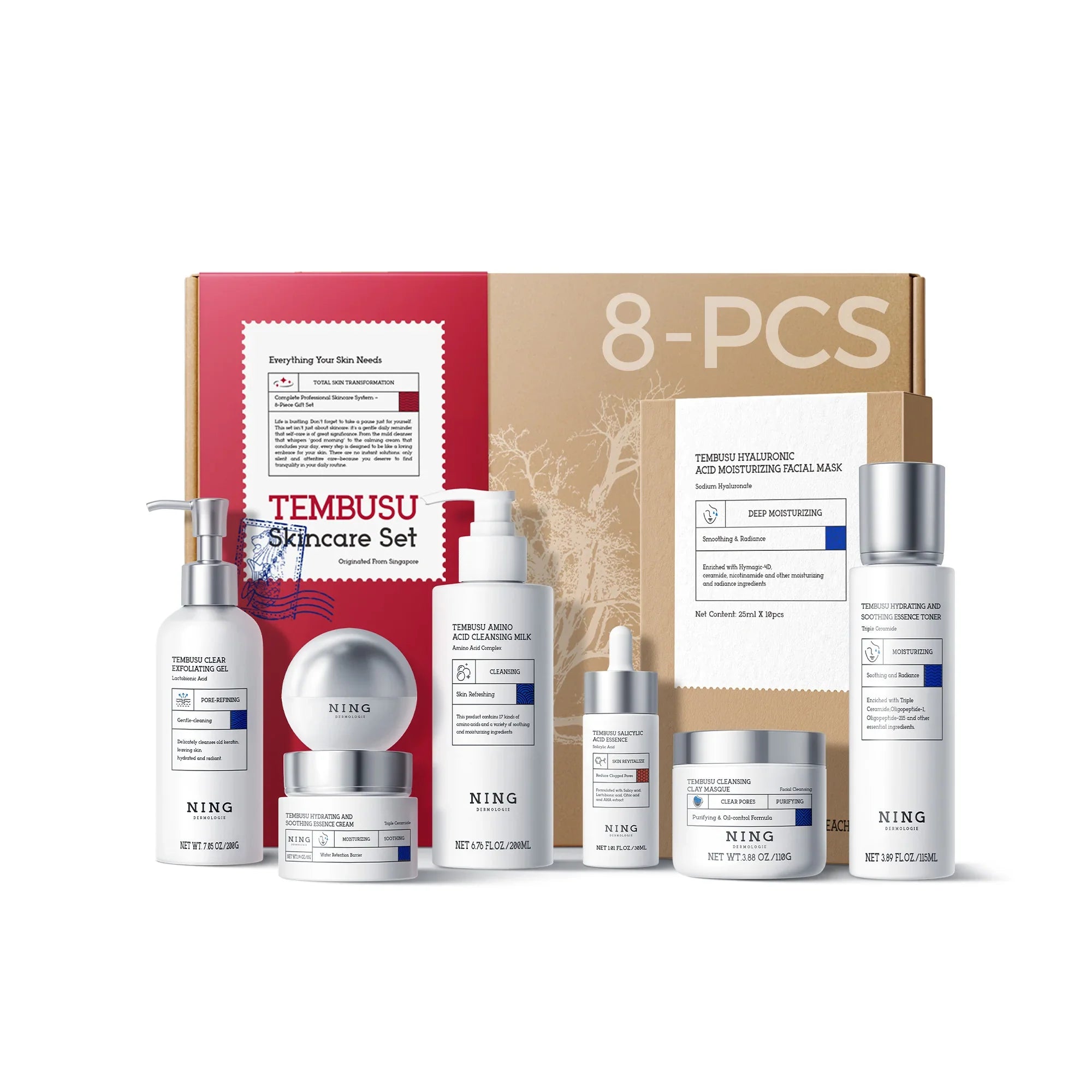
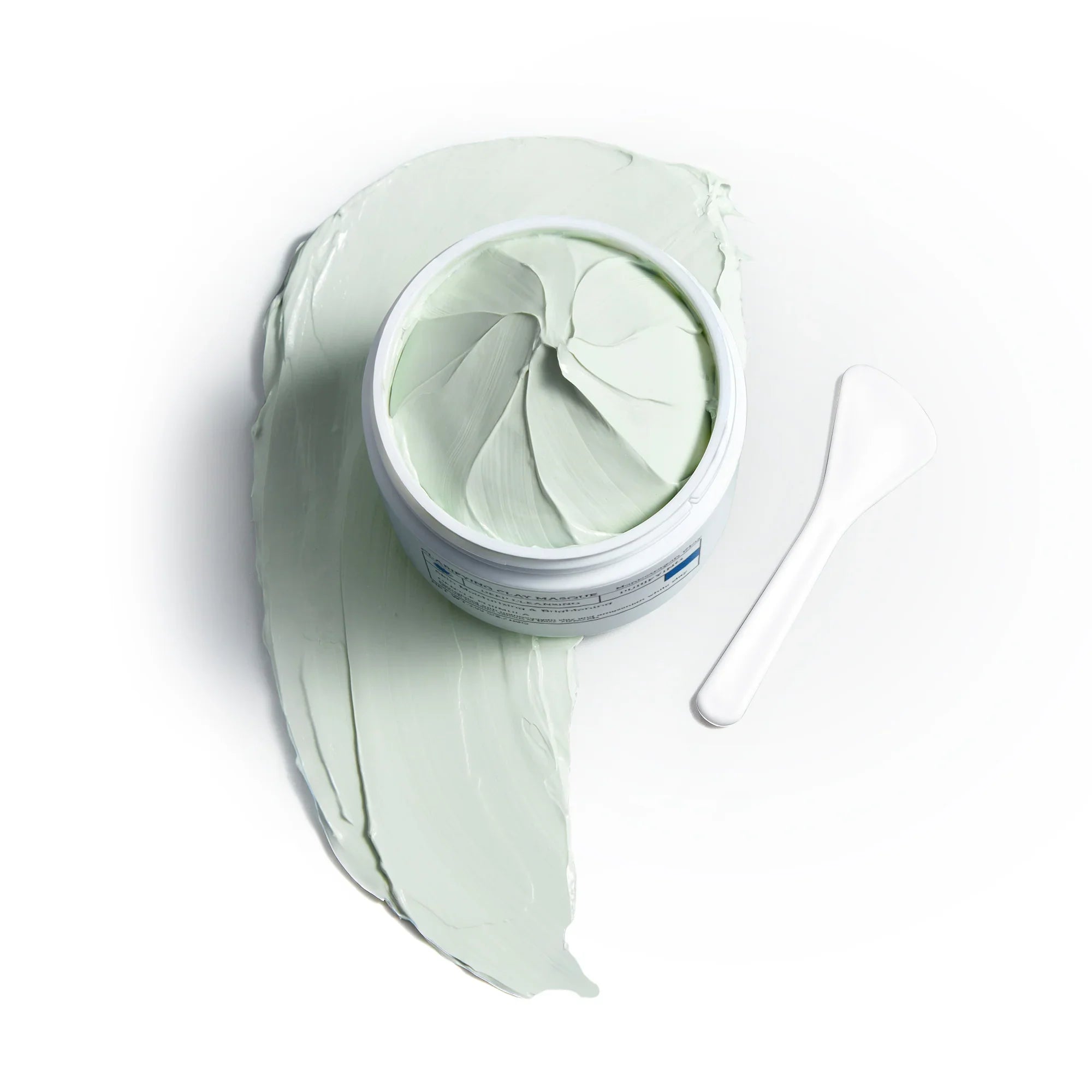
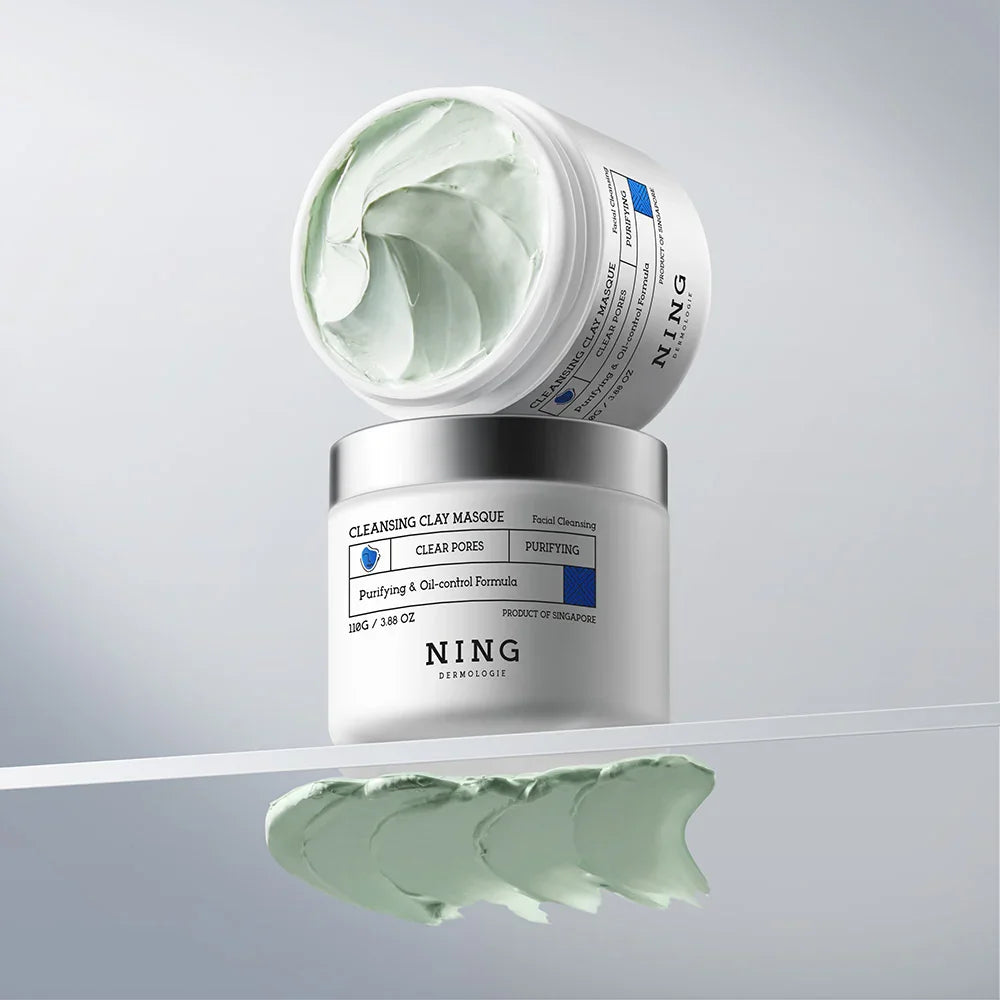
If you are tired of the "crack and sting" of traditional mud, our Clay Mask for Face Sensitive Skin was literally made for you.
This is our best overall pick because it’s a purifying clay mask that actually manages to hydrate while it works. We used a refined white clay base that stays creamy on the skin. It focuses on evening out skin tone and lifting dead skin cells without the aggressive tightening effect. When you remove the mask, your face feeling is soft and bouncy, not parched. It’s the perfect face mask for when you need a "pore reset" but your skin is having a tantrum.
Other Top-Rated Solutions for a Gentle Touch
1. Best for Pores: The Outset Purifying Blue Clay Mask
This is one of those popular clay masks that actually lives up to the hype. It’s incredibly gentle and focuses on skin texture. It’s a great clarifying clay mask for someone who hates the heavy, earthy smell of traditional clay.
2. Best for Acne-Prone Skin: Tatcha The Clarifying Clay Mask
If you deal with acne but also have a sensitive skin type, this one is a winner. It uses Okinawa kucha clay and volcanic ash. It warms up slightly upon contact with the skin, which helps to clear pores without you having to scrub.
3. Best Natural Option: Fresh Umbrian Clay Purifying Mask
Fresh Umbrian Clay is a classic for a reason. It’s mineral-rich and works well for normal skin or combination skin that needs a deep detox. It helps minimize the appearance of pores while being incredibly calming on my skin.
4. Best for Uneven Skin: Volcanic AHA Pore Clearing Clay
Sometimes the issue isn't just clogged pores; it's uneven skin texture. This face mask uses a tiny bit of AHA to gently exfoliate dead skin cells while the clay draws out oil. It's the best for uneven skin if you can handle a very mild chemical exfoliation.
How to Actually Use a Clay Mask (The Non-AI Way)
Forget what the bottle says about "leaving it on until dry." If you want smooth skin without the irritation, follow these human-tested rules:
1. The "Damp" Rule
Never let your clay mask get to the "cracking" stage. If you can’t move your eyebrows without the mask flaking off, you’ve left it on too long. Listen to your skin: wash it off while it still feels a little tacky. This ensures the clay absorbs the bad stuff without stealing your skin's water.
2. Focus Your Energy
You don't always need a full clay face mask. If your cheeks are dry but your nose has clogged pores, only apply the clay to your nose. Using a clay mask should be about addressing specific skin needs, not just following a ritual.
3. The Prep Work
I always find that using this mask works better after a warm shower. The steam naturally helps clear pores, making it easier for the clay or charcoal to do its job.
Decoding the Label: Which Clay is Which?
When shopping for a clay mask, the ingredient list is your best friend. Here’s a quick cheat sheet:
- Kaolin Clay: The gold standard for sensitive skin. It’s the gentlest type of clay and helps smooth skin without irritation.
- Bentonite Clay: Best for oily and acne-prone skin. It’s powerful, so it should be balanced with oils or honey in the formula.
- French Green Clay: Great for a detox mask, but can be drying. Use it sparingly.
- Kucha Clay: A k-beauty clay (or J-beauty) favorite that is rich in minerals and very smooth.

The Verdict
Clay masks help keep our skin clear, but they shouldn't be a source of stress. Whether you choose the luxury of Fresh Umbrian Clay or the barrier-first approach of NING Dermologie, the goal is skin health. Clay masks are an essential part of a routine, but only if they leave your skin looking better than they found it.
After using a clay mask, always follow up with a light moisturizer. You’ve just cleared the "pipes" of your skin—now it’s time to fill them back up with hydration. Your skin after one use should feel clean, not stripped.
Frequently Asked Questions (FAQ)
1. Can a clay mask actually help with dry skin?
It sounds backwards, right? But yes, if you pick the right one. Stick to white clay or pink clay and avoid anything that says "maximum oil control." The trick is to find a cream mask style that doesn't fully dry down. It helps lift away the dull, flaky dead skin cells that make dry skin look lackluster, actually helping your moisturizers soak in much better afterward.
2. How do I know if a mask is too harsh for me?
If you feel a sharp stinging or "pulsing" sensation within the first two minutes, wash it off immediately. A little tingle can be normal, but pain is your skin's SOS signal. Also, if your face stays bright red for more than an hour after you remove the mask, that formula is likely way too aggressive for your current skin texture and barrier.
3. Is it okay to use a clay mask every single day?
I wouldn't recommend it, even if you have very oily skin. Doing this can actually trigger "rebound oiliness," where your skin panics because it’s too dry and produces even more grease to compensate. Stick to using a clay mask once or twice a week. It’s a purifying mask treatment, not a daily cleanser. Consistency beats intensity every time when it comes to clear pores.
4. What should I apply after my clay mask routine?
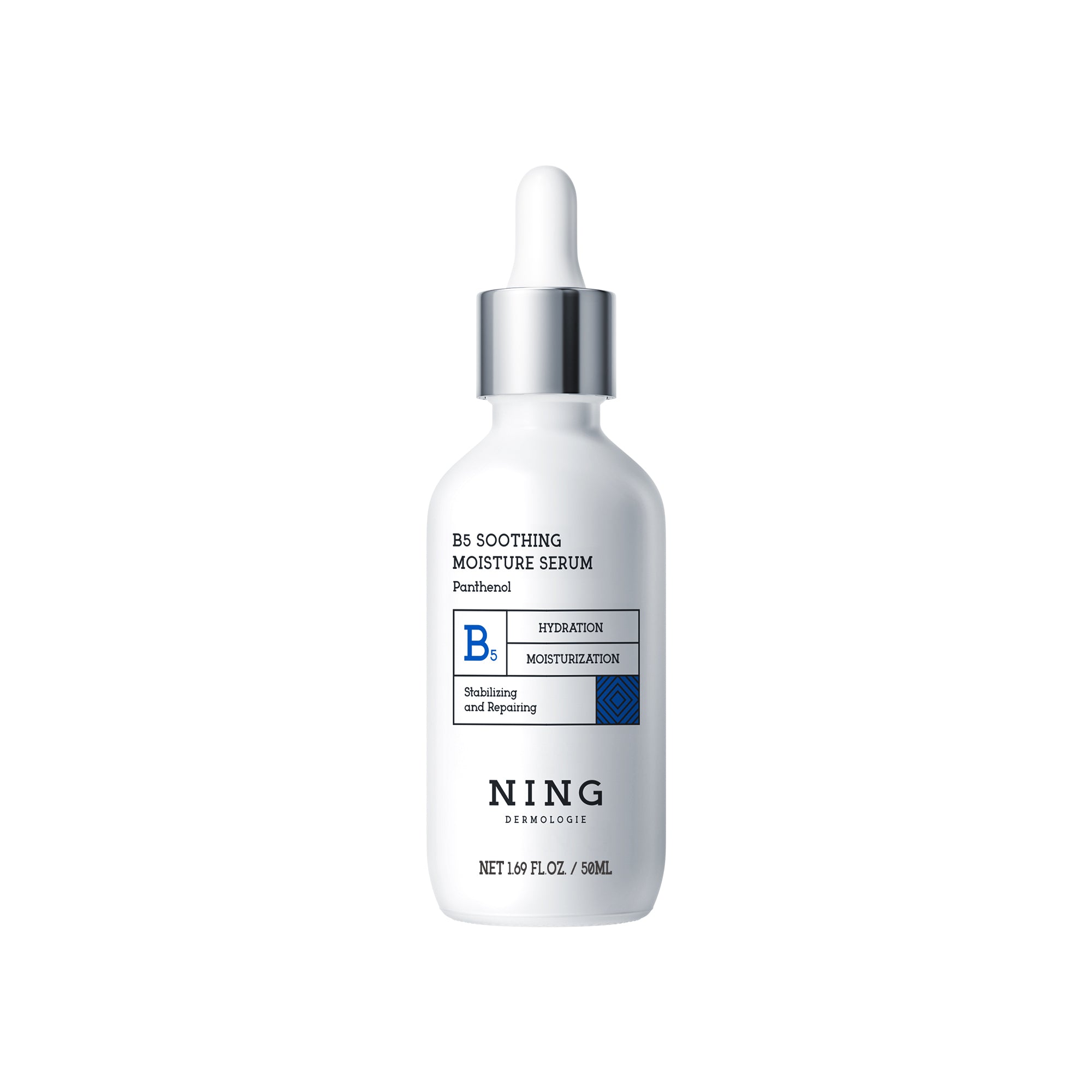
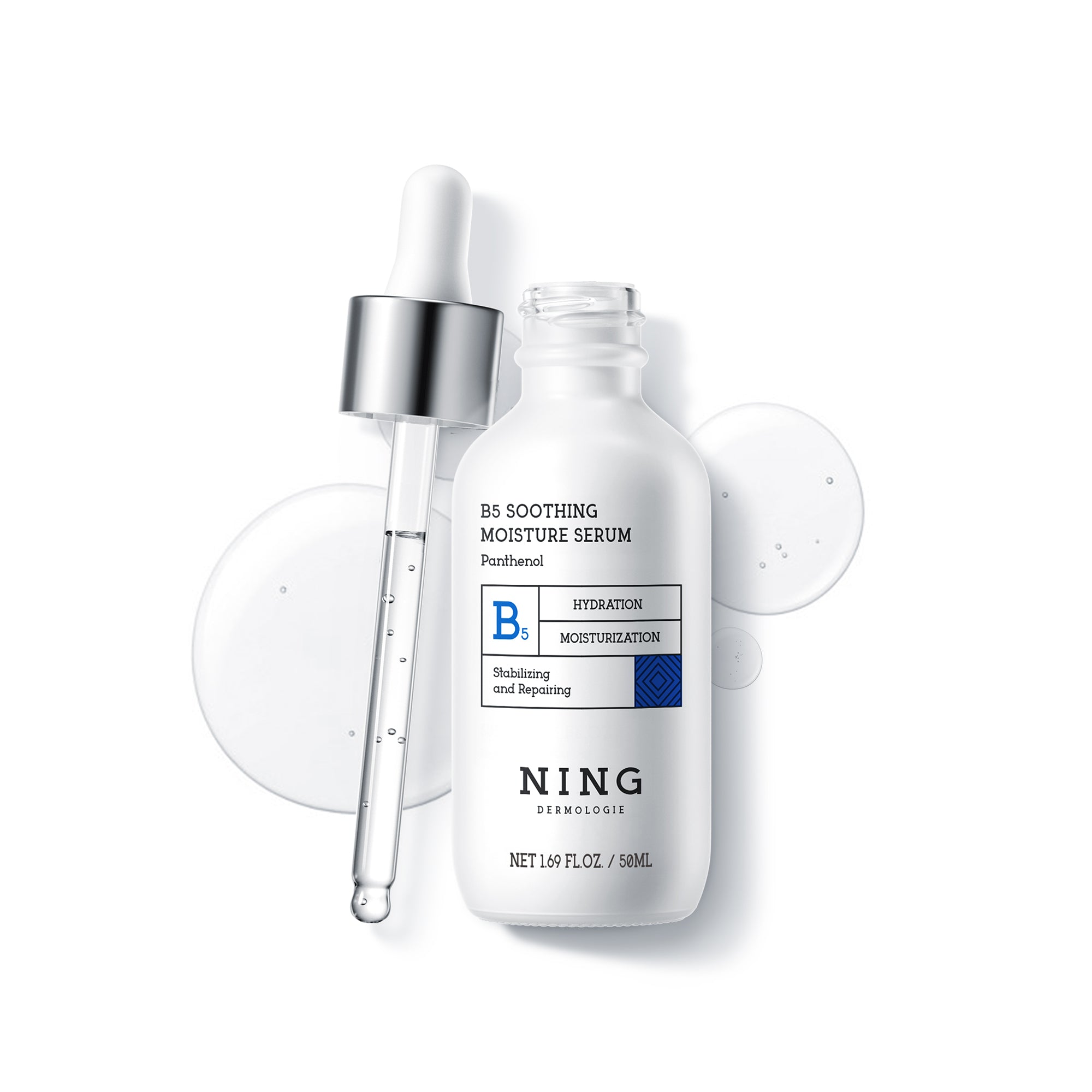
Your pores are freshly emptied, so this is the perfect time to hydrate. I love using a soothing serum or a collagen mask right after. Since the clay has removed the "barrier" of oil and dirt, your active ingredients can actually get to where they need to go. Always finish with a moisturizer to seal everything in and keep that face feeling soft.
5. Can I use clay masks if I have rosacea or extreme redness?
Be very careful here. Stick to "spot masking" on your chin or nose where you might have clogged pores, and avoid the flushed areas of your cheeks. Look for masks for sensitive skin that include "calmers" like aloe or oatmeal. If you're in a flare-up, skip the clay entirely and stick to a basic, boring routine until your skin calms down.
Ready to experience a deep clean that doesn't hurt? Try the NING Dermologie Clay Mask for Face Sensitive Skin and feel the difference for yourself.





Share:
How do exfoliating face washes differ from regular cleansers?
Our Favorite Clay Masks for Those with Fragile Skin