

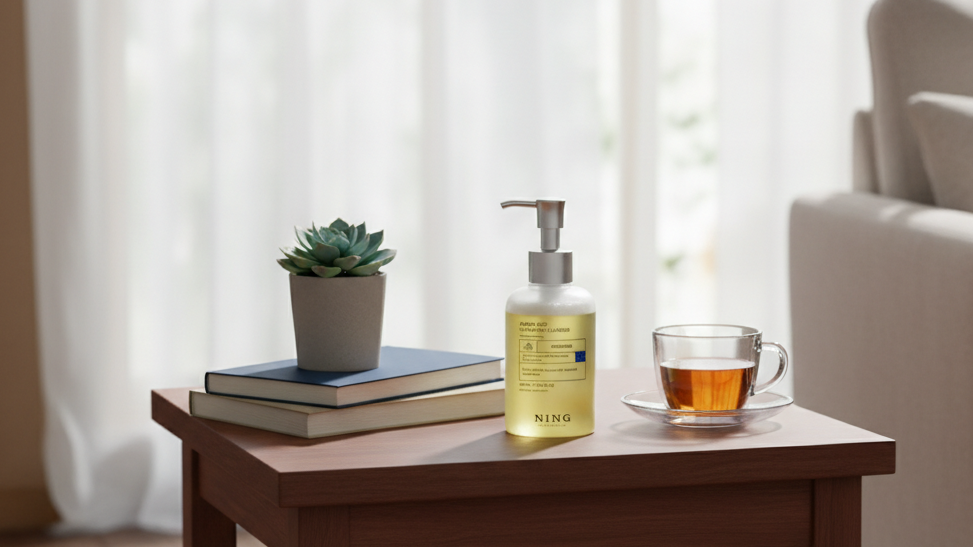

The Ultimate Guide to Salicylic Acid Face Washes: Unclog Pores Without Ruining Your Barrier
Dealing with acne-prone skin is exhausting. It’s a constant cycle of trying to dry out a breakout, only to end up with flaky, irritated skin that somehow produces even more oil to compensate. It feels like a losing battle.
If you are staring at the drugstore aisle or scrolling through endless pages of facial cleanser options, you probably know the gold standard ingredient by now: Salicylic Acid.
It is the heavy hitter of breakout control. But here is the catch: not all cleansers containing this beta-hydroxy acid (BHA) are created equal. Some are gentle enough for daily use, while others are essentially paint strippers in a pretty bottle.
In this guide, we aren't just listing products. We are breaking down the science, the strategy, and the specific face wash formulations—from drugstore staples to our top-rated pick, NING Dermologie—to help you finally get that clear, balanced glow.

Why Salicylic Acid is Non-Negotiable for Acne
To understand why you need this, you have to understand your pores. Unlike alpha hydroxy acids (AHAs) like glycolic or lactic acid, which are water-soluble and work strictly on the surface, salicylic acid is oil-soluble.
This means it doesn't just polish the surface; it dives deep into the pore lining. It cuts through the excess oil (sebum) and dissolves the "glue" holding dead skin cells together. This process, known as chemical exfoliation, is crucial for preventing the clogged pores that lead to blackheads and whiteheads.
But it does more than just clean. Salicylic acid has anti-inflammatory properties. If you deal with red, angry hormonal breakouts, a salicylic acid cleanser can help calm the storm before it fully surfaces.
The "Contact Therapy" Debate
You might wonder: "Does a cleanser stay on my face long enough to work?"
According to board-certified dermatologist experts like Dr. Cristina Psomadakis and Dr. Alexis Granite, the answer is yes—but method matters. Short contact therapy (washing your face) is often better for sensitive skin types than leaving a strong serum on all day. It gives you the exfoliating properties without the risk of irritation.
The Criteria: What Makes a "Top-Rated" Cleanser?
Before we get to the products, we need to talk about the "base." The vehicle delivering the acid is just as important as the acid itself.
1. The Surfactant System
If you see high levels of Sodium Lauryl Sulfate (SLS), run. For acne-prone skin, we want gentle cleansing agents.
- Sodium cocoyl glycinate and coco glucoside: These are the good guys. They are amino acid-based or sugar-based surfactants that clean without stripping the skin barrier.
- Foaming agent: You want a dense, creamy foam, not large, airy bubbles which often indicate harsh soaps.
2. The pH Balance
Your skin is naturally acidic (around pH 4.5-5.5). Many old-school foaming cleansers are too alkaline (pH 8-9), which disrupts your acid mantle and invites bacteria. A modern Phyla pH Balancing Gel Cleanser or similar pH balancing formulas ensure the bacteria that cause acne don't thrive.
3. Supporting Ingredients
You rarely want salicylic acid alone. Look for:
- Hyaluronic Acid & Aloe vera: To hydrate and soothe.
- Niacinamide: For oil control and brightening post-acne discoloration.
- Thermal spring water: A staple in French pharmacy brands for reducing irritation.
Top-Rated Salicylic Acid Face Washes (Categorized)
We have tested and analyzed the market to bring you the best options for different skin concerns.
1. The Best Balanced Daily Cleanser (Editor’s Pick)
Product: NING Dermologie Amino Acid Facial Cleanser with Salicylic Acid
This is where the magic happens. Many salicylic cleansers are too harsh for daily use, but NING Dermologie has cracked the code by combining breakout control with barrier repair.
Instead of cheap soaps, this formula uses a sodium cocoyl glycinate base (an amino acid surfactant). This means it cleanses thoroughly but leaves the skin feeling soft, not tight. It features an optimized percentage of salicylic acid to target clogged pores and blemish-prone skin, but it’s buffered with:
- Hyaluronic Acid: To pull moisture back into the skin.
- Aloe Vera: To calm the redness associated with skin disorders or active breakouts.
- Fragrance-free update: Vital for minimizing irritation risks.
It effectively removes environmental impurities and makeup without disrupting the pH balance. If you have struggled with cleansers that make your face sting, this Amino Acid Facial Cleanser with Salicylic Acid is the upgrade your routine needs.
2. Best for Very Oily Skin
Product: La Roche-Posay Effaclar Medicated Gel Cleanser
A classic for a reason. This gel cleanser uses Lipo-hydroxy acid (LHA), a derivative of salicylic acid that exfoliates cell-by-cell. It is powered by thermal spring water and zinc for oil control.
- Pros: heavy-duty grease removal.
- Cons: Can be drying for combination skin. You must follow up with a good moisturizer.
3. Best for Textured & Rough Skin
Product: Murad Acne Control Clarifying Cleanser
If skin texture is your main issue (tiny bumps everywhere), Murad is a powerhouse. It encapsulates the salicylic acid to release it over time. It creates a rich lather and includes green tea extract.
- Verdict: Effective, but strong. Perhaps use this 3 times a week rather than twice daily.
4. Best for "Clean Beauty" Lovers
Product: Vintner's Daughter Active Renewal Cleanser or Phyla pH Balancing Gel Cleanser
For those who obsess over ingredients lists and customer reviews focused on natural formulations. These often use bamboo water or botanical extracts alongside the acids. They target the microbiome (the good bacteria) rather than just nuking everything.
5. Best Budget Option
Product: Olay Smoothing Daily Facial Cleanser or CeraVe SA Cleanser
Solid, accessible choices. They usually contain ceramides or polyhydroxy acid to buffer the exfoliation. They get the job done for mild cases but might lack the cosmetic elegance or specialized foaming agent quality of the premium tiers.
Routine: How to Use Salicylic Acid Without wrecking Your Face
Experts like Jennifer Rock (The Skin Nerd) and Dr. Kemi Fabusiwa emphasize that how you wash is as important as what you use.
The 60-Second Rule
Don't just slap it on and rinse. Massage the cleanser into your skin for a full 60 seconds. Focus on the nose, chin, and forehead (the T-zone). This gives the beta hydroxy acid time to penetrate the oil-based formula of your sebum and dissolve the gunk.
Don't Over-Exfoliate
If you are using a salicylic acid cleanser, be careful with other actives.
- Benzoyl Peroxide: Using a BP cream and a salicylic wash can cause chemical burns on sensitive skin. Alternate them (AM vs PM).
- Retinoids: If you use retinol at night, maybe use your salicylic wash in the morning.
- Leave-on products: If you use a strong liquid exfoliant like Paula's Choice Skin Perfecting 2% BHA Liquid Exfoliant or Caudalie Vinopure Salicylic Acid Serum, you might not need a salicylic cleanser every day. Switch to a gentle option like Round Lab Birch Juice Moisturizing Cleanser on those days.
The Gym Routine
If you work out, sweat can mix with bacteria to cause fungal acne or standard breakouts. A quick cleanse is vital. Some people even use a hypochlorous acid spray immediately after a workout if they can't wash their face right away, but nothing beats a real wash.
Addressing Other Skin Concerns
Post-Inflammatory Hyperpigmentation (PIH)
Acne often leaves a dark mark behind. While salicylic acid prevents new spots, it doesn't fade old ones fast. Look for cleansers or serums that pair SA with alpha hydroxy acids (like glycolic) or Vitamin C. However, the NING Dermologie approach of using Amino Acids helps maintain cell health, which speeds up natural healing of post-acne discoloration.
Fungal Acne vs. Bacterial Acne
Standard acne is bacterial. "Fungal acne" is yeast overgrowth. Salicylic acid helps both, but ensure your cleanser is free of fatty acids that feed the yeast. Gel cleanser formulas are usually safer here than heavy cream cleansers.
The Sun Factor
Exfoliation reveals fresh, baby skin. This skin is highly susceptible to UV radiation. If you use any chemical exfoliants, you absolutely must wear SPF 30+ every single day. No excuses.

The Verdict: Liquid, Gel, or Bar?
The format matters for your skin type.
- Gel Cleanser: Usually best for Oily Skin and acne-prone skin. It cuts through oil effectively.
- Foaming Cleanser: Can be drying if it uses SLS. Look for sodium cocoyl glycinate (like in the NING Dermologie cleanser) to get the foam without the strip.
- Bar Soap: Generally avoid specific "acne bars" unless they are pH balanced. Traditional soap bars have a high pH that ruins the skin barrier.
Summary
Navigating skin disorders like acne is a journey. It requires patience and consistency.
Stop attacking your face with harsh scrubs. Switch to a chemical exfoliation method via your daily wash. Whether you choose the clinical strength of La Roche-Posay Effaclar, the microbiome focus of Phyla, or the balanced, barrier-repairing power of the NING Dermologie Amino Acid Facial Cleanser with Salicylic Acid, the key is listening to your skin.
If your face feels tight, squeaky, or itchy after washing, your product is too strong. Your skin should feel fresh, breathable, and soft.
Clear skin isn't about stripping away the bad; it's about feeding the good while gently managing the oil.
Frequently Asked Questions (FAQ)
1. Can I use a salicylic acid cleanser every day?
Yes, for most people with oily skin. However, if you are new to beta-hydroxy acids, start with once a day (preferably PM). If you experience peeling or dryness, drop to 3 times a week or switch to a gentler formula like NING Dermologie which includes soothing Aloe vera.
2. Is salicylic acid or benzoyl peroxide better for acne?
They do different things. Salicylic acid (BHA) is best for clogged pores, blackheads, and texture because it dives deep into the oil. Benzoyl peroxide is better for killing surface bacteria on angry, red, cystic bumps. For general maintenance and "glow," Salicylic acid is usually the winner.
3. Will this cleanser cause "purging"?
It might. When you introduce chemical exfoliants, they speed up cell turnover. This brings hidden micro-comedones to the surface faster. It looks like a breakout, but it’s actually the skin clearing itself out. Stick with it for 4-6 weeks unless you feel burning or severe irritation.
4. Can I use Vitamin C with a salicylic acid wash?
Yes, and it’s a great combo. Use the salicylic acid face wash to clean and unclog the pores, pat dry, and then apply your Vitamin C serum. The clean pores allow the Vitamin C to penetrate better to fight post-inflammatory hyperpigmentation. Just don't forget the sunscreen!
5. Does this work for body acne too?
Absolutely. The skin on your back and chest is thicker than your face, so it tolerates salicylic acid cleansers very well. The oil-absorbing technology in these washes is perfect for preventing "bacne" caused by sweat and friction from clothes. Just let it sit for a minute before rinsing.





Share:
The Paradox of the Pores: Finding the Best Salicylic Acid Face Wash for Sensitive Skin
Where to Buy Face Wash with Salicylic Acid Near Me: The Ultimate Guide to Clearing Your Skin