

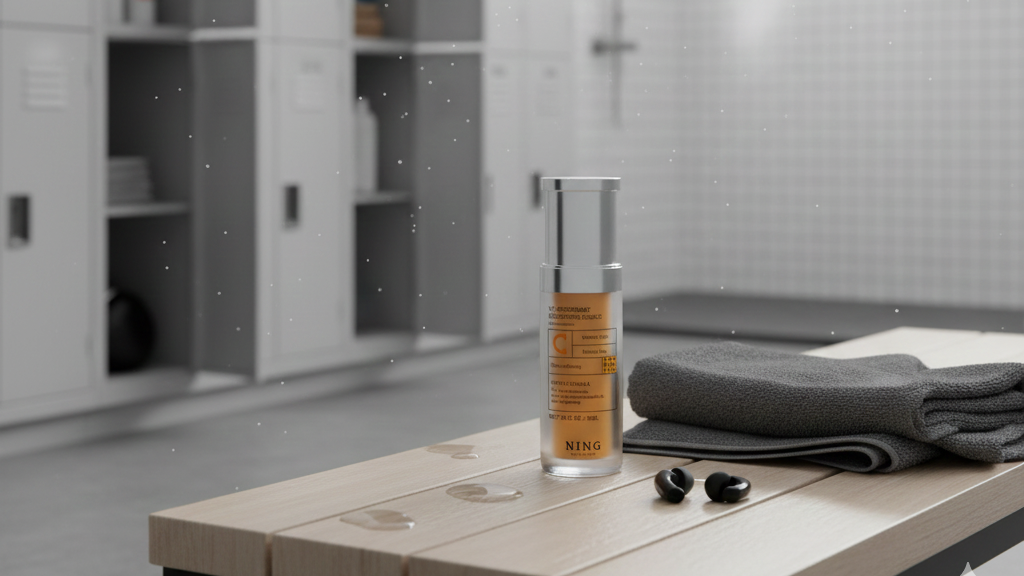

Choosing a vitamin c serum is often less about finding "the best" on a list and more about finding the one that won't turn into expensive orange water on your bathroom shelf within three weeks. If you’ve ever opened a bottle only to find it smelling like a metallic penny or looking like rust, you know the struggle.
In the fast-moving world of vitamin c serums, 2026 has brought us some incredible innovations, but the core problem remains: stability. Whether you are hunting for the best vitamin c serum for dark spots or trying to brighten skin without causing a breakout, you’ve likely realized that reviews are all over the place. Some people swear by $180 bottles, while others find their holy grail at the drugstore.
Let’s cut through the marketing noise and look at the 11 best vitamin c serums that actually deliver on their promises, backed by board-certified dermatologist insights and real-world performance.

Best Vitamin C Serum: An Unfiltered Guide to the Top 11 Serums for Radiant Skin
The reality of skin care is that Vitamin C is a diva. It hates light, it hates air, and it definitely hates a high pH. But when you find the best formulation, it is the single most effective tool for collagen production and neutralizing environmental damage.
1. Skinceuticals C E Ferulic: The Expensive Gold Standard
Ask any dermatologist about the best vitamin c serum overall, and they will almost certainly point to Skinceuticals C E Ferulic. It’s the gold standard of vitamin c for a reason.
This c e ferulic serum uses a patented 15% pure vitamin c (l-ascorbic acid), 1% vitamin e, and 0.5% ferulic acid. The ferulic acid and vitamin e act as a stabilizer, making the Vitamin C more potent. However, let’s be honest: it smells like hot dog water. It’s also incredibly pricey. But if you want a vitamin c product with clinical data that leaves skin protected against atmospheric aging, this is the one. It brightens and evens skin tone better than almost anything, though it can be a bit heavy for oily skin.
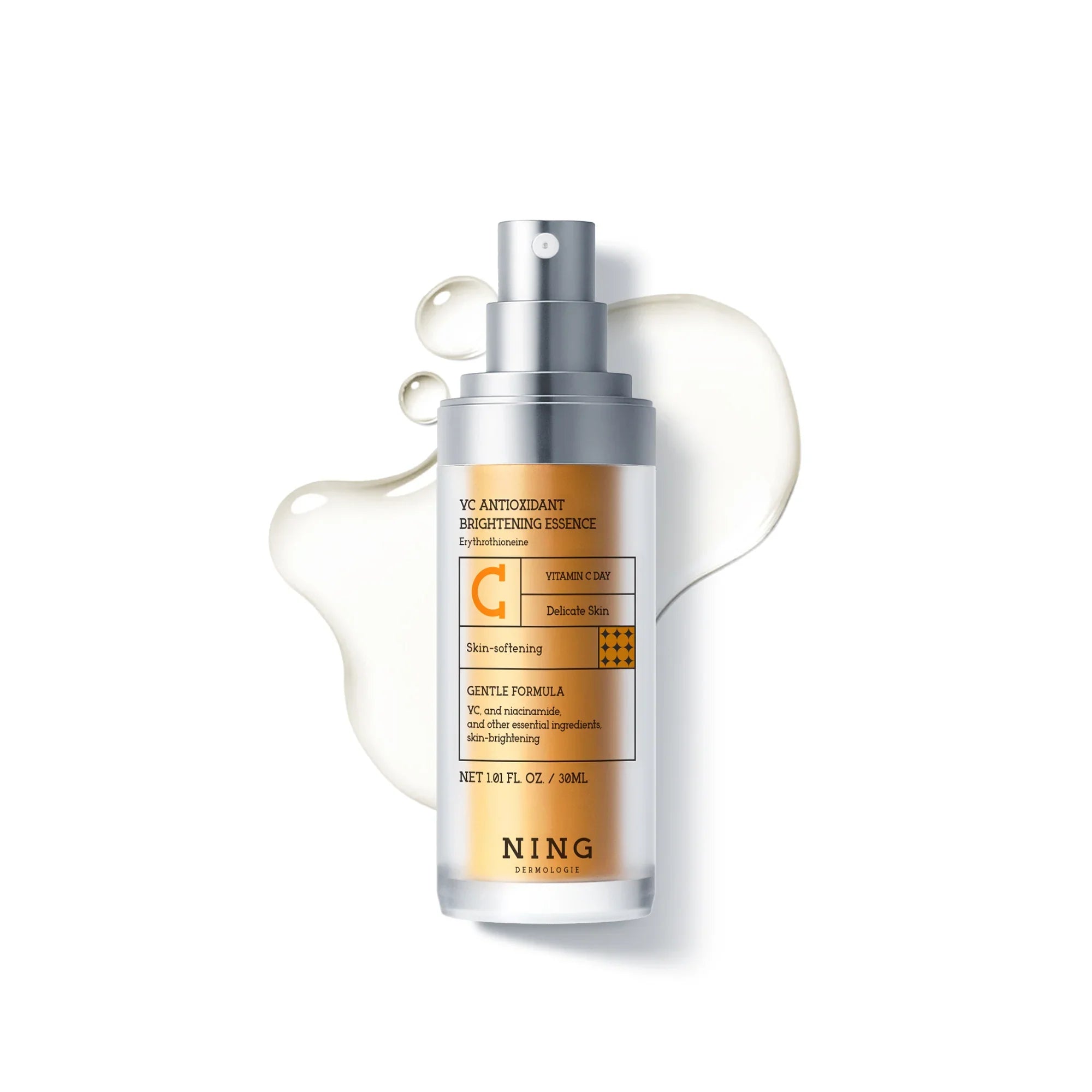
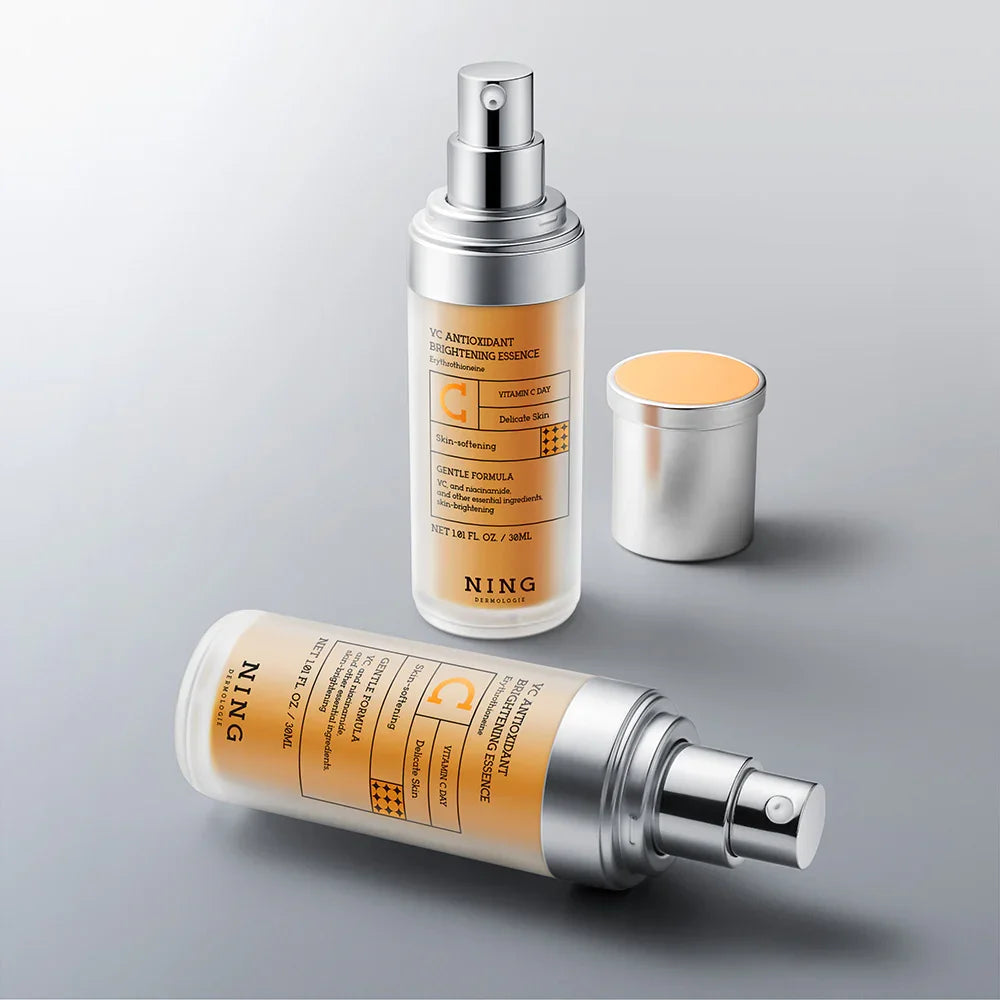
2. NING Dermologie: The Modern Stabilized Innovator
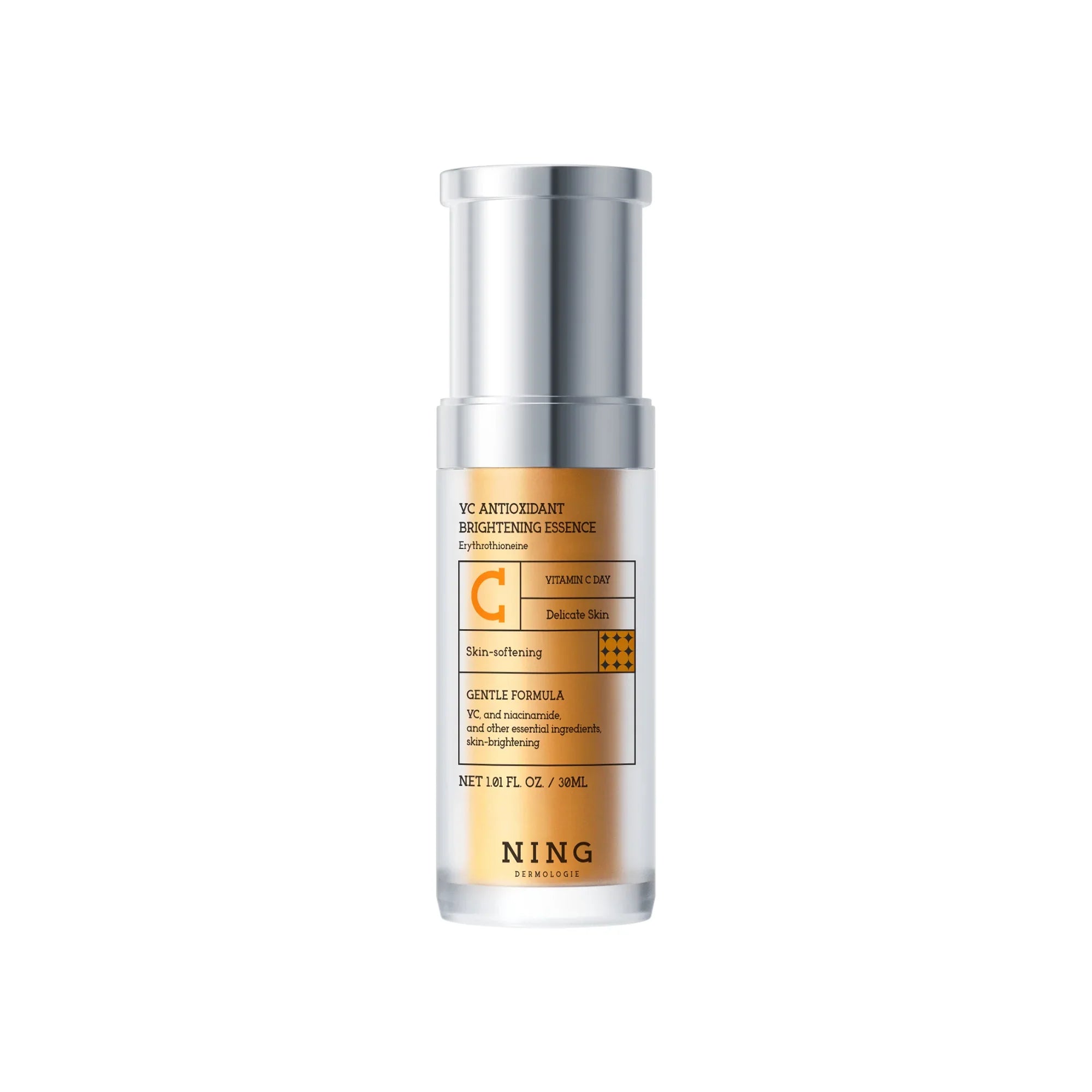
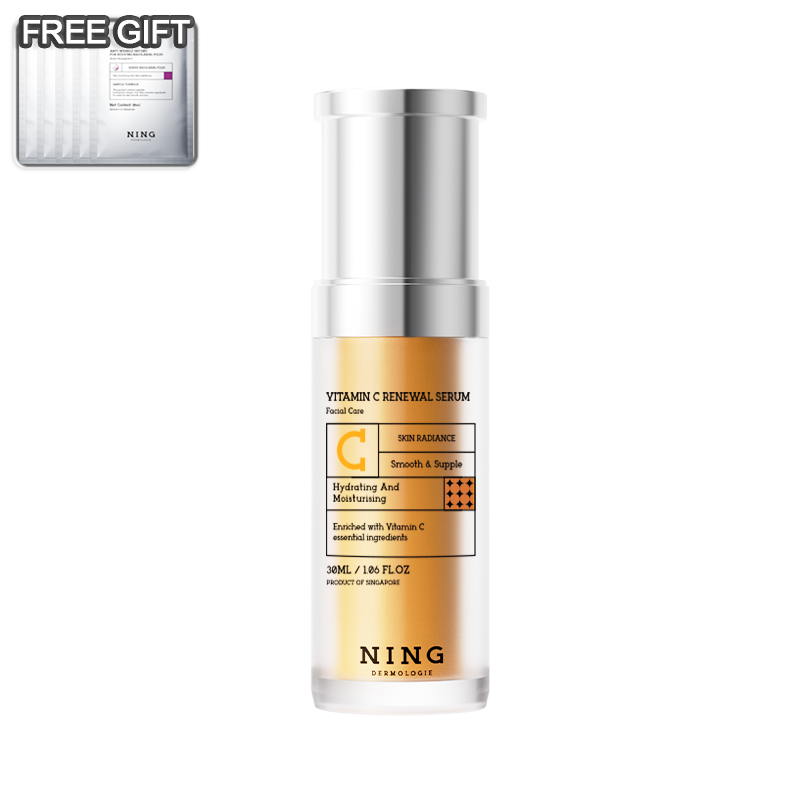
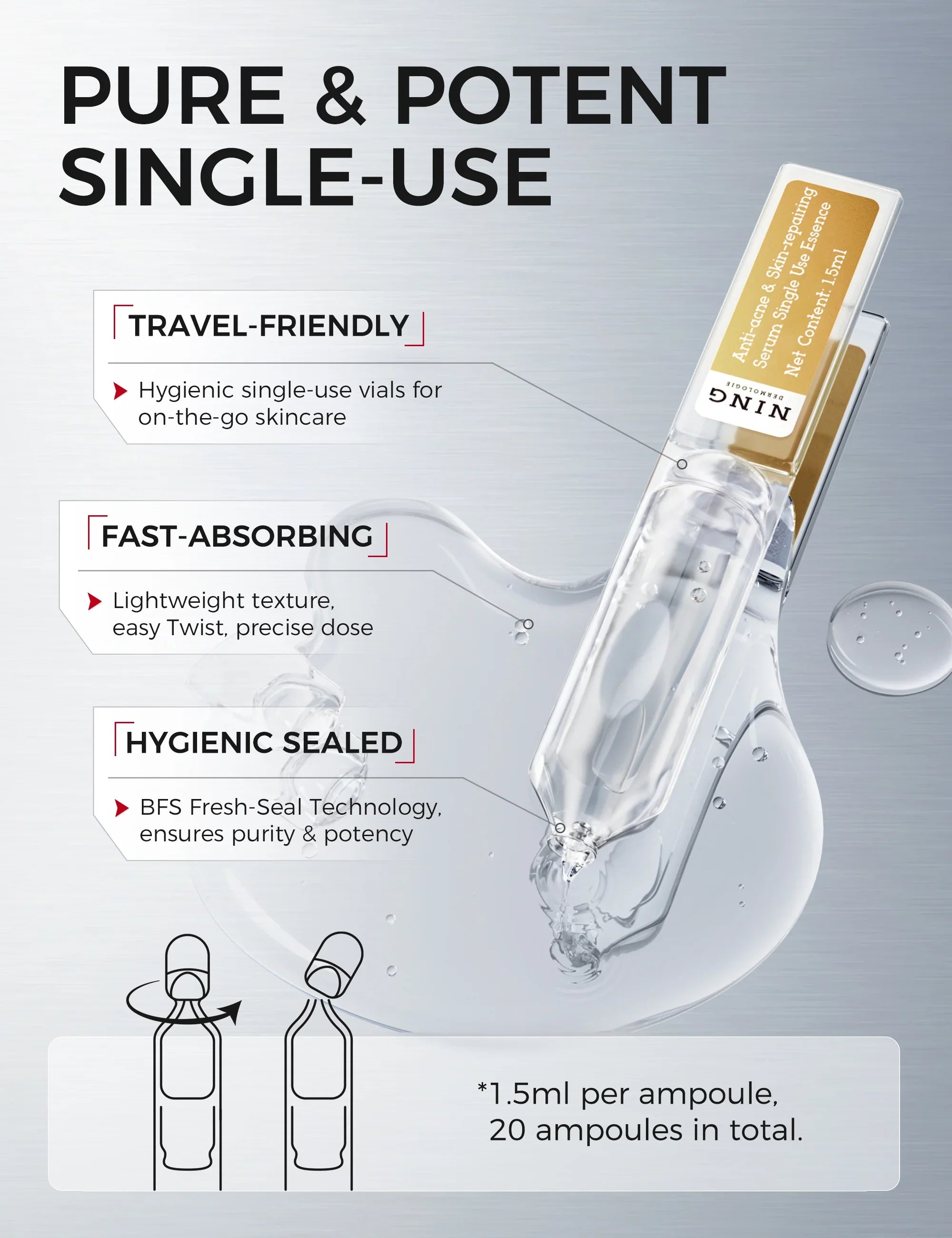
While legacy brands rely on old patents, NING Dermologie has taken a different route to solve the stability issue. Their Vitamin C Serum with Niacinamide + Ethyl Ascorbic Acid is quickly becoming a favorite in the vitamin c serums of 2026.
Instead of using volatile L-Ascorbic acid which oxidizes quickly, they use 3-O-Ethyl Ascorbic Acid, a highly stable form of vitamin c. It doesn't sting, it doesn't turn brown in the bottle, and it absorbed quickly without that "sticky" feeling common in other serums. Because it also contains vitamin e and Niacinamide, it’s a powerhouse for those who have never used a vitamin c or those with sensitive skin who find pure acid too harsh. It targets dark spots while keeping the skin barrier intact—a rare balance in a brightening serum.
3. Naturium Vitamin C Complex Serum: The Budget All-Rounder
The Naturium Vitamin C Complex Serum is a solid middle-ground option. It uses a blend of vitamin c—including encapsulated L-ascorbic acid and sodium ascorbyl phosphate. This vitamin c complex is much gentler than high-concentration acid serums. If you are looking for a vitamin c brightening serum that doesn’t break the bank, this is a great find the best value choice. It’s a lightweight serum that plays well with other products in your routine.
4. Obagi Professional-C Serum: High Potency for Pro Users
The Professional-C Serum from Obagi is strictly for those whose skin can handle a punch. It comes in 10%, 15%, and 20% concentrations. It’s a pure vitamin c formula that penetrates deeply. If your skin looks dull and you have significant sun damage, the 20% version can improve skin tone rapidly. However, because of the high concentration of vitamin c, it might cause a tingling sensation.
5. Paula’s Choice C15 Super Booster
This is often called the "dupe" for Skinceuticals. It combines vitamin c, vitamin e and ferulic acid in a very similar ratio. It’s a watery face serum that you can use alone or mix into your moisturizer. It brightens skin effectively, but like most watery L-ascorbic serums, you have to use it fast before it oxidizes.
6. Truskin Vitamin C Serum: The Viral Favorite
You can’t talk about best vitamin c serum reviews without mentioning Truskin Vitamin C. It has thousands of five-star ratings. It uses Sodium Ascorbyl Phosphate, which is a form of vitamin c that is particularly good for acne-prone skin because it has mild antimicrobial properties. It’s a thicker, almost gel-like brightening vitamin c that leaves skin feeling hydrated thanks to the hyaluronic acid in the mix.
What to Look for in a Vitamin C Serum?
Before you apply vitamin c, you need to understand what you’re putting on your face. The best vitamin c serum for your friend might be a nightmare for you. It depends on your skin type.
The Type of Vitamin C
- L-Ascorbic Acid: The most researched, most powerful, but most unstable. Great for oily or normal skin.
- Ethyl Ascorbic Acid: Featured in NING Dermologie, this is a derivative that converts to Vitamin C in the skin. It’s much more stable and less irritating.
- Sodium Ascorbyl Phosphate: The best vitamin c serum for acne-prone folks.
The Support Squad
A best vitamin c serum overall rarely works alone. Look for in vitamin c bottles that also list ferulic acid and vitamin e. These antioxidants work synergistically to double the photoprotection of your skin. If you have dry skin, look for a serum for dry skin that includes vitamin c and hyaluronic acid to pull moisture in while the C works on the glow.
Solving Your Specific Skin Concerns
Vitamin C Serum for Oily Skin
If you have oily skin, you want a serum for oily skin that is water-based and absorbed quickly. You don't want anything that adds a greasy layer. A lightweight serum with a high concentration of vitamin c and no added oils is the way to go. Vitamin c in the morning can actually help regulate sebum slightly for some people.
Best Vitamin C Serum for Dry Skin
For dry skin, a serum for dry skin should be slightly more emollient. Look for a vitamin c product that feels like a light oil or a rich milk. The Truskin vitamin c serum or formulas that include acid and vitamin e are excellent for adding that missing luster to a flaky skin texture.
Serum for Sensitive Skin: Safe Options
This is the hardest category. Many vitamin c serums have a low pH that causes redness. A c serum for sensitive skin should use a derivative like the one found in NING Dermologie. You want a vitamin c serum for sensitive skin that avoids high doses of pure L-ascorbic acid. A stable form of vitamin c is your best friend here.
Vitamin C Serum for Acne-Prone Skin
For acne-prone skin, the goal is to improve skin without clogging pores. A vitamin c serum for acne-prone skin should be non-comedogenic. Interestingly, vitamin c to boost your skin’s defenses can help heal post-acne dark spots (PIH) much faster. Look for c serum for acne-prone skin that mentions Niacinamide, as it helps calm inflammation.
How to Apply Vitamin C Serum for Maximum Results
You’ve bought the bottle, now what? Use vitamin c serum correctly, or you’re wasting your money.
-
Cleanse: Start with a fresh palette.
-
Apply: Use a few drops of your vitamin c brightening serum on damp skin.
-
Wait: Give it a minute. Let the serum absorbed quickly into the layers.
-
Moisturize: Seal it in. If your serum also contains vitamin e, you might need less moisturizer.
-
SPF: This is non-negotiable. Vitamin c doesn’t replace sunscreen; it makes it better. They are the ultimate power couple.

Comparing the Top 6 Best Vitamin C Serums
| Brand | Key Form of Vitamin C | Best For | Texture |
| Skinceuticals C E Ferulic | L-Ascorbic Acid | Anti-aging / Normal Skin | Watery / Tacky |
| NING Dermologie | Ethyl Ascorbic Acid | Sensitive / Dark Spots | Silky / Fast Absorbing |
| Naturium Complex | Complex Blend | Brightening / Budget | Creamy-Liquid |
| Truskin | Sodium Ascorbyl Phosphate | Acne-prone / Hydration | Gel-like |
| Obagi Professional-C | L-Ascorbic Acid | Serious Sun Damage | Liquid |
| Paula’s Choice C15 | L-Ascorbic Acid | Overall Glow / Mixing | Watery |
The Verdict on Vitamin C Serums of 2026
In the ever-evolving world of vitamin c serums, we are finally moving away from the "it has to sting to work" mentality. While Skinceuticals’ C e ferulic remains a titan for those with a high budget, the rise of stabilized, multi-ingredient formulas like NING Dermologie represents the future of skin care.
The best vitamin c serum overall is the one you will actually use every day. If a serum had virtually no irritation and didn't oxidize, you'd be much more likely to stick with it. Whether you are dealing with combination skin, oily, or dry skin, there is a brightening serum out there for you.
Find the best vitamin c that fits your lifestyle. If you want results without the drama of oxidation, starting with a stabilized formula like the NING Dermologie Vitamin C Serum is a smart move. It brightens skin, targets dark spots, and leaves skin looking healthy without the fuss of traditional acids.
Frequently Asked Questions (FAQ)
1. Can I use Vitamin C serum every day?
Yes, absolutely. In fact, most dermatologists recommend using a vitamin c serum every morning. It provides a reservoir of antioxidants that protects your skin from UV damage and pollution throughout the day. If you have very sensitive skin, you might start with every other day, but for most, daily use is the key to seeing a real difference in skin texture and dark spots.
2. Why did my Vitamin C serum turn orange?
If your pure vitamin c serum (specifically L-ascorbic acid) has turned dark orange or brown, it has oxidized. This happens when the product is exposed to light and air. Once oxidized, the vitamin c product is not only less effective but can actually create free radicals on your skin, which is the opposite of what you want. This is why stabilized formulas like NING Dermologie are becoming so popular.
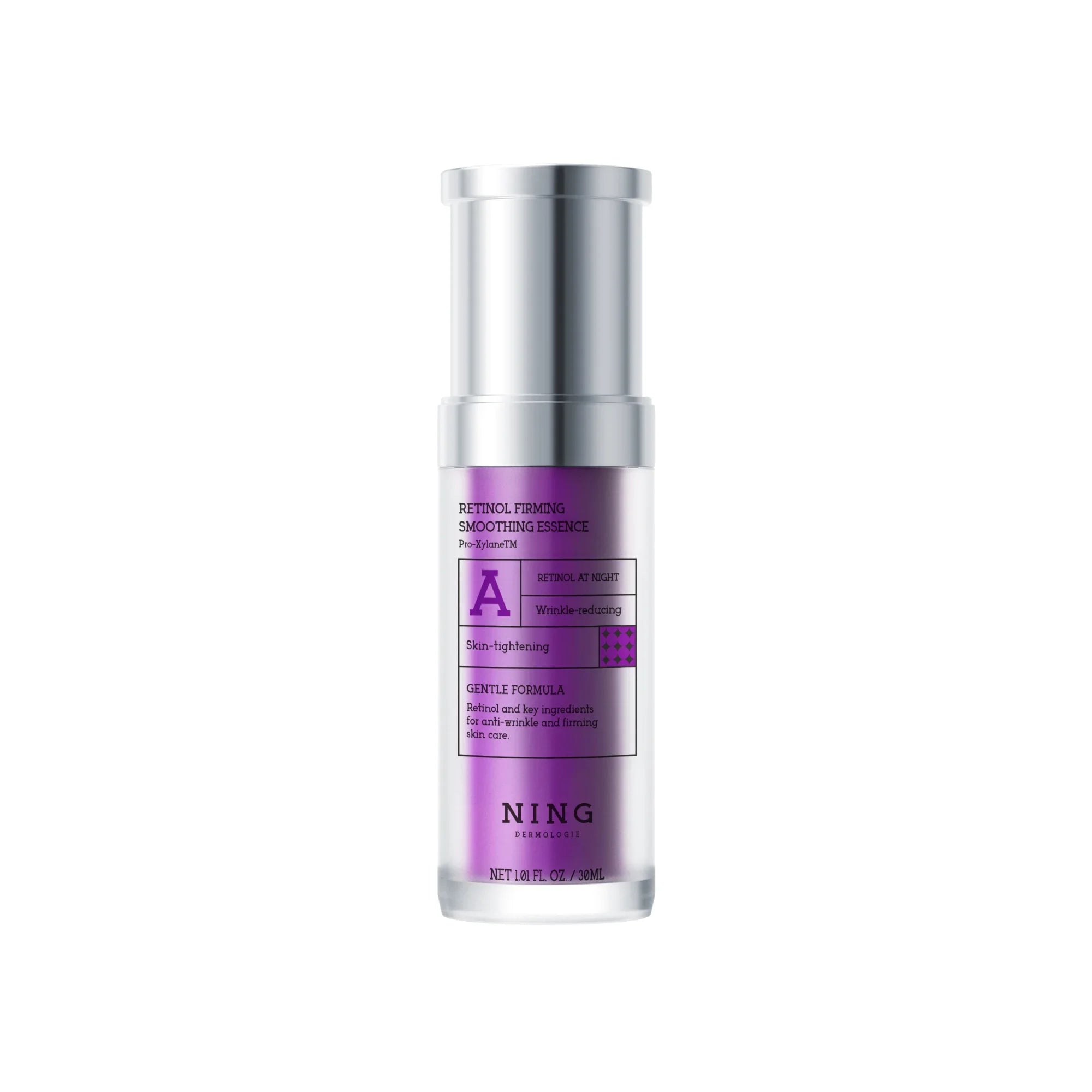
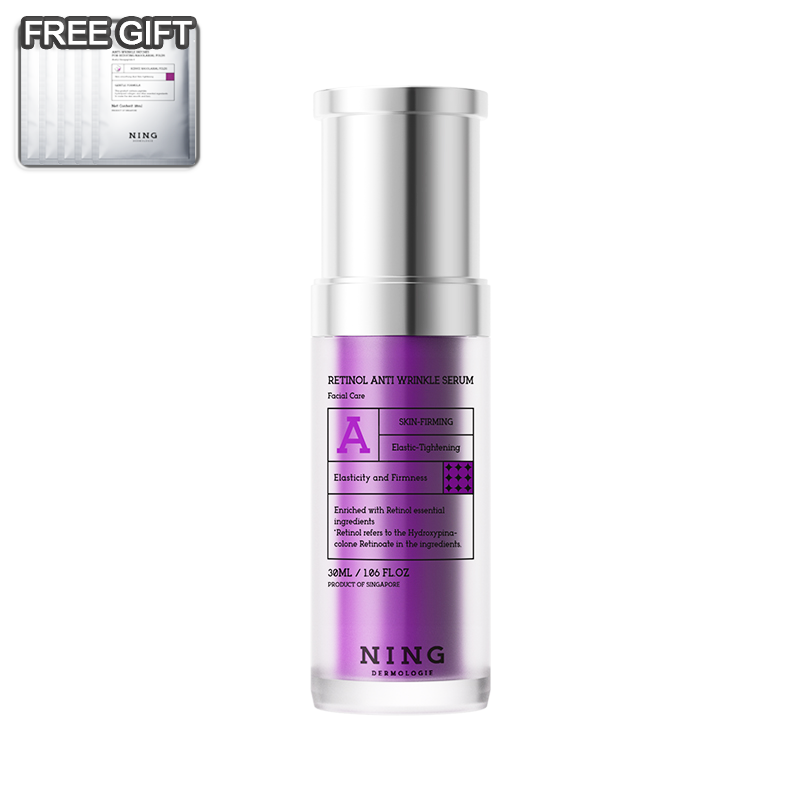
3. Can I use Vitamin C with Retinol?
You can use both, but don’t mix them in the same application. Use your vitamin c serum in the morning to fight environmental stress, and save your Retinol for the night to repair the skin. Using them together can sometimes cancel each other out or cause extreme irritation, especially if you have sensitive skin. Think of Vitamin C as your daytime shield and Retinol as your nighttime builder.
4. How long does it take to see results?
Patience is required. While a good brightening serum might give you an immediate "glow" due to hydration, the real work on dark spots and even skin tone takes time. Typically, you will start to see a visible improve skin texture in about 4 to 6 weeks. Significant changes in hyperpigmentation usually take 8 to 12 weeks of consistent, daily use vitamin c serum application.
5. Does Vitamin C serum help with acne?
It does, but indirectly. While it’s not an "acne treatment" like salicylic acid, a vitamin c serum for acne-prone skin helps reduce the inflammation associated with breakouts. More importantly, it is the best tool for fading the "post-inflammatory hyperpigmentation" (those red or brown marks) left behind after a pimple heals. Look for a lightweight serum that won't clog your pores.





Share:
Salicylic Acid Unveiled: The Benefits Your Skin Has Been Waiting For
Salicylic Acid: An Effective Ally in Your Skincare Arsenal