



What are the best vitamin C serums that include additional skin benefits like hydration?
Finding the best vitamin c serum usually feels like a trade-off. You want that "lit-from-within" glow and the disappearance of every dark spot, but you often end up with a face that feels like parchment paper. Most high-concentration vitamin c products are notoriously acidic, which is great for exfoliation but terrible for your skin barrier.
If you’ve ever applied a face serum only to have your skin feel tight, itchy, or start peeling by lunchtime, you aren’t alone. The goal for skin care in 2026 has shifted: we don't just want potency; we want comfort. We’re looking for vitamin c serums of 2026 that act as a super serum—brightening the skin tone while flooding the dermis with dry skin-saving moisture.

Why Most Vitamin C Serums Make You Feel Dry
To find the best overall formula, we have to talk about the form of vitamin c used. The "gold standard" is L-ascorbic acid. It’s the active form of vitamin c that your skin recognizes immediately. However, it requires a very low pH to stay stable and penetrate the skin. That acidity is exactly why a vitamin c serum isn’t always a friend to sensitive skin.
When you use vitamin c in its pure form, it can act as a mild exfoliant. For someone with oily skin, this might be fine. But for those with combination skin or chronic dry skin, it’s a recipe for irritation. This is why the modern vitamin c brightening serum now pairs vitamin e and ferulic acid with heavy-hitting hydrators like hyaluronic acid and vitamin B5.
Finding the Best Vitamin C Serum for Your Skin Type
When choosing a vitamin c serum, you have to look past the "20%" on the label. A high concentration of vitamin c doesn't mean much if your skin is too irritated to use it daily. Here is how to navigate the options based on your specific needs.
Vitamin C Serum for Dry Skin
For the dry skin crowd, a pure vitamin c suspended in a water-based formula is usually too harsh. You want a serum for dry skin that feels more like an oil or a creamy emulsion. Look for vitamin c derivatives like Tetrahexyldecyl (THD) Ascorbate or Ethyl Ascorbic Acid. These are less acidic and much more hydrating.
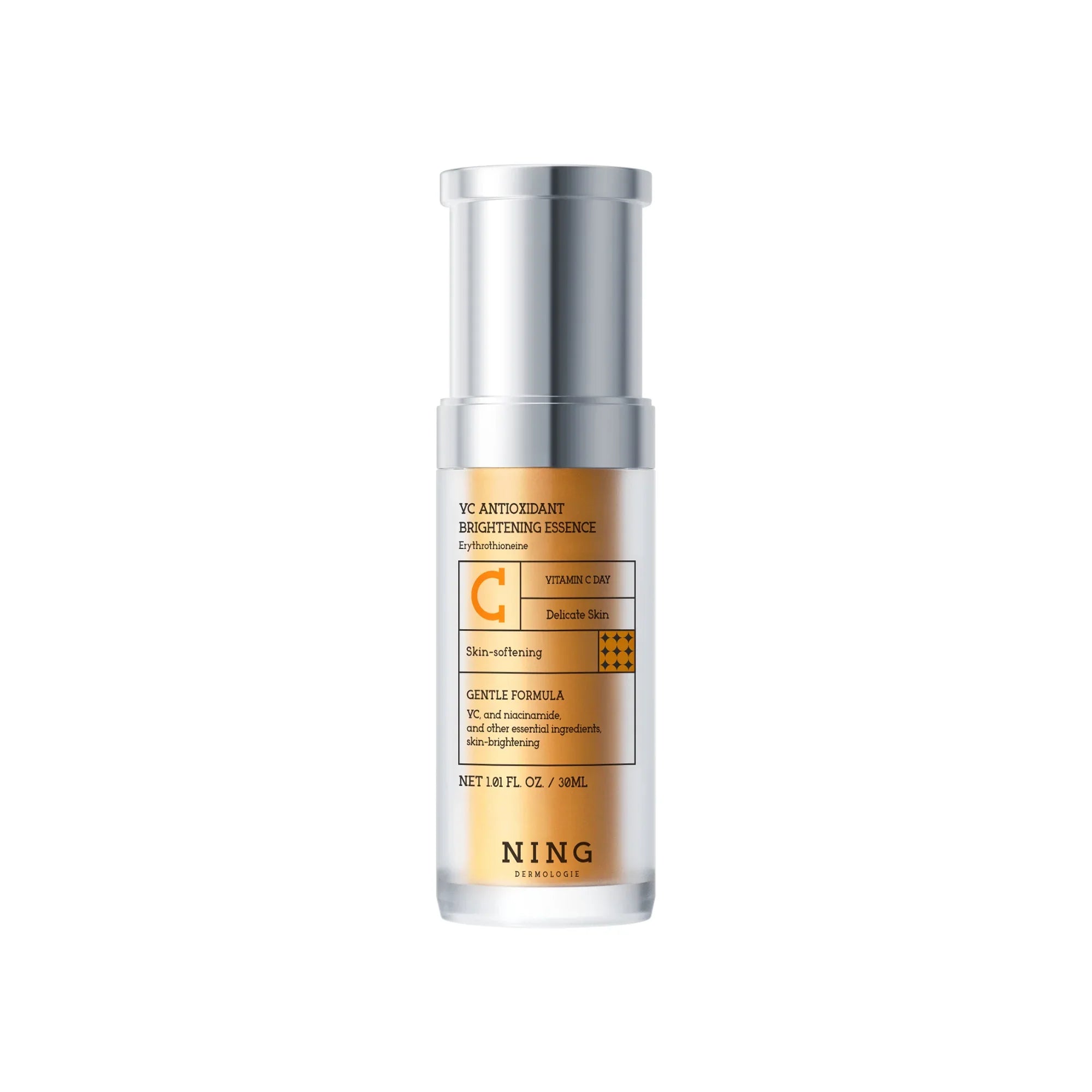
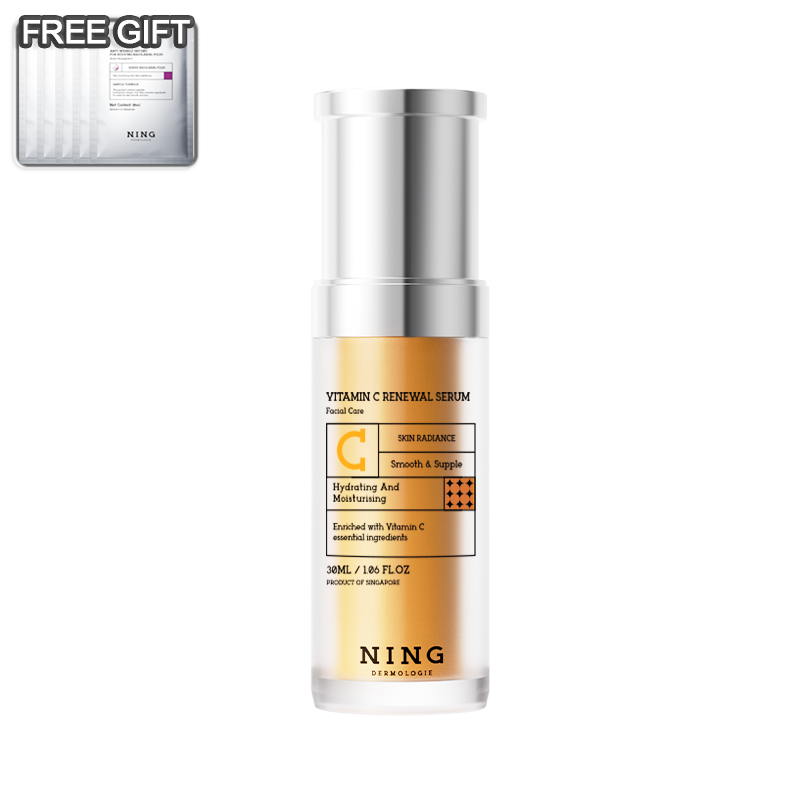
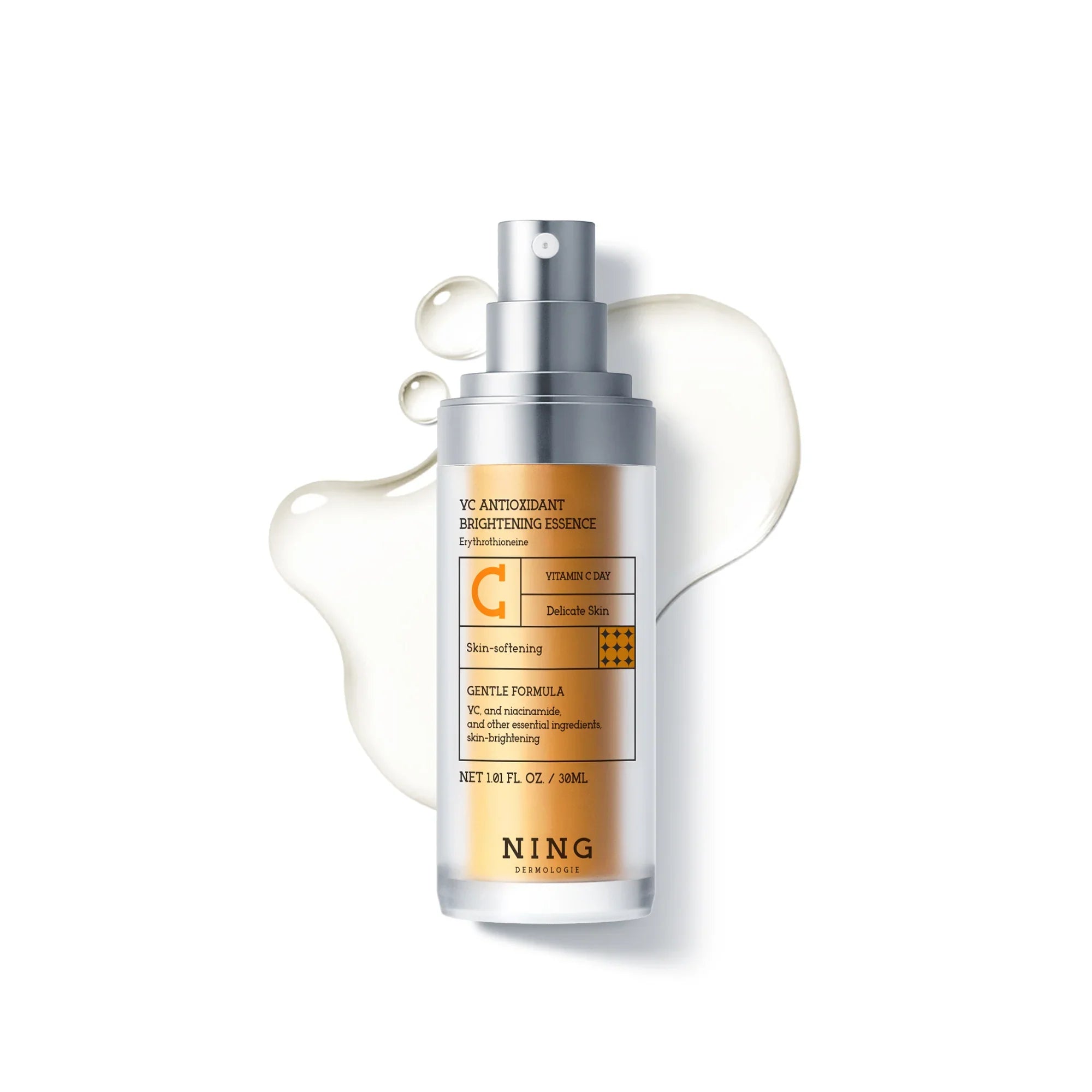
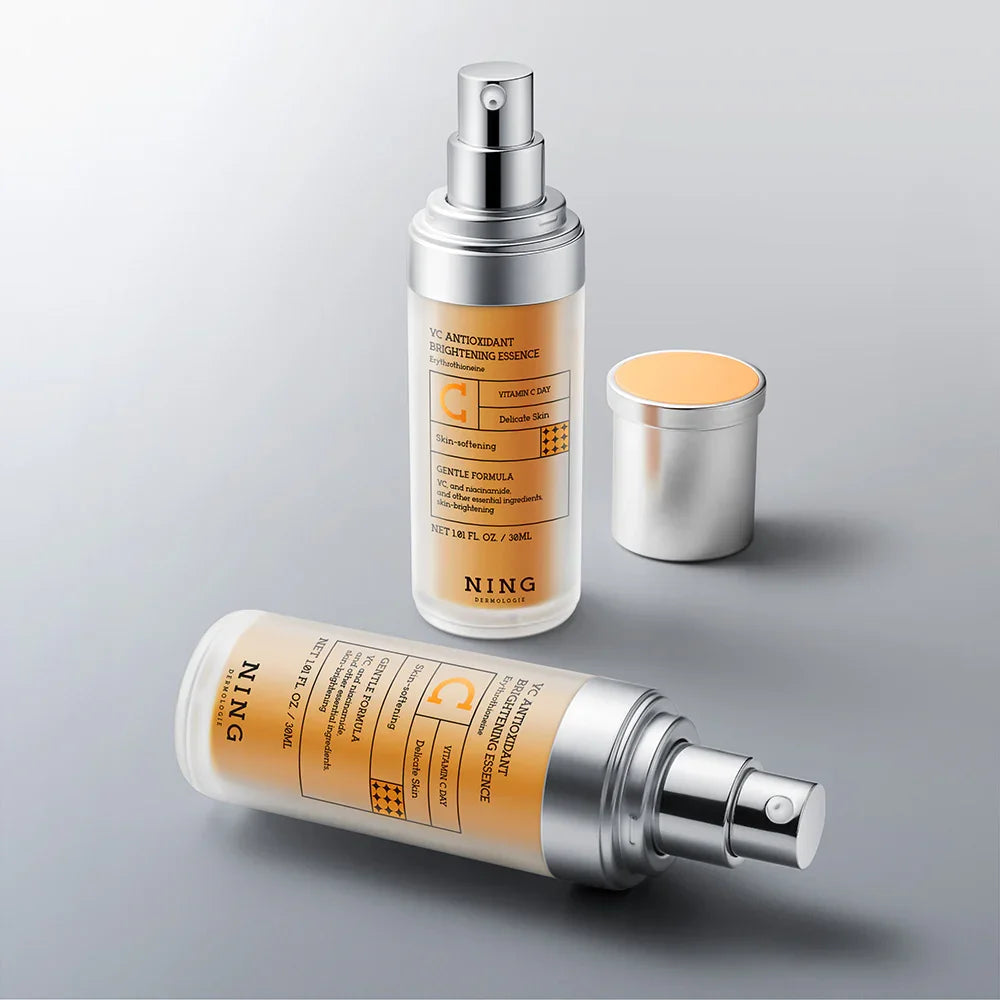
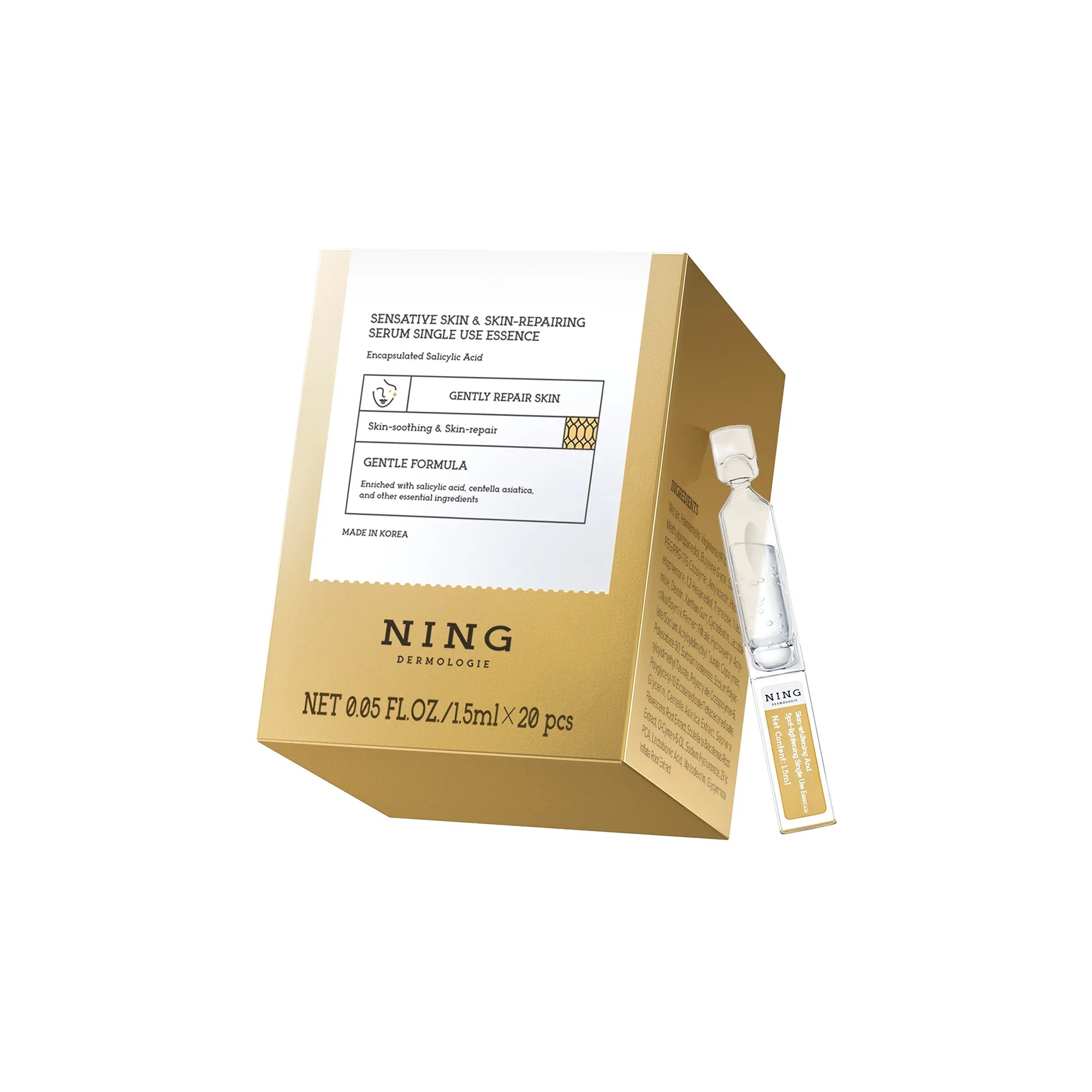
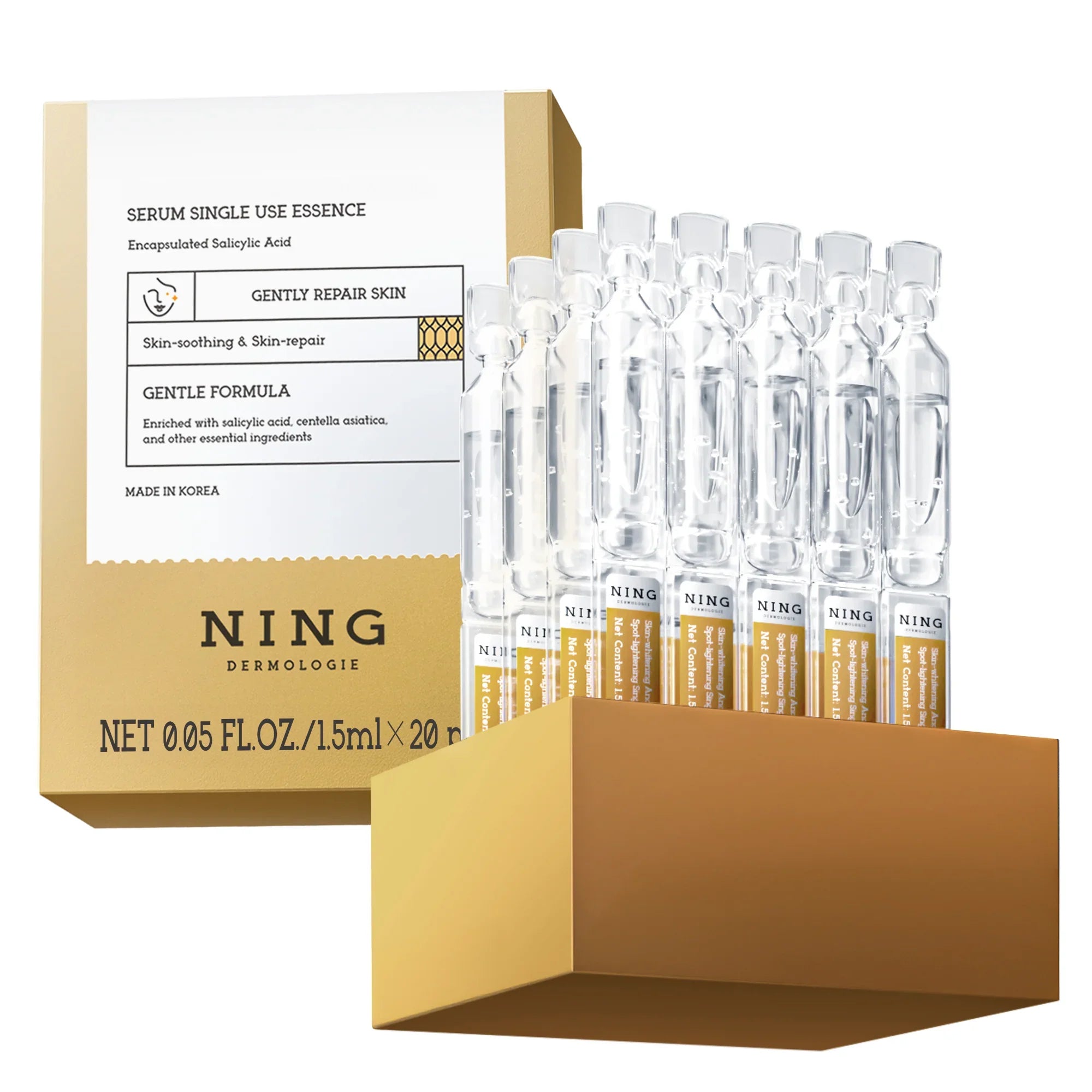
Our own NING Dermologie Vitamin C Serum was designed specifically to bridge this gap. By using Ethyl Ascorbic Acid—a highly stable and gentle form of vitamin c—and pairing it with Niacinamide, we created a vitamin c brightening tool that actually reinforces the skin barrier rather than stripping it. It’s the kind of face serum that leaves a dewy finish rather than a sticky residue.
Serum for Sensitive Skin
If you've never used a vitamin c before, start slow. A serum for sensitive skin should probably avoid high percentages of L-ascorbic acid initially. Instead, look for sodium ascorbyl phosphate, which is much gentler and often found in a serum for acne-prone skin because it has natural antimicrobial properties.
Serum for Oily Skin
The best vitamin c serum for oily skin is usually a lightweight, aqueous formula. You want something that brightens and evens skin tone without adding heavy oils that might clog pores. A ferulic serum with a watery consistency is ideal here, as ferulic acid helps stabilize the vitamin C and boosts its photoprotective qualities.
11 Best Vitamin C Serums for Brightening and Hydration
When compiling this guide to the best serums, we looked for formulas that improve skin tone and texture without causing a flare-up.
-
SkinCeuticals C E Ferulic: The best overall for many, though it’s pricey. This c e ferulic serum is the industry benchmark for a reason. It uses L-ascorbic acid, vitamin e, and ferulic acid to create a powerhouse antioxidant shield. However, it can be a bit tacky on the skin.
-
NING Dermologie Vitamin C Serum: A standout for those who want brighter skin without the sting. Because it includes Niacinamide and Ethyl Ascorbic Acid, it’s a vitamin c serum for dry or sensitive skin types who usually struggle with topical vitamin c. You can find it at ningcos.com.
-
TruSkin Vitamin C Serum: A best budget favorite. This truskin vitamin c formula uses sodium ascorbyl phosphate, making it a great best budget-friendly option for serum for acne-prone skin.
-
Sunday Riley C.E.O. 15% Vitamin C Brightening Serum: This uses THD Ascorbate, which is incredibly stable. It’s a great vitamin c serum for sensitive users who want a creamy texture.
-
Ole Henriksen Banana Bright Vitamin C Serum: This banana bright vitamin c serum uses "banana powder-inspired" pigments to instantly brighten skin while the C works over time.
-
La Roche-Posay Pure Vitamin C10: A best drugstore pick that includes salicylic acid to improve skin texture, making it a solid serum for oily skin.
-
Maelove The Glow Maker: Often called a "dupe" for skinceuticals’ c e ferulic, it’s a fantastic vitamin c and e combo at a fraction of the price.
-
Paula’s Choice C15 Super Booster: High concentration of vitamin c (15%) but includes vitamin b5 to soothe the skin.
-
Dr. Barbara Sturm The Good C: A vitamin c is one of those luxury items that focuses on skin health. It’s a very low-irritation form of vitamin c.
-
Vichy LiftActiv Vitamin C: A pure vitamin c serum that is fragrance-free and paraben-free—excellent for skin type minimalism.
-
Drunk Elephant C-Firma Fresh Day Serum: A potent vitamin c and e and ferulic acid blend that you mix yourself to ensure it doesn't oxidize before you buy it.
How to Apply Your Vitamin C Serum for Best Results
Apply vitamin c serum in the morning. Why? Because vitamin c’s primary job is to neutralize free radicals from UV rays and pollution. When you combine vitamin c and e with your sunscreen, you’re essentially giving your skin a bulletproof vest.
-
Cleanse: Start with a damp (not soaking) face.
-
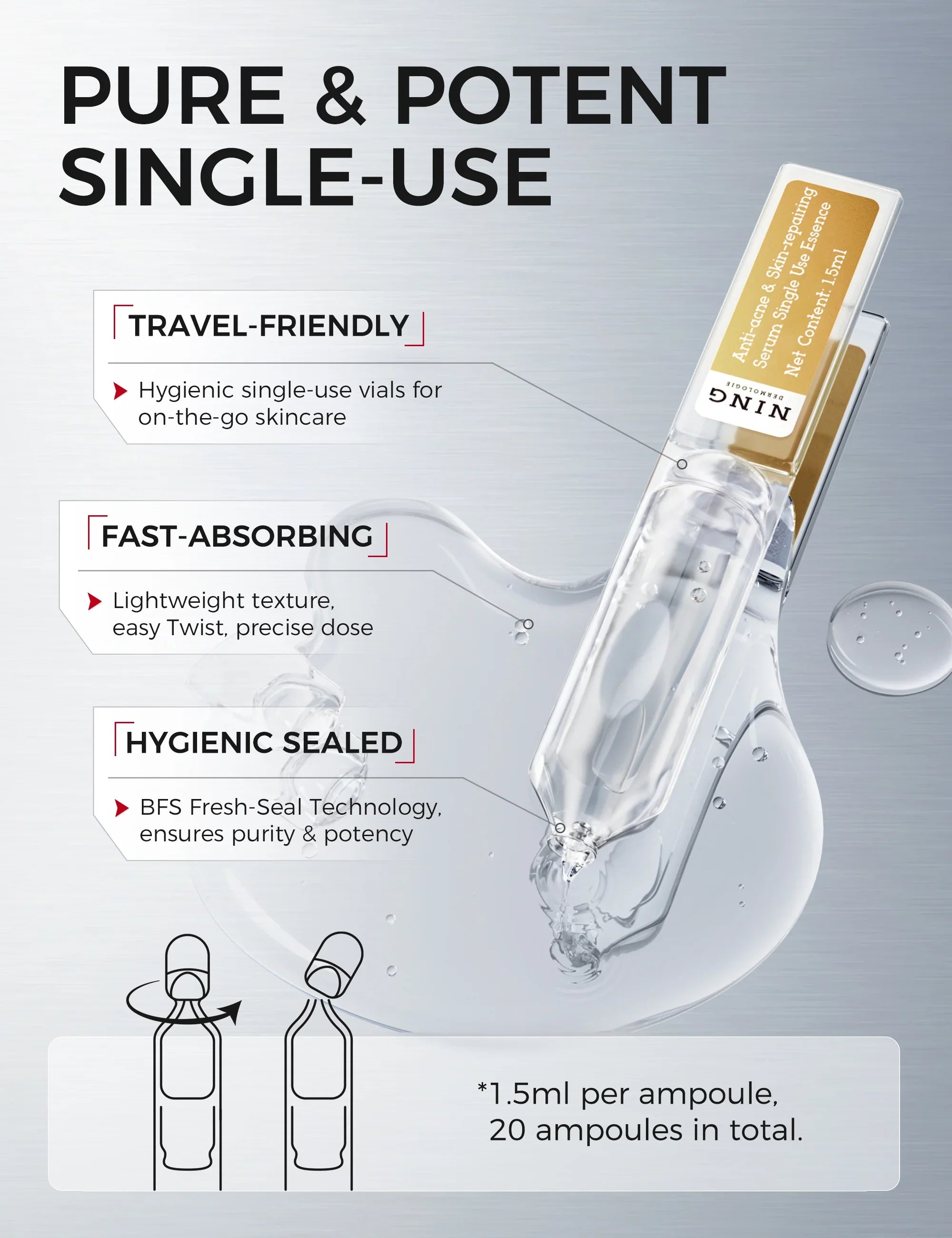
Apply: Use 3-5 drops of your vitamin c brightening serum. If you’re using NING Dermologie, the Ethyl Ascorbic Acid absorbs quickly, so you don't need much.
-
Wait: Give it a minute to "sink in." Vitamin c doesn't need a long wait time, but you want it to feel set.
-
Moisturize: Follow with a moisturizer that also contains vitamin e or ceramides to lock in the appearance of dark spots-fading ingredients.
-
SPF: Never skip this. Topical vitamin c makes your skin more efficient at fighting sun damage, but it doesn't replace sunscreen.
Ingredients to Look For in a Vitamin C Serum
When you’re browsing vitamin c products, don't just look for the "C." A well-rounded face serum should be a cocktail of ingredients that even out skin tone and brighten skin simultaneously.
- Vitamin E: Listed as Tocopherol. Vitamin e and ferulic acid act as stabilizers. Vitamin c is best when it has friends; E helps C work longer.
- Ferulic Acid: This plant-based antioxidant doubles the photoprotection of the serum.
- Niacinamide: Found in our NING Dermologie Vitamin C Serum, this helps with dark spot reduction and pore size.
- Hyaluronic Acid: Essential for dry skin to ensure the vitamin c serum for dry skin doesn't leave you feeling parched.

The Verdict on 2026's Brightening Trends
We are moving away from the "more is more" approach. The best vitamin c serum isn't the one with the highest percentage; it’s the one you can use every single day without redness. Whether you choose a cult classic like skinceuticals c e ferulic or a modern, barrier-friendly option like NING Dermologie, the goal is consistency.
By choosing a formula that brightens and evens skin tone while maintaining hydration, you’ll see an improve skin tone shift within 4 to 6 weeks. Your skin look will be more radiant, your appearance of dark spots will fade, and most importantly, your skin will feel healthy.
Frequently Asked Questions (FAQ)
1. Can I use Vitamin C and Retinol together?
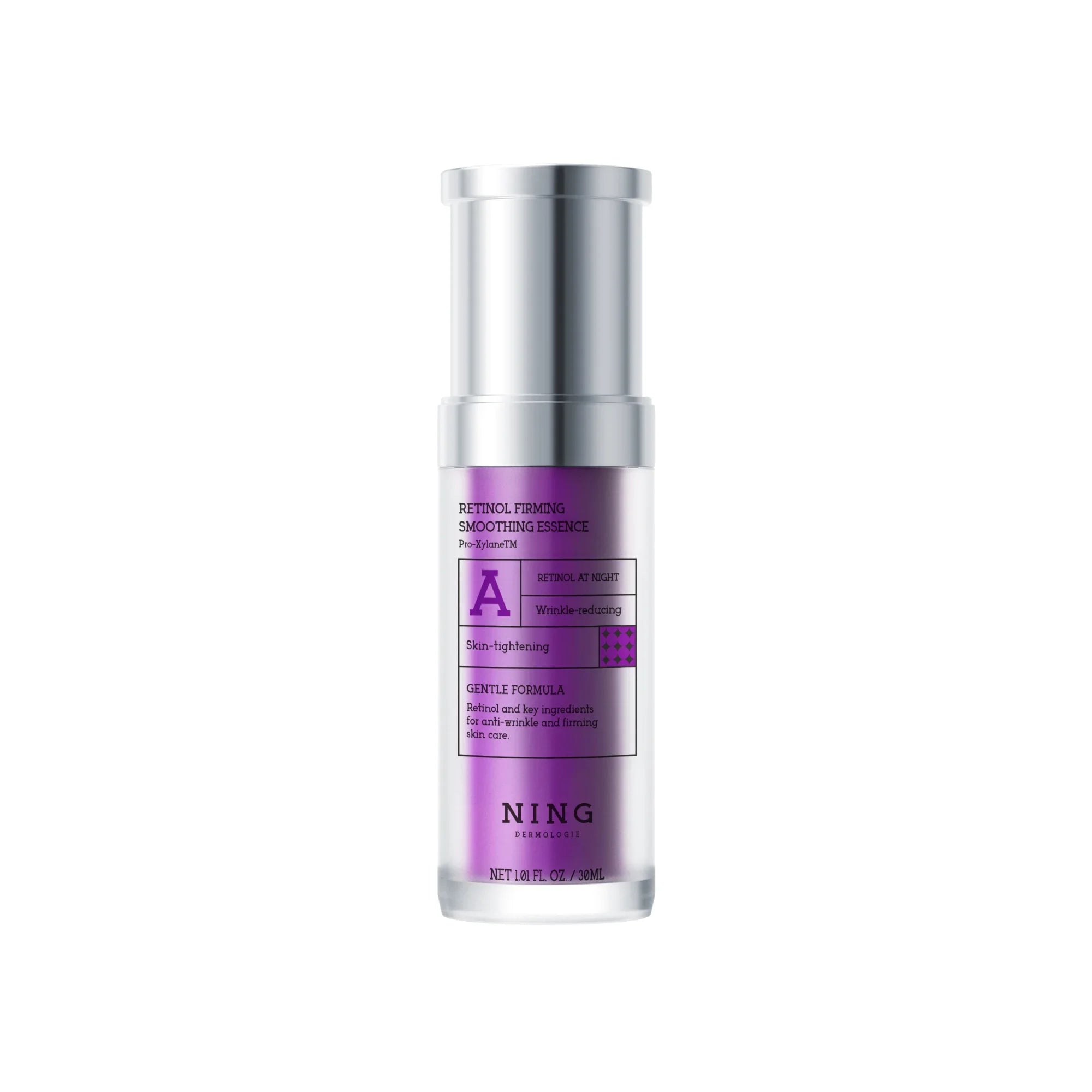
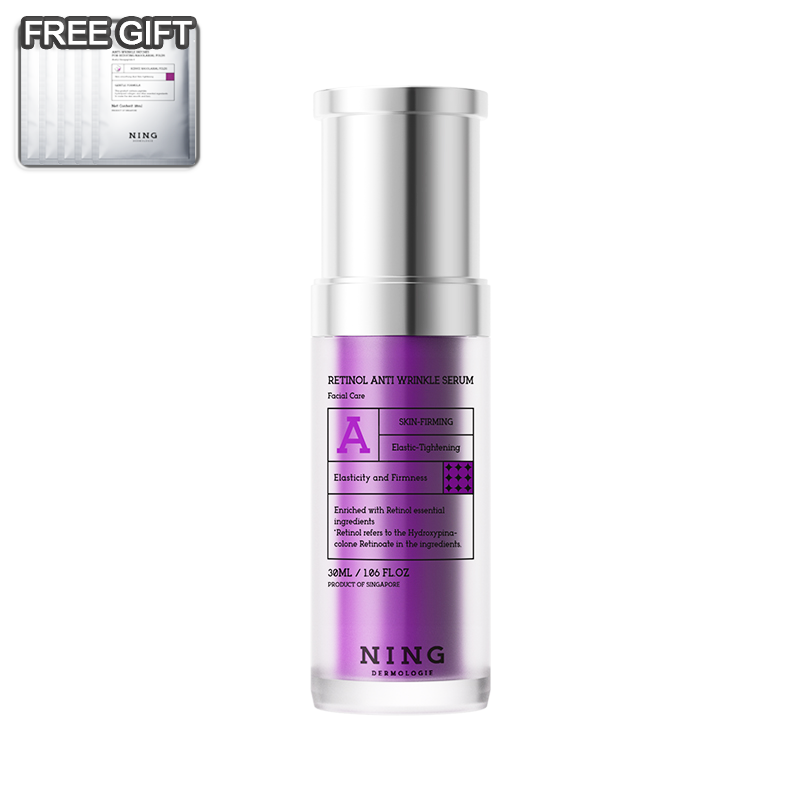
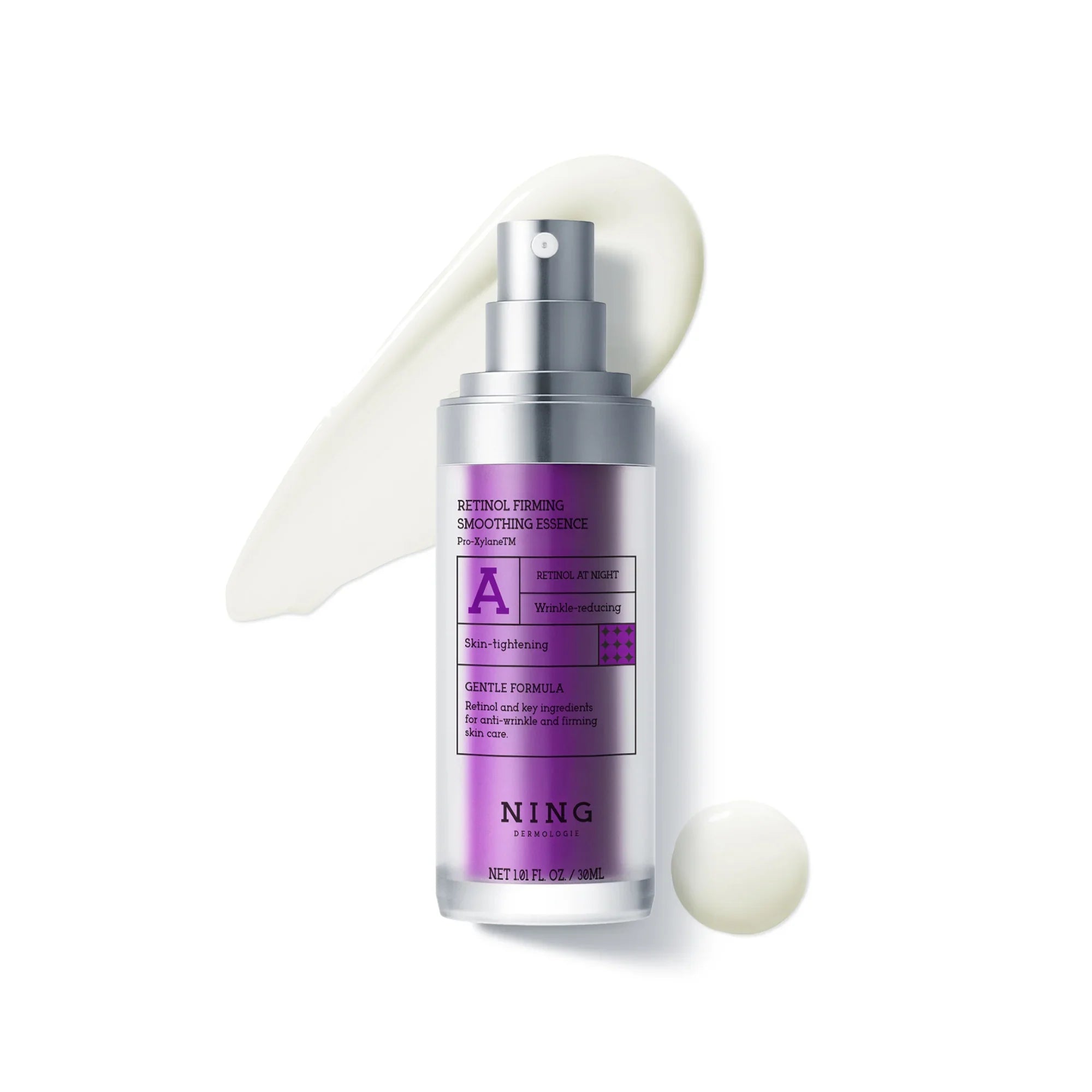
It is generally recommended to split them up. Use your vitamin c serum in the morning to take advantage of its antioxidant protection against UV rays. Save your retinol for the evening, as it can be deactivated by sunlight and might increase sensitivity. Using this serum in the morning and retinol at night is the standard "gold standard" routine for brightens and evens skin tone.
2. How do I know if my Vitamin C serum has oxidized?
Check the color. Most vitamin c products start as a clear or pale champagne color. If your l-ascorbic acid serum has turned dark orange or brown, it has oxidized. An oxidized vitamin c serum isn’t just less effective; it can actually cause oxidative stress on the skin. To avoid this, look for stable derivatives like those in NING Dermologie.
3. Will Vitamin C help with my acne-prone skin?
Yes, but you have to choose the right type of vitamin c. For a serum for acne-prone skin, look for sodium ascorbyl phosphate. This specific form of vitamin c has been shown to reduce the oxidation of sebum, which is a major trigger for breakouts. It helps fade the dark spot marks left behind after a pimple heals (PIH).
4. How long does it take to see results from a Vitamin C serum?
While some vitamin c brightening serums offer an instant "glow" due to hydrating ingredients like vitamin b5, real structural changes take time. You will typically see an improve skin tone and a reduction in the appearance of dark spots after 4 to 8 weeks of consistent daily use. Patience is key for best results.
5. Can I use Vitamin C if I have very sensitive skin?
Absolutely, but you should avoid high-concentration pure vitamin c (L-ascorbic acid) which can be too acidic. Instead, opt for a vitamin c serum for sensitive skin that uses a buffered derivative like Ethyl Ascorbic Acid. These formulas provide the same brighten skin benefits without the harsh pH levels that cause stinging or redness.





Share:
List vitamin C serums that are dermatologist-recommended for facial skin.
Which vitamin C serums have won awards or recognition for facial skincare?