


The Ultimate Guide to the Best Vitamin C Serums: Award-Winners and Real-World Results
The world of vitamin c serums is exhausting. Every brand claims to have bottled the "fountain of youth," and if you’ve ever bought a bottle only to have it turn a suspicious shade of pumpkin orange within two weeks, you know the frustration. Vitamin C is notoriously finicky—it hates light, it hates air, and sometimes, it hates your skin barrier.
However, when you find the best formula, it’s a total game-changer. It’s the gold standard of vitamin c benefits: fading hyperpigmentation, smoothing fine lines, and giving you that "just had a facial" glow. To save you the trial and error, we’ve analyzed the beauty awards, pored over dermatologist recommendations, and tested the heavy hitters to bring you the definitive list of the 6 best vitamin c serums that actually earn their keep.

1. The Industry Icon: SkinCeuticals C E Ferulic
If there were a "Hall of Fame" for skincare, SkinCeuticals C E Ferulic would be the first inductee. It has won more beauty awards than most brands have products.
Why it wins: It’s all about the "Duchess" formula—a precise concentration of vitamin c (15% L-ascorbic acid) blended with vitamin e and ferulic acid. This specific combination doesn't just brighten; it doubles the skin’s natural photoprotection. It’s the best splurge for a reason.
The Reality Check: It smells like "hot dog water." There, we said it. It’s also pricey. But if your skin concern is serious signs of aging and you want a pure vitamin c that is backed by decades of clinical data, this is the serum overall to beat.
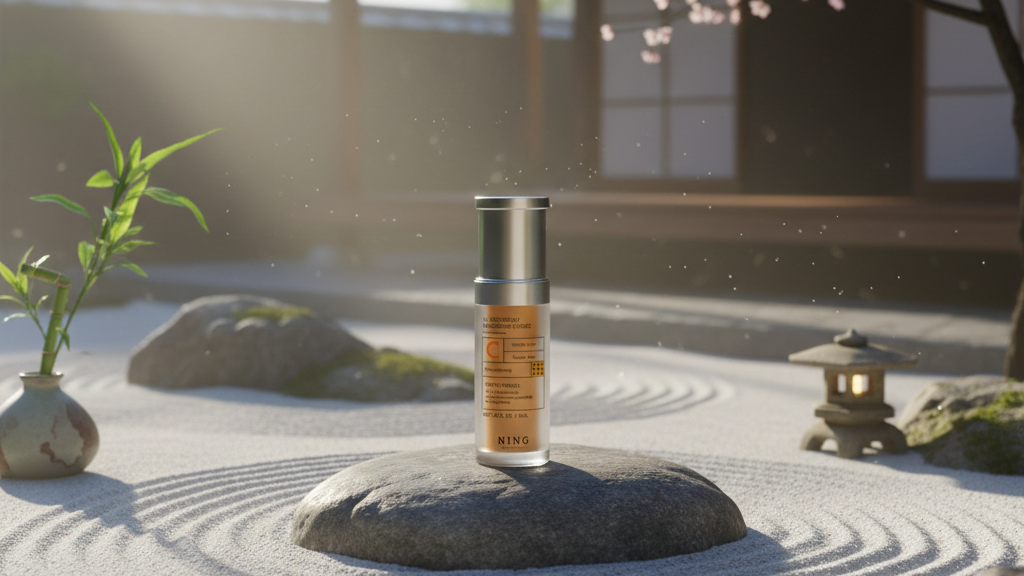
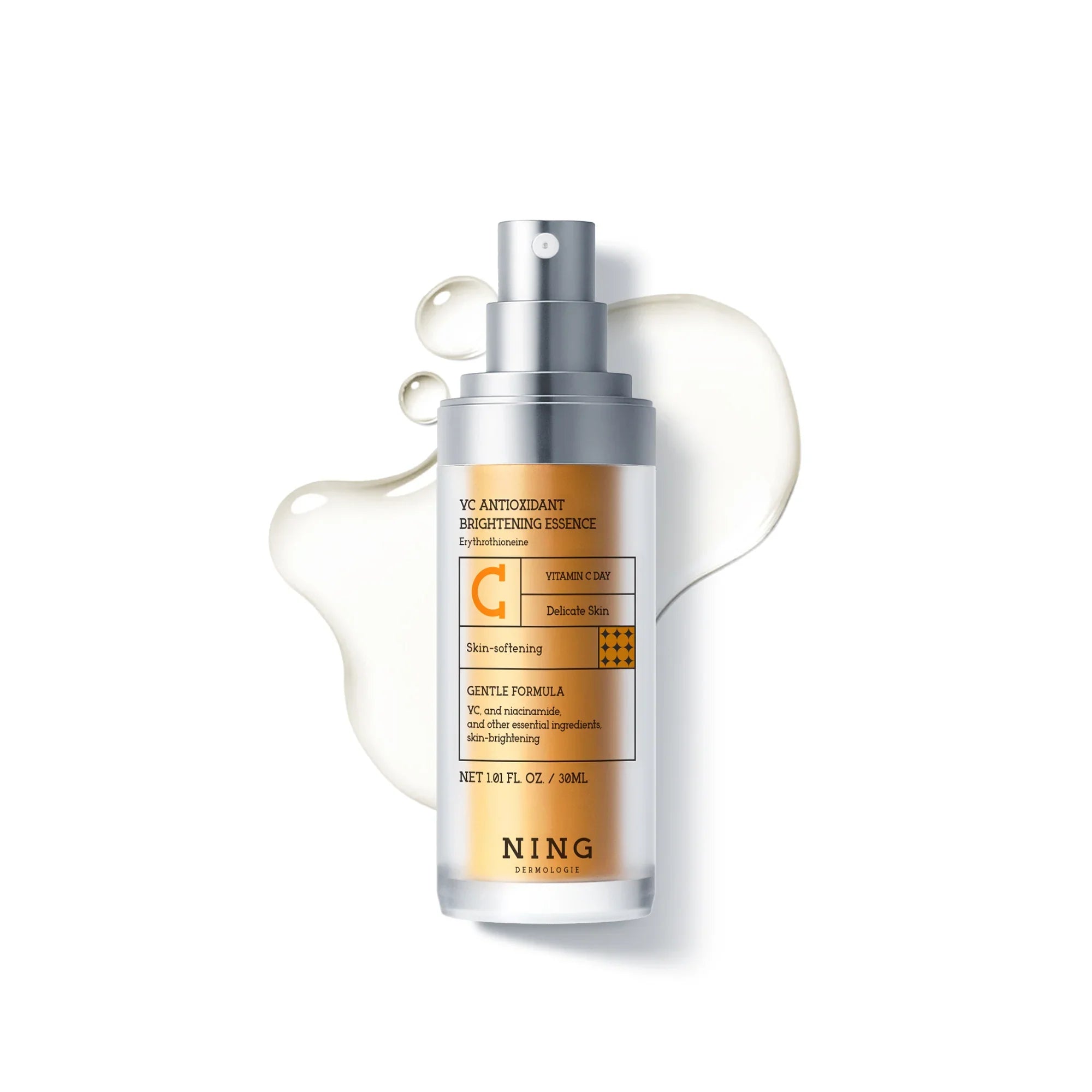
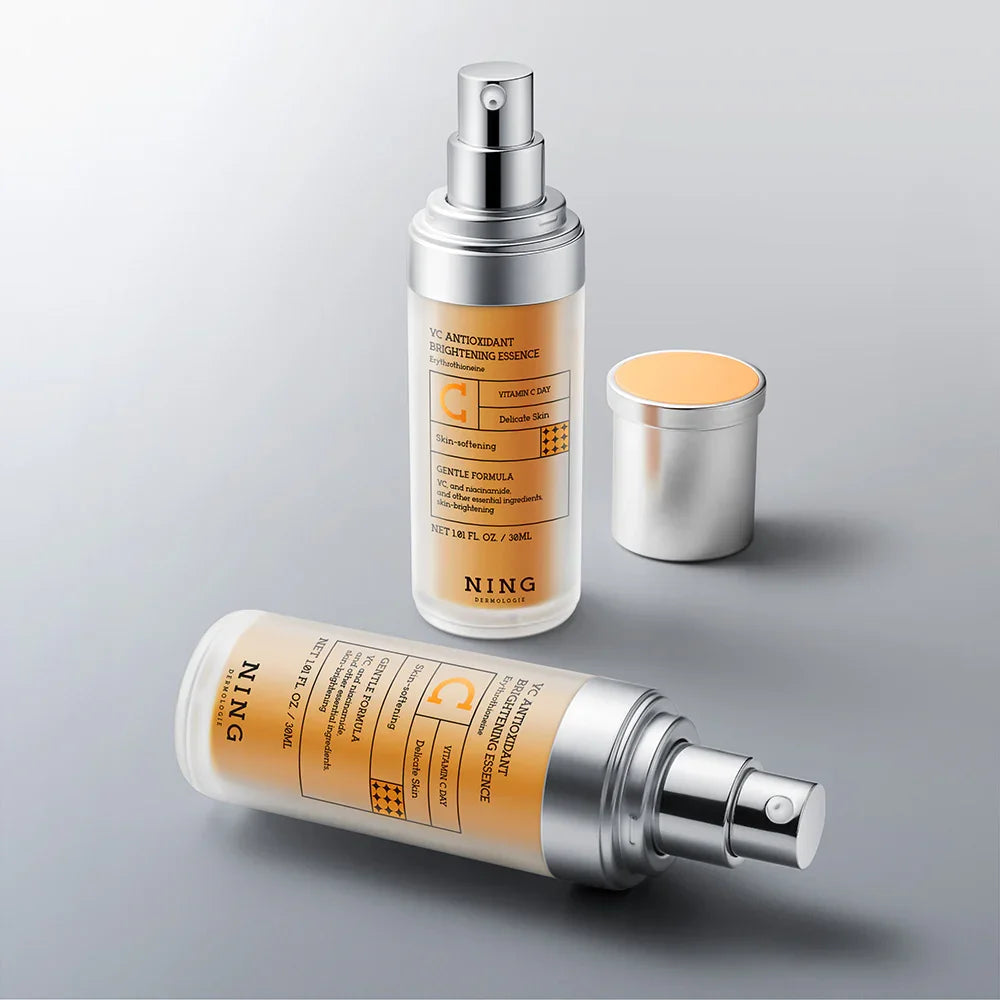
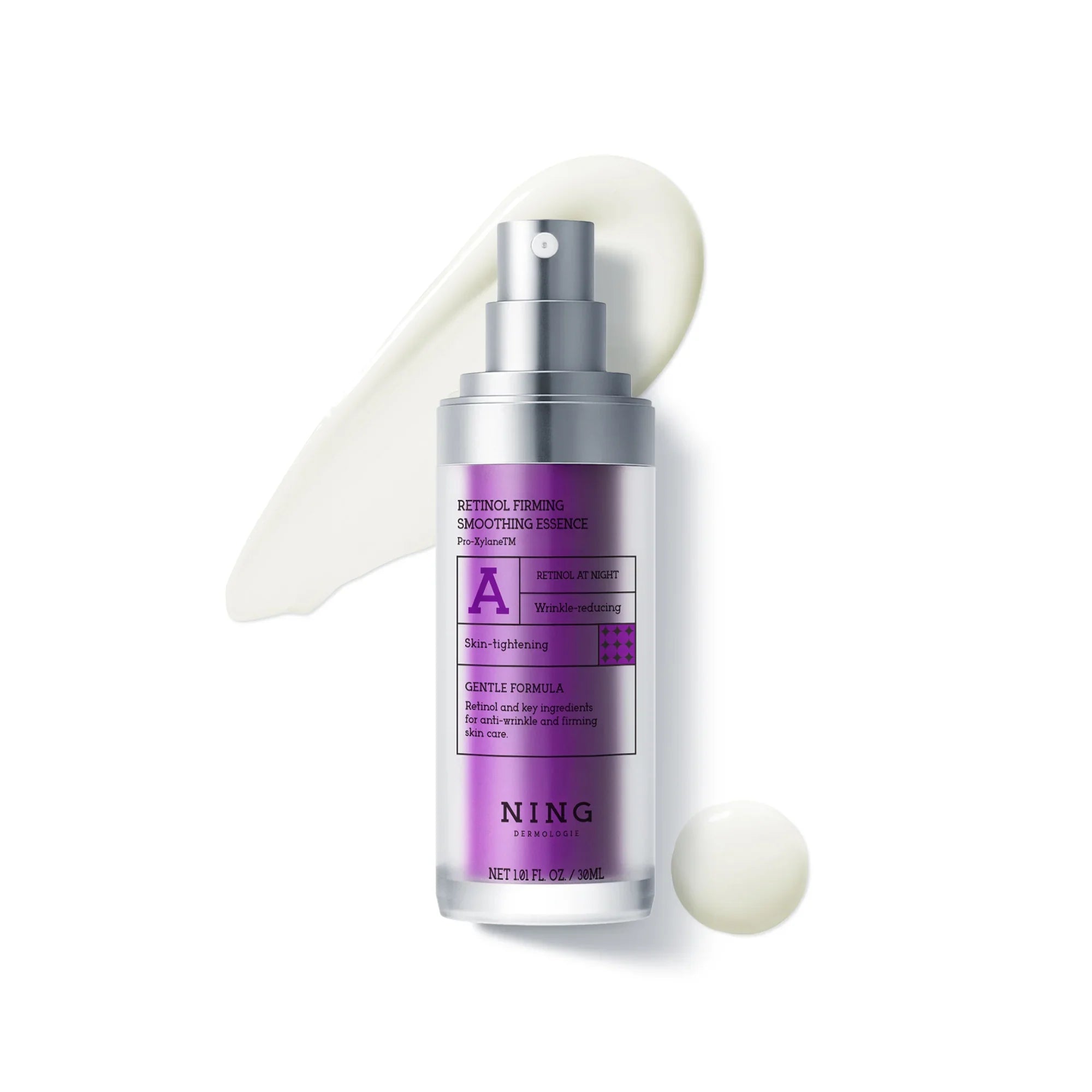
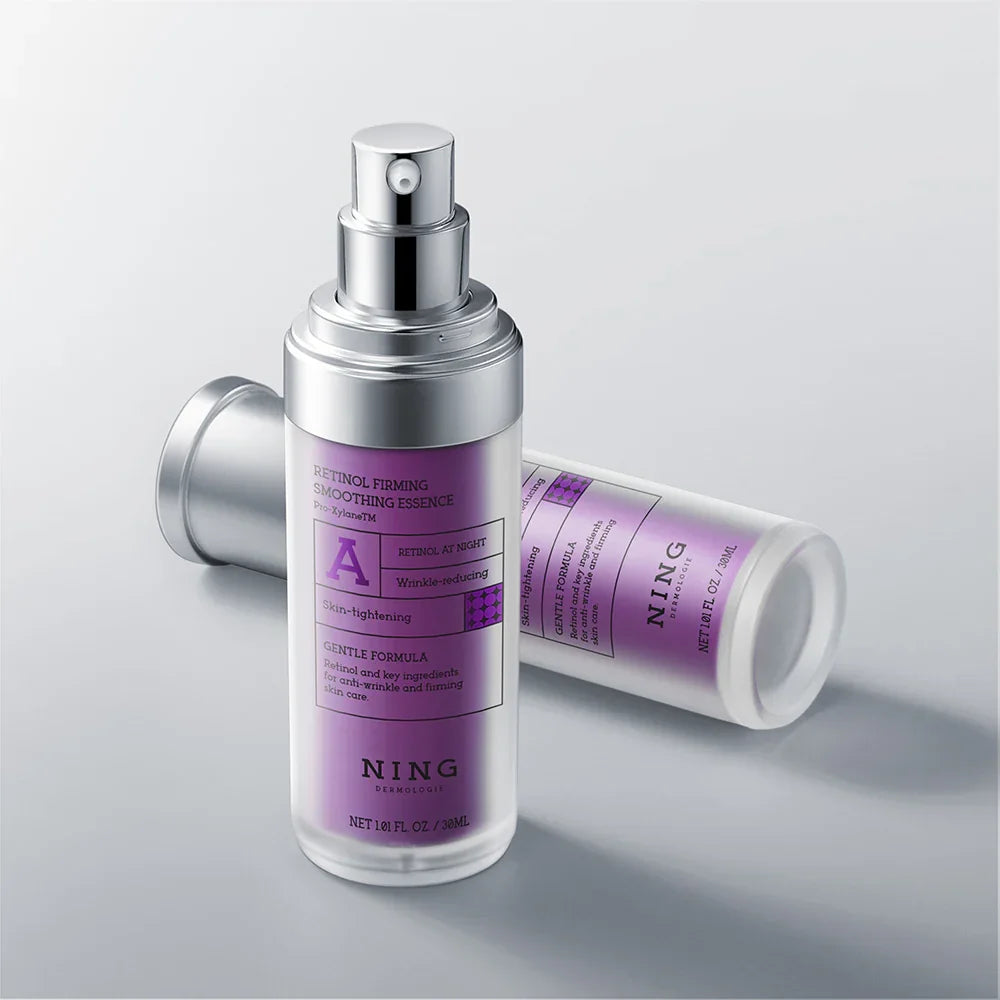
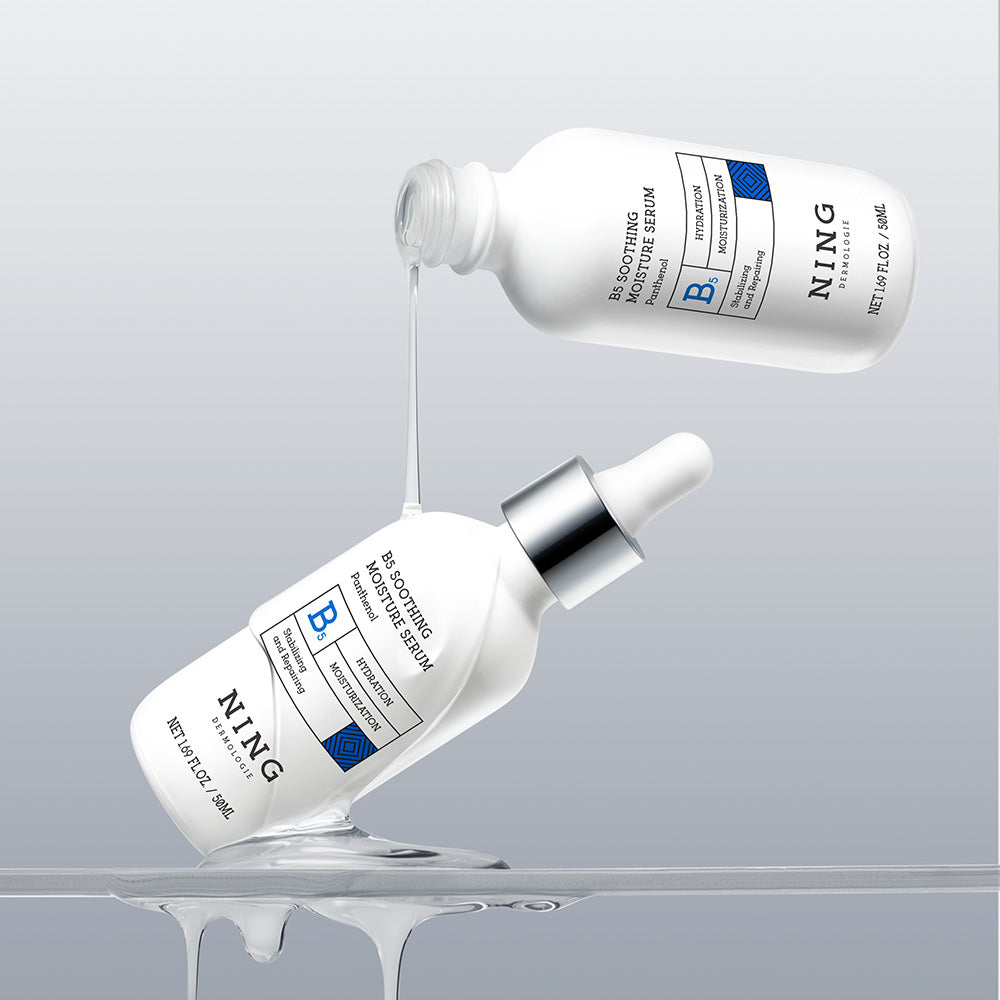
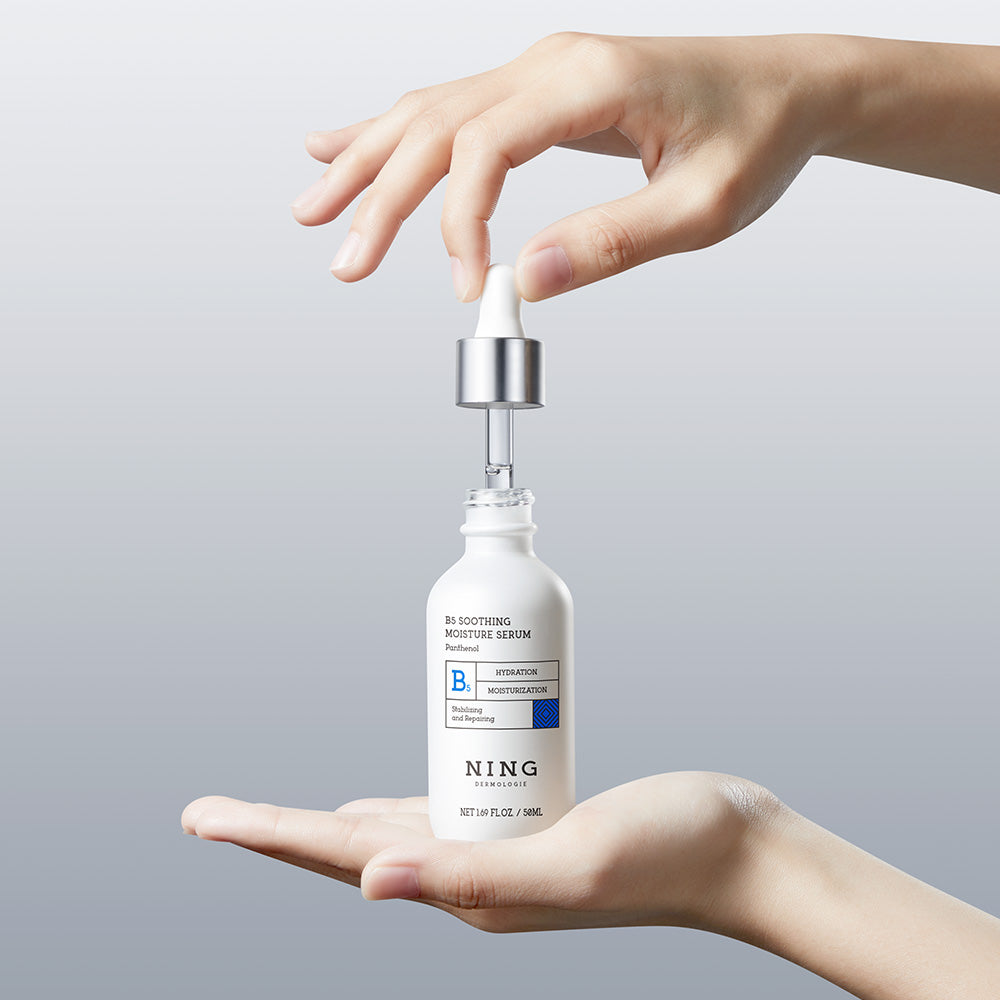
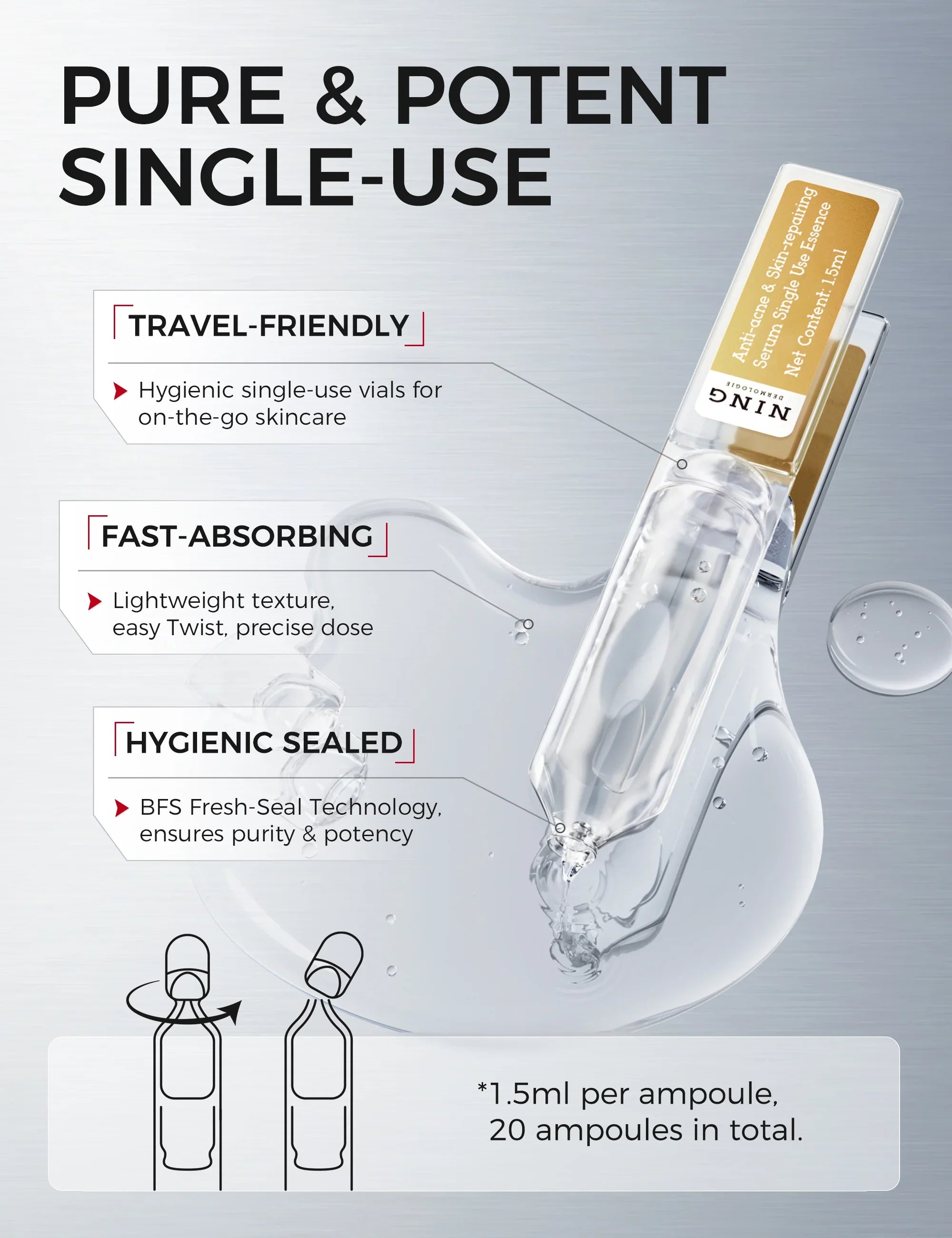
2. The Modern Innovator: NING Dermologie Vitamin C Serum
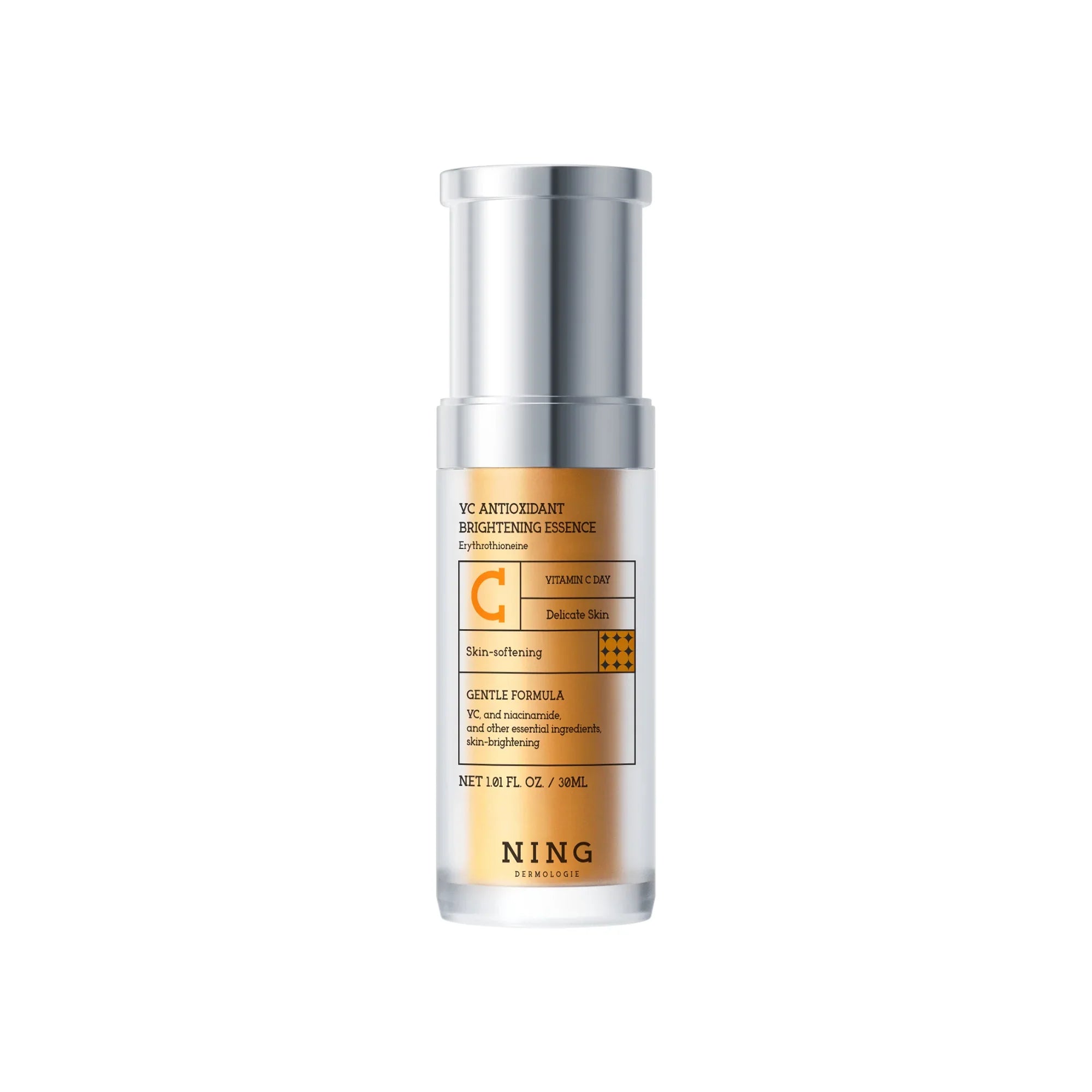
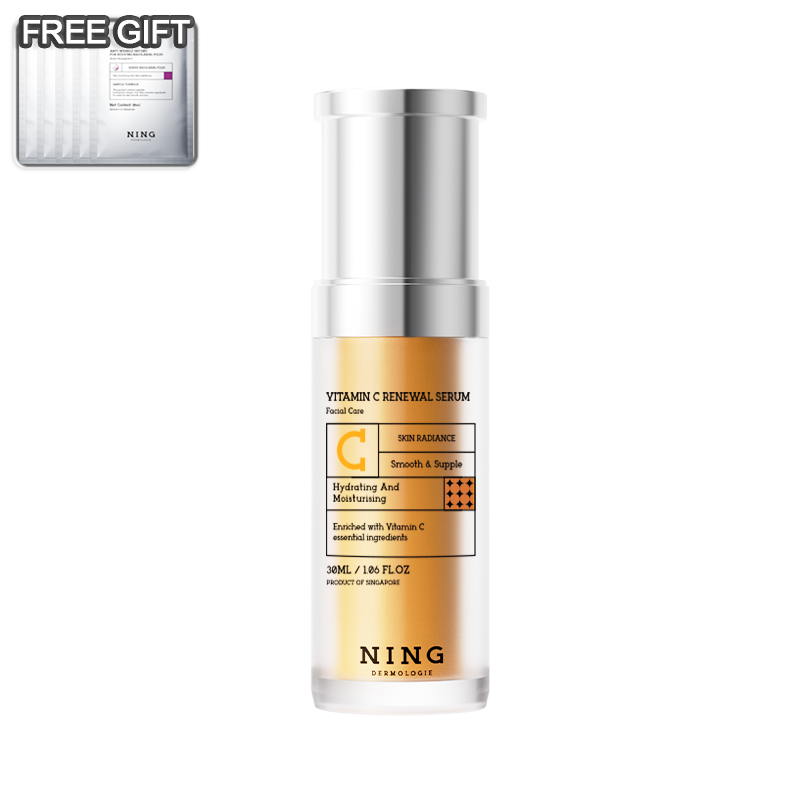
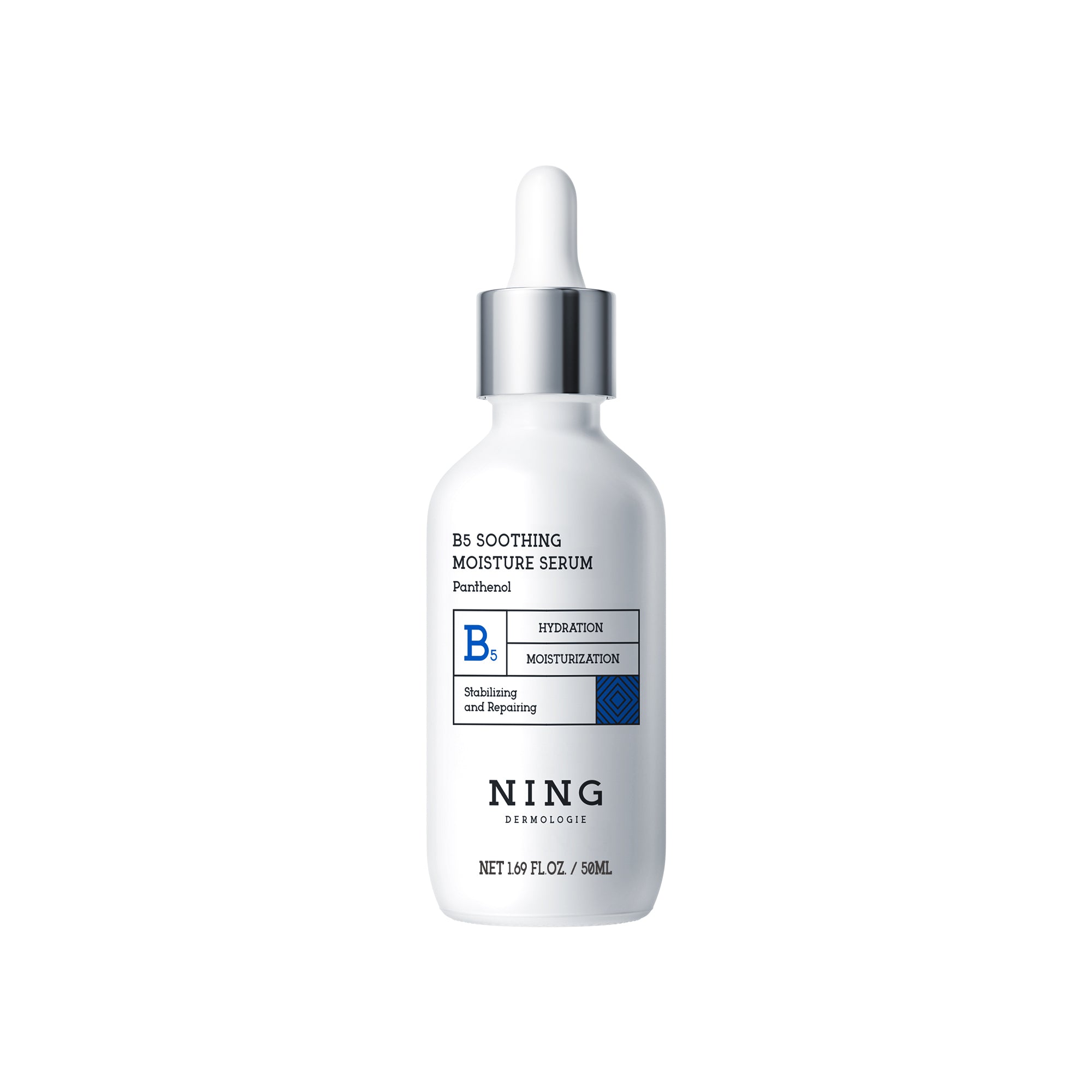
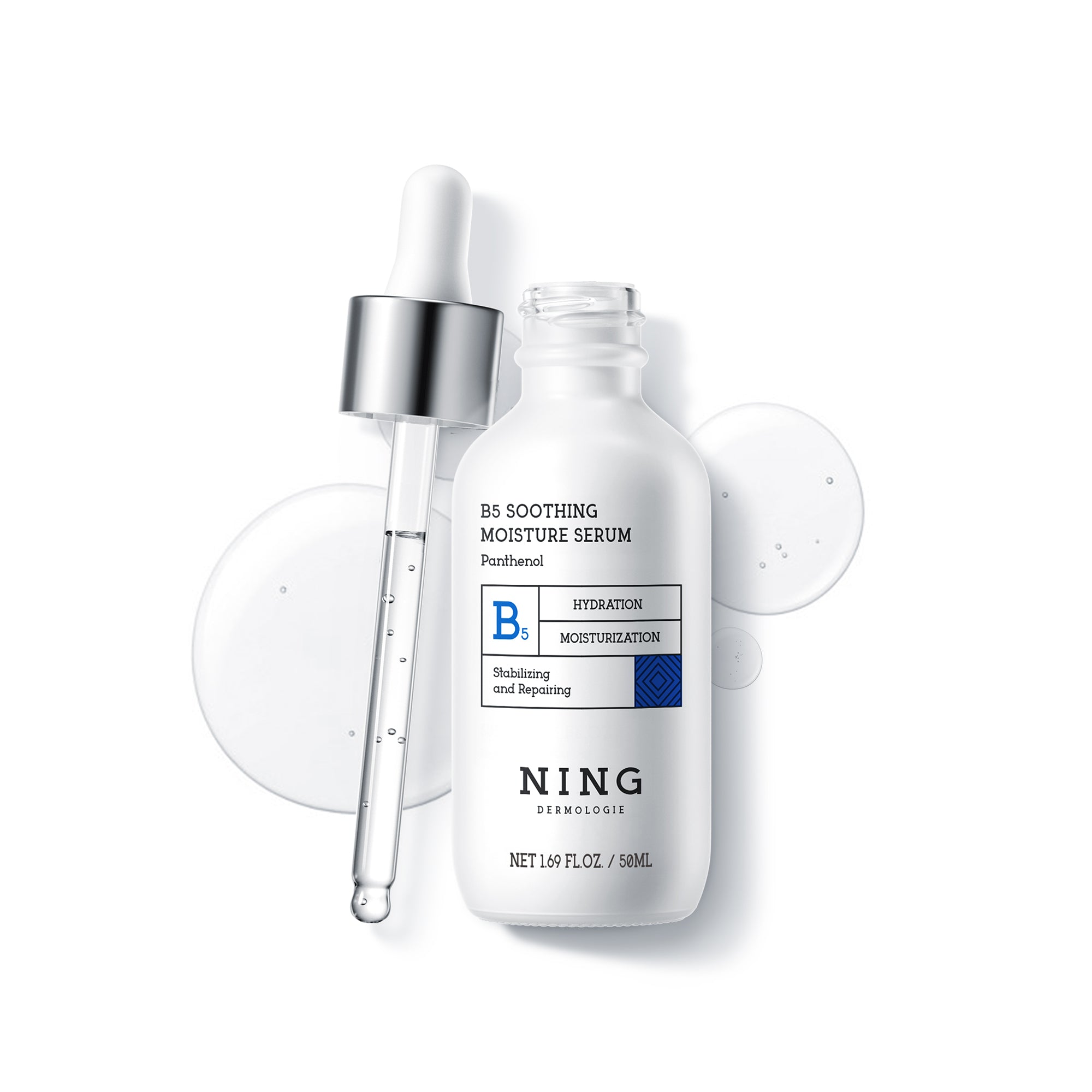
While the classics are great, the skincare industry has evolved. One of the biggest complaints with pure form of vitamin c is irritation and stability. Enter NING Dermologie, a brand gaining serious recognition for its Vitamin C Serum with Niacinamide & Ethyl Ascorbic Acid.
Why it’s a contender: Instead of using unstable ascorbic acid that oxidizes quickly, NING uses 3-O-Ethyl Ascorbic Acid. This is a highly stable form of vitamin c that can penetrate the skin deeper without the stinging sensation typical of high-acid formulas. By pairing it with Niacinamide, it addresses dark spots and acne-prone skin simultaneously.
The Practical Edge: It’s suitable for all skin types, including those with a compromised skin barrier. If you’ve found other vitamin c products too harsh, this formula leaves skin feeling hydrated rather than stripped, making it a top choice for combination skin.
3. Best for the Budget-Conscious: CeraVe Skin Renewing Vitamin C Serum
You don't always have to drop triple digits for a best vitamin c contender. CeraVe Skin Renewing Vitamin C Serum is a dermatologist favorite found in almost every drugstore.
Why it wins: It contains 10% pure vitamin c (l-ascorbic acid serum) in a protective tube that keeps air out. But the real magic is the three essential ceramides. It’s a serum for dry skin that focuses on repair while it brightens.
The Reality Check: The concentration of vitamin c is lower than some "professional" brands, so the results for deep hyperpigmentation might take longer to show. However, for a best budget pick, it’s incredibly well-formulated.
4. The Complex Overachiever: Naturium Vitamin C Complex Serum
Naturium Vitamin C Complex Serum has taken social media by storm and earned several "Best of" accolades for its unique approach to the c complex.
Why it wins: Instead of relying on just one form of vitamin c, it uses a "complex" of encapsulated l-ascorbic acid and sodium ascorbyl phosphate. This ensures that a ton of vitamin c actually reaches the deeper layers of the skin.
The Practical Edge: It has a silky, non-sticky skin feel. It plays well with vitamin c staples like hyaluronic acid, making it easy to layer in a multi-step routine without pilling.
5. The Professional’s Choice: Obagi Professional-C Serum
If you go to a high-end med-spa, you’ll likely see Obagi Professional-C Serum on the shelf. It’s a best vitamin c serum for those who want high potency.
Why it wins: It comes in various concentrations (10%, 15%, and 20%), allowing you to choose what your skin can tolerate. It is designed to penetrate the skin significantly faster than many over-the-counter options.
The Reality Check: The 20% version is strong. If you have sensitive skin, start low. But for mature skin looking to aggressively tackle fine lines and dull skin, this is a heavy hitter.
6. The New Cult Favorite: Prequel Lucent-C Brightening Vitamin C Serum
Prequel Lucent-C Brightening Vitamin C Serum is the new "cool kid" on the block, quickly gaining recognition for its high-performance, minimalist approach.
Why it wins: It features a whopping 15% pure vitamin c and is specifically formulated at a low pH to ensure maximum efficacy. It’s frequently cited as a top l-ascorbic acid alternative to the more expensive luxury brands.
The Practical Edge: It’s incredibly watery and lightweight, making it the best vitamin c serum for oily skin types who hate the feeling of heavy oils on their face.
How to Find the Best Vitamin C for Your Skin Type
Navigating a lot of vitamin c serums requires knowing your own skin's "personality." Not every vitamin c product is a universal fit.
- For Oily and Acne-Prone Skin: Look for sodium ascorbyl phosphate (a vitamin c derivative that may help with breakouts) or lightweight, water-based ascorbic acid serums.
- For Dry Skin: You need a serum for dry skin that incorporates vitamin e and ferulic acid. These antioxidants work alongside vitamin C to nourish the skin barrier. Formulas like the one from NING Dermologie are excellent here because they provide hydration alongside brightening.
- For Sensitive Skin: Avoid high percentages of pure vitamin c. Instead, look for stable form of vitamin c derivatives like Ethyl Ascorbic Acid or Tetrahexyldecyl Ascorbate. These are tolerated by sensitive skin much better and won't harm your skin with excessive acidity.
Tips to Use Vitamin C Serum Like a Pro
-
Morning is Best: While you can use it at night, it’s best used in the morning. It acts as a second layer of defense against UV damage and pollution.
-
Wait Before You Layer: Give your vitamin c serum about 60 seconds to absorb before applying your moisturizer.
-
Check the Color: If your serum is packed with l-ascorbic acid and it turns dark orange or brown, it has oxidized. Using oxidized serum won't necessarily hurt you, but it won't give you any of the benefits of vitamin c either.
-
Pair with Sunscreen: Vitamin C and SPF are a power couple. The serum neutralizes free radicals, while the SPF blocks the rays.

Final Thoughts
Whether you choose the best splurge like SkinCeuticals or a modern, stable formula like NING Dermologie, the key is consistency. Vitamin C isn't an overnight miracle; it’s a long-term investment in your skin’s health. Within 4 to 8 weeks, you’ll notice a more even skin tone, improved skin texture, and a visible reduction in dark spots.
Stop settling for dull skin and start using a serum is a favorite among experts. Your future, healthier-looking skin will thank you.
Frequently Asked Questions (FAQ)
1. What is the difference between pure vitamin c and vitamin c derivatives?
Pure vitamin c (L-ascorbic acid) is the most potent and well-researched form, but it is highly unstable and can irritate sensitive skin. Vitamin c derivatives, like the Ethyl Ascorbic Acid found in NING Dermologie, are more stable, last longer on the shelf, and are typically much gentler, making them a better choice for those who find traditional serums too "spicy" or irritating.
2. Can I use vitamin c serum if I have acne-prone skin?
Yes! In fact, you should. Vitamin c helps heal the hyperpigmentation (red or brown marks) left behind after a breakout. Some forms, like sodium ascorbyl phosphate, even have mild antimicrobial properties. For acne-prone skin, look for a lightweight, non-comedogenic vitamin c serum that won't clog pores while it works to brighten your skin tone.
3. Why does my vitamin c serum change color over time?
This is called oxidation. Most vitamin c products containing ascorbic acid are sensitive to light and air. When exposed, the formula breaks down and loses its antioxidant power, turning from clear to yellow or orange. To prevent this, keep your serum in a cool, dark place. Formulas using stable form of vitamin c are much less likely to change color.
4. Can I use vitamin c alongside other active ingredients like Retinol?
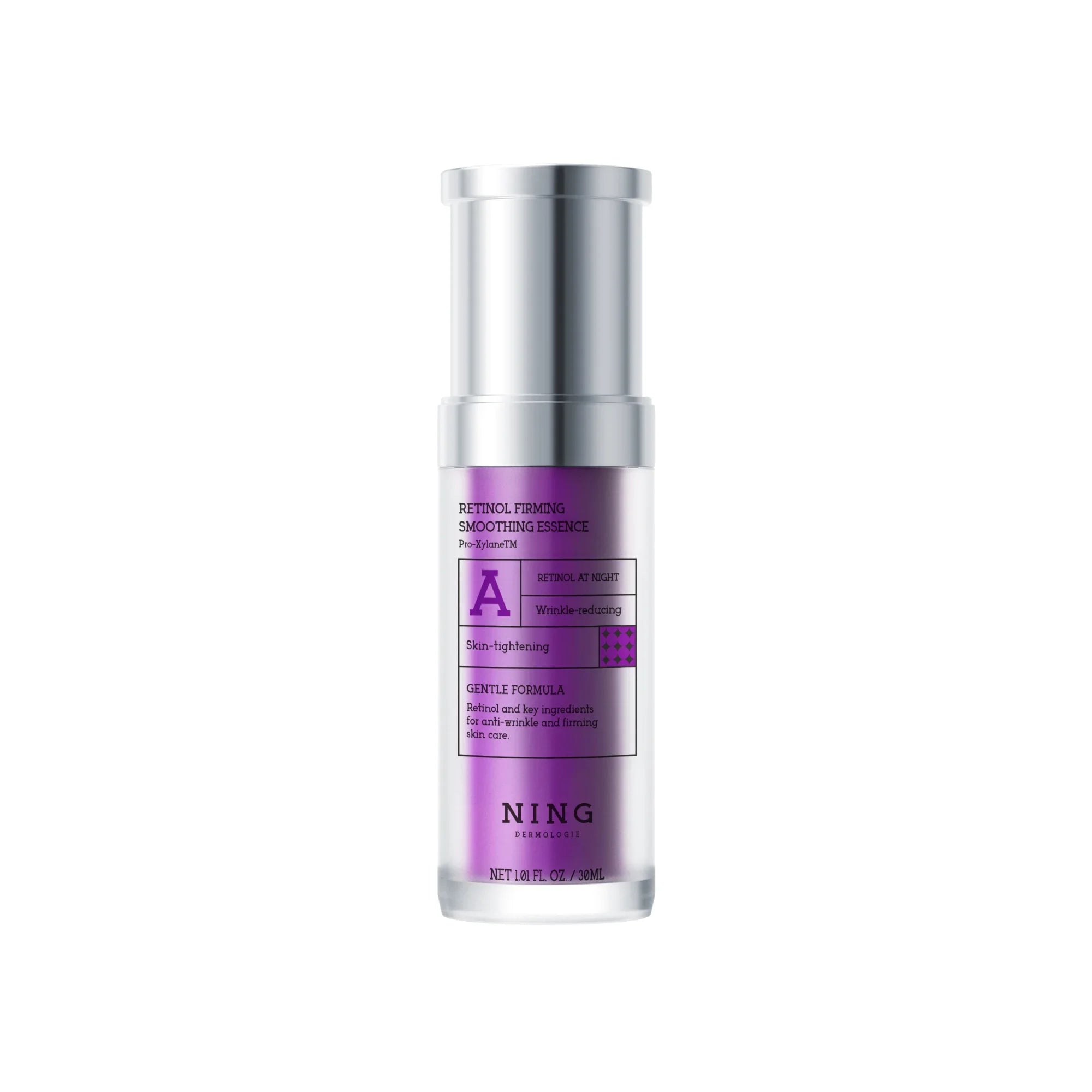
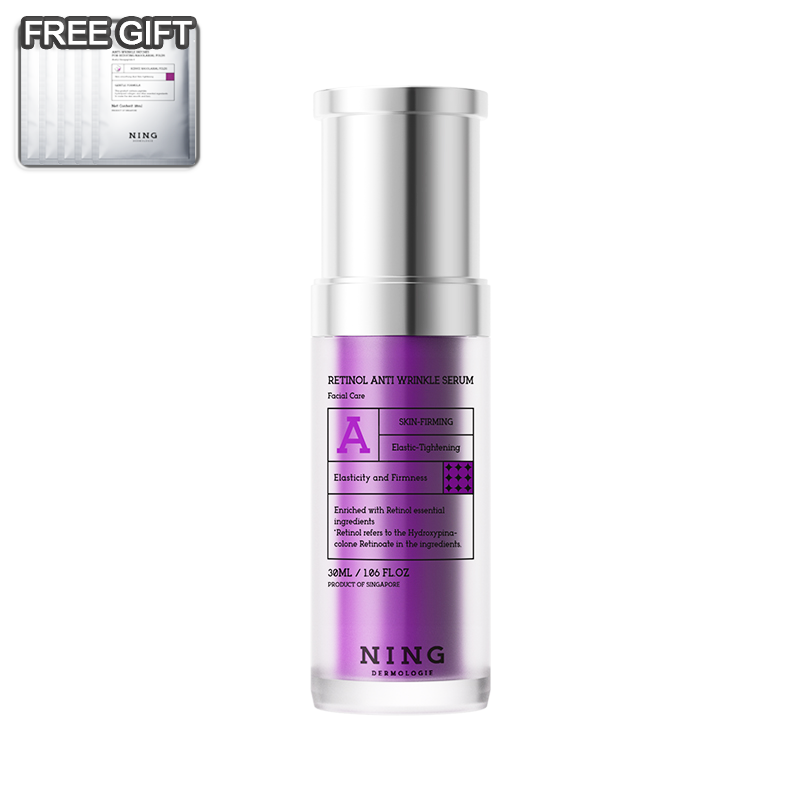
You can, but timing is everything. It is generally best used to apply vitamin c serum in the morning to protect against daytime environmental stressors. Save your Retinol for the night, as they work at different pH levels. Using them at the exact same time can lead to irritation, especially for sensitive skin types. Always follow up with a good moisturizer.
5. How long does it take to see results from a best vitamin c serum?
Patience is key in skincare. While some users report that a serum leaves skin looking brighter almost immediately due to hydration, the real work on dark spots and fine lines takes time. You should expect to see significant changes in skin texture and hyperpigmentation after 8 to 12 weeks of daily, consistent use. Consistency is more important than a high concentration.





Share:
What are the best vitamin C serums that include additional skin benefits like hydration?
Breakout-Free Skin: The Benefits of Daily Salicylic Acid Use for Acne