



Stop scrolling through TikTok "skinfluencers" for a second. If your bathroom cabinet is overflowing with bottles labeled "Clean," "Natural," or "Non-Toxic," but your mirror is still showing the same stubborn skin concerns, we need to have a serious talk about the marketing spell you’re under.
The skincare industry loves a good buzzword. Lately, the tug-of-war is between Clean Beauty and Medical-Grade Skincare. One promises safety and "green" ethics; the other promises cold, hard results. But here’s the kicker: most people don't actually know what they’re buying. At NING Dermologie, we believe in stripping away the fluff. Whether you’re shopping at a high-end dermatologist's office or browsing our About Page to see how we bridge this gap, understanding the "why" behind your ingredients is the only way to achieve a radiant complexion that lasts.

The "Clean" Mirage: Why "Natural" Isn't Always Better
Let’s burn the bridge right now: "Clean Beauty" is not a legal definition. Until the Cosmetics Regulation Act of 2022 (MoCRA) started tightening the screws, brands could basically claim anything was "clean" if they felt like it. Organizations like the Environmental Working Group (EWG) have done a great job flagging hazardous ingredients, but they’ve also fueled a massive amount of fearmongering.
The truth? Your skin doesn’t care if a molecule came from a lab or a leaf; it cares if that molecule can actually trigger collagen production or repair a damaged skin barrier. Many "natural ingredients" are highly unstable and can lead to nasty contact allergies. Just because a brand says they are "Clean Skin Care" doesn't mean they've done the clinical research to prove their product does anything other than smell like a spa.
What Does "Medical-Grade" Actually Mean? (Hint: It’s Not Just a Label)
When you walk into dermatology clinics, medical spas, or a plastic surgery center like Movassaghi Plastic Surgery, you’ll see brands like SkinBetter Science, Revision Skincare, and SkinMedica. This is medical-grade skin care (also called cosmeceuticals).
So, what’s the difference between a $15 serum for the broad consumer base and a pharmaceutical grade formula? It boils down to three things: Ingredient Purity, Concentration Levels, and Delivery Systems.
- USP Monograph Standards: Medical-grade brands often use ingredients that meet USP-NF grade (United States Pharmacopeia) standards. This means the ingredient purity is at 99% or higher. Your drugstore brand? They might be using the "industrial" version of that same chemical.
- The Concentration Gap: If you look at the active ingredient concentrations in a "Clean Beauty" Vitamin C, it’s often a low percentage of vitamin C derivatives to avoid irritating the masses. A medical-grade Vitamin C, like SkinCeuticals C E Ferulic or Alastin Skin Care C-Radical Defense Antioxidant, uses high-potency L-ascorbic acid backed by clinical studies.
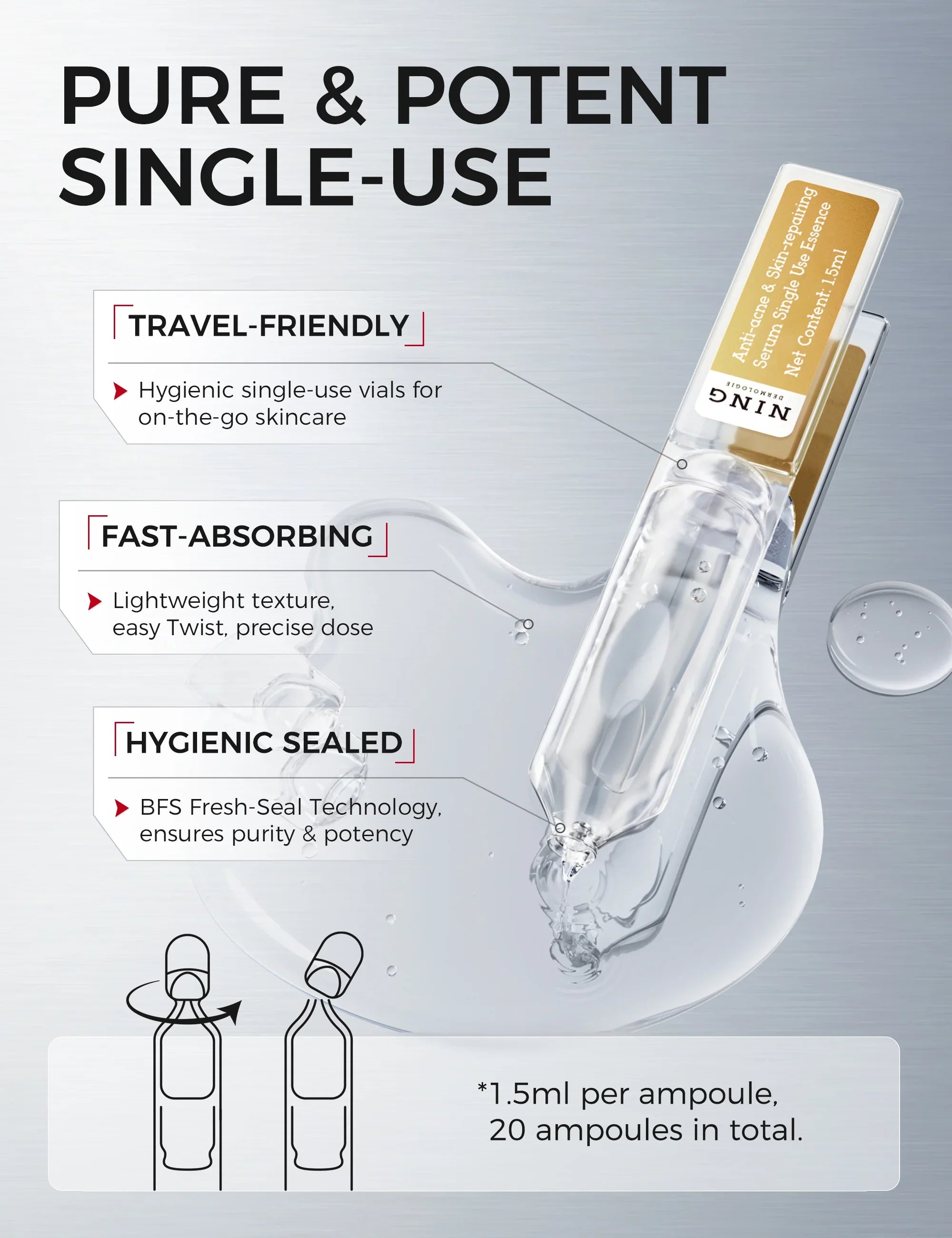
- Delivery Systems: This is the secret sauce. You can have the best Salicylic acid or Glycolic acid in the world, but if it just sits on the surface of your skin, it’s useless. Medical-grade formulas use penetration enhancers to get those molecules into the dermis where epidermal repair actually happens.
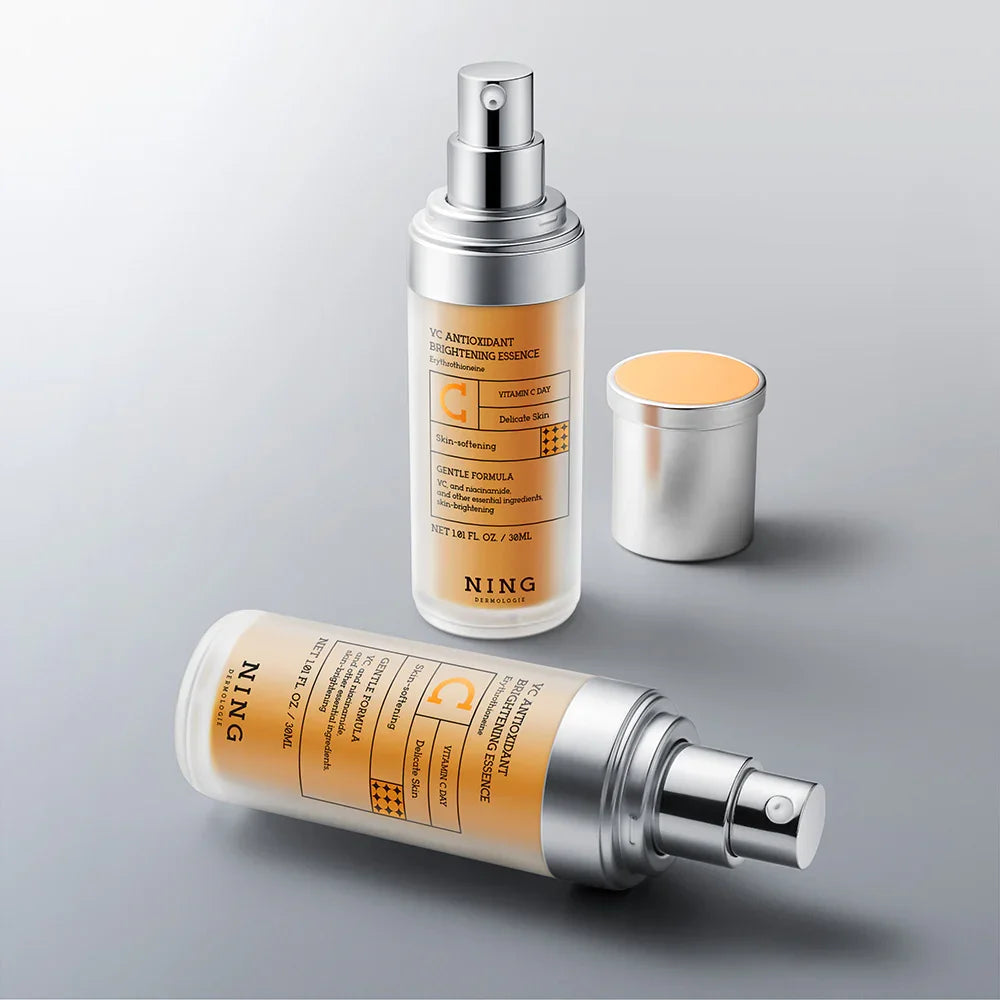
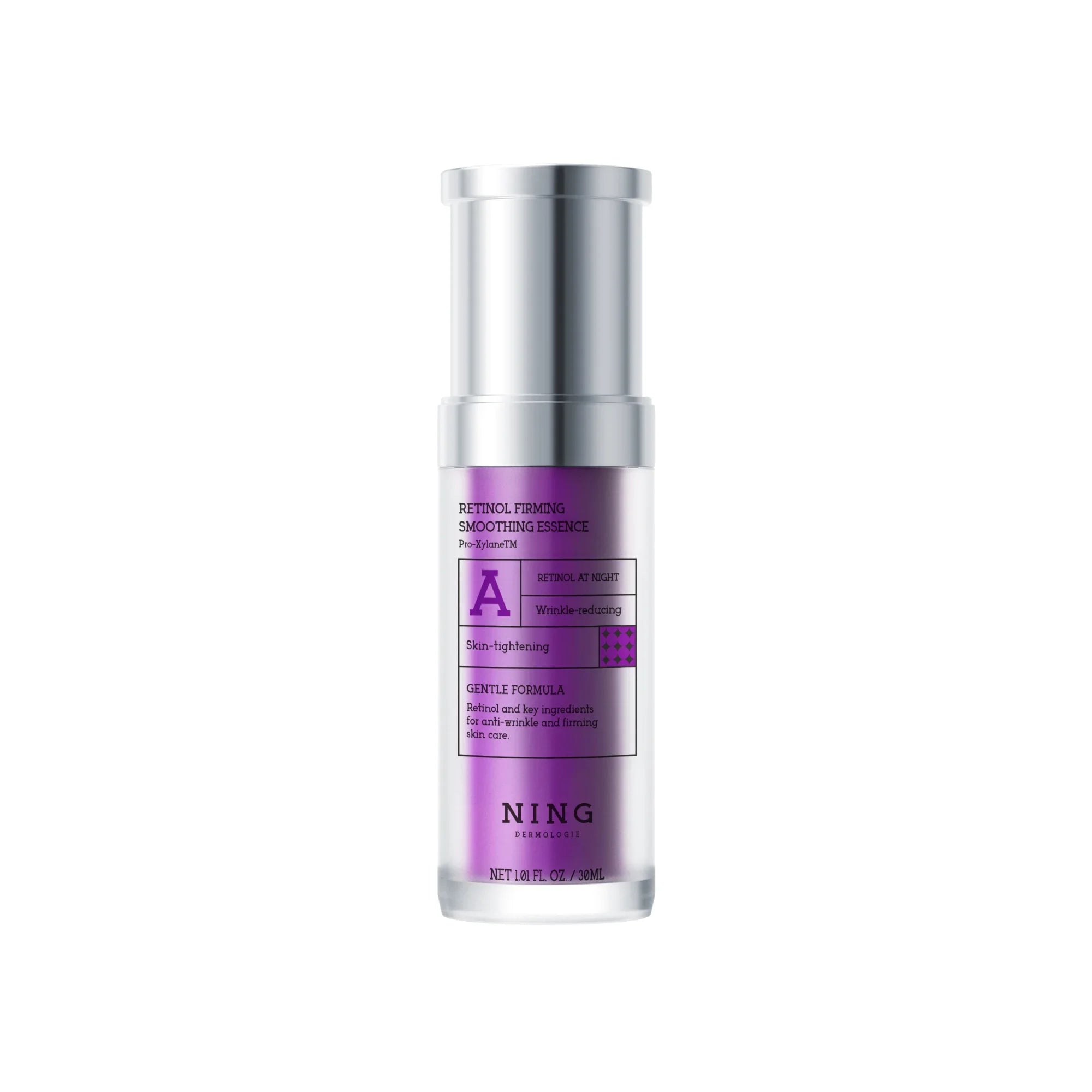
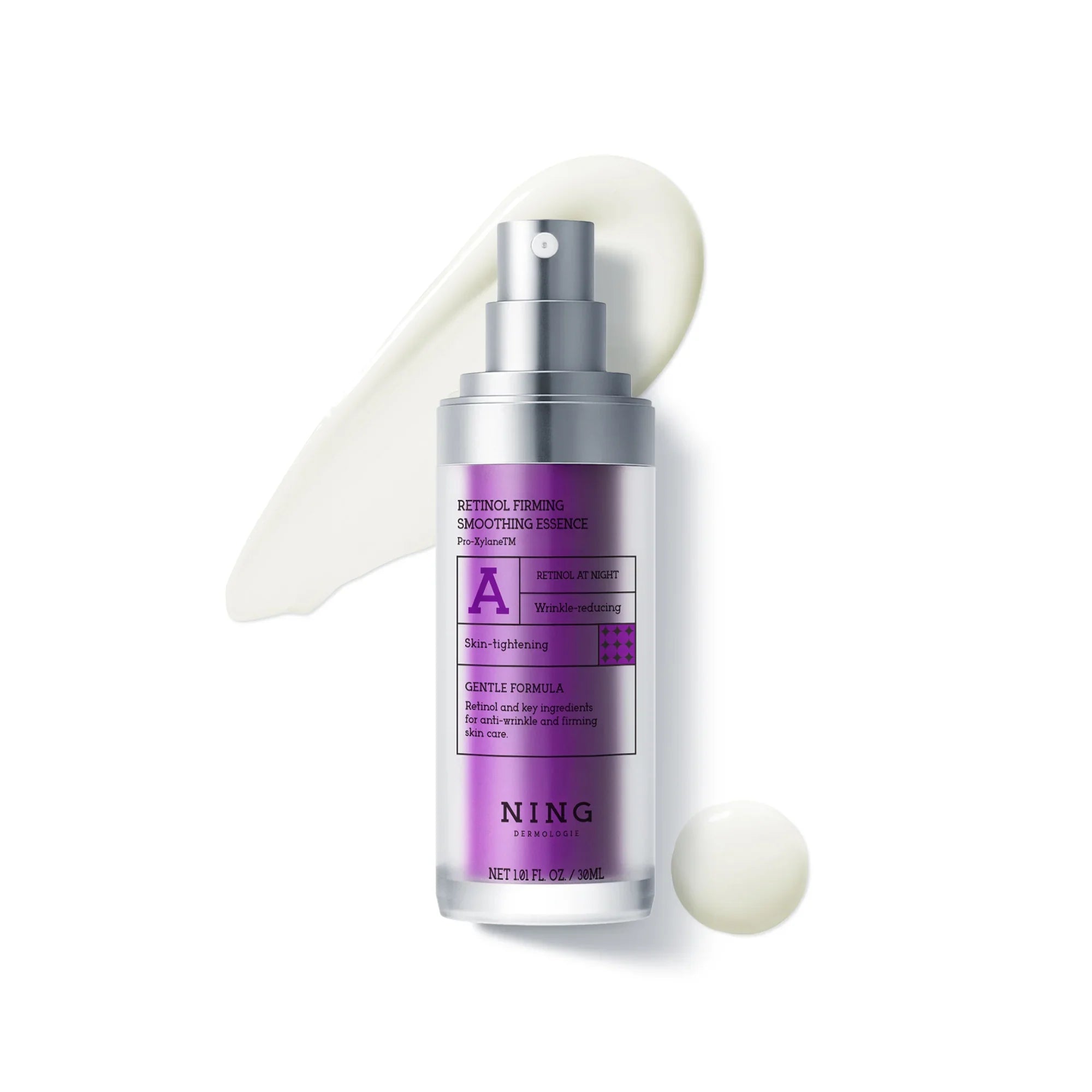
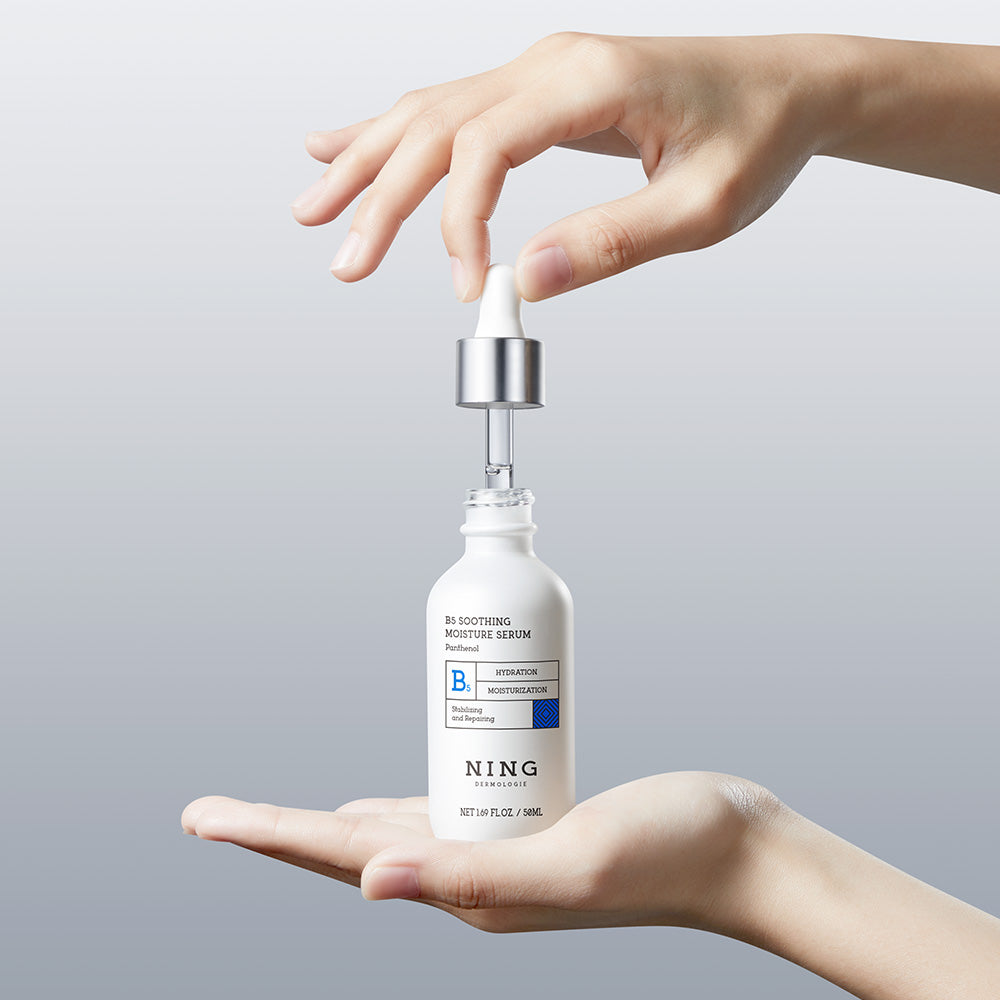
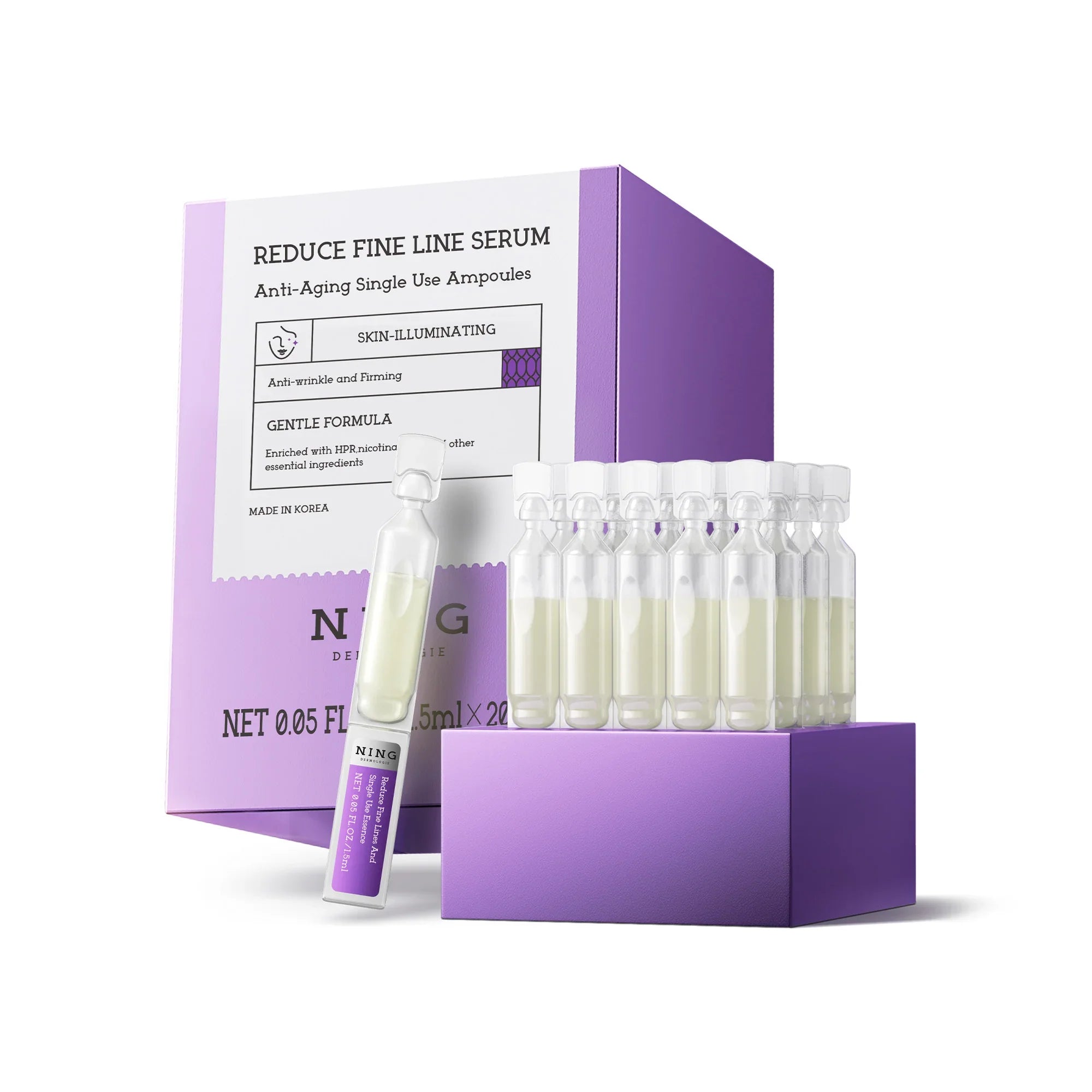
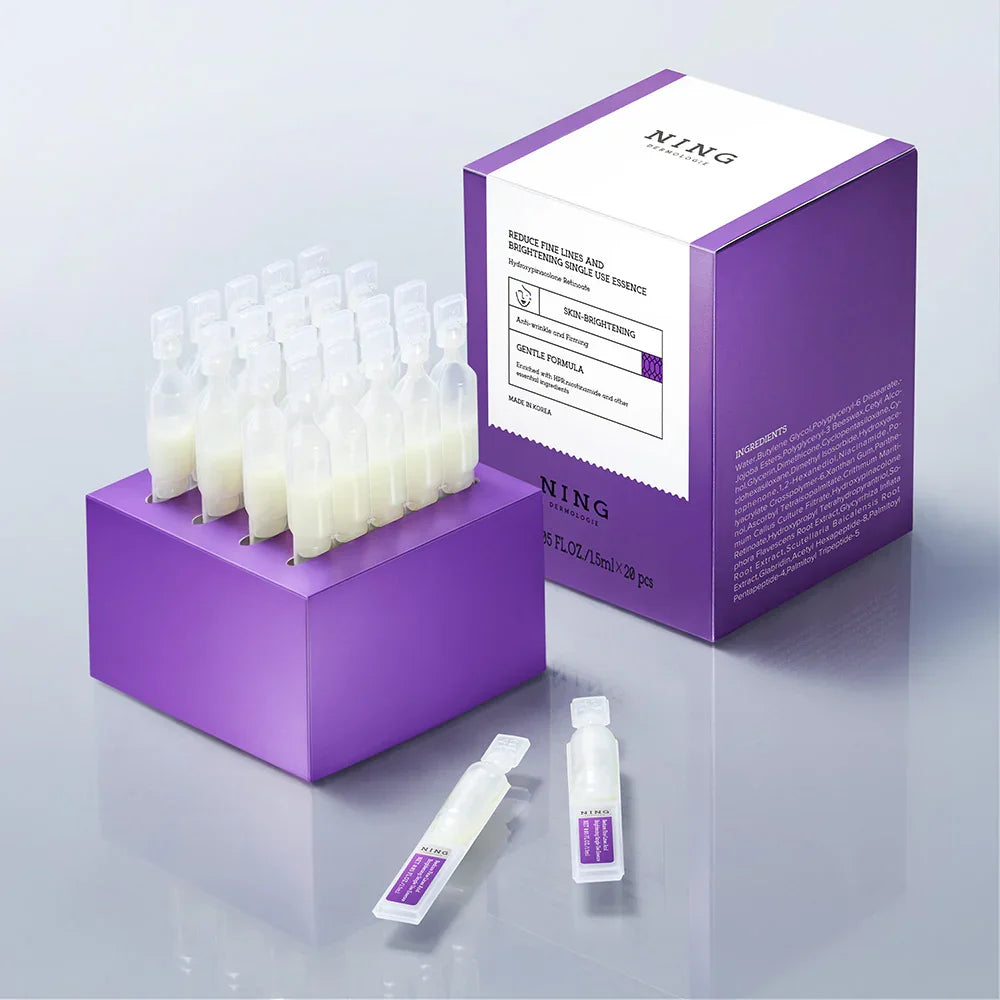
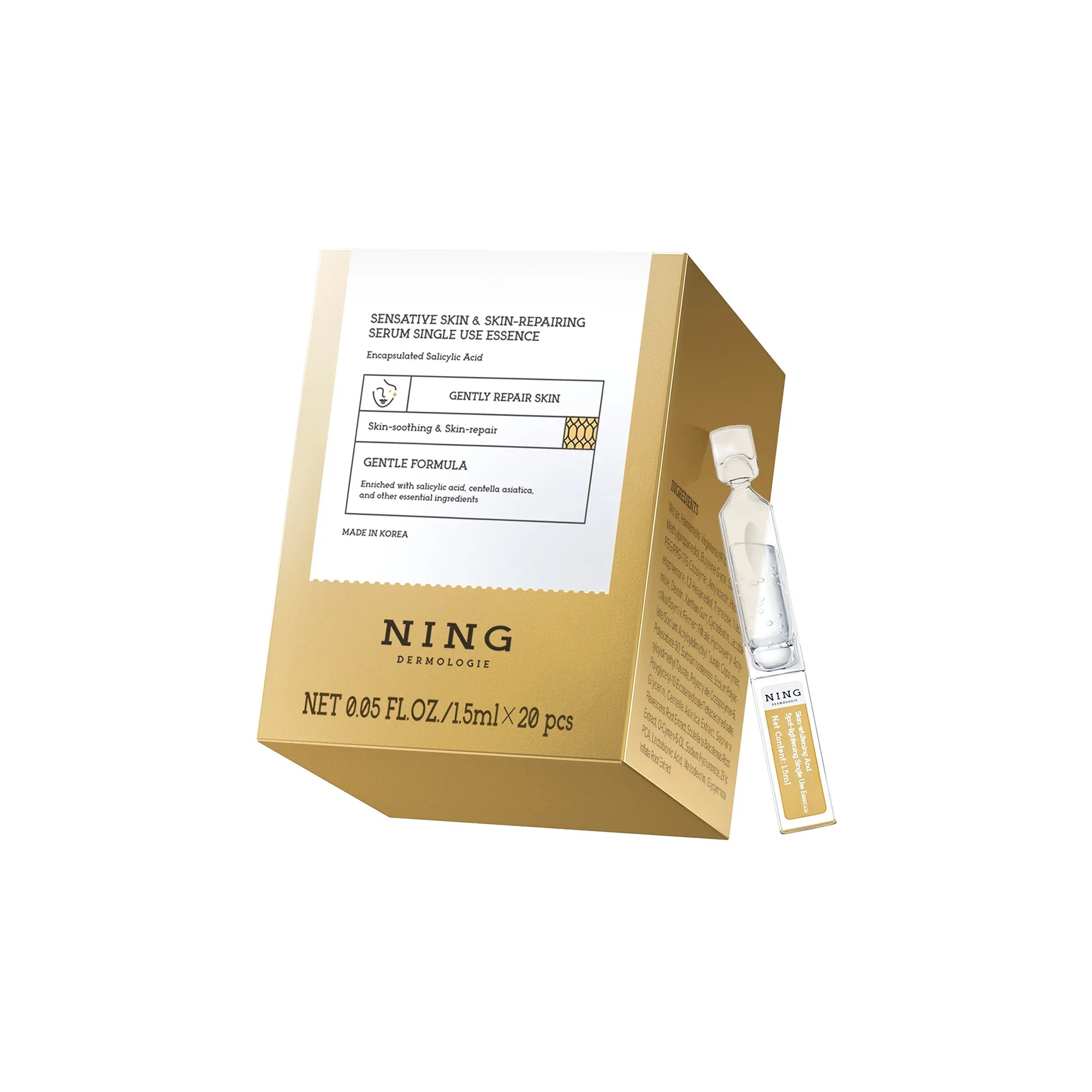
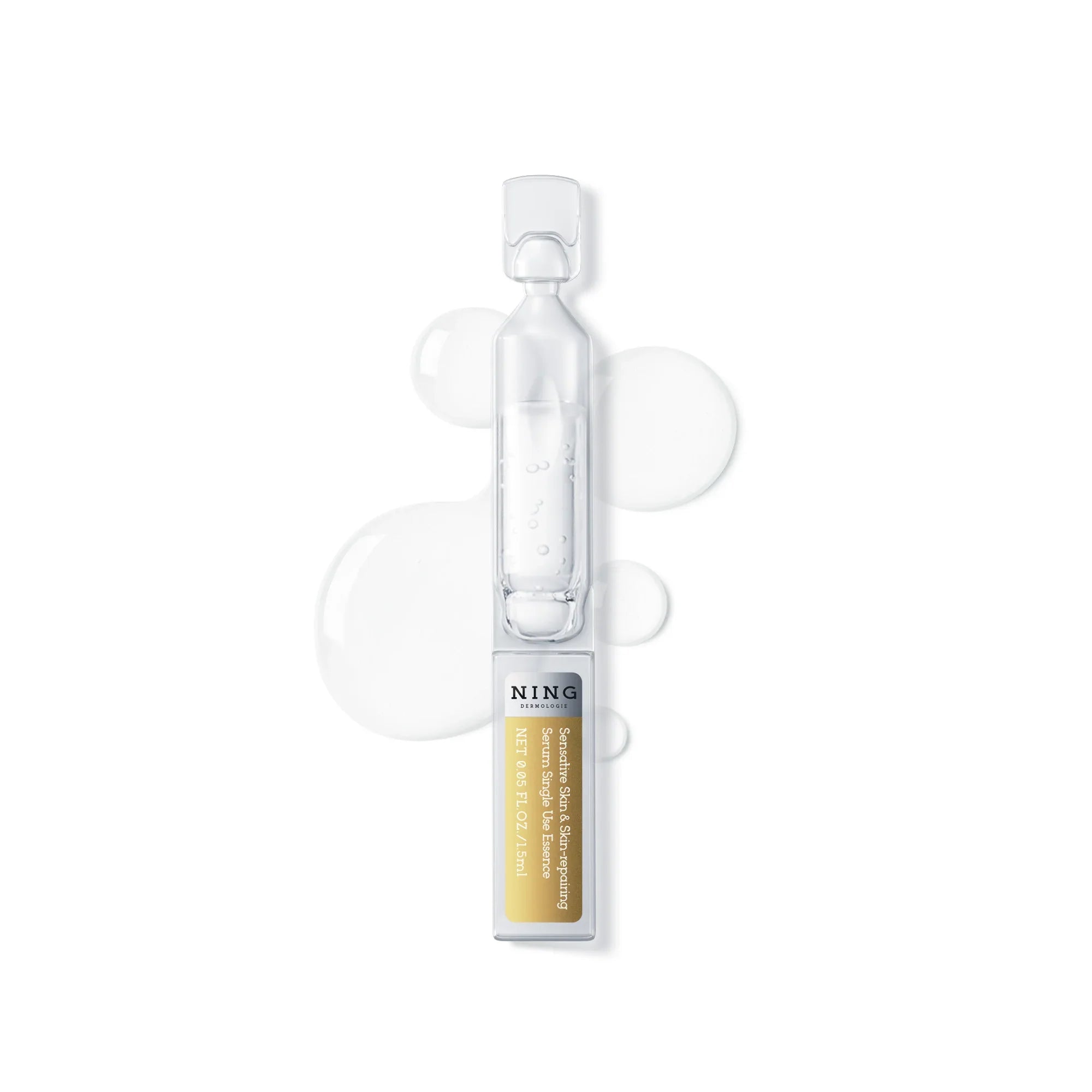
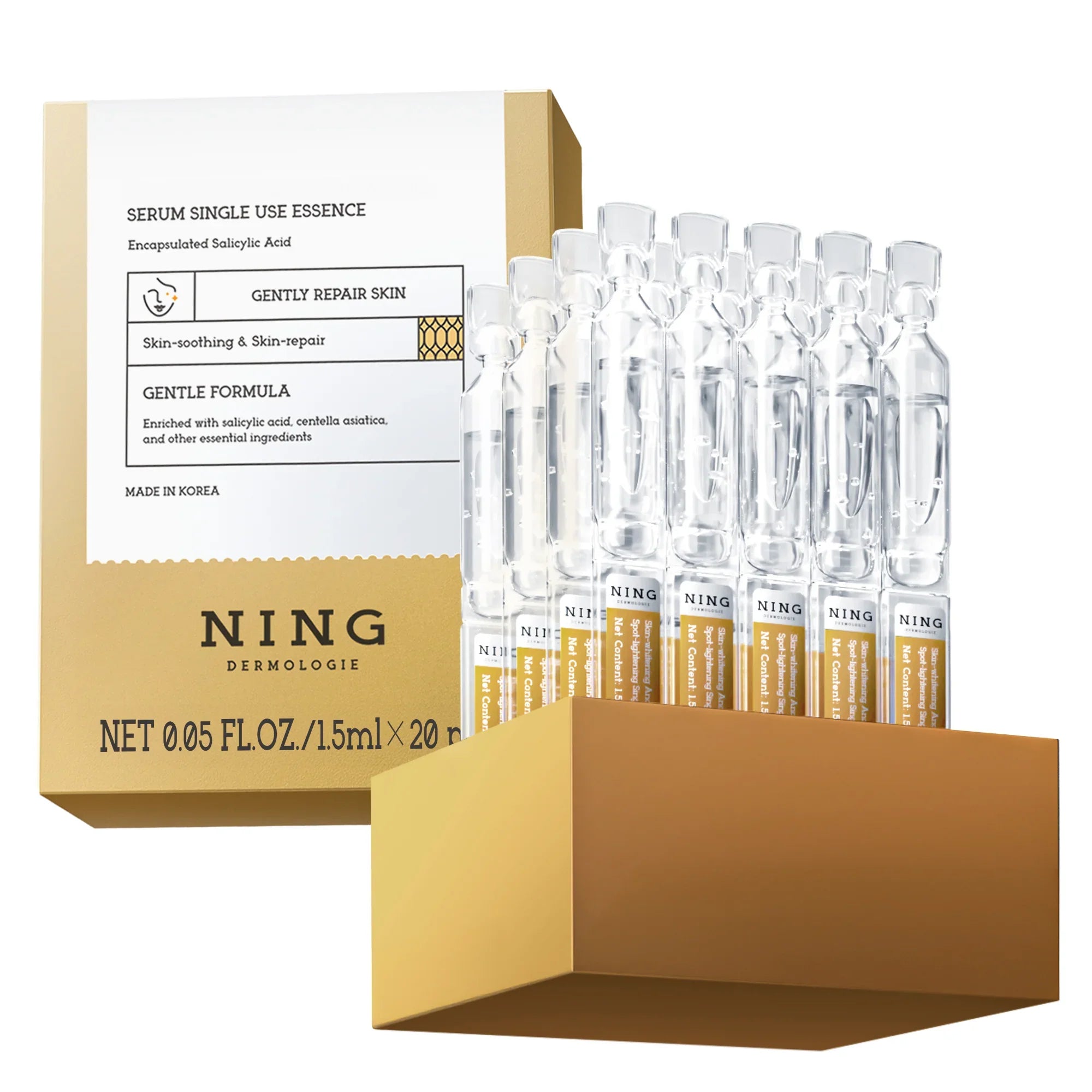
NING Dermologie: Where Clean Meets Clinical
We aren't here to tell you that all lab-made chemicals are miracles, nor that all botanical ingredients are useless. At NING Dermologie, we follow Current Good Manufacturing Practices (CGMP) to ensure that when we talk about skin longevity, we have the data to back it up. We look at clinical skincare labs, not just Petri dishes at the Pond's Institute.
Our philosophy focuses on nutrient activating formulas that support barrier health. We don't just want to hide wrinkle depth; we want to use bioengineered skin cells technology and growth factors—like those found in the legendary SkinMedica TNS or TNS Advanced+ Serum—to actually change how your skin functions.
The High-Stakes World of Actives
If you’re dealing with serious skin concerns like cystic acne or melasma, "Clean Beauty" might be bringing a knife to a gunfight. You need Prescription-strength acids, Benzoyl peroxide, or Kojic acid to move the needle.
Take exfoliating acids for example. A "natural" peel might use fruit enzymes. They feel nice. But a chemical peel performed by licensed estheticians using medical-grade salicylic acid or lactic acid (think Good Genes All-In-One Lactic Acid Treatment) actually triggers a wound-healing response that resurfaces the skin.
Industry experts like Aegean Chan, Karan Lal, and Esther Olu—the "vetted" voices of Vetted Dermlab—constantly remind us that clinical testing is what separates a product that "feels good" from one that "works." It’s the difference between a basic moisturizer and Obagi Medical Hydrate Luxe Moisturizer or SkinBetter Science’s D.E.J Eye Cream.
Why "Medical-Grade" Feels Different
Have you ever noticed that medical-grade products don't always smell like roses? That’s because they aren't hiding behind "fragrance" (one of the biggest hazardous ingredients for sensitive skin). Brands like Zein Obagi (ZO Skin Health) focus on aggressive clinical trials and clinical research to ensure their products work alongside laser therapy or laser treatments.
When you buy from NING Dermologie, you’re getting that same commitment to clinically tested efficacy. We don't care about being "pretty" on an Instagram shelf; we care about Current Good Manufacturing Practice and ensuring your Hyaluronic acid actually plumps your skin from the inside out.
The Bottom Line: How to Choose
If you’re just looking for a basic wash to feel refreshed, Jane Iredale or Lea Black Beauty might be your vibe. But if you want to tackle wrinkle depth, hyperpigmentation, or skin barrier failure, you need to look for:
- Active ingredients at the top of the list.
- Evidence of clinical testing on human subjects, not just a marketing survey.
- Delivery systems that ensure the product actually penetrates.
Stop buying into the "Clean" vs. "Chemical" war. Start looking for Concentration Levels and Ingredient Purity. Your skin is an organ, not a marketing project. Treat it with the respect of clinical science.
Frequently Asked Questions (FAQ)
Is "Medical-Grade" just a fancy way to charge more money?
Not exactly. You're paying for the concentration levels and clinical research. Drugstore brands target the "average" person, meaning they keep actives low to avoid law suits from irritation. Medical-grade brands use USP-NF grade ingredients and delivery systems that actually reach the dermis. It’s an investment in potency.
Can I use medical-grade products if I have super sensitive skin?
Actually, it’s often better. "Clean" brands often pack products with botanical ingredients and essential oils that trigger contact allergies. Medical-grade lines like NING Dermologie focus on barrier health and are often formulated without the "fluff" fragrances that cause reactive skin to flare up.
Why don't I see these brands in big-box beauty stores?
Most require a consultation with licensed estheticians or a dermatologist's office. Because the active ingredient concentrations are so high, you need professional guidance to avoid over-exfoliating. However, some vetted brands are now becoming available online for those who understand their own skin concerns.
Does "Clean Beauty" mean the product is organic?
Nope. "Clean" has no legal definition under FDA regulation. A brand can call itself clean while using synthetic preservatives, or call itself natural while being totally unstable. Don't trust the label; trust the clinical trials and the Good Manufacturing Practices the company adheres to.
Will medical-grade skincare replace my need for laser therapy?
It won't replace a laser treatment, but it’s the best "insurance policy" for one. Using products with growth factors and Vitamin C pre-and-post procedure speeds up epidermal repair and maintains your results. Think of skincare as the daily gym and lasers as the surgery. Both work better together.





Share:
The Vitamin C Power Couple: How to Layer for Maximum Radiance
The Vitamin C Power Couple: How to Layer for Maximum Radiance